
Reviewed · COFFEE EXPERIENCES
N1 Coffee Tasting Experience in Buenos Aires
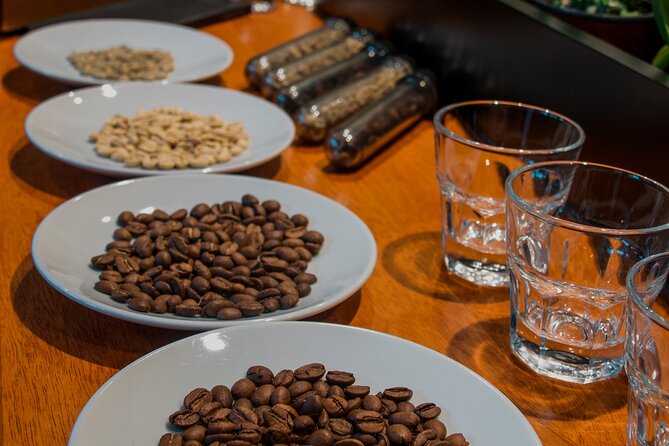
This is not just a quick coffee flight. Lyubov’s workshop feels closer to a beginner coffee-sommelier class, with coffee history, bean inspection, aroma games, and guided tasting all tied together. You learn how a seed becomes a roasted bean and how that journey shapes the drink in your cup.
I like the hands-on aroma work and the private format. Smelling through the Le Nez du Café kit gives you a useful vocabulary, while a one-group session lets you ask basic questions without feeling out of place. The main drawback is the price: at $85 per person, this costs far more than a normal café visit, and serious coffee fans may find some of the introductory material familiar.
Key points to know before booking
- Taste several single-origin coffees: Compare coffees from different places and learn how origin, roasting, and preparation affect flavor.
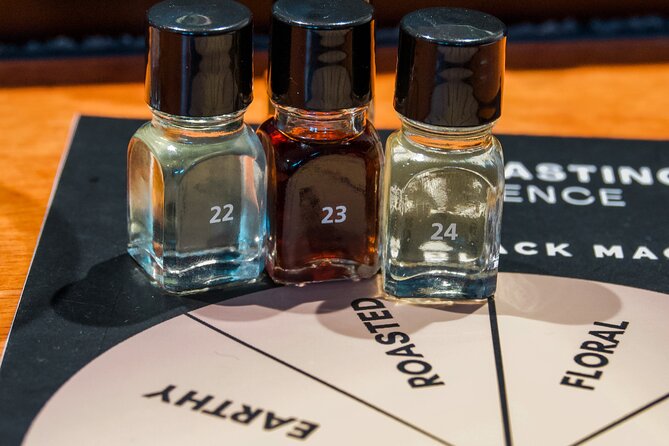
- Use a professional aroma kit: The Le Nez du Café set turns smell into a playful exercise instead of leaving you to guess at tasting notes.
- Learn with Lyubov: Her teaching covers coffee growing, harvesting, roasting, brewing, labels, and palate development.
- Enjoy a private session: Only your group participates, so you receive direct attention and can shape the discussion around your interests.
- Plan for about two and a half hours: Morning and afternoon departures make it easy to fit into a Buenos Aires sightseeing day.
- Meet in Palermo: The session begins and ends at Al Diablo Coffee Roasters, Costa Rica 4752, near public transportation.
Why this Buenos Aires coffee class is different
Buenos Aires has no shortage of cafés, but ordering a flat white or cortado tells you very little about where coffee comes from or why one bean tastes fruity while another tastes nutty. This experience gives you the tools to notice those differences.
Lyubov presents coffee as a chain of choices. A seed is planted, the fruit is harvested, the beans are processed, dried, roasted, ground, and brewed. Each stage leaves a mark. That approach makes the tasting more useful than simply being handed several cups and told which one is best.
I like that you are not expected to arrive as a coffee expert. The workshop is designed for people who drink coffee every day but cannot explain what they like. It also works for experienced drinkers who want to test their instincts and sharpen their descriptions.
The session is private, which matters here. Coffee tasting involves plenty of questions, and you may want to admit that you cannot smell the supposed peach, chocolate, or spice in a cup. With only your group present, you can take your time and ask Lyubov to explain a point again.
More Food Tours in Argentina
- Buenos Aires: 9-Course Argentine Meat Tasting at Fogón Asado
★ 4.9 · 826 reviews - Buenos Aires: Local Foodie Adventure with Sherpa Food Tours
★ 4.9 · 670 reviews - Buenos Aires: Empanadas and Alfajores Guided Cooking Class
★ 4.8 · 486 reviews
Starting at Al Diablo Coffee Roasters in Palermo
The meeting point is Al Diablo Coffee Roasters at Costa Rica 4752 in Buenos Aires. The experience begins and ends there, and the location is near public transportation.
That simple setup keeps the workshop focused. You are not being moved from café to café or spending part of the session on a sightseeing transfer. The coffee shop provides the setting, while Lyubov provides the instruction and tasting structure.
You should allow enough time to reach the address without rushing. Since the session is built around sensory attention, arriving flustered is not ideal. A morning departure can make a good start to the day, while an afternoon option works nicely after exploring Palermo.
The café setting also gives the class a practical feel. You are learning about coffee in a place where coffee is prepared and served, not in a formal lecture room. Still, this is an organized class, so do not expect to wander in and order a casual drink before joining.
The first lesson: from planted seed to finished cup
Lyubov begins by explaining specialty coffee and the stages of production. You learn how the quality of the final drink is shaped long before brewing begins.
The subject can sound technical, but the teaching connects each point to what you taste. Growing conditions, harvesting, processing, roasting, and preparation are not treated as isolated facts. They help explain why two coffees can smell and taste so different.
This background is useful when you buy beans later. Coffee bags often list a country, region, altitude, process, roast level, and tasting notes. Those labels can seem like marketing language until you understand what each detail is trying to tell you.
One of the practical benefits is learning how to read a coffee bag with more confidence. You will not simply memorize a list of terms. You will start to connect the information on the label with the type of cup you may prefer.
That can save money at home. Instead of buying beans because the packaging looks appealing, you can make a better guess based on the flavors and roast style you already enjoy.
The Le Nez du Café aroma exercise
The aroma section is one of the most memorable parts of the experience. Lyubov uses a Le Nez du Café sommelier kit, which contains distinct scent references used to train your sense of smell.
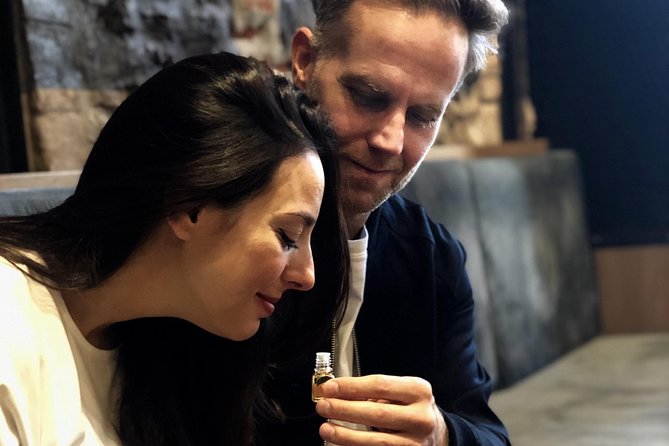
You smell the samples and try to identify them. This becomes a small game, but it has a serious purpose. Coffee tasting depends heavily on aroma, and many of the flavors you think you taste are first detected through your nose.
You may find this harder than expected. Identifying a smell in a kit is not always easy, especially when you do not have a trained vocabulary. That is part of the value. The exercise shows you how much room there is to improve, and it gives you words to use when describing coffee later.
The session links those aromas back to the coffees you taste. Instead of hearing a list of tasting notes and politely accepting them, you get a chance to look for certain impressions yourself.
Do not worry if your description differs from Lyubov’s. The point is not to produce the one correct answer. Coffee perception varies from person to person, and learning what your own palate notices is more useful than trying to sound like a professional judge.
More Food Tours in Buenos Aires
- Buenos Aires: Empanada & Alfajor Cooking Lesson in Palermo
★ 4.6 · 186 reviews - Buenos Aires: Wine Tasting and Lunch at Bodega Gamboa
★ 4.8 · 177 reviews - Buenos Aires Food Tour: Local Dishes, Steak, Empanada & More
★ 5.0 · 118 reviews - BA: Empanadas and Alfajores Cooking Experience in Palermo
★ 5.0 · 112 reviews
Comparing single-origin coffees side by side
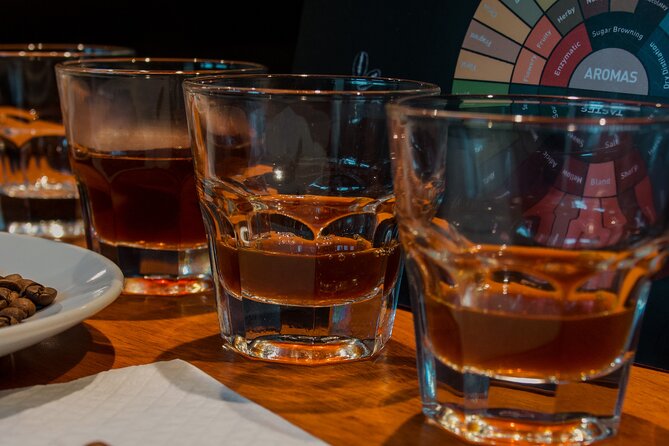
The tasting includes several freshly roasted single-origin coffees, with one account describing four coffees sampled during the session. Comparing them is the heart of the class.
A single-origin coffee comes from a defined producing area rather than being a blend of beans from several sources. That makes it easier to notice differences in character. One cup may seem lighter and more aromatic, while another may taste fuller, darker, or more familiar.
Lyubov guides you through the smell, flavor, and feel of each coffee. You are encouraged to pay attention rather than gulp the cup as you might during a busy morning.
The comparison is especially helpful for people who normally describe coffee only as strong or weak. You begin to separate bitterness from roast intensity, acidity from sourness, and aroma from flavor.
You also learn that a coffee does not have to match someone else’s idea of quality to be right for you. A bright, delicate coffee may be prized by one drinker, while another prefers a deeper and heavier cup.
This is where the private format earns its keep. You can explain what you like, what you dislike, and what confuses you. Lyubov can then connect your reactions to possible beans and preparation choices.
Brewing methods, roasting, and finding your own palate
The experience also covers different roast levels and brewing methods. The goal is not to turn you into a professional barista in one afternoon. It is to show how preparation changes what reaches your cup.
Roasting affects aroma, body, and flavor. Brewing affects extraction and balance. Even a high-quality bean can taste disappointing if it is prepared in a way that hides the qualities you enjoy.
You may leave with a better sense of the coffee style that suits you. Perhaps you prefer a lighter roast with floral or fruit notes. Perhaps you like a more rounded cup with chocolate and toasted flavors. The session helps you name those preferences.
That knowledge is practical at home. Several people who took the class changed how they prepared coffee after learning more about flavor and extraction. The workshop does not promise a magic formula, but it gives you a clearer reason for making different choices.
The teaching is also accessible if coffee is not your main hobby. You do not need to know the difference between processing methods or own expensive equipment. The class starts with ordinary questions and builds from there.
What makes Lyubov an effective guide
Lyubov is the central reason this experience feels personal rather than academic. Her role is not just to pour coffee and recite facts. She explains, asks questions, watches your reactions, and adjusts the discussion to the group.
Her background and passion for coffee are part of the storytelling. She connects technical information with personal experience, which helps keep the material from becoming a string of definitions.
Her manner is warm and patient. That is important for beginners, who may otherwise feel that specialty coffee has too many rules. You can enjoy the session without pretending to know more than you do.
At the same time, experienced coffee drinkers have enough material to ask about origins, roasting, brewing, and tasting. A private session gives you the chance to take the conversation further if you already understand the basics.
The experience has been described as lasting close to three hours on some occasions, although the stated duration is approximately two hours and thirty minutes. Plan your day around the longer possibility, especially if you have a dinner reservation or another timed activity afterward.
Is $85 per person a fair price?
At $85 per person, this is an expensive coffee outing. You are paying much more than you would for several cups at a Buenos Aires café.
The value comes from the instruction, not just the liquid in the cups. You receive a private session, guided comparisons, aroma training, coffee production lessons, and direct advice about your own palate. If you put that knowledge to use when buying and brewing beans, the experience can remain useful long after your visit.
The price is harder to justify if you simply want to sample good coffee without much explanation. Buenos Aires offers plenty of café experiences at a lower cost, and this workshop is not designed as a quick tasting stop.
I would view it as a class with tasting included. That makes the price more reasonable for coffee drinkers who enjoy learning, asking questions, and changing their habits at home.
The private format also changes the calculation. You are not paying for a large group presentation. Your group receives undivided attention, which is valuable if you want detailed answers or have specific brewing questions.
Who will enjoy this workshop most?
This experience suits you if coffee is part of your daily routine and you want to understand it better. You do not need to be devoted to specialty coffee. A passing interest is enough.
It is a strong choice for:
- Solo visitors who enjoy focused instruction and conversation
- Couples or friends who want a shared activity beyond standard sightseeing
- Coffee drinkers who feel lost when reading bean labels
- Home brewers who want to improve their buying and tasting choices
- People who enjoy sensory activities involving smell, taste, and comparison
It also suits nonexperts better than the word coffee-sommelier might suggest. The teaching begins with fundamentals, and the game-like aroma exercise keeps the class relaxed.
You may want to skip it if you dislike structured tasting, have little interest in coffee production, or want a fast morning caffeine stop. The workshop asks you to slow down and pay attention.
Practical timing and booking advice
The experience lasts about two and a half hours, with morning and afternoon departure choices. That gives you some flexibility when arranging a Buenos Aires itinerary.
It is booked, on average, 38 days ahead, so do not assume you can leave it until the last morning of your trip. Planning early is sensible, especially if you want a particular departure time.
Confirmation is provided when you book. The activity is near public transportation, and both the starting and ending points are Al Diablo Coffee Roasters.
You can cancel for a full refund up to 24 hours before the start time. Cancellations made less than 24 hours before the experience are not refunded, and late changes are not accepted.
Should you book the N1 Coffee Tasting Experience?
Book it if you want more than a good cup. This is a focused coffee lesson with tasting at its center, led by Lyubov in a private setting.
I would choose it for a morning or afternoon when you have no need to rush. Come ready to smell, compare, ask simple questions, and rethink what you usually order. You will likely leave with a clearer palate and a better idea of which beans deserve space in your kitchen.
Skip it if your main goal is an inexpensive café experience. At $85, the price only makes sense when you value the teaching, personal attention, and practical skills as much as the coffee itself.
FAQ
Where does the coffee tasting take place?
The experience begins and ends at Al Diablo Coffee Roasters, Costa Rica 4752, C1414 Ciudad Autónoma de Buenos Aires, Argentina.
How long does the activity last?
The stated duration is approximately two hours and thirty minutes. Some sessions may run closer to three hours, so allow extra time afterward.
Is the experience private?
Yes. Only your group participates, giving you the guide’s undivided attention.
Who leads the coffee workshop?
The workshop is led by Lyubov, also referred to as Lyubi or Luba in participant comments.
What will I taste?
You will sample a variety of freshly roasted single-origin specialty coffees. One description of the session includes four different coffees.
Are morning and afternoon departures available?
Yes. You can choose a morning or afternoon departure when booking.
Can I cancel for a full refund?
Yes, if you cancel at least 24 hours before the experience start time. Cancellations made less than 24 hours in advance are not refunded.
More Coffee Tours in Buenos Aires
- Medellin: Coffee Tour with Transport, Snacks and Tastings
★ 4.7 · 1,357 reviews - Medellín Coffee Farm Tour with Trolley and Cable Car Ride
★ 4.9 · 277 reviews - Coffee Tour at the Finca del Café
★ 5.0 · 213 reviews - Medellin: Coffee Tour and Wellness Spa
★ 4.8 · 209 reviews
Just added around Buenos Aires
- Private Airport Transfer In or Out: Aeroparque (AEP)–Buenos Aires★ 5.0 · 73 reviews
- Sailing with Wine Tasting in Buenos Aires★ 5.0 · 50 reviews
- Traditional Argentine FoodTour with optional Michelin Experience★ 4.5 · 56 reviews
- Unique Tailored Tours – The Hummingbird Trip★ 5.0 · 69 reviews
- Experience The Essence of Buenos Aires in San Telmo★ 5.0 · 51 reviews
- Tigre Speedboat – The Delta s Captain – CITYSAILING TIGRE★ 5.0 · 75 reviews
- Private Airport Transfer in or out with english speaking driver.★ 4.5 · 69 reviews
- Tango Porteño Show with Optional Dinner in Buenos Aires★ 4.5 · 58 reviews
Coffee Experiences, compared.
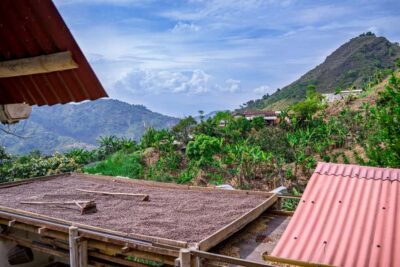
Coffee Tour with Transport, Snacks and Tastings
Read our review →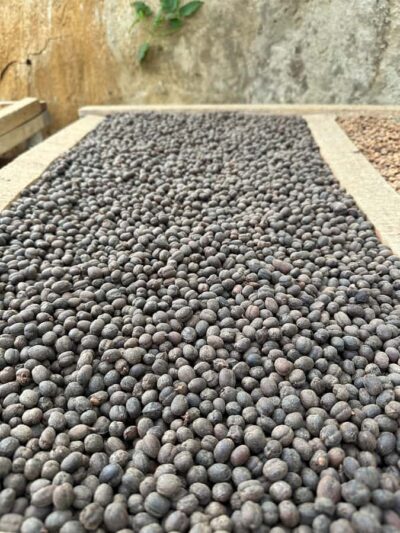
Medellín Coffee Farm Tour with Trolley and Cable Car Ride
Read our review →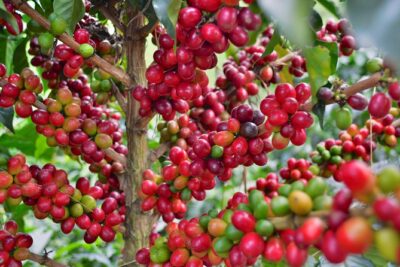
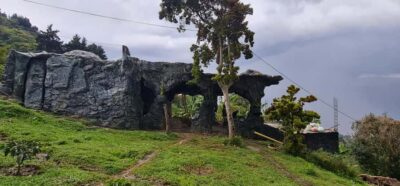
Salento: Private Cocora Valley, Salento & Coffee Farm Tour
Read our review →
Horseback Riding Coffee Farm Tour with Coffee Spa
Read our review →
Browse the lists this tour appears in