
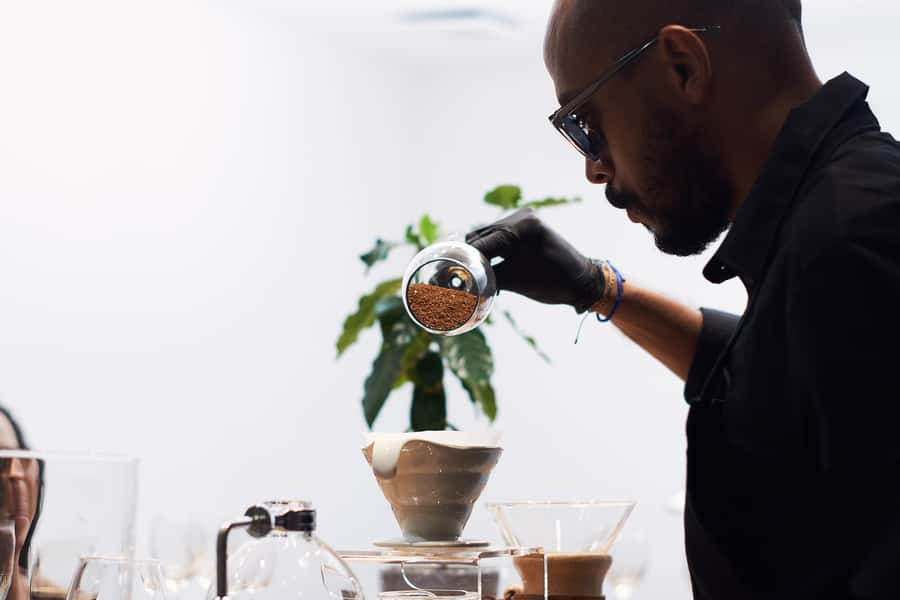
Reviewed · COFFEE EXPERIENCES
Cartagena: Colombian Specialty Coffee Tasting
The most interesting part of this Cartagena activity is that it treats coffee as a full story, not just a hot drink. You follow the bean from planting and harvesting through processing, roasting, aroma, extraction, and tasting, then compare three Colombian coffees prepared in different ways.
I like the hands-on sensory work with fresh fruit, dried fruit, chocolate, and coffee aromas. I also like the chance to compare a Chemex, V60, and Hario TCA-5 siphon preparation side by side. The main thing to consider is that this is more of a guided coffee class than a relaxed social café visit, and the session can feel long if you only want a quick tasting.
Key points to know before booking
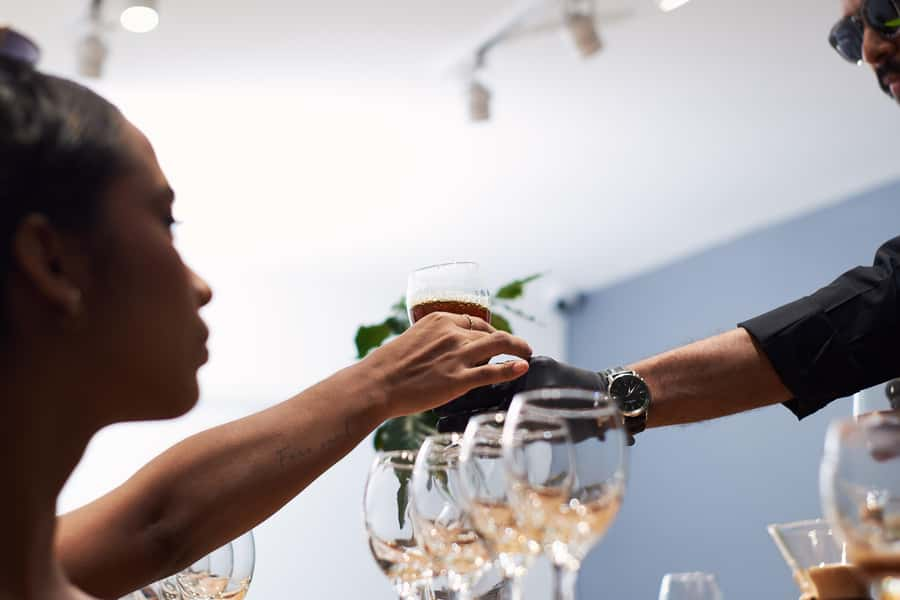
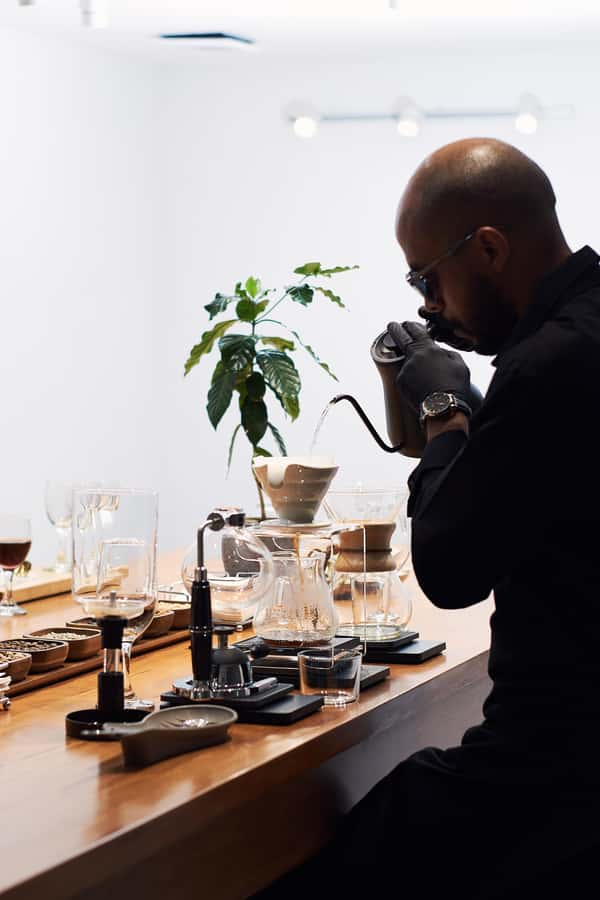
- Three brewing methods: Compare Chemex, V60, and Hario TCA-5 siphon coffee, each chosen to show different flavors and textures.
- Aroma and flavor training: Use coffee aromas, fruit, dried fruit, and chocolate to build a more useful tasting vocabulary.
- English and Spanish instruction: Hosts such as Thomas, Santiago, Arturo, Pedro, and Sebastián have led sessions in both languages.
- Classroom-style setting: The activity takes place at a dedicated coffee experience center rather than on a coffee farm.
- Good value at $15: Two hours of instruction and three coffee preparations cost less than many specialty coffee workshops.
- Finding the entrance: The address can be confusing, so check for Café-472 or use the local landmark information before setting out.
What this coffee class is really about
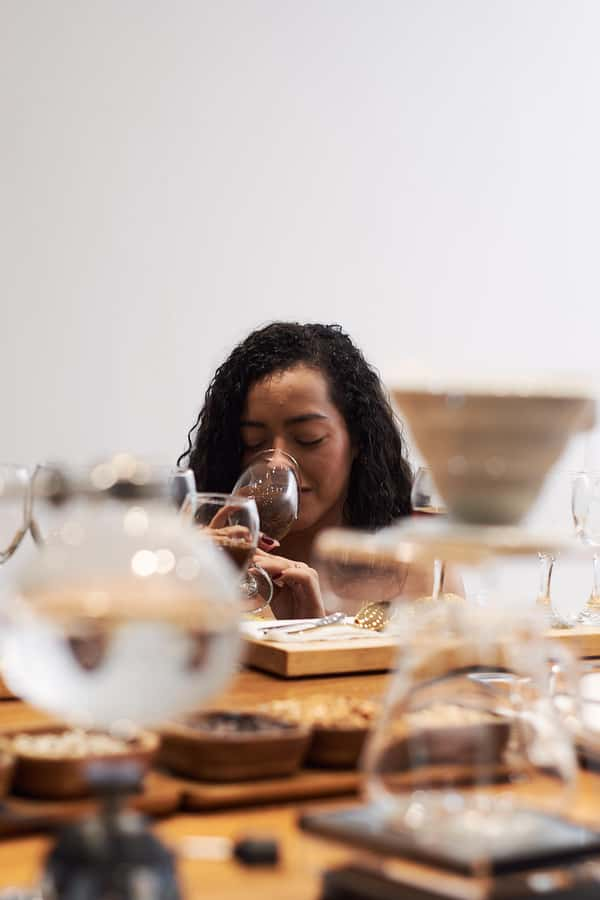
Cartagena is better known for its colonial streets, Caribbean heat, and late-night energy than for coffee production. That makes this experience a useful change of pace. You do not travel to a plantation, but you get a clear classroom explanation of how Colombian coffee moves from the plant to the cup.
The session is held at a coffee experience center associated with Café-472. It is designed specifically for coffee education and tasting, with equipment and ingredients arranged for demonstration. The setting is clean, attractive, and air-conditioned, a welcome detail after walking through humid Cartagena.
The activity costs $15 per person and lasts about two hours. That is a strong price for anyone who wants more than a standard café drink. You receive several prepared coffees, guided instruction, sensory exercises, and a participation diploma. Some sessions have lasted closer to three hours, so do not schedule a tight appointment immediately afterward.
This is not a tour of the Colombian countryside. It is a focused introduction to specialty coffee, held in the city and easy to fit into a day of sightseeing.
More Food Tours in Colombia
- Cartagena: Guided Street Food Tour with Tastings
★ 4.9 · 833 reviews - Cartagena: Boutique Rum and Chocolate Tasting at Lunático
★ 4.9 · 121 reviews - Rum & Rhythms a premium rum tasting with live music
★ 5.0 · 46 reviews
Starting with Colombian coffee from seed to cup
The first part explains Colombian coffee growing in broad terms. You learn about the coffee plant, cultivation, harvesting, and the work involved in turning the fruit into usable beans.
The class also covers coffee processing. The bean begins inside a fruit, and what happens after picking affects the final flavor. The instructor explains the transformation from parchment coffee to roasted coffee, helping you understand why two Colombian coffees can taste so different even when they come from the same country.
This background matters because it keeps the tasting from becoming a parade of unexplained adjectives. Instead of simply being told that a coffee is fruity or sweet, you get a basic sense of how farming and processing help create those impressions.
Hosts vary by session. Thomas is frequently mentioned for his clear explanations and passion for Colombian coffee. Santiago has led lively, accessible sessions and is especially good at answering questions. Arturo and Pedro have also guided classes, while Sebastián and Miguel have hosted individual sessions. You cannot count on one particular instructor, but the activity is offered in English and Spanish.
The teaching style can change with the host. Some sessions are energetic and interactive. Others feel more like a polished lecture. That difference is worth knowing if you are looking for a highly social workshop rather than a structured class.
Activating your nose before tasting
Coffee tasting starts with smell, and this experience gives your nose a proper workout. You use a coffee nose, along with fresh fruit, dehydrated fruit, and chocolate, to connect familiar scents with what you find in the cup.
This exercise is useful for beginners because specialty coffee language can sound mysterious at first. Words such as floral, honey, chocolate, fruity, smooth, bright, and round become easier to understand when you can compare them with actual smells and foods.
You are not expected to arrive with a trained palate. The point is to notice what your senses are doing. The class helps you pay attention to aroma, acidity, sweetness, body, and aftertaste instead of simply deciding that you like or dislike a drink.
I especially like this part for couples or groups with different coffee habits. One person can be a serious coffee drinker while another rarely drinks it, and both still have something to do. The sensory materials make the session less technical and give nonexperts a way into the subject.
Strong fragrances are not allowed. That is not a fussy rule here. Perfume or cologne can interfere with the aroma work, so wear as little scent as possible.
Three coffees, three different personalities
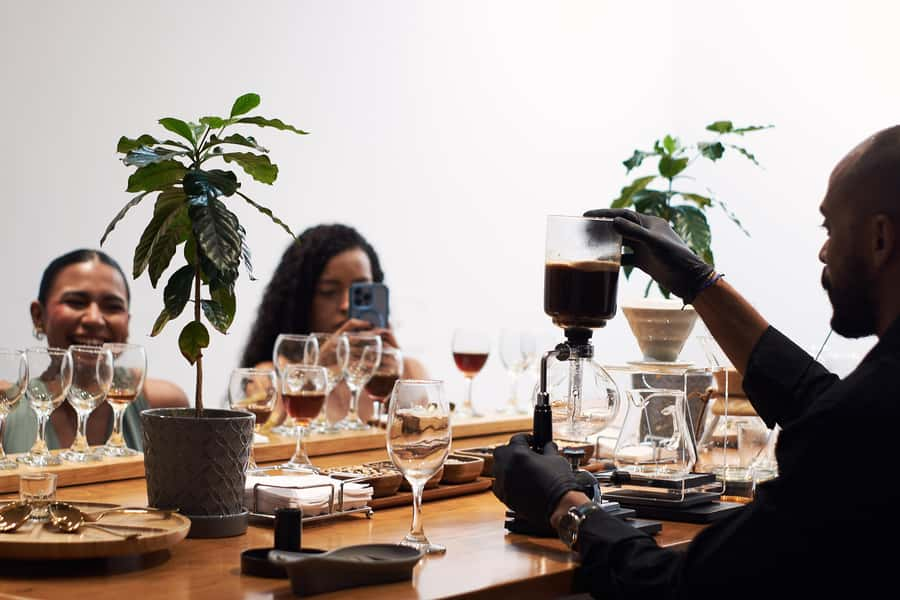
The central tasting compares three Colombian specialty coffees prepared with different extraction methods. The exact coffee profiles can vary, but the teaching focus remains the same: method changes how the bean expresses itself.
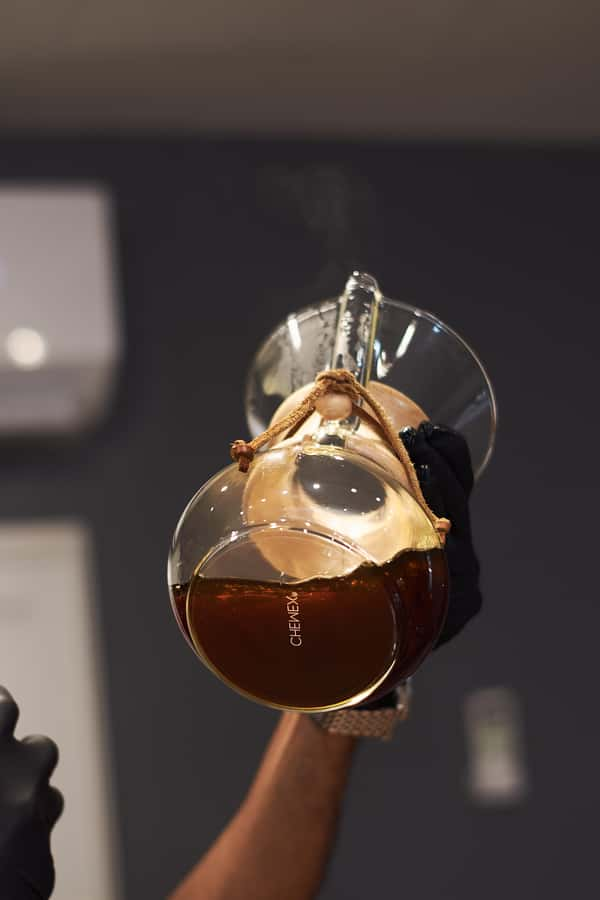
The Chemex is used to highlight fruity and complex notes. Its clean style can make delicate flavors easier to notice, especially if you are used to darker, heavier coffee.
The V60 brings attention to brightness and body. This is a good chance to see how water flow and brewing technique affect the balance of a cup. The instructor explains not only what you are tasting, but why the method produces that result.
The Hario TCA-5 siphon creates a rounder, smoother cup, with honey aromas noted during one session. The siphon also adds a visual element to the class. It is a more unusual preparation than the basic drip coffee most people make at home, and it gives the tasting a memorable finish.
The order matters. By trying three methods in one sitting, you can compare the coffees while the differences are still fresh. You may find that you prefer a bright and fragrant cup, or you may decide that round, smooth, honey-like coffee suits you better.
The host also discusses body, meaning the weight and feel of coffee in your mouth. This is one of the most useful lessons to take home. It gives you a way to describe what you like when buying beans or ordering coffee later.
More Coffee Tours in Cartagena:
- Cartagena Coffee Masters
★ 4.5 · 40 reviews - Cartagena Highlights: San Felipe, Popa & Coffee Experience
★ 4.5 · 39 reviews - Medellin: Coffee Tour with Transport, Snacks and Tastings
★ 4.7 · 1,357 reviews - Medellín Coffee Farm Tour with Trolley and Cable Car Ride
★ 4.9 · 277 reviews
Learning to taste instead of simply drink
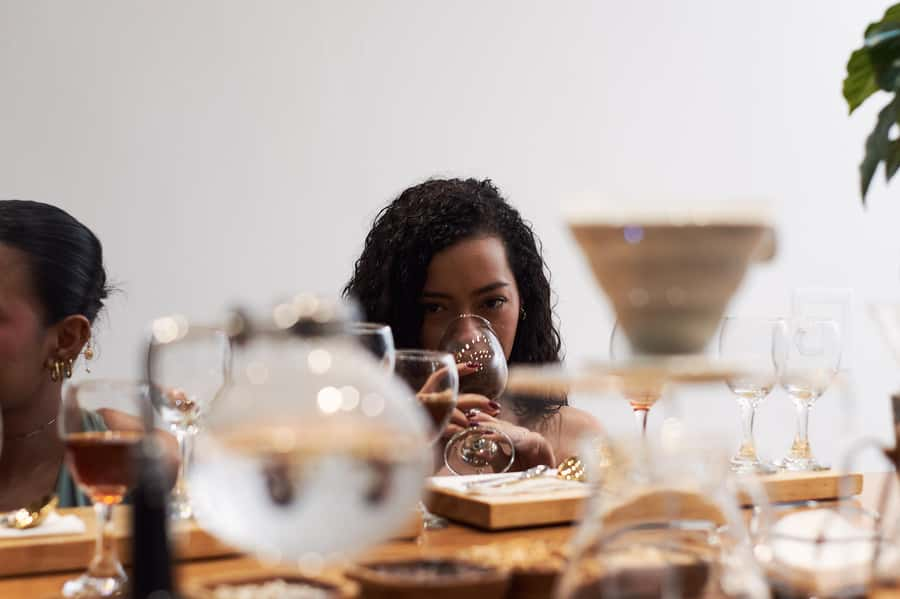
A good coffee tasting asks you to slow down. You smell the coffee, take a sip, notice the first impression, and consider how the flavor changes as the cup cools.
The class helps you build a simple vocabulary for those changes. You may notice fruit, chocolate, sweetness, flowers, honey, brightness, or smoothness. You do not need to identify every note perfectly. The value is learning to compare one coffee with another in a clear way.
This can change how you prepare coffee at home. The session explains different filtration methods and why each one brings out certain qualities. By the end, you should have a better idea of which brewing style matches your preferences.
The experience is also useful for people who think all coffee tastes bitter. Specialty coffee can be much softer and more varied, particularly when prepared carefully. One couple described the coffee as exceptionally smooth, while others praised the range of fruit and chocolate flavors.
The class is not a professional barista certification. You will not leave with advanced roasting or café management skills. You will leave with a practical foundation: how coffee is processed, how to notice aromas, and how brewing method affects the cup.
The atmosphere at Café-472
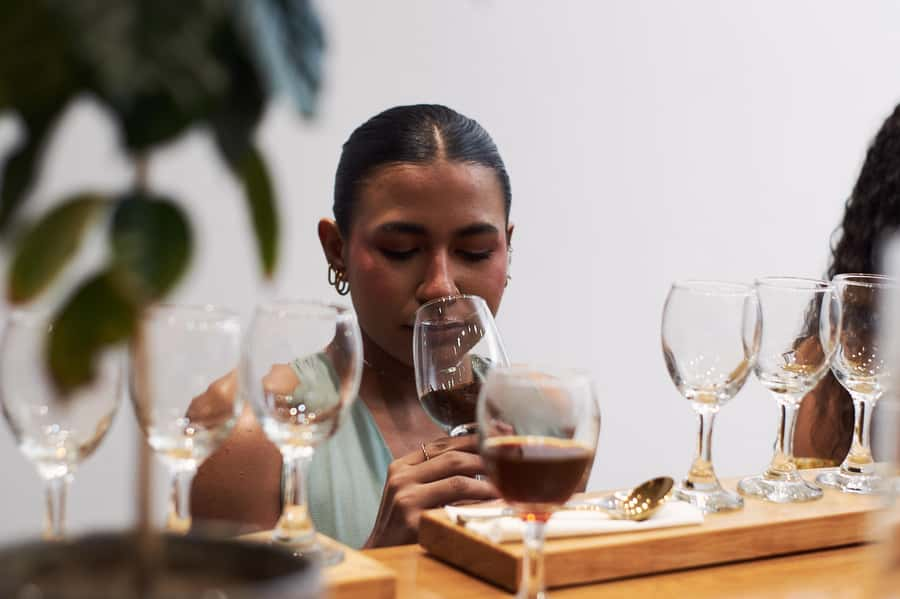
The coffee center has a polished, high-end feel. It is not a rustic farm visit, and that is both its strength and its limitation.
You get air conditioning, clean equipment, a controlled tasting room, and a comfortable place to concentrate. That matters in Cartagena, where heat and humidity can make outdoor activities tiring. One host even took special care of a participant who arrived overheated.
The drawback is that you do not see coffee growing in the field. If you want mountain scenery, farm workers, or a walk among coffee plants, choose a plantation excursion elsewhere in Colombia. This activity gives you explanation and tasting rather than rural atmosphere.
The session can be interactive, but expect plenty of listening. Some hosts invite questions, let you try a brewing technique, and adjust the pace to the group. Other sessions are more lecture-based. If you are a coffee enthusiast, that structure will probably suit you. If you want a casual meet-and-greet with other people, it may feel formal.
The group size can also vary. At times, only one person or one couple has shown up, and the host still provided the full session rather than cutting it short. A small group can make the class more personal, though it may also feel less lively.
Practical arrival advice for Cartagena
The meeting point is the coffee experience center, and you only need to tell the staff that you are there for the activity. Still, finding it can require care.
One person reported that the supplied address led to the wrong location. Searching for Consultorio Dra. Bleidys Mendoza Sotomonte was suggested as a better way to reach the area, with Café-472 located across from the dentist’s office. Entering the destination in Uber reportedly worked well. The café is also called Café-472, so keep that name available on your phone.
This is the sort of small Cartagena detail that can save time. If you are walking, allow extra minutes and be ready to show a photo or ask for Café-472. If you arrive hot or flustered, cold water has been offered before the session.
You can pair the activity with a day in Manga and Getsemaní. That combination works well because the coffee class provides a cool, quiet break before or after exploring the streets. Leave enough time for the class to run beyond the advertised two hours.
Cancellation is free up to 24 hours before the start, and you can reserve without paying immediately. Those terms are useful if your Cartagena plans are still shifting.
Is $15 a fair price?

Yes, for the amount of coffee and instruction included. A two-hour specialty tasting with three preparation methods, sensory materials, and a diploma is inexpensive compared with many guided coffee workshops.
The value is strongest if you drink coffee regularly or want to understand Colombian coffee beyond a souvenir bag. You are paying for explanation as much as for the drinks. The instructor gives you a framework for judging beans, choosing a brewing method, and identifying the profile you prefer.
It is still worth keeping expectations sensible. The activity does not include a plantation visit, a full meal, or a large bag of coffee beans. One suggestion was to offer signature beans at the end, but the supplied details do not promise that. If buying beans is important to you, ask about it during the session rather than assuming it is included.
The diploma is a pleasant extra, particularly if you enjoy collecting certificates from food and drink experiences. Its practical value is limited, but it marks the occasion.
Who should book this experience?
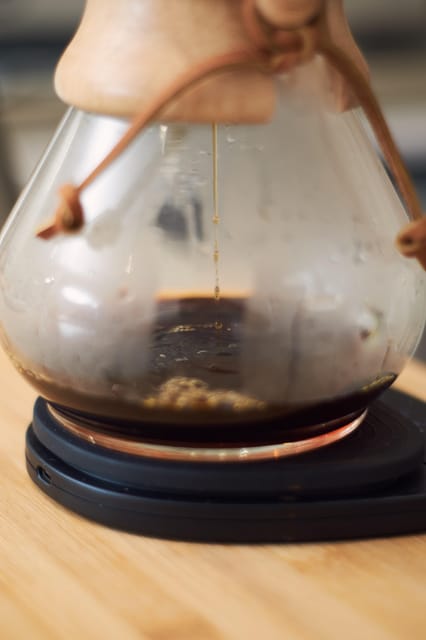
I would choose this class if you like coffee, enjoy learning how things are made, or want a calm indoor activity in Cartagena. It is also a good choice for a mixed group because the fruit, chocolate, aroma, and brewing demonstrations give beginners something to enjoy.
You will get the most from it if you are willing to listen, ask questions, and compare flavors carefully. The activity suits curious beginners as well as people already interested in third-wave coffee methods.
It may not suit you if you dislike coffee, want a farm visit, or prefer a quick tasting with little explanation. It is also not ideal for a tightly planned afternoon because the session may run longer than two hours and the meeting point can take extra time to locate.
Should you book the Colombian coffee tasting?
Book it if you want a practical look at Colombian coffee without leaving Cartagena. The price is low, the three brewing methods give the class a clear shape, and the sensory exercises help you understand what you are drinking rather than simply consuming another café sample.
I would especially recommend it to anyone who has wondered why a Chemex, V60, or siphon produces a different cup. Just wear no strong fragrance, confirm the Café-472 location, and allow extra time. If your idea of Colombian coffee means standing among coffee plants, choose a farm excursion instead. If you want to learn how the bean reaches your cup, this is a smart two-hour stop.
FAQ
How much does the Colombian coffee tasting cost?
The experience costs $15 per person.
How long does the activity last?
The stated duration is two hours. Some sessions have lasted closer to three hours, so allow some flexibility.
Which languages are available?
The experience is offered in English and Spanish.
Which brewing methods are included?
The tasting includes Chemex, V60, and Hario TCA-5 siphon preparations.
What sensory activities are included?
You work with coffee aromas, fresh fruits, dehydrated fruits, and chocolate. The class also includes tasting three coffees with different methods and profiles.
Where does the activity take place?
It takes place at a coffee experience center associated with Café-472 in Cartagena. The venue is designed for coffee education and tasting.
Is cancellation available?
You can cancel up to 24 hours in advance for a full refund. You can also reserve now and pay later.
More Food Tours in Cartagena
- Medellin: Comuna 13 Graffiti Tour, Cable Car & Street Food
★ 4.8 · 9,046 reviews - Medellín: Comuna 13 True Story and Street Food Tour
★ 4.9 · 1,779 reviews - From Mendoza: 3 Wineries, Olive Oil Factory Tour & Tasting
★ 4.6 · 901 reviews - Rio: Pub Crawl in Lapa with Cachaça Tasting and Live Samba
★ 4.7 · 881 reviews
Just added around Cartagena
- Cartagena Fishing & Crabbing • Unique Local Experience with Lunch★ 5.0 · 90 reviews
- Tour a san Basilio de Palenque desde cartagena★ 5.0 · 123 reviews
- Under a sea of adventures, unforgettable diving.★ 5.0 · 62 reviews
- 5 islands tour to rosario Islands with snorkeling activity!★ 4.5 · 36 reviews
- 5 Island Tour with Lunch Snorkel in Cartagena Rosario Island★ 4.5 · 94 reviews
- Tour of the Rosario Islands, Cartagena★ 4.5 · 75 reviews
- Cartagena Unforgettable: Half Day Private City Tour (Also for Cruisers)★ 5.0 · 77 reviews
- Romantic Date Night in the Bay of Cartagena★ 5.0 · 47 reviews
Coffee Experiences, compared.
Coffee Tour with Transport, Snacks and Tastings
Read our review →
Medellín Coffee Farm Tour with Trolley and Cable Car Ride
Read our review →
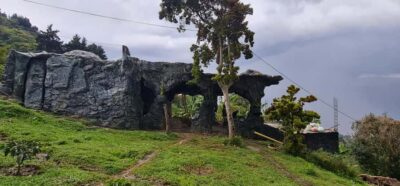
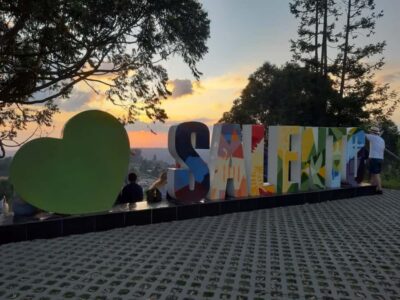
Salento: Private Cocora Valley, Salento & Coffee Farm Tour
Read our review →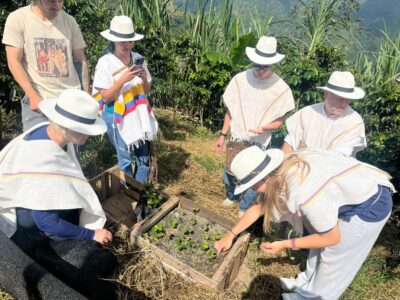
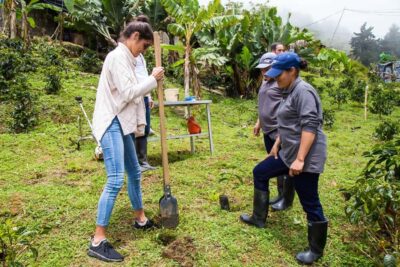
Horseback Riding Coffee Farm Tour with Coffee Spa
Read our review →
Browse the lists this tour appears in