
Reviewed · TAYRONA & LOST CITY TOURS
Santa Marta: Multi-Day Trek to The Lost City
The real prize here is not simply the Lost City. It is the long approach through the Sierra Nevada, where jungle paths, river swims, indigenous communities, and old Tayrona stonework slowly build toward 169 terraces hidden in the forest. The 1,200-step climb is tough, but reaching the archaeological site gives the whole journey a clear purpose.
I like the small group limit of 15, plus the steady support of guides such as Arghenith, Francisco, Emilie, Miguel, and Coco on different departures. I also like that meals, water, jungle beds or hammocks, transport, site entry, and community contributions are included. The catch is simple: this is a hard trek, not a casual walk, and the $713 price feels high if you are expecting polished accommodation or generous extras.
Key points to know before you book
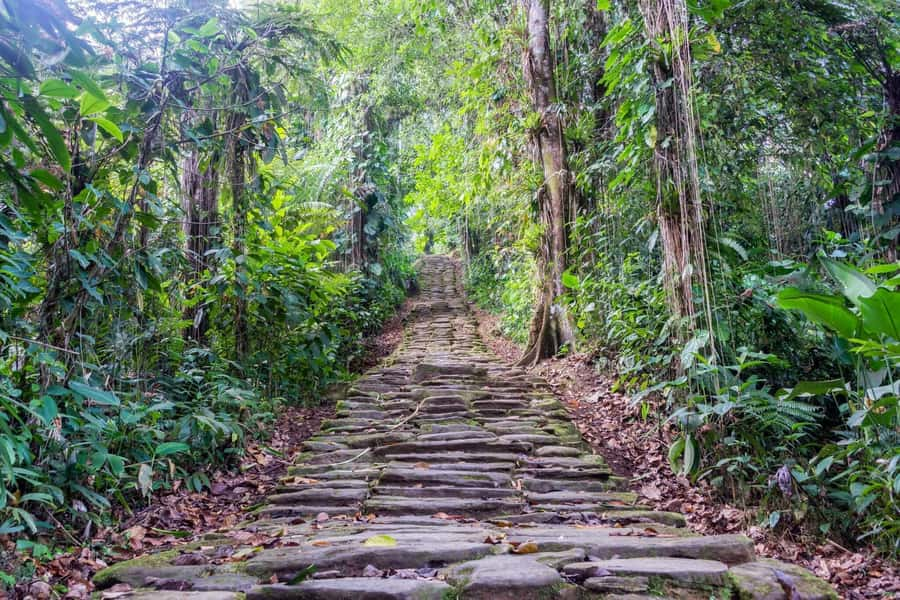
- The Lost City sits behind 1,200 stone steps, with 169 terraces, tiled roads, and circular plazas at the top.
- Choose four, five, or six days, with the longer versions giving you more rest and time for cultural contact.
- Expect heat, humidity, mud, insects, river crossings, and steep ground, with daily walks reaching about seven hours.
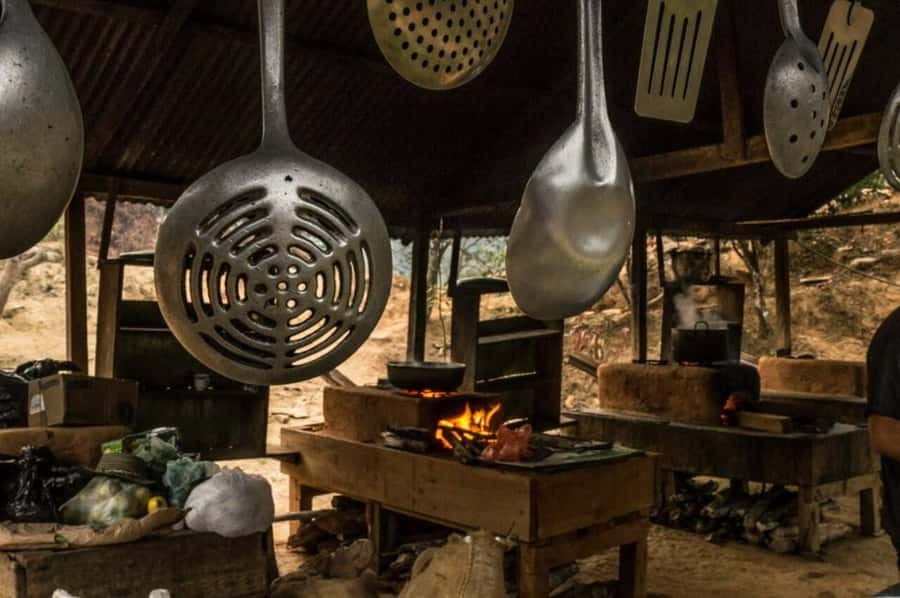
- Sleep in community-run jungle camps, using hammocks or beds with mosquito nets, electricity, toilets, and showers.
- English and Spanish guides lead small groups, and some departures include a translator or an indigenous guide.
- The price covers the basics, but drinks beyond water, optional transport help, and personal extras cost more.
Why the approach matters as much as the ruins
The Lost City, or Ciudad Perdida, is an ancient Tayrona site believed to have been founded around 800 CE. That places it roughly 650 years before Machu Picchu, though the appeal here is less about comparing famous ruins and more about the setting.
You reach the site through thick jungle in the Sierra Nevada, not by road or a short walk from a parking area. The route gives you time to understand how remote the terraces are and why the old city feels so closely tied to the mountains, rivers, and indigenous communities that still live in the region.
The route is also a physical filter. You will sweat, get muddy, and likely wonder why you packed anything that is not quick-drying. Then the forest opens onto stone terraces, narrow paths, and small circular plazas. Your guide explains the Tayrona remains and the ancestral stories connected with the place.
I like this slow arrival. It gives the ruins weight. The drawback is that the reward comes late, after several demanding days, so you need to enjoy the walk itself rather than treat it as a long transfer to a single sight.
More Hiking Tours in Colombia
- Tayrona Park Hike And Beach Day
★ 5.0 · 91 reviews - Guided Hiking through Tayrona National Park and Cabo San Juan
★ 4.5 · 73 reviews - Trekking History and Indigenous Heritage in Minca + Cacao & Coffee + Waterfall
★ 4.9 · 63 reviews
Four days, five days, or six days
The four-day version is the most direct and demanding. You spend less time resting and cover the key route at a brisk pace. It suits you if you are fit, have limited time, and want the core experience without extra nights in camp.
The five-day option breaks up the return journey. After reaching the first-night camp on day four, you rest there for the afternoon and sleep before walking to El Mamey the next day. That extra pause can make a real difference after the climb to the Lost City.
The six-day trip spreads the route more gently. Day two includes only about three hours of walking and focuses on an indigenous reserve, with time to learn about Wiwa and Kogui culture and enjoy the river. This is the best choice if cultural contact and a less rushed rhythm matter more to you than saving a day.
Do not assume the longer route is easy. Day four still includes the steep climb to the ruins and about seven hours of walking. The advantage is that the effort is distributed more evenly, with a slower early section to help you settle into the heat.
Day one: El Mamey, fruit, waterfalls, and the first camp
Pickup takes place inside Santa Marta’s urban perimeter, including Rodadero and Taganga. Pickup is not included from Bonda, Minca, Palomino, or places outside that area, so check your hotel location before booking.
The morning starts around 9:30 with a three-hour ride in a 4WD vehicle to El Mamey. This is practical rather than luxurious transport, and the road journey is part of the price of reaching the trailhead. You eat lunch at El Mamey, then begin walking toward the old Tayrona site.
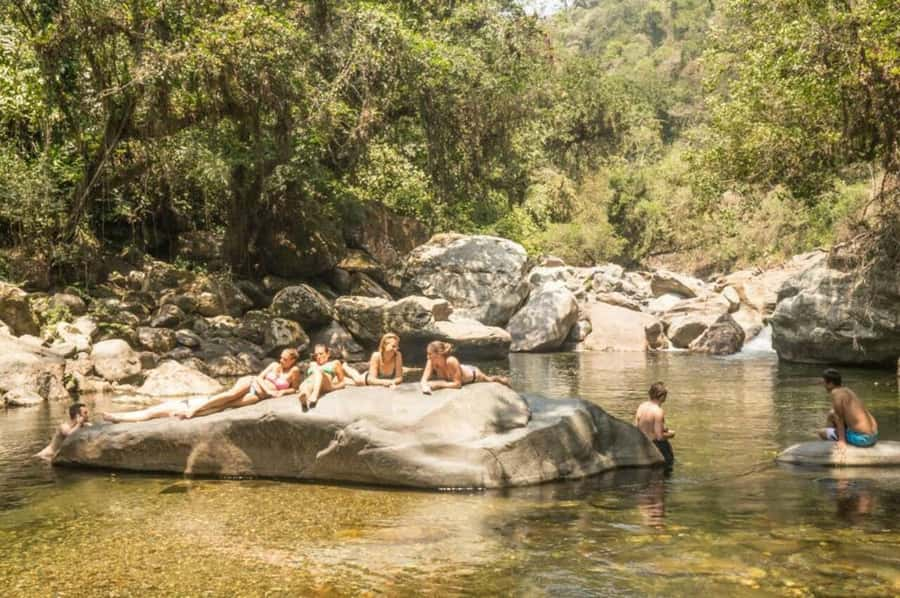
The first walk covers about 7.6 kilometers in roughly four hours. It is described as the smoother opening day, though smooth does not mean flat. You stop at Las Tres Cruces lookout for fruit and a snack, then reach natural pools and waterfalls where you can cool off.
That swim is more than a pleasant extra. In hot, humid conditions, a river or pool stop helps you reset before the final stretch to camp. Bring swimwear and a small towel where you can reach them easily, rather than burying them at the bottom of your bag.
At camp, dinner and overnight accommodation are provided. You sleep in a hammock or bed with a mosquito net. Camps have electricity, toilets, and showers, but they are community-run facilities, not hotels. The standard can vary, and that is worth accepting before you set out.
Day two: rivers, Mutanyi, and the hardest sustained walking
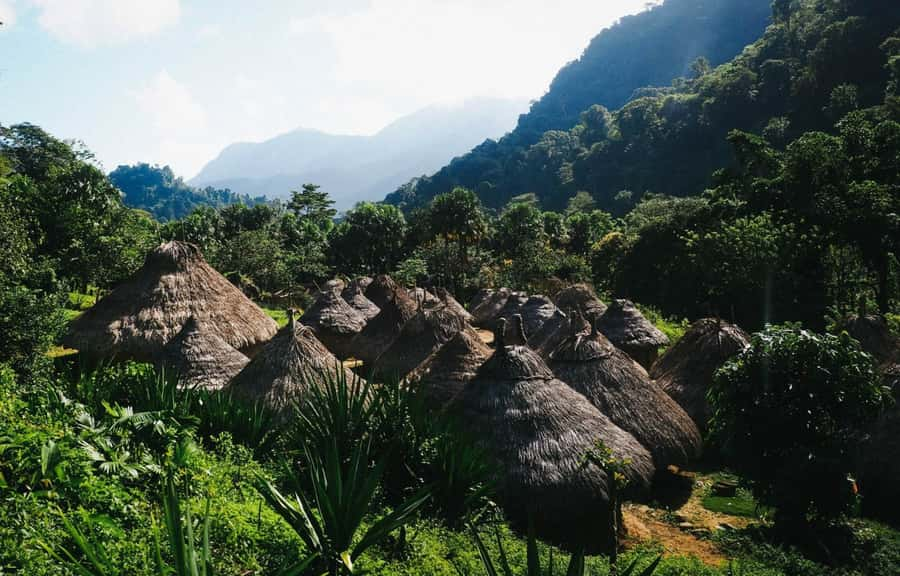
On the four and five-day itineraries, day two is the long one. After breakfast, you walk toward Wiwa Camp beside the Buritaca River, where you can bathe, rest, and eat lunch.
From there, the trail continues through jungle toward Mutanyi, a Kogui indigenous village made up of several homes. This section gives the walk more meaning than a simple nature hike. You see how the route passes through a lived-in region, and your guide can explain the local cultures, customs, plants, and animals.
The day covers about 14.7 kilometers in around seven hours. Expect mostly uphill walking, mixed with downhill sections. Heat and damp ground can make the distance feel longer than the numbers suggest.
On the six-day itinerary, this day is much lighter. You walk for about three hours over fairly gentle ground to an indigenous reserve, then spend the day with time for cultural exchange and the river. If you worry about the physical load, this difference alone may justify paying for the longer version.
More Hiking Tours in Santa Marta
- Trekking Cerro Kennedy 2 days
★ 5.0 · 47 reviews
Day three or four: the stone steps to Ciudad Perdida
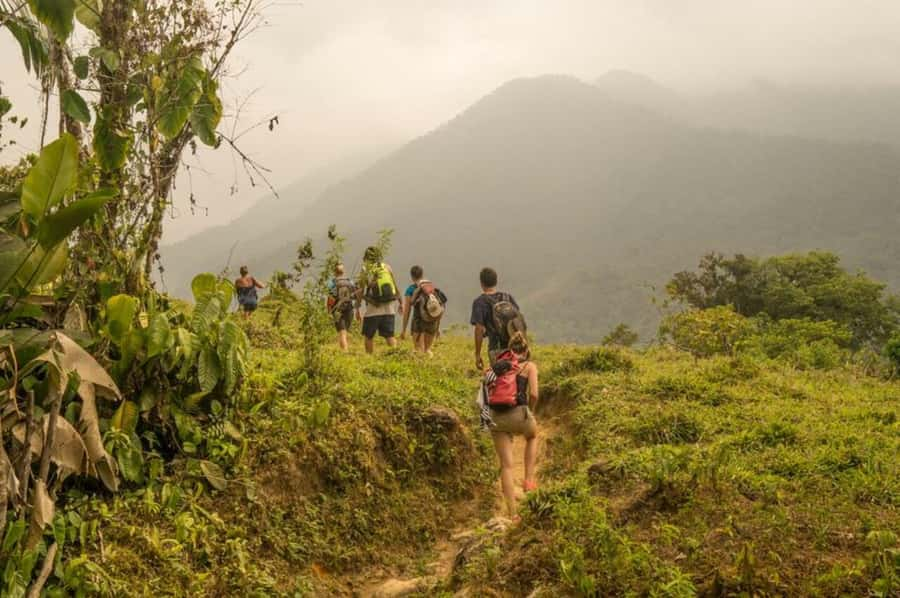
The route timing changes by itinerary, but the main event is the same: an early breakfast, a hard climb, and the Lost City.
You climb 1,200 stone steps built by the Tayrona people. Some sections can be slippery, especially after rain, and jungle mud is part of the deal. Take your time. The guide’s job is not only to point out the ruins but also to help the group move safely through the most awkward parts.
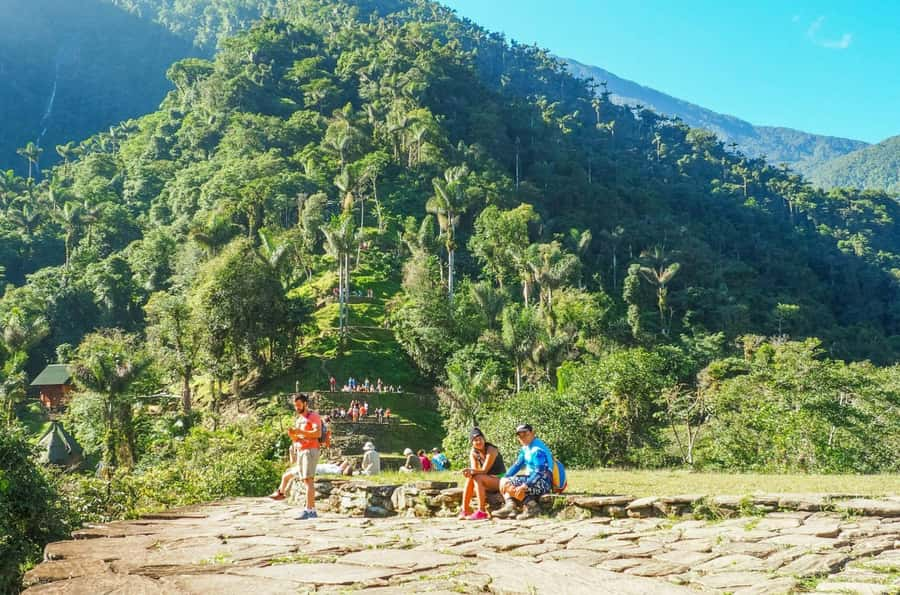
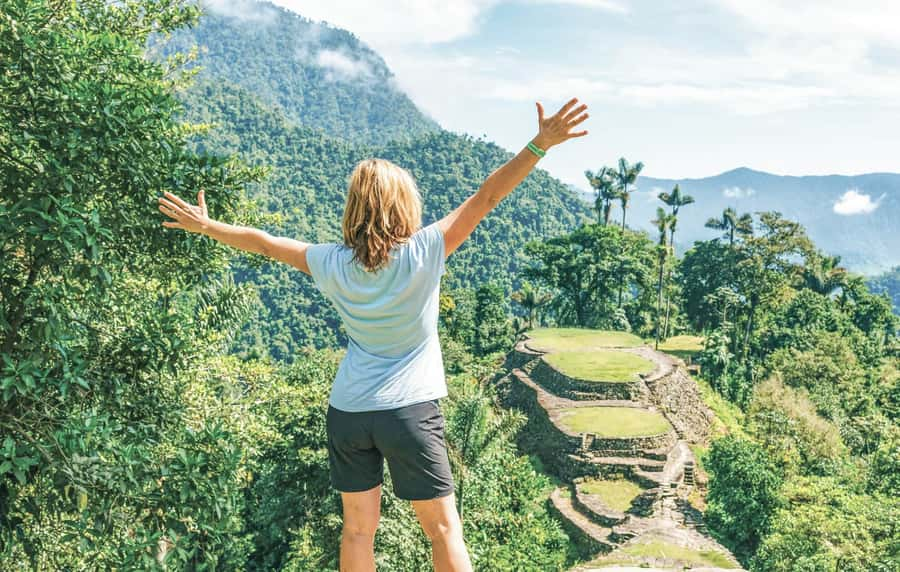
At the top, you find 169 terraces cut into the mountainside, linked by tiled roads and arranged around small circular plazas. The site is not one grand building with a single dramatic façade. Its power comes from the way the stonework appears among the trees and from the effort required to reach it.
Your guide explains the relics and ancestral stories, and you have time for views and photographs. Keep your phone charged, but do not rely on it for navigation or translation. The tour includes guide service in English and Spanish, and some departures use a translator. Emilie, Victor, and other language staff have been especially important for helping tired walkers keep going and understand the cultural context.
After visiting the site, you return to the camp for lunch, then continue toward the next camp. The day totals about seven hours, with roughly six kilometers of uphill and downhill walking. This is the point when good socks and shoes matter more than fancy equipment.
The return: less famous, still demanding
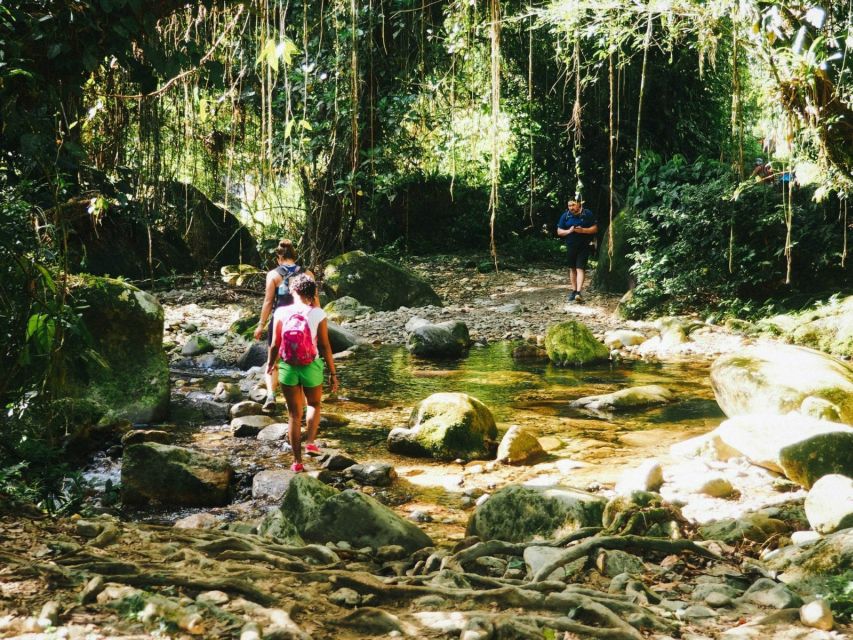
The return journey does not simply reverse the experience without effort. On the four-day schedule, you walk about two hours to the camp used on the first night, take a short break with fruit and water, then continue for another four hours to El Mamey.
Lunch waits at El Mamey before the 4WD ride back to Santa Marta. After several days in humid conditions, that vehicle may feel like a welcome finish, though the ride can be crowded and uncomfortable. Keep some patience for the final road section.
On the five-day trip, you stop at the first-night camp and spend the afternoon resting, watching the views, and talking with the group before sleeping there. On day five, you walk to El Mamey after breakfast, eat lunch, and take the jeep back.
The six-day version gives you another staged return. After the Lost City visit, you walk to a camp for lunch and an overnight stay, then continue toward Santa Marta over the following two days. The extra nights reduce the pressure but also mean more time in basic camps.
Food, water, sleeping, and what to pack
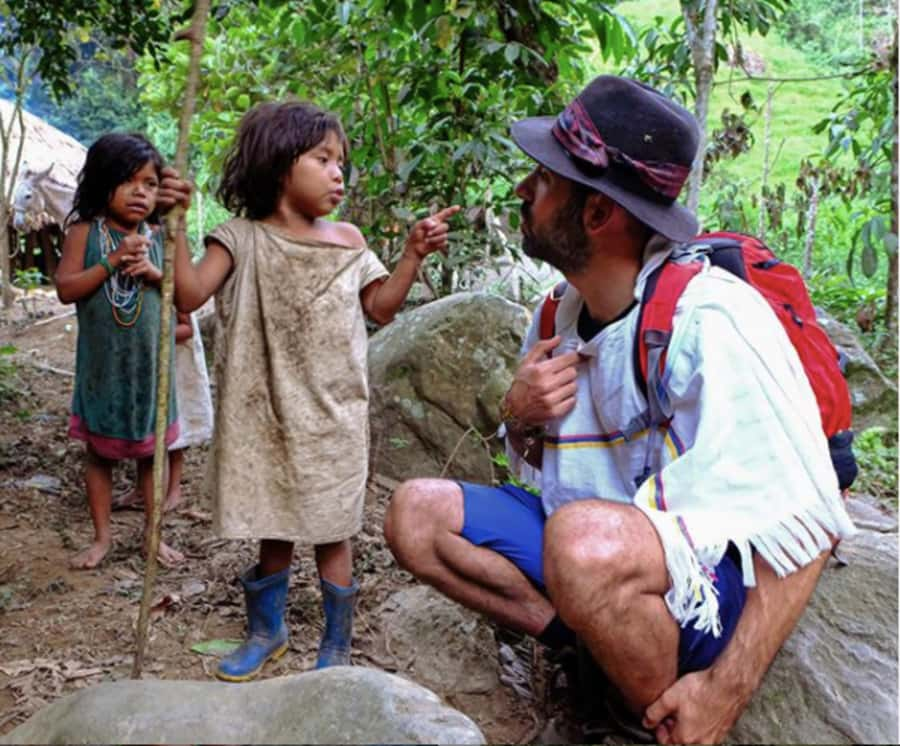
Breakfast, lunch, and dinner are included, along with purified water, fruit, and snacks during the walk. The meals are intended to fuel long days, and the food is described as filling, but do not expect a restaurant menu or a wide choice at every stop.
Drinks other than water are not included. Carry cash for personal drinks and small extras. Some people also choose to pay for items such as soft drinks, sports drinks, mule support, or motorcycle transport if available, so a cash reserve is sensible.
Pack light. Your main suitcase can be stored during the trek, while you carry a daypack. Bring:
- Hiking shoes with a secure grip
- Quick-dry clothing and extra socks
- Rain gear, sunscreen, insect repellent, and toiletries
- Swimwear, towel, and flip-flops
- Warm clothing for cooler nights
- Flashlight, charged phone, personal medication, and cash
The temperature is generally around 26 to 32 degrees Celsius during the day and may fall to about 18 degrees at night. Rain often arrives around sunset. A dry bag or waterproof cover is a smart way to protect clothes, electronics, and documents.
Drones are not allowed. You will also cross streams or rivers, and mosquitoes are common in the jungle.
How good is the value at $713?
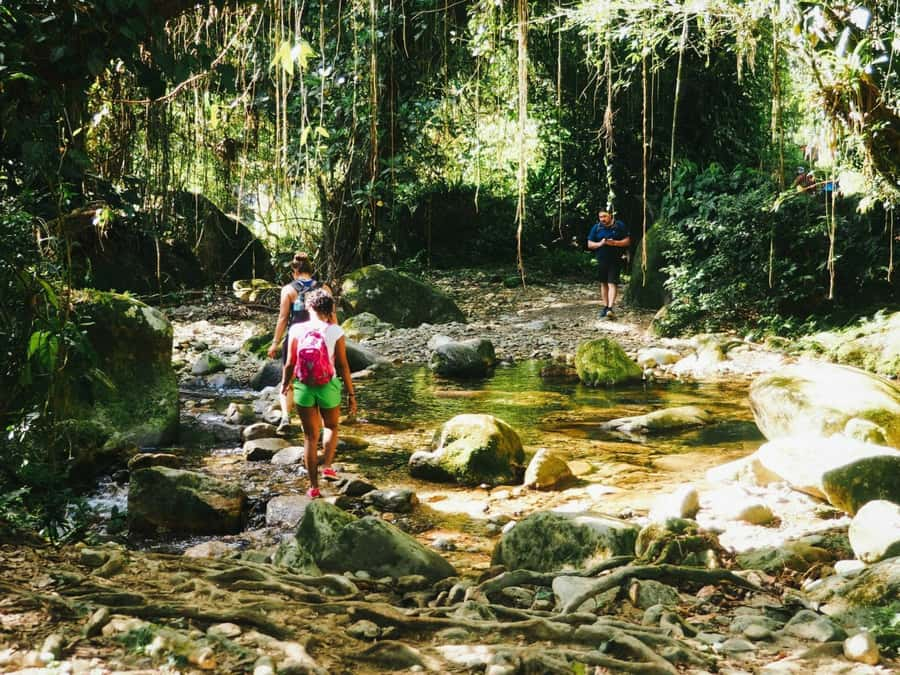
At $713 per person, the package covers a lot: three meals each day, entrance to the archaeological site, transport between Santa Marta and El Mamey, accommodation, water, snacks, insurance, guides, suitcase storage, and contributions to indigenous communities.
That makes the price easier to understand than a bare trek fee. You are paying for logistics in a remote area, several nights of food and shelter, and access to a protected archaeological site. The community contribution is also a meaningful part of the cost, since the camps and food services belong to the local communities.
Still, you should set your expectations carefully. Camp accommodation is basic, and drinks besides water cost extra. One account raised concerns about crowded transport, limited food portions late in the trip, and illness on the final day. Those problems are not guaranteed, but they show why this should not be judged like a luxury tour.
The small group limit of 15 helps. A good guide can set a sensible pace, explain the local cultures, and keep the group together on wet or steep sections. The strongest praise has centered on organization, caring support, translation, and the guides’ ability to motivate tired walkers.
Who should book this trek?
You should consider it if you enjoy long hikes, basic accommodation, jungle weather, and cultural learning. It is also a good fit if reaching a remote archaeological site feels more rewarding than seeing ruins from an easy viewpoint.
Choose five or six days if you want breathing room. The six-day version is especially useful if you value the Wiwa and Kogui cultural visits, river time, and shorter early walking days.
I would not choose this for a first serious hike unless you already know how your body handles heat, humidity, steep climbs, and repeated walking days. The route is not suitable for pregnant women or wheelchair users, and the wet, slippery ground can test even fit walkers.
Cancellation is free up to 24 hours before the start, and you can reserve now and pay later. Those policies help with planning, but they do not change the central question: are you ready for a demanding jungle trek?
Should you book it?
Book this experience if you want the full route to the Lost City, not just a quick archaeological stop. The best parts are the river swims, jungle camps, indigenous cultural contact, and the sense of earning the terraces one step at a time.
Pay extra attention to the itinerary length. Four days saves time but packs in the effort. Five days adds a useful rest period, while six days gives you the calmest pace and the most time for cultural contact. At $713, it is a serious purchase, but the included transport, meals, guide, entry fee, accommodation, water, and community support make it reasonable for a remote multi-day route, provided you are comfortable with basic conditions.
FAQ
How long is the Lost City trek?
You can choose a four, five, or six-day trek. The listed activity duration is four days, but longer options are available.
Where does pickup take place?
Pickup is included from the Santa Marta urban perimeter, Rodadero, and Taganga. It does not include Bonda, Minca, Palomino, or areas outside the urban perimeter.
How difficult is the trek?
It is physically demanding, with walking days of up to about seven hours, steep uphill and downhill sections, mud, heat, humidity, river crossings, and a climb of 1,200 stone steps.
Where will I sleep?
You will sleep in jungle camps in hammocks or beds with mosquito nets. Camps have electricity, toilets, and showers, though the accommodation and food services are community-run and basic.
Are meals and water included?
Breakfast, lunch, dinner, purified water, fruit, and walking snacks are included. Drinks besides water are not included.
Is the tour available in English?
Yes. Guide service is available in English and Spanish. Some departures may also include a translator or an indigenous guide.
What should I bring?
Bring hiking shoes, warm clothing, swimwear, a towel, sunscreen, rain gear, flip-flops, insect repellent, toiletries, socks, cash, a flashlight, a charged smartphone, personal medication, quick-dry clothing, and a daypack. Drones are not allowed.
More Tayrona & Lost City Tours
- Santa Marta: Sailboat day tour to Tayrona Park
★ 4.5 · 352 reviews - From Santa Marta: Tayrona National Park Guided Tour
★ 3.8 · 131 reviews - Tayrona Bay Sailboat trip
★ 4.5 · 107 reviews - Tayrona by sea
★ 4.5 · 76 reviews
Just added around Santa Marta
- Santa Marta: Cape San Juan del Guía Tour in Tayrona Park★ 4.3 · 64 reviews
- Santa Marta A Historical & Street food Experience★ 4.7 · 41 reviews
- Minca: Full-Day Coffee and Cocoa Tour from Santa Marta★ 4.5 · 61 reviews
- Magdalena: Tayrona Park Cruise with Snorkeling & Beaches★ 3.9 · 39 reviews
- From Cartagena: Barranquilla & Santa Marta Guided City Tour★ 3.7 · 46 reviews
- Cartagena: Barranquilla and Santa Marta All-Inclusive Tour★ 3.6 · 38 reviews
- Cacao Experience Tour★ 4.8 · 66 reviews
- A Pearl In The Caribbean-walking tour in English★ 5.0 · 71 reviews
Tayrona & Lost City Tours, compared.
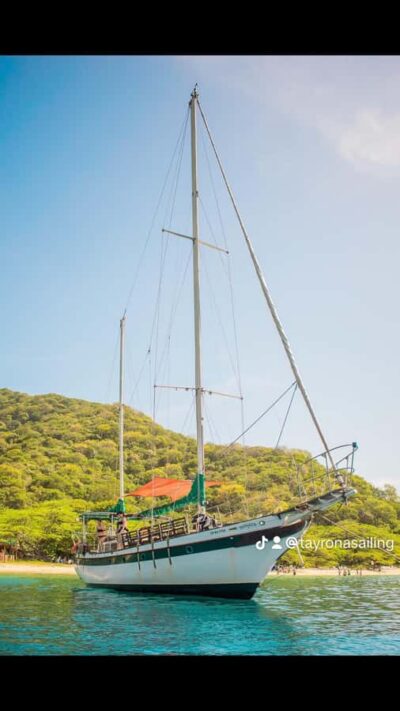
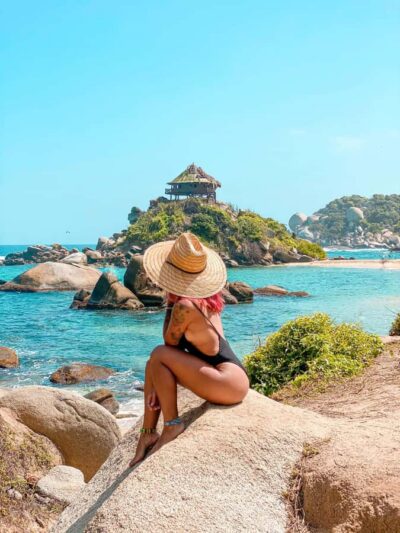
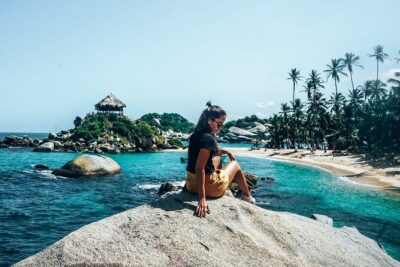
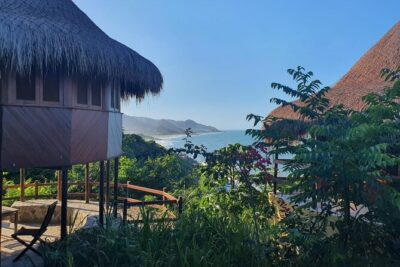
Guided Hiking through Tayrona National Park and Cabo San Juan
Read our review →Browse the lists this tour appears in