
Reviewed · COFFEE REGION TOURS
Salento: Coffee Farm Tour with Tasting
The best part of this experience is that coffee stops being a drink and becomes a long chain of handwork. On a traditional farm with a hundred years of history, you follow the coffee plant from seedling to cherry to roasted bean, then taste the result while it is still fresh.
I like the hands-on work, especially picking cherries and planting a seedling. I also like the private format and pickup from your Filandia accommodation, with guides such as Kevin adding background about Salento before you reach the farm. The one concern is timing: although the tour is sold as five hours, one visit lasted about two hours, so confirm the expected schedule before booking.
Key points to know before you go
- A full coffee journey: See planting, growing, harvesting, drying, roasting, and sometimes grinding in one visit.
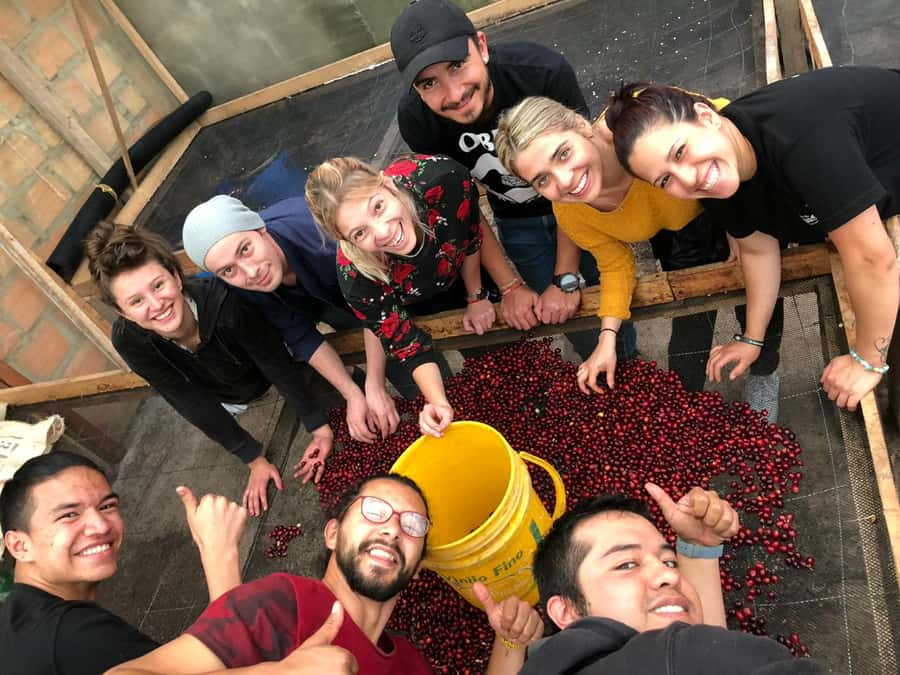
- Real participation: Pick coffee cherries and place a coffee seedling in the nursery instead of only watching a demonstration.
- Private bilingual tour: Spanish and English are available, and the private group format allows more time for questions.
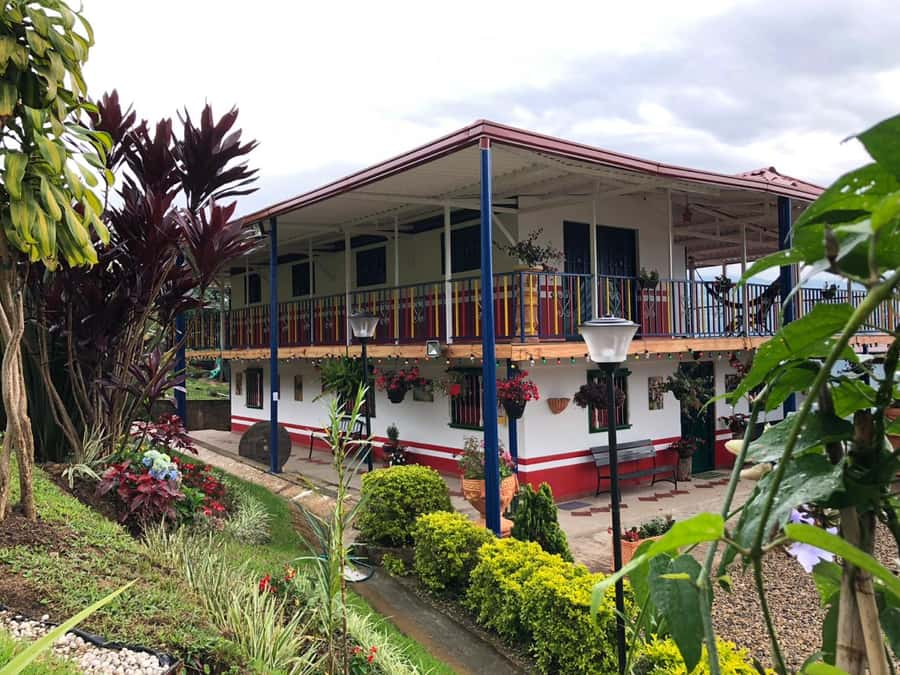
- A traditional farm setting: Expect plantation views, open air, and a quiet atmosphere at a farm with a century of history.
- Fresh coffee at the finish: Baristas explain how to recognize quality Colombian coffee, then prepare a tasting.
- Check the clock: The planned duration is five hours, but the actual visit may be shorter.
From Filandia to a century-old coffee farm
Your day begins with pickup from your accommodation in Filandia. Transport is included, which matters here because the farm is outside town and the experience is built around getting into the growing area rather than staying in a café.
The drive takes you from the town setting toward a working finca with hectares of coffee plants. The supplied details identify the farm as Luger finca in the tour arrangements, while the experience itself is presented as a traditional farm with roughly one hundred years of history. You will meet the guide and coffee expert once you arrive.
I like this opening because it gives the tour a clear sense of place. You are not simply sitting down for a tasting in Salento and hearing a short explanation about Colombian beans. You are taken to the source, where the plants, seedlings, cherries, processing areas, and roasting equipment can be connected in one visit.
The views and quiet atmosphere are part of the appeal, but do not mistake this for a sightseeing trip with a coffee sample added at the end. The central subject is farm work. Wear shoes that can handle uneven ground, bring water, and dress for changing weather. The tour operates in all weather conditions, so rain protection and sensible clothing are practical choices.
More Food Tours in Colombia
- Medellin: Comuna 13 Graffiti Tour, Cable Car & Street Food
★ 4.8 · 9,046 reviews - Medellín: Comuna 13 True Story and Street Food Tour
★ 4.9 · 1,779 reviews - Cartagena: Guided Street Food Tour with Tastings
★ 4.9 · 833 reviews
Seeing how coffee begins in the seedling area
The guide starts by explaining the early stages of the coffee plant. You learn how coffee begins as a seed and develops in the nursery before being planted among the larger bushes.
This is a useful part of the tour because it corrects a common shortcut in coffee education. Beans do not simply appear on a shrub ready for roasting. The quality of the final cup begins with the plant, the care it receives, and the work done long before harvesting.
You get to plant a coffee seedling yourself. It is a small task, but it gives the explanation some weight. You can see that coffee production depends on repeated manual jobs, not just the final roasting method. If you have children or a first-time coffee drinker in your group, this simple activity may be easier to remember than a long technical talk.
The guide’s role makes a difference here. Kevin has been praised for adding information about Salento, the wider region, and Colombia before the farm visit. That extra context helps connect the crop to the area you are visiting, instead of treating coffee as an isolated product.
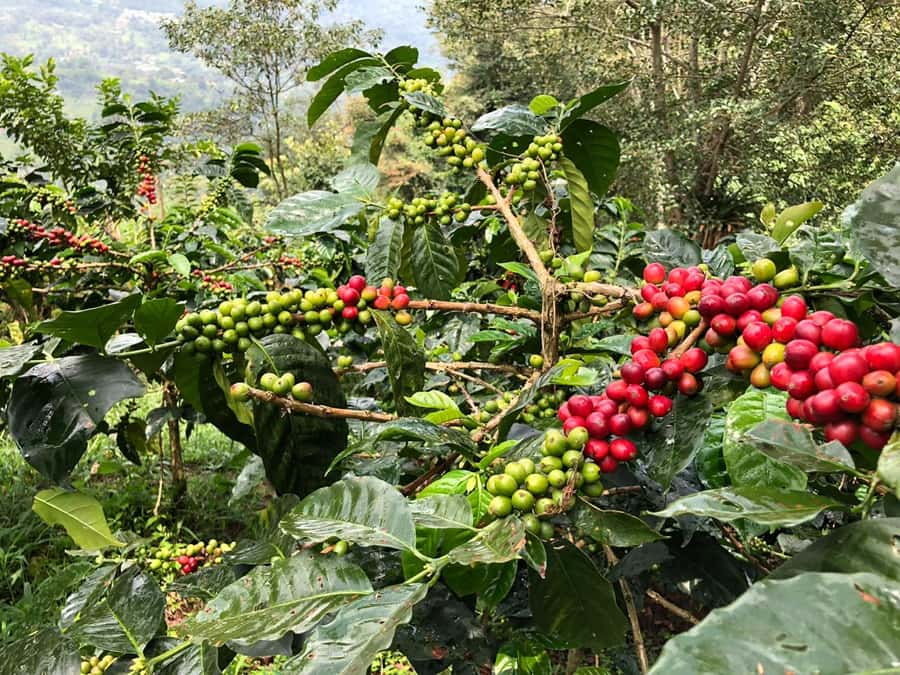
Picking red cherries from the coffee bushes
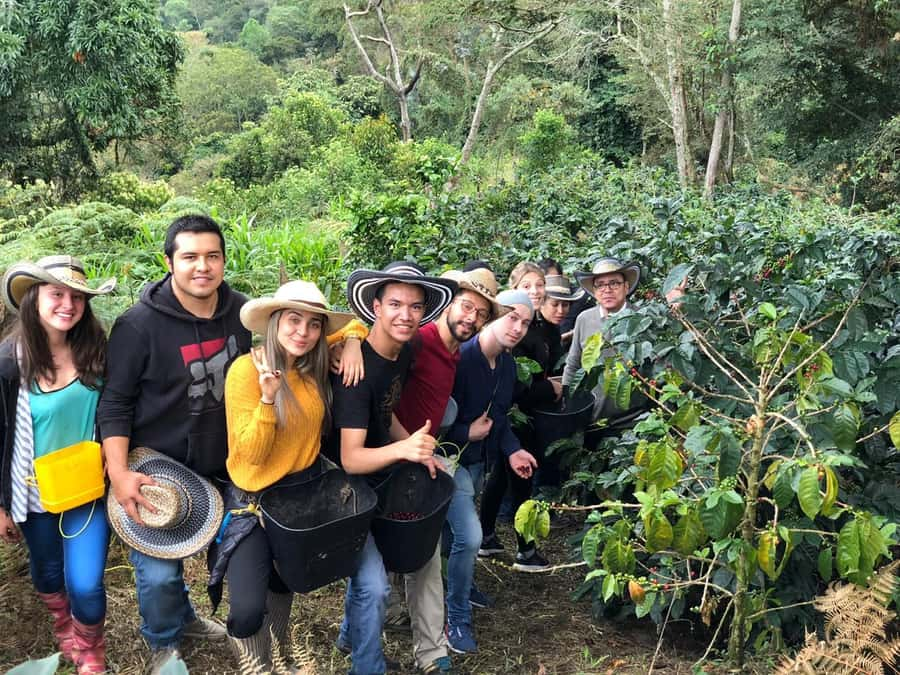
Next comes the harvest. You are invited to pick coffee cherries directly from the bushes, an activity that makes the difference between coffee fruit and coffee bean clear.
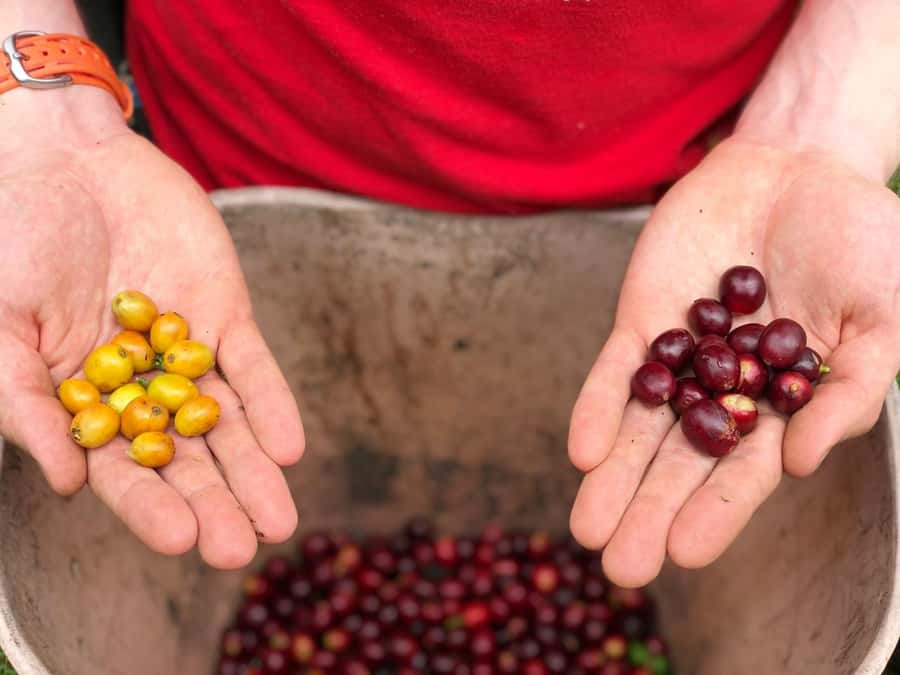
The fruit is not the brown bean you see in a bag. The bean is found inside the cherry and must pass through several stages before it becomes something you can roast and grind. A guide walks you through the process and explains what happens after picking.
This is one of the strongest parts of the experience because it gives you a direct sense of the labor involved. Picking a few cherries is not the same as spending a full day harvesting, of course, but it shows why coffee farming relies so heavily on careful handwork.
Do not expect a long agricultural workshop. The experience is designed as a short introduction, not a vocational course in coffee production. Still, it covers the major steps in a way that is easy to follow, and you get to take part rather than only look at the plants.
The farm setting also gives you a better appreciation for the people behind the beans. The final flavor is affected by what happens at each stage, from the seedling and harvest to the drying and roasting. That is a practical lesson in value: a cup of coffee represents far more work than its size suggests.
From harvested fruit to dried coffee
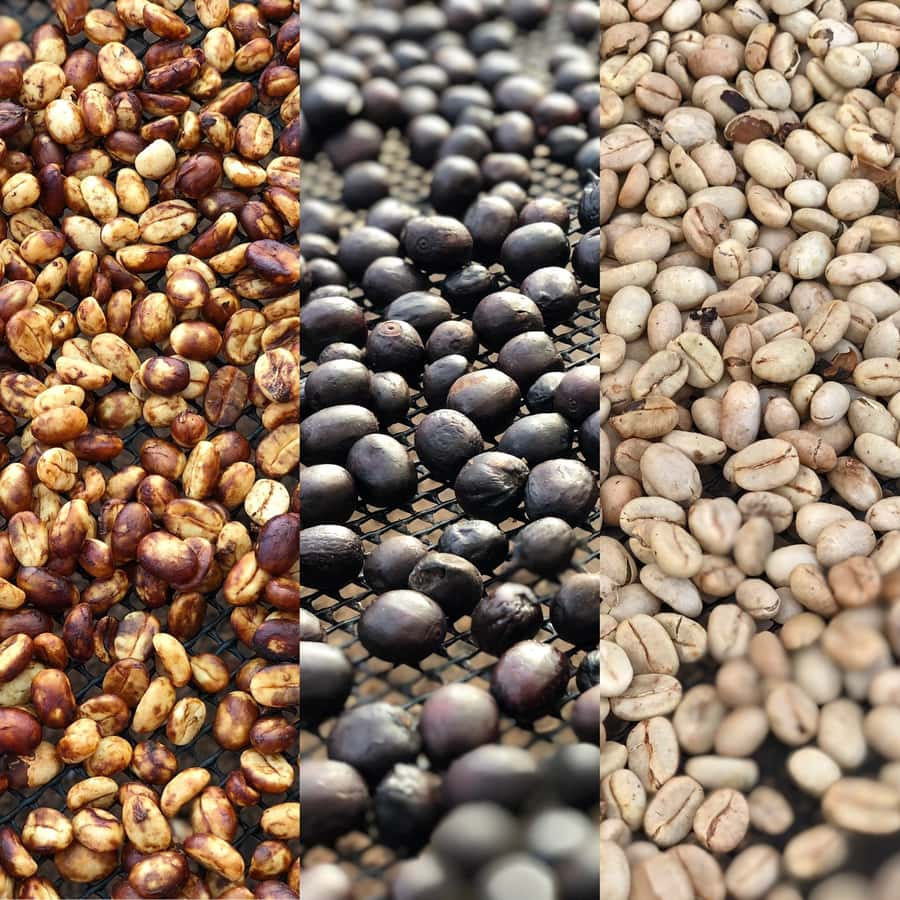
After seeing the plants and picking cherries, the tour moves to the stages that prepare the crop for roasting. The guide explains the process of collecting, drying, and preparing the coffee.
The supplied information does not promise a fixed demonstration of every processing method, so you should not expect a detailed lesson on every possible washing, fermentation, or grading system. What you can expect is a broad explanation of the route from harvested cherry toward the roasting stage.
That broad approach suits the five-hour format, at least when the full schedule is delivered. You get the story in the right order, and the guide can answer questions as you go. Ask about the work done by hand, since that is one of the most meaningful parts of the farm visit.
If you are already an experienced coffee buyer, you may want more technical detail than this tour provides. The strength here is accessibility. You can arrive knowing little about coffee and leave understanding the basic sequence from plant to cup.
More Coffee Tours in Coffee Region:
- Coffee Tour at the Finca del Café
★ 5.0 · 213 reviews - Salento: Private Cocora Valley, Salento & Coffee Farm Tour
★ 4.9 · 202 reviews - Coffee Tour at Finca El Ocaso Salento: Traditional Spanish Farm
★ 4.8 · 89 reviews - Coffee Tour Salento-Ocaso Farm- English Tour
★ 4.6 · 88 reviews
Watching the roasting and possible grinding
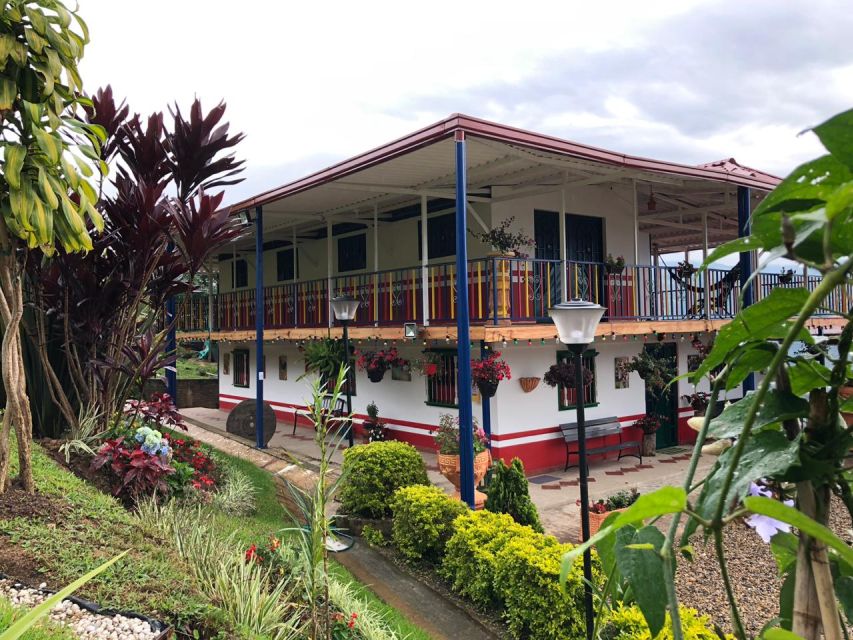
Roasting is the point where the coffee begins to resemble the product you know. The farm visit includes the final processing steps, including roasting and, sometimes, grinding.
The word sometimes matters. Grinding is not presented as a guaranteed part of every visit, so do not book this expecting a full production demonstration with every machine running. Roasting is the more central experience, and one particularly memorable version of the tour allowed participants to help prepare the roast.
That kind of participation makes the final tasting more meaningful. You are not only handed a cup and told it is fresh. You have seen the beans before roasting and may have had a role in preparing them. The connection between the farm and the drink becomes much clearer.
Marlon, the host at the finca, has been singled out for his ability to explain the process with humor and clarity. If he is leading your farm portion, you can expect a friendly presentation rather than a dry technical lecture. Guides can vary, but the activity is offered with English and Spanish support.
One visit also included a local snack prepared by the owner. It is not listed as a guaranteed inclusion, so treat it as a possible extra rather than something to plan your meal around. Lunch is not included, and you should arrange food separately if you need a full midday meal.
Learning to taste Colombian coffee
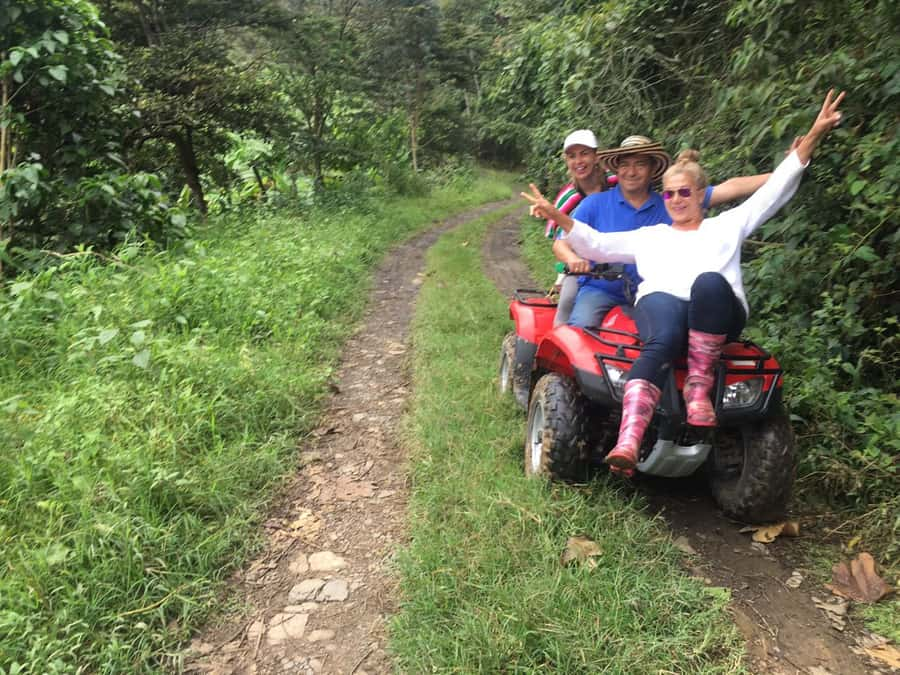
The tasting is more than a final cup of coffee. Baristas give you a short lesson on how to recognize qualities associated with good Colombian coffee, then answer questions as you taste.
This part is valuable because it gives you a way to pay attention. You may notice aroma, strength, acidity, or other flavor traits that are easy to overlook when you drink coffee quickly at home. The lesson is brief, so it will not replace a professional tasting course, but it gives you useful basics.
I like the order of the experience. You first see the crop, then the processing, then the roast, and only after that do you taste the coffee. The cup has a story behind it, and you can connect the flavor to the work you have just seen.
The coffee is described as high quality and freshly prepared. Individual preferences still matter. If you normally take coffee with milk or sugar, this is a good opportunity to try it more simply and ask the baristas what they want you to notice.
For coffee enthusiasts, the tasting may be the most important part of the day. For everyone else, it is a pleasant finish that makes the farm visit feel complete.
What guides add to the experience
The private group format is a real advantage. You are not trying to hear an explanation over a large crowd, and you can ask questions at the pace of your own group.
Kevin has received strong praise for guiding people through Salento before the farm visit. That town introduction can add useful background on the region and country, especially if this is your first day in the coffee area. He has also been noted for taking photographs, which may help if you want pictures of the visit without handing your camera to a stranger.
At the finca, Marlon has been described as a warm host with a strong command of the subject and a good sense of humor. Since guide assignments can vary, you should regard these names as examples of the people who may lead the experience, not as a guarantee.
English and Spanish are available. That makes the tour workable for international visitors, but ask questions as they arise. Coffee has plenty of terms that can sound similar, and a private setting gives you a good chance to stop and clarify.
The five-hour promise and the main drawback
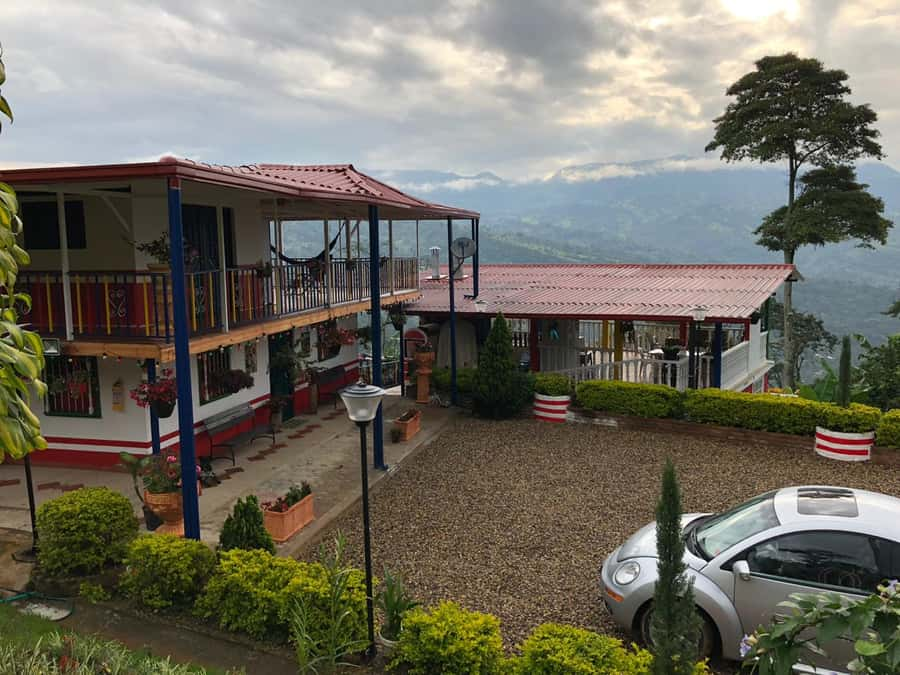
The advertised duration is five hours. That should give you time for transportation, the farm walk, hands-on activities, roasting, and tasting without having to rush through each stage.
There is an important caution. One booking expected a longer visit but finished after about two hours. The guide tried to adjust the experience and make the most of the available time, but the difference was still disappointing for someone who had planned around five hours.
I would confirm the pickup time, expected return time, and length of the farm portion before you commit. This is especially important if you are arranging another activity later that day or paying $101 per person because you want an extended coffee experience.
The price is reasonable if you receive private transport, a bilingual guide, a full farm visit, hands-on activities, and a proper tasting over the planned five hours. It is harder to justify if the visit is much shorter and functions mainly as a quick farm introduction.
That does not make the experience poor. It means the value depends heavily on how the day is scheduled. The coffee education and private attention are useful, but the time issue deserves a direct question before booking.
Who will get the most from this farm visit
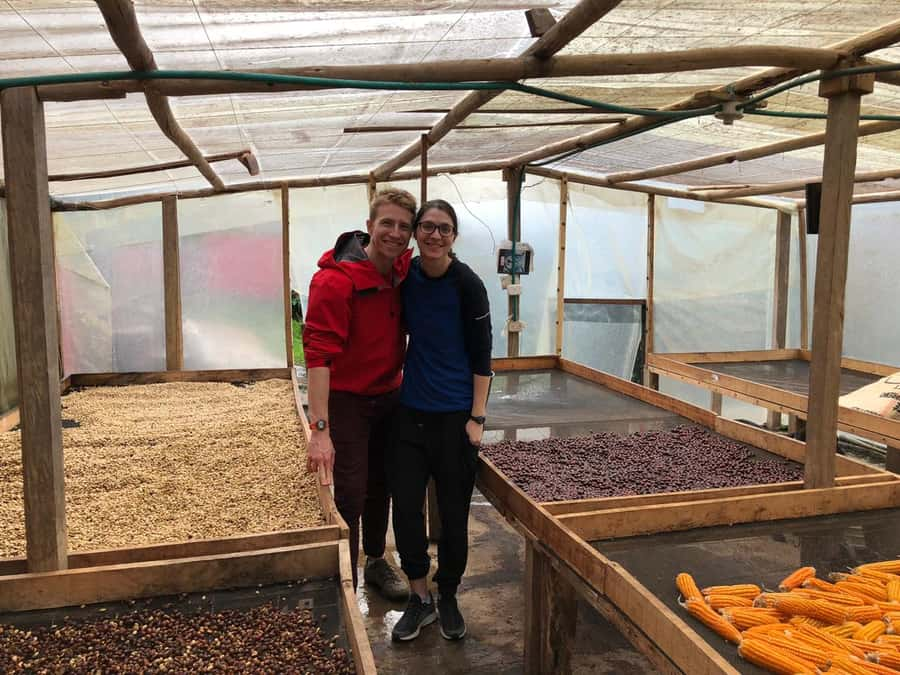
I would recommend this tour to you if you want more than a coffee stop and prefer to understand how a product is made. It suits people who enjoy meeting producers, asking questions, taking photographs, and trying a simple hands-on task.
It is also a good choice for couples, families with older children, or small private groups. Planting a seedling and picking cherries break up the explanations, so the visit does not depend on your enjoying a long lecture.
Coffee enthusiasts will get the most from the roasting and tasting portion. You can ask about preparation and quality, then taste the coffee with more attention than you might in a busy café.
I would be more cautious if you need guaranteed wheelchair access. The experience is not suitable for wheelchair users, and the farm walk may involve ground that is not easy for every visitor.
You should also think twice if you are looking for a full meal, a long agricultural course, or a guaranteed five-hour schedule without variation. Lunch is not included, and grinding is only listed as something that may occur.
Practical details for a comfortable visit
Pickup and drop-off are included from your accommodation in Filandia. Entry to the farm, a live guide, and coffee tasting are also included.
Bring comfortable shoes, water, a camera, and comfortable clothing. Since the tour runs in all weather, dress for rain or sun rather than assuming the day will remain dry.
Extra purchases are not included. You may have a chance to buy coffee or other items, but the supplied details do not specify what will be available or how much anything costs.
The activity allows free cancellation up to 24 hours before the scheduled start for a full refund. You can also reserve now and pay later, which is useful when your Colombia plans are still shifting.
Should you book this coffee tour?
Book it if you want a private, approachable introduction to Colombian coffee with real farm contact. The strongest elements are the seedling planting, cherry picking, roasting, and fresh tasting, along with guides such as Kevin and Marlon who can make the explanations lively.
Before paying $101 per person, confirm that your booking includes the full five-hour schedule. If the operator gives you a clear timing plan, this is a worthwhile way to connect Salento and Filandia with the work behind Colombia’s coffee. If the schedule remains vague, choose it only if you are comfortable with a shorter visit.
FAQ
Where does the coffee farm tour begin?
Pickup is included from your accommodation in Filandia.
How long does the experience last?
The planned duration is five hours. One reported visit lasted about two hours, so confirm the expected schedule and return time before booking.
Which languages are available?
The live tour guide is available in English and Spanish.
Is the tour private?
Yes. The experience is offered for a private group.
What activities can I do at the farm?
You can walk through the plantation, pick coffee cherries, plant a coffee seedling, learn about processing, and see roasting. Grinding may take place depending on the visit.
Is food included?
Lunch is not included. A local snack may sometimes be prepared at the farm, but it is not listed as a guaranteed inclusion.
What should I bring?
Bring comfortable shoes, water, a camera, and comfortable clothes. The tour operates in all weather, so dress appropriately.
More Farm Visits in Coffee Region
- Coffee Farm and Salento Walking Tour
★ 5.0 · 47 reviews - Medellín Coffee Farm Tour with Trolley and Cable Car Ride
★ 4.9 · 277 reviews - Cusco: Alpaca and Llama Farm Tour w/ Transfer & Weaving Demo
★ 4.9 · 151 reviews - Medellin: Horseback Riding Coffee Farm Tour with Coffee Spa
★ 4.8 · 151 reviews
More Food Tours in Coffee Region
- From Mendoza: 3 Wineries, Olive Oil Factory Tour & Tasting
★ 4.6 · 901 reviews - Rio: Pub Crawl in Lapa with Cachaça Tasting and Live Samba
★ 4.7 · 881 reviews - Buenos Aires: 9-Course Argentine Meat Tasting at Fogón Asado
★ 4.9 · 826 reviews - Lima: Ultimate Peruvian Food Tour
★ 4.9 · 700 reviews
Just added around Coffee Region
- Cocora Valley: Salento & Private Horseback Riding Tour★ 4.8 · 56 reviews
- Coffee Tour Salento-Ocaso Farm- English Tour★ 4.6 · 88 reviews
- Coffee Tour at Finca El Ocaso Salento: Traditional Spanish Farm★ 4.8 · 89 reviews
- Salento/Pereira: Cocora Valley & Salento Hiking Private Tour★ 4.8 · 78 reviews
- Full-Day Private Coffee Tour in Cocora Valley and Salento★ 5.0 · 60 reviews
- Salento, Cocora+Filand PREMIUM PLAN. exit: Pereira/Armenia.★ 5.0 · 47 reviews
- Cocora Valley and Salento Hike Tour★ 5.0 · 76 reviews
- Coffee Farm and Salento Walking Tour★ 5.0 · 47 reviews
Coffee Region Tours, compared.
Salento: Private Cocora Valley, Salento & Coffee Farm Tour
Read our review →
Salento, Cocora and Filandia Private Tour from Pereira or Armenia
Read our review →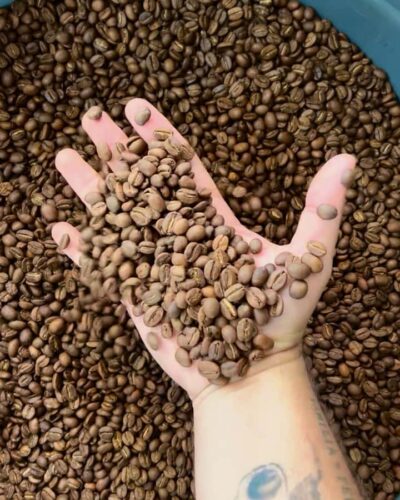
Coffee Tour at Finca El Ocaso Salento: Traditional Spanish Farm
Read our review →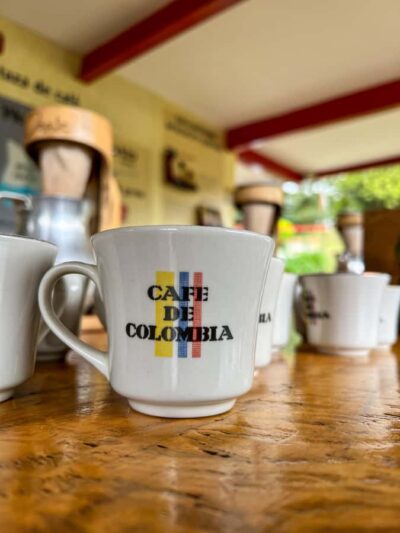
Salento/Pereira: Cocora Valley & Salento Hiking Private Tour
Read our review →
Browse the lists this tour appears in