
Reviewed · MACHU PICCHU TOURS
Salkantay Trek Standard 5D/4N
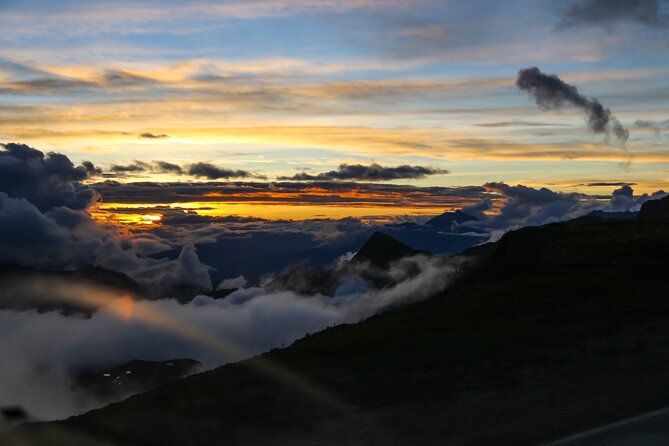
The best thing about this five-day Salkantay route is the sharp change in scenery. You begin among high Andean peaks, cross the 4,600-meter Salkantay Pass, then walk through cloud forest and coffee country before reaching Machu Picchu. I like the way one trip gives you both a serious mountain trek and the famous Inca site.
I also like the practical setup: a maximum of 15 people and a guide, cook, assistants, meals, camping gear support, entrance fees, and return transport are included. The main drawback is the altitude and long walking days, plus the fact that the Machu Picchu bus, sleeping bag, poles, and optional activities cost extra.
Key points to know before booking
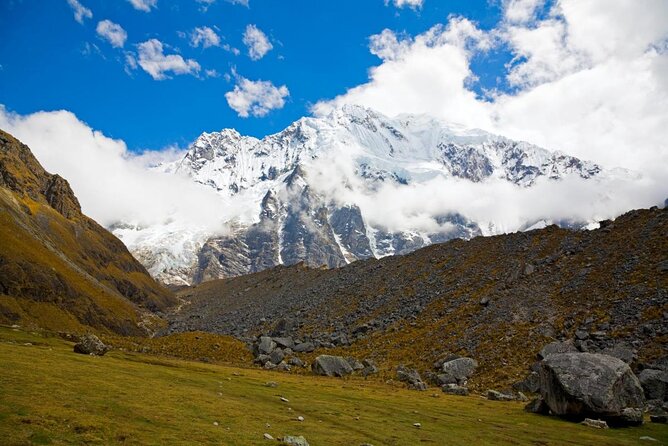
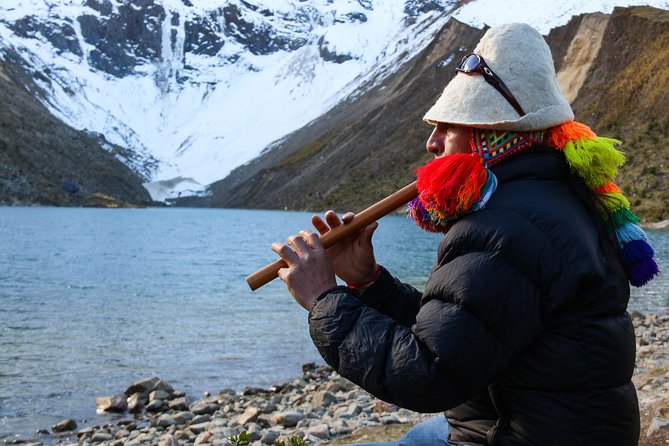
- Humantay Lake comes first: You reach 4,200 meters on the opening day, so the trek begins with a real altitude test.
- Salkantay Pass reaches 4,600 meters: Day two is the hardest and longest section, at about eight hours.
- The scenery changes fast: Snowy peaks give way to streams, orchids, cloud forest, waterfalls, and coffee plantations.
- You camp for three nights: A dining tent, kitchen, tables, chairs, cook, and assistants are provided.
- Machu Picchu is the grand finish: You spend the fourth night in an Aguas Calientes hostel and visit the ruins with a private guide on day five.
- Budget for extras: The up or down bus at Machu Picchu, sleeping bag, walking poles, zipline, hot springs, and mountain add-ons are not included.
A demanding route with a big payoff
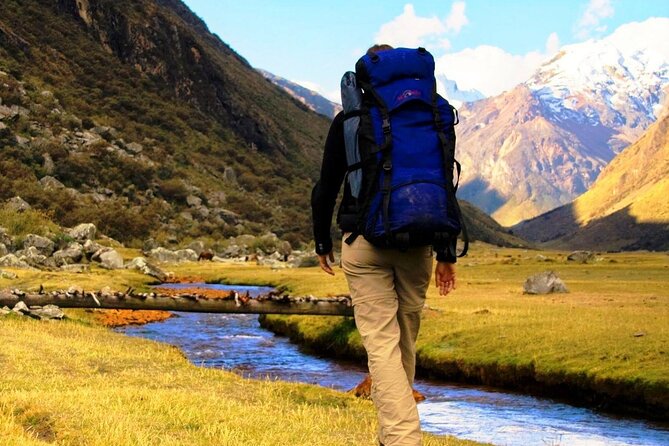
This is not a gentle sightseeing trip. It is a point-to-point mountain walk with early starts, high altitude, uneven trails, and several long days. You will also get more variety than on a route that focuses only on Machu Picchu.
The first half feels distinctly Andean. You walk beneath the snowy Salkantay peak and cross a high pass. Then the trail drops into warmer country, where trees carry bromeliads and orchids, streams cut through the route, and coffee plantations replace bare mountain slopes.
I find that mix a strong reason to choose Salkantay. You do not spend five days looking at the same type of scenery. You also avoid having to arrange separate transport, camps, meals, train tickets, and Machu Picchu entry on your own.
The tradeoff is comfort. Three nights are spent camping, and the itinerary does not list sleeping bags or walking poles as included. If you want a soft bed every night or prefer short walks, this is the wrong choice. If you want a serious trek with support and a clear plan, it makes good sense.
More Hiking Tours in Machu Picchu
- Salkantay Trek Challenge – 3 Days / 2 Nights
★ 5.0 · 101 reviews - Choquequirao Trek 4 days and 3 nights
★ 5.0 · 81 reviews - Machu Picchu: 5-Day Salkantay Trek with Panoramic Train
★ 5.0 · 79 reviews
Day one: Soraypampa and Humantay Lake at 4,200 meters
Your day begins with a 4:00 a.m. start from Portal de Comercio 145 in Cusco. The early departure is necessary because the group must reach Mollepata for breakfast and then continue to Soraypampa, where the hike begins at about 3,900 meters above sea level.
At Soraypampa, horsemen and horses carry the camping equipment. That matters. You still need to carry your personal day items, but you are not expected to haul the full camp over the mountains.
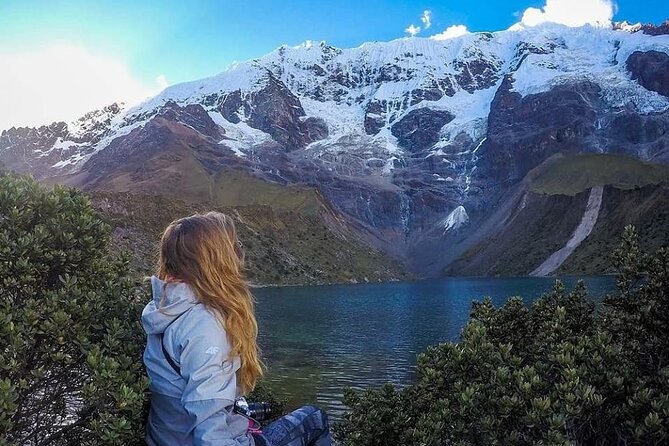
The walk to Humantay Lake climbs to about 4,200 meters. The lake is one of the visual high points of the trip, set below the Humantay mountain. The altitude, not the distance alone, is the issue here. Even fit walkers can feel the thin air.
You return to Soraypampa for lunch prepared by the cook. Later, you continue to Salkantaypampa, the first base camp, with views of the snowy Salkantay peak. Afternoon tea and dinner are served at camp.
I like the order of this day because you see a major highlight right away. I would not treat it as an easy warm-up, though. Starting with Humantay Lake means you should arrive in Cusco with enough time to rest and adjust before the 4:00 a.m. pickup.
Day two: the 4,600-meter Salkantay Pass
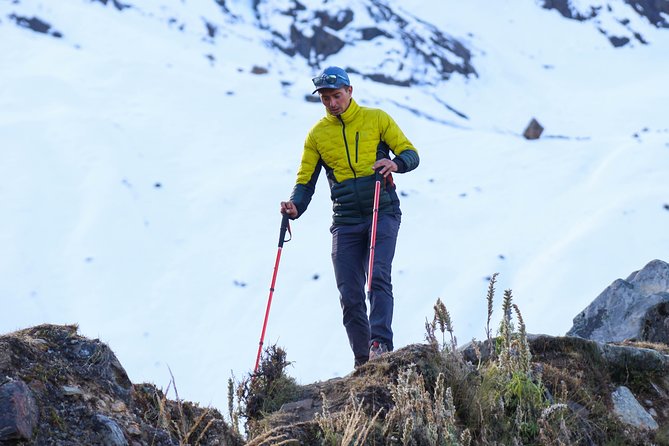
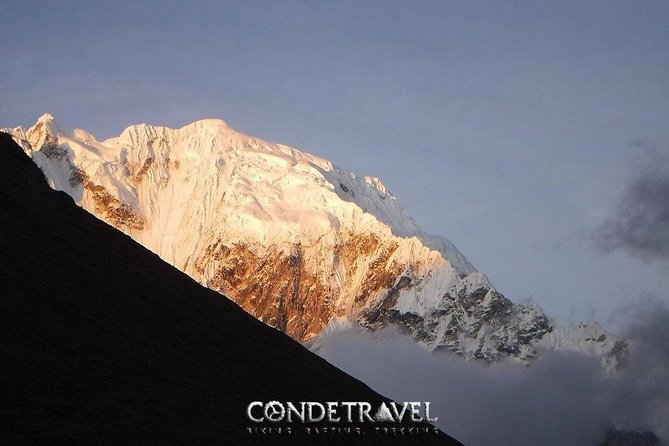
Day two is the physical center of the trek. You wake with coca tea, eat breakfast with mountain views, and climb to Salkantay Pass. The ascent takes about three hours, and the pass reaches approximately 4,600 meters.
This is the point where altitude becomes a serious concern. The route is not just a walk through attractive scenery. It is a high mountain crossing, followed by a full day on the trail. The total walking time is about eight hours.
From the pass, you descend toward Wayrac Machaq for lunch. The change in elevation brings a change in plant life. The trail continues toward the high jungle, with large trees, streams, bromeliads, and orchids. You finish downhill at the second campsite.
The horses and support crew are especially useful on this day because they carry the shared camping supplies. Still, you need sensible clothing, water, sun protection, and footwear suited to rough walking. The supplied information does not state a packing list, so you should ask the operator what personal equipment is expected before departure.
Day three: cloud forest, waterfalls, and coffee at Lucmabamba
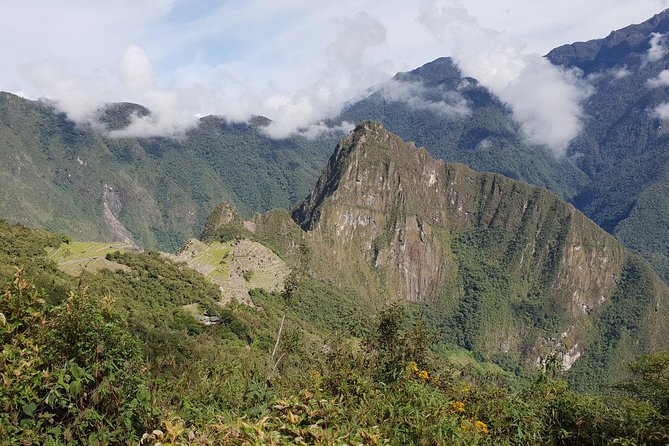
The third morning begins early again. You walk through cloud forest for about three hours, passing rivers and waterfalls before stopping for lunch. After lunch, the route continues for another three hours to Lucmabamba.
This section gives the trek its strongest contrast with the opening days. The cold, open mountain country has given way to thicker vegetation and warmer conditions. The walk is still active, but the setting feels less exposed than the high pass.
Lucmabamba is also tied to coffee production. You can take part in activities at the coffee plantations and see how coffee is processed. That is a useful part of the route because it connects the scenery with local work rather than treating the countryside as a backdrop.
A zipline may be available if you book it in advance, but it is not included. You can also request a visit to Cocalmayo hot springs, about 30 minutes from the campsite. Transport and entrance fees for the springs are extra, and the itinerary says the operator can organize this additional activity.
I would see the hot springs as an optional comfort, not a reason to book the trek. The included route is already full, and adding another activity may make the day feel rushed. Ask about timing and transport before paying for it.
More Hiking Tours in Peru
- Ancascocha Trek To Machu Picchu 4 Days And 3 Nights
★ 5.0 · 77 reviews - 4 Day Inca Trail Trek to Machu Picchu Multi day tour
★ 5.0 · 70 reviews - Salkantay Trek 4 Days to Machu Picchu by Glamping Sky Lodge Dome
★ 5.0 · 68 reviews - 2 Day Hiking Short Inca Trail to Machu Picchu
★ 5.0 · 66 reviews
Day four: Llactapata, Hydroelectric, and Aguas Calientes
After breakfast, you hike toward Llactapata. The attraction here is the view toward Machu Picchu and the surrounding mountains. It gives you an early look at the destination before you reach it.
From Llactapata, the trail drops to Hydroelectric for lunch. You then walk for another three hours to Aguas Calientes, the town below Machu Picchu. This is another long walking day, although the route is no longer the high-altitude crossing of day two.
Your overnight stay is in a hostel in Aguas Calientes. After three nights under canvas, a room and regular town facilities will feel welcome. The package includes one night of lodging, but it does not specify the hostel name or room arrangement, so ask if that matters to you.
The final walk to Aguas Calientes also means you do not take the train into town on day four. You arrive on foot, which suits people who want the full trekking experience. If you are tired by this point, remember that day five still begins early for Machu Picchu.
Day five: Machu Picchu and the return to Cusco
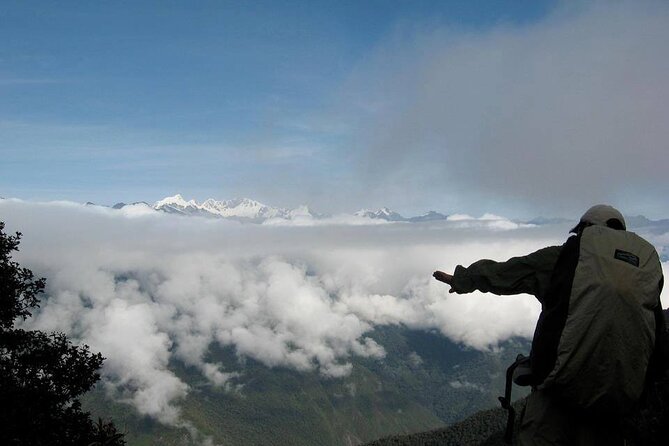
After breakfast, you take the early buses up to Machu Picchu for sunrise. The bus fare is not included, so budget for the up or down bus separately. The tour does include the entrance fee to Machu Picchu and a private guided visit once inside.
Having a private guide for the ruins is important. Machu Picchu is easier to understand when you know what you are looking at, and the guide can shape the visit around the main structures and viewpoints. The supplied details do not give the guide’s name, so you will need to confirm that after booking.
Huayna Picchu and Machu Picchu Mountain are not included. Those are separate mountain entrances, and you should not assume you can add them automatically. If one is important to you, check availability and the booking process before the trek begins.
After the visit, you take the train from Aguas Calientes to Ollantaytambo, then continue by transport to Cusco. The return train and Ollantaytambo-to-Cusco transport are included. This removes one of the most awkward pieces of planning from a self-guided trip.
What the package includes, and what it leaves out
The value here comes from how many moving parts are handled. You receive transport from Cusco to Mollepata, Machu Picchu entry, three camping nights, one hostel night, four breakfasts, four lunches, and four dinners.
A dining tent, kitchen, tables, and chairs are supplied. A first aid kit is also listed. The professional bilingual guide works with a cook and assistants, while horses carry the camp equipment during the trek.
That is a useful package for anyone who does not want to coordinate a remote route alone. A lower advertised price on another trek may not mean better value if it leaves you arranging meals, camp support, entry fees, or the return train separately.
You should set aside money for these exclusions:
- The bus between Aguas Calientes and Machu Picchu
- A sleeping bag
- Walking poles
- Ziplining
- Cocalmayo hot springs, including transport and entry
- Huayna Picchu or Machu Picchu Mountain
The tour does not state a price in the available details, so I cannot judge the exact cost. My advice is to compare the full out-of-pocket total, not only the tour fee. Add the bus, equipment rental or purchase, optional activities, and any extra spending in Aguas Calientes.
Group size, guide support, and daily rhythm
The group is capped at 15 people. That is small enough to make communication easier than on a large coach tour, while still giving the operator a group to share camp duties and transport costs with.
The guide is bilingual, and the cook and assistants support the camp routine. You can expect a structured day with early breakfasts, a set walking route, meals at planned stops, and camping equipment moved by horses.
The precise names of the guide and cook are not provided. If personal contact with the guide matters to you, ask the company for the assigned names before departure. The operator is Conde Travel.
The schedule is early and active from start to finish. You should be comfortable walking for up to eight hours and handling a high pass. The details say most people can participate, but that should not be read as a promise that the altitude will feel easy for everyone.
Safety, cancellations, and practical concerns
The first negative experience described a cancellation during a period of transport strikes and unrest in Peru. The operator said the departure continued and offered a future voucher instead of a cash refund. The company’s stated policy is stricter: this experience is non-refundable and cannot be changed for any reason.
That point deserves attention before you pay. If strikes, illness, schedule changes, or a last-minute decision could affect your plans, this is a high-risk booking. The operator states that if the minimum number of people is not reached and the tour is canceled, you will be offered another date or experience, or a full refund.
The meeting point is Portal de Comercio 145 in Cusco, and the stated start time is 4:00 a.m. The activity ends back at that meeting point after the train and road transfer from Ollantaytambo.
The booking information reports a 4.8 rating from 48 ratings and a 94 percent recommendation rate. Those figures suggest strong overall approval, but they do not remove the practical concerns about altitude, add-on costs, or the non-refundable policy.
Who should book this Salkantay Trek?
I would recommend it to you if you want a packed Andean route, prefer having meals and transport arranged, and are happy to camp for three nights. It also suits you if seeing Humantay Lake, crossing Salkantay Pass, walking through coffee country, and visiting Machu Picchu all matter more than hotel comfort.
I would be cautious if you are new to high-altitude walking, dislike early starts, or need flexible cancellation terms. The itinerary asks a lot from your legs, especially on days two and four.
Book this tour if its all-in structure saves you planning time and you accept the extra costs for the bus, sleeping bag, poles, and optional activities. Skip it if you want a slower Machu Picchu visit or a softer five-day holiday. The route offers striking variety and solid logistical support, but it is still a mountain trek first and a sightseeing holiday second.
FAQ
Where does the Salkantay Trek start?
The meeting point is Portal de Comercio 145 in Cusco, Peru. The stated start time is 4:00 a.m.
How long does the experience last?
The trek lasts approximately five days and four nights.
How high does the route go?
The route reaches Humantay Lake at about 4,200 meters and Salkantay Pass at about 4,600 meters above sea level.
How many people can join the group?
The tour has a maximum of 15 participants.
How many nights are spent camping?
You spend three nights camping and one night in a hostel in Aguas Calientes.
Is Machu Picchu entrance included?
Yes. The entrance fee to Machu Picchu is included, along with a private guided visit. The bus from Aguas Calientes to Machu Picchu is not included.
Is the return train to Cusco included?
The train from Aguas Calientes to Ollantaytambo and transport from Ollantaytambo to Cusco are included.
Are sleeping bags and walking poles provided?
No. Sleeping bags and walking poles are not included. Ziplining, the hot springs, and Huayna Picchu or Machu Picchu Mountain are also extra.
More Inca Trail Treks in Machu Picchu
- Cusco: 4-Day Inca Trail to Machu Picchu with Accommodation
★ 4.8 · 432 reviews - Cusco: Machu Picchu 2-Day Inca Trail with Panoramic Train
★ 4.9 · 260 reviews - From Cusco: 2-Day Inca Trail to Machu Picchu
★ 4.2 · 244 reviews - Machu Picchu: Inca Trail 2-Day Overnight Guided Tour
★ 4.9 · 203 reviews
Just added around Machu Picchu
- 10-Day Taste Peru Experience: Lima, Nasca, Cusco & Machu Picchu★ 5.0 · 63 reviews
- Wonderful Cusco 5-Day Tour with Entrance to Machupicchu★ 5.0 · 46 reviews
- Machu picchu one day by train all included★ 4.5 · 53 reviews
- A Day at Machu Picchu, Journey to the Heart of the Andes★ 5.0 · 55 reviews
- Tour to Machupicchu By Train Full-Day★ 4.5 · 56 reviews
- Tour To Machupicchu 2 Days by Train★ 5.0 · 64 reviews
- Machu Picchu 1 Day Tour from Cusco by Train★ 5.0 · 44 reviews
- 2-Day Tour: Sacred Valley & Machu Picchu – All Tickets Included★ 5.0 · 42 reviews
Machu Picchu Tours, compared.
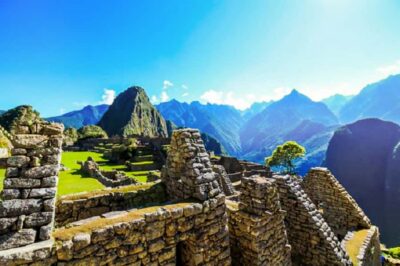
From Cusco: Full-Day Group Tour of Machu Picchu
Read our review →
Machu Picchu: Full-Day Tour from Cusco with Optional Lunch
Read our review →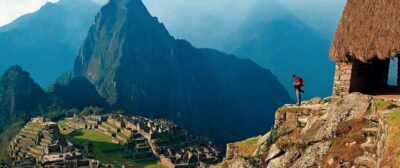
Cusco: 4-Day Inca Trail to Machu Picchu with Accommodation
Read our review →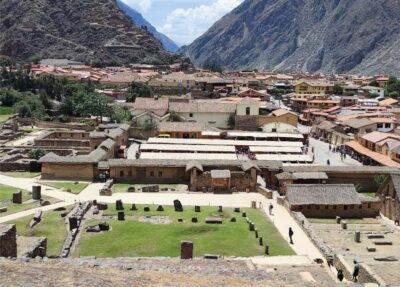
From Cusco: 2-Day Trip to the Sacred Valley and Machu Picchu
Read our review →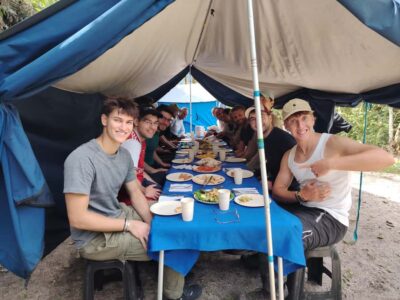
Cusco: Machu Picchu 2-Day Inca Trail with Panoramic Train
Read our review →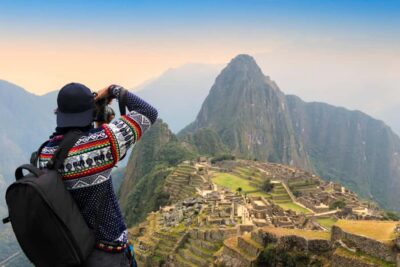
Machu Picchu: Inca Trail 2-Day Overnight Guided Tour
Read our review →Browse the lists this tour appears in