
Reviewed · MACHU PICCHU TOURS
4 Day Inca Trail Trek to Machu Picchu Multi day tour
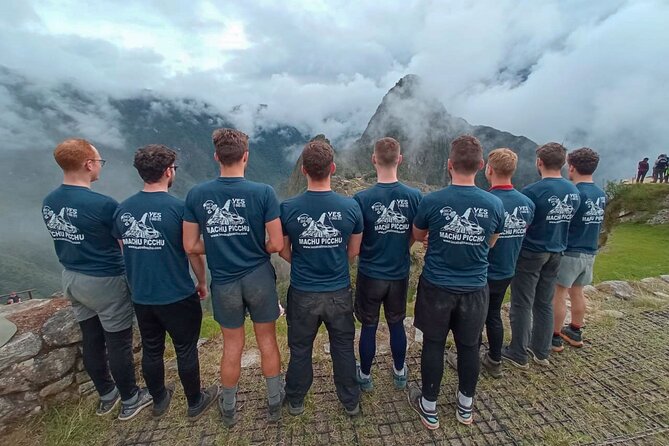
The real prize here is not simply Machu Picchu. It is reaching the citadel by way of an ancient stone road, after four days of steep climbs, high passes, cloud forest, and Inca ruins that most day visitors never see. Dead Woman’s Pass at 4,215 meters is the hard test, while the early view from the Sun Gate is the emotional payoff.
I like the practical support: porters carry your main duffel, a chef cooks three meals a day, and the group is limited to 16 people. I also like the guide-led focus, with guides such as Nico, Cesar, Josias, and Plinio praised for pacing, history, and encouragement. The catch is simple: this is a serious high-altitude hike, not a scenic stroll, and the non-refundable $930 price requires a firm commitment.
Key points
- 42 kilometers over four days: You cross high mountain passes, cloud forest, and subtropical jungle before reaching Machu Picchu.
- Dead Woman’s Pass: The trail’s highest point reaches 4,215 meters, making altitude and fitness central to the experience.
- A supported camping trek: Three nights of camping include tents, meals, water, a chef, porters, and a personal duffel allowance of up to 7 kilograms.
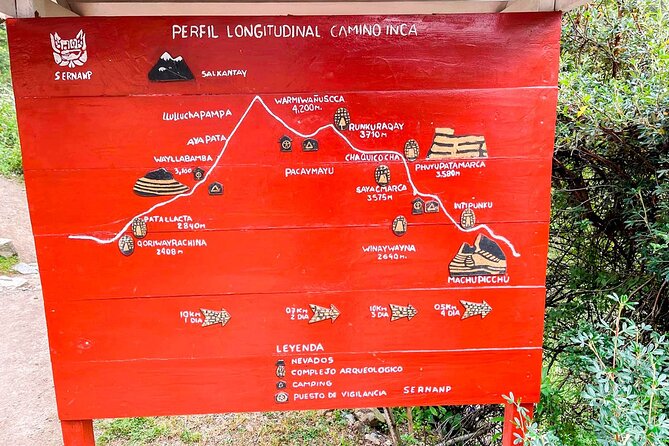
- Ancient sites along the way: Llactapata, Runkurakay, Sayacmarca, Phuyupatamarca, and Wiñay Wayna add much more than scenery.
- Small-group format: The maximum group size is 16, with pickup from Cusco at about 4:30 a.m.
- Full return transport: A bus takes you to Aguas Calientes, followed by a tourist train to Ollantaytambo and a bus back to Cusco.
What the $930 Inca Trail trek actually gives you
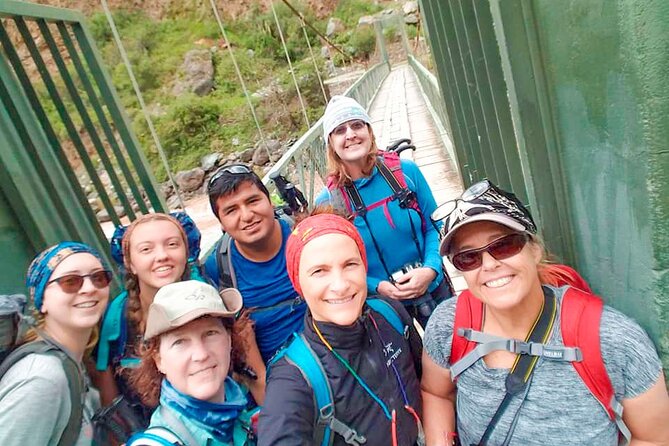
At $930 per person, this is not a bargain day trip. You are paying for a regulated multi-day route, camping logistics, food, porters, guide services, entrance fees, and transport back to Cusco.
The price includes the Inca Trail permit and Machu Picchu entrance fee, which are important costs on this route. It also covers three nights of camping, three breakfasts, three lunches, and three dinners. Your chef supplies water at each campsite, and porters carry food, tents, cooking gear, and other camp equipment.
You also receive a personal super porter for a duffel weighing up to 7 kilograms, or about 11 pounds. That matters. Carrying only your day bag makes the steep sections more manageable, although you still need to carry whatever you want during the day.
The camping setup is more comfortable than the bare-bones image many people have in mind. Two people use each four-person Eureka tent, giving you extra room for gear and more personal space. A kitchen tent, dining tent, tables, chairs, cooking supplies, a toilet tent, and a sleeping-roll mattress are included.
You still need to budget for a sleeping bag, listed at $25, hiking poles at $20, and an inflatable rest mattress at $20 if you want one. Tips, souvenirs, travel insurance, your first breakfast, and your final lunch in Aguas Calientes are also extra.
More Hiking Tours in Machu Picchu
- Salkantay Trek Challenge – 3 Days / 2 Nights
★ 5.0 · 101 reviews - Choquequirao Trek 4 days and 3 nights
★ 5.0 · 81 reviews - Machu Picchu: 5-Day Salkantay Trek with Panoramic Train
★ 5.0 · 79 reviews
Day 1: Km 82, the Vilcanota River, and a manageable start
Your day begins early, with pickup from your Cusco hotel at about 4:30 a.m. The drive passes through the Urubamba Valley before reaching Km 82, the usual starting point for this section of the Inca Trail.
After crossing the Vilcanota River, you begin on an old stone route through the Andes. The first day covers about 12 kilometers, or 7.5 miles, and takes roughly eight hours. It is described as moderate, but that word should not fool you. You are already walking at altitude, and the early start makes rest and a good breakfast important.
The route follows the river and gives you wide views of the surrounding mountains and valleys. You pass through Huayllabamba, where you may have a chance to interact with local people. That human element helps the first day feel less like a race toward Machu Picchu and more like a walk through a living mountain region.
This day is useful for finding your rhythm. You will learn how quickly your group moves, how much water you need, and how your legs respond to repeated climbs and descents. A guide such as Nico, Cesar, or Plinio can make a real difference here by setting a sensible pace and keeping the group together.
The first night is camping, with dinner prepared by the trekking chef. You should expect a full day outdoors, changing weather, and basic camp routines rather than hotel comforts. The rewards are quiet mountain scenery and the sense that the trek has properly begun.
Day 2: The hard climb to Dead Woman’s Pass
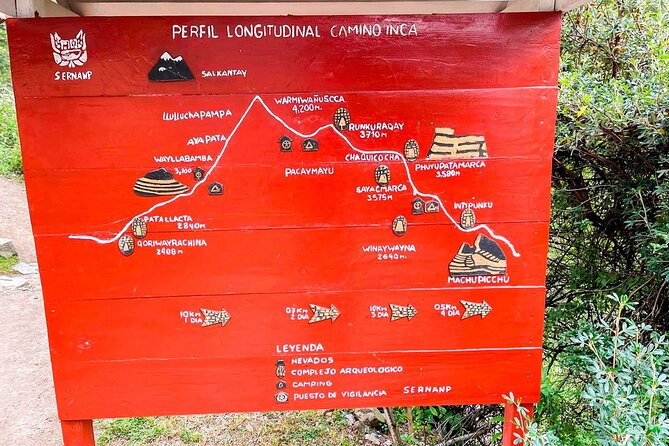
Day 2 is the day to respect. After an early wake-up and breakfast, you climb toward Warmiwañusca, better known as Dead Woman’s Pass. At 4,215 meters, or 13,828 feet, it is the highest point on the route.
The ascent is demanding because it is long, steep, and high. Your porters may be carrying most of the shared equipment, but you still have to move your own body uphill. Fitness helps, but acclimatization matters just as much. The tour requires a strong physical fitness level, and that is a fair warning rather than a formality.
At the pass, the views across the Andes give you a clear reason to pause. After a short rest, the route drops into the Pacaymayo Valley, where you spend the night.
The descent can be just as tough as the climb. Knees and ankles take a beating on steep stone steps, so hiking poles are worth considering, especially if you are less comfortable on uneven ground. They are not included, but the listed rental cost is modest compared with the comfort they may provide.
Day 2 moves through several types of scenery. You start in high-altitude grassland and later reach cloud forest with orchids and bromeliads. That change in vegetation is one of the best features of the route. You feel the mountain climate shift as you lose altitude.
The camping at Pacaymayo is basic but supported by the full camp crew. Dinner, water, tents, and cooking facilities are provided. You will be tired, and the most useful luxury may simply be a hot, filling meal prepared for you instead of another task on your list.
Day 3: Runkurakay, Sayacmarca, and Wiñay Wayna
Day 3 is shorter at about six hours, but it is not easy. You climb toward Runkurakay Pass at 3,970 meters, or 13,022 feet, then descend into the cloud forest.
Runkurakay is one of the trail’s striking ruins. Its curved form and high position make it feel closely tied to the route itself, rather than like an isolated archaeological stop. Your guide can add context about how the Inca road and its sites fit together.
The trail then reaches Sayacmarca, located at about 3,624 meters. The ruins sit above the surrounding area, and reaching them involves stone steps and uneven ground. The setting is part of the appeal, but it also means you should watch your footing instead of rushing from one site to the next.
From there, you continue through forest, passing smaller ruins before climbing toward Phuyupatamarca at 3,670 meters. The name is often translated as City in the Clouds, a fitting description for a site surrounded by high mist and mountain vegetation.
The final descent leads to Wiñay Wayna, at roughly 2,650 meters. Its terraces and ritual baths make it one of the most memorable archaeological points on the route. This is also where the trek begins to feel close to its goal. You are lower, the vegetation is thicker, and Machu Picchu is no longer an abstract destination several days away.
The campsite near Wiñay Wayna gives you views of the surrounding mountains. It is also the last night of the trek, so expect an early start the next day. Take advantage of the evening to organize your day bag, rain gear, camera, and documents. The final morning is not the time to search through every pocket of your duffel.
More Hiking Tours in Peru
- Ancascocha Trek To Machu Picchu 4 Days And 3 Nights
★ 5.0 · 77 reviews - Salkantay Trek 4 Days to Machu Picchu by Glamping Sky Lodge Dome
★ 5.0 · 68 reviews - 2 Day Hiking Short Inca Trail to Machu Picchu
★ 5.0 · 66 reviews - Classic Choquequirao Trek – 5 Days / 4 Nights
★ 5.0 · 52 reviews
Day 4: The Sun Gate and first sight of Machu Picchu
Day 4 begins early with breakfast and a walk to the checkpoint for the final stretch of the Inca Trail. The target is Inti Punku, the Sun Gate.
The first view of Machu Picchu from the Sun Gate is the moment this route is designed to deliver. Instead of arriving by bus among crowds, you approach the citadel on foot after passing through mountains and ruins. The view can be affected by cloud or rain, but the setting remains powerful.
From the Sun Gate, you continue to Machu Picchu for a guided visit of the ruins. The citadel was rediscovered by Hiram Bingham in 1911, and the tour gives you time to see its stonework and understand the site in relation to the trail you have just completed.
There is an important practical point here: even after reaching Machu Picchu, your day is not finished. The itinerary allows about six hours, including the visit, the shuttle bus down to Aguas Calientes, lunch on your own, the tourist train to Ollantaytambo, and the bus back to Cusco.
Your first breakfast and final lunch in Aguas Calientes are not included. Plan for those costs and keep some energy for the return journey. After four days of walking, the train and bus are welcome, but the trip back still takes time.
The people who make the camping work
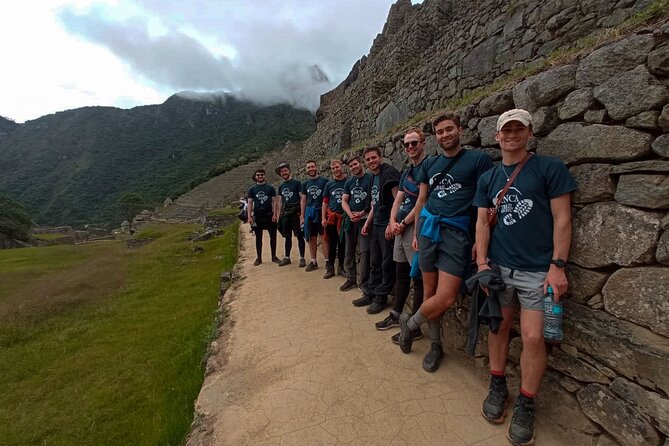
The guide is central to this experience. Names associated with the trip include Nico Raul, Cesar, Josias, Plinio, Yijo, and Pepe, also referred to as Pinyo. Their reported strengths include explaining Inca history, setting a manageable pace, answering questions, and helping people through difficult stretches.
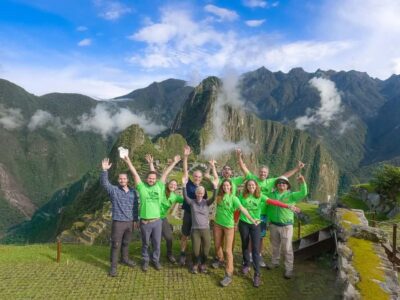
That range matters because a group of up to 16 people will not move at one speed. Some walkers will want to stop often for photographs. Others will prefer a steady push. A good guide can balance those needs without turning the trek into a contest.
The porters are another major part of the operation. They carry the food, tents, kitchen gear, and camping equipment, while a personal porter carries your main belongings up to the stated weight limit. You should pack lightly and respect that weight limit. The porters are workers, not an excuse to bring a full suitcase.
The chef is also more important than you may expect. The meals are described as plentiful and unusually good for a remote camping route, with specific praise for chefs including Clemente, Leo, Jesus, and other members of the cooking team. One account even highlights a cake prepared in the Andes.
Food quality affects morale on a trek. You will burn energy for four days, and a warm meal at camp is practical comfort, not an extra flourish. Vegetarian or special dietary details are not provided, so ask the operator before booking if that is important for you.
Weather, altitude, and what to pack
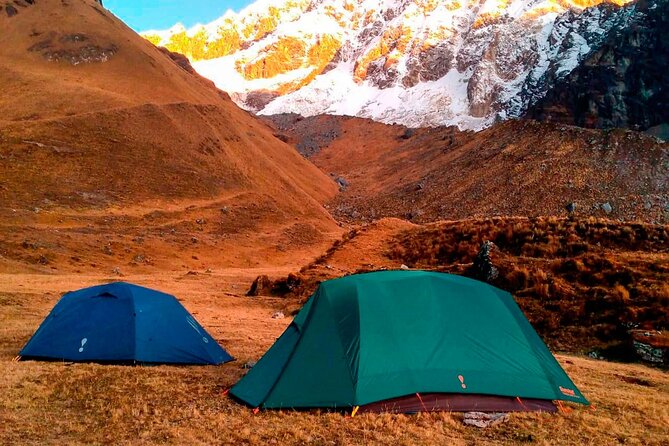
The trail passes through high mountain country, cloud forest, and subtropical jungle, so conditions can change quickly. A plastic rain poncho is included, but you should still bring suitable clothing and protect anything important inside your day pack.
The tour supplies a first-aid kit and an emergency oxygen bottle. That is useful support, but it does not remove the need to take altitude seriously. The itinerary reaches 4,215 meters, and you should not treat the oxygen bottle as a guarantee that altitude problems will be solved.
The listed extras are worth planning for:
- Sleeping bag
- Hiking poles
- Optional inflatable rest mattress
- Travel insurance
- Tips
- Souvenirs
- First breakfast and final lunch in Aguas Calientes
The camping mattress supplied is described as a comfortable sleeping-roll mattress. You may still prefer the extra inflatable mattress, especially if you have trouble sleeping on firm ground.
Who should book this trek
I would recommend this trip to you if you want Machu Picchu to be the end of a physical journey, not simply a sightseeing stop. It suits people who enjoy long days outside, archaeological sites, changing scenery, and the shared rhythm of a small camping group.
It can also work for older walkers who prepare properly. The reported experiences include people in their 60s and one person aged 71, but that should not be read as proof that the route is easy. Age is less important than fitness, altitude tolerance, and the ability to manage steep steps for several days.
I would hesitate if you dislike camping, struggle with high-altitude exertion, or want flexible cancellation. The experience is non-refundable and cannot be changed after booking. That rule is especially important because the $930 payment is a serious commitment.
The 4:30 a.m. start, high pass, and long return day also make this a poor fit for anyone looking for a relaxed holiday schedule. This is a structured trek with fixed permits, campsites, and transport.
My take: a strong choice for the classic route
I like the balance of support and effort here. You still earn Machu Picchu with your legs, but you do not have to carry four days of food and camping equipment or cook after a hard climb.
The strongest parts are the guide support, porters, chef, and route itself. Nico, Cesar, Plinio, and the other named guides receive repeated praise for pacing and personal care, while the food and camp crew help turn a demanding route into a manageable one.
At $930, the tour offers solid value if you want the permits, meals, camping equipment, guide, porter support, and full return transport handled together. It is not the right purchase for someone seeking the cheapest way to see Machu Picchu, but it is a sensible package for the full four-day Inca Trail experience.
Book it if you are ready for steep terrain, uncertain weather, early mornings, and a firm no-refund policy. Skip it if you want an easy visit. For a prepared hiker who values the historic route as much as the final citadel, this is the kind of trip that can justify the effort.
FAQ
How long is the Inca Trail trek?
The route covers approximately 42 kilometers, or 26 miles, over four days.
Where does the trek begin?
The hike begins at Km 82, after transport from Cusco and a crossing of the Vilcanota River.
What time does pickup begin?
The stated start time is approximately 4:30 a.m.
How high is Dead Woman’s Pass?
Warmiwañusca, or Dead Woman’s Pass, reaches 4,215 meters, or 13,828 feet.
How many people can join the group?
The maximum group size is 16 people.
Are camping nights included?
Yes. The tour includes three nights of camping, tents, kitchen and dining tents, camping equipment, a toilet tent, and a sleeping-roll mattress.
Are meals included?
Three breakfasts, three lunches, and three dinners are included. Your first breakfast and final lunch in Aguas Calientes are not included.
Is a sleeping bag included?
No. A sleeping bag is listed as an extra cost of $25.
Is transportation back to Cusco included?
Yes. The return includes a shuttle bus from Machu Picchu to Aguas Calientes, a tourist train to Ollantaytambo, and a tourist bus from Ollantaytambo to Cusco.
Can I cancel or change the booking?
No. The experience is non-refundable and cannot be changed for any reason.
More 4-Day Trips in Machu Picchu
- Cusco Sacred Valley and Machupicchu 4 Days
★ 5.0 · 80 reviews - Classic Inca Trail 4 Days to Machu Picchu
★ 5.0 · 69 reviews - 4 Day Inca Trail To Machu Picchu – Private Service
★ 5.0 · 68 reviews - Classic Inca Trail 4 days to Machu Picchu
★ 5.0 · 65 reviews
More Inca Trail Treks in Machu Picchu
- Cusco: 4-Day Inca Trail to Machu Picchu with Accommodation
★ 4.8 · 432 reviews - Cusco: Machu Picchu 2-Day Inca Trail with Panoramic Train
★ 4.9 · 260 reviews - From Cusco: 2-Day Inca Trail to Machu Picchu
★ 4.2 · 244 reviews - Machu Picchu: Inca Trail 2-Day Overnight Guided Tour
★ 4.9 · 203 reviews
Just added around Machu Picchu
- 10-Day Taste Peru Experience: Lima, Nasca, Cusco & Machu Picchu★ 5.0 · 63 reviews
- Wonderful Cusco 5-Day Tour with Entrance to Machupicchu★ 5.0 · 46 reviews
- Machu picchu one day by train all included★ 4.5 · 53 reviews
- A Day at Machu Picchu, Journey to the Heart of the Andes★ 5.0 · 55 reviews
- Tour to Machupicchu By Train Full-Day★ 4.5 · 56 reviews
- Tour To Machupicchu 2 Days by Train★ 5.0 · 64 reviews
- Machu Picchu 1 Day Tour from Cusco by Train★ 5.0 · 44 reviews
- 2-Day Tour: Sacred Valley & Machu Picchu – All Tickets Included★ 5.0 · 42 reviews
Machu Picchu Tours, compared.
From Cusco: Full-Day Group Tour of Machu Picchu
Read our review →
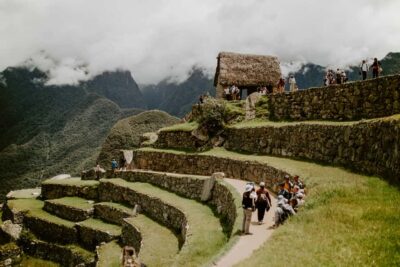
Machu Picchu: Full-Day Tour from Cusco with Optional Lunch
Read our review →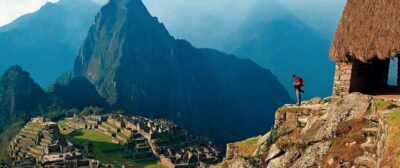
Cusco: 4-Day Inca Trail to Machu Picchu with Accommodation
Read our review →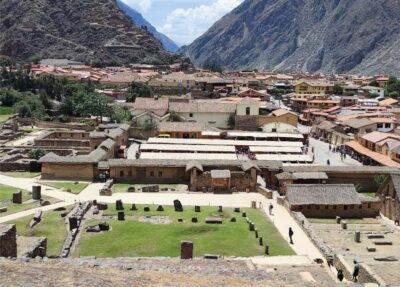
From Cusco: 2-Day Trip to the Sacred Valley and Machu Picchu
Read our review →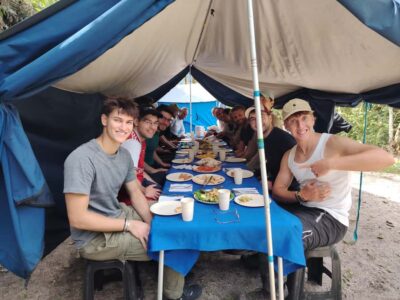
Cusco: Machu Picchu 2-Day Inca Trail with Panoramic Train
Read our review →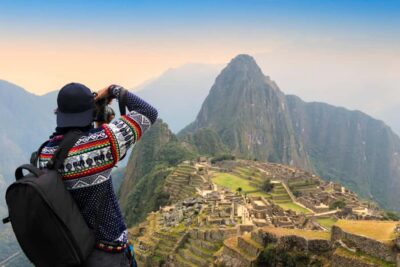
Machu Picchu: Inca Trail 2-Day Overnight Guided Tour
Read our review →Browse the lists this tour appears in