
Reviewed · MACHU PICCHU TOURS
Salkantay 5-Day Trek To Machu Picchu
The Salkantay route gives you a dramatic way to reach Machu Picchu without walking the Inca Trail. In five demanding days, you move from glacial peaks and a 15,200-foot pass to tropical valleys, hot springs, and the railway town of Aguas Calientes. The scenery changes so quickly that every morning feels like a new trip.
I like the small-group format, with a maximum of 16 people and an average group of four. I also like the practical support: mules carry camping gear and up to 7 kilos of your belongings, while a local bilingual guide handles the trail and Machu Picchu visit. The main caution is simple: this is a hard hike, not a gentle sightseeing tour. Altitude, long days, cold camps, and steep ground require real preparation.
Key points to know before booking
- 15,200-foot Salkantay Pass: The highest point arrives on day two, after a long climb between Mounts Salkantay and Humantay.
- Humantay Lake on day one: You make a steep side hike to a high Andean lake before sleeping at the coldest camp.
- Three nights under canvas: Camping is part of the experience, with tents, basic sleeping pads, meals, and mule support included.
- A warm change of climate: By day three, the route drops into jungle country near Santa Teresa, with waterfalls, fruit, and tropical plants.
- Machu Picchu at first light: An early bus takes you uphill for a guided tour before you explore the ruins independently.
- A lot is included for $797: Transport, permits and entrances listed for the trip, meals, camping, hotel, guide, train, and buses are bundled together, though several extras still cost more.
Why the Salkantay route feels special
The Salkantay trek is a strong choice if you want Machu Picchu to be the final chapter of a real mountain journey. Instead of arriving by train and spending a few hours at the ruins, you walk through several distinct parts of southern Peru first.
The route begins high in the Andes, where snow-covered peaks frame the trail. It then drops through high jungle and warmer valleys before reaching the rail line at Hydroelectric Station. That change in climate is one of the best reasons to choose this route. You are not looking at the same view for five days.
The trip also gives you contact with small Andean communities and towns such as Soraypampa and Santa Teresa. It is not a village-stay program, and you should not expect long cultural visits, but the route passes through working communities rather than keeping you inside a sightseeing bubble.
The group size matters. A maximum of 16 people keeps the trek more manageable than a large procession, while the listed average of four suggests that many departures may be quite intimate. You will still need to share tents and rooms if you are traveling alone. Couples receive their own tent and room on day four.
More Hiking Tours in Machu Picchu
- Salkantay Trek Challenge – 3 Days / 2 Nights
★ 5.0 · 101 reviews - Choquequirao Trek 4 days and 3 nights
★ 5.0 · 81 reviews - Machu Picchu: 5-Day Salkantay Trek with Panoramic Train
★ 5.0 · 79 reviews
Day one: Mollepata, Soraypampa, and Humantay Lake
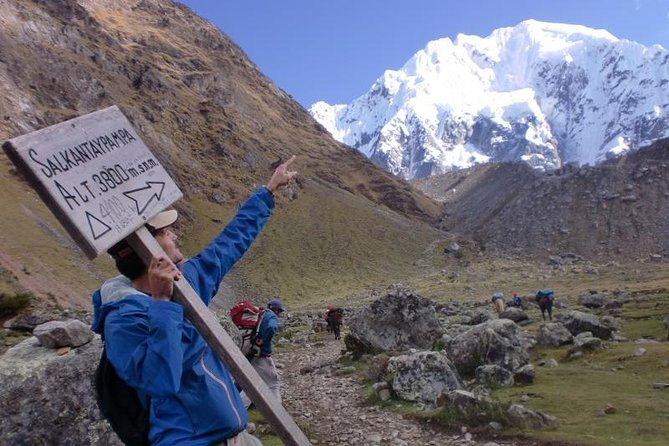
Your day begins early, with pickup in Cusco between 5:00 and 6:00 am. A tourist-class bus takes you to Mollepata at 2,900 meters, where you can stretch, buy snacks, and make a last small purchase before the route gets more remote.
A car continues to Challacancha, the actual walking start. The first main hike takes about three hours to Soraypampa at 3,920 meters. Lunch comes with wide views toward snow-covered Andean peaks, making this a memorable first stop rather than just a meal break.
The day’s real test is the hike to Laguna de Humantay. Allow about 1.5 hours each way. The climb is short compared with later sections, but the altitude makes it feel serious. You should keep a slow pace and treat this as an acclimatization challenge, not a race for the best photograph.
After returning to camp, you sleep at 3,920 meters, the highest and coldest campsite of the trip. This is where the route becomes more than a scenic walk. Night temperatures, tired legs, and thin air can make a basic tent feel very basic. Bring warm layers, a hat, gloves, and a sleeping bag, which is not included.
Breakfast on day one is also not included, so arrange that before departure or buy food in Mollepata. Bottled water is not included either. Carry a refillable bottle and extra cash, since drinks and snacks become more expensive along the trail.
Day two: The 15,200-foot Salkantay Pass
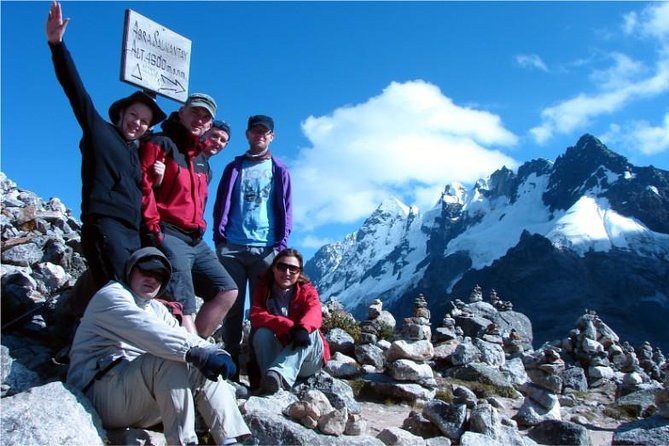
Day two is the hardest and most important walking day. After breakfast around 6:00 am, you climb for about four hours to the Salkantay Pass at 4,650 meters, or roughly 15,200 feet.
The pass sits between the huge Salkantay and Humantay mountains. Snow is possible, and the views can be excellent, but the altitude is the main story. Even fit hikers can feel slow and breathless here. Your guide will set the pace, but you need to be honest if you feel unwell.
A horse can be rented for the climb to the pass for about 100 to 120 soles. That option is useful if altitude or fatigue becomes a problem, and using it is not a failure. The climb is followed by around two hours downhill to Huayracpampa, where lunch provides a welcome pause.
The afternoon continues for another three hours toward Challhuay or Colcapampa, near the start of the high-jungle zone at about 2,900 meters. In total, the day covers about 22 kilometers and nine to ten hours. That is a long day by any standard.
This is the point where good preparation pays off. Hiking poles, broken-in boots, rain protection, and a moderate fitness level are not optional luxuries here. The altitude also changes quickly, from around 4,000 meters to about 2,000 meters during the broader trip, so you need clothing for both cold and warm conditions.
Day three: Waterfalls, fruit, and Santa Teresa
Day three feels like a reward. Breakfast is around 6:30 am, then the trail moves through the upper jungle, crossing the Santa Teresa River and smaller streams.
The route offers waterfalls, tropical plants, fruit, and a warmer climate. After two demanding days at altitude, this section feels more relaxed, though it remains a serious five-and-a-half-hour walk covering about 15 kilometers.
Lunch comes at La Playa, around 2,200 meters. From there, a car takes you to Santa Teresa at 1,700 meters, where the air is warmer and the camp is more comfortable in comparison with the first night.
Santa Teresa also offers hot springs for about 20 soles. The visit costs extra, but it can be a fine way to loosen stiff muscles after three days on the trail. Bring a bathing suit if you plan to go. The hot springs are optional, so you can rest at camp instead if your body needs a quiet evening.
The car transfer from La Playa to Santa Teresa is included. That small bit of road transport matters because it shortens the day and gets you into town before dark, without turning the trip into a nonstop march.
More Hiking Tours in Peru
- Ancascocha Trek To Machu Picchu 4 Days And 3 Nights
★ 5.0 · 77 reviews - 4 Day Inca Trail Trek to Machu Picchu Multi day tour
★ 5.0 · 70 reviews - Salkantay Trek 4 Days to Machu Picchu by Glamping Sky Lodge Dome
★ 5.0 · 68 reviews - 2 Day Hiking Short Inca Trail to Machu Picchu
★ 5.0 · 66 reviews
Day four: Following the railway to Aguas Calientes
The final trail day starts later, with breakfast around 8:00 am. You walk for about three hours from Santa Teresa to Hydroelectric Station, following a more relaxed route at lower altitude.
A box lunch is served at Hydroelectric Station. From there, it is another three hours, mostly a gentle uphill walk, to Aguas Calientes at about 2,010 meters. This railway-side town is your base for the night before Machu Picchu.
You can pay for a bus from Santa Teresa to Hydroelectric Station for about 10 soles if you want to shorten the walking. You can also take a train from Hydroelectric Station to Aguas Calientes for about $28. These choices are especially worth considering if your feet are worn out or if you want more time to prepare for the early Machu Picchu visit.
Your overnight stay is in a three-star hotel, a welcome change after three nights in tents. Single participants share a room with another participant, while couples receive a private room. Dinner is at a traditional local restaurant, and the evening gives you time to recharge before the main attraction.
Day five: Machu Picchu before the crowds build
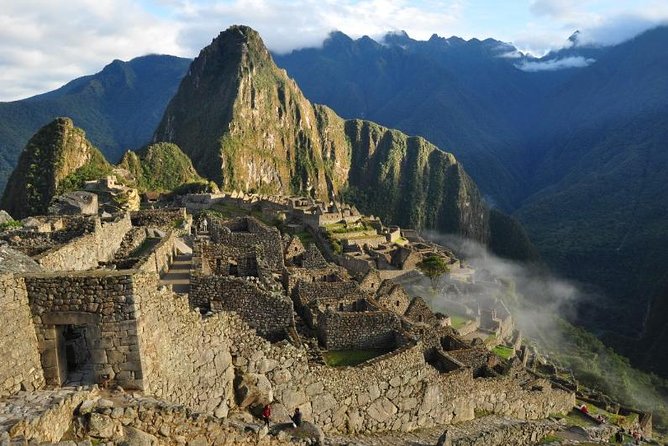
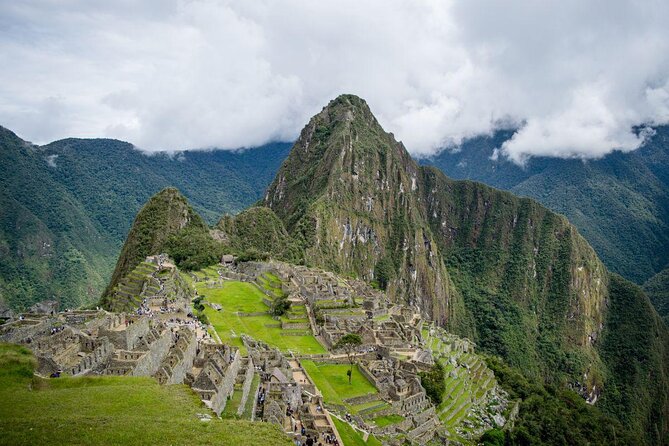
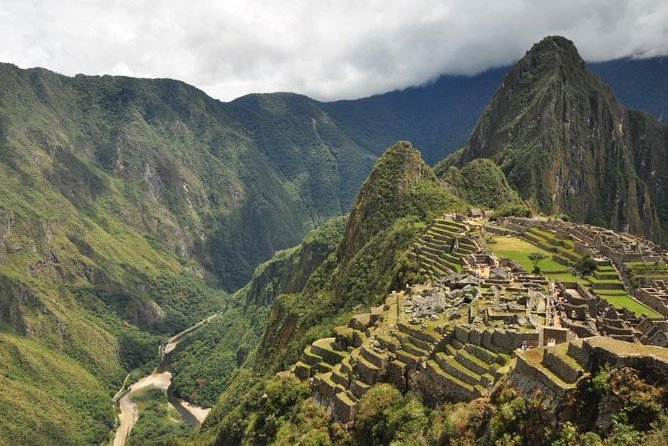
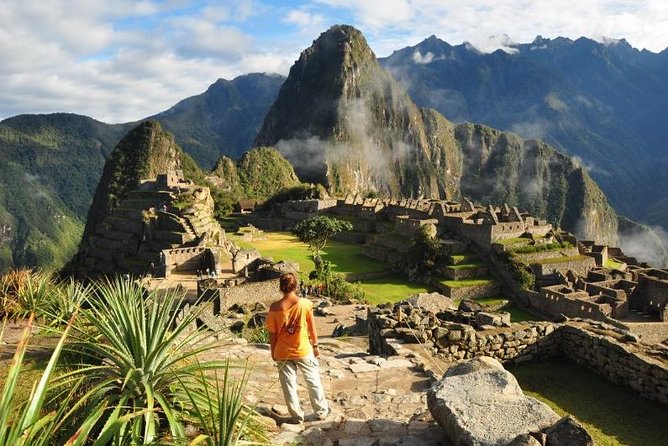
The final morning begins around 5:30 am with the bus up to Machu Picchu. The ride takes about 25 minutes, and the early start is designed to catch the citadel in the morning light, often with mist lifting from the surrounding mountains.
Your guide leads an approximately two-hour walking tour of the Historic Sanctuary. This guided portion gives the visit structure and context, then you have time to explore on your own.
Huayna Picchu and Machu Picchu Mountain are possible add-ons, but both require advance planning and extra payment. Huayna Picchu must be booked at least two weeks ahead, while Machu Picchu Mountain must be booked at least one week ahead. Do not wait until you arrive in Peru if one of these climbs is important to you.
After Machu Picchu, you take the bus back to Aguas Calientes, then the tourist train to Ollantaytambo and a bus onward to Cusco. The return is long, and you are dropped near Plaza San Francisco late in the day. There is no guide with you during the bus and train portions, so pay attention to your meeting instructions and keep your tickets accessible.
What the $797 price really covers
At $797 per person, this is not a budget day trip, but the price includes the expensive pieces of a five-day route. You receive Cusco accommodation pickup, transport to the trailhead, a bilingual guide, three nights of camping, a three-star hotel night, meals, snacks, Machu Picchu entry as listed, the uphill and return buses, the train to Ollantaytambo, and the bus to Cusco.
Mules and a horseman carry cooking and camping equipment plus up to 7 kilos per person. That allowance includes 3 kilos for a sleeping bag and mattress and 4 kilos for personal items. Pack carefully. Anything beyond the stated allowance may become your own burden.
Food is another strong part of the package. The cooks prepare fresh meals with options such as quinoa, soups, rice, pasta, chicken, beef, potatoes, plantains, and desserts. Vegetarian meals are available if you request them at least two days ahead. Three snacks are included, but you still need money for bottled water, sports drinks, and extra food.
The price does not include your sleeping bag, day-one breakfast, day-five lunch, bottled water, hot springs, optional transfers, tips, Cusco lodging, or airport transfers. Add those costs before deciding if the package fits your budget.
Practical preparation for a demanding trek
You need a moderate fitness level and comfort with long days on uneven ground. The minimum age is seven, but the physical demands make the child’s ability and experience more important than the number alone.
Pack hiking boots, sandals, rain pants or a poncho, warm socks, thermal layers, a sweater, hat, gloves, sun protection, sunglasses, a flashlight, a water bottle, hand sanitizer, personal medicine, and a small first-aid kit. Waterproof bags protect your camera and documents, especially during rain.
There is limited to no electricity during the trek, so carry spare batteries or a backup power source. Your original passport is required. It must remain valid for at least six months after the travel date, and the passport details used for booking must match your document exactly.
A mandatory pre-departure briefing takes place at the Cusco office at 7:00 pm the night before a Salkantay departure. You also need to check in with your passport. The office is at Calle Matara 242, second floor. Departures are listed for Monday, Wednesday, Thursday, and Saturday, with daily departures possible for groups of four or more. There are no departures in January or February because of poor seasonal conditions.
The cancellation terms are strict: the booking is non-refundable and cannot be changed. Make sure your dates, passport details, and optional plans are correct before paying.
Who should choose this route?
I would choose this trek if you want a physically demanding route with major scenery changes and a strong sense of progress toward Machu Picchu. It suits hikers who like camping, early starts, mountain weather, and the satisfaction of earning the final ruins visit.
The high praise for the guides, cooks, food, and group size is important. Good trail support can make a hard trek feel manageable, and the included mule service lets you focus on walking rather than carrying a full camping load.
I would not choose it if you want a relaxed Machu Picchu holiday, dislike shared camping, or have not prepared for high altitude. You can reduce some walking with optional horses, buses, or trains, but the core trek remains demanding.
Should you book the Salkantay trek?
Book it if the route itself matters as much as the destination. You will see Humantay Lake, cross a 15,200-foot pass, pass through Andean and jungle communities, sleep outdoors, and arrive at Machu Picchu with five days of walking behind you.
Skip it if your priority is comfort or a short visit. For an active visitor who values scenery, local guides, hearty trail meals, and a small group, the $797 package offers solid value, provided you budget for the extras and train seriously before arriving.
FAQ
How difficult is the Salkantay trek?
The hike is demanding and requires a moderate level of physical fitness. Day two covers about 22 kilometers and nine to ten hours, including the climb to the 4,650-meter pass.
Is camping included?
Yes. Three nights of camping are included, along with a basic sleeping pad and a tent shared by two people. A sleeping bag is not included.
How much luggage can the mules carry?
The horseman and mules carry camping equipment plus up to 7 kilos for each trekker. This allowance includes 3 kilos for a sleeping bag and mattress and 4 kilos of personal belongings.
Are vegetarian meals available?
Yes. A vegetarian option is available for every meal, but you should request it at least two days before departure.
Is the train to Aguas Calientes included?
The tourist train from Aguas Calientes to Ollantaytambo is included on day five. The optional train from Hydroelectric Station to Aguas Calientes on day four costs extra.
Is a guide present during every transfer?
No. A professional bilingual guide accompanies you on the trek and during the Machu Picchu tour, but the bus and train transfers are taken without a guide.
More 5-Day Trips in Machu Picchu
- Small Group 5 Days Salkantay and Machu Picchu by Llactapata Tour
★ 5.0 · 88 reviews - Classic Choquequirao Trek – 5 Days / 4 Nights
★ 5.0 · 52 reviews - Ultimate Lares Trek & Inca Trail 5 days
★ 5.0 · 47 reviews - Wonderful Cusco 5-Day Tour with Entrance to Machupicchu
★ 5.0 · 46 reviews
More Inca Trail Treks in Machu Picchu
- Cusco: 4-Day Inca Trail to Machu Picchu with Accommodation
★ 4.8 · 432 reviews - Cusco: Machu Picchu 2-Day Inca Trail with Panoramic Train
★ 4.9 · 260 reviews - From Cusco: 2-Day Inca Trail to Machu Picchu
★ 4.2 · 244 reviews - Machu Picchu: Inca Trail 2-Day Overnight Guided Tour
★ 4.9 · 203 reviews
Just added around Machu Picchu
- 10-Day Taste Peru Experience: Lima, Nasca, Cusco & Machu Picchu★ 5.0 · 63 reviews
- Wonderful Cusco 5-Day Tour with Entrance to Machupicchu★ 5.0 · 46 reviews
- Machu picchu one day by train all included★ 4.5 · 53 reviews
- A Day at Machu Picchu, Journey to the Heart of the Andes★ 5.0 · 55 reviews
- Tour to Machupicchu By Train Full-Day★ 4.5 · 56 reviews
- Tour To Machupicchu 2 Days by Train★ 5.0 · 64 reviews
- Machu Picchu 1 Day Tour from Cusco by Train★ 5.0 · 44 reviews
- 2-Day Tour: Sacred Valley & Machu Picchu – All Tickets Included★ 5.0 · 42 reviews
Machu Picchu Tours, compared.
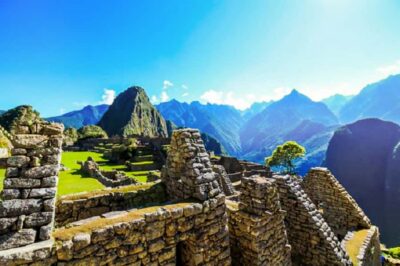
From Cusco: Full-Day Group Tour of Machu Picchu
Read our review →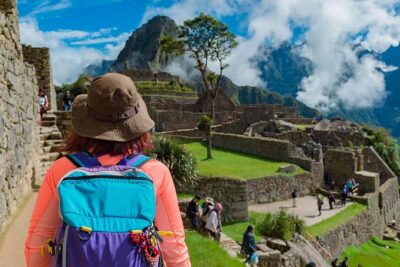
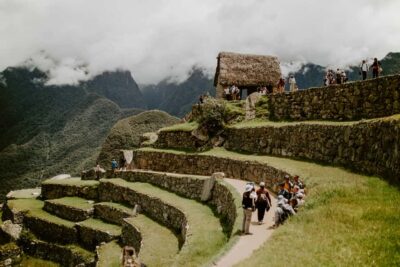
Machu Picchu: Full-Day Tour from Cusco with Optional Lunch
Read our review →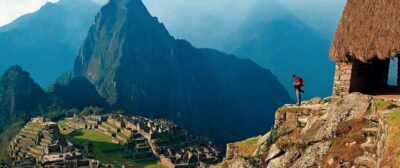
Cusco: 4-Day Inca Trail to Machu Picchu with Accommodation
Read our review →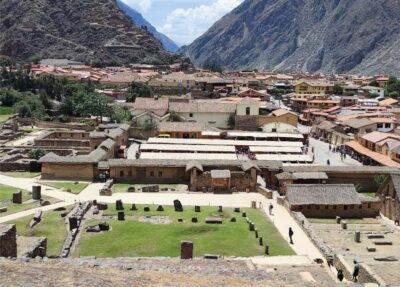
From Cusco: 2-Day Trip to the Sacred Valley and Machu Picchu
Read our review →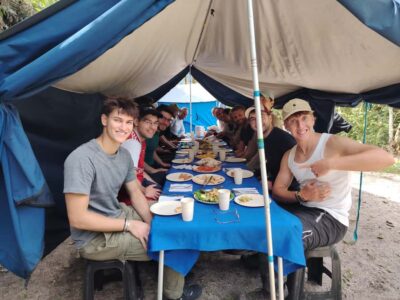
Cusco: Machu Picchu 2-Day Inca Trail with Panoramic Train
Read our review →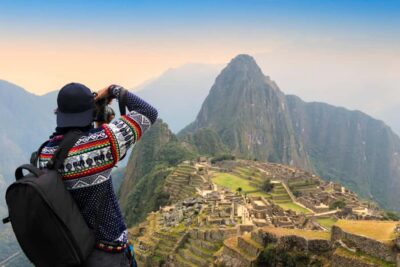
Machu Picchu: Inca Trail 2-Day Overnight Guided Tour
Read our review →Browse the lists this tour appears in