
Reviewed · WALKING TOURS
Rio de Janeiro: Downtown Walking Tour
Rio’s historic center packs five centuries of Brazilian history into a compact walking route. In four hours, you move from imperial squares and narrow colonial lanes to grand republican buildings, then finish near a subway station in the middle of modern Rio.
I like the strong architectural contrast, especially the shift from Paço Imperial and Carmo Convent to Cinelândia’s grand cultural buildings. I also like the chance to pause at Colombo Bakery, one of Rio’s best-known landmarks, rather than simply marching from one monument to the next.
The main catch is that this is a serious city walk, not an easy stroll. You need comfortable shoes, a willingness to walk in rain or sun, and enough mobility for uneven streets and a busy downtown setting. Traffic and crowds can also stretch the four-hour schedule during high season.
Key points at a glance
- A five-century history lesson: Follow Rio’s story from the monarchy through the creation of the republic.
- Imperial landmarks first: See XV de Novembro Square, Paço Imperial, ALERJ, Carmo Convent, and the old lanes around the Teles Arch.
- Churches and culture: Visit Candelária Church and learn how CCBB became an important cultural address.
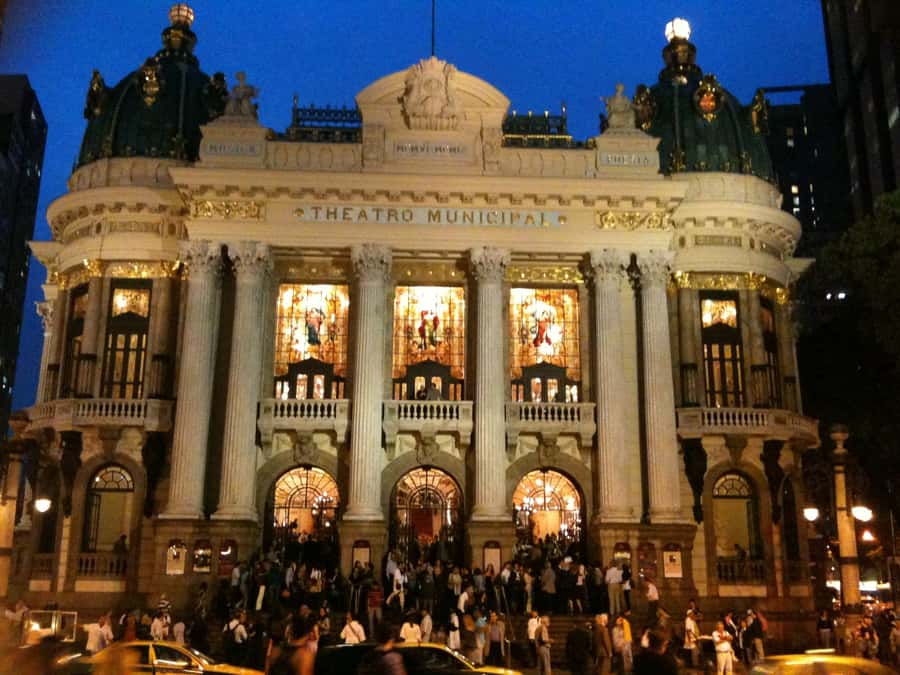
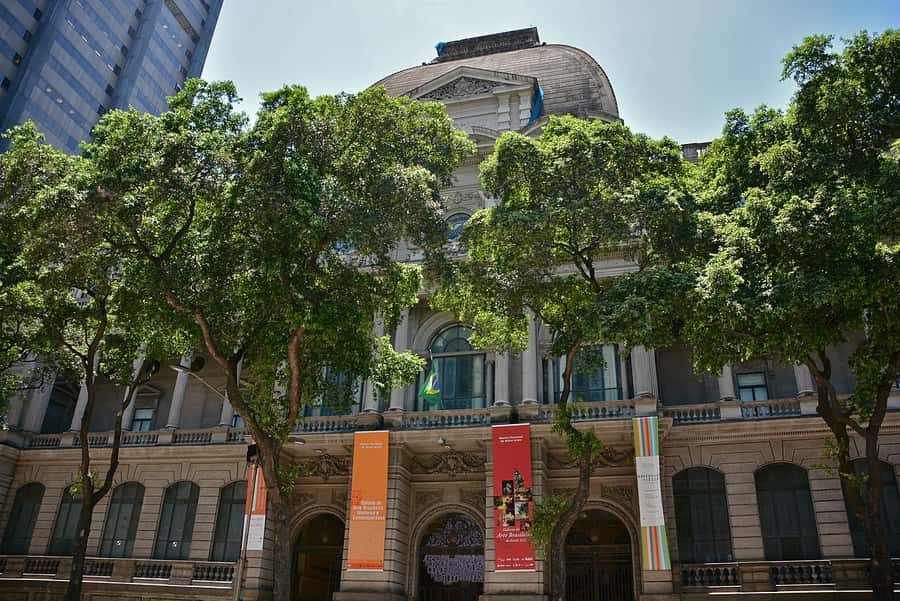
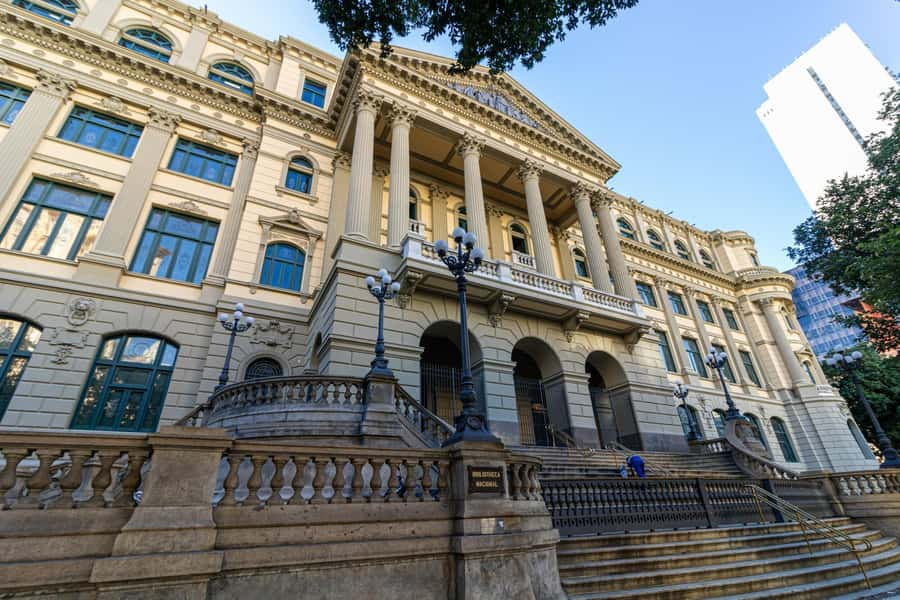
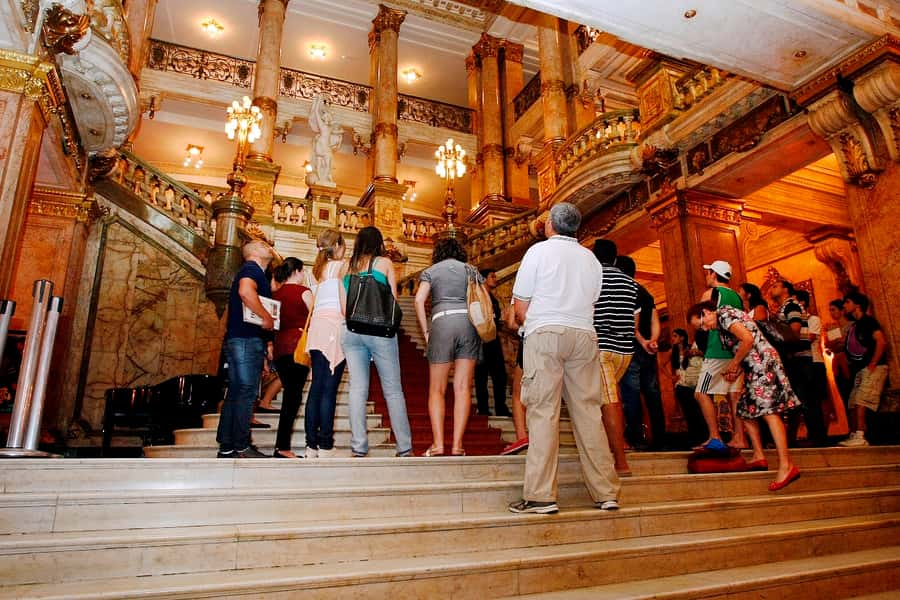
- Cinelândia’s grand scale: Compare older streets with the Municipal Theater, National Library, Fine Arts Museum, and City Council.
- A classic bakery stop: Colombo Bakery provides a natural place for a snack and a look at one of Rio’s signature interiors.
- Useful language choice: Tours are offered in Portuguese, Spanish, English, Italian, and French.
Why Downtown Rio deserves four hours
Many visitors first meet Rio through its beaches, mountains, and famous viewpoints. Downtown offers a different city. Here, the story is told through government buildings, churches, banks, theaters, old paving, and public squares.
I like this tour because it gives those places a clear order. You are not just seeing a church, then a square, then a theater with no connection between them. The guide links the buildings to changes in Brazil’s government and society, from the royal period to the republic.
That structure matters. Rio’s center can feel like a collection of impressive facades if you explore it without context. A guide can explain why the buildings look so different and why some streets feel colonial while others have a formal, monumental design.
The route also balances famous sights with smaller details. The Dos Teles Arch and its winding alleyways do not have the same scale as Cinelândia, but they help you picture the older city. The change in mood is part of the appeal.
More Walking Tours in Brazil
- Rio de Janeiro: Rocinha Favela Walking Tour with Local Guide
★ 4.8 · 3,052 reviews - Rio De Janeiro: Half-Day Rocinha Favela Walking Tour
★ 4.7 · 2,272 reviews - Sunrise and Sunrise Walk Two Brothers with Local Guide
★ 5.0 · 193 reviews
Starting at Atlantico Business Hotel
The meeting point is Atlantico Business Hotel at Rua Senador Dantas, 25, in Centro. You should arrive 15 minutes before the scheduled start. The guide will call you by name at the meeting point, which is useful in a central area where several people may be waiting for different activities.
Hotel pickup and drop-off are not included. If you need help reaching the meeting point, you are asked to contact the operator for directions. Plan this part before the morning of the tour, especially if you are not already staying near central Rio.
You will need a passport or identification card, though a copy is accepted. Large bags and luggage are not allowed, so bring only what you can carry comfortably during a four-hour walk.
The activity runs in rain or shine. Rio’s weather can change quickly, so a small rain layer and sun protection make sense, even though only comfortable shoes and identification are specifically listed as essentials.
XV de Novembro Square and Rio’s imperial core
The first major area is Praça XV de Novembro, or XV de Novembro Square. This is where the tour begins to show Rio as a former seat of royal and national power.
The square brings together several important buildings. You can admire the ALERJ building, the former Paço Imperial, and Carmo Convent. Each gives the guide a chance to explain a different part of Brazil’s political and religious past.
Paço Imperial is especially useful for understanding the monarchy period. Its presence helps place the square in the era when Rio played a central role in royal government. ALERJ connects the area with present-day public administration, while the convent adds a religious layer to the same urban setting.
I like this opening because the buildings are close enough to compare without spending much time on transportation. You can look from an older religious structure toward a government building and see how the city’s functions changed over time.
The drawback is that the meaning of the buildings depends heavily on the guide. One English-language review of the experience found the historical detail too light, particularly for buildings and monuments. That is a fair point to keep in mind. The quality of the explanation may vary by guide and language, so ask questions when a building catches your attention.
The Dos Teles Arch and the older street plan
The walk continues past the Dos Teles Arch and its winding lanes. This part of the route is less about one grand monument and more about the shape of old Rio.
The narrow passageways offer a useful contrast with the open space of XV de Novembro Square. They help you see how the city developed before modern traffic and broad avenues reshaped much of the center.
I would pay attention here to the street pattern and the details above eye level. The tour description does not promise entry into every building, so think of this stop as a guided look at the streetscape rather than a museum visit.
This is also one of the places where a guide’s storytelling can make a real difference. Antonio has been praised for connecting the sites with lesser-known corners and small stories. Angelica, who guides in Italian, has also been singled out for her cultural explanations and friendly approach. Guides change, but these names show the kind of personal service you may receive.
More Walking Tours in Rio de Janeiro
- Rio de Janeiro: Little Africa Heritage Walking Tour
★ 4.9 · 177 reviews - Learn the History of Rio with an Unforgettable City Center Walking Tour
★ 5.0 · 82 reviews - Rio de Janeiro: Bossa Nova Walking Tour with Guide
★ 4.9 · 46 reviews - Favela Santa Marta: Walking Tour with local guide
★ 4.8 · 41 reviews
Candelária Church and the meaning of public space
Candelária Church is the next important stop. The guide explains its importance to Rio, giving you more than a quick photograph of its facade.
The church helps widen the tour beyond government and colonial architecture. Religious buildings were central to public life in Brazil, and Candelária gives the guide another way to explain how faith, civic identity, and the city grew together.
You may find the pace here more rewarding if you take a moment to look at the building before listening to the full explanation. Notice the scale and setting, then ask about its role in Rio. The supplied information does not confirm an interior visit, so do not assume the tour includes a long indoor viewing.
Because the activity takes place rain or shine, this stop may feel different depending on the weather. In strong sun, the open streets can be tiring. In rain, the church provides a visually welcome pause, but you should still expect the walking route to continue.
CCBB, where old banking meets public culture
The tour then reaches the Brazil Bank Cultural Center, usually called CCBB. This is one of the more interesting modern uses of an older building on the route.
The value of CCBB is not only its architecture. It shows how a former financial institution can become a public cultural center. That change fits the wider theme of the tour: Rio’s buildings keep taking on new roles as the city changes.
I like this stop because it links architecture with everyday city life. Instead of seeing the center as a preserved historic district that belongs only to the past, you see older spaces being used for culture in the present.
The description says you will discover architectural details at CCBB, but it does not guarantee time for an exhibition or a full internal tour. Think of this as an architectural and cultural stop within a walking route, not a separate museum visit.
Walking toward Cinelândia
The move from CCBB toward Cinelândia is one of the tour’s best visual transitions. The older streets give way to a grander civic and cultural zone, making the contrast between traditional and modern Rio easy to see.
Cinelândia Square brings together several major institutions. You can see the Municipal Theater of Rio de Janeiro, the National Library of Brazil, the National Museum of Fine Arts, and the City Council of Rio de Janeiro.
This is the part of the tour most likely to satisfy anyone who enjoys architecture. The buildings create a formal public face for the city, with broad spaces and monumental facades that feel very different from the narrow lanes near the Dos Teles Arch.
The guide’s role here is to explain what each institution represents. The theater points toward performance and civic spectacle. The library represents national learning and records. The Fine Arts Museum adds visual culture, while the City Council brings the route back to politics.
You may not enter all of these buildings. The experience is designed around a walking visit to Downtown Rio’s highlights, so allow time for exterior viewing and explanations rather than expecting a full tour of every interior.
Colombo Bakery and the final snack
Colombo Bakery is the final major landmark and a natural place to slow down. It is one of the best-known historic addresses in Rio, and the tour includes time for a snack.
Food is not included, so budget separately for anything you buy. That is a small but important detail when comparing the total cost. You are paying for the guided walk, not a meal or a packaged tasting.
I like ending here because the bakery gives the route a more relaxed finish. After several churches, government buildings, and cultural institutions, you get a chance to sit or pause with something to eat, depending on the timing and space available.
Do not treat the bakery stop as a guaranteed long break. The activity has a set four-hour duration, and the guide still needs to finish at the subway station. During high season, crowds may slow the route and leave less spare time.
Finishing near the subway
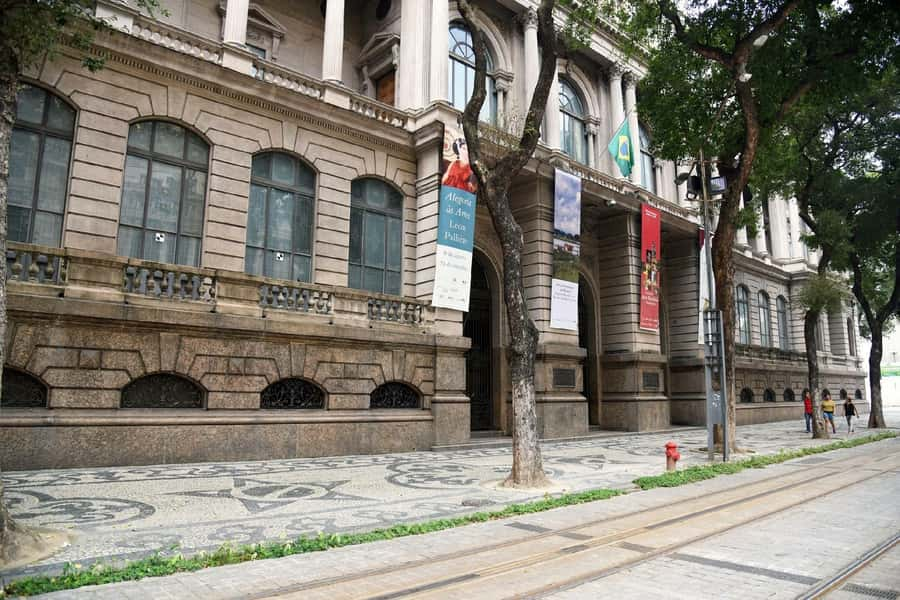
The tour ends at a subway station in Downtown Rio. From there, you can return to your hotel or continue exploring the central area on your own.
A subway ticket is not included. If needed, the stated cost is BRL 15 for a round trip per person. You should keep this amount separate from the $47 tour price when working out your day’s budget.
Ending at public transportation is practical. You do not have to retrace the entire walking route, and you can use the final location as a starting point for more independent sightseeing. The tour does not include hotel transportation, so this ending is part of the experience’s self-directed design.
Guide quality and language options
The tour is offered in Portuguese, Spanish, English, Italian, and French. This wide language range is a strong feature, particularly for a history-focused walk where small differences in explanation matter.
The highest praise has focused on the guides’ warmth, patience, language ability, and historical storytelling. Angelica has been praised for excellent Italian and for sharing Brazilian culture with care. Lavinha has been described as patient and thorough, while Antonio has received strong praise for connecting major sights with less obvious corners of the center.
Renato has also been praised for punctuality, Spanish fluency, and explanations covering history, architecture, and culture. These comments suggest that you can expect a personal, conversational style when matched with the right guide.
Still, the information may not be equally detailed every time. One lower-scoring assessment found the guide kind and easy to talk with, but wanted more dates, events, and building-specific facts. If you enjoy detailed history, prepare a few questions and use the walk as a conversation rather than simply listening from start to finish.
Is $47 a fair price?
At $47 per person, this is not the cheapest way to walk around Downtown Rio. You can see many exterior sights on your own for little money.
The price makes more sense if you want a clear historical framework, help navigating the center, and explanations in your preferred language. You are also covering four hours of guide time across a broad route that links imperial, religious, political, cultural, and commercial landmarks.
The value drops if you prefer to move quickly, spend a long time inside museums, or read about each building independently. Food, drinks, hotel transportation, and subway costs are extra, so include those when comparing this with a private guide or a self-guided day.
I see it as a good first-day activity in Rio if Downtown is unfamiliar to you. It gives you a working map of the center and leaves you near public transportation for further exploring.
Who should book this walk?
This tour suits you if you enjoy history, architecture, and city streets more than a packed list of indoor attractions. It is also a good fit if you want a guide who can explain Brazil’s political changes while showing you the physical evidence in the streets.
You will get the most from it if you wear supportive shoes, carry a small bag, and stay ready for weather changes. The route is not suitable for wheelchair users or people with mobility impairments, and large bags are not allowed.
Families with older children may appreciate the range of sights, though the four-hour length and steady walking require attention. Visitors who want a gentle, short introduction should look for a shorter activity instead.
Should you book the Downtown Rio Walking Tour?
Book it if you want context as you walk, especially for the shift from monarchy-era buildings to republican civic architecture. The combination of XV de Novembro Square, Candelária Church, CCBB, Cinelândia, and Colombo Bakery gives you a well-shaped look at central Rio.
I would be more cautious if your priority is extensive interior access or highly academic detail at every stop. The experience depends on the guide, and the depth of historical explanation can vary.
For most independent visitors, the strongest reason to book is the route itself. You see the center’s major themes in one half-day, learn how the pieces connect, and finish with the freedom to continue on your own.
FAQ
How long does the Downtown Rio walking tour last?
The tour lasts four hours. High-season traffic and large crowds may make it take longer.
Where does the tour meet?
The meeting point is Atlantico Business Hotel at Rua Senador Dantas, 25, Centro. Arrive 15 minutes before the activity begins.
Which languages are available?
The live guide may conduct the tour in Portuguese, Spanish, English, Italian, or French.
Is hotel pickup included?
No. Hotel pickup and drop-off are not included. You can contact the operator for directions to the meeting point.
Do I need to pay for transportation?
A subway ticket is not included. If necessary, the stated price is BRL 15 for a round trip per person.
Is the tour suitable for wheelchair users?
No. The activity is not suitable for wheelchair users or people with mobility impairments.
Just added around Rio De Janeiro
- Skip the Line: Lagoa Misteriosa Admission Ticket with Scuba Diving Experience★ 5.0 · 81 reviews
- Rio de Janeiro: Tijuca Peak Guided Hike★ 4.7 · 56 reviews
- Sugarloaf Mountain Fast-Pass Ticket and Guided Tour★ 4.4 · 62 reviews
- Rio de Janeiro: Sugarloaf Mountain Hike and Climb★ 5.0 · 45 reviews
- Rio de Janeiro: Sunrise Lookout and Christ the Redeemer Tour★ 5.0 · 121 reviews
- Rio de Janeiro: Samba Class and Samba Night Tour★ 4.6 · 115 reviews
- Rio Surf Experience★ 4.9 · 37 reviews
- Rio Samba Bus: hop-on hop-off city tour in Rio de Janeiro★ 3.8 · 94 reviews
Walking Tours, compared.
Historic Center and Getsemaní Shared Walking Tour
Read our review →
La Paz and El Alto: Cable Car Rides and Walking Tour
Read our review →
Punta Arenas: Walk with Penguins on Magdalena & Marta Island
Read our review →
Browse the lists this tour appears in