
Reviewed · CABLE CAR RIDES
La Paz: Cable Car, Cemetery, Shaman, and El Alto Tour
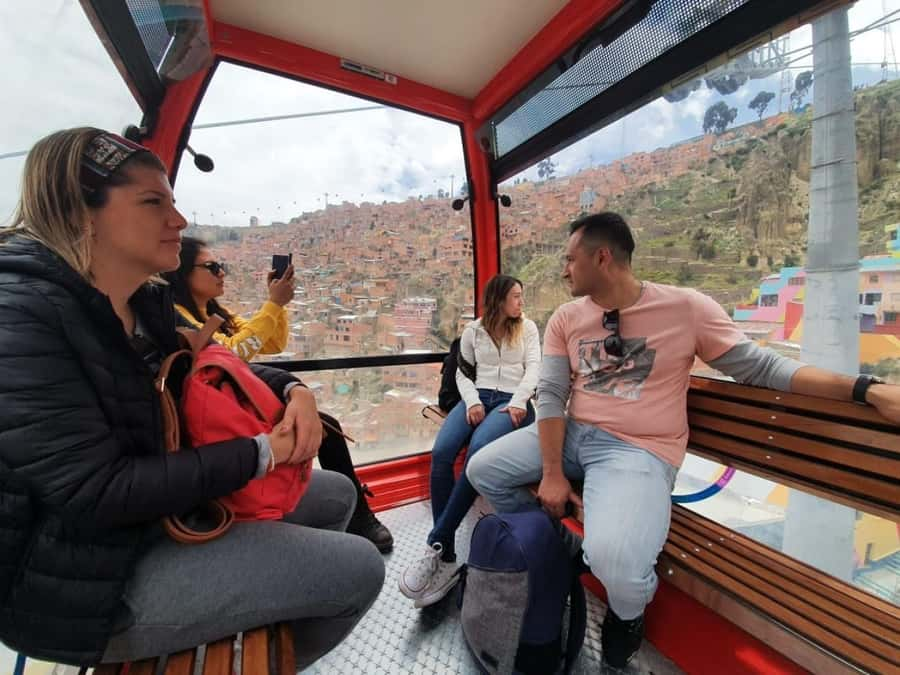
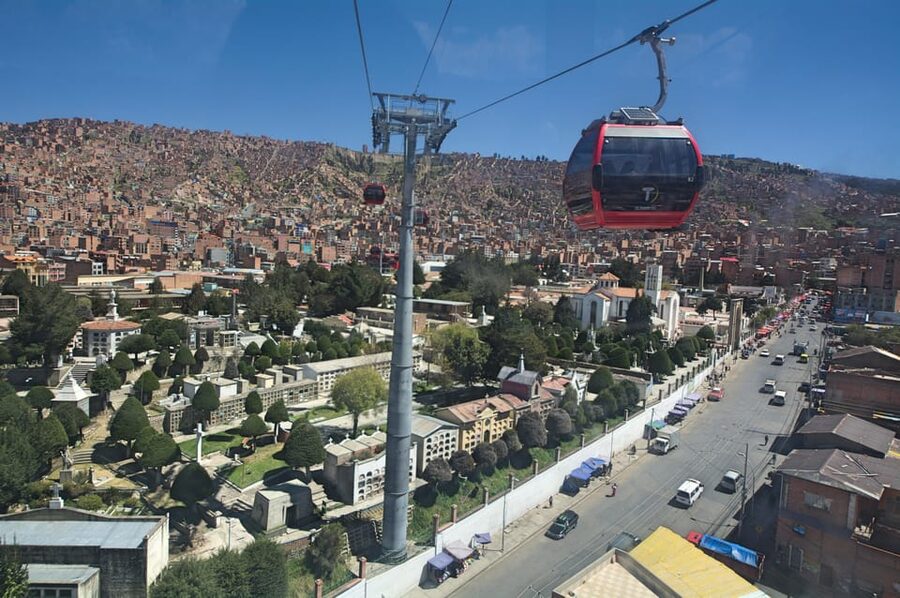
La Paz looks most dramatic from above, and this tour puts you in the best seat: a cable-car cabin gliding over steep streets toward El Alto. I like the mix of big views and ordinary transport, since you ride public minibuses and teleféricos rather than moving through the city in a private bubble. I also like the cemetery art and the chance to discuss coca-leaf readings with a local yatiri, if time permits.
The main drawback is pace. Three hours is tight for a cemetery visit, several cable-car rides, El Alto, and a shaman visit. If someone in the group chooses a reading, you may wait, and the tour can run longer. The altitude, stairs, walking, and busy public transport also make this a poor choice if you are pregnant or dealing with altitude sickness.
Key points to know before you go

- The cable cars provide La Paz’s signature view: You see the city drop away beneath you, with El Alto spread across the plateau above.
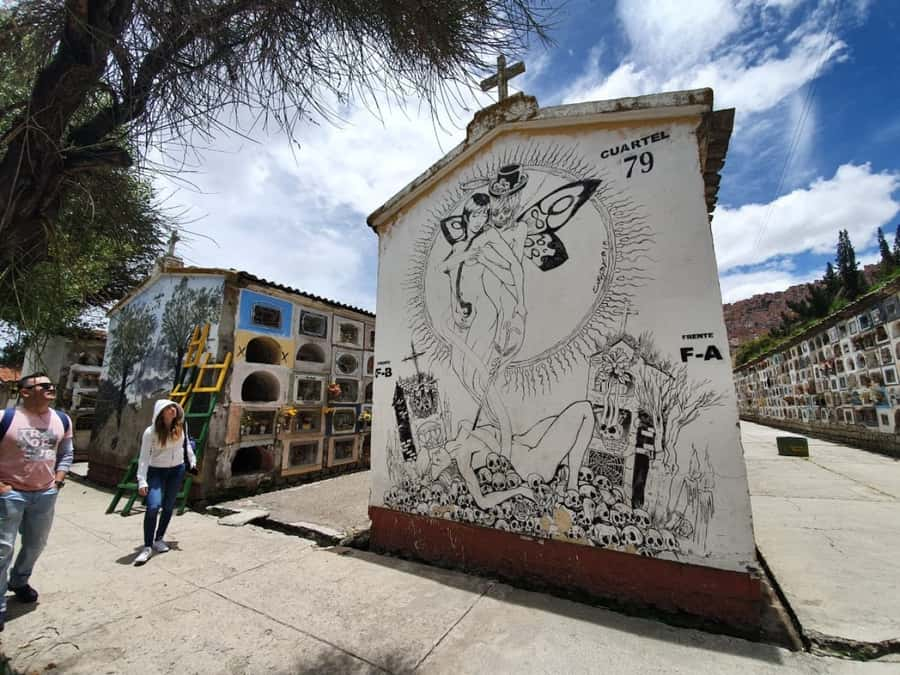
- The cemetery is more than a burial ground: Its street-art walk offers a useful look at Bolivian ideas about death and remembrance.
- El Alto feels different from central La Paz: You see a working city where Aymara traditions and modern urban life meet.
- The guide is central to the experience: Max, Christian, Daniel, Chris, Matt, and other Red Cap guides have led this route, explaining customs and handling public transport.
- The shaman visit is not guaranteed: It depends on time, and waiting for readings can lengthen the outing.
- The $20 price is strong value: Public transport, the English-speaking guide, and cemetery entry are included.
Why the cable-car ride is only the beginning
Many people book a La Paz cable-car ride for the views. That is reason enough, but this outing uses the teleférico as a way to understand how the city is built.
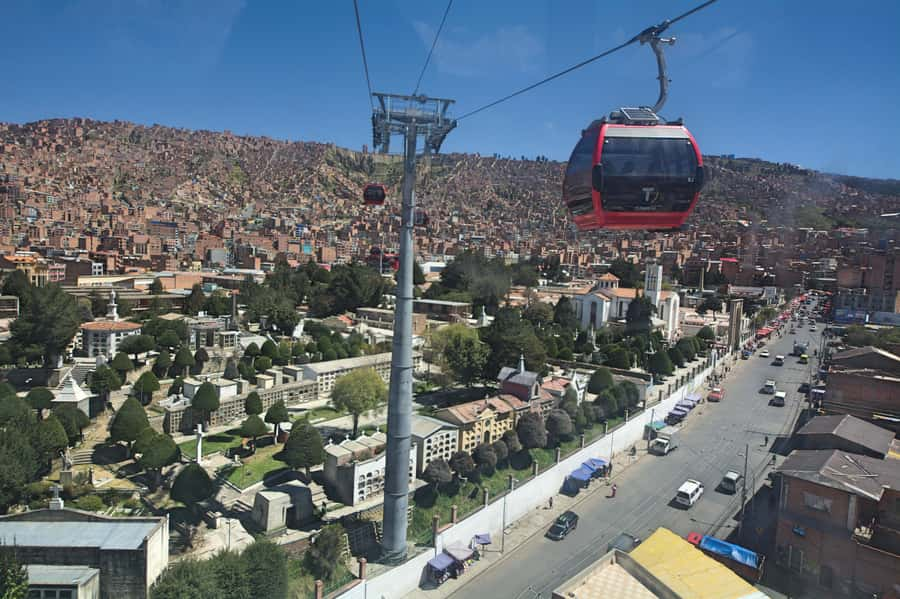
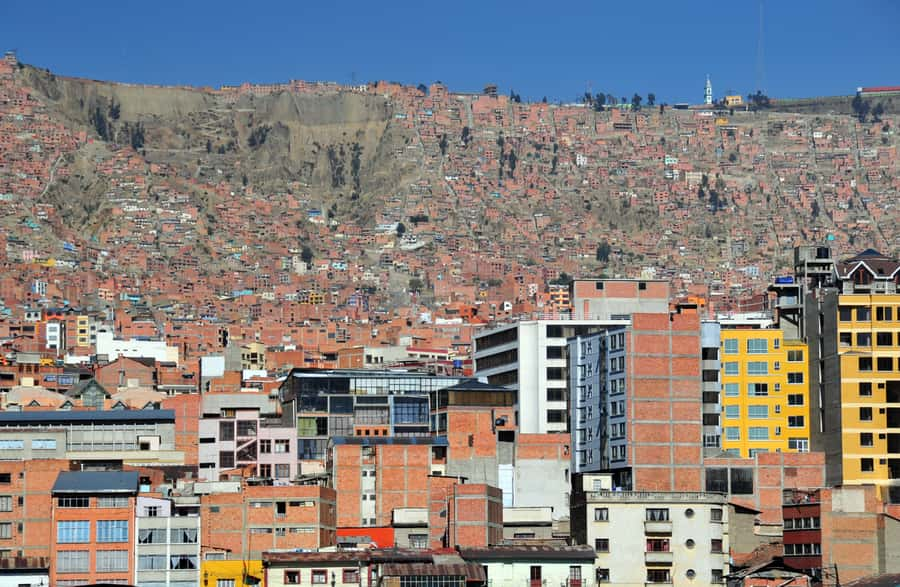
La Paz sits in a steep valley, while El Alto occupies the high plateau above it. From a cable-car cabin, you can see the sharp change between the lower city, the red-brick slopes, and the broad highland city at the top. The views are especially useful early in a La Paz visit because they help you get your bearings quickly.
You start at 2 PM inside The SteakHouse restaurant on Calle Murillo, at the corner of Tarija Street. Look for a guide wearing a red cap, and arrive on time because the stated waiting limit is seven minutes. The meeting point can be hard to spot, so allow a little extra time to find the restaurant.
The route uses public transport. That usually means a local minibus, known locally as a collectivo, and one or more cable-car lines. You get a taste of how residents move around the city, but you also need to stay close to the guide and keep your belongings secure in crowded areas.
Guides including Max, Christian, Daniel, and Chris have been especially praised for their English, humor, and ability to explain local customs. You may be led by a different guide, but the tour depends heavily on having someone who can manage the transport and explain what you are seeing.
More Cable Car Rides in La Paz:
- La Paz and El Alto: Cable Car Rides and Walking Tour
★ 4.8 · 790 reviews - La Paz: Private City Tour with Cable Car & Moon Valley Visit
★ 4.9 · 508 reviews - Medellin: Comuna 13 Graffiti Tour, Cable Car & Street Food
★ 4.8 · 9,046 reviews
The cemetery and its outdoor art
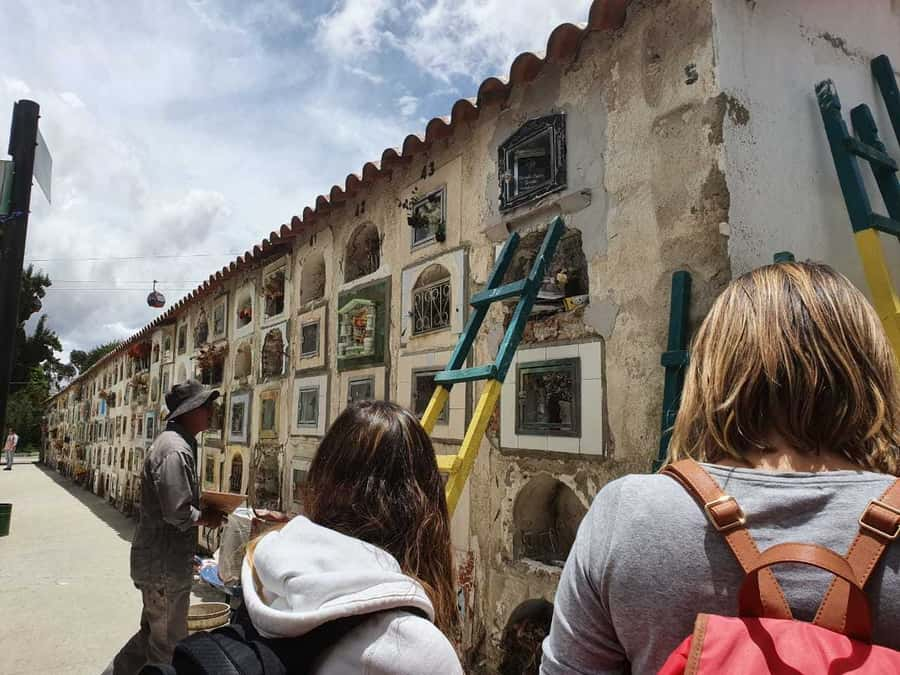
The cemetery is one of the most distinctive stops. It is not treated simply as a place to walk past rows of graves. Your guide explains local attitudes toward death, family, remembrance, and the rituals connected with the dead.
The outdoor art gallery adds another layer. Murals and other artworks bring color and symbolism to the cemetery walls, giving you plenty to look at while your guide explains their meaning. The art is an unexpected highlight for many people because it makes the visit more than a standard cemetery stop.
This is also where a guide adds real value. Without help, you could see the paintings and headstones but miss the customs behind them. A guide can explain why the cemetery matters to local people and how Bolivian ideas about the afterlife differ from those common in Europe or North America.
The stop is not designed as a quiet, private memorial visit. It is an active public place, and the tour may include walking on uneven ground and moving through busy surroundings. Wear comfortable shoes, and bring a jacket. La Paz weather can shift during an afternoon, and the cable-car cabins do not shield you from the changing conditions once you get on and off.
Heading up to El Alto
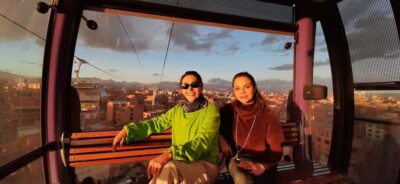
The ride toward El Alto is the visual high point of the outing. As the cabin climbs, La Paz opens below you in layers. You see steep neighborhoods, crowded roads, and the mountains beyond the city. The cable car also gives you a sense of the city’s unusual geography in a way that a street-level walk cannot.
El Alto is not simply a viewpoint. It is a large city with its own identity, traditions, commerce, and daily routines. The tour takes you away from the polished center of La Paz and into a place where Aymara culture remains closely tied to modern urban life.
Your guide helps you read the scene. You might learn how people use local transport, how historical customs continue in a modern city, and why El Alto has such an important place in the area around La Paz. The best part is the chance to ask questions as you walk instead of receiving a fixed speech at a landmark.
Thursdays and Sundays bring an extra option. El Alto hosts one of the world’s largest open-air markets on those days, and Cholitas Wrestling also takes place then. The wrestling is not included, so do not assume it forms part of the three-hour route, but the market can make those days particularly lively.
The market also means crowds. That can be fun if you want to see a busy slice of local life, but it requires attention. Stay with your guide, carry only the cash you need, and avoid treating the visit like a casual wander through a quiet neighborhood.
Meeting a yatiri and learning about coca leaves

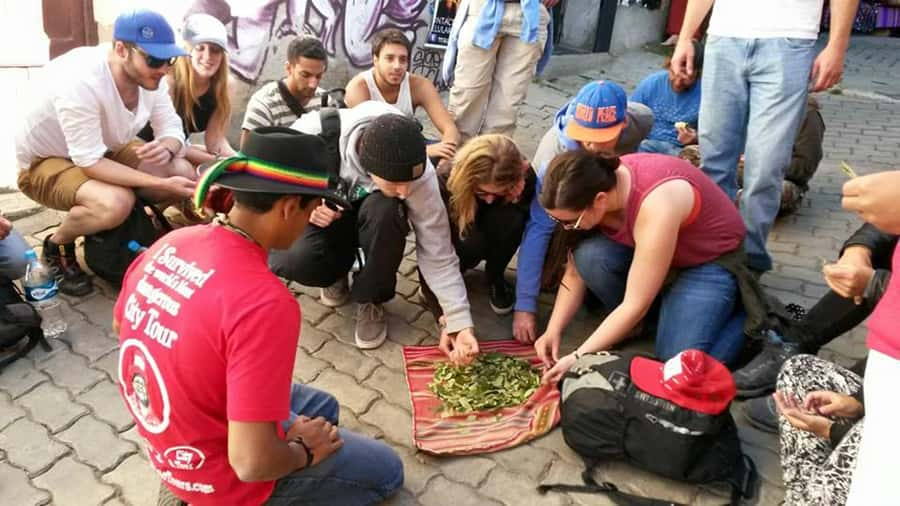
If the schedule allows, you visit a local shaman, often described locally as a yatiri. This is one of the tour’s most unusual parts. You learn about Andean spirituality, healing herbs, and the role of coca leaves in local practice.
A coca-leaf reading is offered if there is enough time. The reading is best approached as a cultural encounter rather than a guaranteed prediction or a performance arranged purely for sightseeing. You can ask questions through the guide and see how the ceremony fits into Andean beliefs.
Some participants choose a reading while others watch. One format described for the experience allows three questions, but the schedule and availability of the yatiri matter. If several people want readings, you may spend a while waiting. One practical improvement would be to place this option at the end, since it can extend the afternoon.
The visit may not happen at all. On one occasion, the absence of shamans during Todos Santos meant more time at the cemetery instead. That is worth keeping in mind if the reading is your main reason for booking. The tour’s stronger guarantee is the cultural explanation, cemetery, public transport, and cable-car route.
A few more La Paz days worth comparing
- La Paz Half-Day Walking Tour
★ 4.8 · 591 reviews - La Paz: Full Day Trip to Copacabana and Isla del Sol
★ 4.5 · 400 reviews - La Paz: Mountain Bike Down the World’s Most Dangerous Road
★ 4.9 · 386 reviews - La Paz: Cholitas Wrestling Tickets and Transfer
★ 4.4 · 338 reviews
What you really get for $20
At $20 per person, this is one of the better-value ways to see several parts of La Paz in a short period. The price includes public transportation, an English-speaking guide, and tourist entry to the cemetery. Food and drinks are not included.
You are paying less for a polished sightseeing vehicle and more for access to local knowledge. The guide gets you through the transport system, helps you find the right stops, and gives context when a custom or neighborhood is not obvious to an outsider.
The small-group feel mentioned in the experience is another reason the price works. Group size can vary, and you should not assume a private tour, but the route is designed around conversation rather than a large coach. If you are lucky enough to have a very small group, you can ask more questions and move more easily through the city.
The value is strongest for first-time visitors who want more than central La Paz. If you are already comfortable using local transport and have several days in the city, you might recreate parts of the route on your own. You would still lose the guide’s explanations, language help, and local sense of timing.
The practical side of a high-altitude afternoon
This is a three-hour tour, but the exact finish can shift. Public transport, cable-car lines, crowds, and shaman readings all affect the pace. Leave a little flexibility afterward rather than scheduling a tight dinner reservation.
Bring:
- Passport or ID card
- Comfortable shoes
- Sun hat
- Jacket
- Cash
The sun can be strong, and the temperature can change quickly. A jacket is useful even when the afternoon begins warm. Cash matters for personal purchases, optional food, or expenses not covered by the tour.
The activity is not suitable for pregnant women or people with altitude sickness. La Paz and El Alto sit at high altitude, and this route involves walking, stairs, transport changes, and time outdoors. If you have only just arrived in Bolivia and feel unwell, postpone the outing rather than pushing through it.
Free cancellation is available up to 24 hours before the start for a full refund. You can also reserve and pay later, which helps if your arrival plans are still changing.
Who will enjoy this tour most

I would choose this for you if you want to see the city through local transport and neighborhood life, not only through grand viewpoints and central museums. It suits curious visitors who like asking questions and who are comfortable with a little uncertainty in the schedule.
It is also a good fit if you want a gentle introduction to Aymara customs. The cemetery, El Alto, coca-leaf reading, and discussion of healing herbs all show parts of Bolivia that are easy to miss on a standard city walk.
The tour may be less suitable if you want a calm, tightly timed afternoon. It is not a private car excursion, and public transport can be crowded. The shaman visit is conditional, and the group may wait if people choose readings.
If you already plan to take a central La Paz walking tour, do this one afterward. One useful sequence is to begin with a downtown walk, then use this experience to see the cemetery, cable cars, and El Alto. That gives you a clearer picture of how the central streets connect to the high plateau.
Should you book the La Paz Cable Car, Cemetery, Shaman, and El Alto Tour?
Book it if you want a compact, affordable look at the less polished side of La Paz, with a guide to explain what you are seeing. The cable-car views, cemetery art, and local transport are dependable reasons to go. The shaman visit is a bonus, not a promise.
I would be especially happy to recommend it to first-time visitors who do not speak Spanish and want help handling minibuses and cable-car lines. Guides such as Max, Christian, Daniel, and Chris have made the route memorable through clear English and personal knowledge of La Paz and El Alto.
Skip it if you are unwell at altitude, need a precise finish time, or want an entirely comfortable ride. For $20, though, the mix of transport, views, culture, and access to El Alto is hard to beat.
FAQ
How long does the tour last?
The tour is scheduled for three hours. A shaman reading or delays in public transport can make the outing longer.
What time and where does the tour start?
The meeting time is 2 PM inside The SteakHouse restaurant on Calle Murillo at the corner of Tarija Street. The guide wears a red cap, and the maximum waiting time is seven minutes.
Is the tour conducted in English?
Yes. The tour includes a live English-speaking guide.
Are cable-car rides included?
Yes. Public transportation is included, and the route uses La Paz’s teleférico cable cars along with local transport.
Is cemetery entry included?
Yes. Tourist entrance to the cemetery is included in the price.
Is the coca-leaf fortune reading guaranteed?
No. The visit to a local shaman and the coca-leaf reading take place if time allows.
Does the tour include food and drinks?
No. Food and drinks are not included.
What should I bring?
Bring your passport or ID card, comfortable shoes, a sun hat, a jacket, and cash.
Just added around La Paz
- Private Tiwanaku and Titicaca Day Trip from La Paz★ 4.5 · 62 reviews
- Climbing Huayna Potosí★ 5.0 · 50 reviews
- Cholet Tour – Andean Architecture and Culture – El Alto★ 5.0 · 72 reviews
- Customizable Private City Tour – La Paz★ 5.0 · 69 reviews
- La Paz City Tour and Moon Valley★ 4.2 · 38 reviews
- La Paz: Andean Architecture Tour in El Alto★ 4.7 · 46 reviews
- From La Paz: Day Trip to Chacaltaya and Moon Valley★ 4.4 · 65 reviews
- From La Paz: 2-Day Tour to Isla del Sol & Lake Titicaca★ 4.3 · 54 reviews
Cable Car Rides, compared.

Comuna 13 Graffiti Tour, Cable Car & Street Food
Read our review →

La Paz and El Alto: Cable Car Rides and Walking Tour
Read our review →
Bogotá´s Barrios: El Paraíso Favela Tour with Cable Car
Read our review →
La Paz: Private City Tour with Cable Car & Moon Valley Visit
Read our review →
Browse the lists this tour appears in