
Reviewed · CYCLING TOURS
La Paz: Mountain Bike Down the World’s Most Dangerous Road
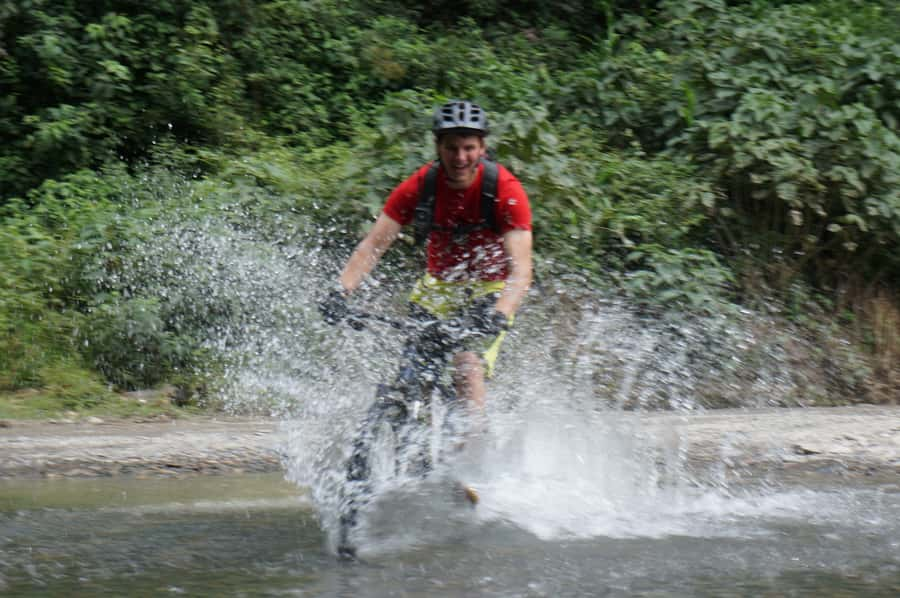
Death Road is not simply a bike ride. It is a long, thrilling drop from the cold, thin air of La Cumbre at 4,700 meters into the warm Yungas jungle, with cliff walls, mist, dust, and a road cut into the mountainside. I like the careful bike checks and the fact that you can ride at your own pace. I also like the finish at La Senda Verde, where your lunch supports rescued animals. The main drawback is the price and the long return drive to La Paz.
The road deserves respect. You are riding beside steep drops, often on loose dirt, and fatigue can make a simple mistake more likely. Still, the support vehicle follows the group, you can ride on the bus at any point, and the guides can remove you from the route if safety calls for it. Damian, Kenny, Noel, Ruben, and the other Gravity guides have a reputation for combining clear instruction with plenty of humor.
Key things to know before riding Death Road
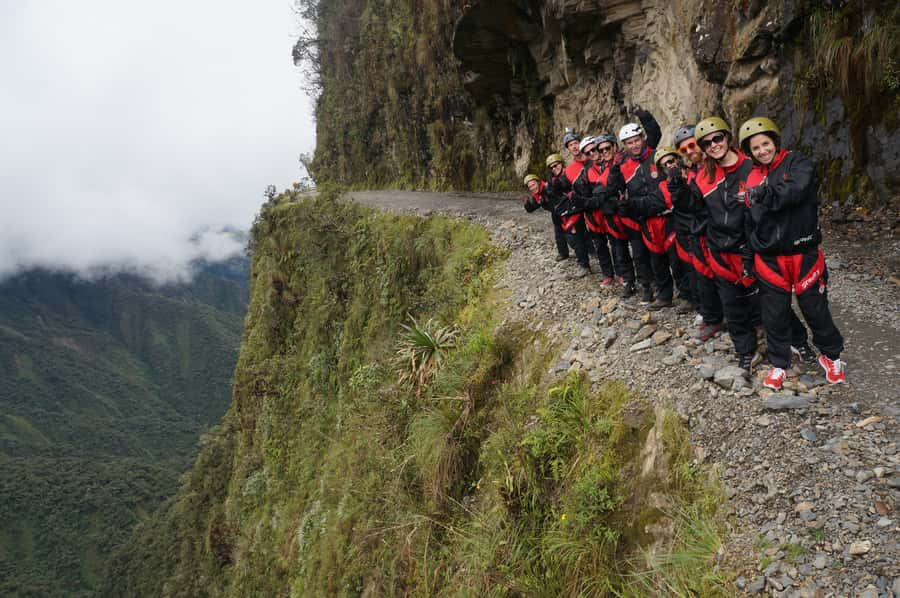
- Start high, finish hot: The ride begins among snowy peaks at 4,700 meters and ends roughly 3,500 meters lower in the Yungas.
- The equipment is a major advantage: You get a full-suspension downhill bike, hydraulic disc brakes, helmet, pads, gloves, and weather gear.
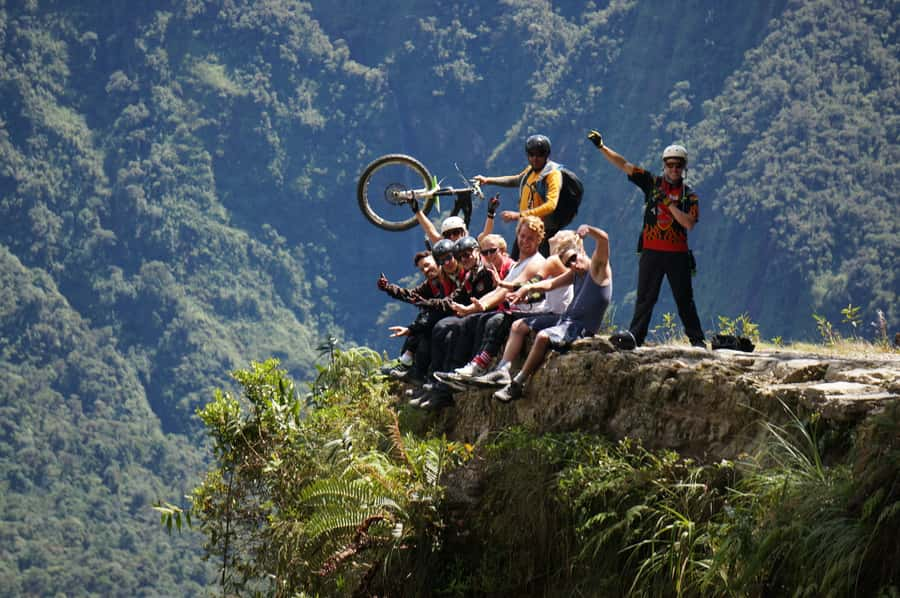
- Your group stays small: Groups are limited to 14 people, with a guide, mechanic, and private safety vehicle accompanying each group.
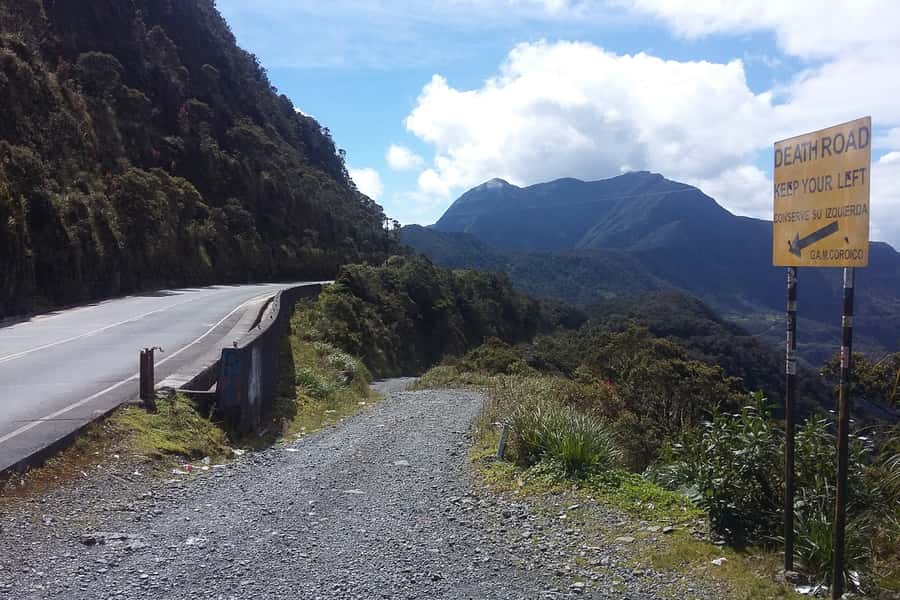
- The road changes by the hour: Expect smooth asphalt first, then a rougher, narrower dirt road through mist, dust, and jungle.
- Lunch has a purpose: The day ends at La Senda Verde Animal Refuge, with food, animals, and a chance to support rescue work.
- It is a full day: The return to La Paz can take several hours, and some groups arrive back around 8:30 p.m.
From La Paz to La Cumbre at 4,700 meters
Your day begins outside Café del Mundo, with transportation from La Paz. Breakfast is included, with meat, eggs, ham and cheese, vegetarian, and vegan choices. That hot meal matters because the first part of the day takes place high above the city, where cold air and altitude can drain your energy quickly.
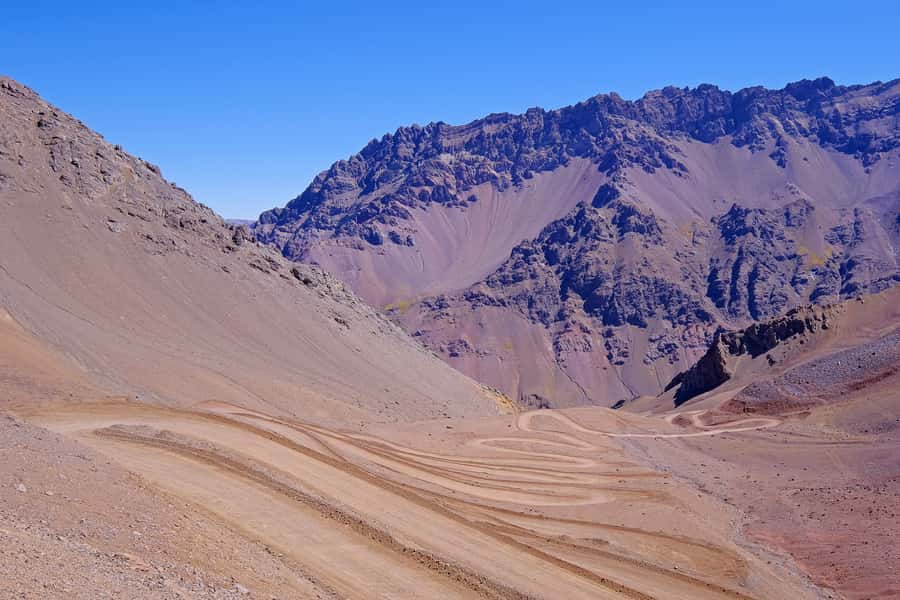
The road climbs to La Cumbre, a stark mountain pass at 4,700 meters. This is not the lush Bolivia many people picture. Here you get wind, bare slopes, patches of snow, and views toward snow-covered Andean peaks. Llamas and alpacas graze near the road, and small settlements appear in the distance.
Take the warm clothing advice seriously. The morning can feel bitterly cold at the start, even though the lower section later becomes hot. Gravity supplies jackets and pants for cold or wet conditions, but you should bring layers, sunglasses, sunscreen, and clothing you can change into later.
Before riding, the guides explain how to use the bike and how to handle the road. This is especially useful if you have limited mountain-biking experience. The bike is not a basic rental: it has full suspension and hydraulic disc brakes, both valuable on uneven surfaces and steep descents.
More Bike Tours in La Paz:
- From La Paz: The World’s Most Dangerous Road Biking Tour
★ 4.7 · 68 reviews - Bogota: Bicycle City Tour
★ 4.9 · 2,156 reviews - Buenos Aires: North or South Buenos Aires Bike Tour
★ 4.7 · 719 reviews
The first 20 kilometers: fast asphalt and wide Andean views
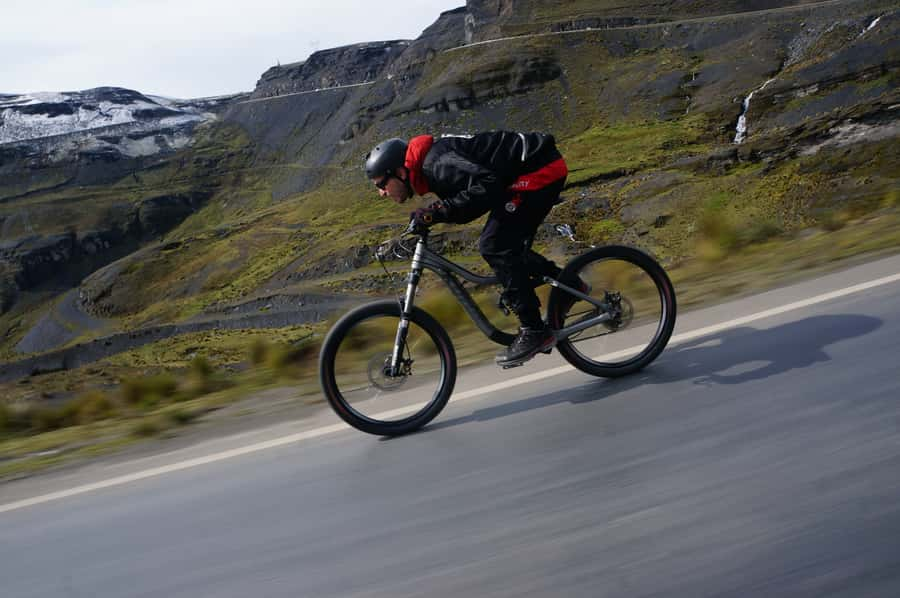
The opening section follows a twisting paved road through high mountain scenery. It is smoother and wider than the famous dirt section, so it gives you time to settle into the bike and get used to the steep descent.
You are still dropping quickly, but the road offers more room to control your speed. Guides stop for photos, drinks, snacks, and short rests. At these stops, the mechanic checks tires, brakes, and other parts of the bikes. That routine is one of the strongest reasons to choose a higher-priced operator for this ride.
You do not need to race. The group may spread out according to comfort and skill, but the guides help manage the pace. Strong riders can enjoy the speed, while less confident riders can slow down, stop, or use the support vehicle.
The support vehicle is not just for emergencies. You can use it if you need to change clothes, rest your hands, drink water, or stop riding altogether. Guides also reserve the right to place a rider on the bus if continuing would put that person or the group at risk. That rule may sound strict, but it is exactly the sort of judgment you want on this road.
The road narrows as the Yungas comes into view
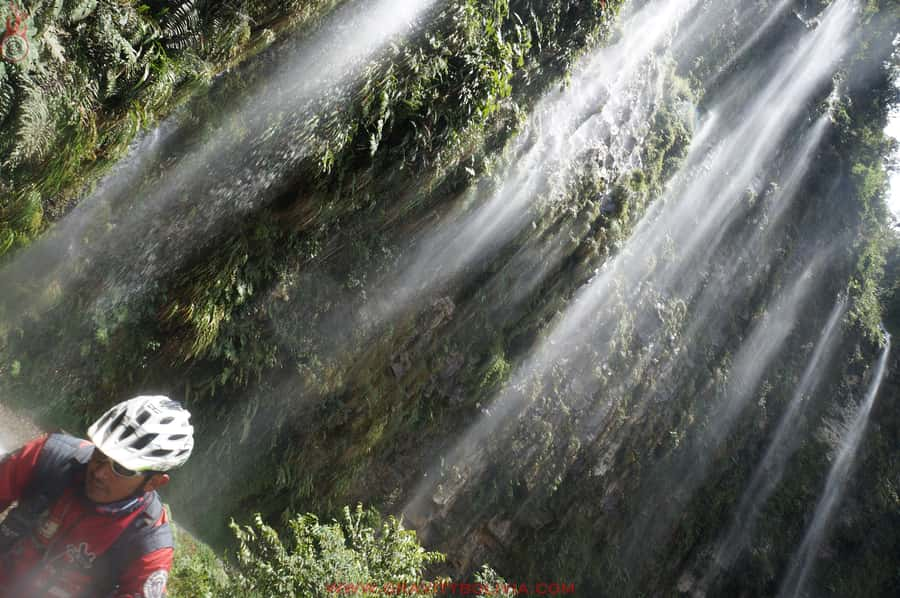
After the faster paved section, the route includes an undulating stretch before reaching the famous dirt road. The scenery changes steadily. High, cold rock gives way to thicker vegetation, lower cloud, and greener mountain slopes.
This transition is one of the pleasures of the day. You can watch the climate shift in front of you, from exposed Andean ridges to damp jungle vegetation. The stops give you time to look around rather than stare at the next bend in the road.
The guides explain what is coming before each major section. That preparation helps you choose a sensible speed and line. It also keeps the ride from feeling like a blind plunge into a hazard.
The route is dramatic, but the drama is not only the drop-offs. Water, mud, mist, rock, and changing light all affect how the road feels. In bad weather, the surface may be slick and visibility can fall. One December ride faced snow and rain, yet the group still completed an unforgettable day with strong guide support. Weather can improve the atmosphere, but it can also make the ride harder.
The famous dirt road from mist to dust
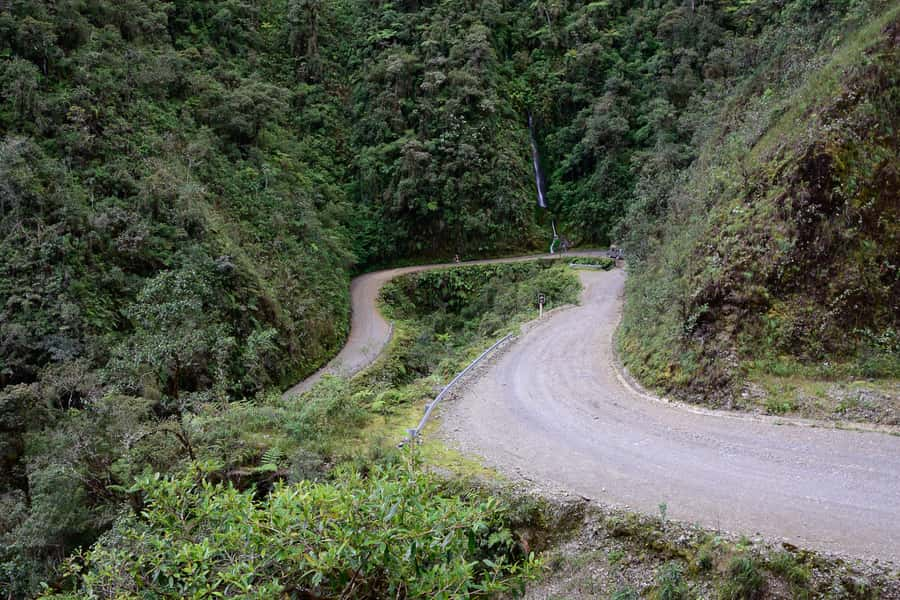
The main challenge begins when you enter the narrow dirt road cut into the mountainside. This section drops about 2,000 meters through mist, low cloud, and dust. It is the part that gives Death Road its name and its reputation.
You ride on the right side of the road, following the guidance of the team. The road can feel exposed, especially around bends where the mountain falls away. This is where good brakes, stable suspension, and calm instruction matter most.
I would not treat the ride as a test of courage. Treat it as a test of control. Keep your speed within your ability, listen to the guide, and use the breaks before your arms and hands become tired. Several riders who were new to mountain biking completed the route with help from patient guides, but that does not mean the road is easy for beginners.
The group stops often. You get water, snacks, photos, and bike checks, then hear about the next section. Gravity includes unlimited water, two ride snacks, and a mechanic on every tour. Hundreds of photos are uploaded and shared afterward, so you can concentrate on riding instead of trying to photograph every bend.
As you lose altitude, the air gets warmer. The mist may lift and become dust, and the final stretch can feel hot and dirty. That is part of the appeal, but it is also why a change of clothes, hiking shoes, insect repellent, and a daypack belong on your packing list.
A few more La Paz days worth comparing
- La Paz and El Alto: Cable Car Rides and Walking Tour
★ 4.8 · 790 reviews - La Paz Half-Day Walking Tour
★ 4.8 · 591 reviews - La Paz: Private City Tour with Cable Car & Moon Valley Visit
★ 4.9 · 508 reviews - La Paz: Full Day Trip to Copacabana and Isla del Sol
★ 4.5 · 400 reviews
La Senda Verde Animal Refuge makes a strong finish
The ride ends at Yolosa, near La Senda Verde Animal Refuge. After the cold start and strenuous descent, the refuge offers a slower, more comfortable finish. You get a buffet lunch, water, and time to see rescued animals from the Yungas.
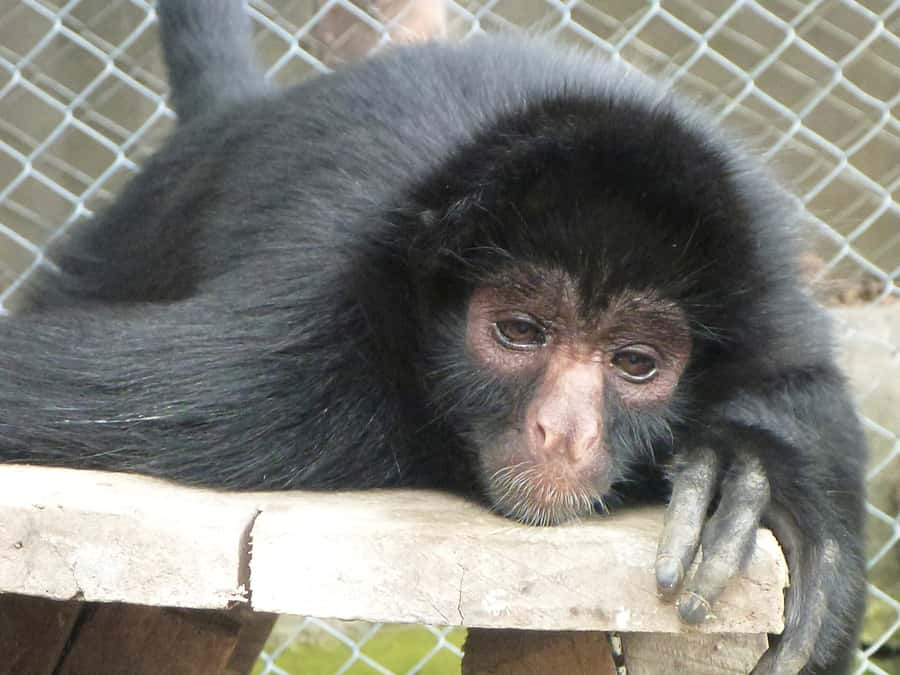
The refuge is home to native animals including monkeys, an Andean spectacled bear, capybaras, and birds. Your entrance helps support the center’s work rescuing animals from the black market. That gives the final stop more meaning than a standard meal at a roadside restaurant.
A hot shower is also available, with shampoo and towels mentioned by riders who took the tour. A shower after the dusty lower road is a small luxury, but it can make the long journey back much more pleasant. Some riders also enjoyed a beer with lunch.
An optional visit to see big cats and bears may be available for an extra charge, and the zipline is another paid add-on. Neither is included in the main price, so bring cash if you want either option. The listed road tax is also extra at 50 Bolivianos.
What the $145 price really covers
At $145 per person, this is one of the more expensive Death Road rides. The value comes from the package rather than the basic fact of riding downhill.
You receive transportation from La Paz, breakfast, lunch, snacks, unlimited water, protective clothing, gloves, pads, a buff to keep, a high-quality bike, a private safety vehicle, a guide, a mechanic, and shared photos. Entrance to La Senda Verde is included as well.
The bike and staffing are the most important parts of that list. A full-suspension downhill bike with hydraulic disc brakes costs more to maintain than a simple mountain bike. Having a mechanic stop to check the bikes throughout the day adds another layer of care.
Each group includes one guide, one mechanic, and a private vehicle, with no more than 14 participants. That ratio helps the team watch the road, manage different riding speeds, and respond if someone needs help.
You can find cheaper rides in La Paz, but the lower price may not include the same equipment, food, vehicle support, or mechanical attention. I would pay more for a road like this if the operator has a strong safety setup. The extra cost is less about luxury than reducing avoidable problems.
The one value concern is the length of the day. You may spend about three hours returning to La Paz after lunch, with some groups arriving around 8:30 p.m. If you want a short activity, this is not it. If you see the return drive as part of a full adventure day, the price makes more sense.
Safety, skill, and the right pace
You should be able to ride a bicycle confidently before booking. You do not need extensive downhill experience, but you do need to manage braking, steering, balance, and fear on a rough road.
The guides use English and Spanish. Names that come up often on the team include Damian, Kenny, Noel, and Ruben. The strongest part of their job is not simply leading from the front. They explain the road, check on riders, keep spirits up, and make sure nobody feels forced to keep up with a faster group.
The bus follows the riders down the road and you can get on at any point. That matters if you are tired, cold, shaken, or dealing with a mechanical issue. Guides can also place you on the bus for safety reasons.
Still, protective equipment cannot remove the basic risk. Death Road has steep drops and uneven surfaces. A few reviews describe frightening moments, including one bike sliding off a cliff and being recovered by the team. The calm response and rescue gear were reassuring, but the incident also shows why you should not treat the ride like a theme-park attraction.
Go at a pace that feels controlled. You will have more fun with steady braking and clear vision than by trying to beat the group to the bottom.
Who will enjoy this ride most
This tour suits you if you want a high-adrenaline day with strong support and memorable scenery. It is also a good choice for riders with limited mountain-biking experience who want expert coaching rather than an unsupported rental.
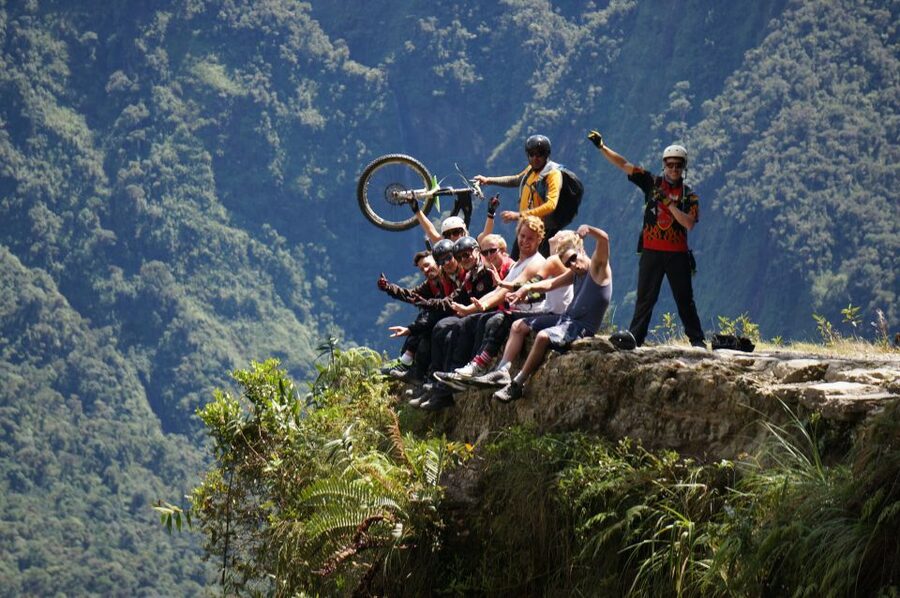
It suits active couples, friends, and solo riders who are comfortable joining a small group. The guides take photos and videos, so you can focus on the route and still leave with images of the day.
It is not suitable for people who cannot ride a bike, people with mobility impairments, wheelchair users, pregnant women, or children under 120 centimeters. You should also think carefully before booking if you dislike heights, loose surfaces, cold starts, long vehicle rides, or getting dusty and wet.
Bring your passport or ID, warm and weather-appropriate clothes, sunglasses, sunscreen, insect repellent, hiking shoes, a change of clothes, a daypack, and cash. Your supplied helmet can be a standard or full-face model, and elbow and knee pads are included.
Should you book Gravity’s Death Road ride?
Book it if Death Road is one of your main reasons for visiting La Paz and you want quality equipment, close supervision, food, photos, and a support vehicle. The animal refuge adds a worthwhile final stop, and the strong guide team helps turn a risky road into a managed adventure.
Think twice if your budget is tight or you have limited time in Bolivia. Cheaper options exist, and the return to La Paz can make this a very long day. You should also skip it if you are not comfortable on a bicycle or if steep drops make you freeze.
For most fit riders who can handle a full day and respect the road, I would choose the better-equipped operator. The careful bike checks, mechanic, small group, and bus support are worth more here than saving a few dollars. Death Road is memorable because it feels real, not because it is easy.
FAQ
How long is the Death Road bike ride?
The route covers about 64 kilometers of descent. The full experience lasts one day and includes transportation from La Paz, the ride, lunch, the animal refuge visit, and the return journey.
Where does the tour meet?
Meet outside Café del Mundo in La Paz.
How high does the ride start?
The ride begins at La Cumbre, at about 4,700 meters above sea level.
How much does the tour cost?
The price is $145 per person. A road tax of 50 Bolivianos is not included.
What equipment is included?
You receive a full-suspension downhill mountain bike with hydraulic disc brakes, a helmet, elbow and knee pads, gloves, cold and wet-weather pants and jackets, and a buff to keep.
Is food included?
Yes. Breakfast, two snacks during the ride, unlimited water, and a box lunch are included. Lunch is served at La Senda Verde Animal Refuge.
Can I stop riding if I am tired?
Yes. The support bus follows the group, and you can get on it during the tour. The guide may also put you on the bus for your safety or the safety of the group.
Is the tour suitable for a beginner?
You do not need extensive mountain-bike experience, but you must be able to ride a bicycle. The guides provide assistance and coaching, while the equipment and support vehicle help less experienced riders manage the route.
Just added around La Paz
- Private Tiwanaku and Titicaca Day Trip from La Paz★ 4.5 · 62 reviews
- Climbing Huayna Potosí★ 5.0 · 50 reviews
- Cholet Tour – Andean Architecture and Culture – El Alto★ 5.0 · 72 reviews
- Customizable Private City Tour – La Paz★ 5.0 · 69 reviews
- La Paz City Tour and Moon Valley★ 4.2 · 38 reviews
- La Paz: Andean Architecture Tour in El Alto★ 4.7 · 46 reviews
- From La Paz: Day Trip to Chacaltaya and Moon Valley★ 4.4 · 65 reviews
- From La Paz: 2-Day Tour to Isla del Sol & Lake Titicaca★ 4.3 · 54 reviews
Cycling Tours, compared.
Lima Bike Tour Miraflores – Barranco + Huaca Pucllana!
Read our review →
History & Local Life Essentials Tour on an E-Bike
Read our review →Browse the lists this tour appears in