
Reviewed · CITY TOURS
La Paz City Tour and Moon Valley
La Paz is best understood from above, below, and in motion. This six-hour tour ties together downtown markets, the jagged clay formations of Moon Valley, and the sweeping view from the cable cars into El Alto. You see several very different sides of the city without having to plan the routes yourself.
I like the mix of ordinary transport and major sights. You ride buses and public cable cars, stop for a salteña, and pass places such as San Pedro Prison rather than staying inside a sightseeing bubble. I also like the strong cultural focus, especially the two Witches’ Markets and the final walk around Calle Jaén and Plaza Murillo.
The main caution is the pace and altitude. The route reaches more than 4,000 meters, and one uneven departure reportedly ended early after the city portion felt too short. Go after you have acclimatized, and treat the exact timing as flexible.
Key points to know before booking
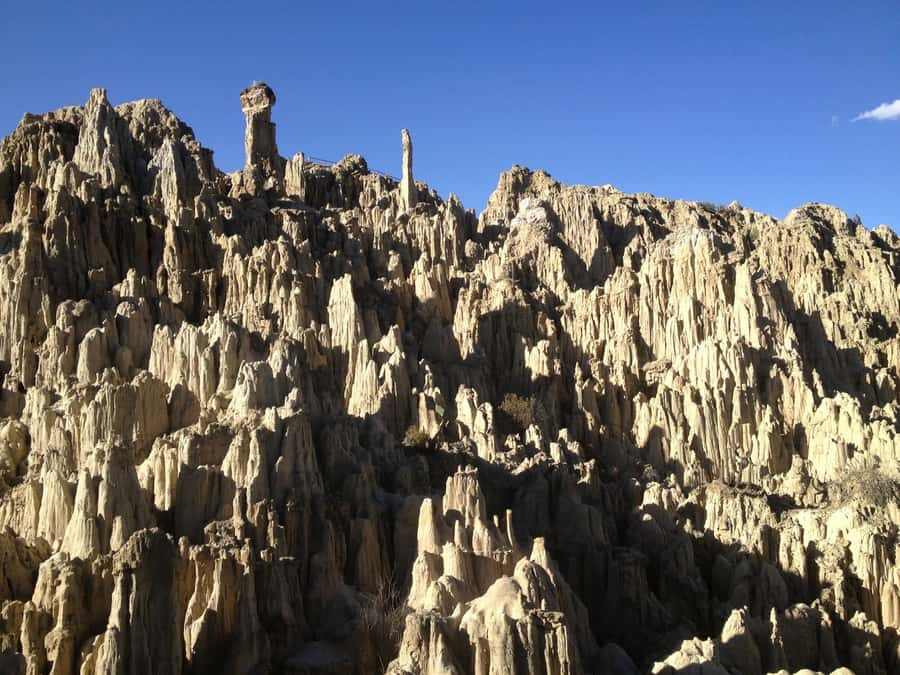
- Moon Valley adds a sharp change of scenery: You get a short 15 to 20 minute walk among pale, eroded rock formations in La Paz’s southern zone.
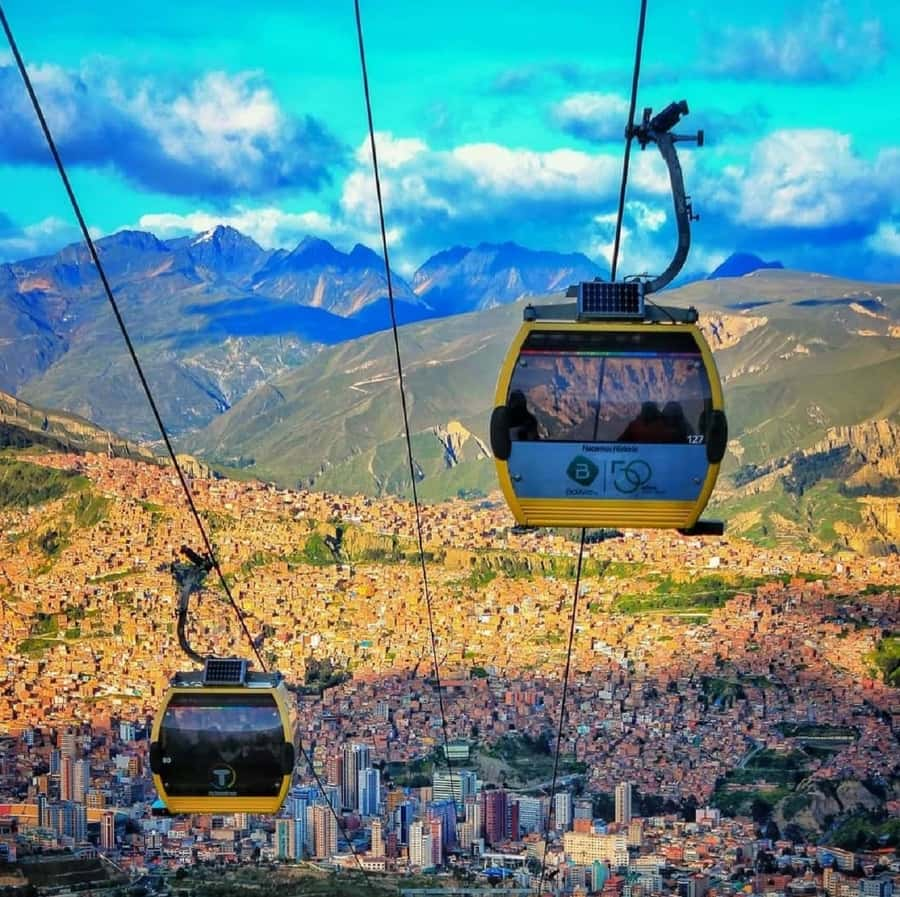
- The cable cars are part of the sightseeing: Several lines carry you from La Paz toward El Alto and back by a different route, giving you a bird’s-eye view of the city.
- You see two Witches’ Markets: The downtown market is geared toward browsing, while the El Alto market may include local ritual specialists carrying out ceremonies.
- A salteña is included in the route: This baked Bolivian snack makes a useful, tasty break while walking toward the bus.
- The tour uses local transport: Buses, walking, and cable cars make this feel more like a guided day in the city than a ride between isolated attractions.
- Altitude matters more than distance: The tour is only six hours, but the high elevation can make walking and standing feel harder than expected.
A city tour built around movement
This is not a standard coach tour. You walk through central La Paz, take public transport toward Moon Valley, ride cable cars into El Alto, and return by another set of cable car lines. That variety is the point.
I like this approach because La Paz is a city of dramatic changes in elevation. A street that looks ordinary at ground level can open into a huge view a few minutes later. The cable cars make those changes easy to see, while the walking sections give you street-level details that disappear from a vehicle.
The tour lasts six hours and costs $40 per person. That price includes a professional guide, entrance fees, transportation, and cable cars. For you, the value depends on how much help you want with the city’s routes and history. If you already know La Paz and feel comfortable using public transport, you could spend less exploring independently. If you want one organized route that joins downtown, Moon Valley, El Alto, and the cable cars, the cost is easier to justify.
You meet near the main front door of San Francisco Church. Look for the guide wearing an orange and beige vest with the Hanaqpacha Travel logo on the back. There is no hotel pickup or drop-off, so you need to reach the church on your own and arrange your own way back after the tour.
More City Tours in La Paz:
- La Paz: Private City Tour with Cable Car & Moon Valley Visit
★ 4.9 · 508 reviews - Customizable Private City Tour – La Paz
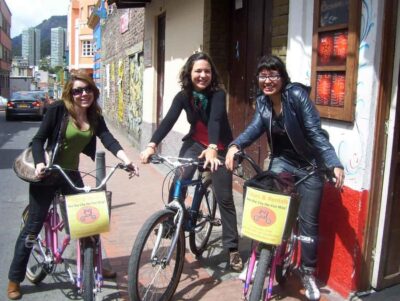
★ 5.0 · 69 reviews - Bogota: Bicycle City Tour
★ 4.9 · 2,156 reviews
San Francisco Church and downtown markets
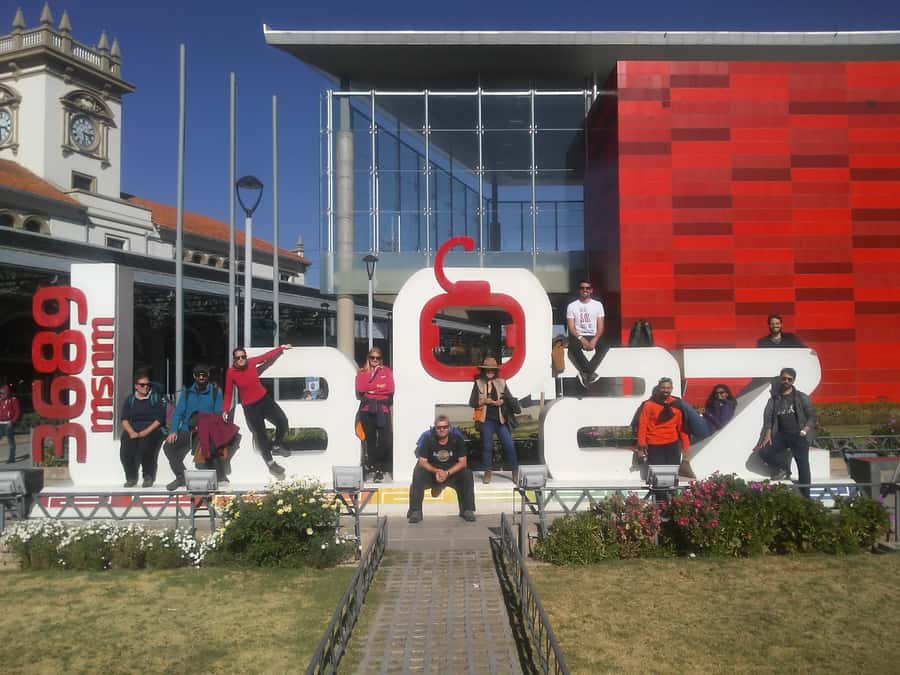
The opening section introduces you to central La Paz on foot. San Francisco Church is the meeting point and one of the key historic buildings in the city center. From here, the guide takes you through nearby streets and local markets.
This is where a good guide makes a real difference. The tour is designed to explain La Paz and El Alto through facts about culture, daily life, and the city’s development. Abraham has received especially warm praise for explaining Bolivian culture and history, while Veronica has been noted for her energy, humor, and clear explanations about the country’s present situation.
That said, guide quality can vary. One poor departure involved very little explanation and an incorrect route, while several others described the guiding as a major strength. I would book this tour for the access and route, but I would also remember that the guide is central to the experience. If you get a quiet or distracted guide, speak up early and ask questions about the places you are passing.
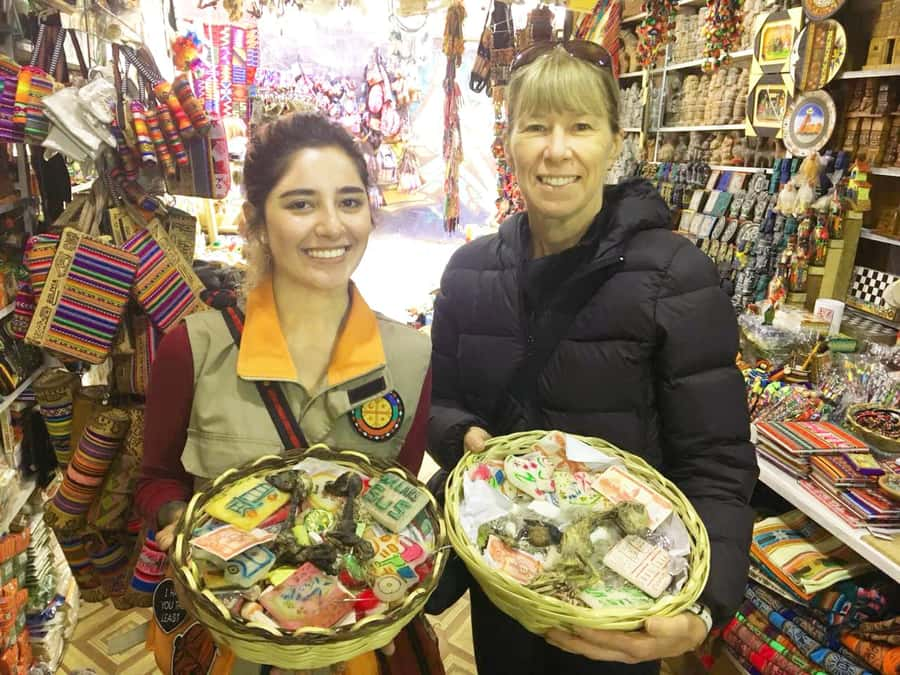
The downtown Witches’ Market is one of the more unusual stops. You can browse stalls connected with Andean beliefs, ritual goods, and traditional practices. It is worth approaching with curiosity and respect. The point is not simply to snap a strange-looking photograph, but to understand how spiritual traditions remain part of everyday life.
You also visit local markets around downtown, including the Rodriguez Market area. These stops help balance the better-known sights. You see the working city, not just church facades and viewpoints.
A salteña before the ride south
While walking toward the bus stop for Moon Valley, you stop to try a salteña. This is a popular Bolivian baked snack, usually filled with a savory mixture and broth. Eat it carefully, since the filling can be hot and messy.
The salteña stop is a small detail, but it improves the rhythm of the morning. You get a taste of local food without losing much time, and the break comes before the transport portion of the route.
Do not expect a full meal. If you need a substantial lunch, plan for food before or after the tour. The provided information confirms the snack, not a larger meal.
By bus past San Pedro Prison

The ride toward the southern zone takes you through San Pedro Square and alongside San Pedro Prison. This is a useful part of the route because you see the city as residents do, using everyday public transport rather than a private sightseeing vehicle.
The prison is an infamous La Paz landmark, but the tour does not present it as a regular attraction with a visit inside. You pass next to it during the bus ride. That distinction matters, especially if you are expecting an organized stop.
This section also gives you a feel for La Paz’s steep, crowded central streets. Since the tour combines walking and public transport, you should wear comfortable clothing and shoes. Large bags and luggage are not allowed, which is sensible on buses and cable cars.
A few more La Paz days worth comparing
- La Paz and El Alto: Cable Car Rides and Walking Tour
★ 4.8 · 790 reviews - La Paz Half-Day Walking Tour
★ 4.8 · 591 reviews - La Paz: Full Day Trip to Copacabana and Isla del Sol
★ 4.5 · 400 reviews - La Paz: Mountain Bike Down the World’s Most Dangerous Road
★ 4.9 · 386 reviews
Moon Valley’s clay formations
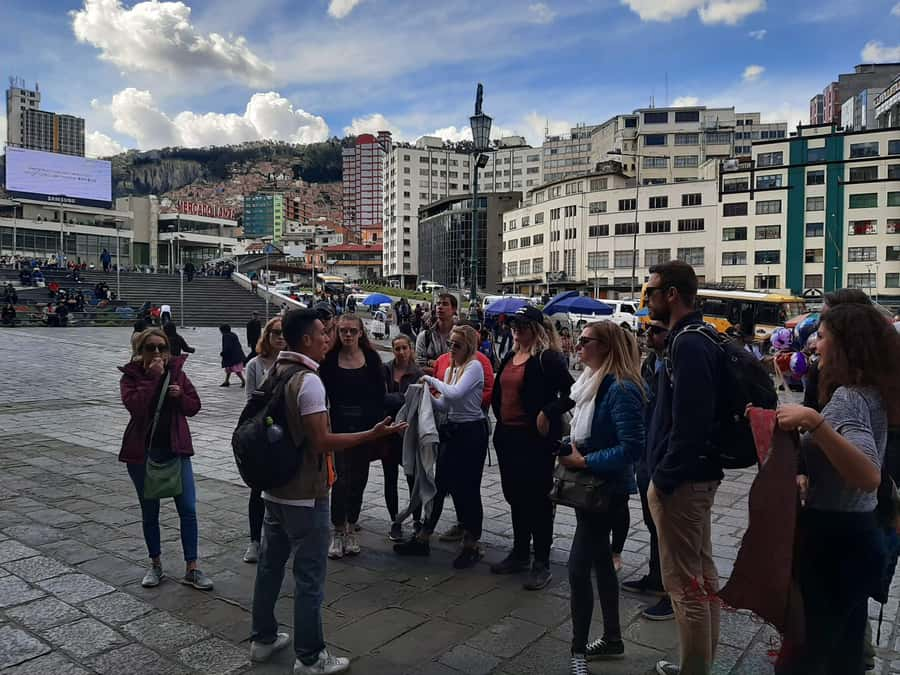
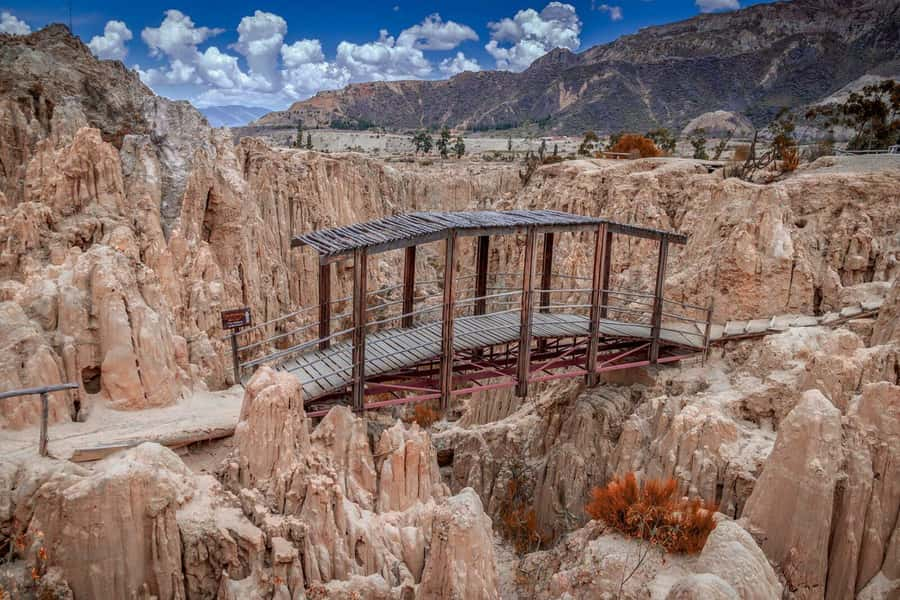
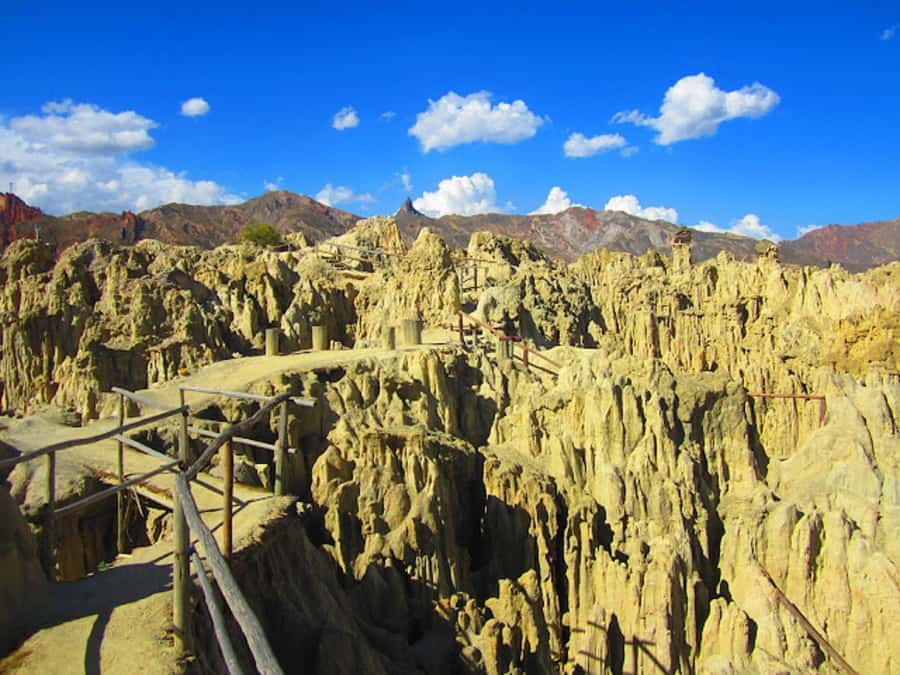
Moon Valley lies in the southern part of La Paz, where erosion has shaped the ground into pointed ridges and unusual formations. The tour allows a 15 to 20 minute walk inside the area, with time for photographs.
The stop is short, but it offers a strong contrast with downtown. You move from markets, churches, and traffic into a quiet area of pale earth and sharp forms. The setting can feel almost unreal, especially after seeing the city from the streets.
Do not expect a long hike. The walk is brief, so this is a photo stop and visual change rather than a half-day nature outing. If you want extended time among the formations, this tour may feel rushed.
Timing has also been uneven on some departures. One participant left the Moon Valley area by cable car around 1 p.m. and felt the city portion afterward was too short, while the stated duration is six hours and the route is meant to continue through El Alto and the historic center. I would treat the schedule as something to confirm with your guide at the start.
Cable cars above La Paz
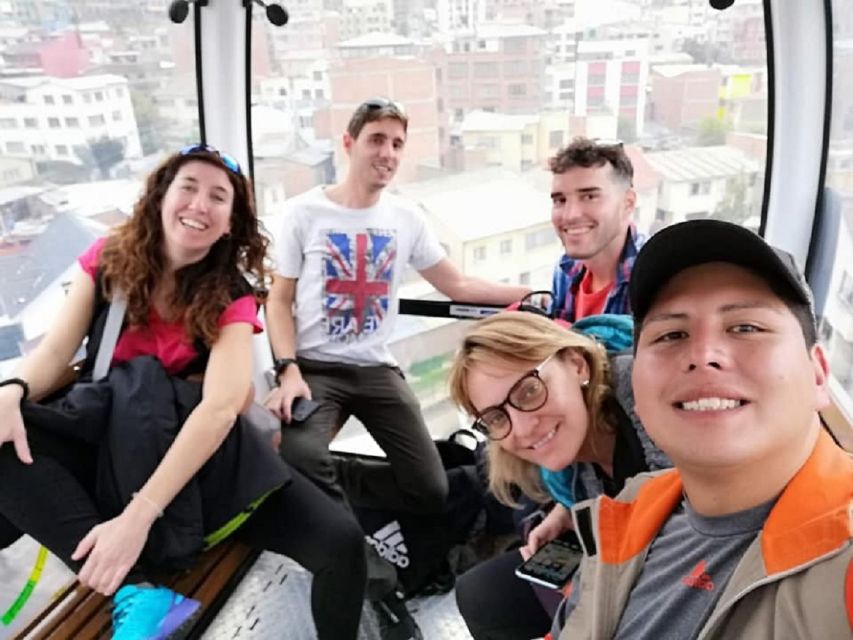
After Moon Valley, the tour heads to the cable car system. You ride toward El Alto, gaining a high view across La Paz from the cabins.
This is one of the best parts of the experience. La Paz is built in a steep basin, with dense neighborhoods climbing the surrounding slopes. From the cable car, you see the scale and shape of the city far better than you can from a street.
The cable cars are not just a tourist ride. They are part of the city’s public transport network, so you share the system with local residents. That makes the journey more useful than a simple viewpoint stop. You see how people move between the lower city and El Alto, and you get a practical sense of the distance between them.
The tour uses multiple lines and returns by a different combination of cable cars. That gives you more than one angle on La Paz and El Alto. It also means the day involves standing, transfers, and movement through stations, so it is not ideal if you want a slow, seated sightseeing experience.
Altitude becomes especially important here. The route reaches above 4,000 meters, and the height can affect you even if you are usually fit. Headaches, tiredness, or shortness of breath can turn a fun day into a hard one. Wait until you have acclimatized, and do not book this as your first activity immediately after arriving at high altitude.
El Alto and its second Witches’ Market

El Alto gives you a different view of the La Paz area. From the cable car cabins, you see the lower city spread below, then continue to picture stops and the Witches’ Market in El Alto.
The El Alto market differs from the one downtown. Here, you may see local witch doctors carrying out rituals rather than only browsing stalls. That makes the stop more direct and observational, but it also calls for good manners. Follow your guide’s advice about photography and do not treat a ceremony as a staged show.
This part is valuable because it avoids presenting La Paz as one uniform place. The tour shows the historic center, the southern zone, and El Alto, each with its own feel and elevation. You may not have time to explore El Alto at length, but you get a guided introduction and several good points for photographs.
The views are likely to be a major reason to book. The experience repeatedly changes your viewpoint, from street level to cable car height and back again. If you enjoy city geography and wide views, you will get more from this than someone mainly interested in indoor monuments.
Returning through Calle Jaén
The return journey uses a different set of cable cars and brings you back toward the historic center. The final walking section includes Calle Jaén, a narrow street lined with colonial homes.
Calle Jaén provides a calmer finish after the noise and movement of buses, markets, and cable car stations. Its colonial architecture gives you a chance to slow down and look closely at the older city fabric.
The tour ends at Kilometer 0, Plaza Murillo. This square is home to La Paz’s cathedral, the Presidential Palace, the newer modern structure behind it, and the House of Parliament.
Ending here makes sense. You finish in the political and historic heart of the city, with the guide able to connect the buildings to Bolivia’s government and public life. It also leaves you in a central area where you can continue exploring independently.
What the $40 price really covers
At $40, this is not the cheapest way to see La Paz. You are paying for the guide, entrance fees, public transportation, cable cars, and a route that would take some planning to reproduce alone.
The strongest value comes from the logistics. You do not need to work out which cable car lines to take, how to combine them with the bus to Moon Valley, or how to fit El Alto and the historic center into one day. You also get cultural explanation at the markets and landmarks.
The value is weaker if your guide does not keep the itinerary moving or explain what you are seeing. One very poor experience involved skipped sights and an early departure, while other departures praised the guide’s clear cultural and historical information. I would ask at the beginning for a quick outline of the day, including the planned time at Moon Valley and the return to the center.
Gratuities are not included. You should also budget for any extra food or drinks beyond the salteña, since only the traditional snack is specified.
Who should book this La Paz tour
I would choose this tour if you want a first look at La Paz that combines famous sights with ordinary city transport. It suits you if you like learning facts while moving, want strong city views, and would rather have someone handle the route.
It is especially useful for a short stay. In six hours, you cover downtown, the southern zone, El Alto, Moon Valley, Calle Jaén, and Plaza Murillo. You will not explore each place in depth, but you get a useful map of the city and can return later to the places that interest you most.
I would be more cautious if you have not adjusted to the altitude, dislike public transportation, or want long visits at each stop. The route is active and can feel hurried. You should also avoid bringing luggage or a large bag.
English and Spanish tours are available. Guides including Abraham and Veronica have been praised for warmth, cultural detail, and clear communication, but the experience depends heavily on who leads your departure. Free cancellation is available up to 24 hours ahead, and you can reserve without paying immediately, which gives you some flexibility if your altitude adjustment is uncertain.
Should you book it?
Book this tour if you want the broadest possible first look at La Paz in one day, especially the cable car views and the contrast between downtown and El Alto. The mix of markets, Moon Valley, a salteña, public transport, and colonial streets gives you much more local texture than a simple city-center walk.
Skip it, or wait a day or two, if you are feeling altitude sickness or want a relaxed schedule. The route reaches more than 4,000 meters, involves several transfers, and may feel short at Moon Valley. For an acclimatized visitor who values context, views, and efficient routing, $40 is a fair price, provided you confirm the itinerary with your guide at the start.
FAQ
Where does the La Paz City Tour and Moon Valley experience meet?
Meet near the main front door of San Francisco Church. The guide wears an orange and beige vest with the Hanaqpacha Travel logo on the back.
How long does the tour last?
The stated duration is six hours. Starting times vary, so you need to check availability when booking.
What languages are available?
The tour is offered in English and Spanish.
What is included in the $40 price?
The price includes a professional guide, entrance fees, transportation, and cable car rides.
Is hotel pickup or drop-off included?
No. Pickup and drop-off are not included, so you need to reach San Francisco Church yourself and arrange your own return from the ending point.
Does the tour visit Moon Valley?
Yes. You visit Moon Valley in La Paz’s southern zone and take a short walk of about 15 to 20 minutes for photographs.
Does the tour reach El Alto?
Yes. You ride the cable car to El Alto, visit picture stops and the El Alto Witches’ Market, then return toward La Paz using a different set of cable cars.
What should I bring, and is there anything I cannot bring?
Wear comfortable clothes and bring sunscreen and a hat. Luggage and large bags are not allowed.
Just added around La Paz
- Private Tiwanaku and Titicaca Day Trip from La Paz★ 4.5 · 62 reviews
- Customizable Private City Tour – La Paz★ 5.0 · 69 reviews
- Climbing Huayna Potosí★ 5.0 · 50 reviews
- Cholet Tour – Andean Architecture and Culture – El Alto★ 5.0 · 72 reviews
- La Paz: Andean Architecture Tour in El Alto★ 4.7 · 46 reviews
- From La Paz: Day Trip to Chacaltaya and Moon Valley★ 4.4 · 65 reviews
- From La Paz: 2-Day Tour to Isla del Sol & Lake Titicaca★ 4.3 · 54 reviews
- From La Paz: The World’s Most Dangerous Road Biking Tour★ 4.7 · 68 reviews
City Tours, compared.

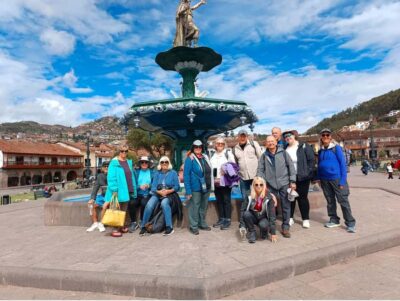
Cusco: Half-Day City Tour with Sacsayhuaman and Q’enco
Read our review →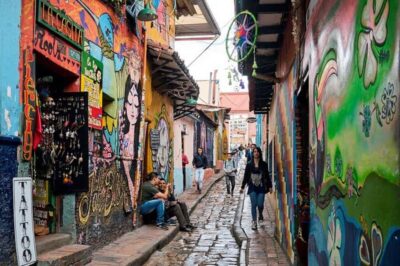
Private City Tour, Monserrate, Emerald and Botero
Read our review →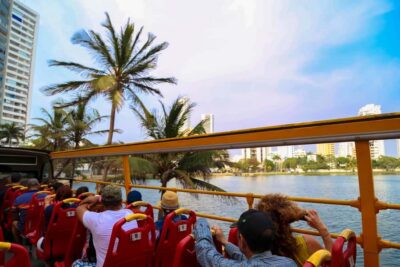
City Sightseeing Hop-On Hop-Off Bus Tour & Extras
Read our review →
City Tour Cusco Qoricancha Sacsayhuaman y Tambomachay
Read our review →
Main City Sights in 7 Hours – Shared Group Tour
Read our review →Browse the lists this tour appears in