
Reviewed · FOOD & DRINK
Evening Foodie Tour of La Paz
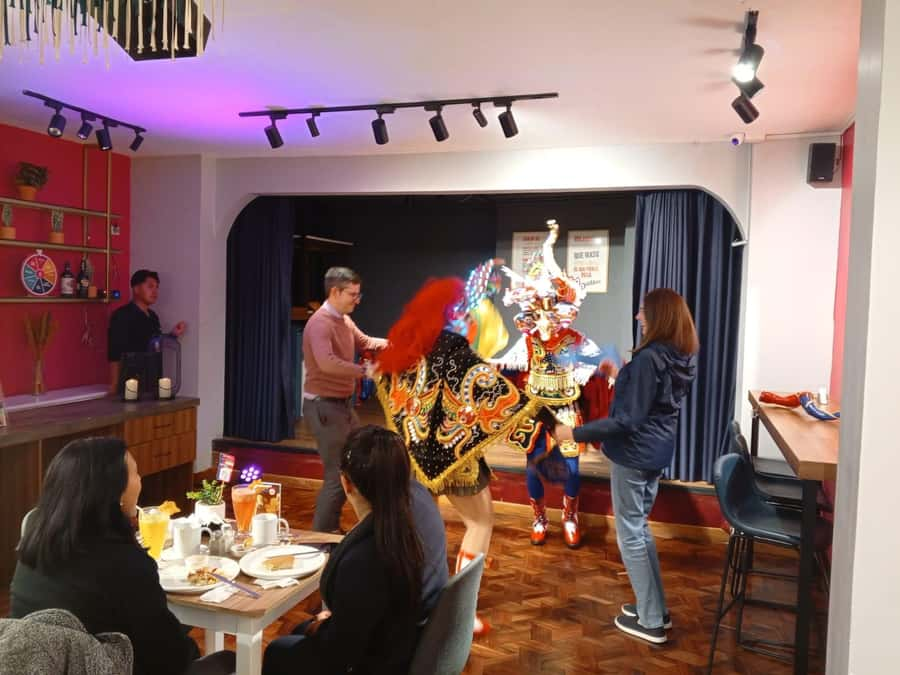
La Paz’s food scene makes the most sense one small plate at a time. This three-hour evening walk moves from market and street vendors to local restaurants, showing you the everyday places you might pass without a second glance. You’ll try five specialty dishes, plus drinks, while learning how food fits into family life and social customs.
I like the mix of street food and sit-down restaurants, and I like that the tour explains the people and traditions behind each dish instead of treating dinner as a checklist. Guides including Daniel, Matt, Max, and Marisol have been praised for warm conversation and clear English. The main drawback is simple: there is a lot to eat, and some of the food is heavy. Arrive hungry, pace yourself, and remember that alcohol can hit harder at La Paz’s altitude.
Key points to know before you book
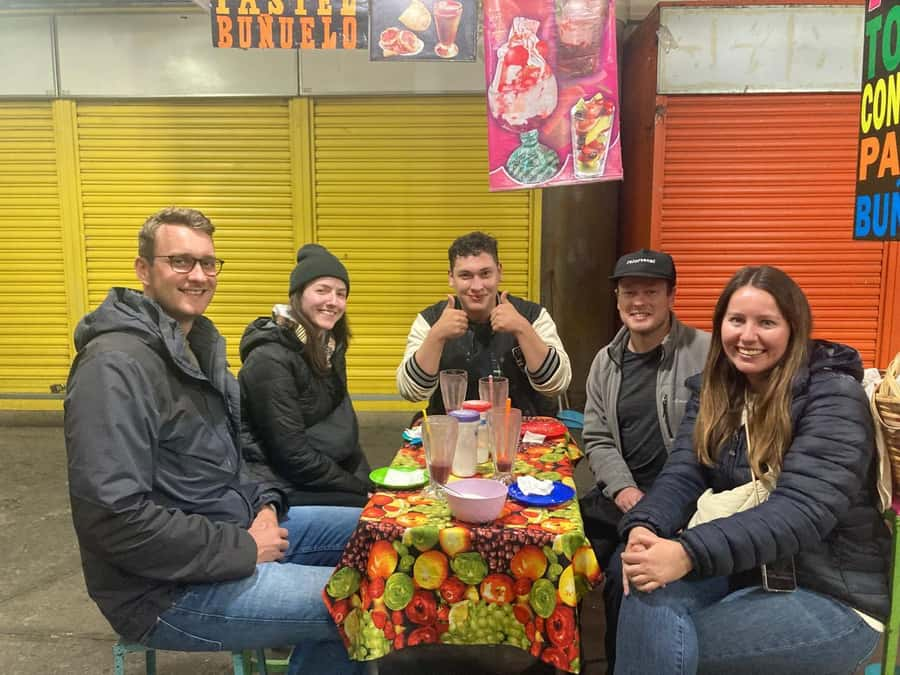
- Five substantial food stops: Expect market food, street stalls, local vendors, and restaurants rather than five tiny samples.
- A useful introduction to Bolivian food: The guide explains ingredients, customs, drinking culture, and the stories linked to each dish.
- A sociable evening: Guides such as Daniel and Matt keep conversation moving and make the tour comfortable for solo visitors and mixed groups.
- Very little walking: You pass markets, monuments, and central sights, but this is mainly an eating tour, not a long city hike.
- Limited vegetarian choice: Tell the operator about dietary restrictions when booking, since the standard food selection is meat-heavy.
- Bring cash and a jacket: You may want extra drinks, a tip, or a taxi home, and La Paz evenings can feel cold.
Why a food tour helps you read La Paz

Bolivian food can be hard to decode from a restaurant menu. Some dishes are familiar only after you understand where they fit into daily life: a quick bite from a vendor, a warm drink shared with friends, or a hearty plate that brings a family together after work.
That is the real value here. You are not just sampling food. You are learning how Bolivians use food to pause, gather, celebrate, and get through an ordinary day. The guide supplies the missing context, pointing out why an ingredient matters and how a dish became part of local eating habits.
The tour begins at 18:25, when the city is shifting into its evening rhythm. You meet at the large doors of San Francisco Church in San Francisco Square. Look for the guide wearing a red cap. This detail matters because the map information may point toward the church office rather than the actual meeting spot.
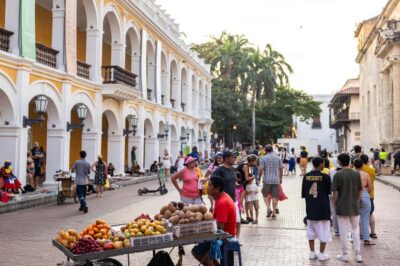
From there, the route passes through parts of central La Paz with markets, monuments, and sights along the way. The city background is useful, but food remains the focus. You will not spend the evening stopping for a formal explanation at every landmark. Instead, sights and streets provide the setting between bites.
More Food Tours in La Paz:
- Medellin: Comuna 13 Graffiti Tour, Cable Car & Street Food
★ 4.8 · 9,046 reviews - Medellín: Comuna 13 True Story and Street Food Tour
★ 4.9 · 1,779 reviews - From Mendoza: 3 Wineries, Olive Oil Factory Tour & Tasting
★ 4.6 · 901 reviews
The first stops: markets, vendors, and food you might miss
The early part of the tour generally introduces you to market and street food. This is where a local guide earns the price of admission. You might walk past a stall on your own, wonder what people are eating, and keep going. With the guide, you can stop, hear what the dish is, understand how it is served, and try it without having to guess.
Several tours have included about five different venues, with the first three focused on street or market-style food. That arrangement gives the evening a useful progression. You begin with quick local foods, then move toward restaurant dishes and a final drink.
The stops are not designed as luxury dining. Some may be modest, crowded, or purely practical places where people eat because the food is good and part of normal city life. That is a strength if you want a look at everyday La Paz. It can feel less polished than a restaurant-only tasting, but it also gives you a better sense of how locals actually eat.
Food handling is taken seriously in the choice of venues. The restaurants and food locations are inspected for cleanliness and proper handling. Even so, you should tell the operator about dietary restrictions in advance. The tour offers only a few vegetarian choices, and the standard selection may not suit you if you avoid meat, dairy, or particular ingredients.
From traditional bites to a full evening meal
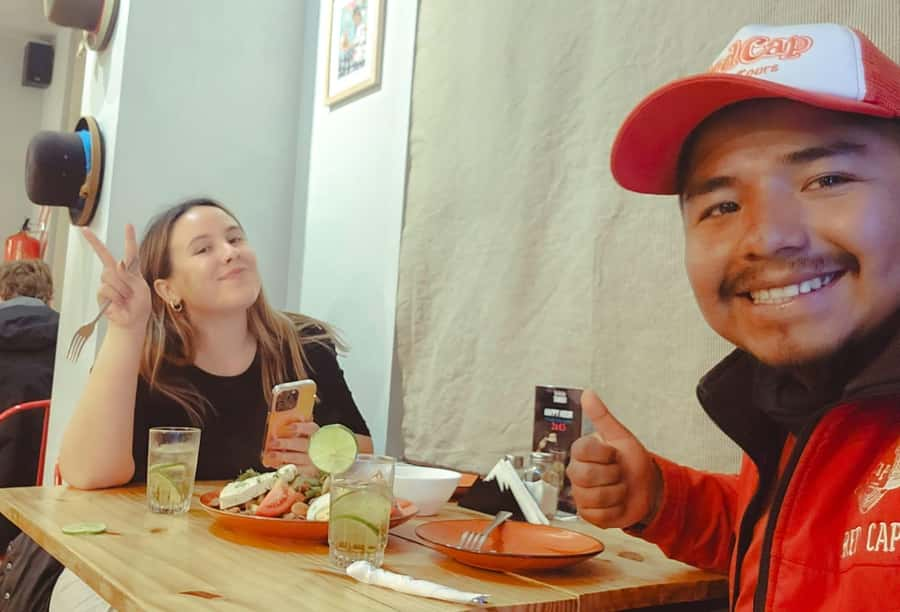
The tour promises five specialty dishes, but the portions add up. Some people have tried six different items, depending on the evening and the food available. You should think of this as dinner, not an appetizer before dinner.
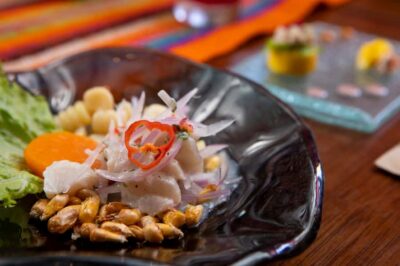
The food covers a useful range of tastes and textures. You may encounter familiar dishes alongside items that are less obvious to a first-time visitor. One especially memorable stop for several people has been api, a warm Bolivian drink that can become a favorite after the first taste. The tour also introduces local beer and a cocktail option, though the exact drinks can vary.
I would follow the advice given by past participants: do not eat a full meal beforehand. A light snack earlier in the day is sensible, but arriving hungry gives you room to enjoy the entire route. At the same time, do not force yourself to finish every plate. Pacing is part of the skill here.
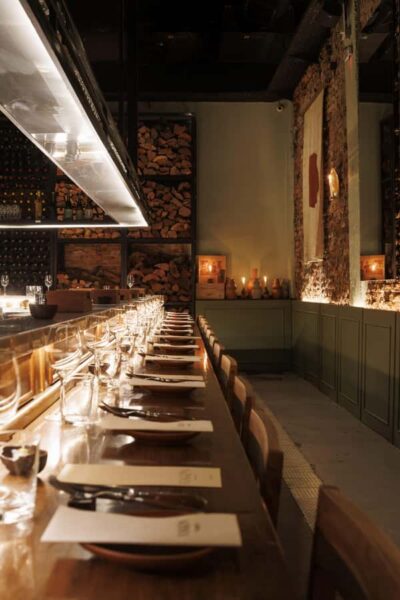
The final two stops are restaurants, giving the evening a change of pace after the stalls and markets. You get a seat, more time to ask questions, and a chance to compare casual vendor food with a prepared restaurant plate. One stop has been described as less successful than the others, with the food not pleasing the whole group. That is worth keeping in mind. A food tour is partly about discovery, and not every dish will become a favorite.
The evening ends with a drink and conversation at one of La Paz’s more interesting restaurants. This closing stop matters because it lets the meal slow down. Instead of rushing from sample to sample, you can talk with the guide, compare your favorites, and ask about other places to eat during your stay.
The guides make the difference
The guide is the thread holding the tour together. The strongest guides do more than translate menus. They explain food customs, local ingredients, restaurant etiquette, and the way eating connects with family and community life.
Daniel has led several especially well-regarded evenings, with a style described as warm, funny, and full of useful information about La Paz and Bolivia. He has also been praised for adapting to the group and helping people feel at ease. Matt has received similar praise for clear English, good humor, and thoughtful attention to different needs.
Max has guided tours at an easy pace, with stories about dishes and the history of how they developed. Marisol has been singled out for explaining where to eat in local markets and how Bolivian food and drink fit into everyday customs. Other guides, including Denise and Roberto, have also been described as engaging and well prepared.
Guide assignments can change, so you cannot book a particular person as a guaranteed feature unless the operator confirms it. What you can count on is a live bilingual guide in Spanish and English. The best part of the format is the conversation. You can ask why a dish is eaten at a certain time, how people share drinks, or what to order if you return to the same area later.
This is also a friendly choice for a solo visitor. The food gives everyone something to talk about, and the small-group setting encourages conversation without requiring you to be an outgoing person.
More Evening Tours in La Paz:
- Cartagena de Indias: 2-Hour Sunset Cruise
★ 4.7 · 1,105 reviews - Rio de Janeiro: Sunset Sailing Tour
★ 4.8 · 994 reviews - 2-hour tour in Cartagena Sunset View in party boat
★ 4.6 · 899 reviews - Rio de Janeiro: Sunset Sailboat Tour with Open Bar
★ 4.9 · 785 reviews
Drinking at altitude: a practical warning
Drinks are included as specified, with a local cocktail or beer available during the experience. Extra drinks cost more, so bring cash. You may also want money for a tip and the taxi home.
La Paz’s altitude makes alcohol a real consideration. One past participant found that several drinks did not mix well with the height. You do not need to avoid alcohol completely, but take it slowly, drink water when possible, and do not feel obliged to finish every included drink.
The final restaurant stop is partly social, so you can enjoy the conversation without turning the evening into a drinking session. If you are sensitive to altitude, order less alcohol and focus on the food.
How much walking is involved?
Despite the name walking tour, this is not a strenuous city walk. Several stops are close enough that walking is limited, and the main effort is moving between food locations rather than covering a large area.
Comfortable shoes still make sense. Central La Paz streets can be uneven, and you will be out for about three hours. Bring a jacket as well. Evening temperatures can feel chilly, especially if you are used to a warmer climate.
The route also gives you a useful orientation to the central city. You pass markets, monuments, and historic sights while moving between food stops. If you are new to La Paz, this can help you understand where you are and point you toward places you might revisit on your own.
Is the 32 dollar price good value?
At $32 per person, the cost is reasonable if you treat the tour as both dinner and an introduction to La Paz. You receive five food tastings, included drinks specified for the experience, a bilingual guide, and access to places you might not confidently choose alone.
The value is less obvious if you judge the tour only by restaurant quality or portion size. Some food comes from ordinary street vendors, and you could probably spend less by eating independently. You are paying for the selection, the explanations, the organization, and the chance to try several places in one evening without guessing.
The biggest value comes early in your stay. If you take the tour on your first nights in La Paz, you can return to the stalls or restaurants you liked best. One useful feature is the practical guidance about where to eat in local markets. The tour can help you spend the rest of your visit with more confidence.
For someone who already knows Bolivian food well, the price may feel high for a meal built partly around street food. For a first-time visitor who wants context and a full dinner, it is easier to justify.
Who should take this La Paz food tour?
I would recommend it to first-time visitors who want an approachable introduction to Bolivian cuisine. It also suits people who normally avoid street food because they are unsure what to order or how a place handles food. Having a local guide removes much of that hesitation.
It is a good match for solo visitors, couples, and friends who enjoy conversation. The steady flow of dishes gives the group an easy shared activity, while the guide adds local detail without turning the evening into a lecture.
You should think twice if you need a fully vegetarian, vegan, gluten-free, or allergy-safe meal unless the operator confirms suitable alternatives. Only a few vegetarian options are available, and dietary restrictions must be reported when booking.
You may also prefer a different activity if you want a long walking tour, fine dining, or a carefully controlled tasting menu. This evening is informal, filling, and rooted in ordinary local places. Its appeal lies in variety and access, not polish.
Practical details for a smooth evening
Meet at the large church doors in San Francisco Square, not at the church office indicated by some map details. The guide wears a red cap, and the start time is 18:25.
Bring your passport or ID card, comfortable shoes, a jacket, and cash. The ID may be needed for the activity, while cash covers extra drinks, tips, and your taxi home. Transport to the meeting point and transport afterward are not included.
The activity lasts three hours. Cancellation is free up to 24 hours before the start time, and you can reserve without paying immediately if that option is offered when you book. Check the available start time for your chosen date.
Most important, arrive hungry but not rushed. The portions can be generous, and the evening works best when you leave room for the later restaurant stops.
Should you book it?
Book this tour if you want a friendly, food-first introduction to La Paz and are happy to eat in markets, street stalls, and ordinary local restaurants. The guide’s explanations turn unfamiliar dishes into part of a larger story about family, work, celebration, and community.
I would especially choose it early in a La Paz visit, when the advice can shape your remaining meals. Skip it if you want gourmet cooking, a long city walk, or a wide range of vegetarian choices. For most curious eaters, the combination of five specialties, local drinks, and practical guidance makes this a useful and enjoyable evening for $32.
FAQ
Where does the La Paz food tour meet?
Meet at San Francisco Square, at the large doors of the church. Look for the guide wearing a red cap. Map details may show the church office, but the group meets at the church doors.
What time does the tour start?
The tour starts at 18:25. Check availability for the exact starting time on your selected date.
How long does the tour last?
The food tour lasts three hours.
What food is included?
The experience includes five specialty dishes, along with the food and drinks specified for the tour. Some evenings may include six different tastes, depending on the route and available food.
Are vegetarian options available?
Only a few vegetarian options are available. Tell the operator about dietary restrictions when booking.
Are drinks included?
Drinks specified for the tour are included, including a local cocktail or local beer option. Extra drinks are not included.
What should I bring?
Bring your passport or ID card, comfortable shoes, a jacket, and cash. Cash is useful for extra drinks, tips, and the taxi home.
Just added around La Paz
- Private Tiwanaku and Titicaca Day Trip from La Paz★ 4.5 · 62 reviews
- Climbing Huayna Potosí★ 5.0 · 50 reviews
- Cholet Tour – Andean Architecture and Culture – El Alto★ 5.0 · 72 reviews
- Customizable Private City Tour – La Paz★ 5.0 · 69 reviews
- La Paz City Tour and Moon Valley★ 4.2 · 38 reviews
- La Paz: Andean Architecture Tour in El Alto★ 4.7 · 46 reviews
- From La Paz: Day Trip to Chacaltaya and Moon Valley★ 4.4 · 65 reviews
- From La Paz: 2-Day Tour to Isla del Sol & Lake Titicaca★ 4.3 · 54 reviews
Food & Drink, compared.

Comuna 13 Graffiti Tour, Cable Car & Street Food
Read our review →

Jolimont Winery Tour – Visitation and Tasting – Canela RS
Read our review →
Browse the lists this tour appears in