
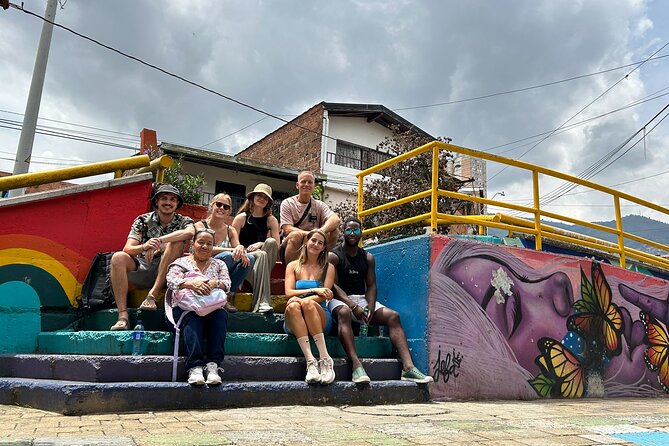
Reviewed · WALKING TOURS
Comuna 4 Walking Tour Medellin
Moravia was built on a garbage dump, and its story is far more complicated than Medellín’s usual tale of urban renewal. This three-and-a-half-hour walk brings you into the neighborhood with guide Toto and local community ambassador Gladys, whose personal experience gives the past a human voice. You’ll hear about resistance to government relocation plans, not just the polished version of the city’s transformation.
I like the small group limit of eight, which should make the conversations easier and less staged. I also like the range of subjects: football, health care, education, housing, and community organizing, not just murals and photo stops. The main consideration is that this is a serious walking tour through a working neighborhood, so it may feel emotionally heavy and less visually glossy than Comuna 13.
Key points at a glance
- Moravia’s garbage-built origins: Learn how an illegal settlement formed in the 1960s and how families made lives on difficult ground.
- Gladys’s firsthand story: A local community ambassador adds personal memory to the guide’s wider history of Moravia.
- A different view of Medellín’s transformation: Hear about relocation plans, resistance, overpopulation, and the costs of redevelopment.
- Social issues made practical: Discuss Colombia’s health care and welfare system, education, and the strata system in everyday terms.
- Football as local culture: See neighborhood team graffiti and visit the synthetic football pitch.
- A community-made ending: Visit Moravia Cultural Center and finish with a small street empanada snack.
Why Moravia tells a different Medellín story
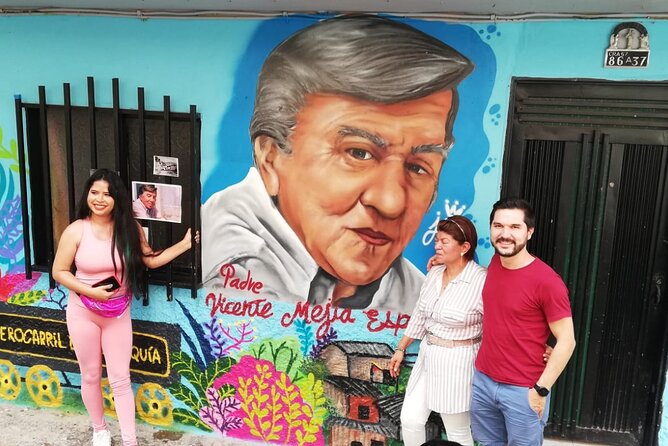
Many Medellín tours focus on the city’s dramatic turnaround, with cable cars, public art, and improved public spaces. This walk asks you to look at the people who did not benefit equally from that change, or who paid a price for it.
Moravia began as an illegal neighborhood in the 1960s. Its origins were tied to a former garbage site, and families built homes and a community in conditions that the government later tried to change. That history gives the first stop at Estación Metro Caribe real weight. You are not simply meeting a guide and setting off. You are getting the background needed to understand the streets ahead.
The tour presents two sides of Medellín’s transformation. One is the familiar story of progress and redevelopment. The other concerns families who resisted relocation for more than a decade. That tension is the central idea of the walk, and it prevents the experience from becoming a simple success story.
I find this useful because urban change can look wonderful from a distance. New facilities and improved infrastructure do not automatically mean that every family feels secure or included. Moravia gives you a closer look at that gap.
More Walking Tours in Colombia
- Medellin Historic Walking Tour
★ 4.9 · 86 reviews - Cartagena: Historic Center and Getsemaní Shared Walking Tour
★ 4.9 · 2,716 reviews - Bogotá: Guided La Candelaria Walking Tour
★ 4.8 · 1,229 reviews
Meeting at Caribe and getting your bearings
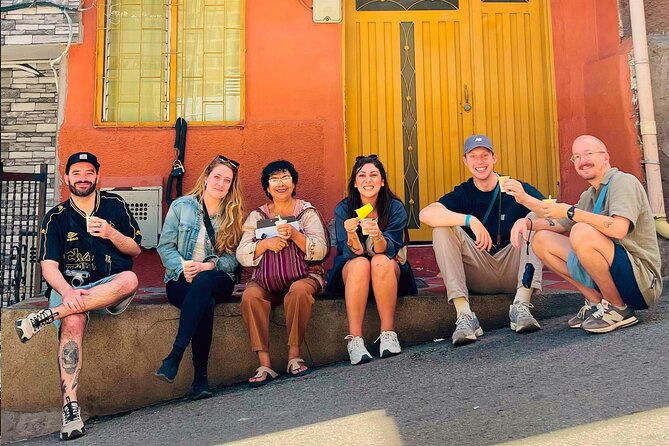
The tour begins at Estación Metro Caribe, at the Barrio Transformation Tour meeting point on Avenida Regional near Calle 78 in Castilla. The guide and community ambassador meet you there and begin with the story of Moravia’s origins.
This opening lasts about 30 minutes. It is a good use of time because the neighborhood’s geography and social history are closely linked. Without this context, you might see a busy local district and miss the forces that shaped it.
Toto serves as the professional bilingual guide, while Gladys brings the perspective of someone connected to the community’s early years. Her presence is not a small extra. It changes the tone from a standard history lesson to a conversation that includes memory, loss, and persistence.
The starting point is also near public transportation, which makes the tour practical if you are using Medellín’s metro system. Hotel pickup and drop-off are not included, so you need to make your own way to the meeting point. The group then returns there at the end.
Morro de Moravia and the cost of relocation
At Morro de Moravia, the tour turns toward what is called La Resistencia de Moravia. This section lasts about 45 minutes and is likely the emotional center of the walk.
Here you learn why hundreds of families resisted a government relocation plan for more than ten years. The issue is not presented as a tidy argument between good and bad sides. Relocation can bring safer housing and better services, but it can also break social networks, move people away from work, and remove control from families who have spent decades building a home.
The stop helps explain why Moravia’s transformation remains unfinished. You may see signs of improvement alongside the pressures of population growth and redevelopment. That contrast matters. The neighborhood is not frozen in its past, but neither has every problem disappeared.
This is also the point where you should set your expectations. The walk is not designed mainly for postcard views or dramatic photo opportunities. It asks you to listen, observe, and think about who gets to define progress.
Health care, street vending, and daily survival
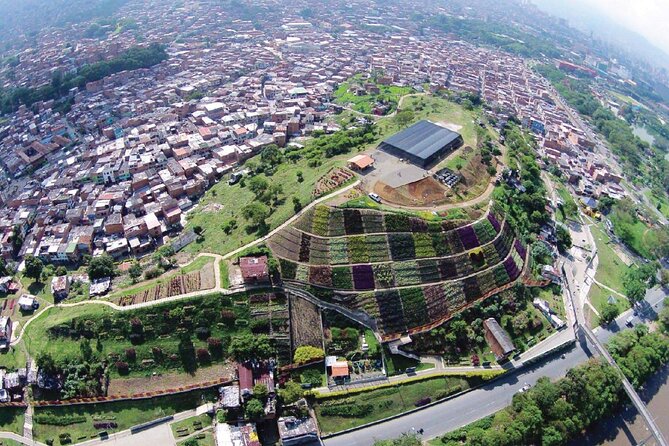
The group then reaches Centro de Salud Moravia El Bosque, where you sit in a quieter spot for about 30 minutes. The subject shifts to Colombia’s health care and welfare system.
This might sound like a classroom topic, but it connects directly to what you see on the streets. The discussion explains why street vending is so common and why, despite a welfare system, almost half of Colombians do not have access to it.
That context gives ordinary scenes more meaning. A street stall is not simply a colorful part of local commerce. For many people, it can be tied to limited access to formal work and public support. The stop helps you connect policy with household decisions, rather than treating poverty as a vague backdrop.
I like the pause here. Three and a half hours on foot can become tiring, and sitting down gives the group time to absorb the material. The subject is serious, though, so this is not a light sightseeing break.
More Walking Tours in Medellin:
- Rio de Janeiro: Rocinha Favela Walking Tour with Local Guide
★ 4.8 · 3,052 reviews - Rio De Janeiro: Half-Day Rocinha Favela Walking Tour
★ 4.7 · 2,272 reviews - Buenos Aires Hop-On Hop-Off Bus, Free Walking Tours & Discounts
★ 4.5 · 2,218 reviews - Buenos Aires: La Boca Guided Walking Tour in English
★ 4.8 · 1,587 reviews
Football, neighborhood identity, and a tiny snack
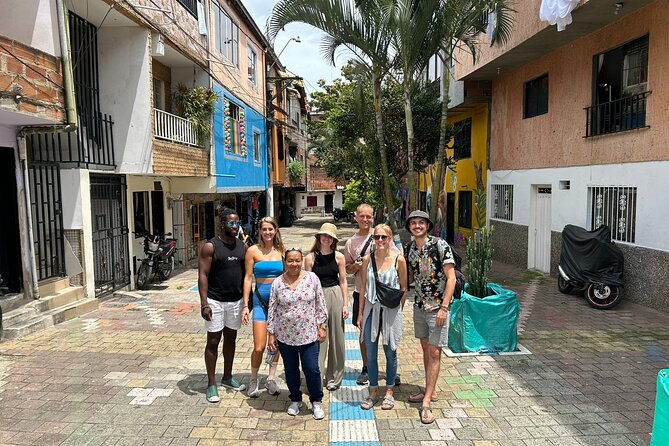
At Cigarreria La Plaquita, you spend about 10 minutes looking at graffiti connected with Medellín’s major football clubs. The art gives Toto a way to explain the cultural role of football in Colombian society.
This is one of the shorter stops, but it adds useful balance. The tour is not only about government policy and displacement. Football offers a window into identity, loyalty, rivalry, and community pride.
The group then sits in the shade near Fundación Oasis Urbano to discuss Colombia’s education and strata system. The strata system affects how housing and public services are organized, and learning about it can help you make better sense of social differences in Medellín.
The education discussion is especially relevant in a neighborhood shaped by migration and economic pressure. You hear about the structures that influence access to opportunity, not just the architecture around you.
At E.I. Fe y Alegría, Luis Amigó, you stop for one of the simplest pleasures of the outing: small street empanadas. The tour describes them as tiny but especially tasty. The snack is included, and its value is not only culinary. Eating something local during the walk keeps the experience connected to daily life rather than turning Moravia into an outdoor museum.
The synthetic pitch and a local story of persistence
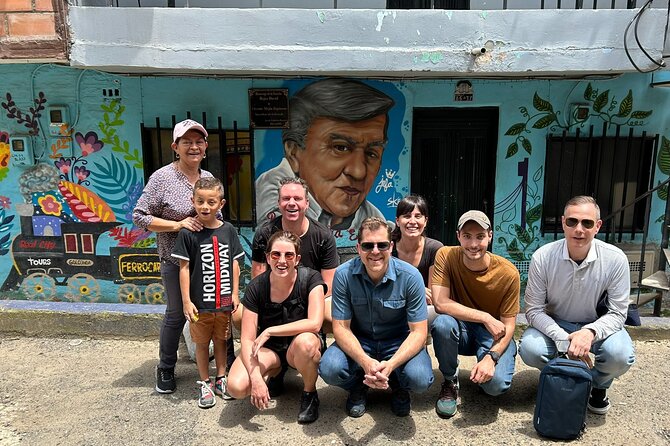
The synthetic football pitch is a brief 10-minute stop, but it gives you a clear example of how community facilities matter. You meet the local ambassador and hear her story of resilience, resistance, and hope.
The pitch is also a reminder that community life is more than survival. Children and families need places to play, gather, and form connections. A football field cannot solve housing or welfare problems, but it can support the social ties that make a neighborhood stronger.
This moment may be especially meaningful if you have already heard about relocation and pressure on the community. It shows why residents defend more than buildings. They defend relationships, routines, and places that carry shared memory.
The walk’s short stops work well in combination. A football mural, a health care discussion, a school, a pitch, and a cultural center might seem unrelated at first. Together they show how a neighborhood functions as a social system.
Moravia Cultural Center and a community-built finish
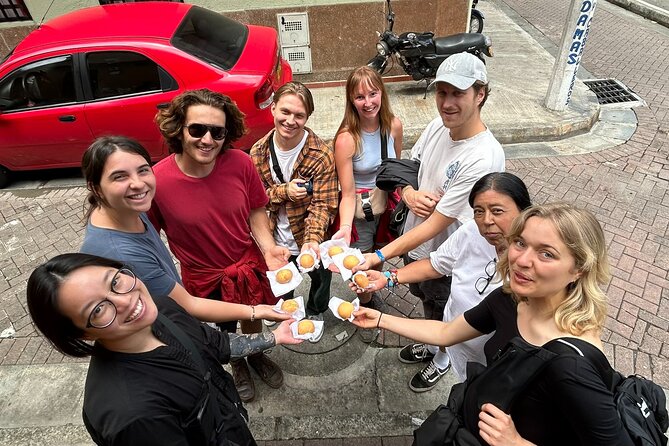
The final major stop is Moravia Cultural Center, where you spend about 30 minutes with the community ambassador. The focus is how local people built such an important piece of infrastructure.
That story gives the tour a constructive ending. Moravia is not described only through hardship or official intervention. You also see what residents can create when they organize and push for resources.
The center represents a different kind of development from a project imposed from outside. It reflects a community claiming space for culture, learning, and gathering. The distinction is important, especially after hearing about the long dispute over relocation.
The tour ends back at the original meeting point. The stated duration is about three hours and 30 minutes, though the exact pace can depend on the group and conversations. Since the group is capped at eight people, you are more likely to hear the guide and local ambassador clearly than on a large bus excursion.
What the $35 price gives you
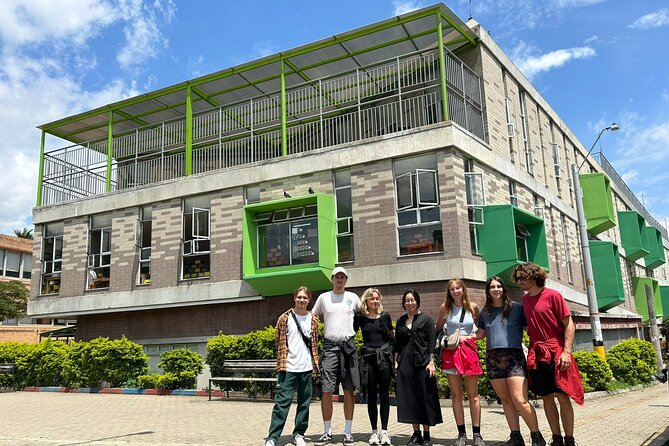
At $35 per person, this is priced as an accessible half-day experience rather than a luxury outing. You are paying for a bilingual professional guide, a local community leader, a three-and-a-half-hour route, and a snack. More important, the fee supports an experience built around local participation rather than a quick pass through a neighborhood.
The value is strongest if you want context. A conventional sightseeing tour may give you more famous sights for the same amount of time, but it is unlikely to spend serious time on Colombia’s welfare system, education, housing policy, and the social meaning of football.
The price is less compelling if you mainly want colorful streets, shopping, or a short photo walk. Moravia is presented through its people and political history, so the return comes from listening and learning.
A small group also matters here. With a maximum of eight, you can ask questions without shouting across a crowd. The local ambassador’s story is easier to follow, and the discussion can feel more personal.
How this compares with a Comuna 13 outing
The tour itself is often described as an alternative to the more familiar Comuna 13 experience. That comparison is useful, but the two should not be treated as interchangeable.
Comuna 13 is widely associated with public art, escalators, and a highly developed sightseeing route. Moravia offers a less polished and more socially focused experience. You come for the history of settlement, resistance, public policy, and community building.
If you have already seen Comuna 13, Moravia can add a more complicated view of Medellín’s change. If you have not, you should decide what kind of first experience you want. Choose this walk if you want personal stories and social context. Choose a more visual neighborhood tour if you want murals and city views to lead the day.
The strongest part of Moravia is its honesty. The experience does not treat redevelopment as a clean victory. It also does not reduce the community to hardship. You get both struggle and creativity.
Practical points before you book
Wear comfortable shoes and expect a substantial amount of walking, with some seated discussions along the way. The schedule includes several stops, but the experience is not a fast march from one attraction to another.
The meeting point is at Estación Metro Caribe, near public transportation. You must arrange your own transport there and back. The activity ends where it begins, which simplifies the return trip.
Confirmation is provided at booking. Service animals are allowed, and the activity information says most people can participate. The maximum group size is eight.
Free cancellation is available if you cancel at least 24 hours before the local start time. Cancellations or changes made less than 24 hours before the start are not accepted for a refund.
The tour is offered by Real City Tours. The provided information does not list a required fitness level, detailed accessibility features, or a weather policy, so ask the operator if any of those points matter for you.
Who will get the most from this walk
I would choose this tour if you want to understand Medellín beyond its most famous images. It suits you if you enjoy local history, community stories, social questions, and walking at a thoughtful pace.
It is also a strong choice if you value firsthand testimony. Gladys’s connection to Moravia gives the tour an emotional center, while Toto helps explain the wider political and social setting.
You may want a different activity if you prefer a relaxed sightseeing loop with little discussion of poverty, displacement, or public policy. The walk includes difficult subjects, and its purpose is to help you face them rather than gloss over them.
Families, older visitors, or anyone with mobility concerns should check the route details directly with the operator before booking. The information says most participants can take part, but it does not give enough detail to promise that every section will suit every mobility level.
Should you book the Comuna 4 Walking Tour?
Book it if you want the human side of Medellín’s transformation, especially the parts that official success stories leave out. The combination of Toto’s clear explanations, Gladys’s lived connection to Moravia, and the small group format gives the walk unusual depth for $35.
Skip it if you are searching for a quick highlight reel or a mural-heavy photo stop. This is a serious, grounded visit to a neighborhood still facing pressure, but it also shows humor, football, local food, organizing, and hope.
For an honest look at how people build a community from difficult beginnings, this is one of the more useful walks you can take in Medellín.
FAQ
Where does the Comuna 4 Walking Tour begin?
It begins at the Barrio Transformation Tour meeting point on Avenida Regional near Calle 78, at Estación Metro Caribe in Castilla, Medellín.
Where does the tour end?
The activity ends back at the original meeting point.
How long does the tour last?
The tour lasts approximately three hours and 30 minutes.
How much does the tour cost?
The listed price is $35 per person.
What is included in the price?
The price includes a local community leader, a professional bilingual tour guide, and a snack.
How large is the group?
The tour has a maximum of eight participants.
Just added around Medellin
- Private Coffee Tour in Jardín Antioquia★ 5.0 · 41 reviews
- Private transfer service from or to Medellín Airport★ 4.0 · 93 reviews
- Medellín: Pablo Escobar Tour with Guide and Transportation★ 4.1 · 71 reviews
- Medellin: Private 3-Hour Pablo Escobar Tour★ 4.8 · 37 reviews
- Medellin: Party Bus with DJ & Street Food Tastings★ 4.5 · 112 reviews
- Pablo and the drug trafficking world★ 5.0 · 129 reviews
- Medellín: Private Comuna 13 Street Art Tour★ 4.8 · 88 reviews
- Medellin: tasting Street Food with Rooftops of El Poblado★ 4.4 · 61 reviews
Walking Tours, compared.
Historic Center and Getsemaní Shared Walking Tour
Read our review →
La Paz and El Alto: Cable Car Rides and Walking Tour
Read our review →
Punta Arenas: Walk with Penguins on Magdalena & Marta Island
Read our review →
Browse the lists this tour appears in