
Reviewed · AMAZON RAINFOREST TOURS
3 Days Amazon Jungle Adventure Tour
The best part of this Amazon trip is the change of pace. Within hours of leaving Manaus, you are moving by speedboat, car, and motorized canoe toward a basic jungle lodge, then slipping into narrow creeks where piranhas, caimans, monkeys, and birds may appear. Piranha fishing and the night canoe ride give you the most memorable first taste of the forest.
I like two things here. First, your guide handles the outings, so you can focus on the river, forest sounds, and dark water instead of planning every move. Second, the mix is sensible: a medicinal-plant walk and a Caboclo farm visit add context to the wildlife activities. The catch is that the lodge is rustic, food choices can be repetitive, and some guests find the free time too long.
Key points to know before booking
- The journey takes most of the first morning: Speedboat, road transfer, and motorized canoe together lead from Manaus to the lodge.
- Wildlife sightings are possible, not guaranteed: Caimans, monkeys, birds, and other animals may appear, especially on the night outing.
- The jungle walk lasts about 2.5 hours: Bring light, long clothing, insect repellent, water, and shoes suited to heat and uneven ground.
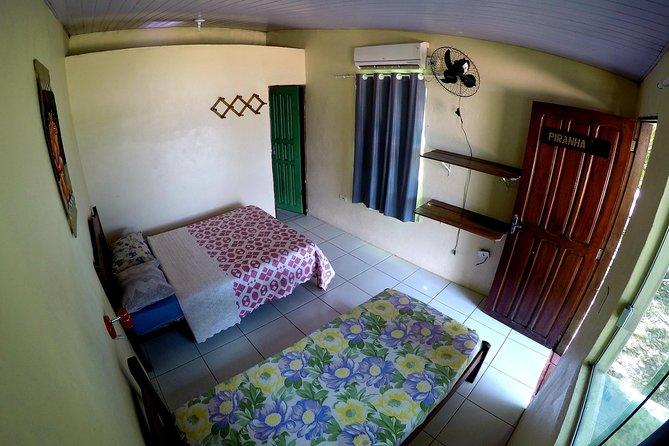
- The lodge is basic rather than polished: Rooms may have air conditioning if that option is selected, but cleanliness, showers, toilets, and cooling have drawn mixed feedback.
- The final day is activity-heavy but transport-heavy too: A sunrise trip and local farm visit are followed by several hours returning to Manaus.
- Optional activities can change the value: Extra outings, including swimming with dolphins or an overnight jungle stay, may be available at added cost.
From Manaus to the Rio Negro lodge
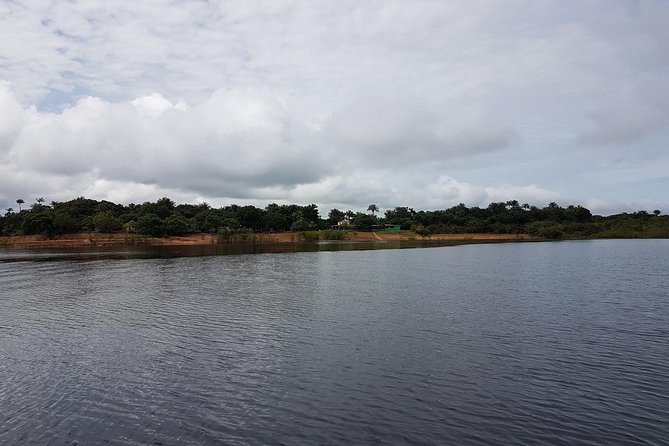
The day begins with pickup from your Manaus hotel at about 9 a.m. You first cross the Rio Negro by regular speedboat to Cacau Pirera, a ride of roughly 30 minutes. From there, a car takes you to Paricatuba in about 50 minutes, followed by a motorized canoe journey to the lodge.
On paper, this transfer sounds like simple transport. In practice, it is part of the experience. You watch Manaus give way to river settlements, forest, and smaller waterways. The full route can take about five hours, depending on conditions and connections, so do not schedule an important afternoon appointment in the city.
Low water can affect the transfer. One serious complaint involved passengers being told at the last minute to reduce their luggage because of river conditions and limited vehicle space. I would confirm the baggage plan before pickup and keep essentials in a small, easy-to-carry bag. A separate hotel stay may be needed to store larger luggage, depending on the operator’s arrangements.
The group size is capped at 10 people, which is useful on narrow canoes and guided walks. It also means that the quality of your outing depends in part on communication within the group and on the guide assigned to you. Guides named in positive feedback include Fabio and Joseph, both praised for clear English and strong local knowledge. Eduardo is mentioned for handling arrangements and last-minute changes.
More Amazon Tours in Brazil
- From Manaus: One-Day Amazon Jungle Experience
★ 4.8 · 408 reviews - Manaus: Full-Day Tour on the Amazon River
★ 4.2 · 362 reviews - Amazing Waterfalls of the Amazon – Presidente Figueiredo
★ 4.5 · 141 reviews
Arrival, lunch, and the first canoe outing
You should reach the lodge around noon for lunch. Meals are included, along with bottled water and two nights of accommodation. Drinks beyond the supplied water are not included, so plan for that extra cost.
The first afternoon gets you onto the small waterways. You travel by canoe through narrow creeks and try to catch piranhas. This is not a polished fishing excursion with fancy equipment. It is a hands-on jungle activity, and part of the fun comes from seeing how the guide handles the bait and explains the river.
Piranha fishing can be modest if you are expecting a large catch. It becomes more enjoyable when paired with the surroundings: still water, thick forest, changing light, and the chance to swim later in the dark tea-colored Rio Negro. The water itself is a memorable feature, though swimming depends on the guide and conditions.
After dark, you take a nocturnal canoe ride to look for caimans and other wildlife. The guide may use a light to spot reflective eyes along the banks. This outing has received especially strong praise because the forest feels completely different at night. You may see caimans, but wildlife sightings are never guaranteed.
Dinner follows, then you return to the lodge. The cabins are intended as a base for outdoor activities, not as a luxury retreat. Some rooms have air conditioning if you select that option, but reports describe cooling that may operate only at night or may not work reliably. Bring patience, and do not book this trip expecting a resort.
The 2.5-hour forest walk
Day two starts with breakfast and an educational walk of about two and a half hours. This is the most useful activity for understanding the forest beyond its scenery. Your guide points out medicinal plants, trees, vines, and other signs of how people use and read the forest.
The walking route is described as higher ground with larger trees and dense plant life. Conditions can be hot, humid, and wet, with mosquitoes and uneven ground. I would wear light long sleeves and trousers, use strong insect repellent, and carry only what you need.
The value of this walk depends heavily on the guide’s ability to explain what you are seeing. Fabio received repeated praise for his ability to identify places and explain the forest without relying on a map. If your guide speaks limited English, ask early for explanations and make sure you understand the timing of the day’s activities.
Do not expect a fast hike or a wildlife checklist. The forest walk is about plants, trees, sounds, and survival knowledge. You might see insects, birds, monkeys, or other animals, but the main reward is learning how the forest works.
After the walk, you return to the lodge for lunch. Food is described as simple, fresh, and plentiful by some guests, while others found the menu repetitive. Rice, pasta, eggs, bread, and a basic protein may form much of the menu. Vegetarian food is available if requested when booking, but one vegetarian account found the choices limited. If you are fussy about food, pack sensible snacks.
Paddling through igarapés and igapós
The afternoon outing uses a paddle canoe on small channels called igarapés or flooded forest areas called igapós. The exact route depends on the season and water level.
This is a quieter activity than the motorized canoe trips. You hear paddles, insects, birds, and the movement of the water. When water levels are low, the route may involve more walking or may be changed to suit conditions. One dry-season account described long walks in intense heat because channels and lakes had shrunk.
You should see this flexibility as part of river travel, but also as a reason to ask about seasonal conditions before you go. High water can open flooded forest channels. Low water may expose more ground and alter the canoe route. Neither season guarantees better wildlife, but each changes how you move through the forest.
Back at the lodge, you may have time in a hammock or by the swimming area. Some people love this slower rhythm. Others found the gaps between activities too long and felt there was little to do. Bring a book, cards, or a small offline activity. There is no promise of Wi-Fi, and the point of the setting is to get away from normal city routines.
More Amazon Tours in Manaus:
- Amazon Negro River Half-Day Expedition Tour
★ 4.5 · 124 reviews - 4 Days Amazon Jungle Adventure Tour
★ 4.0 · 117 reviews - Amazon Jungle Experience with Overnight
★ 5.0 · 85 reviews - Amazon Safari from Manaus
★ 4.5 · 67 reviews
Sunrise, Caboclo life, and the long ride home
The third day begins early with a sunrise outing. Morning is often the best time for bird watching, cooler air, and softer light on the water. The schedule then includes breakfast and a visit to a local Caboclo family.
This visit focuses on traditional life and farming methods, including local crops such as manioc and the use of tropical fruit trees. It is best understood as a visit to a rural family and farm, not a guaranteed tribal ceremony. Some descriptions of this stop have led people to expect songs, rituals, or a formal Indigenous village encounter. That is not what this itinerary promises.
The local visit can be worthwhile because it connects the forest to daily life. You see how people farm, use the river, and adapt to seasonal conditions. The quality of the encounter may vary, so keep your expectations respectful and practical.
Afterward, you return to the lodge for lunch and free time. You may be able to swim in the tea-colored Rio Negro, relax in a hammock, or enjoy the last hours of the setting. Then the return journey begins, with arrival in Manaus expected around 5 p.m.
That makes day three less leisurely than it first appears. You spend a large part of the day in transit, and one poor experience involved passengers accompanying other groups on activities they had already completed before returning to the city. Ask exactly how the third-day schedule works, especially if you are considering extra activities or a longer stay.
What the basic lodge is really like
The lodging is clean and comfortable enough for some people, but it is not consistent enough to promise a trouble-free stay. Positive accounts describe comfortable cabins, kind staff, and a pleasant lounge. Critical accounts report dirty rooms, unreliable toilets, cold or limited showers, missing towels, old bedding, and air conditioning that did not work as expected.
This range matters. A simple room with a working fan or air conditioner may feel perfectly acceptable after a hot canoe trip. A dirty bathroom or poor cooling can make the same room feel hard to tolerate. The accommodation is part of the bargain, so you should decide how much comfort you need before paying.
The food follows the same pattern. It is generally described as uncomplicated Brazilian-style lodge food, with rice, pasta, eggs, bread, and a main protein. Several people found it good and filling. Others found lunch and dinner too similar across the three days.
Bring insect repellent, sunscreen, a swimsuit, light long clothing, comfortable walking shoes, and a small flashlight if you have one. Pack toiletries and a towel rather than assuming the lodge will provide everything. Keep cash and valuables secure, and avoid leaving money in your room.
Is $360 a fair price?
At $360 per person, the trip includes two nights, meals listed in the program, bottled water, round-trip transport from Manaus, and guided activities. That is a reasonable package if you value having the logistics arranged and want several Amazon experiences in a short visit.
The price is harder to justify if you expect a polished lodge, generous food choices, reliable air conditioning, or a full schedule from breakfast to bedtime. Optional experiences, such as swimming with dolphins or spending a night in the jungle, may cost extra. Some people found those additions made the trip feel much more worthwhile.
The strongest value comes from the combination of transport, guiding, canoe trips, the forest walk, local farm visit, and meals. You are not paying only for a room. You are paying to reach a remote setting without arranging several separate transfers.
The weak point is that the program can feel thin if conditions cancel or shorten an outing and you do not book extras. Ask what is included on your specific dates, what costs extra, and how low water might affect the route.
Who should book this Amazon trip?
I would recommend it to you if you have three days in Manaus, want a first taste of the Amazon, and accept basic conditions. It suits people who enjoy canoes, forest walks, warm weather, simple meals, and time away from screens.
It is also a good fit for families and couples who want a guided introduction rather than a demanding expedition. Moderate fitness is required, and children must be accompanied by an adult. The 2.5-hour walk, long transfer, heat, and canoe seating deserve attention if you have mobility concerns or dislike rough transport.
I would hesitate if you need spotless rooms, a varied menu, strong air conditioning, or a tightly packed schedule. I would also be cautious if you are booking mainly for an Indigenous ceremony, since the stated visit is to a Caboclo family and farm.
Book at least several weeks ahead if possible. This experience is booked on average about 46 days in advance, and the small group limit can make last-minute availability uncertain. Cancellation is free up to 24 hours before the start time. Poor weather may lead to a different date or a full refund.
Final call: a good first taste, with clear limits
Book this trip if the forest itself is your priority. The canoe rides, night caiman search, piranha fishing, medicinal-plant walk, and sunrise outing give you a real sample of Amazon life without requiring a week away.
Do not book it expecting luxury or constant action. Confirm luggage rules, air conditioning, meal options, extra activity prices, and the third-day transport plan before paying. With realistic expectations, this can be a memorable three-day introduction. If comfort matters as much as wildlife, compare it with a better-equipped lodge before choosing.
FAQ
How long does the Amazon Jungle Adventure Tour last?
The tour lasts approximately three days and includes two nights of accommodation.
Where does the tour begin?
Pickup begins from your hotel in Manaus, with departure from the Manaus port at about 9 a.m.
How do I reach the lodge?
You cross the Rio Negro by speedboat to Cacau Pirera, travel by car to Paricatuba, and then continue by motorized canoe to the lodge.
Are meals included?
Yes. Meals listed in the program are included, including breakfast, lunch, and dinner as scheduled. Drinks are not included.
Is bottled water included?
Yes. Bottled water is included.
Is air conditioning available?
Accommodation with air conditioning is available if that option is selected. Conditions at the lodge can vary, so confirm the room option when booking.
What activities are included?
The program includes piranha fishing, a night canoe outing, a jungle walk, a paddling canoe trip, a sunrise outing, and a visit to a Caboclo family and farm.
Can I request vegetarian food?
Yes. A vegetarian option is available, but you should request it when booking.
How physically demanding is the tour?
A moderate level of physical fitness is recommended. The jungle walk lasts about 2.5 hours, and transfers may involve walking and changing between boats and vehicles.
What happens if bad weather cancels the tour?
If poor weather causes cancellation, you are offered a different date or a full refund. You can also cancel for a full refund up to 24 hours before the experience begins.
More 3-Day Trips in Manaus
- Tambopata Peruvian Amazon Jungle for Three Days/Two Nights
★ 4.5 · 329 reviews - San Pedro de Atacama: 3-Day Activity Combo with 4 Tours
★ 4.6 · 247 reviews - 3-Day Tour to Salt Flats and Lagoons
★ 4.5 · 168 reviews - From Uyuni: Red Lagoon & Uyuni Salt Flats 3-Day Guided Tour
★ 4.4 · 160 reviews
Just added around Manaus
- Manaus: Meeting of the Waters & Pink Dolphin Tour with Lunch★ 3.9 · 37 reviews
- Manaus to Santarém: 36-Hour Ferry on the Amazon★ 3.9 · 55 reviews
- Manaus: 2-Day River Tour With Overnight Stay★ 4.7 · 53 reviews
- Manaus to Belem 5-Day Local Boat Trip★ 3.4 · 46 reviews
- Belém: Half-Day Furos Boat Tour & Riverside Community Visit★ 4.8 · 51 reviews
- Manaus: Piranha Fishing and Alligator Watch Evening Tour★ 4.5 · 57 reviews
- Manaus: Multi-Day Amazon Trip at Tapiri Floating Lodge★ 4.7 · 38 reviews
- Amazon Negro River Half-Day Expedition Tour★ 4.5 · 124 reviews
Amazon Rainforest Tours, compared.
Jungle Waterfalls and Cachaça Distillery Jeep Tour
Read our review →
Tambopata Peruvian Amazon Jungle for Three Days/Two Nights
Read our review →
Puerto Maldonado: 4-Day Tambopata Rainforest Tour
Read our review →
Iguazu Falls: Argentinian Side with Boat Ride, Jungle-truck and Train
Read our review →
Browse the lists this tour appears in