
Reviewed · MACHU PICCHU TOURS
Salkantay Trek To Machu Picchu 5 Days And 4 Nights
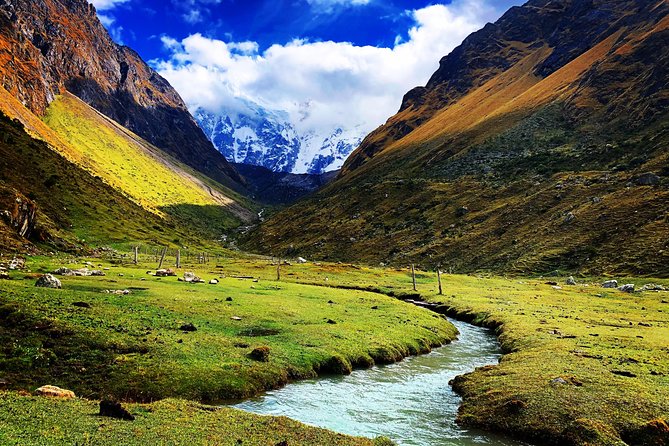
The best part of this five-day Salkantay Trek is the changing scenery. You start beside glacial peaks and turquoise Humantay Lake, cross a 15,252-foot mountain pass, then walk through warmer rainforest, coffee country, and finally toward Machu Picchu. It feels like a real journey, not simply a way to reach the ruins.
I like two things right away: the support system is unusually complete, with cooks, horses, tents, mattresses, a toilet tent, medical supplies, and an emergency horse; and the trip includes meaningful stops beyond Machu Picchu, especially the coffee plantation and Llactapata viewpoint. The main caution is altitude and effort. The first two days are demanding, and you should arrive in Cusco acclimatized and reasonably fit.
- Humantay Lake at 12,467 feet: A short but steep opening hike leads to one of the trek’s most memorable views.
- Salkantay Pass at 15,252 feet: This is the highest and toughest point, with an Inca offering and mountain views.
- A real camp support team: Horses carry shared equipment and 8 kilograms of your belongings, while cooks prepare full meals.
- Coffee at Lucmabamba: A local plantation visit adds a hands-on taste of the warmer valleys.
- Llactapata before Machu Picchu: You get a distant first view of the citadel before descending to the train.
- Small-group guidance: The maximum group size is 16, with bilingual guides and hands-on help along the route.
From Glacial Water to the Salkantay Pass
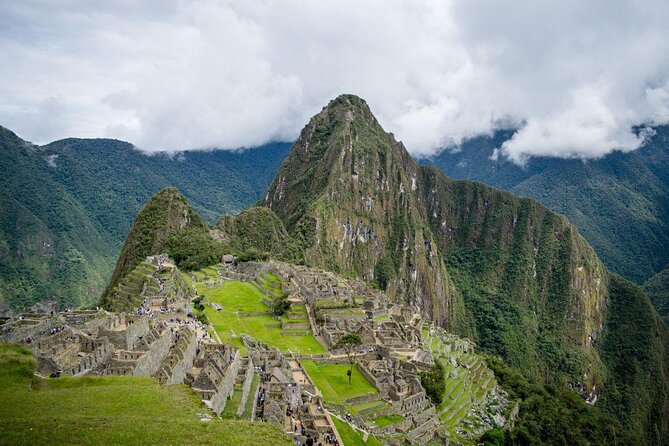
This route works because it gives you several very different parts of the Andes in one trip. Day one begins with an early pickup in Cusco, followed by a roughly three-hour drive to Mollepata. You stop for breakfast at a local home, then continue for about one hour and 45 minutes to Soraypampa, the trailhead at 12,467 feet.
At Soraypampa, the support crew loads the shared gear onto horses. You carry only a daypack, while a horse carries up to 8 kilograms of your personal belongings in the provided duffle bag. That is a major practical advantage. A five-day hike is much more pleasant when you are not hauling a full camping pack uphill.
The first walk is an approximately two-hour round trip to Humantay Lake. The lake sits below Humantay Mountain, and the high setting gives the stop its drama. The hike is not long, but the altitude makes it feel harder than the distance suggests. Take your time, drink water, and do not treat this as a warm-up stroll.
The full first day lasts about six hours. You return from the lake and continue toward camp, though the exact camping arrangements are best confirmed at the pre-departure briefing. That briefing takes place at your hotel one or two days before the trek, and it is the right moment to check departure time, gear rental, baggage limits, and the next morning’s plan.
The Hardest Day: 15,252 Feet at Salkantay Pass
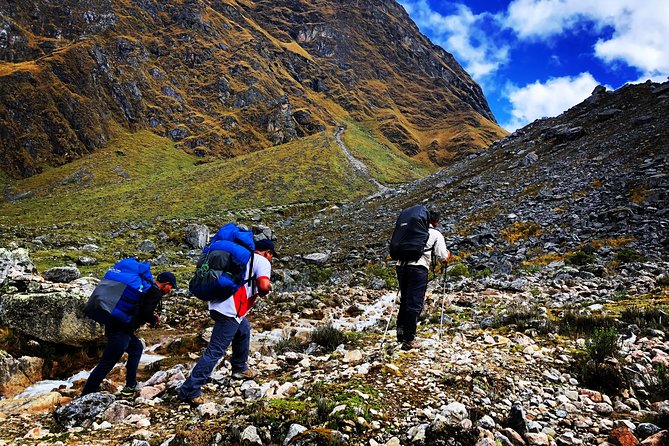
Day two is the physical test. After breakfast, you climb for about an hour to Salkantay Pass, the highest point of the route at 15,252 feet. At the pass, your guide explains the Inca meaning of the mountain and leads an offering to Salkantay. This gives the climb a cultural purpose rather than making it just a race to the top.
The view is the payoff, but the altitude is the serious issue. At this height, even a moderate incline can leave you short of breath. You will do better by walking slowly and keeping a steady rhythm. If you have only just arrived in Cusco, this route may be too aggressive. Plan extra time in the region before the trek if possible, and use the pre-trip meeting to discuss how you are feeling.
From the pass, the trail drops for about two hours to Huayrac, where lunch is served. The day then continues downhill for another four hours to Colpapampa, at about 10,170 feet. Descending sounds easy, but long downhills can be hard on knees and ankles. Trekking poles are not included, but they are recommended and can be rented.
The tour supplies an emergency horse, oxygen, and a medical kit. Those provisions are reassuring, but they do not make the altitude harmless. The best safety plan is still preparation, hydration, a measured pace, and telling the guide early if you feel unwell.
More Hiking Tours in Machu Picchu
- Salkantay Trek Challenge – 3 Days / 2 Nights
★ 5.0 · 101 reviews - Choquequirao Trek 4 days and 3 nights
★ 5.0 · 81 reviews - Machu Picchu: 5-Day Salkantay Trek with Panoramic Train
★ 5.0 · 79 reviews
Rainforest, Waterfalls, and Coffee at Lucmabamba
Day three gives your legs a break from the steepest work. You hike for about six hours along gentle ups and downs, following the Santa Teresa River through rainforest. The setting changes quickly from high, cold mountain terrain to warmer, greener country.
A waterfall along the route is singled out as one of the prettiest on the trek. This section is less punishing than the pass day, but it is still a full day on foot. Expect mud or wet conditions if the weather turns, and pack a rain jacket where you can reach it quickly.
You reach Lucmabamba around noon, have lunch, and then visit the coffee plantation beside camp. This is one of the trip’s smartest additions. It connects the scenery to local work and gives you something to do besides set up a tent and wait for dinner. The plantation visit is also a useful reminder that this route is not just a high-altitude hike. It links mountain communities with the warmer agricultural valleys below.
The meal service is a strong part of the setup. An expert chef and assistant chef prepare breakfast, lunch, and dinner, with four lunches and four dinners included during the trek, plus five breakfasts. Past descriptions of the food highlight three-course meals and care with dietary needs, although you should state any requirements before departure rather than assume they can be handled at the last minute.
Llactapata Gives You the First View of Machu Picchu
Day four begins early with breakfast and a moderate climb through rainforest. The ascent to Llactapata takes about three and a half hours and reaches roughly 8,856 feet. The ruins are important, but the location is what makes this stop special: from here, you get your first distant view of Machu Picchu.
Do not expect the same close-up sight you will have on day five. Llactapata offers anticipation, a wider setting, and a chance to understand how the surrounding mountains frame the famous site. Your guide gives a detailed tour of the ruins before you continue.
The descent to Hidroelectrica takes about two and a half hours. You have lunch there, then board the train at 3 p.m. for Aguas Calientes. This is a welcome change after four days of walking, though the fixed train schedule means you cannot simply linger as long as you wish at Llactapata.
In Aguas Calientes, you check into a hotel with double occupancy and eat dinner at a restaurant. The hotel night matters. After several nights in camp, you get a bed, a shower, and a more settled evening before the Machu Picchu visit. Solo participants should ask how room matching is handled, since the included lodging is based on double occupancy.
Machu Picchu and the Return to Cusco
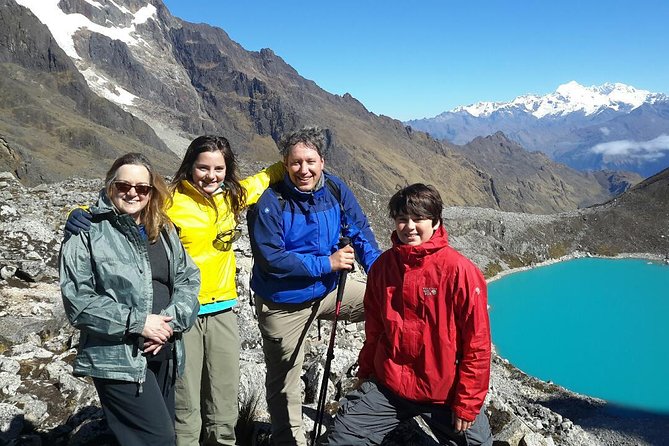
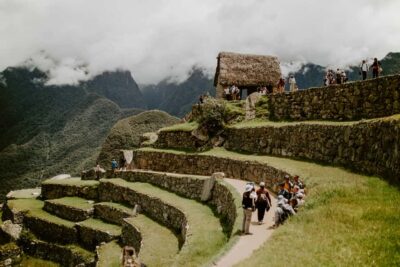
On day five, you have breakfast at the hotel and take the bus up to Machu Picchu. The package includes a two-hour guided walk through the site. That guide is valuable here because the ruins can feel like a maze of walls and terraces without context. A good guide also helps you use your limited visiting time well.
Huayna Picchu is not included. If you have separately elected to climb it, the hike begins at 10 a.m. If not, you have some free time at Machu Picchu before returning to Aguas Calientes. Check the details of your Machu Picchu entry and any mountain permit carefully before the trip, since the additional climb is a separate choice and cost.
The return journey uses the expedition train from Aguas Calientes to either Ollantaytambo or Poroy, followed by private transport to Cusco. The trip ends with a long transfer, not another night at the ruins, so keep your final evening flexible.
One omission is important: the round-trip bus ticket to Machu Picchu is not included. Day five lunch in Aguas Calientes is also your responsibility. Sleeping bags, hiking poles, tips, and personal extras are separate costs. These are not major surprises, but they affect the real budget.
More Hiking Tours in Peru
- Ancascocha Trek To Machu Picchu 4 Days And 3 Nights
★ 5.0 · 77 reviews - 4 Day Inca Trail Trek to Machu Picchu Multi day tour
★ 5.0 · 70 reviews - Salkantay Trek 4 Days to Machu Picchu by Glamping Sky Lodge Dome
★ 5.0 · 68 reviews - 2 Day Hiking Short Inca Trail to Machu Picchu
★ 5.0 · 66 reviews
What the $690 Price Covers
At $690 per person, the value depends on how much support you want. You are not paying only for a guide and a campsite. The price includes pickup, transport to the trailhead, bilingual guiding, four-person tents shared by two people, mattresses, pillows, kitchen and dining tents, a portable toilet tent, cooks, horses, a duffle bag, hot washing water, drinking water, medical equipment, oxygen, the coffee visit, the Aguas Calientes hotel, meals, the Machu Picchu train, and private transport back toward Cusco.
Buying those services separately would be difficult and time-consuming. The horse support is especially useful, and the cooking team saves you from carrying food or preparing meals after a long day. The trip also removes much of the route planning, train coordination, and camp setup.
Still, the price is not all-inclusive in the usual resort sense. Budget for a sleeping bag if you do not bring one, trekking poles if you want them, Machu Picchu bus tickets, day five lunch, and crew tips. A sleeping bag can be rented from the operator, which is convenient, but confirm the current rental charge before you go.
The small-group limit is 16 people. That is large enough for a social camp but small enough for guides to keep an eye on the group. Several guides associated with this operation include Christian, Eddie or Edy, Hipo, and Dario, but guide assignments can change. Christian is especially noted for his interest in Peruvian wildlife, plants, and history, while Eddie has been praised for cultural ceremonies and group support. Confirm who will lead your departure during the briefing.
The Camping Setup and What to Pack
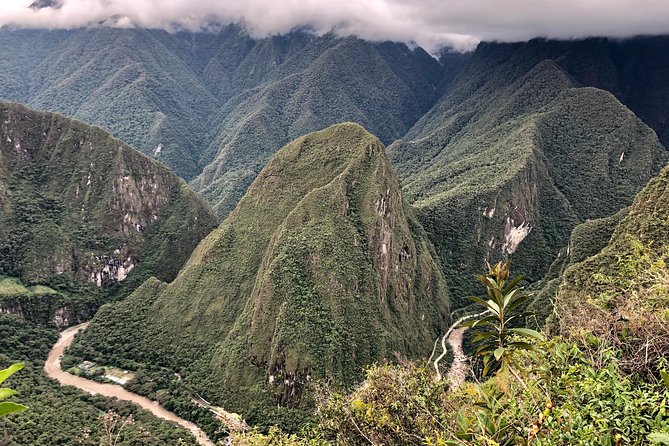
You sleep in four-person tents shared by two people. Mattresses and pillows are supplied, along with a dining tent, tables, chairs, and a portable toilet tent. Hot water for washing is provided, and the crew supplies boiled and cold water each morning for filling bottles.
Bring a down or synthetic sleeping bag unless you plan to rent one. Nights at altitude can be cold, and ordinary travel bedding is not enough. You also need trekking boots, warm layers, several shirts, socks, gloves, a sun hat, light trousers, warm underwear, a rain jacket, sunscreen, sunglasses, toiletries, toilet paper, wet wipes, a personal towel, insect repellent, and a headlamp.
A spare camera battery is a good idea because cold and high altitude can drain batteries faster. Binoculars are optional, but the packing list suggests them. You may also have quiet time at camp, so a small book is sensible.
Bring your original passport. If you obtained a new passport after booking, bring both the old and new documents. Service animals are allowed, though a five-day high-altitude trek with camping and horses presents practical challenges that should be discussed with the operator before booking.
Who Will Enjoy This Trek Most
This is a good match for someone who wants Machu Picchu as part of a longer physical journey. You need moderate fitness, but the pass and the long downhill sections push the trip beyond a casual sightseeing tour. The route rewards you with more varied scenery than a direct rail visit, but it asks for early starts, basic camping, and several hours of walking each day.
It also suits you if you value support. The guide, chef, assistant chef, horse team, emergency horse, tents, meals, and train make the route manageable without turning it into a fully independent expedition. The trip is less suitable if you dislike altitude, cannot handle steep descents, or want private rooms and flexible schedules every night.
The operator has a strong 5-star score from 44 ratings, and the most repeated praise centers on guide care, excellent meals, good organization, and the quality of the camp equipment. That matches the practical structure of the trip: the human support and food are not afterthoughts. They are central to making a demanding route work.
Should You Book the Salkantay Trek?
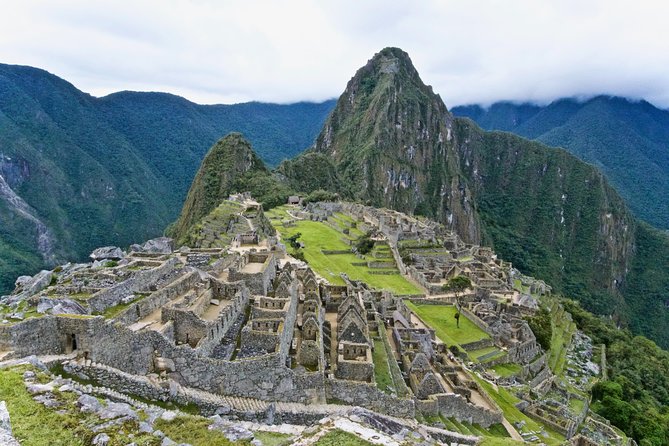
Book it if you want a serious but well-supported approach to Machu Picchu, and if Humantay Lake, Salkantay Pass, rainforest, coffee, and Llactapata sound as appealing as the ruins themselves. The $690 price is fair for the amount of transport, equipment, food, staff, and logistics included.
Before paying, make three checks. Confirm your guide and exact pickup details, ask about sleeping bag and bus ticket costs, and be honest about your altitude fitness. If you can prepare properly and accept two hard opening days, this trek offers a broad and satisfying view of the Andes rather than a quick photo stop at Machu Picchu.
FAQ
How long is the Salkantay Trek to Machu Picchu?
The experience lasts five days and four nights, beginning with an early pickup in Cusco at about 4:30 a.m. on day one.
Is transportation from Cusco included?
Yes. Pickup and transportation to Soraypampa are included on day one. After Machu Picchu, the expedition train takes you to Ollantaytambo or Poroy, followed by private transport to Cusco.
Are meals included?
Breakfast is included five times, lunch four times, and dinner four times. Lunch on day five in Aguas Calientes is not included.
Is camping equipment provided?
Yes. The package includes tents, mattresses, pillows, a kitchen tent, a dining tent, tables, chairs, a portable toilet tent, hot washing water, and horse support. A sleeping bag is not included, but it can be rented.
Do I need to bring my passport?
Yes. Bring your original passport. If you received a new passport after booking, bring both the old and new passports.
What is not included in the $690 price?
The sleeping bag, hiking poles, tips for the crew, the round-trip bus ticket to Machu Picchu, and day five lunch are not included. The Huayna Picchu climb is also an additional option, not part of the package.
More 5-Day Trips in Machu Picchu
- Small Group 5 Days Salkantay and Machu Picchu by Llactapata Tour
★ 5.0 · 88 reviews - Classic Choquequirao Trek – 5 Days / 4 Nights
★ 5.0 · 52 reviews - Ultimate Lares Trek & Inca Trail 5 days
★ 5.0 · 47 reviews - Wonderful Cusco 5-Day Tour with Entrance to Machupicchu
★ 5.0 · 46 reviews
More Inca Trail Treks in Machu Picchu
- Cusco: 4-Day Inca Trail to Machu Picchu with Accommodation
★ 4.8 · 432 reviews - Cusco: Machu Picchu 2-Day Inca Trail with Panoramic Train
★ 4.9 · 260 reviews - From Cusco: 2-Day Inca Trail to Machu Picchu
★ 4.2 · 244 reviews - Machu Picchu: Inca Trail 2-Day Overnight Guided Tour
★ 4.9 · 203 reviews
Just added around Machu Picchu
- 10-Day Taste Peru Experience: Lima, Nasca, Cusco & Machu Picchu★ 5.0 · 63 reviews
- Machu picchu one day by train all included★ 4.5 · 53 reviews
- Wonderful Cusco 5-Day Tour with Entrance to Machupicchu★ 5.0 · 46 reviews
- A Day at Machu Picchu, Journey to the Heart of the Andes★ 5.0 · 55 reviews
- Tour to Machupicchu By Train Full-Day★ 4.5 · 56 reviews
- Tour To Machupicchu 2 Days by Train★ 5.0 · 64 reviews
- Machu Picchu 1 Day Tour from Cusco by Train★ 5.0 · 44 reviews
- 2-Day Tour: Sacred Valley & Machu Picchu – All Tickets Included★ 5.0 · 42 reviews
Machu Picchu Tours, compared.
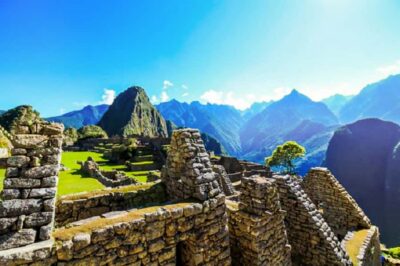
From Cusco: Full-Day Group Tour of Machu Picchu
Read our review →
Machu Picchu: Full-Day Tour from Cusco with Optional Lunch
Read our review →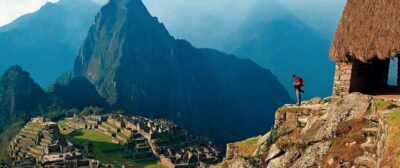
Cusco: 4-Day Inca Trail to Machu Picchu with Accommodation
Read our review →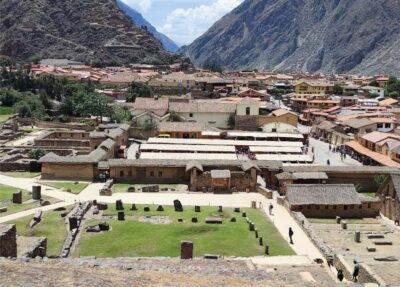
From Cusco: 2-Day Trip to the Sacred Valley and Machu Picchu
Read our review →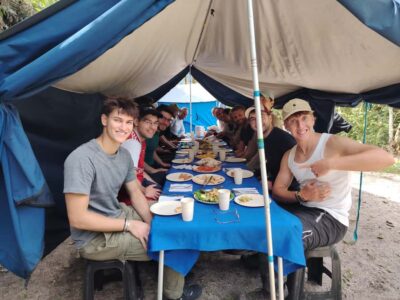
Cusco: Machu Picchu 2-Day Inca Trail with Panoramic Train
Read our review →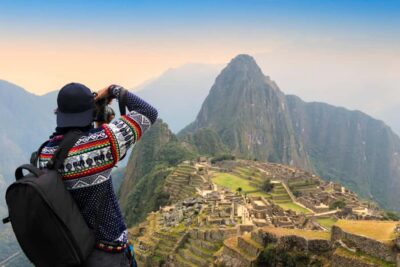
Machu Picchu: Inca Trail 2-Day Overnight Guided Tour
Read our review →Browse the lists this tour appears in