
Reviewed · MACHU PICCHU TOURS
Ancascocha Trek To Machu Picchu 4 Days And 3 Nights
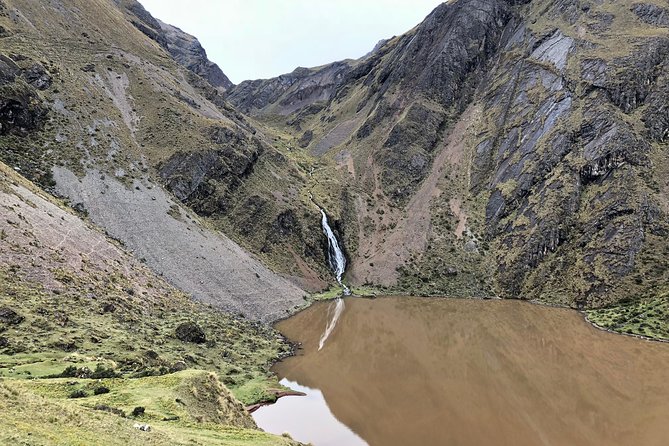
Ancascocha is the kind of Machu Picchu trek you choose when the famous Inca Trail feels too busy. The route begins near Cusco, climbs through remote Andean country, passes Perolniyoc ruins and a dramatic waterfall, then crosses the high Kuychiccasa Pass before bringing you to Machu Picchu.
I like the quiet route and the strong mix of scenery, from farmhouses and llamas to snow-covered peaks and high valleys. I also like that meals, camping equipment, national park fees, and a night in Aguas Calientes are included, which removes much of the usual planning work.
The catch is the altitude and effort. You reach 14,599 feet on a steep uphill section, and a maximum group size of 30 is not the same as a tiny private outing. You need strong fitness and proper preparation.
Key points to know before booking
- Perolniyoc waterfall and Inca ruins: The first day combines a powerful cascade with a cliff-top archaeological site and wide valley views.
- A 14,599-foot pass: Kuychiccasa is the trek’s big physical test, with steep climbing and thin mountain air.
- A quieter alternative: The Ancascocha route avoids the better-known Inca and Salkantay trails, so the setting feels more remote.
- Full camping support: Two nights of camping, camping equipment, meals, a local guide, and national park fees are included.
- Machu Picchu finish: The trek ends with a guided visit to the great Inca citadel, followed by one night at a bed-and-breakfast in Aguas Calientes.
Why Ancascocha is different from the usual Machu Picchu trek
Most people first hear about the Classic Inca Trail or the Salkantay route. Ancascocha offers another option: a high mountain crossing with fewer crowds and a more rural feel.
That does not mean the trail is easy. In fact, the high pass makes it a serious undertaking. But the reward is a day of wide views, rustic farmhouses, llamas, glacial peaks, and long stretches where the mountains take center stage.
You also get a useful mix of natural and human history. Perolniyoc is not just a quick photo stop. You walk to a waterfall lookout, continue to an Inca site perched above the valley, and hear about the ruins from your guide before having time to explore on your own.
The provider, Action Peru Treks, uses local guides and support staff. Names connected with the company include Lino and Lina, among others. If having a particular guide matters to you, ask who is assigned before booking rather than assuming a named guide will lead your departure.
More Hiking Tours in Machu Picchu
- Salkantay Trek Challenge – 3 Days / 2 Nights
★ 5.0 · 101 reviews - Choquequirao Trek 4 days and 3 nights
★ 5.0 · 81 reviews - Machu Picchu: 5-Day Salkantay Trek with Panoramic Train
★ 5.0 · 79 reviews
Day 1: From Cusco to Soqma and Perolniyoc
Your day starts with pickup at your hotel in Cusco. The drive to Soqma takes about one hour and 45 minutes, ending at roughly 10,512 feet.
That starting elevation matters. You are not beginning with a gentle warm-up at low altitude. From the first step, you are already hiking higher than many mountain towns, so acclimatization in Cusco is important.
The first hiking section lasts about two hours and leads to a lookout over Perolniyoc cascade. The waterfall is the day’s first big reward. The route gives you time to settle into the pace, but the elevation means you should keep your effort steady rather than race ahead.
After the waterfall, you hike for about 45 minutes to the Perolniyoc Inca site. The ruins sit on a cliff above the valley, giving you a clear sense of why the location mattered. Your guide explains the site’s background, then you have time to walk around and take in the setting.
I like this opening because it avoids the common problem of spending the first day simply walking from one campsite to another. You get a waterfall, an archaeological site, and a strong introduction to the surrounding mountains before the hardest climb begins.
Rayan lunch and the climb to Kuychiccasa
From Perolniyoc, the route climbs steeply for about an hour to Rayan, at 12,139 feet. This is where lunch is served.
Food is an important part of a demanding trek, and this trip includes breakfast, lunch, and dinner. The available information describes buffet-style lunch and dinner, with a cook preparing the meals. Previous trips with this operator have been especially praised for the food and for campsites being ready on arrival.
You should still carry water and personal snacks unless you have confirmed exactly what is supplied each day. Alcoholic drinks are not included, though they may be available for purchase.
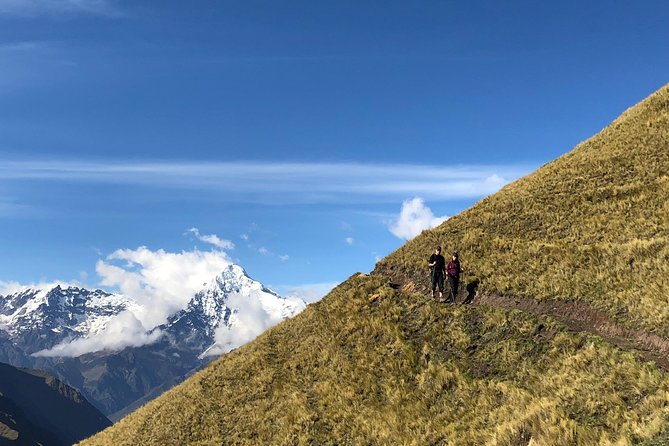
After lunch comes the day’s hardest section: roughly three hours of uphill hiking to Kuychiccasa Pass. At 14,599 feet, this is not a casual viewpoint reached by a short walk. You pass rustic houses and see llamas along the route, while the views open toward snow-covered peaks.
The final approach can feel slow. At this height, even a moderate incline may require frequent pauses. That is normal, not a sign that you are failing. A good guide should help set a pace that lets the group reach the pass safely without turning the climb into a race.
At the top, you can stop and look across the Chancachuco Valley. The pass is the clearest reason to choose Ancascocha over a lower route, but it is also the clearest reason to train and acclimatize first.
The first camp in Chancachuco Valley
From Kuychiccasa, the trail drops for about 45 minutes to camp in the Chancachuco Valley, at approximately 14,147 feet.
That is still extremely high for sleeping. Warm clothing is essential, and you should expect cold conditions after sunset. The camp is prepared before you arrive, so you can change clothes and settle in rather than help assemble everything after a long day.
The first day combines around seven hours of hiking when the listed sections are added together, with a steep ascent and a high pass. Exact walking times can vary with group pace and conditions, but you should treat day one as a full mountain day.
This is where the trip’s support system matters. A guide, cooks, and staff handling camping equipment allow you to focus on walking. The tradeoff is that you are still sleeping outdoors at high altitude, not staying in a comfortable lodge.
More Hiking Tours in Peru
- 4 Day Inca Trail Trek to Machu Picchu Multi day tour
★ 5.0 · 70 reviews - Salkantay Trek 4 Days to Machu Picchu by Glamping Sky Lodge Dome
★ 5.0 · 68 reviews - 2 Day Hiking Short Inca Trail to Machu Picchu
★ 5.0 · 66 reviews - Classic Choquequirao Trek – 5 Days / 4 Nights
★ 5.0 · 52 reviews
Days 2 and 3: The remote route toward Machu Picchu
The supplied schedule gives the clearest detail for the opening day, while the trip itself covers four days and three nights. The following days continue the Ancascocha route toward Machu Picchu, with two nights of camping included before a night in Aguas Calientes.
That means you should request the full day-by-day schedule before paying, including daily distances, camp elevations, meal timing, and the exact point where you leave the trail for transport to Machu Picchu. These details matter on a high-altitude trek, especially if you are comparing this route with the Classic Inca Trail or Salkantay.
The central appeal remains the setting. You are hiking through high Andean country rather than following the most famous corridor to Machu Picchu. The scenery changes between alpine terrain, green fields, small villages, mountain valleys, and snow-covered peaks.
You should also expect a less polished route than the Classic Inca Trail. Ancascocha is marketed as an off-the-beaten-path option, so the paths may feel more rugged and the experience less predictable. That is part of the appeal, but it also demands flexibility.
The group limit is 30 people. That keeps the trip smaller than a large mass outing, but it does not guarantee an intimate group. Ask about the expected group size for your departure if personal attention is a major reason for booking.
Reaching Machu Picchu after the mountains
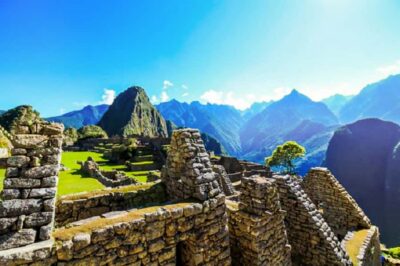
The trek finishes with a guided visit to Machu Picchu, one of the New7Wonders of the World and a UNESCO World Heritage Site.
This is a strong ending because you reach the ruins after several days of walking through the region rather than arriving only for a short day trip. Your guide can explain the Inca site and help connect the mountain route with the larger story of the citadel.
One night at a bed-and-breakfast in Aguas Calientes is included. That gives you a proper bed after the camping portion and makes the final part of the trip easier on your body.
The bus between Aguas Calientes and Machu Picchu is not included. You need to budget separately for the round-trip bus tickets unless you plan to walk the route and that option is available for your schedule. Confirm this before departure, since the bus is the standard practical choice for many people.
The exact timing of the guided visit should also be confirmed. The available details do not specify the entry time, train arrangements, or how long you spend inside the ruins. Those are important questions because your final day can involve several moving parts.
How difficult is the Ancascocha Trek?
The tour requires a strong level of physical fitness. That is not boilerplate here. You begin above 10,000 feet, climb to nearly 14,600 feet, and camp above 14,000 feet on the first night.
You should be comfortable with several hours of uphill walking, uneven ground, and back-to-back hiking days. The toughest section is the three-hour climb from Rayan to Kuychiccasa, but the altitude can make every part of the day feel harder.
Spend time in Cusco before the trek if your schedule allows. The provided information does not promise an acclimatization day, so do not treat the first morning as a test of willpower. If you have concerns about altitude or fitness, get medical advice before booking.
Pack warm layers, rain protection, sturdy hiking shoes, sun protection, water, and a small personal bag. Excess luggage charges may apply, and you should ask the operator about luggage limits and storage in Cusco.
What the $730 price includes
At $730 per person, this is not a cheap walk, but the price covers several costly and useful parts of a supported trek:
- Hotel pickup and drop-off
- Local guide
- Two nights of camping
- Camping equipment
- Breakfast, lunch, and dinner
- National park fees
- One night at a bed-and-breakfast in Aguas Calientes
- Guided visit to Machu Picchu
The value improves if you want a single company to organize the hard pieces. You are not separately arranging park access, camping support, meals, and the transition to Aguas Calientes.
Still, leave room in your budget for bus tickets, drinks, personal snacks, tips, and possible excess luggage charges. Alcoholic drinks are available to buy but are not included.
The price is most attractive for someone who values a quieter trail and full support. If your main goal is the lowest-cost way to see Machu Picchu, a shorter transport-based visit may cost less. If your goal is a demanding mountain experience with meals and camping handled for you, $730 is easier to justify.
Guide quality and group support
The guide can make a major difference on a route like this. You need clear pacing, practical help at high altitude, and explanations that bring the ruins and mountain communities into focus.
Action Peru Treks has been associated with guides including Lino, Lina, Edison, Christian, and Eddy. The strongest accounts tied to the company repeatedly praise the guides, cooks, horsemen, and porters for keeping camps organized and making the trek feel manageable.
Do not assume every name will be present on your departure. Ask for the assigned guide and the guide-to-participant ratio before booking. A maximum of 30 people is permitted, and the smaller the actual group, the more personal attention you are likely to receive.
The cooking support is another strong point. Meals are served buffet style, and the food has been a major part of the positive experience associated with the operator. At the same time, the included information does not specify menus, dietary accommodations, or how food allergies are handled, so raise those issues when booking.
Who should book this trek?
I would choose Ancascocha if you want:
- A quieter alternative to the Classic Inca Trail
- Big mountain views and a serious high-altitude challenge
- Waterfalls, Inca ruins, villages, llamas, and changing scenery
- Camping with meals and equipment organized
- A guided Machu Picchu visit at the end
- A small-group setting, provided the actual departure group is well below the 30-person limit
I would hesitate if you dislike camping, struggle with steep uphill walking, or have little time to prepare for altitude. This is not the best choice for someone seeking a relaxed sightseeing tour.
Children must be accompanied by an adult. Service animals are allowed, though the high-altitude terrain and camping conditions may make this unsuitable for many animals.
Free cancellation is available if you cancel at least 24 hours before the local start time. Cancellations inside that window are not refunded, and changes are not accepted within 24 hours.
Should you book the Ancascocha Trek?
Book it if you want Machu Picchu to be the reward at the end of a real mountain journey, not simply the main stop on a sightseeing day. The quiet route, Perolniyoc waterfall, cliff-top ruins, high pass, and organized camping give the trip a strong sense of place.
Before paying, confirm the full four-day schedule, expected group size, assigned guide, luggage arrangements, Machu Picchu entry timing, and transportation from Aguas Calientes. If you are fit, prepared for cold nights, and comfortable with a 14,599-foot climb, this is a strong choice for a less crowded route to Peru’s most famous archaeological site.
FAQ
How long is the Ancascocha Trek to Machu Picchu?
The experience lasts four days and three nights.
Where does the trek begin?
Pickup is provided from your hotel in Cusco, followed by a drive of about one hour and 45 minutes to Soqma, at approximately 10,512 feet.
What is the highest point on the trek?
The route reaches Kuychiccasa Pass at about 14,599 feet.
Are meals and camping equipment included?
Yes. The tour includes two nights of camping, camping equipment, breakfast, lunch, and dinner. Buffet-style lunch and dinner are specified.
Is a night in Aguas Calientes included?
Yes. One night at a bed-and-breakfast in Aguas Calientes is included.
Are the bus tickets from Aguas Calientes to Machu Picchu included?
No. Round-trip bus tickets between Aguas Calientes and Machu Picchu are not included and must be purchased separately.
More 4-Day Trips in Machu Picchu
- Cusco: 4-Day Inca Trail to Machu Picchu with Accommodation
★ 4.8 · 432 reviews - Cusco Sacred Valley and Machupicchu 4 Days
★ 5.0 · 80 reviews - Classic Inca Trail 4 Days to Machu Picchu
★ 5.0 · 69 reviews - 4 Day Inca Trail To Machu Picchu – Private Service
★ 5.0 · 68 reviews
Just added around Machu Picchu
- 10-Day Taste Peru Experience: Lima, Nasca, Cusco & Machu Picchu★ 5.0 · 63 reviews
- Wonderful Cusco 5-Day Tour with Entrance to Machupicchu★ 5.0 · 46 reviews
- Machu picchu one day by train all included★ 4.5 · 53 reviews
- A Day at Machu Picchu, Journey to the Heart of the Andes★ 5.0 · 55 reviews
- Tour to Machupicchu By Train Full-Day★ 4.5 · 56 reviews
- Tour To Machupicchu 2 Days by Train★ 5.0 · 64 reviews
- Machu Picchu 1 Day Tour from Cusco by Train★ 5.0 · 44 reviews
- 2-Day Tour: Sacred Valley & Machu Picchu – All Tickets Included★ 5.0 · 42 reviews
Machu Picchu Tours, compared.
From Cusco: Full-Day Group Tour of Machu Picchu
Read our review →
Machu Picchu: Full-Day Tour from Cusco with Optional Lunch
Read our review →
Cusco: 4-Day Inca Trail to Machu Picchu with Accommodation
Read our review →
From Cusco: 2-Day Trip to the Sacred Valley and Machu Picchu
Read our review →
Cusco: Machu Picchu 2-Day Inca Trail with Panoramic Train
Read our review →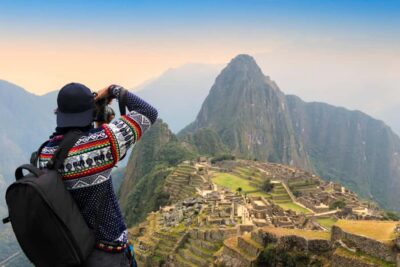
Machu Picchu: Inca Trail 2-Day Overnight Guided Tour
Read our review →Browse the lists this tour appears in