
Reviewed · MACHU PICCHU TOURS
4-Day Salkantay Trek to Machu Picchu
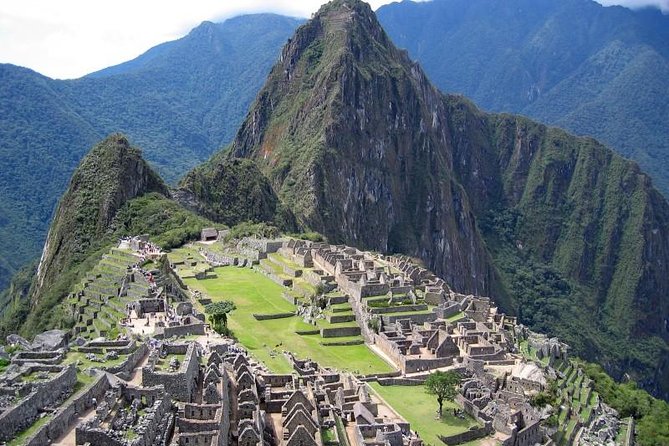
The real draw here is the sharp change in scenery: snowy Andean peaks, a turquoise mountain lake, high passes, waterfalls, tropical plants, and finally Machu Picchu. You trade the classic Inca Trail’s stone paths for a wilder route with big physical rewards.
I like the small groups, which average four people and never exceed 16, and I like the strong local guiding. Guides such as Percy, Junior, Francisco, and César have been praised for their humor, patience, English, and detailed explanations of Peruvian culture and geography. The cooks also serve local dishes, with vegetarian meals available.
The catch is the altitude and the long days. You reach 4,650 meters on Day 2, sleep at 3,920 meters on the coldest night, and cover as much as 24 kilometers in a day. This is not a casual walk to Machu Picchu, and several costs, including permits and optional services, sit outside the $810 price.
Key points to know before you book
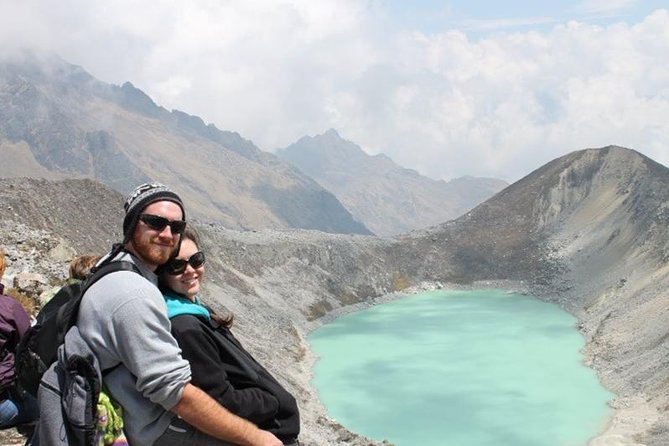
- Humantay Lake comes first: You visit the famous lake on Day 1, after a three-hour walk to the high campsite.
- The Salkantay Pass reaches 4,650 meters: This is the trek’s toughest and highest section, with horse rental available for 100 to 120 soles.
- You sleep in two different worlds: The trip includes one cold high-altitude camp and one three-star hotel night in warm Aguas Calientes.
- Small groups make a difference: The average group size is four, with a maximum of 16, giving guides room to adjust the pace.
- Your main luggage gets help: Mules and a horseman carry camping equipment plus 7 kilos per trekker.
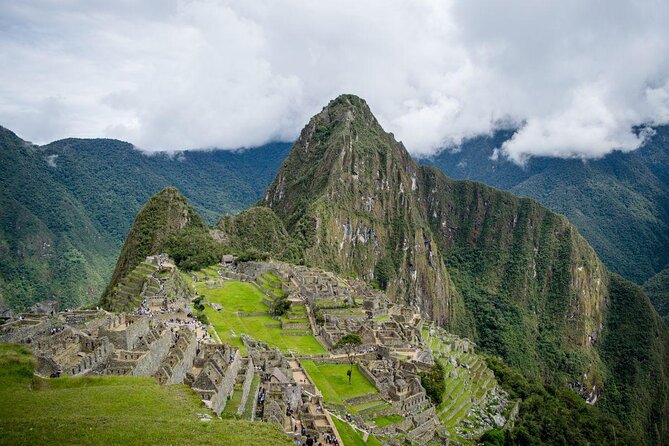
- Machu Picchu starts early: A 5:30 am bus gets you to the ruins for a two-hour guided visit before free time.
Why this four-day route works
This is a good choice if you want Machu Picchu to feel like the end of a journey rather than a quick day trip from Cusco. The route begins high in the Andes, crosses a stark mountain pass, then drops into warmer country before reaching Aguas Calientes.
I like that the route has real variety. Day 1 is all cold air, steep slopes, and snow-covered peaks. By Day 3, you are crossing rivers and seeing tropical plants. That change gives the trek a clear rhythm and keeps the scenery from becoming repetitive.
The price is $810 per person. That is a sizable outlay, but it covers a lot: transport from Cusco to the trailhead, three camping meals per day on most of the route, tents, sleeping pads, mule support, one hotel night, the Machu Picchu bus, the tourist train to Ollantaytambo, and the bus back to Cusco.
Still, you need to budget beyond that headline price. The Salkantay permit is listed at 133 soles, and the Machu Picchu fee at 48 soles. Bottled water, Day 1 breakfast, Day 4 lunch and dinner, tips, and an optional sleeping bag cost extra. Huayna Picchu and Machu Picchu Mountain each require a separate 200-sol ticket, and Huayna Picchu must be requested ahead of time.
More Hiking Tours in Machu Picchu
- Salkantay Trek Challenge – 3 Days / 2 Nights
★ 5.0 · 101 reviews - Choquequirao Trek 4 days and 3 nights
★ 5.0 · 81 reviews - Machu Picchu: 5-Day Salkantay Trek with Panoramic Train
★ 5.0 · 79 reviews
Day 1: Humantay Lake and a cold night at 3,920 meters
The day begins early, with pickup at 5:30 am. A tourist-class bus takes you from Cusco toward Mollepata at 2,900 meters, where you can stretch your legs and buy snacks. You then continue by car to Challacancha, check your gear, and begin walking.
The first main section takes about three hours and leads to Soraypampa, at 3,920 meters. Lunch comes with wide views toward the snowy mountains, which is a fine reward before the steep afternoon climb.
Humantay Lake requires about 1.5 hours each way. The path is short compared with later days, but the altitude makes it demanding. You are already high, and the climb is not a gentle warm-up. Take it slowly, drink regularly, and use the time to learn how your body handles the thin air.
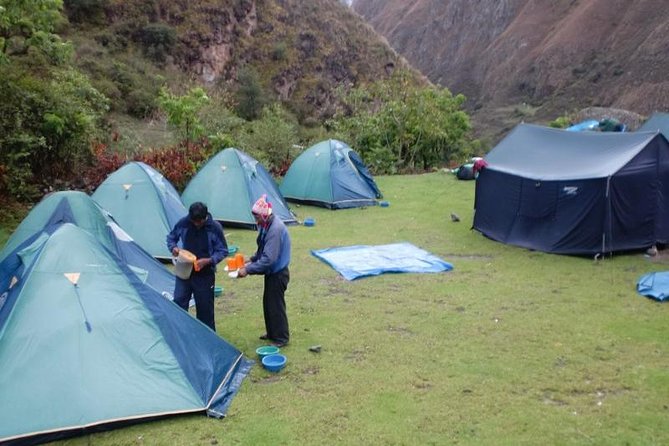
The lake is the day’s visual prize, with mountain scenery surrounding the water. You return to camp for dinner and an early night. This is the highest and coldest campsite of the trip, so warm layers matter. The provided sleeping setup includes a tent for two and a basic foam sleeping mat, but a sleeping bag rental is an extra $15 if you do not bring one.
One practical point: breakfast is not included on Day 1. Since pickup is before most hotel dining rooms open, arrange food in advance or buy snacks during the morning stop.
Day 2: The 4,650-meter Salkantay Pass
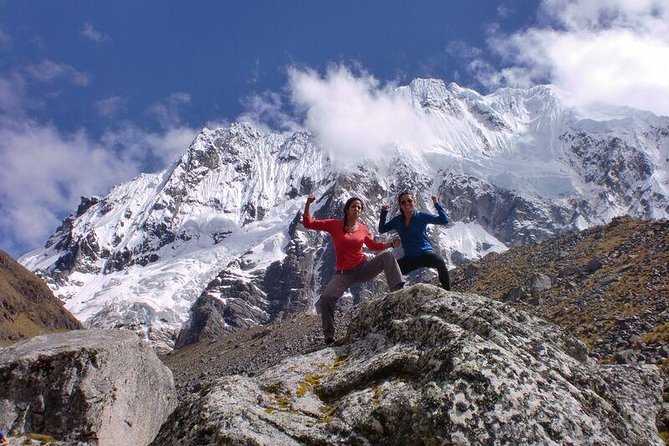
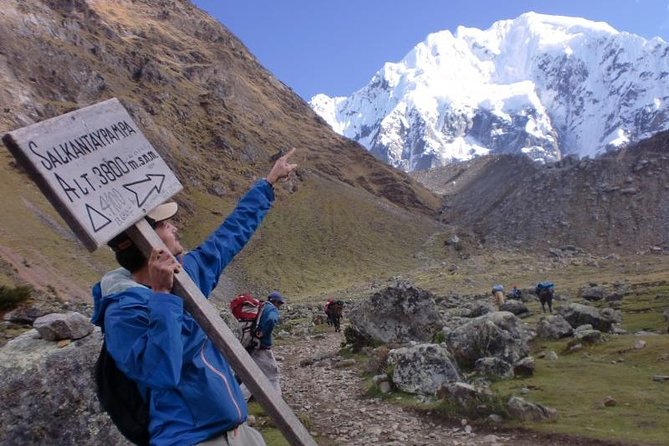
Day 2 is the hardest day for most people. Breakfast is around 6:00 am, followed by roughly four hours of uphill walking to the highest pass, at 4,650 meters.
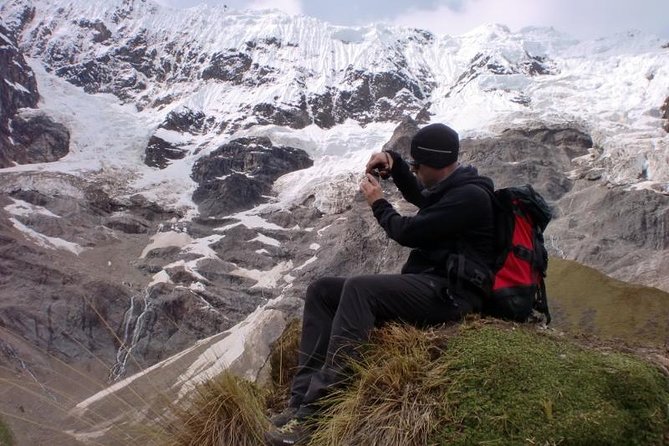
The pass sits between Salkantay Mountain and Humantay Mountain. Snow is possible, and the views reach across some of the most dramatic high country on the route. This is the moment when the trek feels truly remote and physically serious.
You can rent a horse to reach the pass for 100 to 120 soles. That option is worth considering if altitude affects you, your legs are tired, or you want to save strength for the long descent. It is not a sign of failure. This is a high pass, and sensible pacing is part of good trekking.
After the pass, you walk downhill for about two hours to Huayracpampa for lunch. The descent gives your lungs a break, though it can be tough on knees and ankles. After lunch, another three hours takes you toward Challhuay or Colcapampa, near the upper jungle region at about 2,900 meters.
The day covers about 22 kilometers and is listed as roughly nine to ten hours of walking and transfers. That is a long day, so keep your daypack light. Mules and a horseman carry cooking and camping equipment, along with 7 kilos for each trekker. The allowance includes 3 kilos for your sleeping bag and mattress and 4 kilos of personal items.
Day 3: From the high jungle to Aguas Calientes
Day 3 changes the tone of the trip. After breakfast at about 6:30 am, you walk through warmer country, cross the Santa Teresa River and smaller streams, and pass waterfalls, tropical fruit, and other plants.
Lunch is at La Playa, around 2,200 meters. From there, a car takes you to Santa Teresa at 1,700 meters, then another vehicle takes you to Hydroelectric Station. The driving is useful, since it cuts out part of the road travel and leaves you with the final three-hour walk to Aguas Calientes.
The walk beside the railway route gives the day a different feel from the mountain sections. You are no longer climbing toward a snowy pass. Instead, the route leads through warmer valleys toward the town below Machu Picchu.
Aguas Calientes has cafes, shops, internet cafes, and places with board games and cards. You spend the night at a three-star hotel, a welcome change after two nights under canvas. Single travelers share a tent and room with another trekker, while couples have their own tent and room.
There is an optional train from Hydroelectric Station to Aguas Calientes for $30. This can make sense if your legs are spent, but the three-hour walk is part of the route and does not involve another major climb. If you skip it, pack patience rather than speed. The day totals about 24 kilometers and nine hours.
Dinner is included, but bottled water is not. Carry enough water for the walking sections and plan to buy more along the way.
More Hiking Tours in Peru
- Ancascocha Trek To Machu Picchu 4 Days And 3 Nights
★ 5.0 · 77 reviews - 4 Day Inca Trail Trek to Machu Picchu Multi day tour
★ 5.0 · 70 reviews - Salkantay Trek 4 Days to Machu Picchu by Glamping Sky Lodge Dome
★ 5.0 · 68 reviews - 2 Day Hiking Short Inca Trail to Machu Picchu
★ 5.0 · 66 reviews
Day 4: Early buses and two hours at Machu Picchu
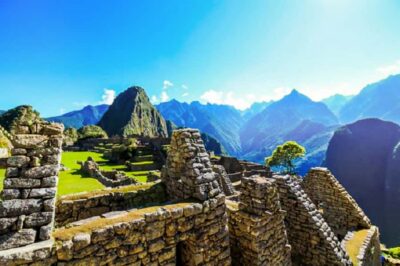
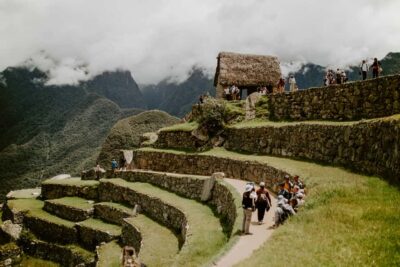
The final morning starts early. You take one of the first buses at 5:30 am from Aguas Calientes to Machu Picchu, aiming to enter while early light and mist still shape the ruins.
Your guide leads a walking visit of about two hours. This is where the quality of the guide matters most. Several guides, including Francisco, Percy, Junior, César, and Ruth, have been praised for explaining Inca culture, local geography, plants, and the site itself in clear English. A good guide turns a view into a place with meaning.
After the guided portion, you explore independently. If you have the energy and arrange it ahead of time, you can add Huayna Picchu for 200 soles. Only 400 people are allowed up each day, so this is not a last-minute decision. Machu Picchu Mountain is another optional hike at the same price.
You can return to Aguas Calientes by bus, with departures every 15 minutes from the entrance, or walk down in about an hour. Lunch and dinner are not included, so leave room in your budget and schedule for food before the return journey.
The included train runs from Aguas Calientes to Ollantaytambo, followed by a bus to Cusco. You arrive late in the day at Plaza San Francisco and make your own way to your accommodation. There is no guide for the bus and train portions, so keep your tickets and follow the transfer instructions carefully.
Guides, food, and the human side of the trek
The best part of this trip may be the people who keep it moving. The guide is not just there to point toward the next hill. Your guide sets the pace, explains the Andes, helps with difficult climbs, and answers questions about Machu Picchu and Peruvian culture.
César has been singled out for finding good viewpoints and speaking clear English. Percy has been praised for his warmth, humor, and ability to answer questions about both the route and the ruins. Junior is known for encouragement and for adjusting the pace to the group. Francisco has been praised for explaining local plants, geography, and Inca culture while keeping a steady pace.
Those names do not guarantee who will lead your departure, but they show the level of guide service this company aims to provide. Ask at the pre-departure briefing who your guide will be and what the group pace looks like.
Food is another strength. The cooks serve typical Peruvian dishes rather than relying only on generic trekking meals. Vegetarian food is available, but request it when you book. Three breakfasts, three lunches, three dinners, and two snacks are included, though Day 1 breakfast and Day 4 meals are not.
Fitness, altitude, and what to pack
You need strong physical fitness for this trek. The route moves from around 4,000 meters to about 2,000 meters, bringing major changes in temperature and exertion.
The most important challenge is not simply distance. It is the combination of altitude, cold, steep climbs, long descents, and early starts. Day 1 ends at a cold camp, Day 2 reaches 4,650 meters, and Day 3 still requires a long walk after several transfers.
Bring warm clothing, rain protection, sturdy walking shoes, sun protection, personal water supplies, and snacks. The exact packing list is best confirmed at the briefing, but your 4-kilo personal allowance is not large. Use the mule allowance wisely and keep the daypack comfortable.
The minimum age is seven, but the physical demands make fitness more important than age alone. The listed health rules also require adults over 18 to show three COVID-19 vaccine doses, based on the policy dated June 11, 2022. Ages 12 to 17 require two doses or a qualifying RT-PCR test under that policy. Check the current rule before departure, since health requirements can change.
Is the $810 cost good value?
I consider the price reasonable for a guided four-day route with camping, meals, mule support, a hotel night, Machu Picchu transport, the train, and the return bus. Arranging those pieces separately would take time and would leave you responsible for keeping every connection in order.
The value is strongest if you want a local guide and a supported trek without carrying all your gear. The small average group size is also important. A group of four allows more conversation and makes it easier for the guide to adjust the pace.
The price feels less complete once you add permits, water, tips, optional mountain hikes, and perhaps a sleeping bag or train from Hydroelectric Station. Treat $810 as the core cost, not the final amount.
Tips are optional. Suggested amounts are 40 to 60 soles per trekker for the guide, 30 to 40 soles for an assistant guide, 60 to 80 soles for each horseman from the whole group, and 150 to 200 soles for the cook from the whole group.
Should you book this Salkantay trek?
Book it if you want a demanding mountain route with real scenery changes, local guiding, and a planned finish at Machu Picchu. It suits hikers who are comfortable with early mornings, high altitude, camping, long days, and changing weather.
Think twice if you want a relaxed holiday, dislike cold nights, or have not prepared for a 4,650-meter pass. The route is rewarding, but the views do not come free.
I would choose this trip over a shorter Machu Picchu visit if I wanted the journey to matter as much as the destination. The combination of Humantay Lake, Salkantay Pass, tropical valleys, local food, and a small group gives you a fuller picture of southern Peru. Just arrive fit, budget for extras, and accept that the final day begins before sunrise.
FAQ
How long is the Salkantay trek?
The experience lasts four days. The route includes camping for two nights, one hotel night in Aguas Calientes, and the Machu Picchu visit on Day 4.
What time does the tour begin?
Pickup begins at 5:30 am from Cusco on Day 1.
How high does the trek go?
The highest point is the Salkantay Pass at 4,650 meters. The first campsite is at 3,920 meters.
Is the trek suitable for children?
The minimum age is seven, but the tour requires strong physical fitness. The high altitude, long walking days, and steep sections should be considered carefully.
Can I choose vegetarian meals?
Yes. Vegetarian meals are available, but you need to request this when booking.
How much luggage can the mules carry for each trekker?
Mules carry camping equipment and 7 kilos for each trekker. This includes 3 kilos for a sleeping bag and mattress and 4 kilos of personal items.
Is the train from Hydroelectric Station to Aguas Calientes included?
No. The optional train costs $30 per person. The standard plan includes a three-hour walk from Hydroelectric Station to Aguas Calientes.
Are Huayna Picchu and Machu Picchu Mountain included?
No. Each optional hike requires a separate 200-sol entrance fee. Huayna Picchu must be booked ahead of time, and daily entry is limited to 400 people.
More 4-Day Trips in Machu Picchu
- Cusco Sacred Valley and Machupicchu 4 Days
★ 5.0 · 80 reviews - Classic Inca Trail 4 Days to Machu Picchu
★ 5.0 · 69 reviews - 4 Day Inca Trail To Machu Picchu – Private Service
★ 5.0 · 68 reviews - Classic Inca Trail 4 days to Machu Picchu
★ 5.0 · 65 reviews
More Inca Trail Treks in Machu Picchu
- Cusco: 4-Day Inca Trail to Machu Picchu with Accommodation
★ 4.8 · 432 reviews - Cusco: Machu Picchu 2-Day Inca Trail with Panoramic Train
★ 4.9 · 260 reviews - From Cusco: 2-Day Inca Trail to Machu Picchu
★ 4.2 · 244 reviews - Machu Picchu: Inca Trail 2-Day Overnight Guided Tour
★ 4.9 · 203 reviews
Just added around Machu Picchu
- 10-Day Taste Peru Experience: Lima, Nasca, Cusco & Machu Picchu★ 5.0 · 63 reviews
- Wonderful Cusco 5-Day Tour with Entrance to Machupicchu★ 5.0 · 46 reviews
- Machu picchu one day by train all included★ 4.5 · 53 reviews
- A Day at Machu Picchu, Journey to the Heart of the Andes★ 5.0 · 55 reviews
- Tour to Machupicchu By Train Full-Day★ 4.5 · 56 reviews
- Tour To Machupicchu 2 Days by Train★ 5.0 · 64 reviews
- Machu Picchu 1 Day Tour from Cusco by Train★ 5.0 · 44 reviews
- 2-Day Tour: Sacred Valley & Machu Picchu – All Tickets Included★ 5.0 · 42 reviews
Machu Picchu Tours, compared.
From Cusco: Full-Day Group Tour of Machu Picchu
Read our review →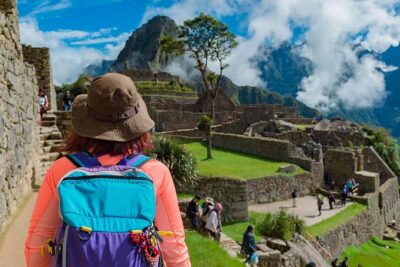
Machu Picchu: Full-Day Tour from Cusco with Optional Lunch
Read our review →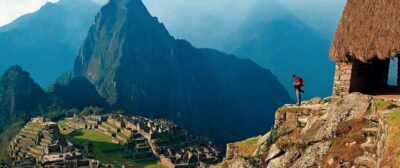
Cusco: 4-Day Inca Trail to Machu Picchu with Accommodation
Read our review →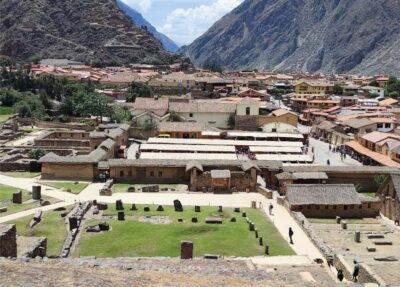
From Cusco: 2-Day Trip to the Sacred Valley and Machu Picchu
Read our review →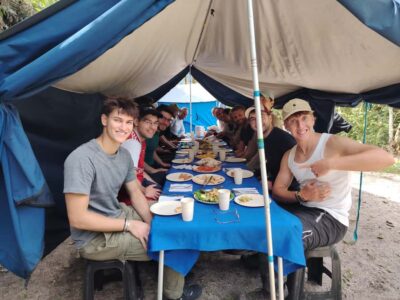
Cusco: Machu Picchu 2-Day Inca Trail with Panoramic Train
Read our review →
Machu Picchu: Inca Trail 2-Day Overnight Guided Tour
Read our review →Browse the lists this tour appears in