
Reviewed · WALKING TOURS
Afro Walking Tour. The colors of Cali.
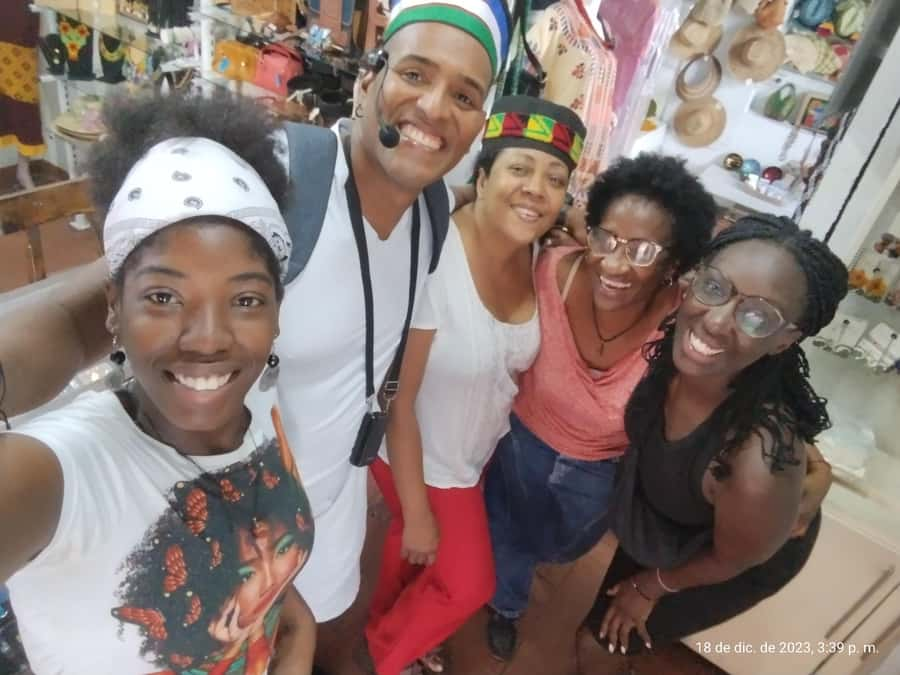
Cali’s Afro Walking Tour puts the city’s African heritage at the center of the story. With guide Andrés Jiménez, you walk through downtown and an Afro-Colombian neighborhood, stopping for murals, food, music, dance, local businesses, and cultural centers. I especially like the way the tour connects big subjects, such as slavery, emancipation, race, and identity, to everyday life in Cali. I also like that you taste food and meet the city through its people rather than only through monuments.
This is a social, interactive walk, not a quiet museum visit. You should be ready to talk, ask questions, and walk through busy city streets where you may see street vendors, beggars, and the full mix of urban life. The 150-minute route may feel intense in the heat, and the activity is not suitable for children under 10 or people with hearing impairments.
Key points to know before booking
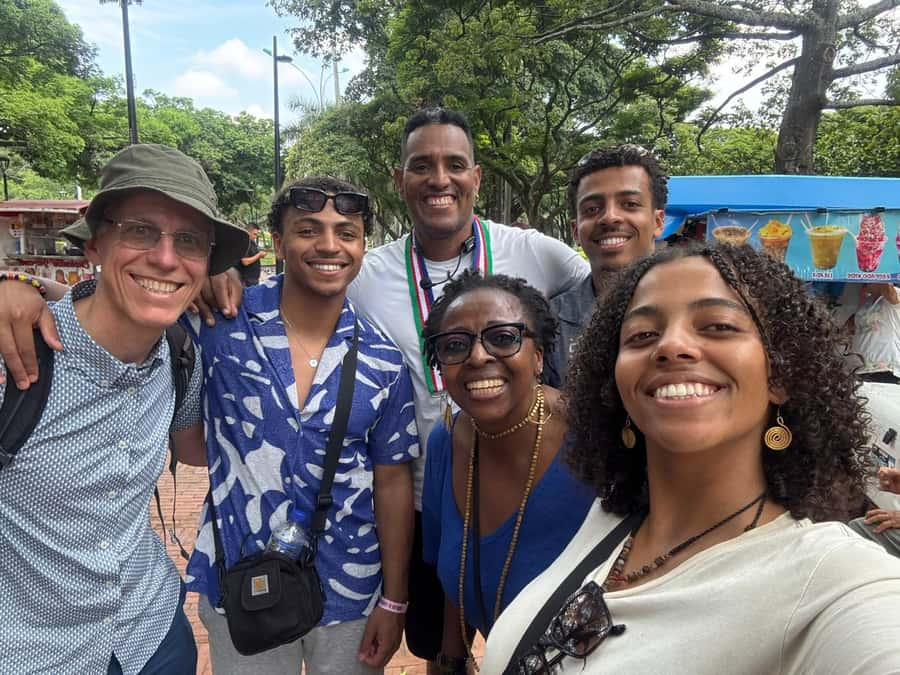
- Andrés Jiménez leads a personal, bilingual tour in English and Spanish, with plenty of room for questions and conversation.
- Three cultural institutions add structure and context beyond the street art and food stops.
- Afro-Colombian food, music, dance, and salsa are part of the experience, not side notes.
- The route shows more than the postcard version of Cali, including central streets, local businesses, and an Afro-Colombian neighborhood.
- The walk costs $42 per person and lasts 150 minutes, a fair price if you value a guide-led cultural experience rather than simple sightseeing.
- Come prepared for real city conditions, with comfortable shoes, water, sunglasses, cash, and flexible expectations.
Why Afro-Colombian culture is the heart of this Cali walk
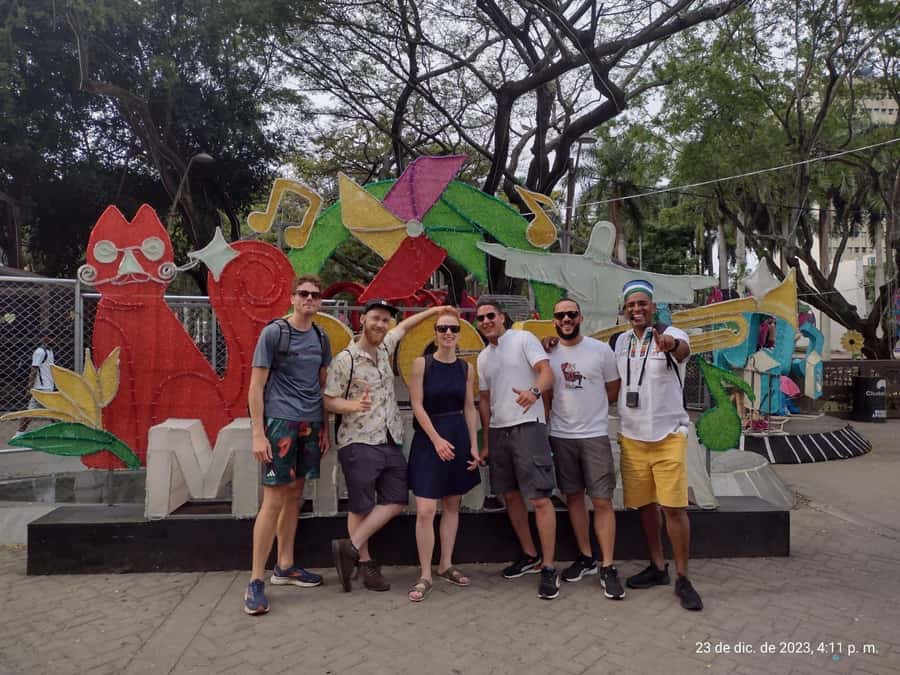
Cali is often sold through salsa. That is part of the picture, but only part. The Afro Walking Tour explains how African traditions helped shape the city’s sound, food, dance, commerce, art, and sense of identity.
The tour also places Afro-Colombian culture within a wider story. Andrés discusses the influence of Indigenous, African, and Spanish communities, along with the arrival of African people, enslavement, emancipation, political power, and the lasting effects of those events. That gives you more than a collection of colorful facts. You begin to see why certain neighborhoods, businesses, foods, and musical traditions matter.
I like this approach because it treats culture as something lived. A mural is not just a bright wall. A snack is not just something to eat. A salsa rhythm is not just entertainment. Each can open a conversation about memory, resistance, creativity, family, work, and belonging.
The tour is especially meaningful for anyone interested in the African diaspora. It also works well if you simply want to understand Cali beyond its nightlife and famous dance culture.
More Walking Tours in Colombia
- The Cali Street Food Walking Tour
★ 5.0 · 81 reviews - Cali: Walking tour of the historic center
★ 5.0 · 69 reviews - Cartagena: Historic Center and Getsemaní Shared Walking Tour
★ 4.9 · 2,716 reviews
Meeting Andrés at the Subway in central Cali
The meeting point is in front of the Subway sandwich restaurant. That is a practical place to begin, but you should check the exact starting time when you book because the activity offers different departure times.
Andrés is the key to the experience. His style is energetic, friendly, and conversational. He does not simply deliver a speech and move on. He asks about your background and encourages you to connect Cali’s story with your own experience. For some people, that personal exchange becomes one of the most memorable parts of the walk.
He also speaks English and Spanish, which makes the tour useful for visitors who want a clear explanation of complex subjects. If you speak some Spanish, the bilingual format can give you a relaxed chance to practice listening while still having English support when the topic gets complicated.
A particularly thoughtful touch is Andrés’s interest in the people he guides. He has been known to prepare by learning a little about a participant’s background, then use that information to start a conversation. That is unusual on a short city walk and helps explain why the tour can feel more like a shared exchange than a standard lecture.
Reading Cali’s murals instead of walking past them
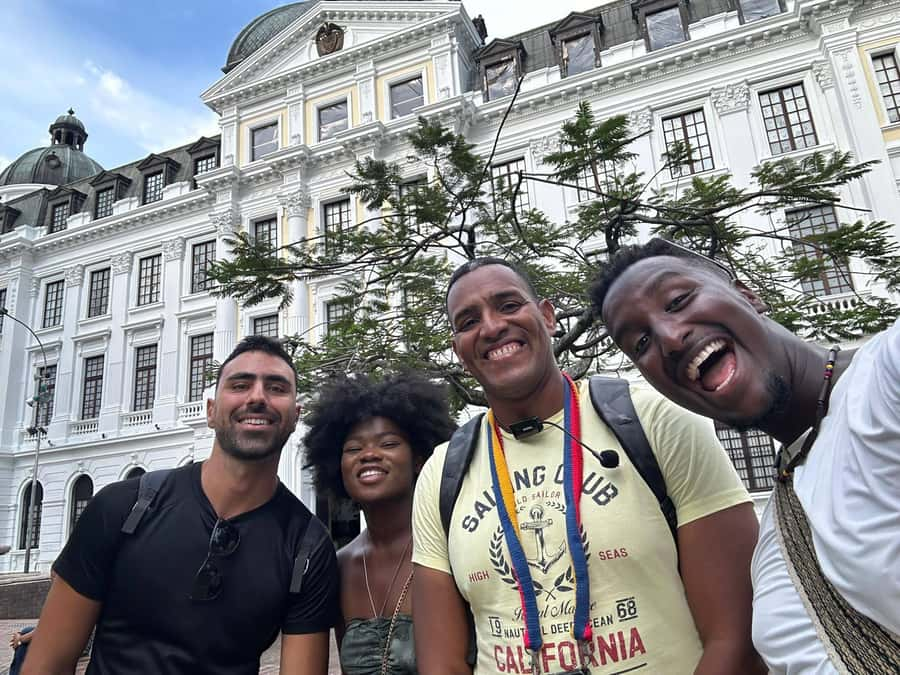
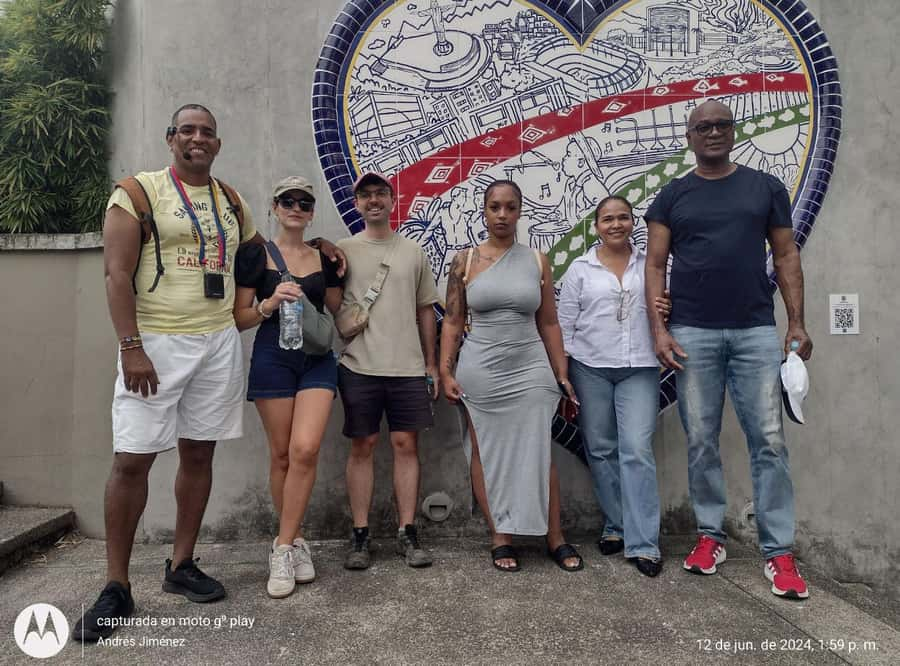
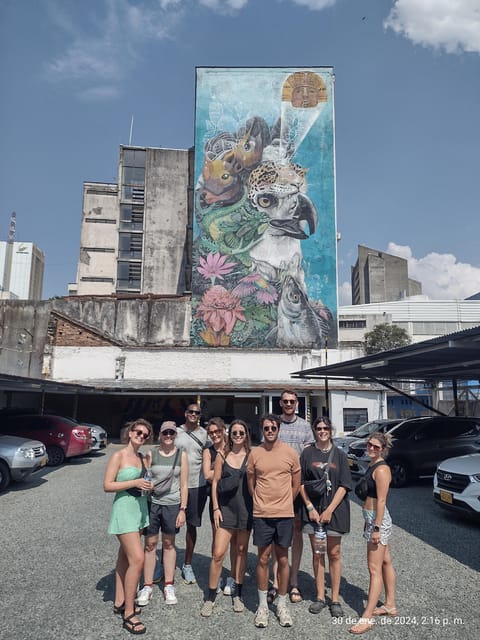
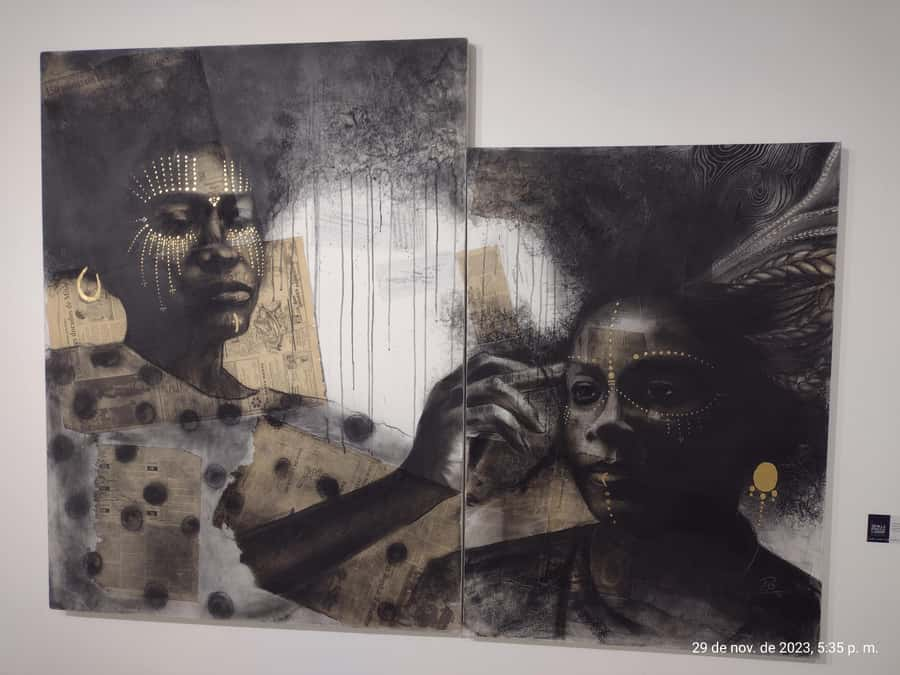
Street art is one of the strongest parts of the route. You will see murals connected to Afro-Colombian identity, local memory, social questions, and the city’s creative life.
The useful part is not just seeing the artwork. Andrés explains what the images represent and places them in their local setting. Without that context, a mural may look attractive but remain hard to understand. With an explanation, you can notice who is represented, which stories are being protected, and how art gives a neighborhood a public voice.
The route may include murals in the city center and in an Afro-Colombian neighborhood to the east. The exact order can vary, but the contrast matters. Downtown gives you the formal center of Cali, while neighborhood streets show how culture appears in ordinary places, community businesses, and local gathering points.
Bring a camera if you enjoy street photography, but remember that this is a working city, not a staged backdrop. People are shopping, selling, commuting, and living around the artwork. Ask before photographing individuals, especially when you are close to homes or businesses.
Three cultural institutions that add substance
The tour includes visits to three institutions of cultural interest. These stops help balance the outdoor walking portions with places devoted to education, music, art, or community activity.
One cultural center on the route has been described as offering programs in music, skills, and cultural education for different generations. That matters because it shows culture being passed on through regular work, not only through festivals or performances.
You may also learn about community resources and organizations that address social issues. This broadens the tour beyond heritage. Afro-Colombian life in Cali is presented as a present-day reality with businesses, educators, artists, leaders, and families shaping what comes next.
The institutions also offer a useful break from walking in the heat. Still, do not expect a long, formal museum visit with a fixed gallery route. The emphasis is on conversation and local context. If you prefer a detailed art museum tour, this may feel loose. If you want to understand how culture functions in the city, the format works well.
More Walking Tours in Cali:
- Rio de Janeiro: Rocinha Favela Walking Tour with Local Guide
★ 4.8 · 3,052 reviews - Rio De Janeiro: Half-Day Rocinha Favela Walking Tour
★ 4.7 · 2,272 reviews - Buenos Aires Hop-On Hop-Off Bus, Free Walking Tours & Discounts
★ 4.5 · 2,218 reviews - Buenos Aires: La Boca Guided Walking Tour in English
★ 4.8 · 1,587 reviews
Tasting Afro-Colombian food along the route
Food gives the tour a direct, sensory connection to Cali. You will taste local Afro-Colombian food, often from a street vendor or small local business, as you move among the cultural stops.
The exact dishes are not fixed in the information provided, so I would not book this expecting a set tasting menu. Think of it as a local bite that supports the story of the neighborhood. You may also try a local beverage, depending on the route and what is available that day.
This is one reason to bring cash. The included tasting is part of the activity, but you may want to buy an additional snack, drink, beauty product, or small item from one of the local businesses you visit. Cash is also useful because small vendors may not accept cards.
The food stop is more valuable than a simple refreshment. Afro-Colombian cooking reflects movement, adaptation, available ingredients, family traditions, and the meeting of African, Indigenous, and Spanish influences. Andrés uses food to make those connections clear.
If you have allergies or dietary restrictions, ask before eating. The supplied information does not promise substitutions or list specific ingredients.
Salsa, rhythm, and Cali’s famous musical identity
Cali is widely known as the world capital of salsa, and the tour explains why that title matters. Music and dance are not presented as a separate nightlife product. They are connected to migration, neighborhood life, African influence, and the city’s social energy.
Some routes include a short salsa lesson or a chance to move with the rhythm. You should not expect a full dance class. The point is to experience how dance fits into the city’s identity and to understand why salsa is heard and practiced far beyond formal clubs.
This is a good example of the tour’s wider method. You learn through several senses: you see murals, hear stories about music, taste food, and possibly try a few dance steps. That variety keeps the 150 minutes moving.
If you are shy about dancing, do not worry. The activity is interactive, but there is no indication that you must perform or have previous dance experience. You can take part at your own comfort level.
What the city center and eastern neighborhood reveal
A major strength of this walk is the contrast between recognized sights and less obvious corners of Cali. You may pass familiar central attractions, then move toward places that many first-time visitors would not find alone.
The city center gives you a look at architecture, street commerce, public art, and the daily rhythm of Cali. It can also be crowded and noisy. Vendors, beggars, and people from many parts of the city are part of the scene. The tour information is clear that you should take this normally, without treating ordinary city life as a spectacle.
The eastern neighborhood offers a different view. Murals, Afro-owned businesses, local products, and neighborhood activity help show how people build community and preserve identity in daily life. You are not simply looking at an Afro-Colombian area from the outside. You are being guided through the meaning behind what you see.
This is also where respectful behavior matters most. Listen to Andrés, stay aware of your belongings, and avoid turning residents into photographs without permission. The goal is understanding, not collecting snapshots.
A tour shaped by conversation and personal questions
The strongest element of the experience is Andrés’s guiding style. He explains history clearly, but he also invites discussion about race, identity, migration, and the African diaspora.
That can make the tour more rewarding than a memorized timeline. You may compare Afro-Colombian experiences with Black communities in the United States, the Caribbean, Europe, or elsewhere in Latin America. The conversation can move from national history to personal experience without losing its connection to Cali.
This format also means the experience is not identical for every group. A group that asks many questions may spend longer on social history. Another may focus more on art, food, music, or shopping. That flexibility is a benefit if you like an open conversation. It may frustrate you if you want every minute planned to the minute.
Andrés is especially good for visitors who want context around difficult subjects. The tour addresses slavery, emancipation, power, law, leadership, and the different experiences of Afro-Colombian and Indigenous communities. Those topics are handled as part of Cali’s present, not as distant history.
Is $42 a good value for 150 minutes?
At $42 per person, this is not the cheapest way to walk around Cali. You could explore streets and murals on your own for little or no cost.
The value comes from the interpretation. You are paying for a certified guide in two languages, three cultural institution visits, local food, access to places you might not find alone, and a focused explanation of Afro-Colombian life in Cali. If you tried to arrange those pieces independently, you might save money but miss the connections between them.
The price is strongest for solo visitors, first-time visitors, and anyone who wants a cultural introduction early in a stay. Andrés also gives practical ideas about food, shopping, and other activities in the city, which can help you plan the rest of your visit.
For families with young children, the value is lower because children under 10 are not accepted. People who dislike street food, spontaneous conversation, or city walking may also prefer a more formal museum visit.
Practical advice for the walk
Wear comfortable shoes and light, comfortable clothing. You will be walking through the center of Cali and may spend time outdoors in sun and heat.
Bring water, sunglasses, a camera, and cash. Alcohol and drugs are not allowed. The tour is wheelchair accessible, but you should still contact the provider before booking if you have specific mobility needs because the route involves city streets and multiple stops.
The activity is not suitable for people with hearing impairments. That is important because the experience depends heavily on spoken explanation and conversation.
You can cancel up to 24 hours before the activity for a full refund, and you can reserve now and pay later. Those policies are useful if your Cali plans are still moving around.
The overall rating is 5 out of 5 from 61 posted bookings, with one 4 out of 5 rating also included in the available feedback. The repeated praise centers on Andrés’s energy, clear English, personal attention, and ability to connect art, history, food, and everyday life.
Who should book the Afro Walking Tour?
I would book this tour if you want Cali explained through its Afro-Colombian identity rather than through salsa alone. It suits curious adults, solo visitors, couples, culturally focused families with older children, and anyone interested in African diaspora history.
It is especially useful for Black travelers who want to learn about Afro-Colombian life and for visitors who prefer local businesses, street art, food, and conversation over a list of major monuments.
I would skip it if you want a quiet walk, a fixed schedule, a polished performance, or a narrow focus on architecture. The route is social and real. It asks you to pay attention to the city as it is, including its noise, poverty, commerce, and contradictions.
For most visitors, the $42 price is fair because Andrés adds meaning to places you could otherwise pass without understanding. Book it near the start of your stay, then use the food, shopping, and cultural suggestions to shape the rest of your time in Cali.
FAQ
How long does the Afro Walking Tour last?
The tour lasts 150 minutes, or two and a half hours.
How much does the tour cost?
The price is $42 per person.
Who leads the tour?
The tour is led by Andrés Jiménez, a certified guide who speaks English and Spanish.
Where does the tour meet?
The meeting point is in front of the Subway sandwich restaurant.
What languages are available?
The tour is available in English and Spanish.
What is included?
The experience includes a guided walking tour about Afro-Colombian culture and Cali, visits to three cultural institutions, an explanation of Cali’s salsa identity, and a taste of local Afro-Colombian food.
Is the tour wheelchair accessible?
Yes, the activity is listed as wheelchair accessible.
Is the tour suitable for children?
No. It is not suitable for children under 10 years old.
What should I bring?
Bring comfortable shoes, sunglasses, a camera, water, comfortable clothing, and cash.
Can I cancel the booking?
Yes. You can cancel up to 24 hours in advance for a full refund. You can also reserve now and pay later.
Just added around Cali
- Salsa Bar Hopping in Cali★ 4.5 · 43 reviews
- Rivering in The Danube (The Mermaid)★ 5.0 · 40 reviews
- Cristo Rey, Tertulia Museum and Downtown Cali City Tour★ 4.5 · 44 reviews
- Salsa & Music Tour of Cali★ 5.0 · 42 reviews
- San Cipriano Rainforest – River, Waterfalls and Adventure Day★ 5.0 · 73 reviews
- The Cali Street Food Walking Tour★ 5.0 · 81 reviews
- Cali: City Tour★ 4.9 · 57 reviews
- Cali: Cali River Waterfall and Great River Pools Tour★ 4.9 · 55 reviews
Walking Tours, compared.
Historic Center and Getsemaní Shared Walking Tour
Read our review →
La Paz and El Alto: Cable Car Rides and Walking Tour
Read our review →
Punta Arenas: Walk with Penguins on Magdalena & Marta Island
Read our review →

Browse the lists this tour appears in