
Reviewed · CALI TOURS
Shared Tour Cali’s Salsa, Graffiti & Resistance Experience
Cali’s salsa is more than a dance style, and this tour makes that clear from the start. You follow the music through social movements, African heritage, and popular culture, then connect those ideas to murals honoring musicians and protest art made for people still fighting for change. I like the way the tour treats salsa as part of everyday Cali life, not just a show for visitors. I also like the mix of music, street art, and local history, with guides such as Cristian bringing plenty of energy and personal feeling to the stories.
The main catch is the distance: you’ll walk about 8 kilometers over roughly 150 minutes, with stops to listen. This is not a gentle stroll, and the route is not suitable for wheelchair users. Still, for $13 per person, it offers a lot of context and a useful introduction to Cali’s dance culture, street art, and social struggles.
What makes this Cali walking tour worth your time
- Salsa as social history: Follow the music from African emancipation and the Caribbean Antilles to New York and Cali’s major salsa years in the 1960s through the 1980s.
- Murals with a message: See painted tributes to salsa figures alongside art connected to activism, protest, and popular causes.
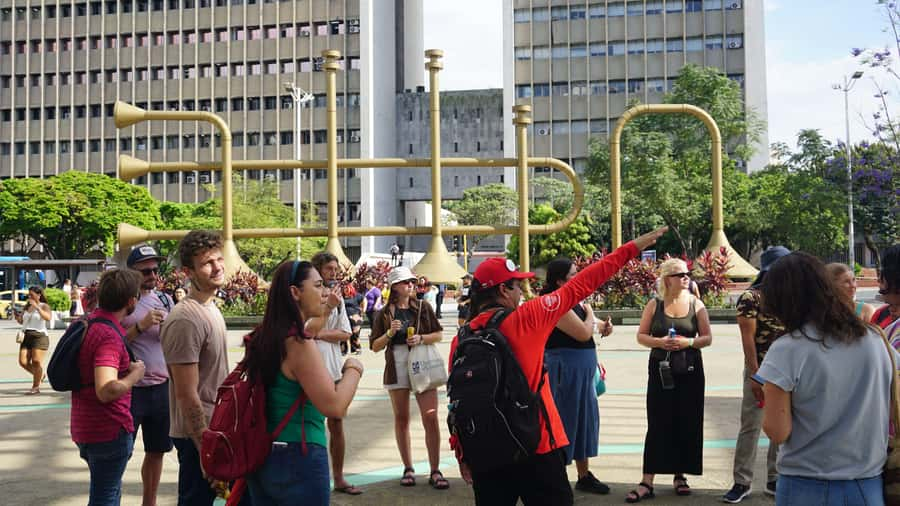
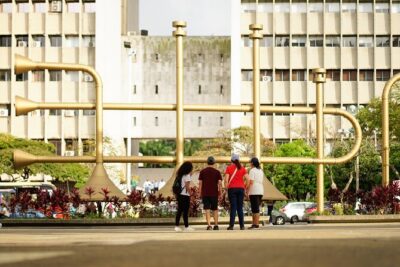
- A walk through central Cali: Visit the Plazoleta Jairo Varela meeting point, Plazoleta de la Caleñidad, Calle del Pecado, River Boulevard, World Cup Tunnel, and 5th Avenue.
- Practical nightlife help: You receive recommendations for salsa bars and can use partner discounts with the company’s walking tour map.
- Strong guide-led storytelling: Cristian and other Beyond Colombia guides bring an animated, interactive approach to the route.
- A good-value format: For $13, you get a live English or Spanish guide, urban art stops, salsa context, and no surprise entry fees.
Salsa in Cali means more than quick footwork
Many visitors arrive in Cali expecting dance lessons, late nights, and a city that moves to a strong beat. You will find those things here, but the tour asks you to look behind them.
Salsa grew from a long exchange of African and Caribbean musical traditions. It took shape across the Caribbean Antilles and later in New York, where different musical forms met and gained a wider name. In Cali, the music found a particularly strong home during the 1960s, 1970s, and 1980s.
That local growth was not only about entertainment. Salsa became part of cultura popular, or the shared culture of ordinary people. Its lyrics could tell stories of romance, hard times, historical events, protest, and hope. Music connected neighborhoods, social groups, and working communities.
I appreciate this framing because it keeps the tour from becoming a simple checklist of famous songs and dance steps. You begin to understand why salsa can feel like a public language in Cali. It carries memory, pride, frustration, and celebration all at once.
You should not expect a full dance class. The focus is on walking, listening, looking, and understanding the music’s place in the city. You might get drawn into the rhythm along the way, and one guide specifically encourages people to get ready to dance, but the main value is cultural interpretation rather than formal instruction.
A few more Cali days worth comparing
- Shared Tour Cali’s Historical Downtown
★ 4.8 · 143 reviews - Historical Shared Tour Salsa, Graffiti & Resistance in Cali
★ 5.0 · 107 reviews - The Cali Street Food Walking Tour
★ 5.0 · 81 reviews
Starting at the Plazoleta Jairo Varela
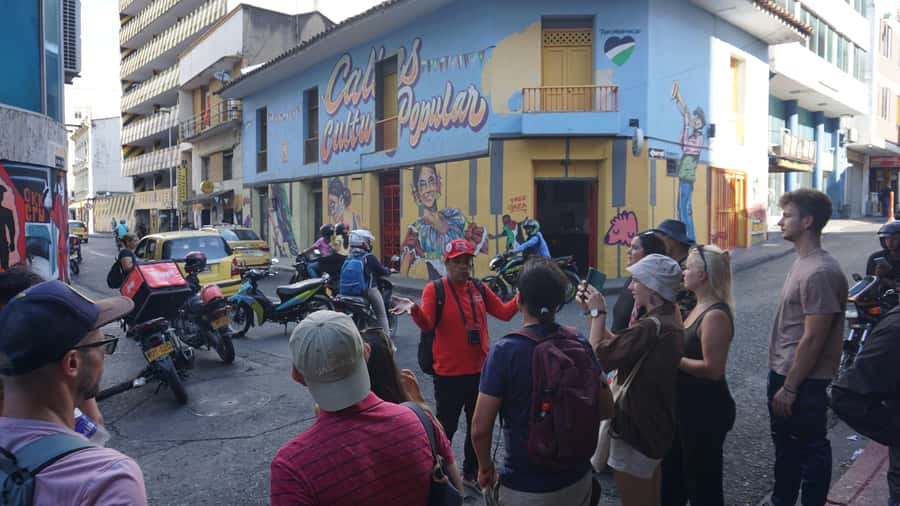
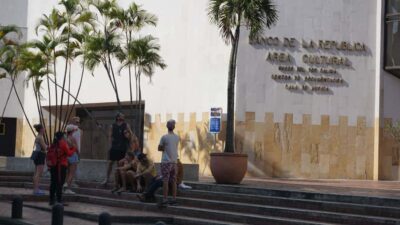
The meeting point is the Plazoleta Jairo Varela, where you’ll look for the red umbrellas. This is a sensible starting place because the tour begins in a public setting tied closely to Cali’s musical identity.
Your guide sets up the larger story here: why salsa became such a strong symbol of the city, and how Cali’s people made the music their own. Pay attention to the difference between salsa as an international genre and Cali salsa as a local style and identity.
The opening talk matters. Without it, the murals and streets later in the route could look like colorful decoration. With the background, you can read them as signs of memory, pride, and resistance.
The company offers guiding in Spanish and English, with an optional Spanish audio guide. If you want the richest exchange, I would choose the live guide. The tour’s strength comes from questions, stories, and the guide’s response to the group rather than from simply following recorded information.
Plazoleta de la Caleñidad and the city’s public identity
The Plazoleta de la Caleñidad gives you a look at how Cali presents its own character. The name points to local identity, and the stop helps explain the feeling of energy and pride that runs through the city’s relationship with salsa.
This is where the idea of cultura popular becomes useful. Salsa is not treated as something reserved for concert halls or professional performers. It belongs to social life, neighborhood gatherings, nightlife, and the city’s shared memory.
The guide also connects this local identity to social struggles. That balance is important. You’ll hear about joy and celebration, but also about inequality, public anger, protests, and solidarity. The tour does not pretend that the city’s energy exists without tension.
Because the stop is part of a walking route, the exact amount of time spent here can depend on the group and the guide. The benefit is a flexible pace. The drawback is that this is not a museum visit with a fixed display or detailed printed panels. You rely on the guide to make the place meaningful.
Calle del Pecado and the sound of nightlife
The route continues to Calle del Pecado, also called the street of flavor. This stop brings the nightlife side of Cali into the story.
Cali is known for a strong salsa culture, and many people come specifically to learn its dance style or find places to hear the music after dark. The tour helps you understand the connection between the public street and the clubs, bars, and social spaces where salsa continues to live.
You will not be paying for drinks or entering clubs as part of the tour. That is useful to know before you arrive. Instead, the guide offers recommendations for salsa bars and can help you decide where to go later.
One participant used the guide’s food recommendation after the walk and received a suggestion that worked well. That points to one of the practical benefits of a local guide: you can ask where to eat or dance after the formal route ends, rather than guessing from a generic list.
I would treat the nightlife advice as a bonus, not the main reason to book. The tour gives you direction, but drinks, food, dancing, and any club costs are separate.
Same trip, a completely different kind of day:
- San Cipriano Rainforest – River, Waterfalls and Adventure Day
★ 5.0 · 73 reviews - Cali: Street Food Tour
★ 4.8 · 71 reviews - Cali: Walking tour of the historic center
★ 5.0 · 69 reviews - Afro Walking Tour. The colors of Cali.
★ 5.0 · 61 reviews
River Boulevard and the World Cup Tunnel
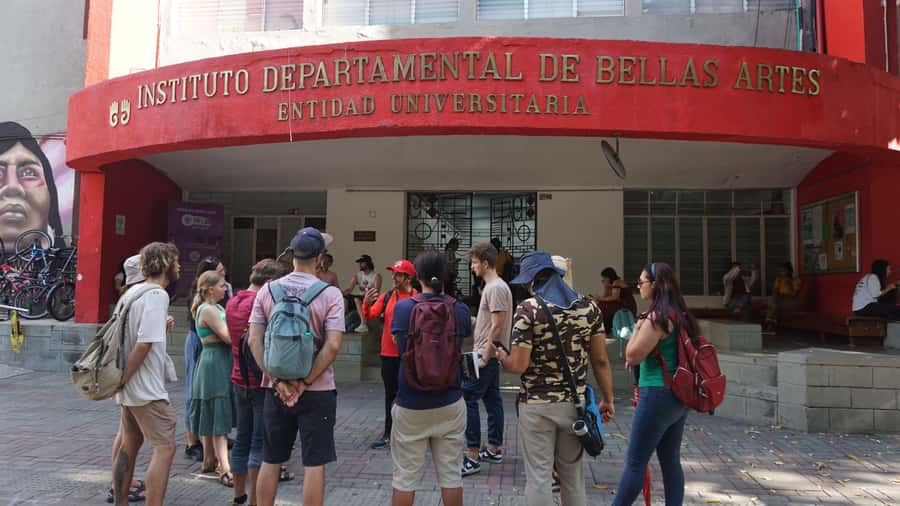
At the curve of the River Boulevard, the route shifts between public space, movement, and city memory. You are still walking, but the stops give you time to rest and let the guide explain how art and music appear in ordinary parts of Cali.
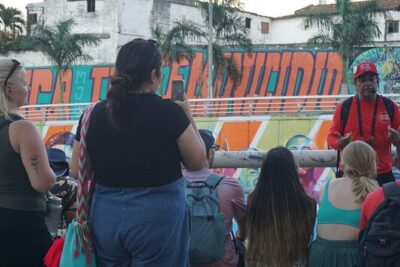
The World Cup Tunnel and 5th Avenue add another layer. These locations help show how central streets can become places for murals, public messages, and tributes. You are not confined to one cultural center or a single salsa venue. The city itself becomes the setting.
The walking distance is worth considering here. The tour runs for about two and a half hours and covers close to 8 kilometers. Rest stops are included, but you’ll still want good shoes, comfortable clothes, and water. In Cali’s heat, carrying your own drink is more than a minor tip.
The route may suit you if you like seeing how a city feels at street level. It may not suit you if you want a short, seated talk or a tightly controlled indoor visit. Bring a camera, but keep it secondary to paying attention to the guide and your surroundings.
Salsa murals beside messages of resistance
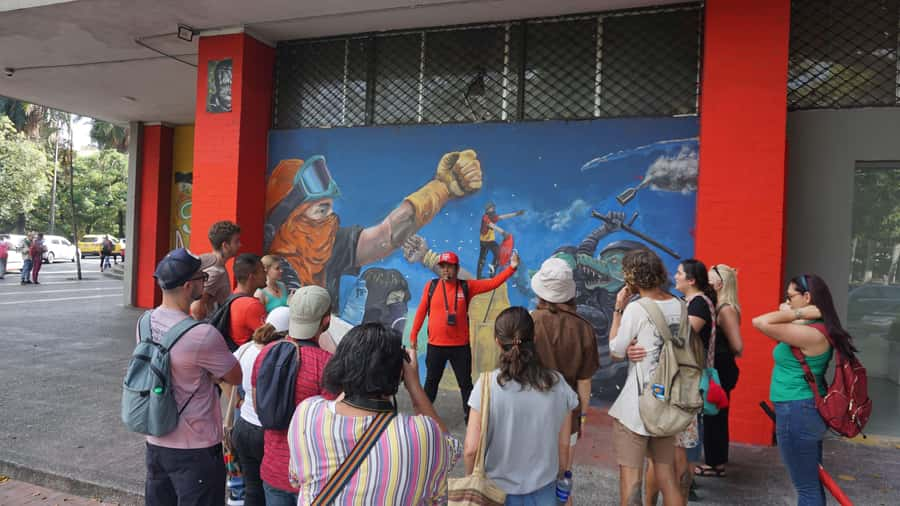
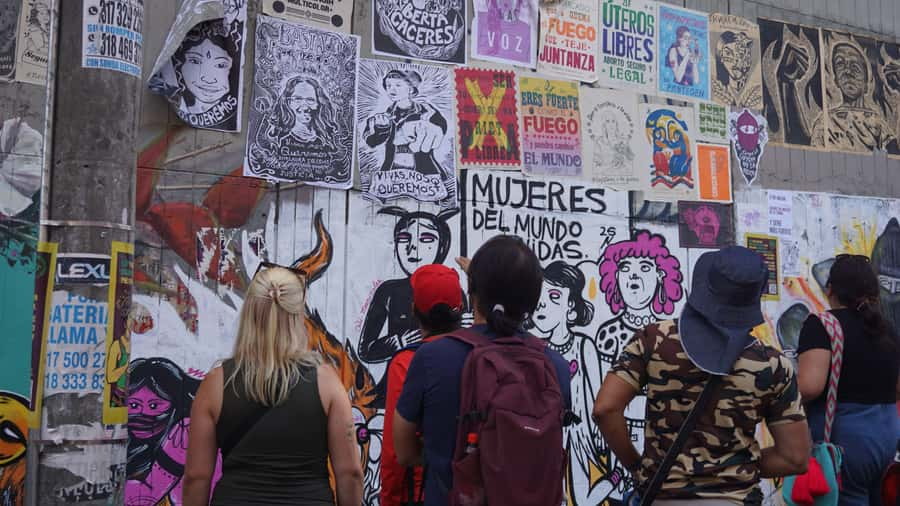
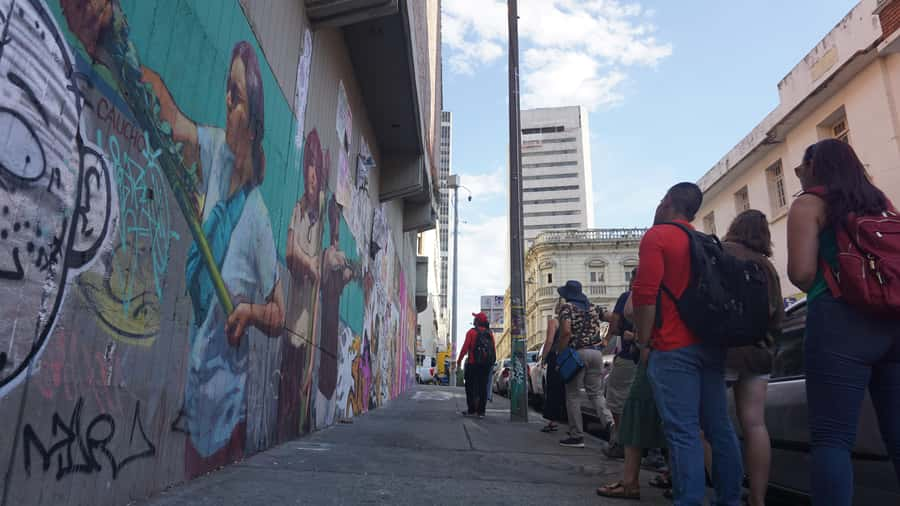
The strongest idea on the tour is the way it places salsa murals near more direct activist art. You may see painted figures connected to Cali’s musical story, then nearby messages about victims, protest, or social causes.
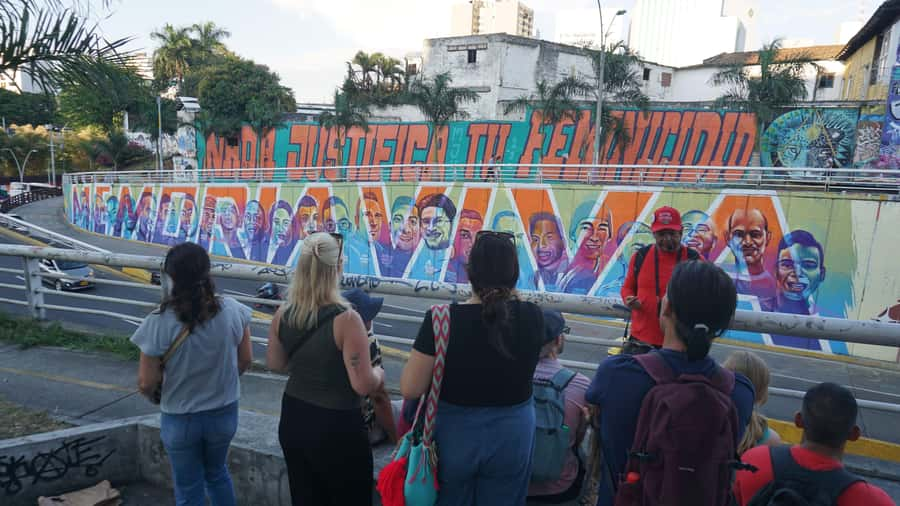
The Graffiti Monument to Victims N21 is one of the clearest examples of this shift. It brings the subject away from dance and toward loss, public memory, and the cost of social conflict. The tour uses this kind of art to show that music and protest do not sit in separate boxes in Cali.
Salsa lyrics have often carried more than romantic stories. They can speak about politics, social pain, historical moments, and resistance. Murals continue that work in visual form.
This is also where the title of the tour makes sense. Salsa, graffiti, and resistance are not three unrelated attractions. They are different ways for people to claim space, remember events, celebrate identity, and express demands.
You might find some of the material serious. That is part of the point. The tour aims to explain the social outbreaks, protests, and solidarity struggles that have shaped Cali, not simply to offer a cheerful music walk.
What the guide adds to the experience
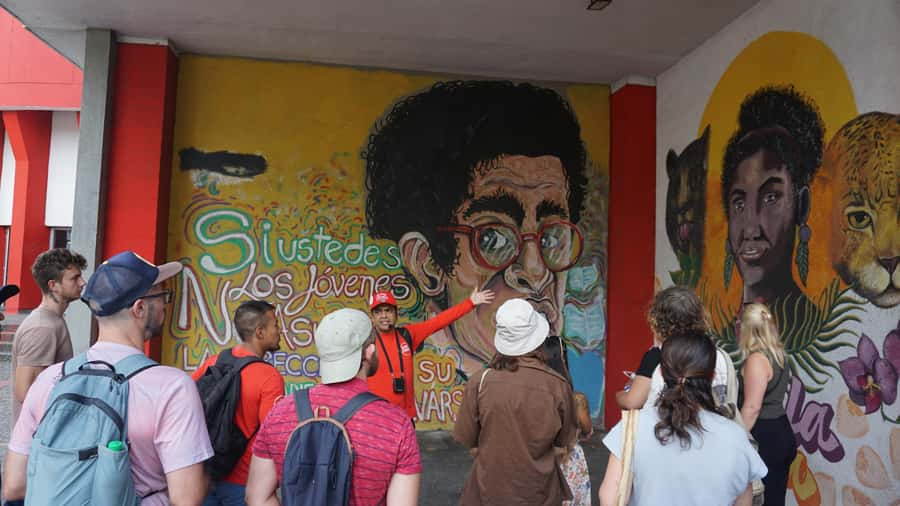
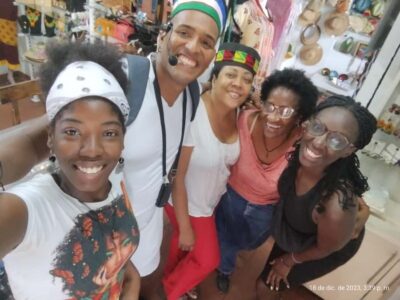
The guide is central to the quality of this tour. Cristian is repeatedly described as animated, enthusiastic, and easy to follow, with a strong interest in Cali and salsa. The style is interactive rather than formal, so expect questions, movement, music references, and a good deal of personality.
A good guide also makes the long route feel more manageable. One guide kept the walk moving smoothly despite its length and allowed the group some flexibility about the places visited. That matters on a shared tour, where different people may want different amounts of music, art, and history.
The group format has clear advantages. You pay a low price, meet other people, and gain a social setting that fits the subject. Salsa is about shared energy, so a small crowd can make the experience feel more natural than a private lecture.
The tradeoff is less control. You do not have an exclusive guide, and the pace must work for the group. If you want to stop for a long photo session or ask detailed questions at every mural, a private tour would offer more freedom, though likely at a higher price.
Beyond Colombia has operated local tours since 2013 and offers guides in several Colombian cities. The company also provides a walking tour map and partner benefits through its Linktree. Show the map where required to receive those discounts, and ask the guide for the current details.
Is $13 a fair price?
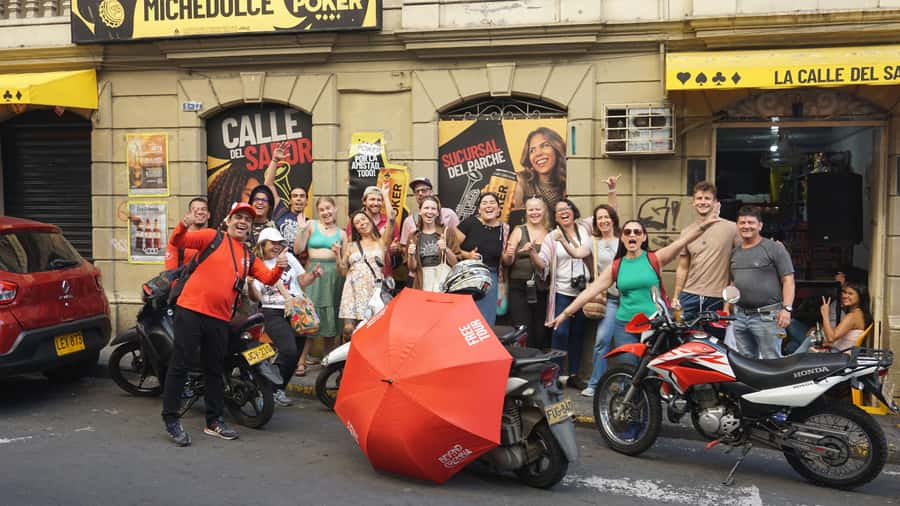
Yes, if you want cultural context rather than a paid dance class or nightlife package.
For $13, the tour includes a professional Beyond Colombia guide, live commentary in Spanish or English, salsa history, discussion of popular culture, street art stops, recommendations for salsa bars, and a route through several central Cali locations. You do not pay extra entrance fees during the walk, and the company says it will not take you to places with sudden added charges.
The price does not include food, drinks, souvenirs, hotel transport, or transportation during the route. In practice, this is a walking tour from start to finish, so budget for your own water and any meal or nightlife plans afterward.
The value is strongest for a first visit to Cali. You get a framework for understanding the city before you head out dancing on your own. If you already know Cali salsa well and want only a dance lesson, you may prefer a specialized class.
Who should book this tour?
I would book it if you want to connect music with the city that produced its own salsa culture. It suits curious first-time visitors, people interested in street art, and anyone who wants a better feel for Cali’s social life before going out at night.
It is also a good fit for visitors who prefer an active city walk to a museum or bus tour. You will see public spaces, murals, streets, and nightlife areas while learning why they matter.
Think twice if you have mobility limits, dislike long walks, or need frequent seated breaks. The route covers about 8 kilometers, and wheelchair users cannot join. You should also keep your belongings close in crowded areas, as the company specifically warns participants to stay alert.
Bring:
- Comfortable shoes
- Water or another preferred drink
- Comfortable clothing
- A camera
- An open mind for serious parts of Cali’s story
Smoking is not allowed during the activity.
Booking details and timing
The experience lasts about 150 minutes, though the walking distance can make it feel like a substantial half-day outing when you include getting to the meeting point and planning what to do afterward.
You meet at the Plazoleta Jairo Varela under the red umbrellas. Check the available starting times when booking, since the schedule can vary.
The activity offers free cancellation up to 24 hours before the start time and a reserve-now, pay-later option. That gives you some flexibility if you are arranging several activities in Cali.
Should you book Cali’s Salsa, Graffiti & Resistance Experience?
Book it if you want salsa explained as a way of life, not just a dance or soundtrack. The mix of musical history, public murals, nightlife advice, and resistance movements gives you a fuller picture of Cali than a simple sightseeing walk.
The best reason to go is the connection between the stops. You see salsa tributes, then activist messages. You hear about nightlife, then learn about social struggle. You walk through central streets while the guide explains why music matters so much to local identity.
Skip it if you want a short route, a formal dance lesson, or a private itinerary. For everyone else, $13 is a sensible price for a long, active introduction to the sound and spirit of Cali.
FAQ
How long does the Salsa, Graffiti & Resistance Experience last?
The tour lasts approximately 150 minutes, or about two and a half hours.
How much does the shared tour cost?
The price is $13 per person.
Where is the meeting point?
Meet at the Plazoleta Jairo Varela, beside the red umbrellas.
Which languages are available?
The live tour guide speaks Spanish or English. An optional audio guide is available in Spanish.
How far will I walk?
You will walk about 8 kilometers, with stops to rest and listen to the guide.
Is transportation included?
No. Transportation to and from your hotel is not included, and the tour itself is done on foot.
Are food and drinks included?
No. Food, drinks, and souvenirs are not included.
Is the tour suitable for wheelchair users?
No. The activity is not suitable for wheelchair users.
Can I cancel or pay later?
You can cancel up to 24 hours in advance for a full refund. You can also reserve your place and pay later.
Just added around Cali
- Salsa Bar Hopping in Cali★ 4.5 · 43 reviews
- Rivering in The Danube (The Mermaid)★ 5.0 · 40 reviews
- Cristo Rey, Tertulia Museum and Downtown Cali City Tour★ 4.5 · 44 reviews
- Salsa & Music Tour of Cali★ 5.0 · 42 reviews
- The Cali Street Food Walking Tour★ 5.0 · 81 reviews
- Afro Walking Tour. The colors of Cali.★ 5.0 · 61 reviews
- Cali: City Tour★ 4.9 · 57 reviews
- Cali: Cali River Waterfall and Great River Pools Tour★ 4.9 · 55 reviews
Cali Tours, compared.
Historical Shared Tour Salsa, Graffiti & Resistance in Cali
Read our review →

San Cipriano Rainforest – River, Waterfalls and Adventure Day
Read our review →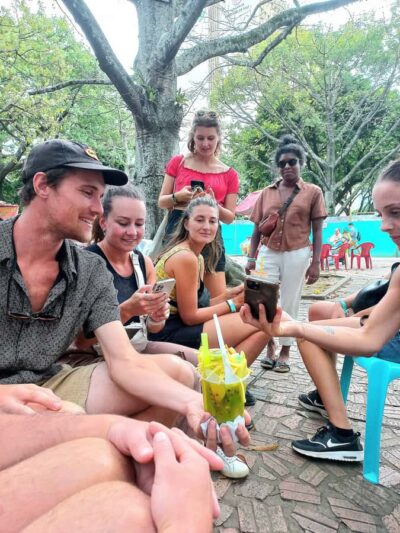
Browse the lists this tour appears in