
Reviewed · STREET FOOD TOURS
São Paulo: Liberdade Street Food Tour
São Paulo’s Liberdade is much more than a Japanese neighborhood, and this food walk makes that clear one bite at a time. You’ll taste Japanese, Brazilian, Korean, and possibly Argentine snacks while learning how immigration changed this part of the city.
I like the small group of up to 10 people, which gives the guide room to explain the food and answer questions. I also like the mix of eating and walking, especially the way food opens the door to São Paulo’s complex story of migration.
The main drawback is the short two-hour format. You get three main snacks plus drinks, but this is a tasting walk, not a full meal or a long neighborhood tour. One food stop may also be replaced on weekdays, so the exact menu can change.
Key points to know before you book
- Liberdade’s food crosses borders: Japanese pastel, onigiri, takoyaki or tempura, Korean choux pastry, Brazilian favorites, and sometimes Argentine empanadas all appear in the tasting.
- The guide is central to the experience: Giuliano leads in English and combines food explanations with São Paulo history and immigration stories.
- The group stays small: A maximum of 10 participants makes conversation easier and helps the walk feel personal.
- You should arrive hungry: The tastings, sugarcane juice, water, and final drink can add up to a filling afternoon.
- Punctuality matters: The tour starts strictly on time, and late arrivals cannot join once the group has left.
- The price reflects more than food: At $60 per person, you are paying for several tastings, drinks, guiding, and a short cultural walk through one of São Paulo’s most distinctive districts.
Why Liberdade makes such a good food walk
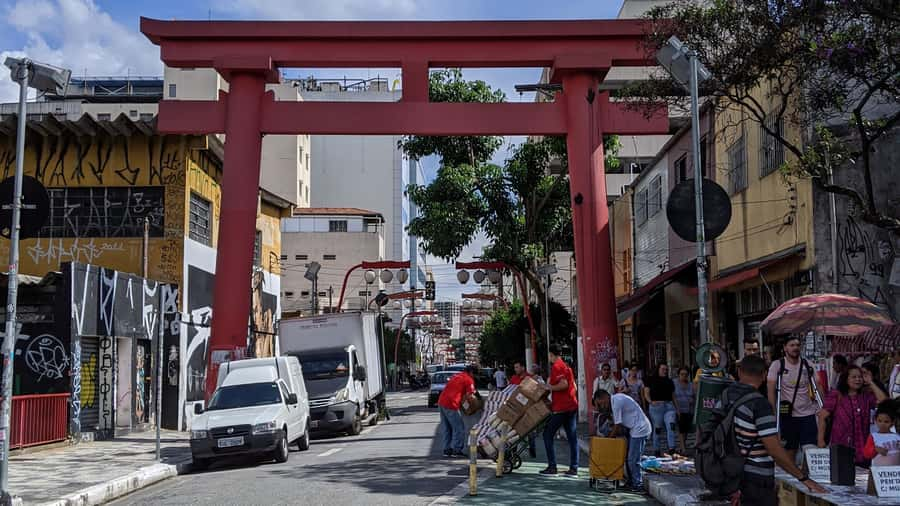
Liberdade is known for its strong Japanese identity, but the neighborhood’s story is broader than that. Japanese immigrants began shaping the area roughly a century ago, after Liberdade had served as a military district. Today, people from China, Korea, Congo, Haiti, and other places add to the area’s cultural mix.
That blend appears clearly in the food. You are not simply moving from one Japanese snack to another. The route connects Japanese cooking with Brazilian street food, Korean baking, and possibly Argentine flavors. I like this approach because it avoids treating Liberdade as a frozen version of Japan. Instead, it presents the neighborhood as part of São Paulo’s changing urban story.
You also get a glimpse of the district’s Afro-Brazilian heritage. That matters because food tours can easily reduce Liberdade to lanterns, Asian markets, and imported ingredients. This walk gives you a wider frame, helping you understand the people and past behind the shops.
More Food Tours in Brazil
- São Paulo 5 Hour Private Tour With Fruit Tasting
★ 5.0 · 93 reviews - Rio: Pub Crawl in Lapa with Cachaça Tasting and Live Samba
★ 4.7 · 881 reviews - Jolimont Winery Tour – Visitation and Tasting – Canela RS
★ 4.5 · 613 reviews
Meeting at Liberdade Square
The meeting point is outside the large red Banco Bradesco Prime building in the middle of Liberdade Square. That is a useful landmark, but you should still plan your route carefully. The tour begins strictly on time, and the guide will not be checking the phone once the group has started.
I would arrive early enough to locate the bank and settle in. The warning about punctuality is serious: once the walk begins, late arrivals cannot join. This is not the kind of activity where you can assume the guide will wait near the first food stall.
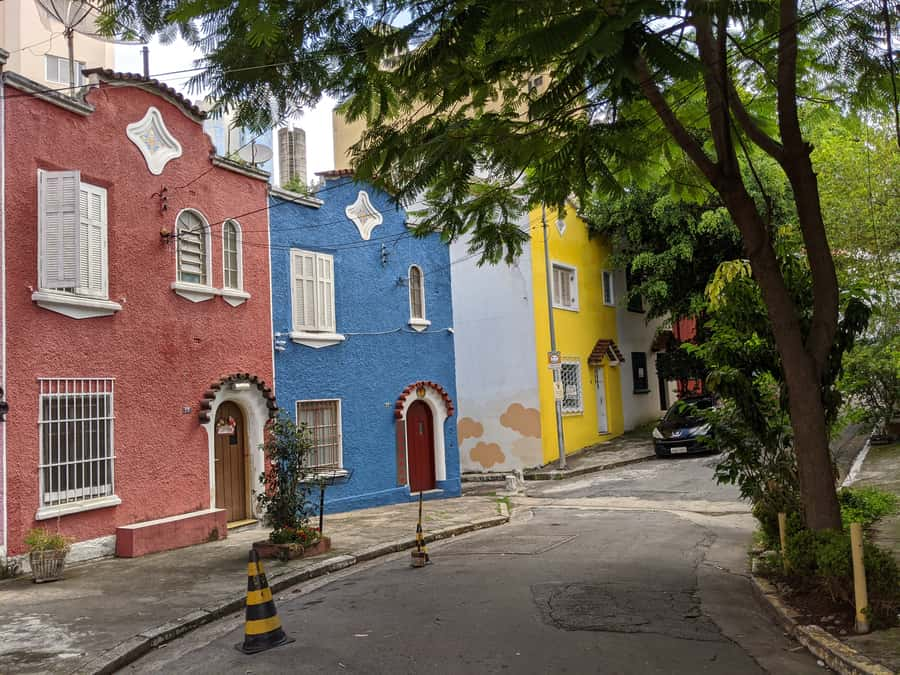
From the square, the experience moves into Liberdade’s streets and markets. The walk includes places of architectural interest, along with explanations of the people who live in the area. Since the route is only about 105 minutes for the guided portion, expect a focused introduction rather than an exhaustive tour of every street.
Japanese pastel and the first taste of Liberdade
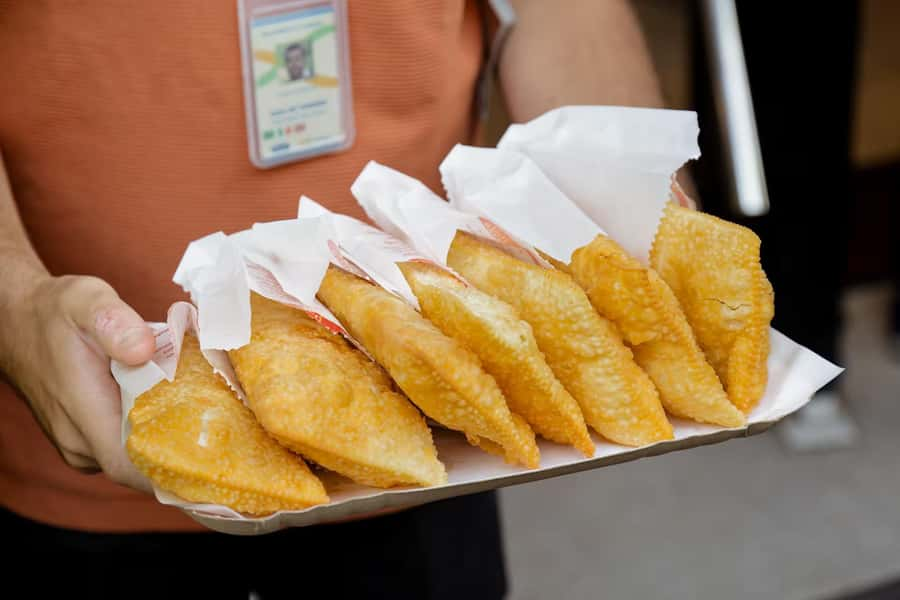
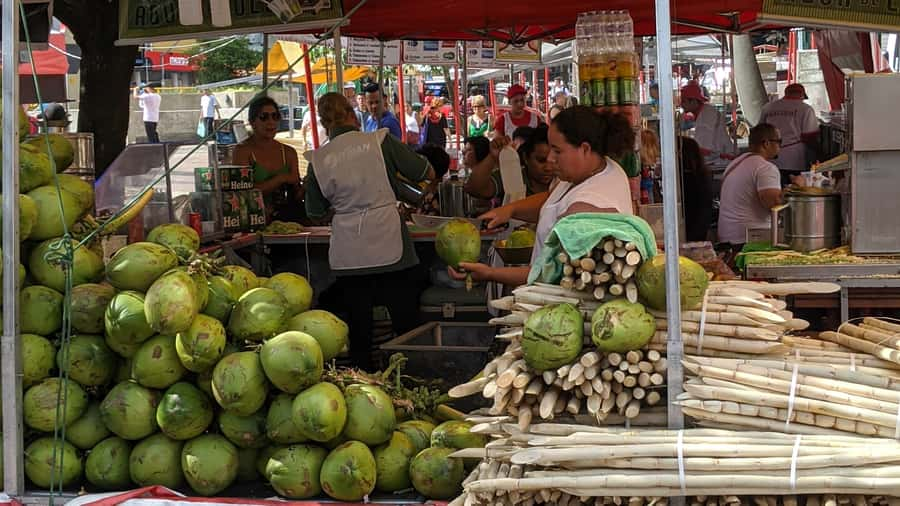
One of the first featured foods is Japanese pastel, paired with tropical sugarcane juice. Pastel is strongly associated with Brazilian street food, so the Japanese version gives you an immediate example of cultures meeting in São Paulo.
The pairing also tells you something about the tour’s style. You are not only sampling foods exactly as they might appear in their country of origin. You are tasting versions shaped by local life. The sugarcane juice adds a distinctly Brazilian note and gives you a refreshing drink early in the walk.
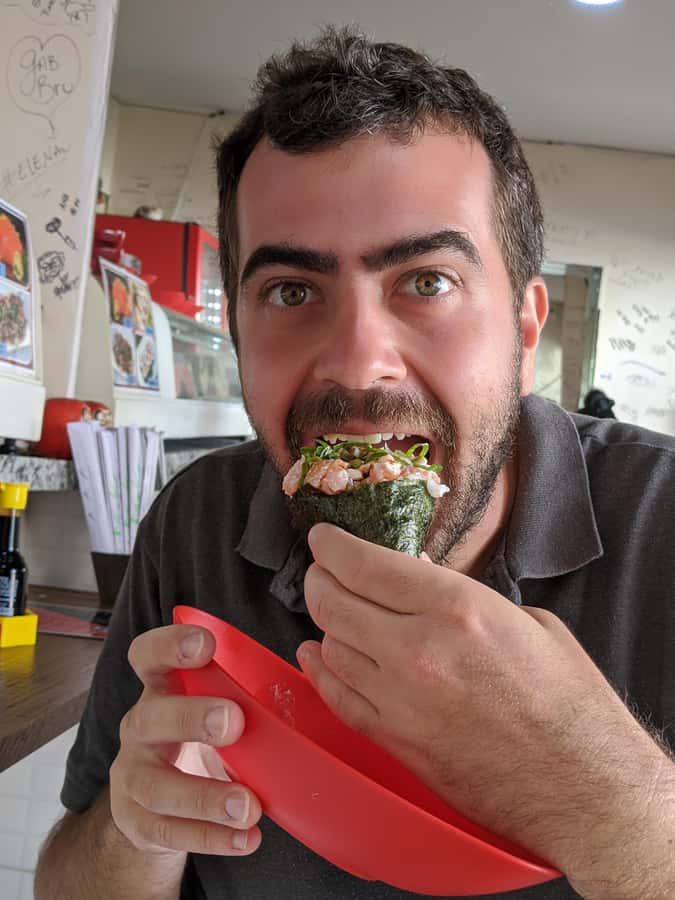
You also receive an onigiri. That rice snack helps set the Japanese side of the neighborhood in context, while the pastel shows how Brazilian food traditions can take on new forms. I would pay attention to the guide’s explanations here, because this is where the tour’s food-and-history method becomes most apparent.
Takoyaki, tempura, or weekday empanadas
Another planned tasting is traditional takoyaki or tempura. These foods offer a different texture and style from the pastel and onigiri, giving the walk some variety. The exact experience can change on weekdays, when this stop may be replaced by Argentine empanadas.
That change is worth noting before you book. If you have your heart set on takoyaki, tempura, or a particular Japanese dish, the weekday substitution means you may receive empanadas instead. Still, the swap fits the larger purpose of the walk: showing how several immigrant food traditions meet in one neighborhood.
The empanada option also adds a South American connection that many people may not expect from a Liberdade tour. I would see the flexible menu as a small tradeoff rather than a major problem. You get less certainty, but you may also encounter a favorite local snack that was not on your original list.
More Street Food Tours in Sao Paulo:
- Medellin: Comuna 13 Graffiti Tour, Cable Car & Street Food
★ 4.8 · 9,046 reviews - Medellín: Comuna 13 True Story and Street Food Tour
★ 4.9 · 1,779 reviews - Cartagena: Guided Street Food Tour with Tastings
★ 4.9 · 833 reviews - Medellin: Street Food and Poblado Rooftop Tour with a Local
★ 4.8 · 317 reviews
Korean choux pastry and the wider neighborhood
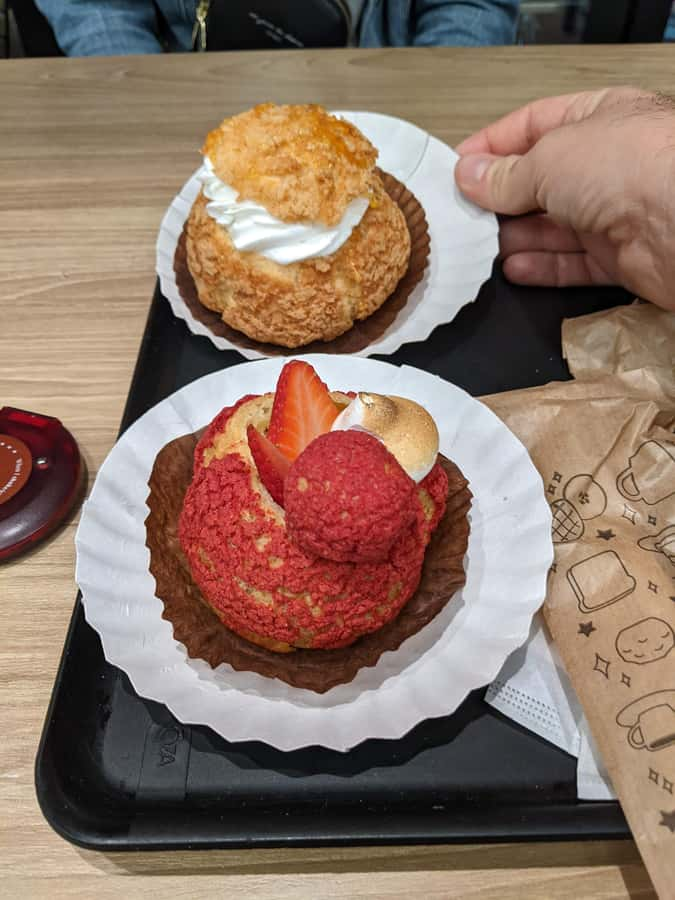
The tasting includes Korean choux au craquelin, a pastry with a crisp topping and soft center. It brings a sweet course into a walk that otherwise leans toward savory snacks.
More important, this stop reinforces the point that present-day Liberdade is not only Japanese. Korean influence is part of the neighborhood’s current identity, and the food provides an easy way to notice that change. The inclusion of Korean pastry, alongside Japanese and Brazilian foods, gives the tour a wider reach than a standard Japanese food crawl.
The area also has Chinese, Congolese, and Haitian connections, as well as a strong Afro-Brazilian heritage. The supplied schedule does not promise a tasting from every one of these communities, so you should not expect a food sample representing each culture. Instead, the guide uses the neighborhood and its cuisine to explain the broader mix.
A short walk with plenty of conversation
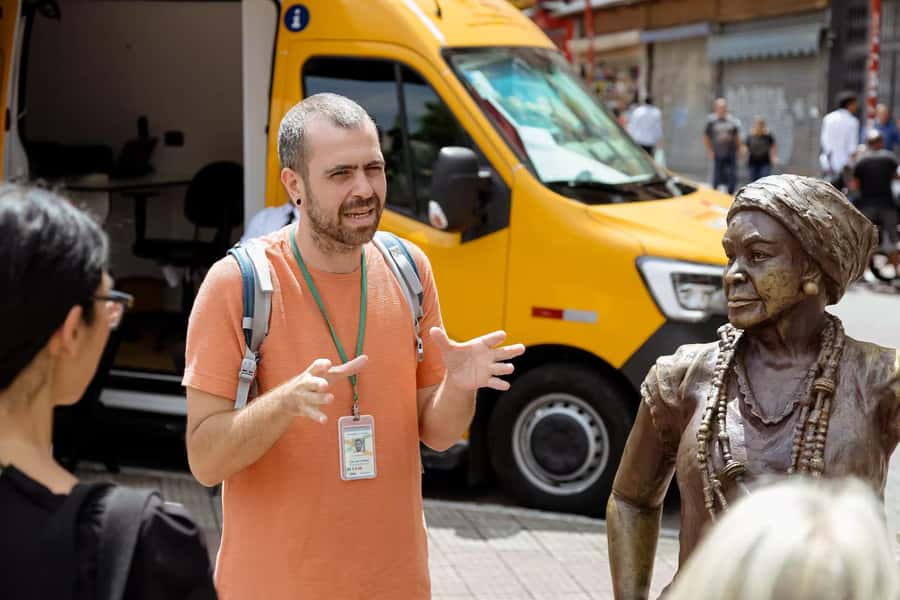
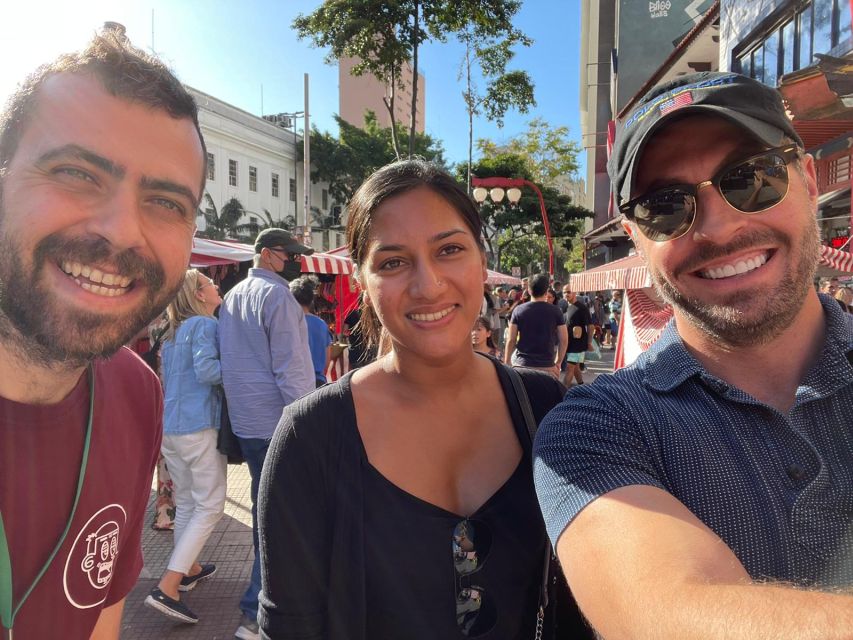
The walk is designed to connect the food stops with local history. Giuliano, who has lived in Brazil for many years, leads in English and is described as energetic, clear, and well informed about São Paulo and Brazil.
That matters in a food tour. A guide who can explain why a snack matters, not just what is inside it, adds real value. Giuliano’s background also gives the tour an interesting personal angle. He is Italian and has made Brazil his home, which may help him explain the city to an English-speaking audience from an outsider’s point of view.
The group size is limited to 10. I consider that one of the strongest practical features. You have a better chance of hearing the explanations at each stop, asking about unfamiliar foods, and keeping the group together in busy streets.
The walk includes architectural sights, but it is not presented as a dedicated architecture tour. If buildings are your main interest, you may want a longer or more specialized visit. Here, architecture supports the food and neighborhood story rather than taking center stage.
What you actually receive for $60
The $60 price includes three main snacks, a bottle of water, sugarcane juice, and a final soft drink or coffee. The food includes Japanese pastel and onigiri, traditional takoyaki or tempura, Korean choux au craquelin, and possibly Argentine empanadas on weekdays.
I think the price is fair if you value guidance and context. You are paying for several tastings, drinks, a small group, and a two-hour introduction to a district that can be difficult to understand through casual wandering alone. The strongest value comes from the explanations and the chance to sample foods without choosing every item yourself.
It is less compelling if you only want cheap street food. Additional food and drinks are not included, and the tour itself is not a long meal. You may want to buy more afterward, especially if you have a large appetite.
Several people have found the included food filling enough to recommend arriving hungry. I would follow that advice, but I would not skip a meal if you need a substantial lunch or dinner. Think of the experience as a generous tasting session with a final beverage, not a restaurant replacement.
The final stop at Restaurante Kazu
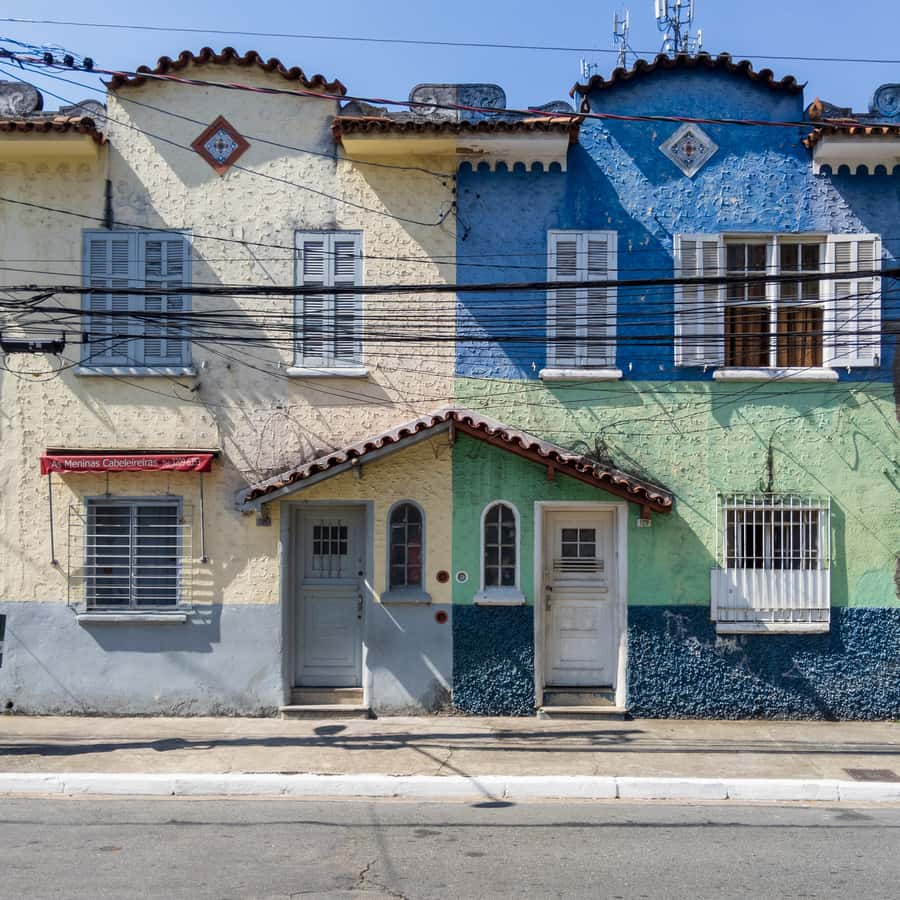
The tour ends at Restaurante Kazu. The supplied details do not promise a full meal there, so you should treat it as the finishing point for the walk and final drink rather than assume a large restaurant meal is included.
Your final included drink is either a soft drink or coffee. That gives you a simple way to finish, especially after the sugarcane juice and several snacks. If you want anything extra, you will need to pay for it yourself.
One person found the final food stop less appealing than the others, while still enjoying the guide and the overall activity. That is a useful reminder that taste is personal and that not every snack will work for every palate. The tour’s strength is its range, so one less successful bite does not necessarily spoil the whole outing.
Timing, comfort, and practical details
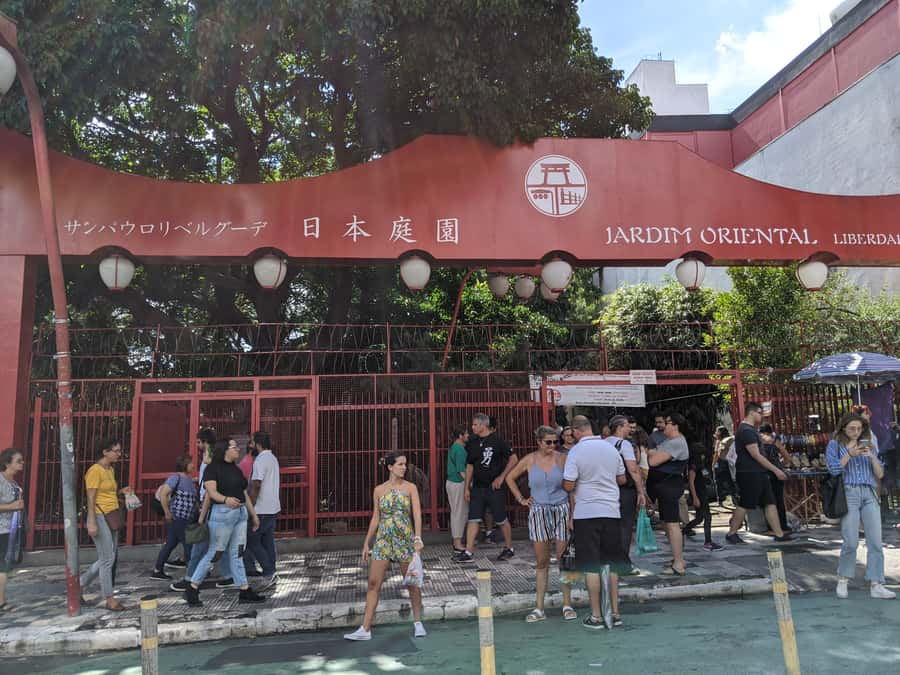
The activity lasts two hours, with around 105 minutes listed for the guided walk and tastings. That is enough time to sample several foods and hear the main historical points, but you should not expect a slow, all-day food crawl.
Bring sunscreen and an umbrella. The advice is simple and sensible for São Paulo, where weather can affect an outdoor walking activity. Comfortable shoes are also a practical choice, though they are not specifically required in the provided instructions.
The tour is wheelchair accessible. Since the route includes streets, markets, and food stops, you may still want to confirm any particular access needs before booking, but the activity is presented as suitable for wheelchair users.
Cancellation is free up to 24 hours before the start time, and you can reserve now and pay later. Those terms are helpful if your São Paulo schedule is still shifting. The tour is offered in English only, so it suits you best if you are comfortable following spoken English while walking and eating.
Who will enjoy this tour most
I would recommend this experience to you if you want a quick introduction to Liberdade with food doing much of the storytelling. It works especially well for first-time visitors to São Paulo who want neighborhood context without committing to a full-day activity.
It also suits curious eaters who like trying several small portions rather than ordering one familiar meal. The menu covers enough ground to keep the tasting varied, and the possible empanada substitution adds another local connection.
Families and small groups may appreciate the limited size, though the provided information does not specify a minimum age. If you have strict dietary restrictions, ask before booking, since the included foods are set in advance and additional substitutions are not promised.
You may want to skip it if you dislike trying unfamiliar food, need a large meal, or prefer a private, flexible schedule. The fixed start time and changing weekday menu also require a little trust in the guide’s plan.
Should you book the Liberdade Street Food Tour?
I would book this tour if you want food, immigration stories, and a short guided walk in one package. Its highest praise centers on Giuliano’s clear, lively guidance and the way he links each snack to São Paulo’s past and present.
At $60, it is not the cheapest way to eat in Liberdade. But the small group, English guidance, several tastings, drinks, and cultural context make it a sensible choice for a first visit. Arrive early, arrive hungry, and stay open to the weekday menu change.
FAQ
Where does the São Paulo Liberdade Street Food Tour meet?
The meeting point is outside the large red Banco Bradesco Prime building in the middle of Liberdade Square.
Where does the tour finish?
The tour finishes at Restaurante Kazu.
How long does the activity last?
The activity lasts two hours. The guided tour and food tasting portion is listed as approximately 105 minutes.
What food is included?
The included tastings are Japanese pastel and onigiri, traditional takoyaki or tempura, and Korean choux au craquelin. On weekdays, the takoyaki or tempura may be replaced by Argentine empanadas.
What drinks are included?
You receive one bottle of water, one sugarcane juice, and one final soft drink or coffee.
Is the tour offered in English?
Yes. The tour is conducted in English with a live guide.
How many people can join the group?
The group is limited to 10 participants.
Is the activity wheelchair accessible?
Yes. The activity is listed as wheelchair accessible.
What happens if I arrive late?
The tour starts strictly on time. Once the tour has begun, late arrivals cannot join, so you should plan your journey to the meeting point in advance.
More Food Tours in Sao Paulo
- From Mendoza: 3 Wineries, Olive Oil Factory Tour & Tasting
★ 4.6 · 901 reviews - Buenos Aires: 9-Course Argentine Meat Tasting at Fogón Asado
★ 4.9 · 826 reviews - Lima: Ultimate Peruvian Food Tour
★ 4.9 · 700 reviews - Buenos Aires: Local Foodie Adventure with Sherpa Food Tours
★ 4.9 · 670 reviews
Just added around Sao Paulo
- Guarulhos Airport Transfer to Viracopos Airport or Campinas City★ 5.0 · 51 reviews
- City tour in Campos do Jordão★ 5.0 · 45 reviews
- Arborismo in Horto Florestal – Campos Do Jordão★ 4.5 · 42 reviews
- São Paulo: Campos do Jordão Guided Tour★ 4.5 · 66 reviews
- 7-Hour Shared Group Santos Tour : Mont Serrat, Coffee Museum and Sightseeing★ 5.0 · 68 reviews
- 8-Hour Private Tour São Paulo: Major Tourist Attractions–Optional Airport Pickup★ 5.0 · 79 reviews
- 6 Hour Ayrton Senna Tour – The Greatest Formula 1 Drivers of all Time★ 5.0 · 83 reviews
- Sao Paulo: Downtown-Center History Walking Tour – in English★ 5.0 · 91 reviews
Street Food Tours, compared.

Comuna 13 Graffiti Tour, Cable Car & Street Food
Read our review →
Street Food and Poblado Rooftop Tour with a Local
Read our review →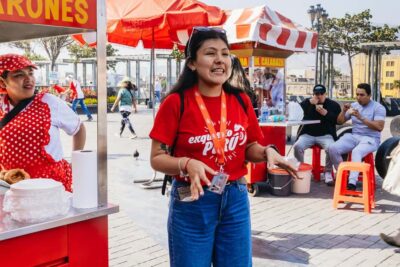
Lima: Historic Center Street Food, Market, and Eateries Tour
Read our review →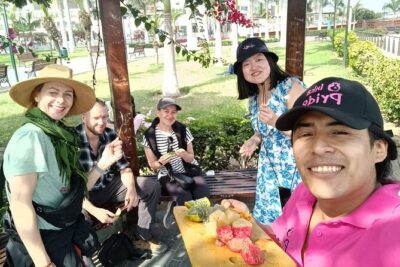
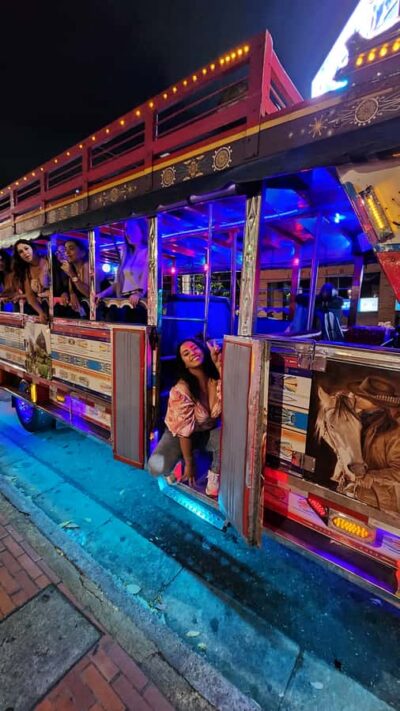
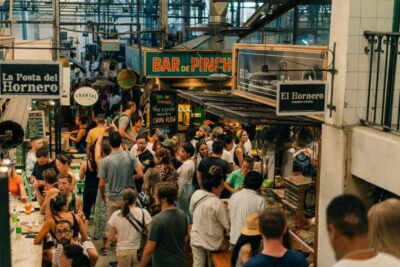
San Telmo: Historical Guided Tour with Street Food & Drinks
Read our review →
Browse the lists this tour appears in