
Reviewed · HISTORICAL TOURS
Santiago: Guided Walking Tour of the Historical Old Town
Santiago’s best introduction may be on foot, moving from the government quarter to the cathedral, art district, hilltop views, and restaurant-lined Bellavista. This three-hour route gives you a useful first map of the city without locking you inside a bus.
I like the small group, limited to 10 people, and the guide’s strong local storytelling. Eugenio, also called Eugene by some guests, is often singled out for his history, easy manner, good English, and care with mixed-language groups. The main drawback is the amount of ground covered: you see many places, but most are outside visits rather than long museum stops.
Key points at a glance
- A full city cross-section: Walk from Palacio de la Moneda through the old center, Bellas Artes, Lastarria, and Bellavista.
- The 1748 cathedral: See Santiago’s grand Cathedral at Plaza de Armas, one of the tour’s major historic stops.
- A hilltop pause: Santa Lucia Hill offers city views and free entry from Tuesday through Sunday.
- A small group: The tour is limited to 10 participants, which makes questions and conversation easier.
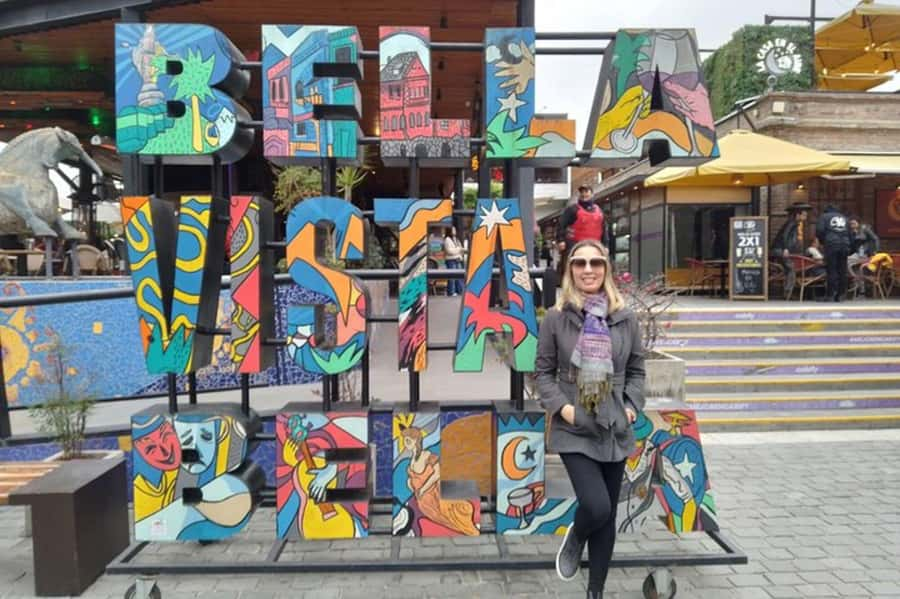
- A practical ending: Finish at Patio Bellavista, close to restaurants and useful for continuing your afternoon.
- A strong guide presence: Eugenio is praised for history, clear English, thoughtful pacing, and help with local suggestions.
Starting at La Moneda and entering Santiago’s public life
The walk begins at Palacio de la Moneda, Chile’s seat of government and a fitting place to start thinking about the country’s politics and modern identity. From here, your guide leads you through the center rather than treating Santiago as a string of isolated photo stops.
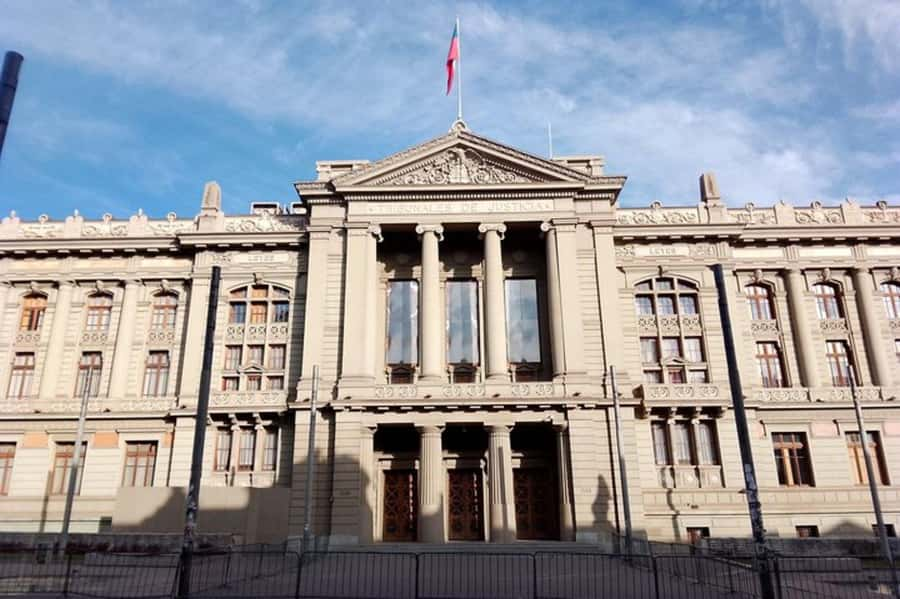
You move past the Stock Exchange Building, Bandera Avenue, and the Court of Justice. These stops help you read the city as a working capital, not just an old quarter preserved for sightseeing. The route brings together government, finance, law, and public space in a short distance.
I like this opening because it gives context before the famous plaza appears. You are not simply told that a building is old or important. You get a sense of how the center functions and why these streets matter.
The walking itself is steady rather than strenuous for most people who are comfortable on city streets. Still, three hours on foot is not a casual stroll around one square. Wear supportive shoes, carry sun protection, and bring water even though bottled water is included.
More Walking Tours in Chile
- Santiago Half-Day Walking Tour with Hotel Pick up & Brunch
★ 4.7 · 148 reviews - Santiago De Chile: Private Custom Walking tour with A Guide
★ 4.4 · 88 reviews - 2-Hour Walking Tour of Yungay The Coolest Neighborhood in Chile
★ 5.0 · 85 reviews
Plaza de Armas and the Cathedral of Santiago
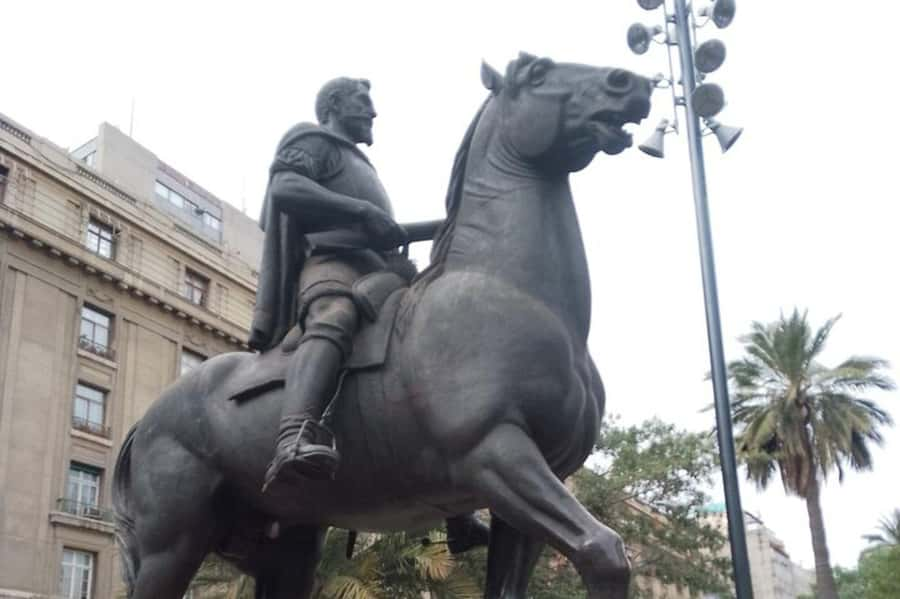
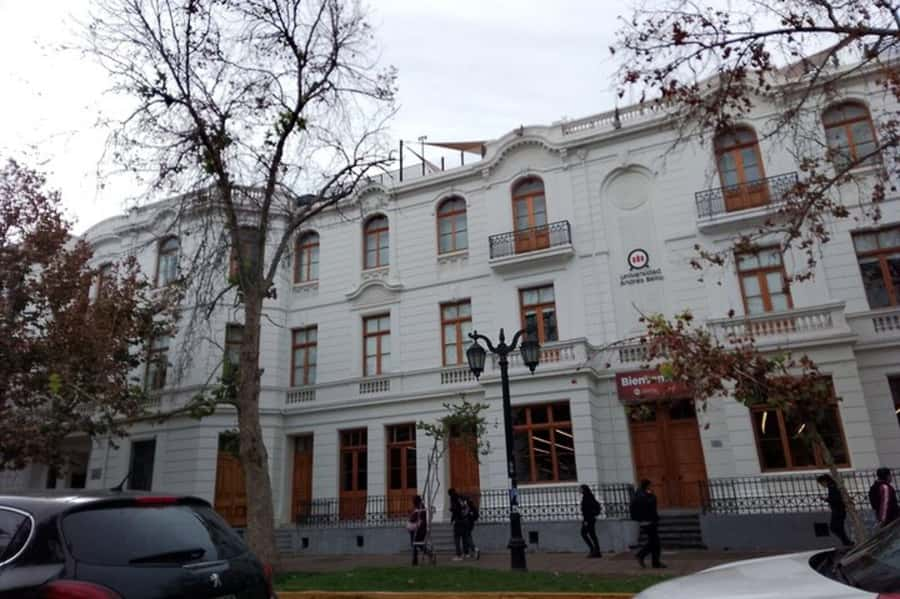
The route continues to Plaza de Armas, the central public square and one of Santiago’s essential orientation points. Here, the Cathedral of Santiago takes center stage. The current cathedral dates to 1748, giving the building a firm place in the city’s colonial story.
This is one of the tour’s strongest stops for visitors who want architecture and history together. Your guide can explain the cathedral in relation to the surrounding civic buildings, rather than presenting it as a stand-alone church.
You also visit the former National Congress and Santiago City Hall. Together with the cathedral and the plaza, these sites show how religion, government, and public life developed side by side in the historic center.
Do not expect an extended guided visit inside every building. The value here is the explanation and the sequence. You see the major landmarks, learn what to return to, and keep moving through the city.
That format suits a first day in Santiago. Several people use the walk to make a list of places for a later, slower visit. If you have only a layover or one free day, this efficient sweep can give you a useful feel for the city.
Bellas Artes, Lastarria, and the city’s creative side
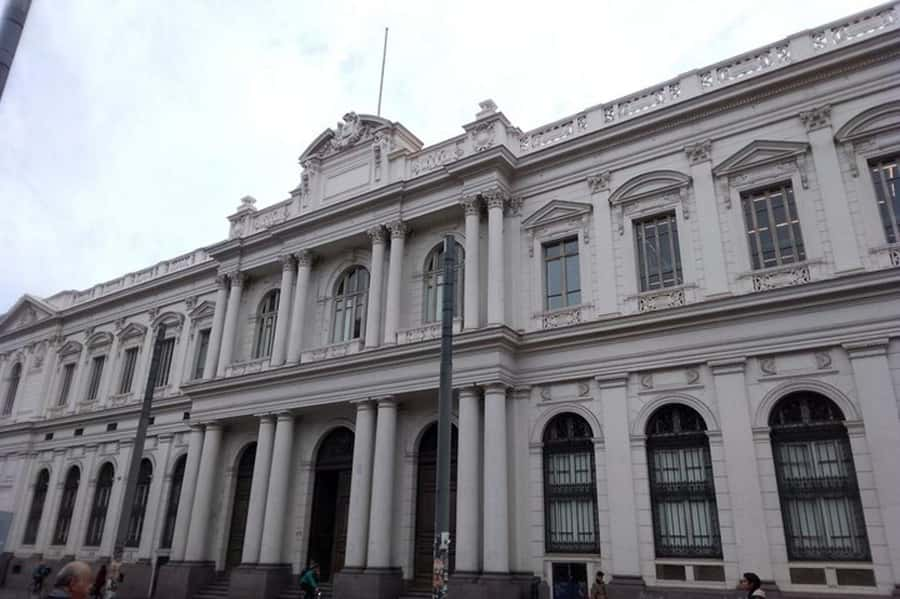
After the main historic center, the walk shifts toward Bellas Artes. This neighborhood has a different mood, with art, cafés, cultural venues, and more modern city life folded into older streets.
The tour includes the Bellas Artes Museum, though the supplied details do not promise a full museum entry or guided interior visit. Treat it as a neighborhood and cultural landmark stop unless your booking details say otherwise.
From there, you continue through Lastarria and Forest Park. These areas provide a welcome change from the formal government center. You get more room to look around, notice street life, and see how Santiago’s historic core connects with its arts scene.
I like this middle section because it keeps the walk from becoming a parade of official buildings. You see a side of Santiago shaped by art, food, and local leisure. It also gives you useful choices for later in your stay, especially if you want museums or a café break after the tour.
The route may include a short stop at a café. One guest specifically enjoyed the coffee and ice cream, while another appreciated having a restroom break. This is not presented as a guaranteed meal stop, so plan to buy anything you want yourself.
Santa Lucia Hill for a wider view
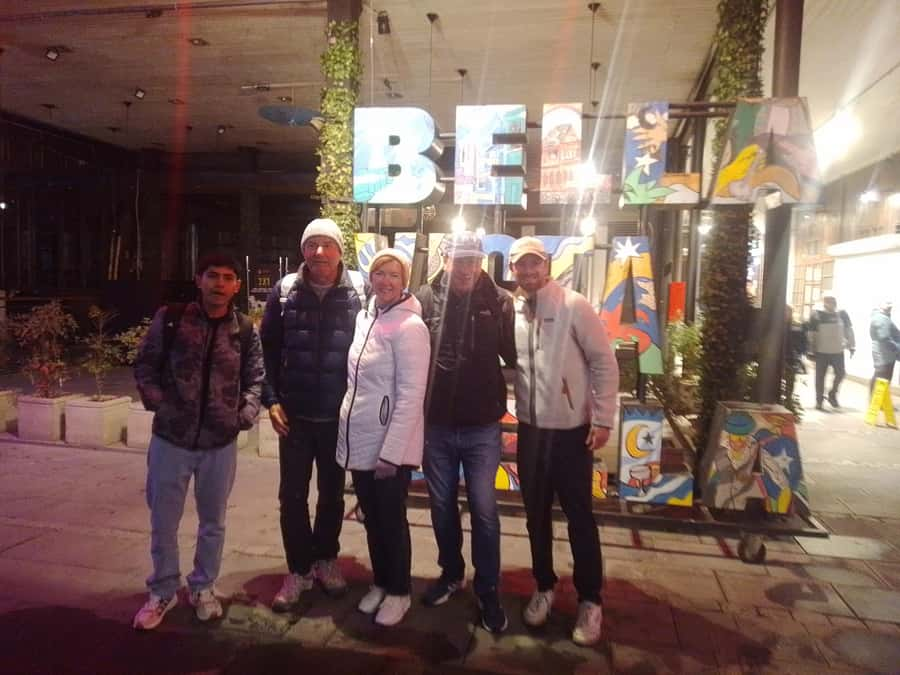
Santa Lucia Hill is the route’s natural high point. After walking through the center, you climb this picturesque urban hill for views across Santiago. The stop helps you understand the city’s scale in a way that street-level sightseeing cannot.
Entrance is free from Tuesday through Sunday. The supplied information does not promise the same access on Monday, so check the schedule if the day matters to you.
This is a good place to pause, take photographs, and connect the individual neighborhoods you have just crossed. The view is also a reminder that Santiago is a large city set against dramatic natural surroundings, though the tour does not include a visit to San Cristobal Hill.
The climb is worth noting. The experience requires good walking ability and is not recommended for pregnant travelers or people with heart problems or other serious medical conditions. The information does not give a precise accessibility rating, so anyone concerned about hills or uneven walking should ask before booking.
Hot weather can make this section harder. The guide has been praised for stopping in shaded places when temperatures rise, but you should still bring a hat, sunscreen, and light clothing. Santiago can feel much hotter when you are standing in open plazas and climbing a hill.
More Walking Tours in Santiago
- Santiago: City Highlights Walking Tour
★ 4.2 · 51 reviews
Bellavista and a useful finish at Patio Bellavista
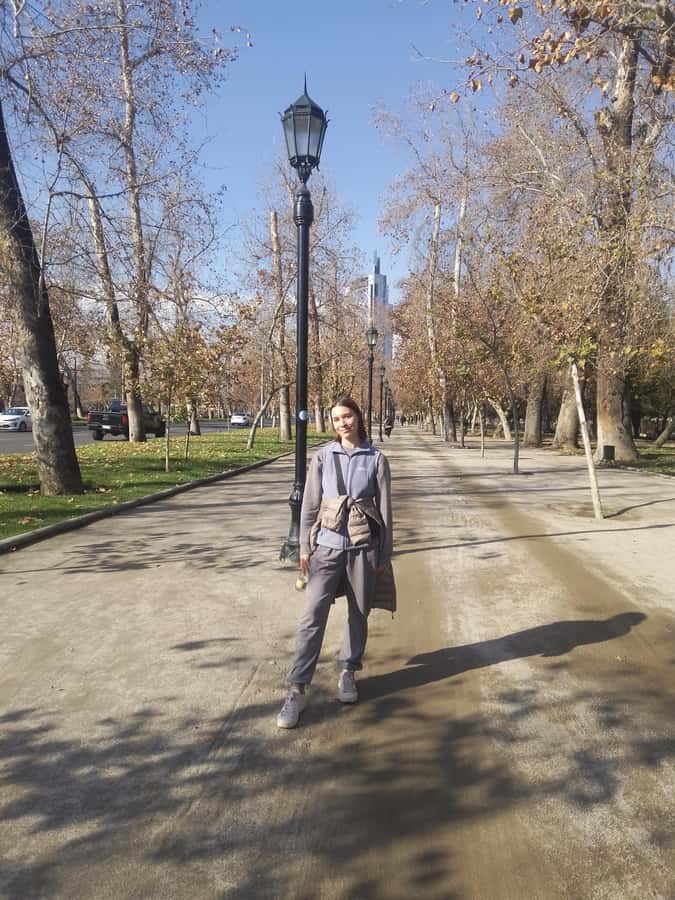
The final section leads through Bellavista, a lively neighborhood known here as a food and nightlife center. The walk ends at Patio Bellavista, where you can stop for lunch, choose a restaurant, or continue exploring without needing to return to the starting point.
This is a smart ending. A three-hour city walk can leave you ready for food, and Bellavista gives you an immediate set of options. The tour does not include lunch, so budget for your own meal.
The route also includes culinary discussion along the way. You can ask about local dishes, restaurants, and what to try next. One guide has helped visitors arrange an Uber back to their hotel, though that is a personal courtesy rather than a stated part of the tour.
Pablo Neruda’s house and San Cristobal Hill are not included. This matters because Bellavista can bring those attractions to mind, but you will need a separate plan and budget if you want to visit them.
What makes the guide important
A walking route can look good on paper and still feel flat without a strong guide. Here, the guide is a major part of the value.
Eugenio is repeatedly praised for his command of Santiago and Chilean history, but the useful point is how he applies it. He links buildings with political events, architecture, society, food, and current life. That makes the city easier to understand than a list of dates would.
He also handles English and Spanish speakers in the same group, and Portuguese is available as a tour language. One point to keep in mind is that a few comments suggest he can speak quickly when explaining a lot of material. If you need a slower pace, ask early. The small group should make that request manageable.
The pace is generally described as comfortable, with frequent stops. The tour has sometimes run longer when questions or explanations took extra time. That can be a benefit if you enjoy detail, but it may matter if you have a fixed lunch reservation, museum booking, or airport connection.
The group limit of 10 is a real advantage at $25. You are more likely to hear the explanation, ask about a building, and stay connected to the guide than on a large coach excursion. It also keeps the walk personal without paying for a private tour.
Is $25 good value?
At $25 per person, this is a reasonably priced orientation tour. You are paying for three hours of guiding, a planned route, bottled water, and access to local context across several districts.
The value is strongest if Santiago is new to you. In one morning, you cover the government quarter, historic center, cathedral, civic buildings, art district, hill, park, Lastarria, and Bellavista. Recreating that route alone would take planning, map checks, and research.
The price is less compelling if you want long interior visits or a specialist museum tour. Entry to the Bellas Artes Museum is not clearly included, lunch is extra, and the tour does not cover Neruda’s house or San Cristobal Hill.
I would book it early in a Santiago stay, ideally on your first day or one of your first mornings. You can use the route to decide which neighborhoods deserve more time, where to eat, and which museums or hills to revisit.
The flexible booking terms help if your schedule is uncertain. You can cancel up to 24 hours ahead for a full refund, and the reserve-now, pay-later option lets you hold a place without paying immediately. The tour can be canceled for poor weather or if too few people book, with a new date or full refund offered.
Who will enjoy this walk most?

This is a good match for first-time visitors, short-stay visitors, and anyone who wants a quick sense of Santiago before exploring alone. It also suits people who enjoy history but prefer it delivered outdoors, in front of the actual buildings.
It works well for a layover if your timing allows a three-hour tour plus transport to and from the meeting point. Leave extra time around it because the walk can sometimes run over.
The small group and three available languages make it useful for mixed-language parties. Families with very young children should check the age rules carefully. The information lists babies under 1 and children under 2, 3, and 4 as unsuitable, so the booking system should be treated as the final guide.
You should think twice if you dislike hills, long walks, hot weather, or a tour that keeps moving. You may also prefer a different experience if your main goal is museum interiors, Neruda sites, or San Cristobal Hill.
Should you book the Santiago old town walk?
I would book this tour if you want a strong first look at Santiago for a modest price. The route covers more than the old town alone, and its mix of government buildings, the cathedral, art neighborhoods, a hilltop view, and Bellavista gives you a useful sense of how the city fits together.
The main reason to choose it is Eugenio’s guiding style. His history, local suggestions, friendly manner, and care with group pace add real value to a route that could otherwise feel like a checklist.
Skip it if you want a slow museum day or a private itinerary built around specific interiors. For most first-time visitors, though, this is an efficient and personable way to get your bearings, then spend the rest of the trip following your own interests.
FAQ
How long is the Santiago walking tour?
The tour lasts three hours, though it may run longer when the group has extra questions or the guide spends more time explaining a stop.
What is the price?
The price is $25 per person.
Where does the tour begin?
The tour begins at Palacio de la Moneda in Santiago.
Where does the tour finish?
The tour ends at Patio Bellavista.
Which languages are available?
The live guide can conduct the tour in Portuguese, English, or Spanish.
How large is the group?
The tour is limited to 10 participants.
Is bottled water included?
Yes. Bottled water is included in the walking tour.
Is lunch included?
No. Lunch is not included. The tour ends at Patio Bellavista, where you can look for a meal.
Does the tour include Pablo Neruda’s house or San Cristobal Hill?
No. Entry to Pablo Neruda’s house and San Cristobal Hill is not included.
Can I cancel for a refund?
Yes. You can cancel up to 24 hours in advance for a full refund. Poor weather or failure to reach the minimum number of participants can also lead to a new date or full refund.
More Historical Tours in Santiago
- Cartagena: Historic Center and Getsemaní Shared Walking Tour
★ 4.9 · 2,716 reviews - Lima’s Vibrant Heritage: Exploring the City’s Landmarks Half-day
★ 4.5 · 581 reviews - Maria Fumaça – Wines and History
★ 4.0 · 242 reviews - Rio de Janeiro: Historic Rio and Santa Teresa Half-Day Tour
★ 4.4 · 228 reviews
Just added around Santiago
- Santiago: World-class Wines, Visit to 4 Vineyards and Tanino★ 5.0 · 91 reviews
- Santiago: Full day tour in Portillo and Laguna del Inca★ 3.9 · 61 reviews
- Santiago: Inca Lagoon Tour with Local Vineyard and Tasting★ 4.9 · 43 reviews
- Santiago: Valle Nevado Ski Day Trip with Hotel Transfers★ 4.5 · 47 reviews
- Santiago: The Essentials City Tour & Optional Concha y Toro★ 3.4 · 40 reviews
- Santiago Cathedral’s Bell Tower Official Tour★ 4.7 · 58 reviews
- Santiago: Concha y Toro with transfer, tasting & gift cup★ 4.0 · 50 reviews
- From Santiago: Rafting in the Maipo Canyon★ 4.9 · 83 reviews
Historical Tours, compared.
Historic Center and Getsemaní Shared Walking Tour
Read our review →
Lima’s Vibrant Heritage: Exploring the City’s Landmarks Half-day
Read our review →


Lima: Historic Center Street Food, Market, and Eateries Tour
Read our review →
Nazis in Buenos Aires: a historical walking tour
Read our review →

Scenic Train ride to historical cities of Morretes and Antonina
Read our review →Browse the lists this tour appears in