
Reviewed · HALF-DAY
Sacsayhuaman Temple, Tambomachay and Puca Pucara Half-Day Tour
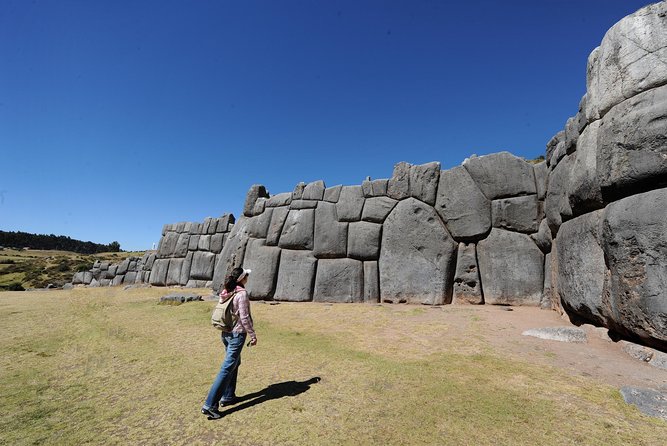
Sacsayhuaman is the star here, with colossal stone walls, wide views over Cusco, and the kind of Inca masonry that makes you stop talking for a minute. I like that one prebooked ticket covers four sites, and I like the small-group format, which is far easier than trying to arrange taxis and admissions on your own.
The main caution is time. The tour is sold as roughly three hours, though some departures run closer to four, and Sacsayhuaman deserves more time than the other stops combined. Some guides, including Jose Aguilar, Ana, Yuber, Alex, and Marínés, have provided strong historical explanations, but the pace and depth can vary. An unscheduled alpaca or textile shop stop has also shortened ruin visits on some departures.
Key points to know before you book
- Sacsayhuaman gets the most time: Plan on about 90 minutes here, though some departures spend closer to two hours.
- Four sites fit into one morning: You visit Sacsayhuaman, Q’enqo, Puca Pucara, and Tambomachay outside Cusco.
- A bilingual guide leads the visit: Spanish and English service is included, with guide quality and pace varying by departure.
- Small groups keep transport easy: The van holds no more than 14 people and includes hotel pickup and drop-off where vehicles can reach.
- The early start helps: Meeting time is 8:00 a.m., useful for cooler weather and smaller crowds at Sacsayhuaman.
- Allow for a possible shopping stop: Textile and alpaca stores have appeared on some tours, though this is not part of the stated archaeological program.
Why these four Inca sites make a smart Cusco morning
Cusco is packed with churches, museums, markets, and narrow streets. Just beyond the city, the hills hold a different side of Inca history. This half-day tour links four nearby archaeological sites without making you negotiate local transport or figure out which road leads where.
I see the tour as a practical introduction rather than a full archaeological study. You get the huge stonework of Sacsayhuaman, the ceremonial mystery of Q’enqo, the military purpose of Puca Pucara, and the sacred water at Tambomachay. Together, they show that Inca life was not only about fortresses. It also involved ritual, water, astronomy, roads, and control of movement around Cusco.
The $69 price is reasonable if you value convenience. It includes a bilingual guide, air-conditioned minivan transport, hotel pickup and return, and admission to the archaeological park covering all four sites. A private taxi may give you more control, but you would still need to arrange site entry and find someone to explain what you are seeing. The tour earns its keep when your time in Cusco is short.
If you want long photo stops, detailed archaeology, or the freedom to wander every terrace, I would choose a private guide or return to Sacsayhuaman independently. If you want a clear overview in one morning, this is a useful fit.
A few more Cusco days worth comparing
- Cusco: Humantay Lake Tour with Breakfast and Buffet Lunch
★ 4.9 · 2,976 reviews - Cusco: Half-Day City Tour with Sacsayhuaman and Q’enco
★ 4.6 · 1,129 reviews - From Cusco: Vinicunca Rainbow Mountain ATV Tour with Meals
★ 4.6 · 1,060 reviews
Sacsayhuaman: give the massive stones your full attention
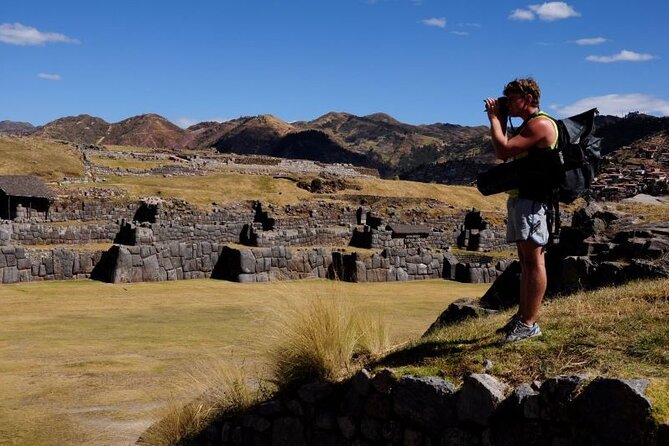
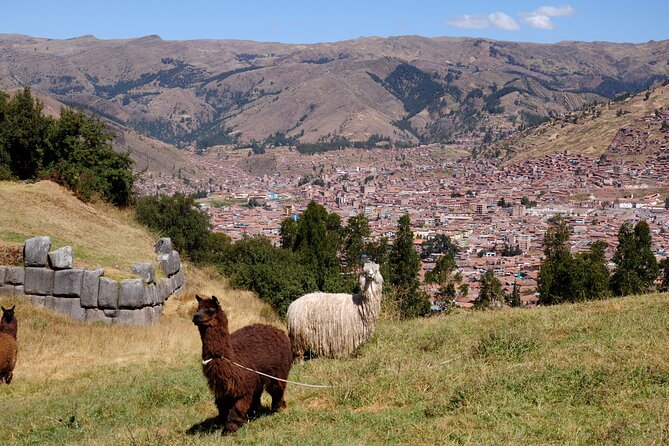
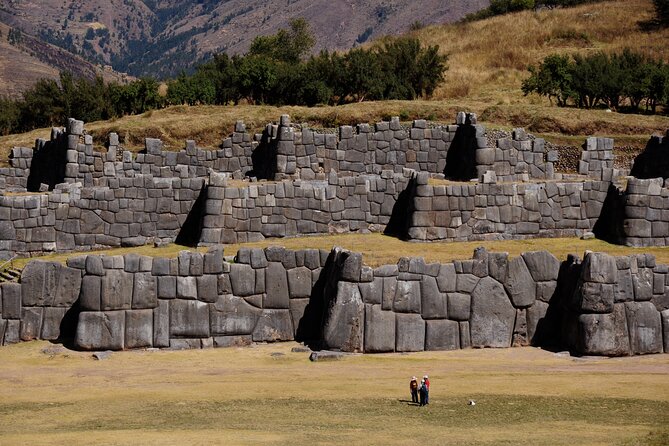
Sacsayhuaman is the reason to book this outing. The site spreads across a hill above Cusco, with broad views of the city and enormous zigzag walls made from tightly fitted stones. The largest blocks are the visual punchline. They make ordinary stone construction look like children’s building blocks.
Your guide should explain how the site functioned as a major ceremonial and defensive complex, then help you read the terraces, paths, and surviving tower remains. Look closely at the shapes and carvings in the stonework. Some forms are linked to animals and to the Inca understanding of different levels of the world.
The planned visit is about 90 minutes, though one well-paced departure spent almost two hours here. That difference matters. Sacsayhuaman is spread out, and you need time to move between viewpoints, listen to the explanation, and take photographs without feeling pushed along.
The best feature is the combination of engineering and setting. You are not looking at stones in a museum courtyard. You are standing on a high slope with Cusco below and open hills around you. The city can feel far away, even though it is close.
The main problem is that this stop can be rushed. Some guides have spent too much time at the viewpoint and too little among the ruins. If your guide begins hurrying, politely say that Sacsayhuaman is your main priority. You can also ask where the remaining terraces and tower area are before the group moves on.
The nearby Cristo Blanco statue is about a 10-minute walk from one of the viewpoints, but it is not part of the stated route. Do not count on having time to visit it.
Q’enqo: a short stop with a ceremonial focus
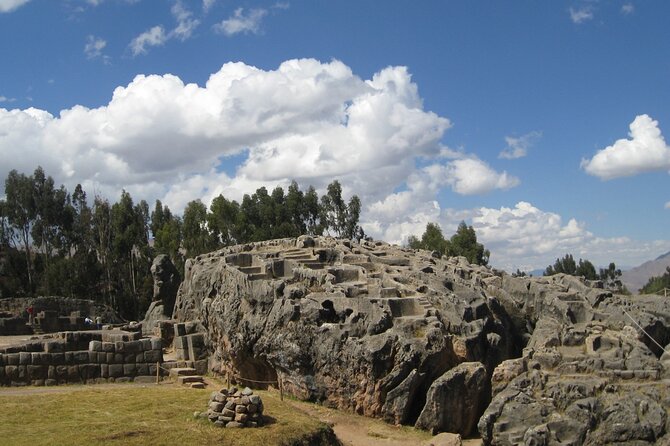
Q’enqo is smaller and more atmospheric. Its name is linked to winding or zigzag forms, and the site centers on a carved limestone outcrop with channels, passages, stairways, and an altar area associated with ceremonies. The layout feels more intimate than Sacsayhuaman.
The visit usually lasts about 30 minutes. That is enough to see the main features and hear a basic explanation, but not enough for a slow study of every carving. The interior altar area has at times been closed for health restrictions, so you may only see the upper labyrinth and exterior rock features.
This stop works best when your guide connects the stone details to Inca ritual practice. Without explanation, Q’enqo can look like a group of weathered rocks. With context, the channels and carved surfaces become clues to how ceremonies may have been organized.
I would not book this tour solely for Q’enqo. It is an interesting part of a four-site circuit, but Sacsayhuaman provides the scale and visual impact. Keep your expectations matched to the 30-minute stop.
Puca Pucara: walls, watchpoints, and a red fortress
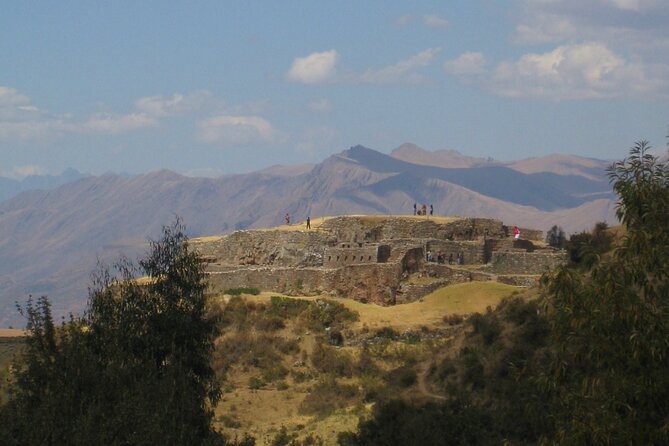
Puca Pucara means red fortress in Quechua. The site sits on a hill and is associated with military control, lookout duties, and checking movement along the routes near Cusco and Sacsayhuaman.
The remains include stone walls, water channels, and aqueduct features. Unlike Sacsayhuaman, Puca Pucara does not overwhelm you with giant blocks. Its interest comes from location and purpose. From here, you can picture a checkpoint watching people and goods moving through the surrounding area.
You will usually spend about 30 minutes here. That is enough for photographs and a concise explanation. The site is open and exposed, so the view is part of the experience. On a clear day, the stonework and high setting photograph well.
Some departures have spent a little longer at Puca Pucara than at the smaller sites, while others have used the time for a textile stop. If military history interests you, make clear that you want to see the ruins before shopping.
Same trip, a completely different kind of day:
- City Tour Cusco Qoricancha Sacsayhuaman y Tambomachay
★ 4.7 · 617 reviews - From Cusco: Excursion to Humantay lake from Cusco
★ 4.7 · 514 reviews - Cusco: Peruvian Cooking Class, Cocktails & Local Market Tour
★ 4.9 · 512 reviews - Cusco: Sightseeing Tour of the City on an Open-Top Bus
★ 4.0 · 481 reviews
Tambomachay: sacred springs in the hills
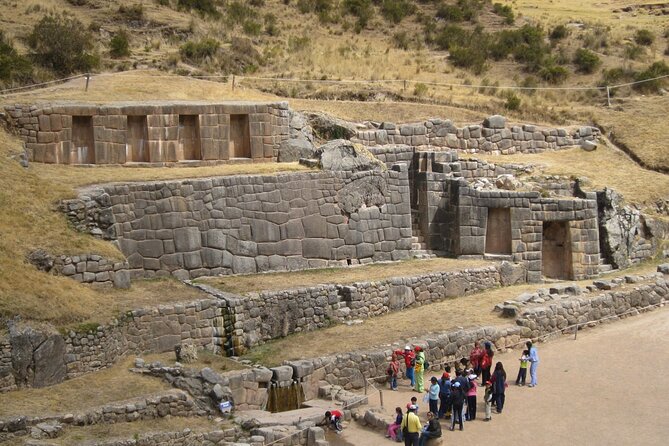
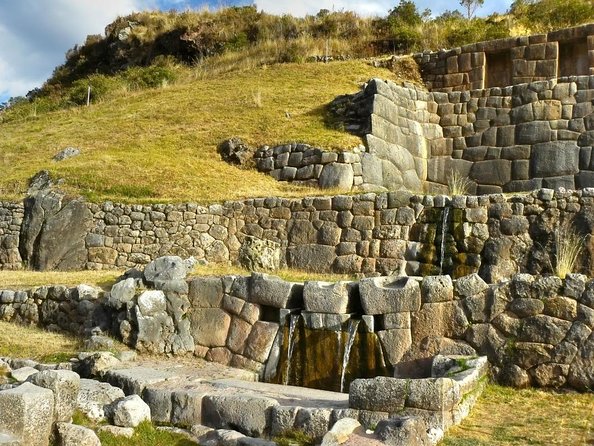
Tambomachay is the quietest stop and one of the most distinctive. Natural springs flow through carefully built stone channels and fountains. In Inca thought, water was not merely useful. It carried ceremonial meaning, and Tambomachay is linked with renewal, youth, good fortune, and the sacred relationship between people and the mountain world.
The stop is planned for about 45 minutes. You will see the water features, stone terraces, and the setting at the foot of the hills. This is a place where a good guide adds real value by explaining how water engineering and ritual life met in one small complex.
The site does require walking over stone surfaces and steps. During rainy weather, these can become slippery. Several practical details matter here: wear shoes with a firm sole, bring a light rain layer during wet months, and keep your camera protected.
Tambomachay does not have the scale of Sacsayhuaman, but it gives the tour balance. After seeing walls built for ceremony and defense, you get a place shaped around springs and ritual water.
The guide can make or break the morning
The tour includes live service in Spanish and English. That is important because the four sites are easier to understand when someone explains what you are looking at, rather than simply pointing out walls and fountains.
Guide quality has varied by departure, so I would keep your questions ready. Ask about the Spanish conquest and the battle at Sacsayhuaman, the function of Q’enqo’s carved altar, and the relationship between Tambomachay and Inca ideas about water. Guides such as Jose Aguilar, Yuber, Ana, Alex, Marínés, Robinson, River, and Henry have been praised for clear explanations, patient pacing, and strong command of Cusco’s Inca past. You may not get one of those specific guides, so treat names as examples, not a promise.
A small group of up to 14 people helps. It is easier to hear, easier to keep the group together, and less awkward when you need a photo. Some departures have had only a few people, even a single non-Spanish speaker. That can lead to more personal attention, but it can also expose a weak guide more clearly.
The bilingual format may slow the talk because explanations are given in two languages. That is normal. If the group contains mostly Spanish speakers, make sure the English explanations are complete before moving on.
Transport and timing: why the 8:00 a.m. start helps
Pickup begins around 8:00 a.m. from your Cusco hotel, followed by a minivan ride into the hills. The vehicle is air-conditioned, and hotel return is included where the streets allow vehicle access. Some hotels sit in pedestrian-only or restricted areas, so you may be asked to meet at a nearby pickup point.
The early start is one of the tour’s better features. Sacsayhuaman can draw long lines and heavy foot traffic later in the day, especially during busy periods. Starting early gives you a better chance of seeing the main complex before it feels crowded.
The stated duration is about three hours, but actual departures have ranged closer to four hours. That may depend on pickup locations, group size, guide pace, and stops along the way. Keep the rest of your morning flexible. A well-run tour can return you to Cusco in time for lunch, and it works well on a departure day if your flight is later in the evening.
The route order may vary. One plan begins at Sacsayhuaman, while another operating pattern begins at Tambomachay and works back through the sites. All four stops are the important part. If Sacsayhuaman is your priority, ask at pickup when you will visit it.
The textile shop issue
A stop at an alpaca or textile shop has appeared on some departures, even though it is not part of the archaeological program. The explanation can be useful. You may learn how alpaca, baby alpaca, vicuña, llama, wool, and synthetic fibers differ.
The problem is time and pressure. A 20 to 30-minute shopping stop can take time away from Sacsayhuaman or Puca Pucara, especially on a short tour. Some shops also use hard-sell tactics, and one reported card purchase added a 30 percent markup.
You are not required to treat the shop as your only chance to buy textiles. If you want to shop, compare prices elsewhere and ask about card fees before paying. If you would rather stay at the ruins, say so clearly and ask whether you can skip the stop. This is the single biggest point I would clarify before departure.
What to bring for a better visit
Cusco sits at high altitude, and the sun can feel fierce even when the air is cool. Bring sunscreen, a hat, water, and sunglasses. A light rain jacket is useful during the wet season, while sturdy walking shoes help on stone steps and uneven paths.
Dress in layers. You may start in cool morning air, warm up while walking, then encounter wind or rain at the higher sites. Keep your passport details available if required for admission, and carry small personal items in a secure day bag.
The tour suits most people, but you need to be comfortable walking over archaeological ground and climbing steps. Rain can make surfaces slick. If you want to move slowly, tell the guide early rather than waiting until the group is ready to leave.
Who should book this half-day tour?
I would choose it if you have limited time in Cusco, want transport handled, and prefer a guide to connect the sites. It is also useful before or after Machu Picchu because it introduces the stonework, water systems, ceremonial spaces, and military sites around the Inca capital.
It suits solo visitors, couples, friends, and families who want a simple morning plan. The van keeps the route easy, and the small group is more comfortable than a large coach.
I would look elsewhere if you want to explore at your own speed or spend several hours at Sacsayhuaman alone. A taxi and private guide may give you better control, but you will need to arrange each part yourself. This tour trades flexibility for convenience.
Should you book it?
Book this tour if you want four important sites, one morning, transport, admission, and a bilingual guide for $69. Sacsayhuaman is the payoff, and Tambomachay adds a welcome change of mood with its sacred springs.
Before you commit, confirm the 8:00 a.m. pickup, the expected return time, the order of the stops, and whether a textile shop visit is planned. If the operator can protect your ruin time, the tour is good value. If your main goal is a slow, detailed study of Sacsayhuaman, arrange a private visit instead.
Free cancellation is available up to 24 hours before the start time. Changes or cancellations inside that window are not accepted for a refund, so keep that deadline in mind.
FAQ
What sites are included in the tour?
The tour includes Sacsayhuaman, Q’enqo, Puca Pucara, and Tambomachay. One archaeological park admission ticket covers the four sites.
How long does the tour last?
The advertised duration is approximately three hours. Some departures have lasted closer to four hours, so leave extra time before your next plan.
What time does the tour start?
The stated start time is 8:00 a.m.
Is hotel pickup included?
Yes. Hotel pickup and drop-off are included, but some hotels are in areas where vehicles cannot enter. You may need to meet at a nearby accessible point.
Is the guide available in English?
Yes. Live bilingual service in Spanish and English is included.
How large is the group?
The maximum group size is 14 people.
How much time is spent at Sacsayhuaman?
The planned visit is about one hour and 30 minutes. Some departures have spent nearly two hours there, but the actual time can vary.
Is Q’enqo fully accessible?
The altar area at Q’enqo has been closed at times for health reasons. You may see the upper labyrinth and the panoramic view instead.
Can I cancel for a full refund?
You can cancel at least 24 hours before the local start time for a full refund. Cancellations or changes made less than 24 hours before the tour are not accepted for a refund.
Just added around Cusco
- rainbow mountain full day★ 5.0 · 44 reviews
- Rainbown mountain cusco 1 Day★ 4.5 · 72 reviews
- Manu National Park Tour 4days/3night★ 5.0 · 69 reviews
- Tour to the HUMANTAY LAGOON from CUSCO★ 5.0 · 35 reviews
- Vegan Peruvian Cooking Class Cocktails and Local Market in Cusco★ 5.0 · 46 reviews
- Cusco Private Airport Transfer: Fast, Reliable Hotel Drop-Off★ 5.0 · 80 reviews
- 1 Day Tour to Palccoyo (Alternative Rainbow Mtn) from Cusco, Peru★ 5.0 · 53 reviews
- 5-Day: Salkantay Trek to Machupicchu and Humantay Lake★ 5.0 · 42 reviews
Half-Day, compared.

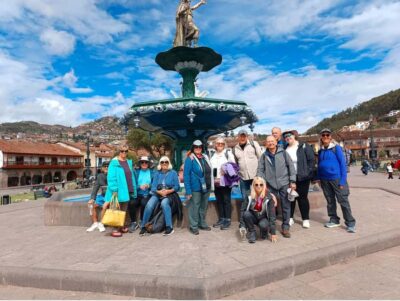
Cusco: Half-Day City Tour with Sacsayhuaman and Q’enco
Read our review →
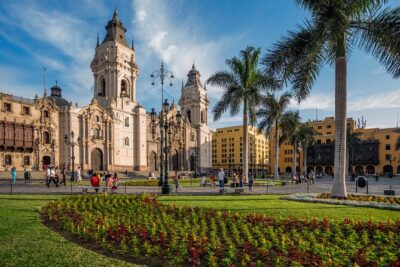
Lima’s Vibrant Heritage: Exploring the City’s Landmarks Half-day
Read our review →
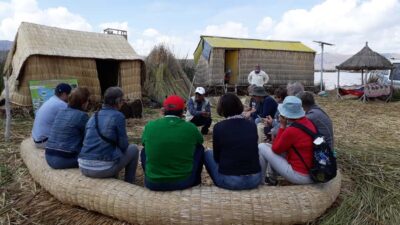
From Puno: Floating Islands of the Uros Half-Day Tour
Read our review →
Lima: Pachacamac Ruins & Barranco Half-Day Guided Tour
Read our review →Browse the lists this tour appears in