
Reviewed · FAVELA TOURS
Rio de Janeiro: Favela Santa Marta Tour with Resident Guide
Santa Marta is not a museum of poverty. It is a living neighborhood, and guide Gilson Fumaça introduces you to it as a resident, community leader, and longtime social organizer. You’ll hear about daily life, local challenges, education, music, sport, and the people who call the hill home.
I like the personal side of this tour, especially the visit to Gilson’s family home and his mother Maria Helena’s collection of more than 400 clocks. I also like that the money supports local education, language, art, and environmental projects. The main drawback is physical: the route includes steep streets, stairs, and heat, so it is not suitable for wheelchair users or anyone with limited mobility.
Key points to know before booking
- Gilson Fumaça leads from personal experience: He was born and raised in Santa Marta and has worked on community projects for more than 30 years.
- The tour includes real neighborhood contact: You may meet residents, see children playing football, and visit community spaces rather than simply viewing the favela from outside.
- The Michael Jackson connection is part of the walk: Santa Marta was used for the 1996 video for They Don’t Care About Us, and the tour visits Michael Jackson Square.
- The views are excellent: From higher points, you can see Christ the Redeemer and Sugarloaf Mountain.
- Expect an active outing: You’ll walk up and down steps, with a cable car ride included, and the full visit may last about two to two and a half hours.
- The purpose is social as well as sightseeing: Your booking helps support projects linked to education, languages, culture, and environmental work.
Why Santa Marta makes a different kind of Rio tour
Rio is often presented through beaches, samba, viewpoints, and grand landmarks. Santa Marta adds another layer. It shows you how a hillside community functions, how people build homes and businesses in a dense urban setting, and how local identity survives alongside hardship and outside attention.
I appreciate that this tour does not treat the favela as a backdrop for dramatic photographs. Gilson explains the neighborhood through his own life, from childhood to adulthood, and points out the people and places connected to its story. His long relationship with Santa Marta matters. He knows the residents, understands the routines, and can explain the community without reducing it to crime or deprivation.
That makes a difference in how you walk through the area. You are not simply led from one photo stop to another. You are introduced to a neighborhood where people live, study, work, socialize, and raise families.
More Favela Tours in Rio De Janeiro:
- Rio de Janeiro: Rocinha Favela Walking Tour with Local Guide
★ 4.8 · 3,052 reviews - Rio De Janeiro: Half-Day Rocinha Favela Walking Tour
★ 4.7 · 2,272 reviews - Rio de Janeiro: Favela Santa Marta Top Tour with Local Guide
★ 4.9 · 488 reviews
Meeting Gilson Fumaça, a guide with local roots
Gilson is the central reason to choose this experience. He was born and raised in Santa Marta and is described as the first guide from the favela to receive accreditation from Brazil’s Ministry of Tourism. He has also spent more than three decades involved in social and community projects.
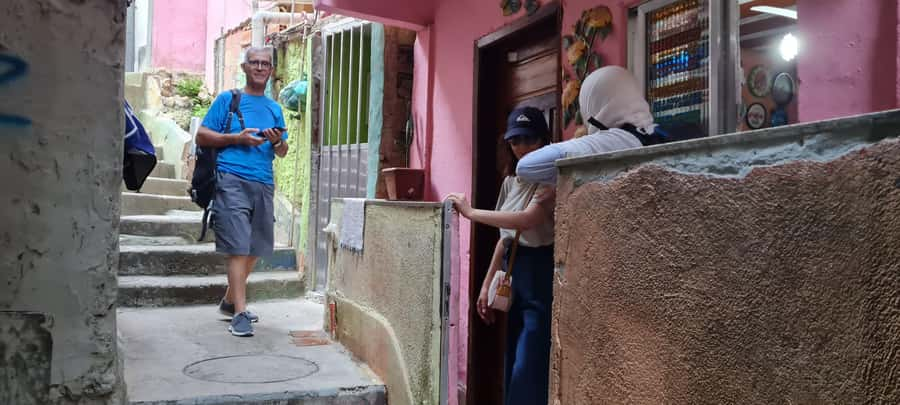
His local connections are clear throughout the visit. You may see him greet people as you pass, and the tour can include conversations with residents, children, and family members. Several parts of the experience take place in or around his own home, which gives the visit a personal feel that a guide from outside the community could not easily provide.
Gilson has also worked around major cultural and media events. He was involved when Michael Jackson filmed in Santa Marta in 1996, and he has helped with projects involving artists and public figures such as Joe Biden, Cara Delevingne, Seu Jorge, Tito Jackson, and Italian rappers. Those connections are interesting, but the more useful part is how he links them to the neighborhood’s own story.
He can explain what such visits meant to Santa Marta, rather than presenting celebrity appearances as the whole point. You learn how the favela became known beyond Rio, while still keeping attention on ordinary residents and local projects.
Starting the walk and getting your bearings
The meeting point can be arranged at the tourist information point at R. São Clemente, 320, depending on the option you book. From there, you head toward Santa Marta and receive an introduction to the route, along with a safety briefing.
That first explanation is useful if you feel uncertain about visiting a favela. The tour presents Santa Marta as a place with real social challenges, but also as a community with its own rules, relationships, pride, and routines. You are given context before moving through the narrower streets.
The route is not designed for quick sightseeing. You will walk through alleys and stairways, stop often, and have time to ask questions. The pace can feel relaxed, but the terrain is not easy. One visitor over age 55 found the heat and steps too demanding and suggested an afternoon or evening visit instead. That is sound advice if you struggle with hot weather or steep walking.
Riding the Santa Marta cable car
A cable car ride forms part of the route and takes about 20 minutes. It helps you handle some of the hill and gives you a different view of the settlement as it climbs.
The ride also helps explain the shape of Santa Marta. From above, you can see how homes and pathways spread up the slope, and why moving around the community is a daily physical task. This is more than a transport link between stops. It gives you a useful visual sense of the neighborhood.
The cable car does not remove all the walking. You still need to manage stairs and steep sections on foot, so do not book this expecting a mostly vehicle-based tour. Wear shoes with a firm grip and bring water. Bottled water is included, but Rio’s heat can make the route feel harder than its listed duration suggests.
A few more Rio De Janeiro days worth comparing
- Rio de Janeiro: 6-Stop Highlights of Rio with Lunch
★ 4.4 · 5,157 reviews - Christ the Redeemer Entry Ticket by Corcovado Train
★ 4.4 · 4,476 reviews - Rio de Janeiro: Sugarloaf Cable Car Official Ticket
★ 4.6 · 2,873 reviews - Rio: Christ the Redeemer, Sugarloaf, Selaron & BBQ Lunch
★ 4.5 · 2,428 reviews
The viewpoints above Rio
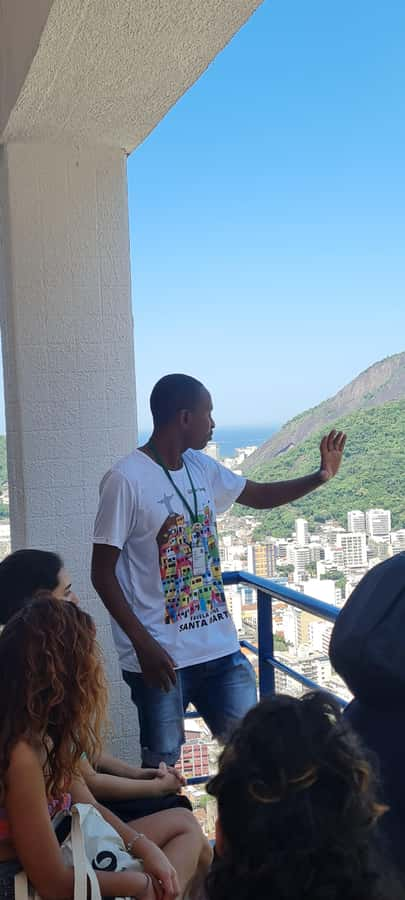
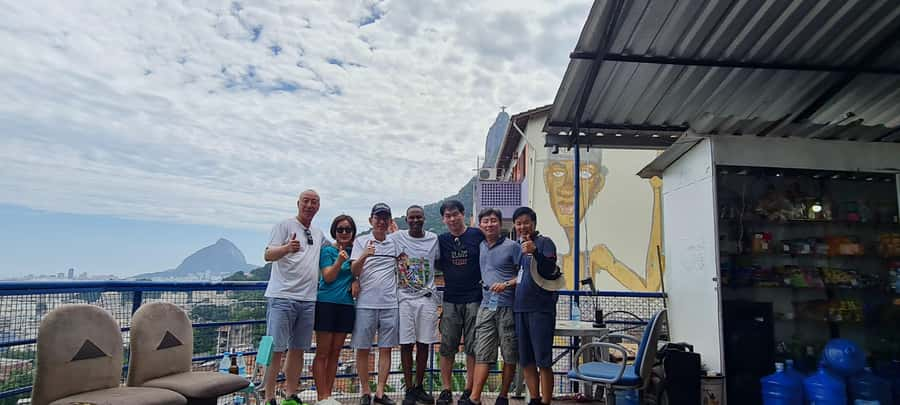
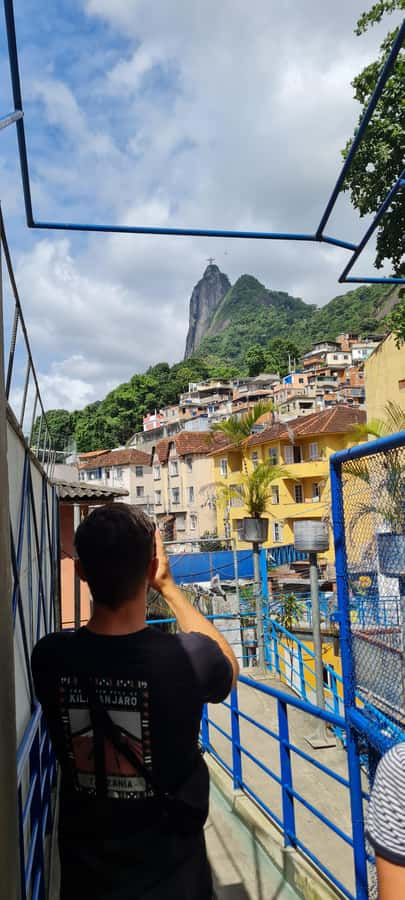
Santa Marta offers some rewarding views, especially from the upper parts of the hill. On a clear day, you can see Christ the Redeemer and Sugarloaf Mountain.
These views work best because they are tied to the neighborhood rather than treated as isolated lookout points. You see famous Rio landmarks from a community that sits close to them but experiences the city in a very different way.
There is time for photographs, and the guide allows stops along the way. Still, weather matters. Cloud, rain, and heat can change the experience quickly. One tour continued in heavy rain, which shows that the route can operate in poor weather, but a clear day will give you far better views and a more comfortable walk.
Visiting homes, local spaces, and everyday life
One of the most memorable parts is the chance to visit Gilson’s home and meet members of his family. His mother Maria Helena collects clocks, with more than 400 displayed throughout the house. It is an unusual detail, and it gives the visit a warm, human center.
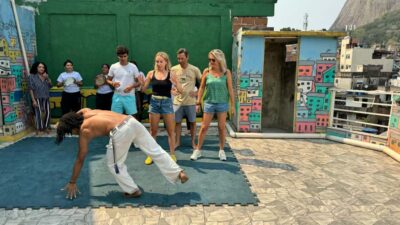
The home also illustrates how buildings in Santa Marta can change over time. Gilson’s house now has three floors. One level is used for homestay accommodation, while the rooftop has a small social food space with drinks, snacks, and views toward Christ the Redeemer and Sugarloaf Mountain.
This kind of stop is valuable because it moves the experience away from distant observation. You see how a family home can serve several roles: residence, accommodation, meeting place, and community project space. You also get a chance to ask about construction and architecture in the favela.
The tour can include a local restaurant, a visit to a neighborhood post office, and community spaces. These are modest stops, but they help you understand how ordinary services operate in a dense hillside settlement.
Football, games, and meeting the community
The most spontaneous moments may come from local children. Depending on the day, you might join a football game or see young people playing in the neighborhood. Other activities connected with local life include spinning tops, marbles, flying kites, and drumming on a rooftop.
You should treat these encounters with respect. This is someone’s home, not a staged performance, and children are not attractions. Gilson’s role is important because he knows the community and can help create a comfortable, appropriate exchange.
The football matches have become a memorable part of the experience for some groups. You may end up playing barefoot or joining a casual game at a local court. That is not guaranteed, but it shows the difference between a rigid sightseeing route and a visit led by someone who is genuinely connected to the area.
Michael Jackson Square and Santa Marta’s public image
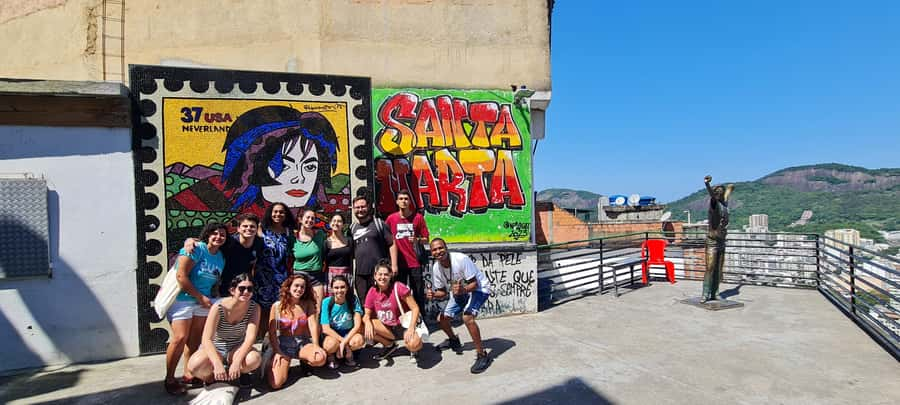
Michael Jackson Square is one of the most recognizable stops. The singer filmed parts of They Don’t Care About Us in Santa Marta in 1996, with Spike Lee directing. Gilson was present during that period and can explain the local connection.
The square is a natural place for photographs and a short break. There may also be time for shopping or looking around before the tour continues or returns to the meeting point.
The Michael Jackson story is worth hearing, but it should not overshadow the rest of Santa Marta. The neighborhood existed long before the video and continues to develop beyond its connection with pop culture. Gilson uses the filming location as an entry point into discussions about identity, representation, and the outside world’s view of favelas.
You may also hear about a visit from Queen Elizabeth II in 1968. These moments show how Santa Marta has attracted public attention at different times, while the tour keeps the focus on residents and their daily lives.
Social projects and the value of your booking
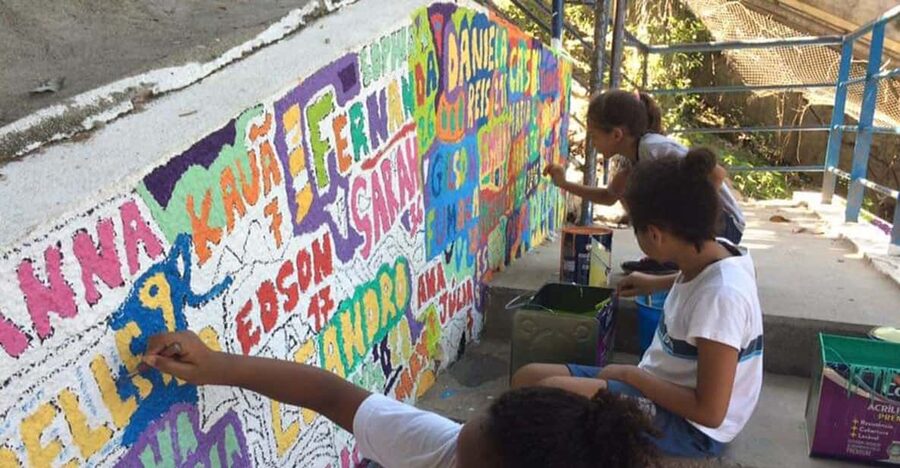
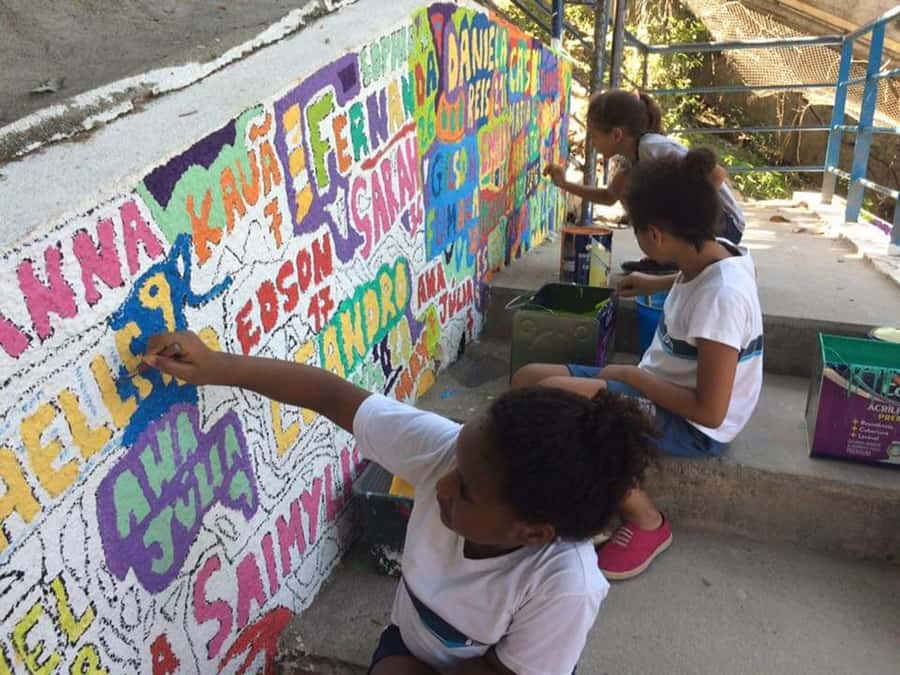
The tour is connected to the Instituto Gilson Fumaça and community work in education, language learning, art, music, and environmental care. Gilson and other residents have developed projects intended to give young people more opportunities.
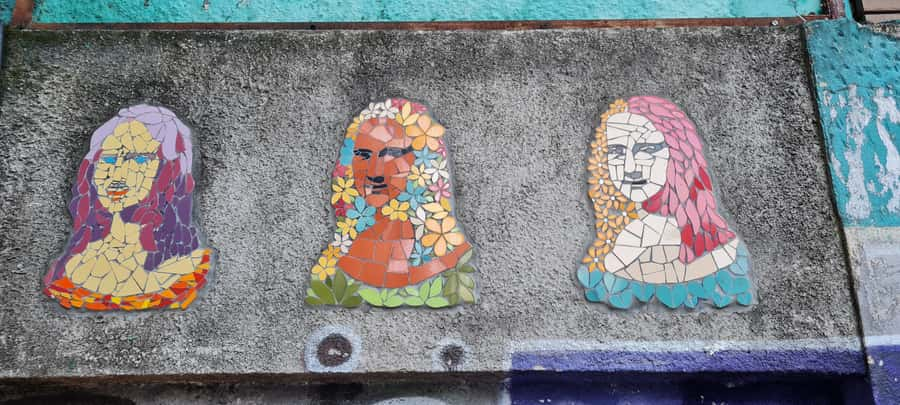
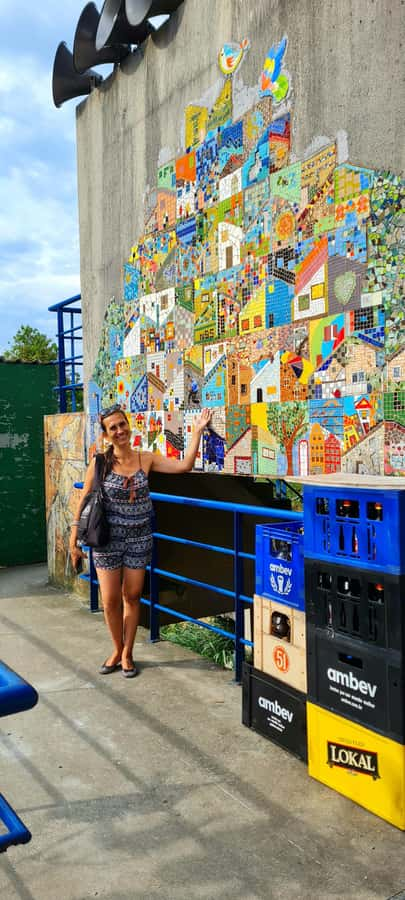
English and Spanish classes are part of this work, along with wall decoration using mosaics and plans for cooking classes. These details matter when you are deciding if the experience fits your values. Your payment is not only for a guided walk. It helps support a local operation tied to community projects.
The price is about $27 per person. For a two to two and a half hour visit that includes a resident guide, bottled water, the cable car portion, and several stops, I consider that a fair price. The stronger value comes from the local connection and the direct support for projects, not from the number of sights checked off a list.
You should still keep your expectations realistic. This is not a polished attraction with formal displays at every stop. Conditions can be simple, the schedule may stretch if conversations continue, and the experience depends on the neighborhood’s normal rhythm.
Safety, comfort, and the right way to visit
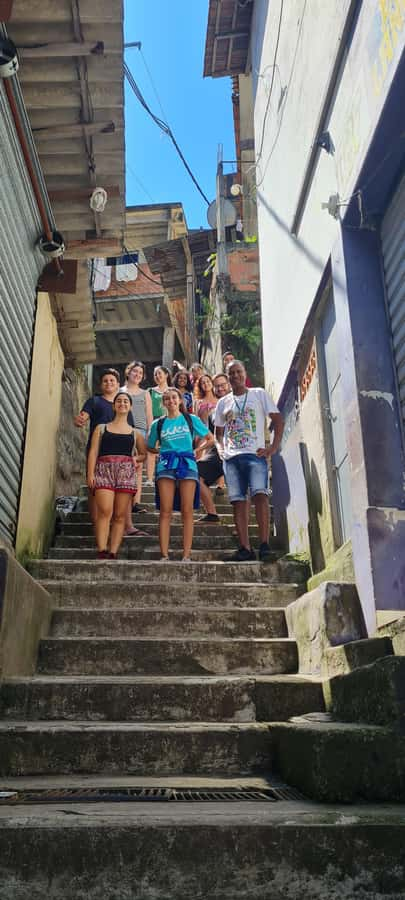
Many people feel nervous about entering a favela, and that concern deserves a direct answer. This tour is led by a respected resident who knows the area and its people. Gilson explains how to move through the neighborhood and helps you feel oriented.
That does not mean you should ignore normal city awareness. Keep your belongings secure, ask before taking close photographs of people, and follow the guide’s instructions. A respectful attitude is as important as practical caution.
The walk is not suitable for wheelchair users or people with mobility impairments. You need to manage stairs and uneven, sloping streets. Heat can also be a serious factor, especially around midday. Choose light clothing, bring sun protection, and consider a cooler time if you have flexibility.
The advertised duration ranges from about two hours to 150 minutes. In practice, the visit may run longer if you spend time talking, playing football, or visiting family spaces. One group booked a morning start and remained in the community much longer because the day developed naturally. Do not schedule a tight connection immediately afterward.
Tours are offered in English, Spanish, and Portuguese. Confirm the meeting point and start time when booking, since the exact option can vary.
Who will get the most from this experience
I would choose this tour if you want to understand Rio beyond its postcard sights. It suits you if you enjoy local stories, social history, community projects, and informal conversations more than a polished attraction.
It is also a good choice for families with older children or teenagers who can handle the walking and understand the need to behave respectfully. The football, music, and stories about film and famous visitors can make the experience easier for younger people to connect with.
You may not enjoy it if you want a short, predictable route with little physical effort. It is also not the best fit if you are uncomfortable entering residential areas or if you expect every part of the visit to be carefully staged.
The tour is strongest for people who want to listen. Gilson’s personal story, his mother’s clock collection, the local projects, and the Michael Jackson connection all become more meaningful when you take time with them.
Should you book the Santa Marta tour?
I would book this tour if you want a resident-led introduction to Santa Marta and are comfortable with stairs, heat, and an experience that can feel personal rather than polished. Gilson’s long connection to the community is the main reason it offers more than a standard overlook or photo stop.
Book it on a clear, cooler day if possible. Leave room in your schedule, wear practical shoes, and approach the neighborhood as a home rather than a spectacle. At about $27, the tour offers good value, especially if supporting local education and cultural work matters to you.
Skip it if you have limited mobility or want an effortless outing. For everyone else, this is a thoughtful way to see another side of Rio while meeting a guide who has spent his life helping Santa Marta tell its own story.
FAQ
How long does the Santa Marta tour last?
The tour is advertised as lasting from two hours to 150 minutes. The actual visit may take longer if the group spends extra time at community stops or talking with the guide.
Who leads the tour?
The tour is led by Gilson Fumaça, who was born and raised in Santa Marta. He is a local guide and community leader involved in social projects.
What languages are available?
Guided tours are available in English, Spanish, and Portuguese.
Is the tour suitable for wheelchair users?
No. The experience is not suitable for wheelchair users or people with mobility impairments because the route includes steps and steep sections.
What sights and stops are included?
The route includes Santa Marta, a cable car ride, viewpoints, a local restaurant, community spaces, Gilson’s family home, and Michael Jackson Square. Stops can include photographs, local stories, and time to see community projects.
Is bottled water included?
Yes. Bottled water and a local guide are included.
Just added around Rio De Janeiro
- Skip the Line: Lagoa Misteriosa Admission Ticket with Scuba Diving Experience★ 5.0 · 81 reviews
- Rio de Janeiro: Tijuca Peak Guided Hike★ 4.7 · 56 reviews
- Sugarloaf Mountain Fast-Pass Ticket and Guided Tour★ 4.4 · 62 reviews
- Rio de Janeiro: Sugarloaf Mountain Hike and Climb★ 5.0 · 45 reviews
- Rio de Janeiro: Sunrise Lookout and Christ the Redeemer Tour★ 5.0 · 121 reviews
- Rio de Janeiro: Samba Class and Samba Night Tour★ 4.6 · 115 reviews
- Rio Surf Experience★ 4.9 · 37 reviews
- Rio Samba Bus: hop-on hop-off city tour in Rio de Janeiro★ 3.8 · 94 reviews
Favela Tours, compared.

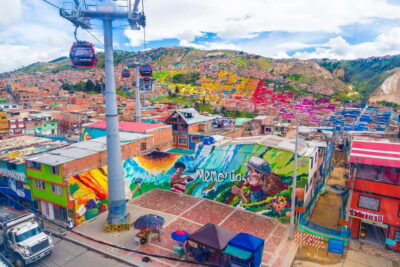
Bogotá´s Barrios: El Paraíso Favela Tour with Cable Car
Read our review →
Favela Rocinha Tour with Local Guide & Secret Spots
Read our review →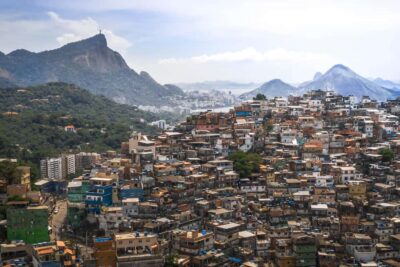
Favela Tour The Original, Rocinha & Vila Canoas since 1992
Read our review →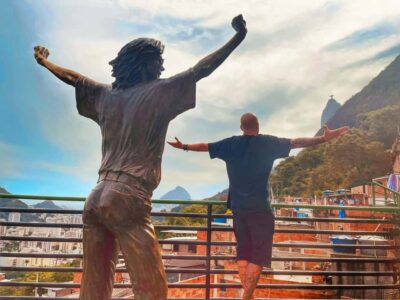
Favela Santa Marta: Walking Tour with local guide
Read our review →Browse the lists this tour appears in