
Reviewed · MACHU PICCHU TOURS
Cusco : Sacred Valley & Inca Trail to Machu Picchu 3 days
The best part of this three-day trip is the way it connects the Sacred Valley and Machu Picchu without wasting a night in Cusco. You see Pisac, Moray, Maras, and Ollantaytambo on day one, then walk the Short Inca Trail from Km 104 to the Sun Gate before returning to Machu Picchu at sunrise.
I like the varied route and the strong guiding on the trail. Miguel and Edwar are attentive, well informed, and good at handling rain, tired legs, transport snags, and different walking speeds. I also like the small maximum group of 16, which makes the long day easier to manage.
The main caution is uneven logistics and basic hotels. Communication may be muddled, permits must be confirmed carefully, and the accommodation can fall short of the advertised standard. At $817 per person, the sightseeing and rail tickets offer real value, but you should expect a demanding schedule and ask clear questions before paying.
Key points to know before booking
- Pisac, Moray, Maras, and Ollantaytambo fit into one full first day, giving you a broad look at Inca engineering and Andean life.
- The Short Inca Trail begins at Km 104 and includes Chachabamba, Wiñay Wayna, the Sun Gate, and a first view of Machu Picchu.
- The second day is physically demanding, with a steady climb through humid mountain vegetation and several hours on stone paths.
- You visit Machu Picchu twice, first in the afternoon and again early the next morning for a longer guided tour.
- The return uses the Vistadome panoramic train, while the outward train runs to Km 104.
- Miguel and Edwar guide the Machu Picchu section, and the group is limited to 16 people.
Why this three-day route works
Many Machu Picchu trips treat the citadel as a single appointment. This one gives you more context. You begin among the terraces and villages of the Sacred Valley, walk into the sanctuary along an old Inca route, then return to the ruins before most of the day’s crowds arrive.
That structure is valuable because the Sacred Valley stops are not filler. Pisac shows how the Incas shaped steep slopes for farming and defense. Moray reveals a more experimental side of their agriculture. Maras connects ancient salt production with families who still work the ponds by hand.
The trip costs $817 per person, which is a substantial amount. The price includes transportation, guides, the key admission tickets, two train journeys, Machu Picchu buses, two lunches, two breakfasts, dinner, and two hotel nights. If you booked those pieces separately, the costs and coordination would add up quickly.
Still, the value depends on how smoothly the operator handles the details. The attractions are excellent, but this is not a carefree package where you should assume every handoff will be perfect. Confirm your permits, hotel names, dinner, and contact number before departure.
More ways to reach Machu Picchu:
- From Cusco: Full-Day Group Tour of Machu Picchu
★ 4.7 · 1,767 reviews - Machu Picchu Day Trip from Cusco
★ 4.5 · 1,644 reviews - Machu Picchu: Full-Day Tour from Cusco with Optional Lunch
★ 4.6 · 927 reviews
Day one: from Cusco to the living town of Ollantaytambo
Pickup begins around 7:00 a.m. in Cusco. That early start matters. You have a lot to cover, and the route works best when you reach the Sacred Valley before the day becomes too long.
The first stop is Manos de la Comunidad, an alpaca center where you can feed llamas, alpacas, and vicuñas. You also learn how Andean communities have used their wool for centuries. It is a light opening to the day, but it gives you a quick introduction to animals and textiles that are central to highland culture.
At Mirador Taray, you get about 20 minutes for wide views over the valley and the Urubamba River. This is a short photo stop, not a long walk. Take advantage of it because the viewpoint helps you understand the scale of the valley before you visit its archaeological sites.
Pisac’s terraces and stonework
The archaeological park at Pisac gets about an hour. Its hillside terraces, ceremonial buildings, and Inca tunnels show why this was more than a pretty farming village. The position above the valley also explains its strategic value.
You should wear shoes with a firm sole here. The day includes several uneven stone paths, and you will want your attention on the terraces and views rather than on each step. The visit is guided, so ask about the water channels and the purpose of the different structures.
Moray and the Maras salt ponds
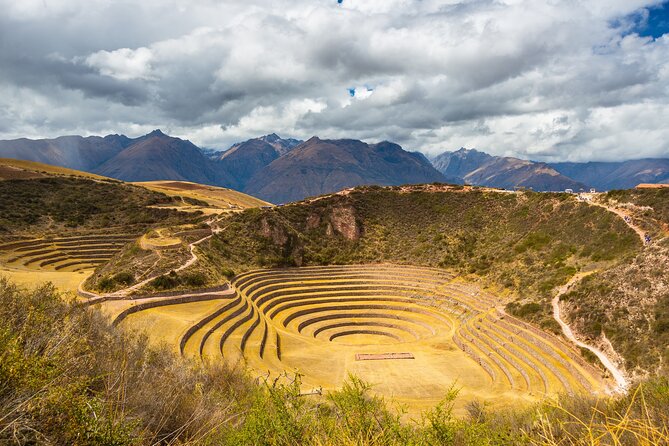
After lunch, the route continues to Moray. The site is known for its huge circular terraces, which descend like bowls into the earth. They are often described as an agricultural testing ground, a useful way to understand how the Incas managed crops at different elevations and temperatures.
You spend about two hours at Moray, enough time to view the terraces and take in their unusual design. The site is open and exposed, so sun protection and water are practical necessities.
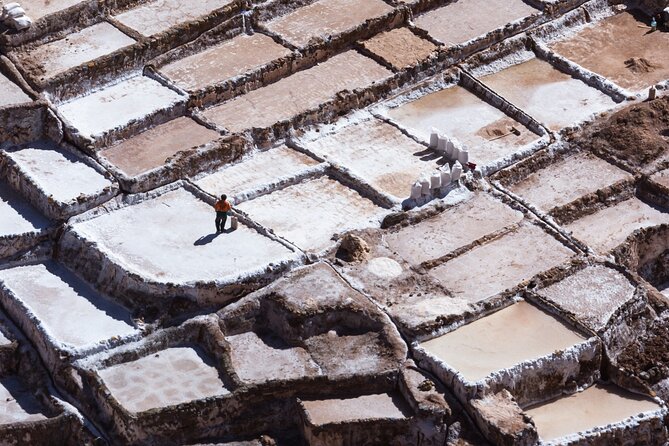
The Salineras of Maras provide a sharp contrast. Instead of massive stone terraces, you see a patchwork of small salt ponds cut into the mountainside. Local families continue to collect salt by hand using methods passed down through generations. This stop offers a living connection to Andean work traditions, not just another archaeological monument.
More Inca Trail Treks in Machu Picchu:
- Cusco: 4-Day Inca Trail to Machu Picchu with Accommodation
★ 4.8 · 432 reviews - Cusco: Machu Picchu 2-Day Inca Trail with Panoramic Train
★ 4.9 · 260 reviews - From Cusco: 2-Day Inca Trail to Machu Picchu
★ 4.2 · 244 reviews - Machu Picchu: Inca Trail 2-Day Overnight Guided Tour
★ 4.9 · 203 reviews
Ollantaytambo after the day’s sightseeing
The final stop is Ollantaytambo, a town where narrow lanes and stone canals retain their old Inca layout. It is one of the most rewarding places on the route because the ancient structure is part of everyday town life rather than fenced off as a single ruin.
You spend the night here before taking the train the next morning. That is a smart arrangement. Ollantaytambo is closer to the trailhead than Cusco, so you avoid repeating the long drive at dawn.
The hotel is the point to check carefully. The accommodation has been described as basic, with one property identified as Tunupa Lodge. Heating and room comfort may be limited, especially at night. Ask exactly where you will sleep and what is included before departure. Dinner is listed as included, but it has caused confusion, so confirm that too.
Day two: the Short Inca Trail from Km 104
A short transfer takes you to the train station, followed by a train ride along the Urubamba River. The scenery shifts from dry highland country to thicker cloud-forest vegetation as the train follows the valley.
You get off at Km 104, register, eat breakfast, cross a suspension bridge, and pass the checkpoint. This is where the walking portion begins. The route is shorter than the classic multi-day Inca Trail, but short does not mean easy.
Chachabamba and the first climb
Chachabamba is the first archaeological stop. Its carved stone structures and water channels point to a ceremonial role, especially around sacred water.
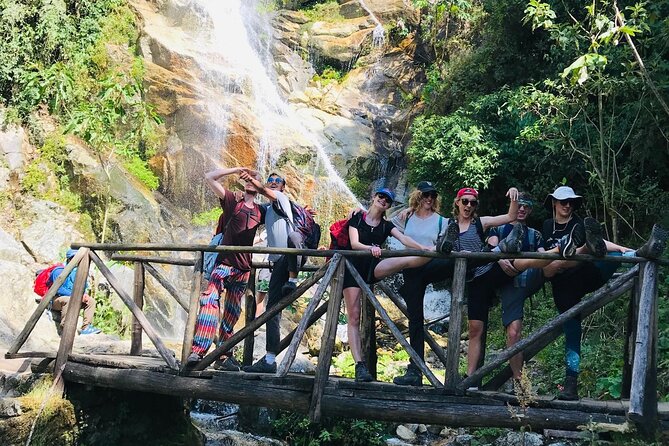
From there, the path climbs through humid vegetation and mountain scenery. The elevation changes, stone steps, heat, rain, and length of the day can all make this harder than the schedule looks on paper. A moderate fitness level is required, and you should be comfortable walking for several hours on uneven ground.
Wiñay Wayna and the picnic lunch
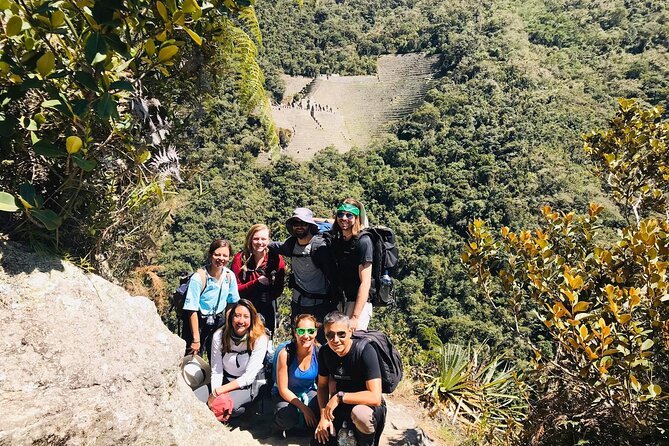
Wiñay Wayna is the day’s major archaeological reward before Machu Picchu. The site includes terraces, temples, aqueducts, and waterfalls set into the mountainside. It feels more enclosed and intimate than Machu Picchu, with the trail and vegetation forming part of the experience.
A freshly prepared picnic lunch is served here by the trekking cooks. This is useful because you do not need to carry a full day’s food, though you should still bring water and small snacks if allowed by the current park rules.
The route between Chachabamba and Wiñay Wayna is the part where pacing matters most. Stay with your guide, take steady breaks, and do not burn all your energy early. A member of the group may walk more slowly, and the guides have shown they can adjust and help when someone struggles.
The Sun Gate and the first Machu Picchu view
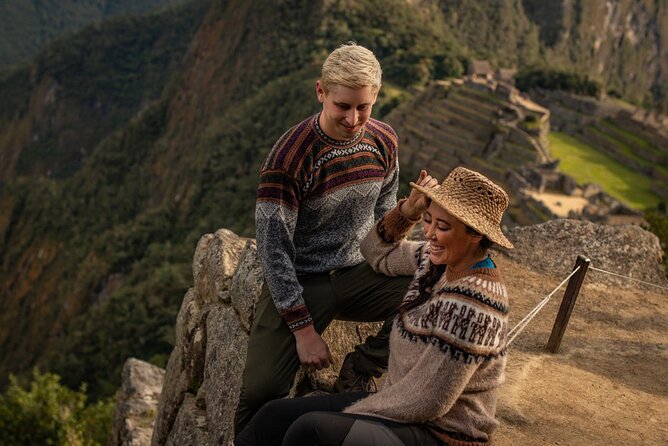
After Wiñay Wayna, the trail becomes gentler as you approach the Sun Gate. This was the original entrance to Machu Picchu, and the first view of the citadel from here is a fine reward for the climb.
The route then descends toward the upper terraces. You get time for afternoon photographs, when the light can be warm and the main crowds may have thinned. The first visit is not the full guided tour. Think of it as an introduction and a chance to see the site from above before returning the next morning.
A shuttle bus takes you down to Aguas Calientes. Dinner is included, followed by a hotel night in town. The day is long, so do not plan anything ambitious after arriving.
The Aguas Calientes hotel is another point where expectations matter. One property used for this portion has been described as very basic, with problems including no hot water and few comforts after a tiring trek. That is especially frustrating when you return wet or cold. Ask for the exact hotel name and current room arrangements before you go.
Day three: sunrise at Machu Picchu
You eat breakfast early and take one of the first buses uphill. The plan is to reach Machu Picchu around sunrise, before the main flow of visitors arrives.
The early timing is worth the effort. The citadel feels quieter at the start of the day, and changing light across the terraces gives you a different view from the afternoon visit. Weather can affect the sunrise, so keep expectations flexible, but the early entry still gives you more peaceful time inside.
Your guide leads a two to three-hour walk through the main sections of the sanctuary. Expect temples, ceremonial plazas, terraces, and the mountain setting that makes Machu Picchu so memorable. The listed circuit is Circuits 1 and 3, so the exact route within the complex is governed by current park rules.
After the guided visit, you take the bus back to Aguas Calientes and have lunch at your own expense. This is one of the few meals not included, and you have about two hours to eat and rest before the return train.
The train ride back to Ollantaytambo
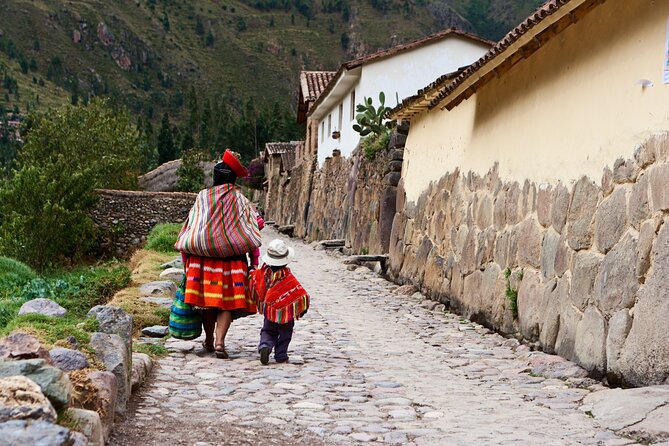
The afternoon return uses the Vistadome panoramic train. Its large windows make the journey part of the trip rather than a simple transfer. You follow the Andes and the Urubamba River back toward Ollantaytambo, then continue by private transfer to your Cusco hotel.
The outward train to Km 104 and the return Vistadome service are both included. That helps justify the price, particularly for people who would rather not sort out train reservations, park buses, trail access, and transfers on their own.
You should not book a late flight from Cusco on this day. The schedule includes a long morning at Machu Picchu, lunch, a train ride, and a private transfer back to the city. Delays are possible, and the itinerary is already full.
Guides, group size, and communication
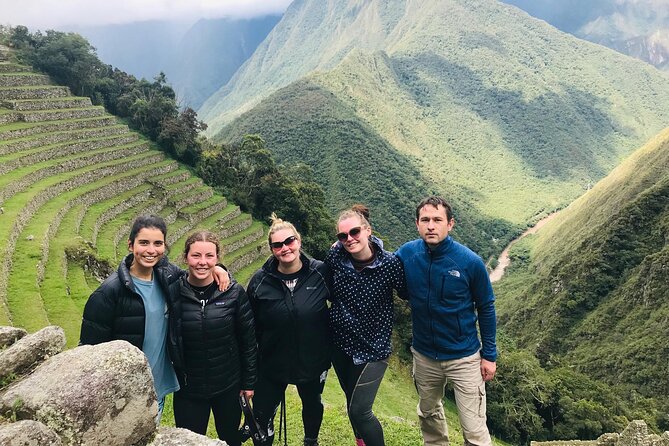
The guiding is the strongest part of the experience. Miguel and Edwar lead the Machu Picchu section, and they are described as attentive to the whole group. They also help with practical problems such as heavy rain, tired walkers, luggage, and transport changes.
The first day has a separate Sacred Valley guide, who returns to Cusco while you stay in Ollantaytambo. That split is normal for a route that changes location, but it can make the tour feel like two connected trips rather than one fully coordinated journey.
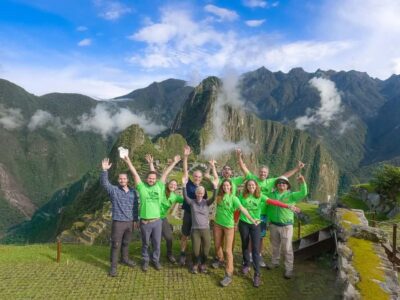
The maximum group size is 16. That is small enough for a guide to keep an eye on the group during the trail, though your experience will still depend on everyone’s pace.
Communication deserves care. There have been problems with passport photos not reaching the trail guide, phone numbers being entered incorrectly, and a briefing taking place at 7:00 p.m. on the first night rather than before the trip. Send required documents early, save the operator’s contact details, and confirm the meeting time, permits, hotel, dinner, and clothing recommendations in writing.
Who should book this route?
I would choose this tour if you want a fast but substantial introduction to the Sacred Valley and Machu Picchu. It suits active visitors who can handle a long walking day and who value a guide and included transport more than luxury hotels.
It is also a good fit if you want two different views of Machu Picchu: the afternoon approach from the Sun Gate and the early morning guided visit inside the citadel.
I would hesitate if you need polished hotel service, quiet mornings, or perfectly organized communication. The accommodation may be basic, and the non-refundable policy means you should be certain about your dates. The tour requires good weather, and if the operator cancels for weather or insufficient numbers, you are offered another date, another experience, or a full refund. Optional Mountain or Huayna Picchu tickets are not included and must be arranged ahead of time.
Should you book the Cusco to Machu Picchu trip?
Book it if the route itself is your priority. For $817, you get a packed three-day journey with major Sacred Valley sites, the Short Inca Trail, two Machu Picchu entries, guides, meals, trains, buses, and transfers.
Before paying, confirm the trail permit, your passport details, the exact hotels, dinner on day one, and the briefing time. If you can accept basic accommodation and a demanding schedule, this is a strong way to see a great deal of the Cusco region in a short time. If you want comfort and faultless administration, choose a slower and more controlled package.
FAQ
How long is the tour?
The experience lasts approximately three days, beginning with pickup in Cusco around 7:00 a.m. on day one.
What places are visited in the Sacred Valley?
The route includes an alpaca center, Mirador Taray, Pisac, Moray, the Salineras of Maras, and Ollantaytambo.
Where does the Short Inca Trail begin?
The walking route begins at Km 104 after you register, eat breakfast, cross a suspension bridge, and pass the checkpoint.
Is Machu Picchu visited more than once?
Yes. You first reach Machu Picchu from the Sun Gate on day two, then return early on day three for a two to three-hour guided visit.
Are train tickets included?
Yes. The package includes the train to Km 104 and a Vistadome panoramic train for the return to Ollantaytambo.
Are meals included?
Two breakfasts, two lunches, and dinner are included. Other meals, including lunch in Aguas Calientes on day three, are not included.
Are Mountain or Huayna Picchu tickets included?
No. Tickets for Machu Picchu Mountain or Huayna Picchu are optional and must be booked ahead of time.
How large is the group?
The maximum group size is 16 people. A professional guide accompanies the group throughout the three-day experience.
More 3-Day Trips in Machu Picchu
- Salkantay Trek Challenge – 3 Days / 2 Nights
★ 5.0 · 101 reviews - Tambopata Peruvian Amazon Jungle for Three Days/Two Nights
★ 4.5 · 329 reviews - San Pedro de Atacama: 3-Day Activity Combo with 4 Tours
★ 4.6 · 247 reviews - 3-Day Tour to Salt Flats and Lagoons
★ 4.5 · 168 reviews
Just added around Machu Picchu
- 10-Day Taste Peru Experience: Lima, Nasca, Cusco & Machu Picchu★ 5.0 · 63 reviews
- Wonderful Cusco 5-Day Tour with Entrance to Machupicchu★ 5.0 · 46 reviews
- Machu picchu one day by train all included★ 4.5 · 53 reviews
- A Day at Machu Picchu, Journey to the Heart of the Andes★ 5.0 · 55 reviews
- Tour to Machupicchu By Train Full-Day★ 4.5 · 56 reviews
- Tour To Machupicchu 2 Days by Train★ 5.0 · 64 reviews
- Machu Picchu 1 Day Tour from Cusco by Train★ 5.0 · 44 reviews
- 2-Day Tour: Sacred Valley & Machu Picchu – All Tickets Included★ 5.0 · 42 reviews
Machu Picchu Tours, compared.
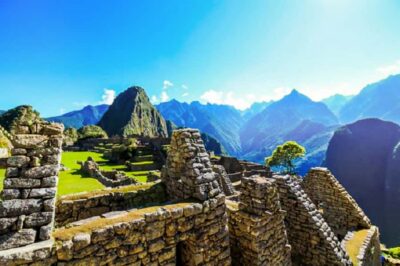
From Cusco: Full-Day Group Tour of Machu Picchu
Read our review →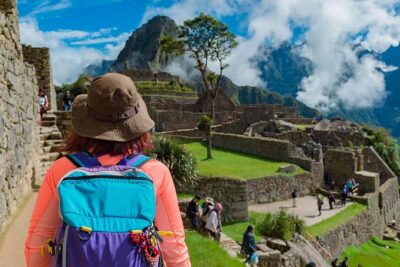
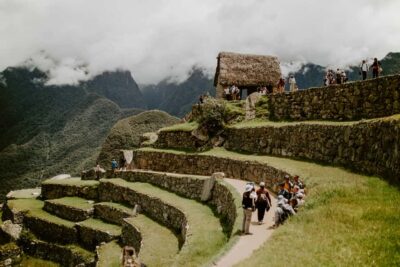
Machu Picchu: Full-Day Tour from Cusco with Optional Lunch
Read our review →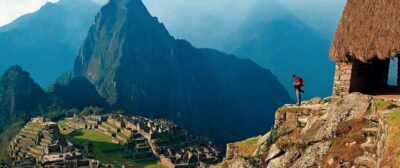
Cusco: 4-Day Inca Trail to Machu Picchu with Accommodation
Read our review →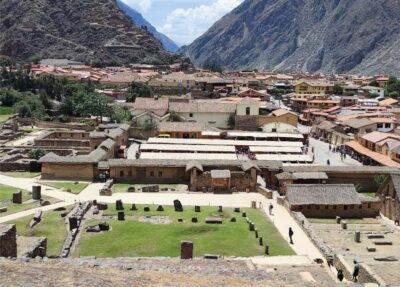
From Cusco: 2-Day Trip to the Sacred Valley and Machu Picchu
Read our review →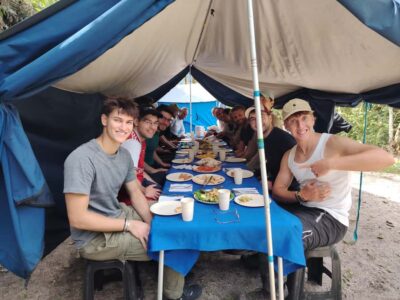
Cusco: Machu Picchu 2-Day Inca Trail with Panoramic Train
Read our review →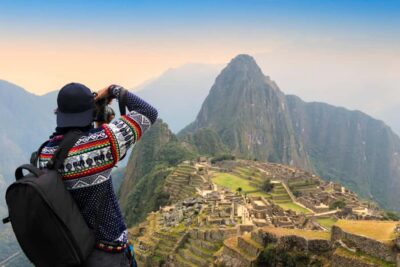
Machu Picchu: Inca Trail 2-Day Overnight Guided Tour
Read our review →Browse the lists this tour appears in