
Reviewed · CITY TOURS
City Tour Cusco
Cusco’s best first-day history lesson comes in a compact loop through five major sites, from the gold-linked Temple of the Sun to Inca fountains still fed by stone channels. I like the mix of colonial and Inca architecture at Qorikancha, and I like that private transport saves your legs for the big stones at Saqsaywaman.
Guides including Jhonny, Victor, Saul, and Jorge are praised for lively explanations and generous photo time. The main catch is cost: the $32 tour price does not include the $25 archaeological ticket or $7 Qorikancha admission, so your real total is higher.
Key points to know before booking
- Five essential Cusco sites: Qorikancha, Saqsaywaman, Q’enqo, Puka Pukara, and Tambomachay fit into one half-day outing.
- Small-group format: The maximum is 12 people, with private transportation between stops.
- Guide quality matters: Jhonny, Victor, Saul, and Jorge are noted for clear explanations, energy, kindness, and help with photos.
- Extra admission costs: The $32 price excludes the $25 partial tourist ticket and the $7 Qorikancha entrance.
- Convenient start and finish: You meet at Cusco’s Plaza de Armas and return there after the circuit.
- Useful first-day orientation: This is a strong introduction before longer trips to Machu Picchu, the Sacred Valley, Humantay Lake, or Vinicunca.
Why this half-day Cusco tour works
Cusco can feel like a history book with steep streets, stone walls, churches, and archaeological sites all competing for your attention. This tour gives you a clear framework. You begin with Qorikancha in the city, then ride into the surrounding hills for four important Inca sites.
I like that the route covers different sides of Inca life. Qorikancha was a major religious center. Saqsaywaman shows military and ceremonial power through huge fitted stones. Q’enqo introduces ritual spaces, Puka Pukara points to defense and control, and Tambomachay brings water worship and engineering into the picture.
The tour lasts about five hours. The site descriptions allow roughly an hour at each stop, although the vehicle rides between them mean the exact rhythm can vary. You should expect a structured half-day rather than a slow, private archaeological study.
The group limit of 12 is helpful. You are not being moved through the sites in a giant crowd, and a smaller group gives the guide a better chance to answer questions. Private transportation also keeps the route simple, especially when you are still learning Cusco’s streets.
More City Tours in Cusco
- Cusco: Half-Day City Tour with Sacsayhuaman and Q’enco
★ 4.6 · 1,129 reviews - City Tour Cusco Qoricancha Sacsayhuaman y Tambomachay
★ 4.7 · 617 reviews - Cusco: Sightseeing Tour of the City on an Open-Top Bus
★ 4.0 · 481 reviews
Qorikancha: where two building traditions meet
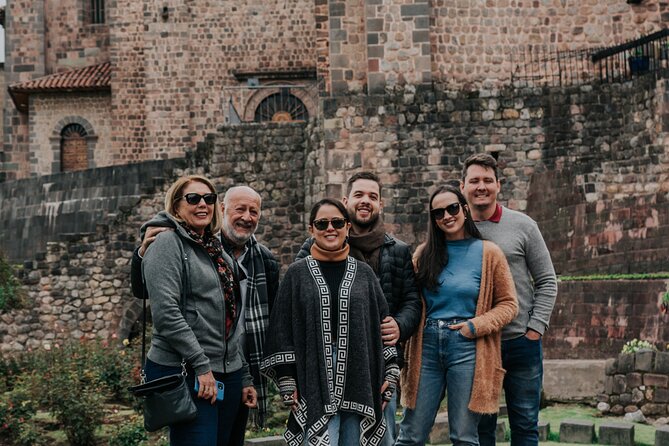
Your day begins at Qorikancha, also called the Temple of the Sun, after pickup at the Plaza de Armas. The visit lasts about 45 minutes according to the tour description, while the stop is listed as approximately one hour.
This is the most convenient first stop because it sits in Cusco itself. You do not need to start by climbing into the hills or spending your first hour in a vehicle. Instead, you begin with the striking contrast between Inca stonework and Spanish colonial construction.
The value here is not only the building. Qorikancha helps explain the collision of cultures that shaped Cusco. Your guide is expected to cover the site’s religious importance and point out how the two architectural traditions occupy the same place.
Admission is separate. Budget $7 for Qorikancha. That fee is easy to miss when you first see the $32 tour price, so add it before deciding how the outing fits your budget.
Saqsaywaman: the stop that explains Inca stonework
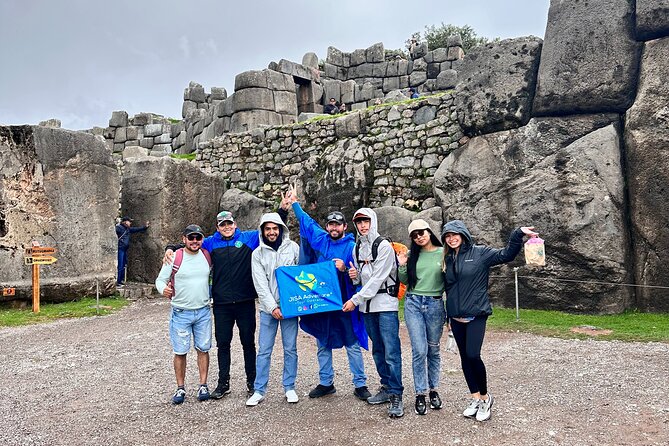
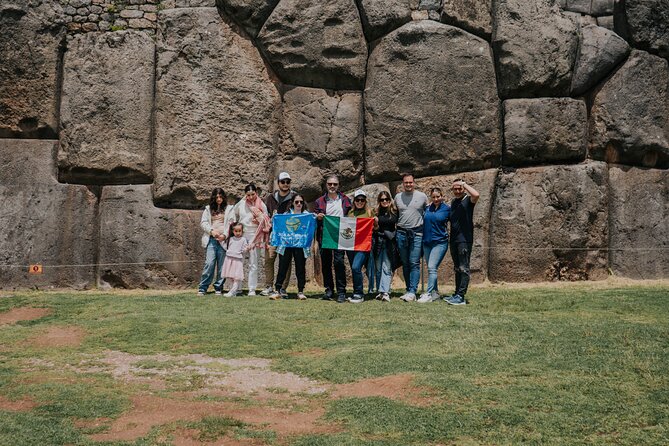
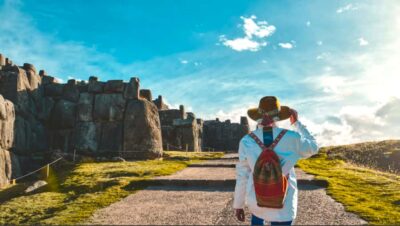
After about 20 minutes in the vehicle, you reach Saqsaywaman. This is likely the visual high point of the tour, with enormous carved stones and imposing walls that give you a direct sense of Inca construction skill.
You will hear about building methods and the site’s ceremonial and historical roles. The useful part of a guide here is scale. A photograph cannot fully explain how large the stones are or how closely they fit together, while a good guide can connect the masonry to the wider power of the Inca Empire.
Allow time for views and photos. Victor is specifically praised for making room for pictures while still explaining the sites, and that is a useful quality at Saqsaywaman. You do not want a stop here to become a rushed lecture followed by a hurried exit.
Saqsaywaman can also be the busiest-feeling part of a city tour, depending on the time and conditions. The group size helps, but you should still expect a popular archaeological site rather than a quiet private ruin.
Admission is not included. The stated $25 partial tourist ticket covers all the archaeological centers on this route. Confirm the current ticket arrangement when booking, since entrance rules and prices can change.
Q’enqo: a rocky ritual center
The next stop is Q’enqo, a ritual site set on a rocky outcrop. Its appeal is more enclosed and mysterious than Saqsaywaman’s broad walls. You explore underground chambers and altars carved into the rock while learning about Inca rituals and the beliefs connected to the site.
This is where the guide’s storytelling matters most. The remains are not as immediately self-explanatory as a huge fortress wall. Jhonny is praised for making explanations fun and clear, a useful approach at Q’enqo, where context helps you understand what you are seeing.
The stop is listed at about one hour. That gives you time to look at the carved stone rather than simply step out, take a quick photo, and leave. Still, the route covers five places, so the guide must keep the group moving.
If you prefer grand views and massive walls, Q’enqo may feel less dramatic than Saqsaywaman. If you enjoy symbolic places and unusual rock-cut spaces, it may be one of the more memorable stops.
More City Tours in Peru
- Open Bus Cusco City Tour
★ 4.5 · 219 reviews - Cusco: City Tour | Half-Day Tour to 4 Archaeological Sites
★ 4.6 · 206 reviews - City Tour in Cusco & visit Museum South American Camelid Private.
★ 5.0 · 147 reviews - Cusco City Sightseeing, San Pedro Market, Cathedral and Qorikancha Temple
★ 4.5 · 139 reviews
Puka Pukara: a compact military outpost
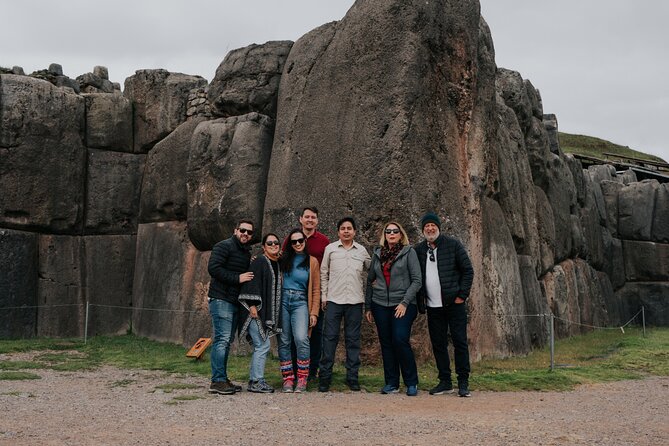
After roughly 15 minutes in the vehicle, you reach Puka Pukara. Its name is associated with the red appearance of the construction, and its purpose was military and strategic.
This stop adds an important piece to the larger picture. The tour is not only showing you temples and ceremonial sites. It is also explaining how the Inca Empire watched routes, managed movement, and protected important approaches.
Puka Pukara is smaller in scale than Saqsaywaman. That can be a plus on a five-hour circuit because you get a change of pace. You can understand the defensive role without spending another long stretch among monumental walls.
The visit is listed at about an hour, though the actual time may depend on the group and the day’s schedule. Keep your camera ready, but listen closely to the explanation of the site’s strategic function. That context gives this compact ruin more meaning.
Tambomachay: water, ceremony, and engineering
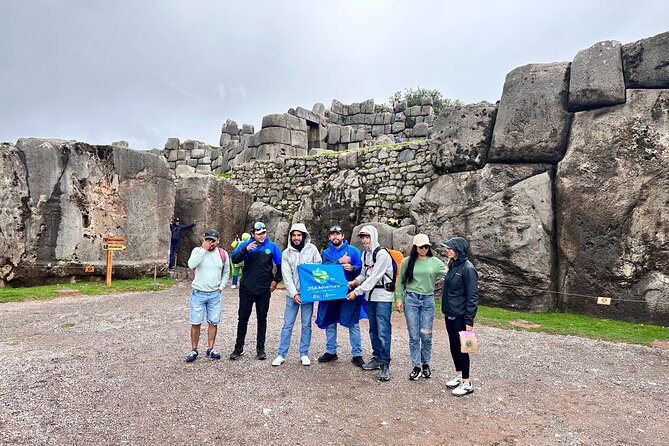
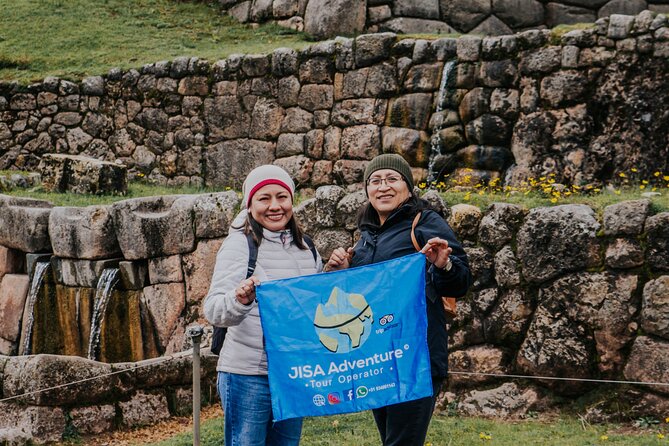
Tambomachay is the final archaeological stop, known as the Baño del Inca, or Bath of the Inca. Here the focus shifts to water worship, ceremonies, fountains, and canals.
I like ending the circuit here because it rounds out the story. After seeing religious buildings, fortifications, ritual chambers, and military structures, you finish with a site that shows careful water control. The stone channels and fountains offer a quieter way to consider Inca engineering.
The stop is listed at about one hour. Your guide should explain both the ceremonial role of water and the practical skill required to direct it through the stonework.
The route then returns to Cusco by private transportation. Since the tour begins and ends at the Plaza de Armas, you can use it as an easy orientation activity early in your stay. The final stop is outside the central streets, so having the ride back included is useful.
Guides who shape the experience
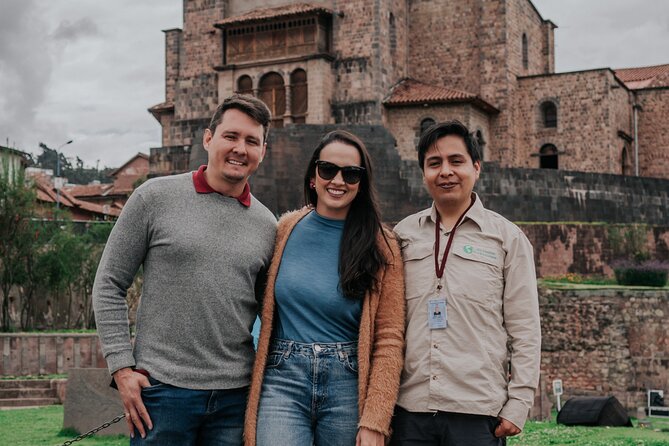
This tour depends heavily on the person leading it. Jhonny receives repeated praise for his energy, kindness, attention, and ability to explain the sites without making the outing feel stiff. One account also notes that his timing felt right, which matters when five stops must fit into one half-day.
Victor is described as highly informed, good at explaining the history, and careful to leave time for photographs. That combination suits a route with big visual stops such as Saqsaywaman.
Saul is praised for making a first day in Cusco feel welcoming and for taking care of the group. Jorge is also associated with an accommodating approach and with broader trips in the region.
You cannot choose a guide with certainty from the information provided, since the assigned guide may vary. Still, the repeated pattern is useful: expect a guide-led experience built around spoken explanations, enthusiasm, and personal attention rather than a self-guided visit.
The company also offers wider Peru planning, and guides named Elvis and others are associated with trips that include Machu Picchu and the Sacred Valley. That is relevant if you want one company to coordinate more than this half-day outing, though this review concerns the Cusco circuit itself.
What the $32 price really covers
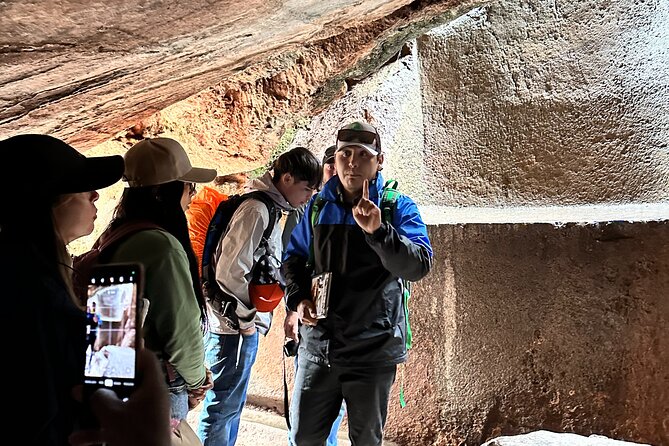
At $32 per person, the tour is reasonably priced for a five-hour route with private transportation and an official tourism guide. You are paying for the convenience of fitting five sites into one organized loop instead of arranging separate rides.
The headline price is not the final cost. Add the $25 partial tourist ticket for the archaeological centers and $7 for Qorikancha. That brings the known total to $64 per person before tips.
For some visitors, that changes the value calculation. If you already have the required archaeological ticket, the tour becomes much more attractive. If you are building a strict budget, the admissions nearly double the advertised price.
The cost still makes sense if you value time and clear explanations. Transport between sites is included, the group is capped at 12, and the tour ends where it starts. You also avoid the work of sorting out a route that moves from central Cusco to the outlying sites and back.
Tips are not included. They are optional, but you may want to budget for one if your guide gives the lively, attentive service described by the strongest feedback.
Timing, transport, and practical details
The meeting point is Plaza de Armas in Cusco, and the activity ends back there. The listed operating hours are Monday through Sunday, from 12:00 AM to 6:00 PM, covering the stated booking period from September 3, 2023, through August 12, 2026.
The time details deserve a careful reading. The full experience is listed as approximately five hours, while each of the five stops is described as about one hour. The route also includes rides of about 20 minutes to Saqsaywaman and 15 minutes to Puka Pukara, plus other transfers.
In practice, the guide may adjust time at each place to keep the circuit moving. If you want an unhurried study of every wall and carving, a private full-day arrangement may suit you better. For a broad introduction, the half-day format is more practical.
Private transportation is included, and the activity is near public transportation. The maximum group is 12, which should feel more manageable than a large coach tour.
An oxygen ball is listed among the inclusions. The supplied information does not explain how it is used, so ask the operator if this matters to you. Most people can participate, but the information does not give a detailed mobility description for every site.
Who should book this Cusco circuit?
I would choose this tour for a first or second day in Cusco, especially if you want a clear introduction before Machu Picchu or a longer Sacred Valley outing. It gives you names, places, and historical connections that make later visits easier to understand.
It also suits you if you prefer a guide to handle the transport and explain what you are seeing. The route has enough variety to keep a half-day interesting, and the smaller group should make questions easier.
Families may appreciate the short transfers and the range of stops, though the archaeological sites are not presented as a special children’s program. Photo-focused visitors should benefit from guides who allow time for pictures, especially at Saqsaywaman.
I would hesitate if your priority is a slow, quiet visit with no fixed pace. Five sites in about five hours is efficient, but efficiency always means some limits. I would also think twice if you are not prepared for the extra admission fees, since they are a significant part of the total price.
Should you book it?
Book this tour if you want the main Inca and colonial sights around Cusco in one organized half-day, with private transport and a guide who brings energy to the explanations. The route is especially useful at the beginning of a Peru trip, when you want a reliable introduction without spending a full day away from the city.
Before paying, calculate the full cost of $32 plus the $25 archaeological ticket and $7 Qorikancha admission. If that total works for you, the combination of five important sites, a group capped at 12, and a return to the Plaza de Armas makes this a practical choice.
FAQ
Where does the Cusco city tour begin?
The tour begins at the Plaza de Armas in Cusco, Peru.
Where does the tour end?
The activity ends back at the meeting point in the Plaza de Armas.
How long does the tour last?
The tour lasts approximately five hours.
Which places does the tour visit?
The route includes Qorikancha, Saqsaywaman, Q’enqo, Puka Pukara, and Tambomachay.
Is transportation included?
Yes. Private transportation between the sites and back to Cusco is included.
Are entrance tickets included in the price?
No. The $25 partial tourist ticket for the archaeological centers and the $7 Qorikancha admission are separate.
How many people can join the tour?
The tour has a maximum of 12 participants.
Is the tour refundable if I cancel?
No. The experience is non-refundable and cannot be changed for any reason.
Just added around Cusco
- rainbow mountain full day★ 5.0 · 44 reviews
- Rainbown mountain cusco 1 Day★ 4.5 · 72 reviews
- Manu National Park Tour 4days/3night★ 5.0 · 69 reviews
- Tour to the HUMANTAY LAGOON from CUSCO★ 5.0 · 35 reviews
- Vegan Peruvian Cooking Class Cocktails and Local Market in Cusco★ 5.0 · 46 reviews
- Cusco Private Airport Transfer: Fast, Reliable Hotel Drop-Off★ 5.0 · 80 reviews
- 1 Day Tour to Palccoyo (Alternative Rainbow Mtn) from Cusco, Peru★ 5.0 · 53 reviews
- 5-Day: Salkantay Trek to Machupicchu and Humantay Lake★ 5.0 · 42 reviews
City Tours, compared.
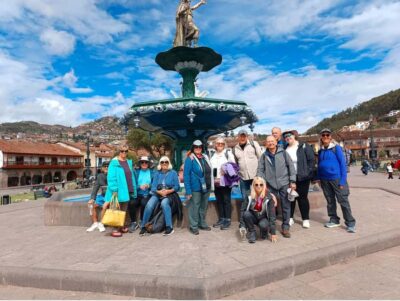
Cusco: Half-Day City Tour with Sacsayhuaman and Q’enco
Read our review →
Private City Tour, Monserrate, Emerald and Botero
Read our review →
City Sightseeing Hop-On Hop-Off Bus Tour & Extras
Read our review →
City Tour Cusco Qoricancha Sacsayhuaman y Tambomachay
Read our review →
Main City Sights in 7 Hours – Shared Group Tour
Read our review →Browse the lists this tour appears in