
Reviewed · PARACAS & ICA TOURS
Ballestas Islands from San Martin Port CRUISESHIP TERMINAL
The Ballestas Islands are Peru’s answer to a wildlife park, only the animals live on jagged rocks and the viewing platform is a covered speedboat. You can watch sea lions pile onto cliffs, spot Humboldt penguins, and pass through coastal caves, all during a shore excursion that fits a cruise schedule.
I like the easy port pickup and the fact that the tour includes the Candelabra, a huge hillside figure whose purpose remains uncertain. I also like the guides’ strong reputation: Brenda, Marco, and Carlos are specifically praised for keeping the ride informative and engaging. The main caution is the dock organization. Waiting in the heat before boarding can be uncomfortable, and a rough sea or delayed ship may affect the plan.
Key points before you book
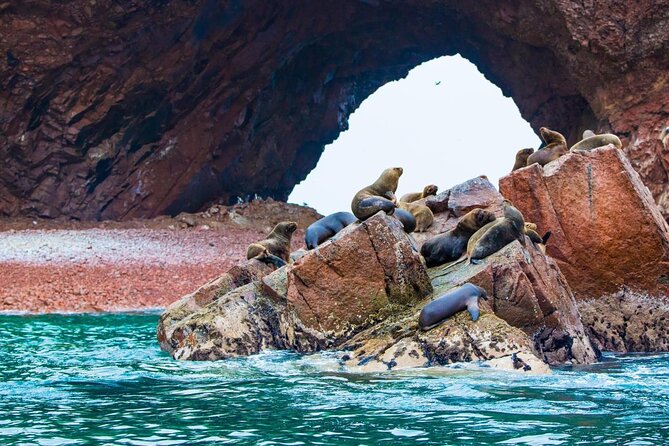
- Wildlife from a close but respectful distance: Expect sea lions, seabirds, and a chance to see Humboldt penguins, dolphins, crabs, and other marine life.
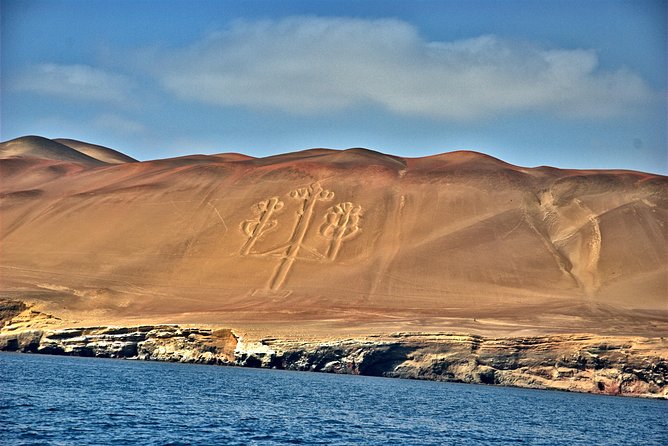
- The Candelabra comes first: The mysterious geoglyph on the Paracas Peninsula makes a memorable opening to the boat ride.
- A true cruise-port excursion: Pickup and return are arranged at San Martin Port, with transportation to Paracas included.
- Plan for wind and sun: The boat may be covered, but the ride can feel cold and windy. The dock may be hot with little shade.
- Budget for the extra fee: The tour costs $50 per person, but the Ballestas Islands entrance fee is another $5.
- Best for a short wildlife outing: The main program lasts about two hours and works well for a port day, though the dock process can add time.
Why the Ballestas Islands are worth your port stop
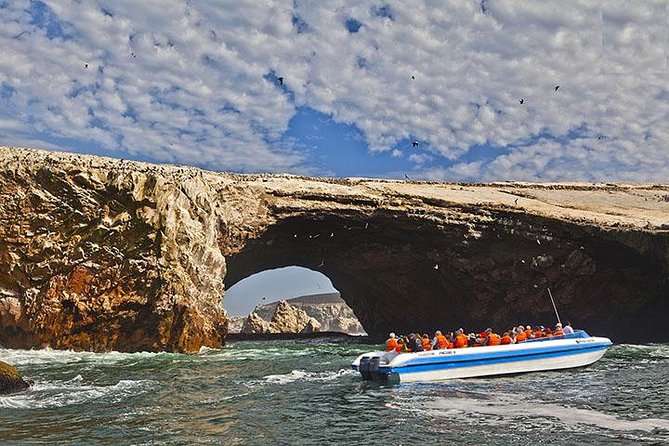
The Ballestas Islands sit off the coast near Paracas, where cold ocean water supports a remarkable concentration of wildlife. You are not walking around the islands. Instead, the boat circles the rocky formations and enters some caves when sea conditions allow.
That setup is important. You get a moving view of the animals, rock arches, tunnels, and cliffs without disturbing the colonies. It also means the experience depends on weather, sea conditions, and where the captain can safely position the boat. You may see animals on one side of the boat, then need the captain to turn so everyone gets a fair look.
I would choose this excursion for wildlife rather than for a classic beach outing. The islands are rough, noisy, and smelly in places. Guano, or seabird droppings, covers much of the rock, and it has long been collected for fertilizer. That smell is part of the real setting, not a flaw in the tour, but you should be ready for it.
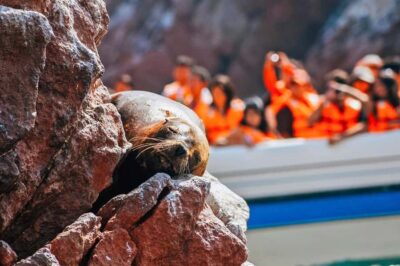
The wildlife is the main reward. Sea lions can cover ledges in large groups, with some animals perched surprisingly high above the water. You may see Humboldt penguins, pelicans, cormorants, and other seabirds. Dolphins have also been reported, but wildlife sightings are never guaranteed, and the number of penguins can range from several to only a few.
A few more Paracas & Ica days worth comparing
- From Lima: Paracas and Huacachina Oasis Full Day Guided Tour
★ 4.7 · 1,780 reviews - Full Day Paracas Ica and Huacachina from Lima All Included
★ 4.5 · 623 reviews - From Nazca: 35-Minute Flight Over Nazca Lines
★ 4.6 · 583 reviews
Starting at San Martin Port at 9:15 a.m.
The tour begins at 9:15 a.m. at Terminal Portuario General San Martín. Your guide and vehicle meet you near the cruise terminal, then transfer you to Paracas town, where you join the group and board the boat.
This direct pickup is one of the tour’s strongest practical features. You do not need to arrange a taxi or find the Paracas marina on your own. For a cruise stop, that matters. You can leave the ship, locate the pickup, and let the operator handle the road transfer.
Bring your printed voucher or electronic voucher, along with your passport or another form of identification. These are required for verification before boarding. The group can include up to 40 people, although some boat trips have used smaller boats holding about 20 passengers.
The dock is the least polished part of the experience. It is also used by local water taxis, so the area can feel crowded and confusing. Some departures have involved a long wait before passengers were assigned or allowed onto the boat. If you arrive early and find a line, stay patient and look for shade when possible. There may not be much of it.
Your ship’s arrival time matters. If the ship is delayed, contact the operator three to four days ahead if you already know about the change, and keep checking your email for updates. A late arrival could make the scheduled pickup difficult, especially on a port day with a fixed all-aboard time.
The Candelabra geoglyph on the Paracas Peninsula
The first sightseeing stop is the Candelabra, a giant figure carved into the side of a hill on the Paracas Peninsula. From the water, it appears as a long, branching design cut into the pale earth.
Nobody knows for certain who created it or why. Some theories connect it with the Nazca Lines, but no proof settles the question. Your guide can explain the main ideas without pretending the mystery has a simple answer.
I like this stop because it gives the boat ride a sense of place before the wildlife begins. The Candelabra is not just another photo stop. It raises questions about the people who lived along this coast and how much of Peru’s past remains uncertain.
The viewing time is brief, and you stay on the boat. The figure is best understood as a visual introduction to the Paracas Peninsula, not as a full archaeological visit. If you want a long stop on land, this is not that kind of excursion.
The speedboat ride to the islands
The ride from Paracas to the islands takes about 30 minutes each way on many departures, making the transport itself a meaningful part of the outing. The boat is fast, and the ride can be smooth, but conditions vary.
The boats used on this excursion have been described as clean and comfortable, with life jackets at each seat. Some boats are covered, so a hat is not essential for protection from direct sun while underway. Still, I would bring a light jacket. The wind on open water can feel surprisingly cold, even on a warm day.
Good traction on your shoes is also useful. Getting in and out of a small boat can be awkward, especially when the water moves the boat against the dock. You do not need special equipment, but sandals with poor grip are not ideal.
The captain’s skill affects the outing. A careful driver can reduce splashing and bumping, approach the rocks safely, and turn the boat so people on both sides get a useful view. You are not guaranteed a perfectly calm ride, but the excursion is designed around viewing rather than speed alone.
Same trip, a completely different kind of day:
- From Lima: Day trip to Paracas, Ica and Oasis Huacachina
★ 4.6 · 409 reviews - From Paracas: Ballestas Islands & Paracas National Reserve
★ 4.7 · 356 reviews - Lima: Paracas and the Huacachina Oasis Guided Day Tour
★ 4.5 · 354 reviews - Paracas: Ballestas Islands Morning Boat Tour
★ 4.5 · 301 reviews
Sea lions, penguins, seabirds, and coastal caves
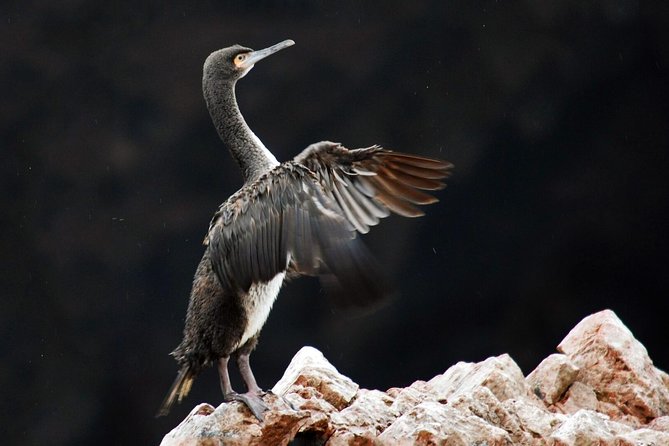
At the Ballestas Islands, the boat visits three rocky islands from the distance allowed by local conditions. It may also pass into some caves. The rock formations include arches, tunnels, and sharp, weathered walls shaped by the sea.
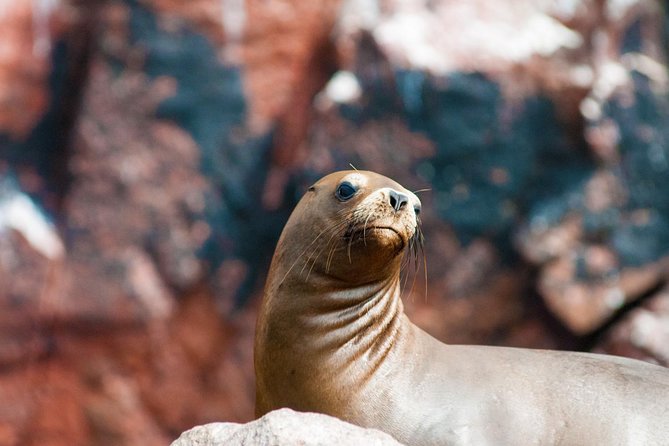
The animal colonies are the real show. Sea lions lie across the rocks in thick clusters, bark and call from the shore, and climb onto ledges that seem far too steep. You may see hundreds of them, especially when conditions allow the captain to circle the main colonies.
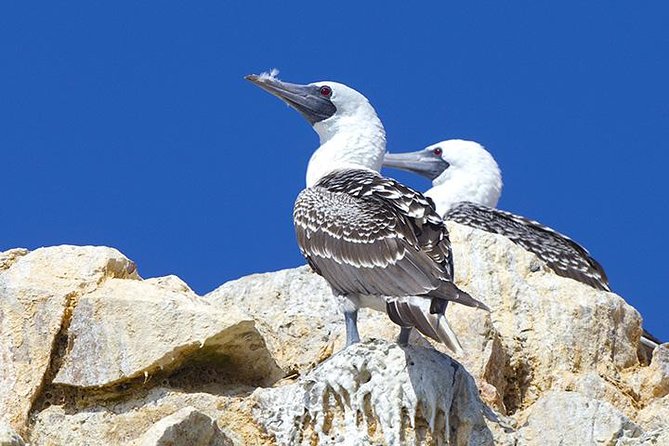
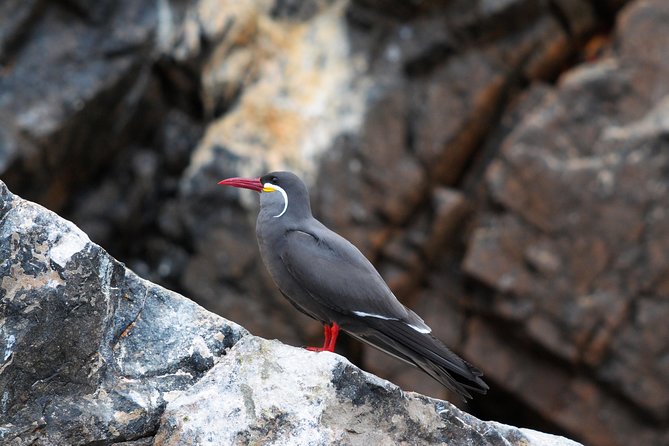
Birdlife can be just as impressive. Look for pelicans, cormorants, and other coastal birds, including birds with young. Large groups of cormorants may move together over the water as they search for anchovies. The guide points out different species and may help you notice smaller creatures, including crabs and starfish near the rocks.
Humboldt penguins are possible but not certain. Some outings have produced only three or six sightings, while others have had several penguins close to the boat. They are small compared with the sea lions, so keep your eyes on the rocks and listen when the guide directs your attention.
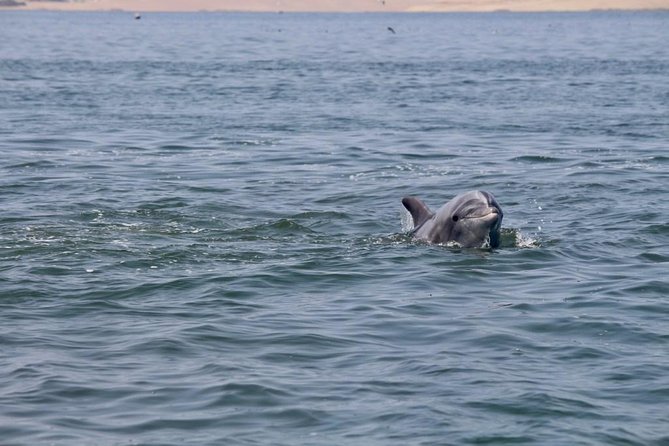
Dolphins and whales may also appear, but you should treat them as a bonus. The reliable draw is the mix of seabirds, sea lions, unusual rock formations, and the chance of penguins.
The caves are another highlight. You are not exploring them on foot. Instead, the boat may enter or approach them depending on the sea. From the water, you can see how waves have cut openings and passageways through the rock over time.
Guides who make the short trip worthwhile
The guide is especially important here because the outing is short and the scenery can be easy to misread. A good guide helps you distinguish a penguin from a dark rock, identifies birds, and adds context about the islands and the guano industry.
Brenda is praised for making the excursion memorable, while Marco is singled out for explaining species, hidden marine life, the Candelabra, and local history. Carlos is also praised for giving clear information about the islands. The guide team speaks English and Spanish.
You should expect commentary during the boat portion rather than a long formal lecture. The best moments come when the guide spots something before you do, then explains what you are seeing. That makes the trip more than a fast ride around rocks.
The quality of the commentary can vary with boat conditions and group size. With as many as 40 people, you may not hear every word from every seat. Sit where you can see the guide and keep your attention on both sides of the boat.
Is $50 a good value?
At $50 per person, this is a strong value for a cruise-port outing. The price includes port pickup and drop-off, road transportation, the boat tour, and an English and Spanish speaking guide. Comparable cruise-line excursions can cost much more, and one direct comparison put this option at roughly one-third of the ship excursion price.
You still need to pay the $5 Ballestas Islands entrance fee. Food, drinks, and personal travel insurance are not included. Those are small additions, but they are worth knowing before you leave the ship.
The price also buys convenience. You could possibly find a cheaper boat once you reach Paracas, but you would then need to manage transportation, language, timing, and the return to the port yourself. For a cruise stop, that extra structure is worth paying for.
The value is strongest if you want wildlife and do not need a long town visit. Some departures have allowed time in Paracas afterward, including a meal or a walk among shops, but the core tour is described as about two hours. Do not count on extended town time unless the operator confirms it.
Heat, smells, and the practical drawbacks
This is not a polished marina experience. The waiting area can be hot, with limited shade, and the dock may feel disorganized. February has been described as especially hot and muggy, though conditions vary by season and day.
The islands smell strongly of guano. That is unavoidable and may be intense when the boat is near the colonies. I consider it part of the authentic wildlife setting, but if you are sensitive to odors, bring realistic expectations rather than expecting a fresh ocean breeze.
The boat can also be windy and cool. Wear layers, even on a sunny morning. Bring a camera or phone with a secure grip, but remember that spray and movement make delicate equipment harder to manage.
The return transfer has not always been perfectly direct. In one arrangement, passengers were taken by taxi to a cruise shuttle rather than delivered straight to the ship. The tour ends back at the original port meeting point, but allow a little breathing room before your ship’s departure deadline.
Most people can participate, and the outing does not require a long hike. The main physical challenges are boarding the small boat, standing or waiting at the dock, and handling the movement of the vessel. If you have concerns about boat boarding, ask the operator before booking.
Who should book this Ballestas Islands excursion?
I would recommend it to you if you enjoy wildlife, coastal scenery, and short active outings. Families, couples, and cruise passengers looking for something more distinctive than a bus ride through town should find plenty to enjoy.
It is also a good choice if you value a guide and fixed transportation. The included port transfer removes much of the stress that comes with arranging a shore excursion independently.
I would think twice if you dislike boats, strong animal smells, hot waiting areas, or uncertain wildlife sightings. You should also be cautious if your ship has a tight schedule or is prone to delays. The operator offers schedule changes when notified in advance, but a cruise day always requires extra time.
The tour is recommended by 95 percent of customers and carries a 4.7 rating from 38 reviews. Those numbers fit the experience described here: the wildlife and guides are the main strengths, while the dock process and return arrangements are the weak spots.
Should you book it?
Yes, if you want a reasonably priced, wildlife-focused shore excursion and can accept a little dock disorder. The combination of sea lions, seabirds, possible penguins, coastal caves, and the Candelabra packs a lot into roughly two hours.
Book it for the animals, the scenery, and the chance to hear clear explanations from guides such as Marco, Brenda, or Carlos. Bring a jacket, wear shoes with good traction, budget the extra $5 entrance fee, and leave plenty of time before your ship’s departure. If those conditions suit you, this is one of the better-value ways to experience Paracas from a cruise stop.
FAQ
Where does the tour begin?
The tour begins at Terminal Portuario General San Martín in Paracas at 9:15 a.m. Pickup and drop-off at the port are included.
How long does the excursion last?
The main excursion lasts about two hours. Some departures have included additional time in Paracas, but that is not part of the standard two-hour boat program.
What animals can I see?
You can see sea lions, seabirds, and possibly Humboldt penguins. Dolphins, whales, crabs, and starfish have also been seen, but wildlife sightings cannot be guaranteed.
Is the Ballestas Islands entrance fee included?
No. The entrance fee is $5 per person and is paid separately.
Is transportation included?
Yes. Group transportation from San Martin Port to Paracas and back to the port is included, along with the boat tour.
What should I bring?
Bring your passport or another form of identification, your printed or electronic voucher, a jacket for the wind, and shoes with good traction. Food and drinks are not included.
What happens if my ship is delayed?
You should notify the operator three to four days in advance if you know your ship will be delayed, and continue checking your email for pickup updates. The tour requires suitable weather, and a cancellation caused by poor weather may result in another date or a full refund.
Just added around Paracas & Ica
- TREKKING GOLDEN SHADOWS★ 4.8 · 47 reviews
- Visit the Paracas National Reserve on a SCOOTER★ 5.0 · 71 reviews
- Premium Trekking Golden Shades★ 5.0 · 59 reviews
- Buggy ride in Paracas National Reserve★ 4.0 · 38 reviews
- Paragliding Flight at Paracas National Reservation★ 5.0 · 84 reviews
- Ballestas island & Paracas reserve from PISCO CRUISESHIP TERMINAL★ 4.5 · 71 reviews
- 7-Hours Tour in Paracas National Reserve with Pickup★ 4.5 · 48 reviews
- Ballestas Islands Group Tour from Paracas★ 4.5 · 38 reviews
Paracas & Ica Tours, compared.
From Lima: Paracas and Huacachina Oasis Full Day Guided Tour
Read our review →
Full Day Paracas Ica and Huacachina from Lima All Included
Read our review →

From Lima: Day trip to Paracas, Ica and Oasis Huacachina
Read our review →
From Paracas: Ballestas Islands & Paracas National Reserve
Read our review →
Lima: Paracas and the Huacachina Oasis Guided Day Tour
Read our review →
From Lima: Full Day to Paracas and Huacachina Desert Oasis
Read our review →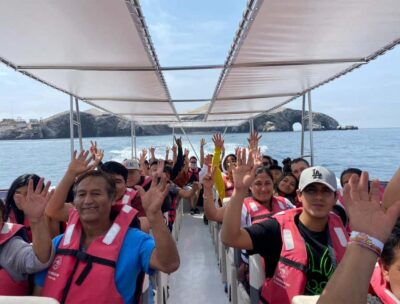
Browse the lists this tour appears in