
Reviewed · PARACAS & ICA TOURS
From Paracas: Ballestas Islands & Paracas National Reserve
Ballestas Islands and Paracas National Reserve make a fine one-two punch: noisy sea lions and seabirds offshore, then silent desert meeting the Pacific. The Candelabro, a huge mystery carved into the peninsula, adds a touch of intrigue before the boat reaches the islands.
I like the way this tour combines two very different sides of Paracas, and I like that the reserve portion can feel personal, often using a small group or private vehicle. Guides such as Olenka, Pablo, and Eduardo have been especially good at explaining the coast, wildlife, and geology. The drawback is the boat ride: wind, spray, and a crowded public boat can make it chilly and hard to hear.
Key points
- Two major Paracas sights in five hours: Ballestas Islands and the desert reserve are covered in one practical outing.
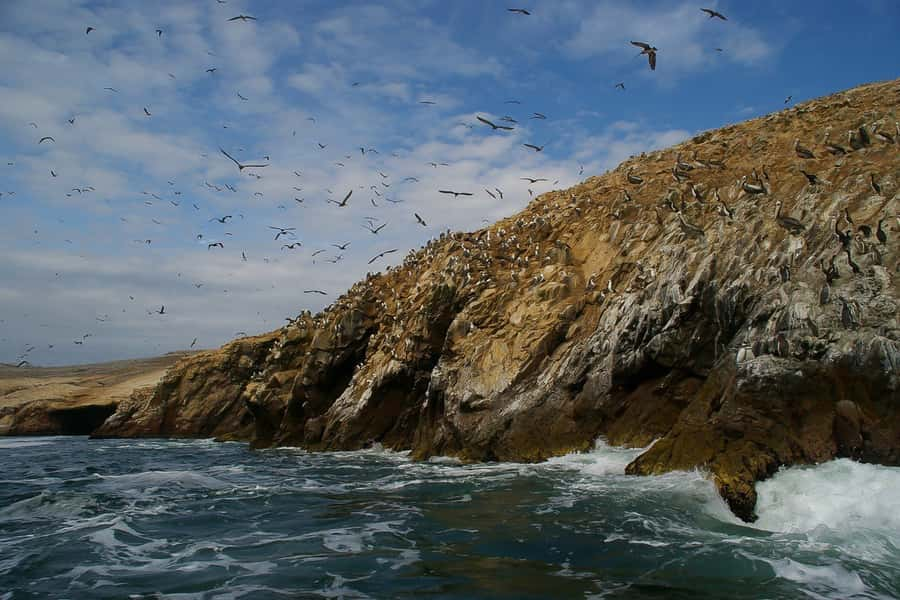
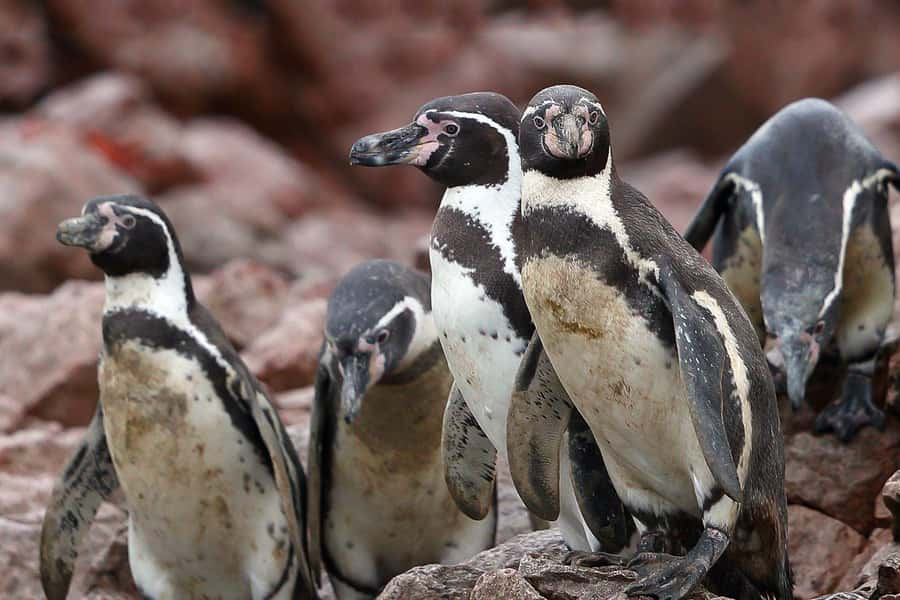
- Wildlife is close to the boat: Expect sea lions, penguins, pelicans, boobies, and other seabirds around the rocky islands.
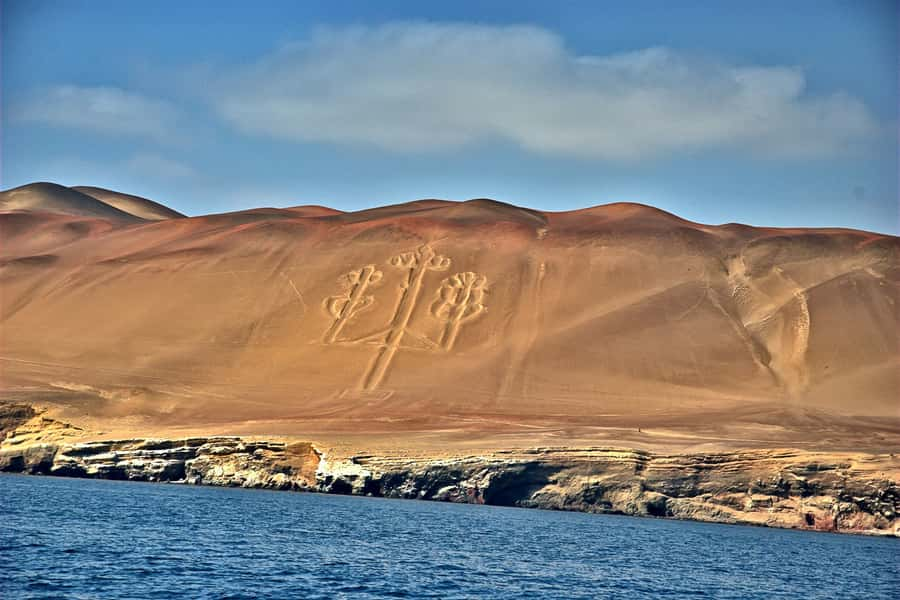
- The Candelabro is an unsolved puzzle: You stop offshore to see the enormous glyph cut into the dry peninsula.
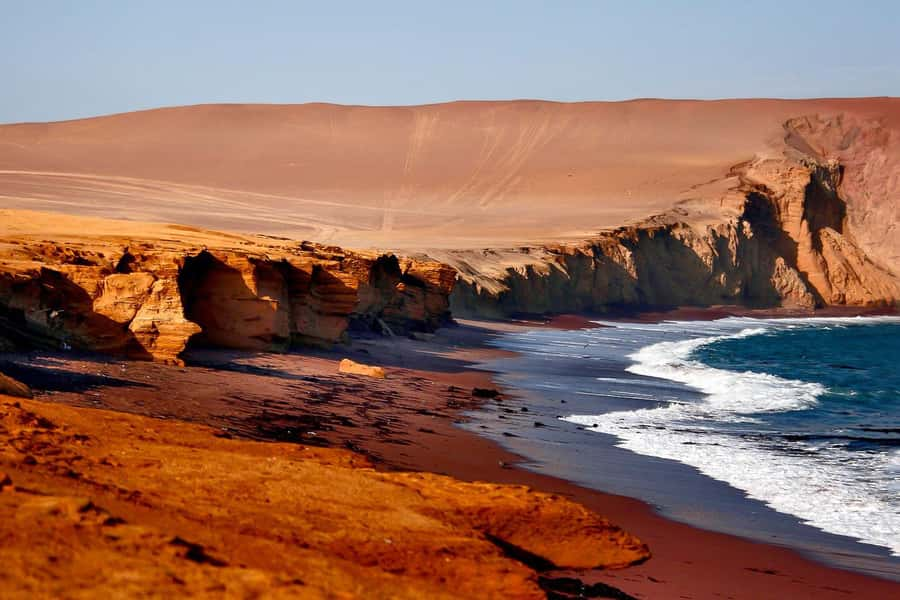
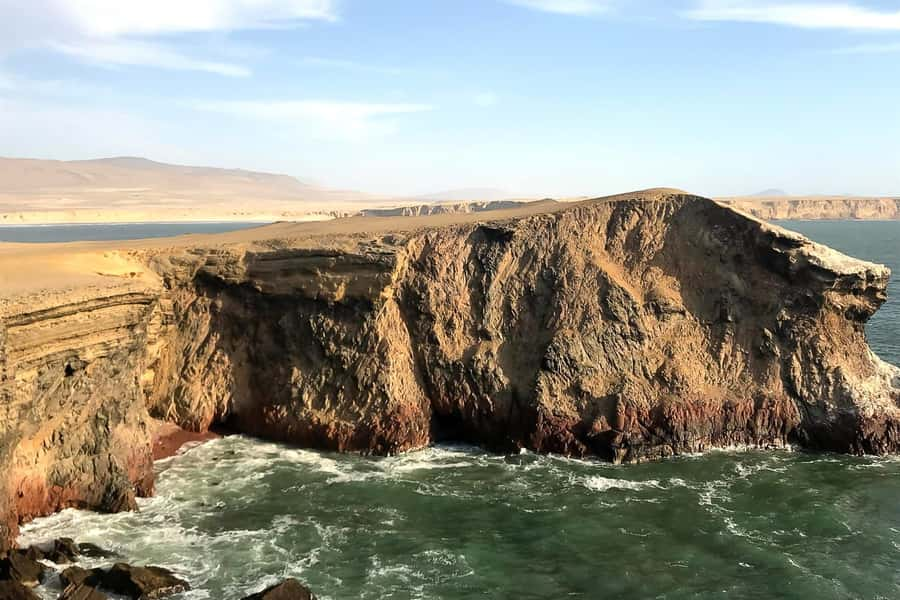
- The reserve changes the mood completely: Red sand, sandstone cliffs, ocean views, and the remains of the Cathedral create stark scenery.
- Bring cash and a warm layer: Entrance fees are separate, and the speedboat can be cold and wet.
- The reserve tour earns the extra time: Guides often have more room to explain the area and adapt the visit to your interests.
Why this five-hour combination works
Paracas is easiest to understand when you see both its water and its desert. The Ballestas Islands show the coast as a busy wildlife refuge, while Paracas National Reserve shows the spare, wind-carved world behind it.
The tour costs $60 per person, plus local entrance fees. Adults pay 22 Peruvian soles and children pay 16 soles, in cash. The fee can also be paid in US dollars at about $7 per person. For that price, you get hotel pickup and drop-off in Paracas, a bilingual guide, the boat trip, reserve transportation, and a bottle of water.
I consider that good value if you have only part of a day. Booking the two outings separately can mean arranging transport, matching departure times, and finding your way between the pier and the reserve. Here, the transfer from one part to the next is handled for you. The main compromise is that the boat is a shared public excursion, while the reserve portion may be much smaller and more personal.
The tour lasts five hours, but allow some flexibility around the schedule. The boat portion takes about two hours, followed by a short break at a local café and the drive through the reserve.
A few more Paracas & Ica days worth comparing
- From Lima: Paracas and Huacachina Oasis Full Day Guided Tour
★ 4.7 · 1,780 reviews - Full Day Paracas Ica and Huacachina from Lima All Included
★ 4.5 · 623 reviews - From Nazca: 35-Minute Flight Over Nazca Lines
★ 4.6 · 583 reviews
Getting from your Paracas hotel to the pier
Pickup is available from hotels and hostels in central Paracas, including Hotel Paracas, a Luxury Collection Resort, The Legend Paracas Resort, Aranwa Paracas Resort, Hotel San Agustín, Viajero Kokopelli, and smaller properties such as Paracas Guest House and Hospedaje Racs.
The initial van ride is short, around five minutes. That sounds minor, but it removes a small logistical nuisance. You do not need to find the harbor or work out where to meet a boat group before breakfast.
Pickup is limited to the Paracas town center. If you stay in Pisco, Santa Cruz, or San Andrés, an additional transfer can be arranged for 30 soles per transfer. Confirm this before booking, since the standard pickup does not cover those towns.
At the pier, you transfer to a speedboat with a Spanish and English-speaking guide. The harbor can feel busy, and the boat boarding process may be less tidy than the hotel pickup. Bring patience and keep your belongings compact. Large bags, oversize luggage, pets, smoking, alcohol, and drugs are not allowed.
The Candelabro, Paracas’ great coastal mystery
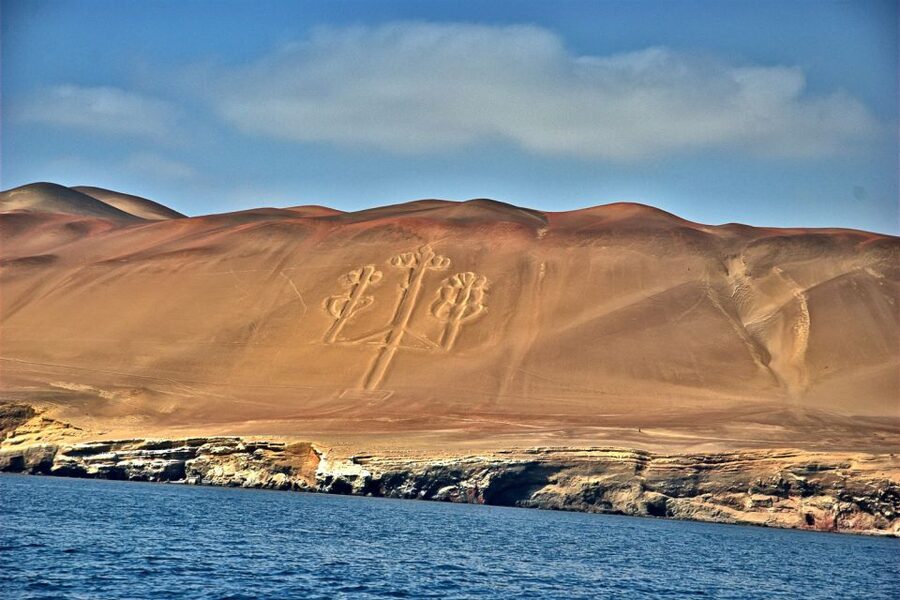
The first memorable sight is not an animal. It is the Candelabro, a giant glyph cut into the side of the Paracas Peninsula.
From the water, the shape looks like a three-branched candlestick or cactus etched into the pale earth. Its purpose and maker remain unknown. The boat does not land there, so you see it from offshore, but the angle gives you a clear sense of its scale against the barren slope.
This short stop adds context to the ride. You are not simply heading toward a group of rocks to count birds. You are moving through a coast marked by ancient human activity, unanswered questions, and a very dry climate.
Your guide explains the site in both Spanish and English, although the quality of the commentary depends on where you sit and how loud the engine and wind are. If English information matters to you, stay close to the guide when possible.
Ballestas Islands: sea lions, penguins, and seabirds
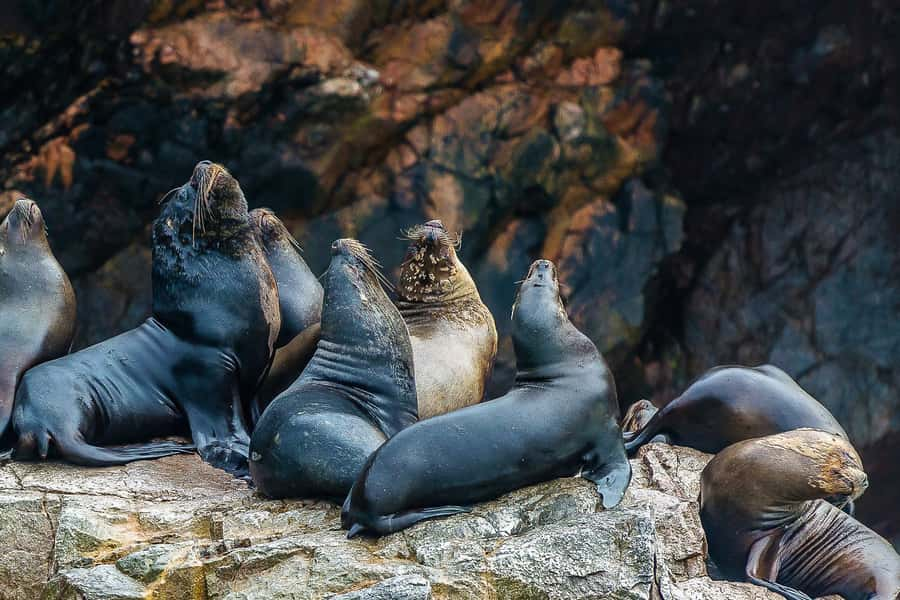
The rocky Ballestas Islands are the wildlife center of the morning. The boat circles the shores rather than landing, giving you views of animals packed onto ledges and beaches.
Sea lions are usually the easiest animals to spot. You can expect to see them sprawled across the rocks, often in large groups. Their barking carries over the water, and their movement makes the islands feel far less still than the surrounding desert.
Penguins are another major draw. They may be seen on the rocks or in the water, but sightings can vary with conditions and food supply. Some periods bring fewer penguins close to the islands, so you should treat them as a strong possibility rather than a guarantee.
The boat also looks for pelicans, blue-footed boobies, Inca terns, and other seabirds. Dolphins have been seen on some outings, and even a whale has been spotted, but these are fortunate extras, not promised parts of the trip.
The boat stays out for roughly two hours. That is enough time to see the principal formations and wildlife without turning the trip into an all-day ride. It is also long enough for the conditions to matter.
The Pacific can be cold even under a bright sky. Wind and spray may leave you wet, and one account of the trip described getting soaked during the ride. Wear layers, carry a light waterproof shell, and protect your phone. Motion sickness medicine is sensible if you are prone to queasiness.
The boats can hold a large group, sometimes around 40 people. They are generally comfortable, but the group size may make the experience feel less intimate. Sit where you can see over the sides, and do not expect a quiet wildlife cruise. The engine, wind, and several languages being spoken can make parts of the explanation difficult to hear.
Still, the boat delivers what it promises: a close look at a remarkable concentration of coastal wildlife. I would bring binoculars if you have them, but you should see the larger animals without special equipment.
Same trip, a completely different kind of day:
- From Lima: Day trip to Paracas, Ica and Oasis Huacachina
★ 4.6 · 409 reviews - Lima: Paracas and the Huacachina Oasis Guided Day Tour
★ 4.5 · 354 reviews - From Lima: Full Day to Paracas and Huacachina Desert Oasis
★ 4.6 · 301 reviews - Paracas: Ballestas Islands Morning Boat Tour
★ 4.5 · 301 reviews
The café break and change of pace
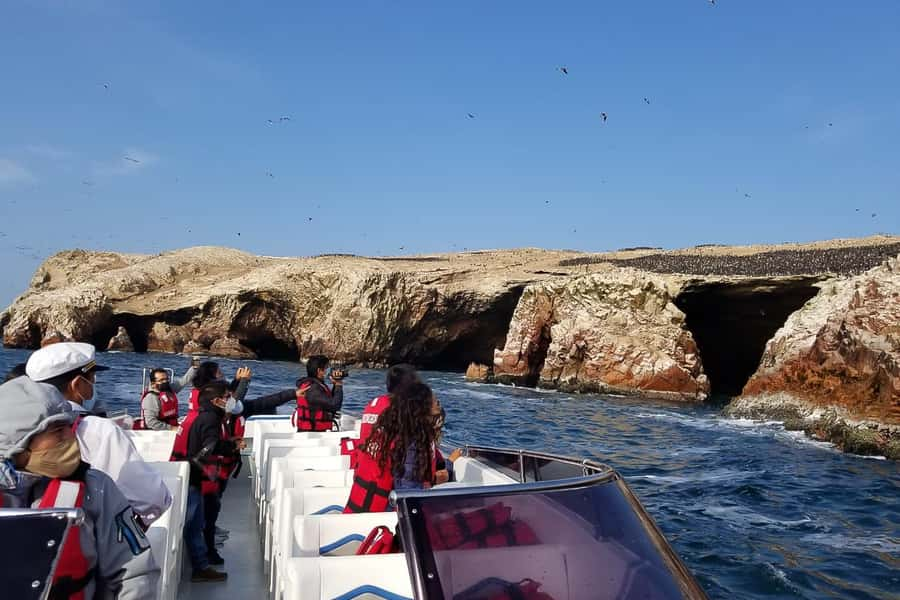
After returning to the pier, you have about 30 minutes of free time at a local café. This is a useful pause between the sea and the reserve.
Use it for a snack, a drink, or a bathroom stop. Meals and alcoholic drinks are not included, so budget separately if you want more than the supplied bottle of water.
The break also lets you warm up and dry off before the land portion. The contrast is striking. The boat is noisy and active; the reserve begins with open roads, broad views, and long stretches of quiet.
Paracas National Reserve in a small vehicle
The reserve is the part of the outing that often changes from a standard group excursion into a more personal tour. Several outings have used a small van with only a few people, and some have felt close to private.
Your guide drives through a vast desert beside bright water and high sandstone cliffs. There is very little plant cover, and that is the point. The reserve is about wind, minerals, exposed rock, and the meeting of dry land with the Pacific.
Guides such as Olenka and Eduardo have been particularly good at making the scenery readable. Instead of simply stopping at viewpoints, they explain the area’s geography, climate, history, and wildlife. A good guide also helps you notice how the colors change from pale desert to dark rock, blue water, and red sand.
The reserve is not a place for a packed list of attractions. It rewards time at a few strong viewpoints. Guides may adjust the order or amount of time spent at stops based on weather, traffic, and your interests. If you care about photography, birdwatching, or geology, say so early.
The Cathedral and the force of the coast
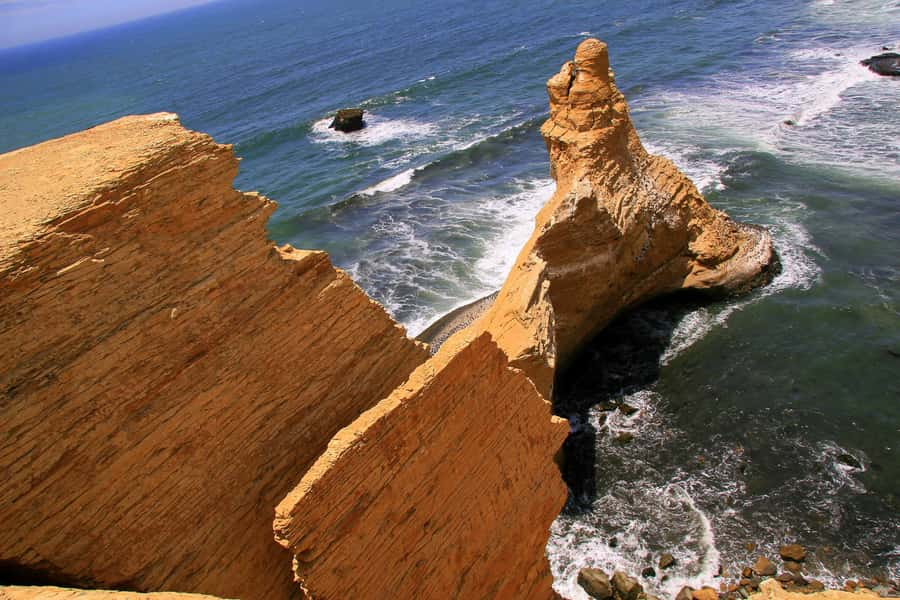
One major stop is the Cathedral, a rock formation that once rose dramatically from the water and shore. A powerful earthquake destroyed it, leaving the area as a reminder that this coast is still shaped by large natural forces.
The name refers to the former shape, not to a standing building. You see the remains and the surrounding cliffs from designated viewpoints.
This is one of the reserve’s best examples of how the tour adds value beyond a scenic drive. Without explanation, it is an attractive coastal stop. With context, you can connect the broken rock to earthquakes, erosion, and the changing form of the peninsula.
The coastline is also a good place to appreciate the reserve’s unusual setting. You can look across dry desert and sandstone, then turn toward open ocean. Few places make that contrast so immediate.
Playa Roja and the maroon sand
Playa Roja is the reserve’s most unusual visual stop. Its sand has a strong red or maroon tone, set against pale desert and blue water.
The color gives the beach a theatrical look, but the setting remains natural and spare. It is a good place for photographs, though the wind can be strong and the sun can feel sharp. Sunglasses, a hat, and sunscreen are not optional comforts here.
Lagunillas Beach provides another coastal view and a chance to see how the reserve’s shore changes from one cove to the next. Depending on the day and schedule, you may have time to linger, take pictures, and listen to the guide rather than rushing from one viewpoint to another.
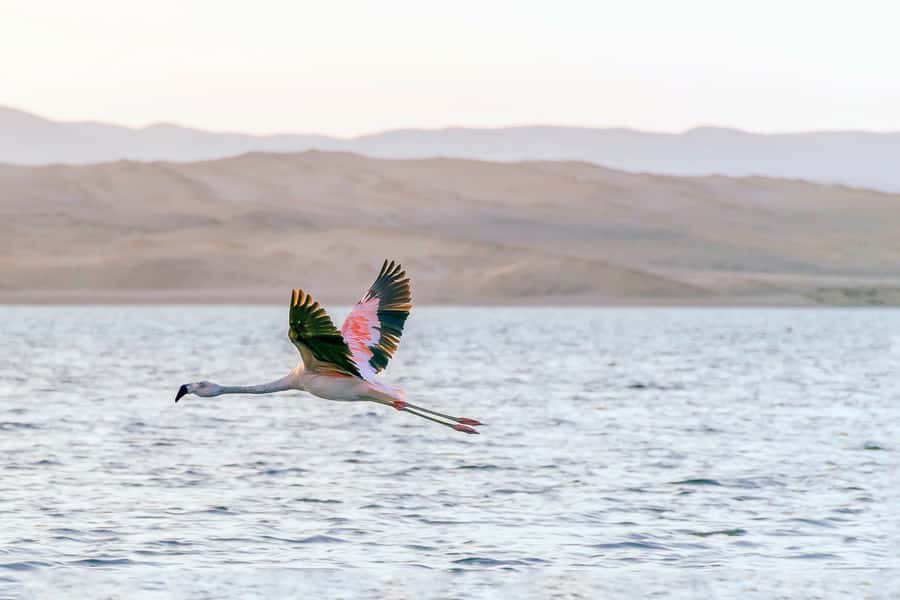
A few outings have included distant flamingo sightings along the shore. Treat that as a lucky possibility, not a scheduled feature. The reserve is best approached as a place of broad natural views rather than a guaranteed checklist of animals.
The guides make the difference
The boat commentary and the reserve guiding are not always the same experience. The boat may use a larger group format, with the guide speaking first in Spanish and then English. Engine noise and seating position can affect how much you hear.
The reserve portion is where a strong guide can change the whole day. Olenka has been praised for clear English, enthusiasm, thoughtful explanations, and giving people time at viewpoints. Pablo has also been singled out for making the reserve visit especially personal. Eduardo has guided visitors through the area’s history and geography, while drivers such as Jorge and George have helped keep the transfers smooth.
You should not assume you will receive a particular guide, but it is useful to know what to expect from the best version of the experience: clear bilingual explanations, flexibility, help with photographs, and enough time to look around.
If the boat commentary is hard to hear, do not judge the entire tour by that first section. The reserve is usually quieter, and the smaller vehicle makes conversation much easier.
What to bring for the coast and desert
Pack lightly, but pack for changing conditions.
- Passport or identification card
- Comfortable walking shoes
- Sunglasses and a sun hat
- Sunscreen
- A warm layer or waterproof jacket
- Cash in Peruvian soles for the entrance fees
- A phone cover or small dry bag
- Motion sickness medicine if needed
The supplied bottle of water is helpful, but you may want more for the dry reserve. There is no need for large luggage, and large bags are not allowed.
The tour is not suitable for children under five or pregnant women. The activity information also gives conflicting guidance about wheelchair access: it says the tour is wheelchair accessible, yet separately lists wheelchair users as not suitable. If mobility is a concern, contact JD Adventure Travel before paying so the boat and vehicle arrangements can be confirmed.
Who should book this Paracas outing?
I would choose this tour if you have one day or less in Paracas and want the two essential natural sights without arranging separate transport. It suits couples, families with older children, first-time visitors, and anyone who wants explanations rather than a self-guided taxi ride.
It is also a good choice for people who care about the reserve. The Ballestas boat is the headline attraction, but the reserve often becomes the more memorable half because the scenery is broader and the guide can spend more time with you.
I would hesitate if you dislike boats, get motion sickness easily, or need a quiet, private wildlife trip. The shared boat can be crowded, wet, and noisy. You should also avoid booking it if you need to carry large luggage or require fully confirmed wheelchair access.
FAQ
How long does the Ballestas Islands and Paracas Reserve tour last?
The tour lasts about five hours. The speedboat portion takes around two hours, followed by about 30 minutes of free time at a local café and the drive through the reserve.
What is included in the $60 price?
The price includes hotel pickup and drop-off in Paracas and Pisco, a Spanish and English-speaking guide, the Ballestas Islands boat trip, transportation through Paracas National Reserve, and a bottle of water.
Are entrance fees included?
No. Adults pay 22 Peruvian soles and children pay 16 soles. The fees are paid locally in cash, and payment in US dollars at about $7 per person is also stated as an option.
Where does hotel pickup take place?
Standard pickup is available from hotels within the Paracas town center. Pickup from Pisco, Santa Cruz, or San Andrés requires a separate arrangement and an additional cost of 30 soles per transfer.
What animals can I see at Ballestas Islands?
You may see sea lions, penguins, pelicans, blue-footed boobies, Inca terns, and other seabirds. Dolphins and whales have also been seen, but they are not guaranteed.
Is the boat ride suitable for people prone to motion sickness?
The boat can be windy, wet, and chilly, and motion sickness medicine is recommended if you need it. A light waterproof layer is also useful.
Can children or wheelchair users join the tour?
Children under five and pregnant women are listed as unsuitable for the activity. The information about wheelchair access is contradictory, so wheelchair users should confirm the current boat and vehicle arrangements with the operator before booking.
Should you book it?
Book this tour if you want the full Paracas picture in one well-organized half-day: wildlife offshore, mystery at the Candelabro, and red-sand desert beside the Pacific.
The strongest reason to choose it is the combination. The strongest caution is the shared speedboat, where wind, spray, and engine noise can take some polish off the first half. Bring cash, warm layers, and realistic expectations about wildlife sightings. If you do, the reserve’s immense views and the chance to see sea lions and penguins make the $60 price a sensible use of your time in Paracas.
Just added around Paracas & Ica
- 10-Day Taste Peru Experience: Lima, Nasca, Cusco & Machu Picchu★ 5.0 · 63 reviews
- Winery and Pisco Distillery tour★ 5.0 · 82 reviews
- Sandboard and SandSki Experience in Huacachina★ 5.0 · 46 reviews
- Professional Sandboarding and Sandskiing Tour, Ica, Peru★ 5.0 · 42 reviews
- Glamping in Huacachina Desert★ 5.0 · 70 reviews
- Nazca Lines and Dune Buggy (Huacachina) from Ica★ 5.0 · 56 reviews
- Dune buggy in Huacachina★ 5.0 · 42 reviews
- Ballestas Islands & National Reserve of Paracas from Ica★ 4.5 · 66 reviews
Paracas & Ica Tours, compared.
From Lima: Paracas and Huacachina Oasis Full Day Guided Tour
Read our review →
Full Day Paracas Ica and Huacachina from Lima All Included
Read our review →
From Lima: Day trip to Paracas, Ica and Oasis Huacachina
Read our review →
Lima: Paracas and the Huacachina Oasis Guided Day Tour
Read our review →
From Lima: Full Day to Paracas and Huacachina Desert Oasis
Read our review →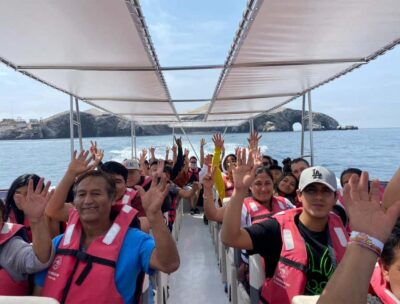
Huacachina: Buggy en las Dunas al Atardecer y Sandboarding
Read our review →Browse the lists this tour appears in