
Reviewed · PABLO ESCOBAR TOURS
From Medellín: Private Pablo Escobar History Tour
The most useful thing about this tour is its refusal to treat Pablo Escobar as a glamorous outlaw. You visit his grave and the house where he died, but the real subject is Medellín’s struggle to recover from violence, fear, and the drug trade. Parque de la Memoria gives that story a modern setting, while Barrio Pablo Escobar shows one of his more complicated legacies.
I like the private format, which lets you ask direct questions and spend more time on the parts that matter to you. I also like the optional Comuna 13 visit, especially if you want to connect Medellín’s painful past with its present-day art and resilience. The main drawback is that the standard tour lasts only four hours, so adding Comuna 13 may make the day feel rushed.
Key points to know before booking
- See Escobar’s grave and death site: The tour brings you to two of the most direct places connected with his final years.
- Visit Barrio Pablo Escobar: This neighborhood was founded by Escobar to provide free homes for poor and homeless residents.
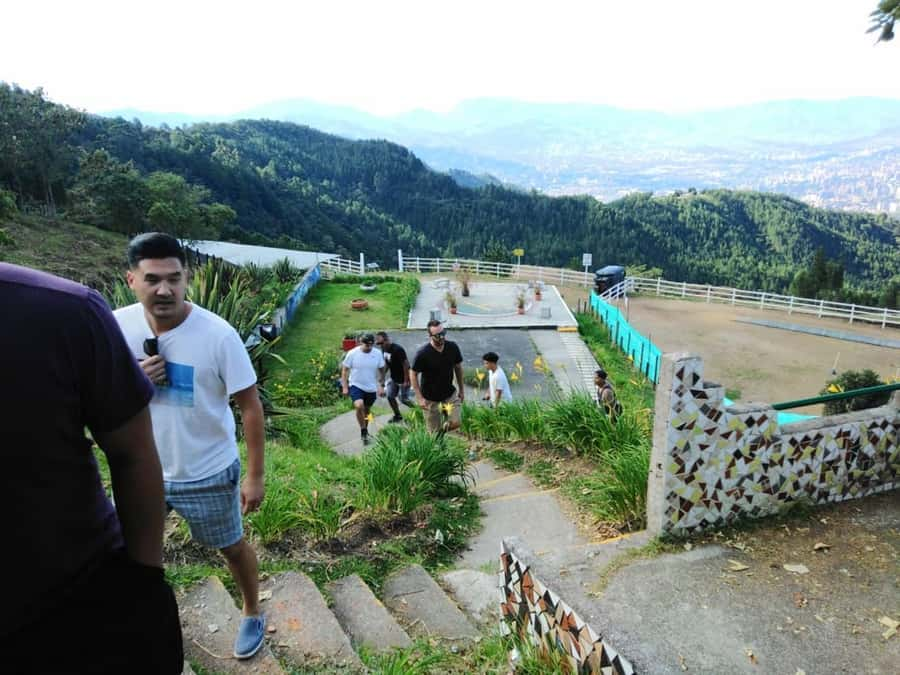
- Start at Parque de la Memoria: The former Monaco building site now focuses on memory, art, and Medellín’s effort to move beyond its old reputation.
- Choose the Comuna 13 add-on: Pair the drug-trafficking history with one of Medellín’s best-known public art areas.
- Ride with a private bilingual guide: Guides such as Manuel, Jhon, Carlos Andres, and Andres have been praised for clear explanations and personal knowledge of the city.
- Allow time for a serious subject: This is not a light sightseeing outing. It deals with murder, fear, poverty, and the cost paid by Medellín residents.
Why this private tour is worth your time
Pablo Escobar has become a marketable figure. Television shows, souvenirs, and crime tours can turn a brutal period into easy entertainment. This experience works best when you approach it as a history lesson, not as a chance to celebrate a famous criminal.
The tour places Escobar within Medellín’s wider story. You learn about the violence that affected the city and the work required to overcome it. That wider frame matters. Without it, a visit to a grave or former hideout can become little more than a collection of sensational stops.
A private tour helps here. You are not tied to a large group’s questions or pace, and you can ask for clarification when the story becomes complicated. You can also spend more or less time at a particular location, within the limits of the four-hour schedule.
The guides make a noticeable difference. Jhon has personal experience of the period and brings that human connection to his explanations. Manuel has been praised for his local knowledge and for combining the Escobar route with a visit to Comuna 13. Carlos Andres and Andres have also been singled out for clear, friendly guiding.
Guide assignments can vary, so you should not book expecting one particular person unless the operator confirms it. Still, the recurring strength of the experience is clear: the guide is central to the value. The sites themselves are often simple or worn, and the explanation gives them meaning.
More Historical Tours in Colombia
- Medellín: History & Local Life Essentials Tour on an E-Bike
★ 4.9 · 130 reviews - Medellin Historic Walking Tour
★ 4.9 · 86 reviews - Pablo Escobar Historic Tour and Cable car
★ 5.0 · 38 reviews
Starting in El Poblado at Parque de la Memoria
The route begins in El Poblado at Parque de la Memoria. The site occupies the former location of the Monaco building, which was demolished on February 22, 2019. Its replacement is intended to tell the area’s story through art and culture while helping Medellín move beyond its unfortunate association with drug trafficking.
This is a useful opening because it sets the right tone. You are not being led straight to a shrine for Escobar. Instead, you begin with a public effort to remember the past and reclaim the city’s identity.
The name Parque de la Memoria points to the purpose of the place. Memory here is not only about the drug lord. It is also about the people who lived through the violence and the city that had to rebuild its reputation.
Do not expect a traditional museum visit based on the information provided. The emphasis is on the renewed public space and its artistic approach. If you want a large collection of objects, documents, or exhibits, this stop may feel limited. That concern is fair, and one visitor specifically wanted more museum material and more objects connected with the tragedy.
Still, the setting gives your guide a strong place to explain the background. It also helps prevent the tour from becoming a hunt for notorious addresses. I like that balance.
Barrio Pablo Escobar and the uneasy question of charity
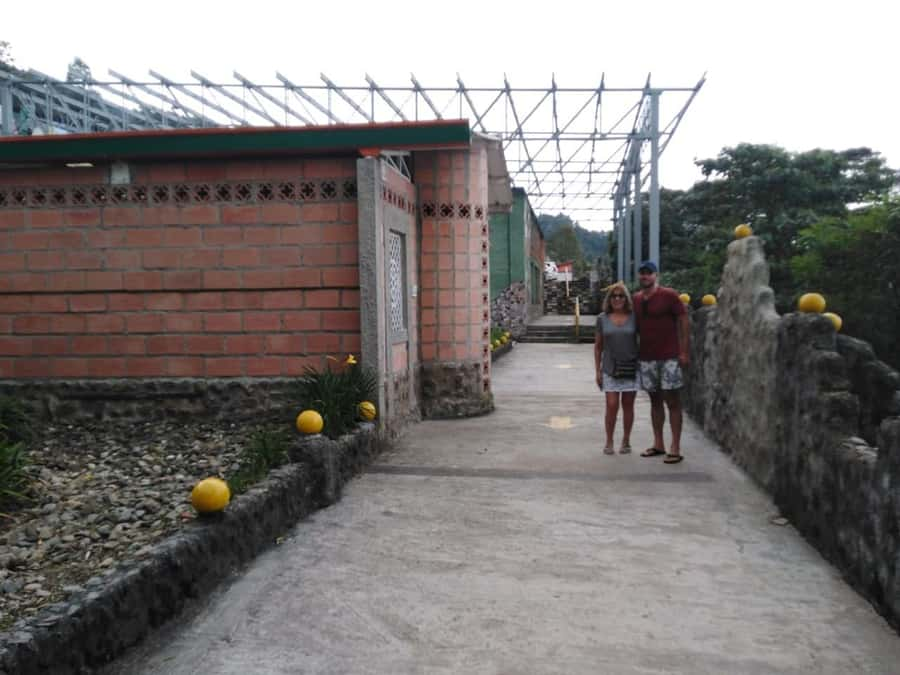
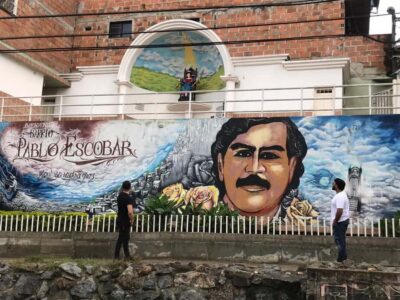
The next major stop is Barrio Pablo Escobar, a neighborhood founded by Escobar to offer free homes to poor and homeless people in Medellín. This is one of the tour’s most complicated stops because it forces you to look at two facts at once.
Escobar did provide housing for people who needed it. At the same time, he was responsible for a violent criminal operation and a legacy of suffering. One fact cannot erase the other.
That tension is worth discussing with your guide. Ask how residents viewed the neighborhood and how the area fits into Medellín’s larger story. The stop is not valuable because it makes Escobar look generous. It is valuable because it shows how power, poverty, public image, and criminal influence could become tangled together.
For me, this is more useful than a simple list of crimes. It shows why some people in desperate circumstances might have accepted help from a dangerous man. Understanding that does not excuse his actions. It helps explain the conditions in which his influence grew.
The neighborhood also gives the tour a human scale. You are not only looking at famous locations connected to a criminal. You are considering the people who lived in Medellín during that period and the choices available to them.
Escobar’s grave and the house where he died
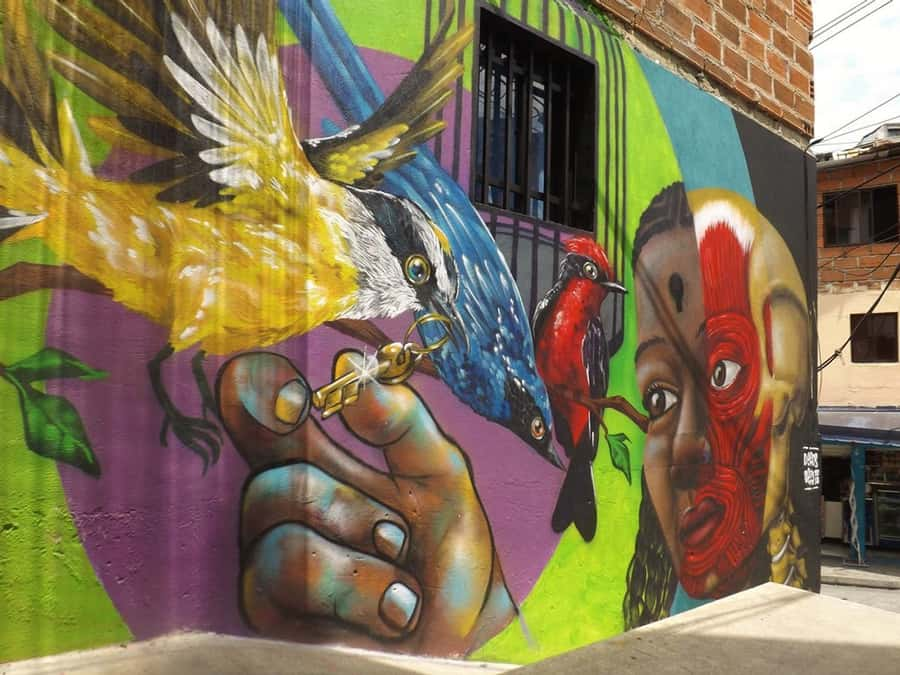
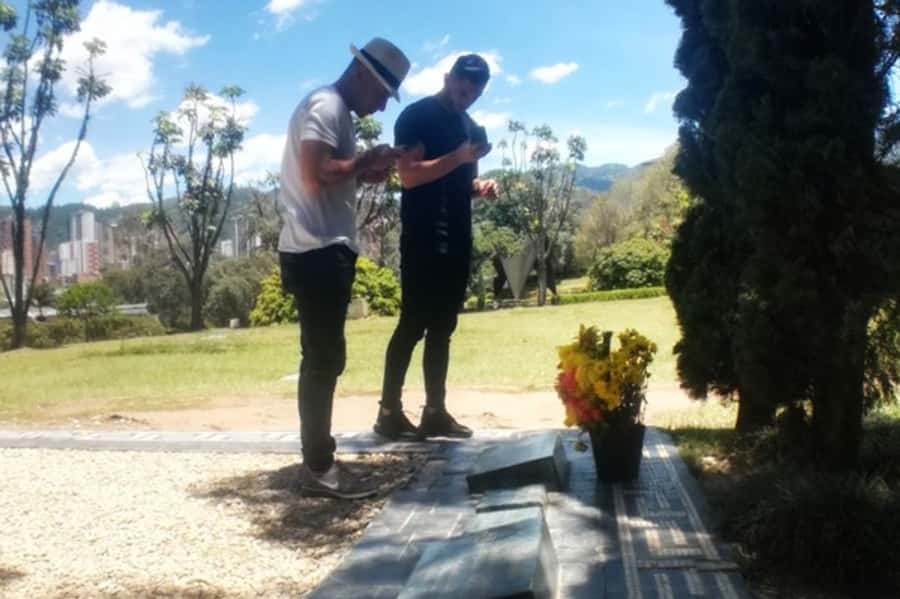
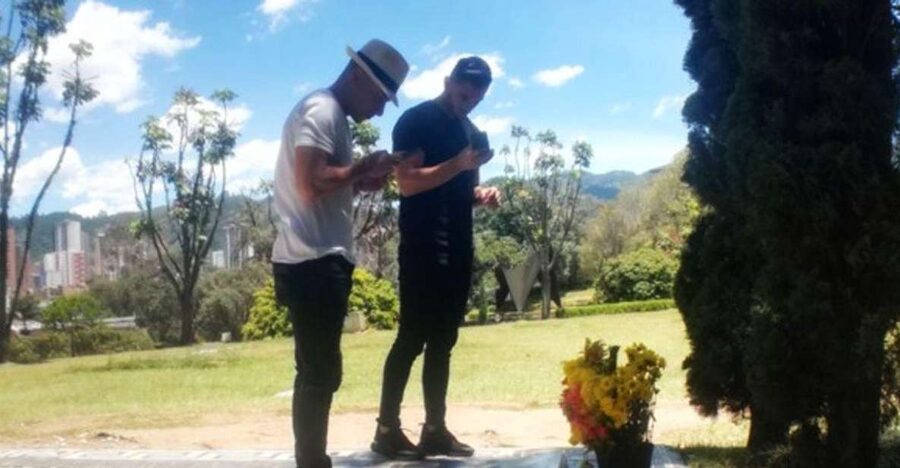
The tour then takes you to Escobar’s grave. A grave can be a powerful stop, but it can also tempt people into treating a criminal like a celebrity. Your guide’s framing matters here.
The focus should remain on the consequences of Escobar’s life and death, not on admiration. You can use the stop to ask about how his legacy is remembered and why his name still carries such weight.
The final Escobar-related location is the house where he died, in the west of the city. The house remains in a dilapidated state, which gives the stop a stark quality. It is not presented as a polished monument or a grand historic home. Its worn condition is part of the point.
This is a place where expectations matter. You are seeing a deteriorated property, not a preserved museum with a full display of artifacts. If you want a formal exhibition, you may find the visit spare. If you want to stand at a location tied directly to the end of Escobar’s life, it is a meaningful stop.
The contrast between these locations is effective. The grave represents the public memory attached to Escobar. The damaged house brings that story back to a physical place that has lost its power and polish.
Same trip, a completely different kind of day:
- Medellin: Comuna 13 Graffiti Tour, Cable Car & Street Food
★ 4.8 · 9,046 reviews - Medellín: The Real Pablo Escobar Tour
★ 4.8 · 3,205 reviews - Medellín: Comuna 13 True Story and Street Food Tour
★ 4.9 · 1,779 reviews - Medellín: Comuna 13 District Tour with Cable Car Ride
★ 4.8 · 1,467 reviews
Adding Comuna 13 to the four-hour route
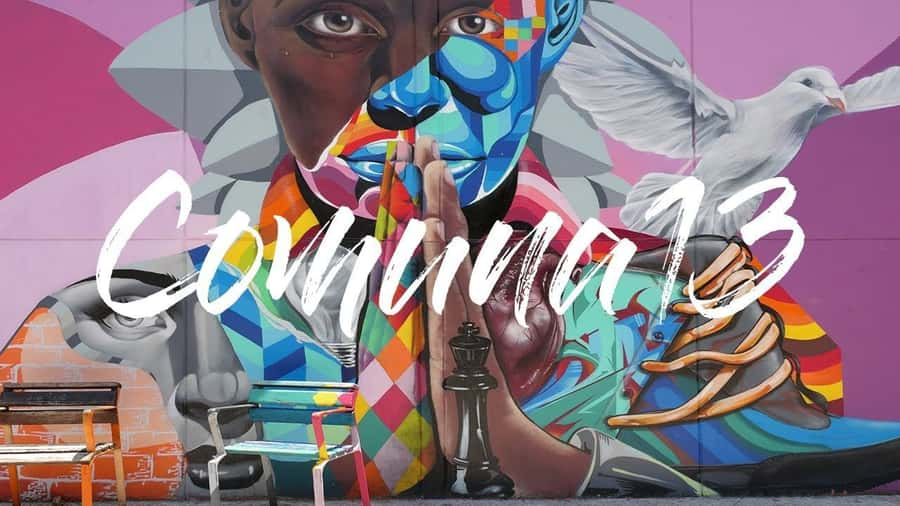
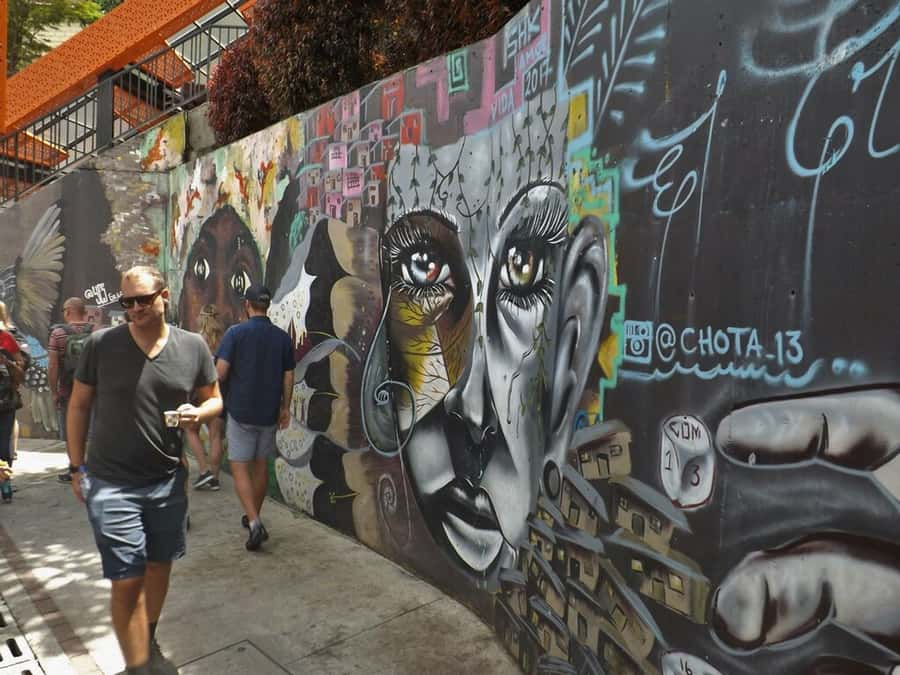
You can add Comuna 13, an area known for its graffiti and described as the largest open-air gallery in Latin America. This changes the feel of the outing. The Escobar route is focused on violence, fear, and memory. Comuna 13 adds public art and the city’s efforts to express a different identity.
I would consider adding it if this is your only organized tour in Medellín. It gives you a broader look at the city and creates a clear contrast between its dark past and its current cultural image.
The tradeoff is time. The main experience is listed at four hours, while one account describes a combined Escobar and Comuna 13 outing lasting six hours. That suggests the combined version may require extra time, so confirm the exact duration when booking.
You should also ask what the Comuna 13 option includes. The supplied details confirm the area, its graffiti, and its open-air gallery status, but they do not specify a separate walking route or individual art stops. Do not assume every combined tour follows the same format.
Manuel has been especially praised for making the Comuna 13 portion worthwhile through local explanations and an efficient route around the city. He also introduced visitors to coffee, empanadas, and ice cream during one outing. Food is not included in the tour price, but a local snack can add a welcome break if time allows.
What the $63 price means
At $63 per person, this tour is not the cheapest way to hear about Pablo Escobar. The price includes a private group, hotel pickup and drop-off from central Medellín, a bilingual English- and Spanish-speaking guide, and legal insurance.
The private vehicle and guide are the main value. You are paying for a route through several parts of the city and for someone to explain the difficult context at each stop. That is more useful than simply arranging a taxi between addresses.
The value improves if you are traveling with two or more people who can share the private experience. A solo visitor pays more per person for the same format, but may still prefer it for the chance to ask questions freely.
Food and drinks are not included. Bring water, wear comfortable clothes, and use sunscreen. These are simple preparations, but they matter during a half-day city tour with several stops.
Pickup is included only from hotels in the central area of Medellín. If your hotel is outside the pickup zone, you will receive a nearby meeting point instead. Check this before booking so you are not surprised by an extra trip at the start.
The tone, pace, and practical limits
The tour lasts four hours, and availability depends on the selected starting time. That makes it a useful half-day activity, especially if you want time for another Medellín plan later.
The schedule may feel tight if you add Comuna 13. A private group gives you some flexibility, but it cannot turn four hours into a full-day history program. If you want long conversations at every stop, you may need to focus your questions.
This is a serious tour. The subject includes a painful and bloody period in Medellín’s past. You will get more from it if you listen for the experiences of city residents rather than searching for dramatic criminal trivia.
I also recommend keeping your expectations realistic about the physical sites. The house is dilapidated, the grave is a grave, and Parque de la Memoria is a renewed public space rather than a conventional museum. The guide’s storytelling connects these places.
The experience is wheelchair accessible, according to the activity details. Still, ask the operator how the exact route and Comuna 13 option will work for your needs, since accessibility can depend on the selected stops.
Cancellation is free up to 24 hours before the tour, and you can reserve now and pay later. Those policies are useful if your Medellín schedule is still changing.
Who should book this Medellín history tour?
I would recommend it to you if you want a private, guide-led introduction to Escobar’s role in Medellín and you care about the city’s recovery as much as the criminal story.
It suits first-time visitors who want the main Escobar sites without organizing transport across the city. It also suits people who prefer asking direct questions instead of following a large group.
Add Comuna 13 if you want a wider view of Medellín and can allow extra time. Choose the shorter route if you prefer to keep the Escobar history focused and unhurried.
I would hesitate to recommend it to anyone seeking a full museum treatment with extensive objects, archival material, or a detailed exhibition. One stop is designed around memory and art, but the experience is primarily a moving city tour.
Should you book it?
Book this tour if you want context, local explanation, and private transport more than a polished museum visit. The strongest part is the guide’s ability to connect ordinary city locations with Medellín’s painful past.
The best plan is to ask for a clear schedule before you go, especially if you want Comuna 13 included. Bring water and sunscreen, expect difficult subject matter, and judge the tour by the understanding it gives you, not by how grand the buildings look.
For many visitors, the combination of Escobar’s grave, his death site, Barrio Pablo Escobar, and Parque de la Memoria provides a strong half-day introduction. Add Comuna 13 when you want to see how Medellín presents a newer story about itself.
FAQ
How long does the Pablo Escobar history tour last?
The tour lasts four hours. A combined version with Comuna 13 may take longer, so confirm the timing when booking.
Is the tour private?
Yes. It is offered as a private group experience.
Which languages are available?
The tour is available in English and Spanish, with a live bilingual guide.
Is hotel pickup included?
Yes, pickup and drop-off are included for hotels in the central area of Medellín. If your hotel is outside the pickup zone, you will be given the closest meeting point.
What places connected with Pablo Escobar will I visit?
The route includes Parque de la Memoria, Barrio Pablo Escobar, Escobar’s grave, and the house where he died. Comuna 13 can be added as an option.
Is Comuna 13 included in the standard tour?
Comuna 13 is an optional addition, not part of the standard route described for the four-hour tour.
Is La Catedral open every day?
La Catedral is closed on Mondays. Check the exact route before booking if you specifically want to visit it.
Are food and drinks included?
No. Food and drinks are not included. Bring water, sunscreen, and comfortable clothing.
Can I cancel the tour?
Yes. You can cancel up to 24 hours in advance for a full refund. You can also reserve now and pay later.
More Historical Tours in Medellin
- Cartagena: Historic Center and Getsemaní Shared Walking Tour
★ 4.9 · 2,716 reviews - Lima’s Vibrant Heritage: Exploring the City’s Landmarks Half-day
★ 4.5 · 581 reviews - Santiago: Guided Walking Tour of the Historical Old Town
★ 4.8 · 459 reviews - Maria Fumaça – Wines and History
★ 4.0 · 242 reviews
More Pablo Escobar Tours
- Medellín: Pablo Escobar Tour with beer included
★ 4.7 · 612 reviews - Medellin: Guatapé Day Trip & Boat to Pablo Escobar’s Estate
★ 4.7 · 365 reviews - Medellín: Private Pablo Escobar and Comuna 13 Tour
★ 4.9 · 233 reviews - Medellín: Private Pablo Escobar Tour with Cable Car Ride
★ 4.8 · 228 reviews
Just added around Medellin
- Private Coffee Tour in Jardín Antioquia★ 5.0 · 41 reviews
- Private transfer service from or to Medellín Airport★ 4.0 · 93 reviews
- Medellín: Pablo Escobar Tour with Guide and Transportation★ 4.1 · 71 reviews
- Medellin: Private 3-Hour Pablo Escobar Tour★ 4.8 · 37 reviews
- Medellin: Party Bus with DJ & Street Food Tastings★ 4.5 · 112 reviews
- Pablo and the drug trafficking world★ 5.0 · 129 reviews
- Medellín: Private Comuna 13 Street Art Tour★ 4.8 · 88 reviews
- Medellin: tasting Street Food with Rooftops of El Poblado★ 4.4 · 61 reviews
Pablo Escobar Tours, compared.

Guatapé Day Trip & Boat to Pablo Escobar’s Estate
Read our review →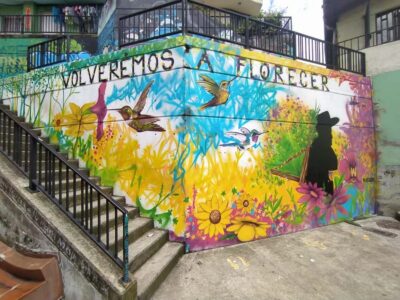

(Private Guatapé) Mansion Pablo Escobar+Paintball+Cuatrimoto+Boat
Read our review →
Pablo Escobar Tour with Guide and Transportation
Read our review →
Browse the lists this tour appears in