
Reviewed · BARILOCHE TOURS
From Bariloche: Victoria Island & the Arrayanes Forest Tour
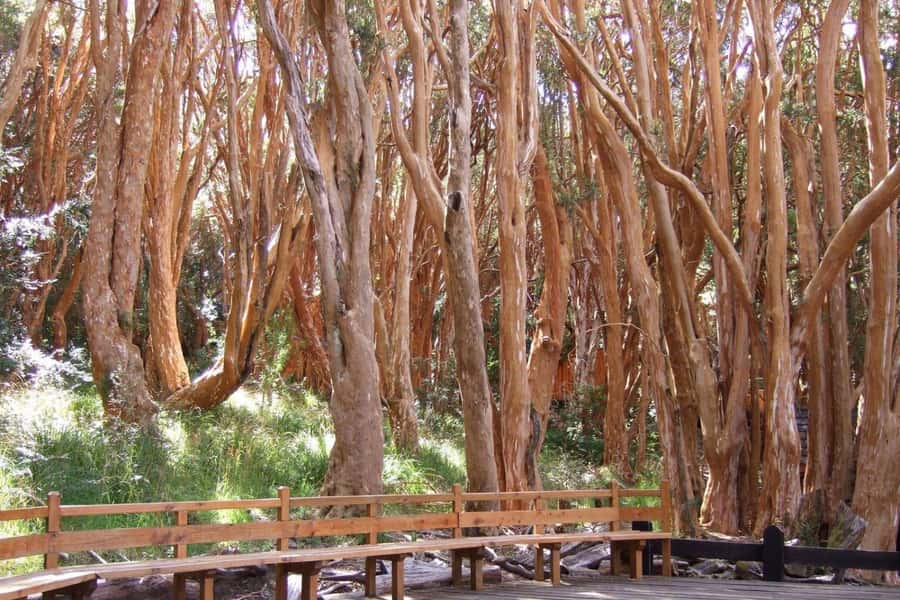
The most unusual part of this six-hour outing is the Arrayanes Forest, where myrtle shrubs grow into tall trees with smooth, saffron-colored bark. The forest is said to have helped inspire the woodland in Bambi, though the real appeal is simpler: it is a rare, quiet place that looks unlike an ordinary woodland.
I like the long cruise from Puerto Pañuelo and the chance to combine two very different stops in one day. I also like the walk to Playa del Toro, where volcanic sand and native cave paintings add human history to the lake scenery. The main drawback is cost clarity: the $150 price does not include the national park entrance fee or boarding fee, and a few timing and dock issues have caused frustration.
Key points to know before you book
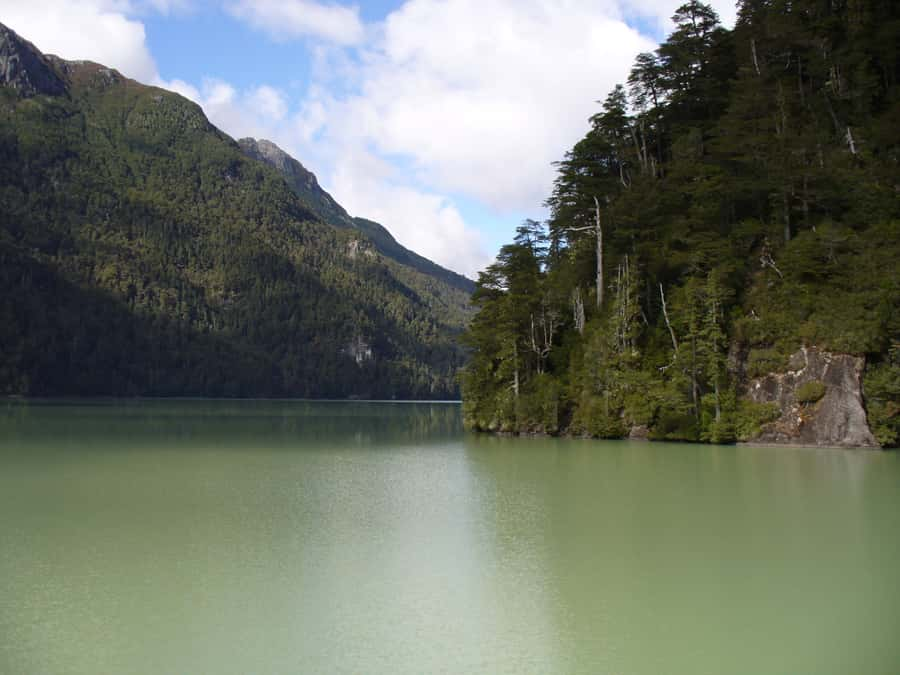
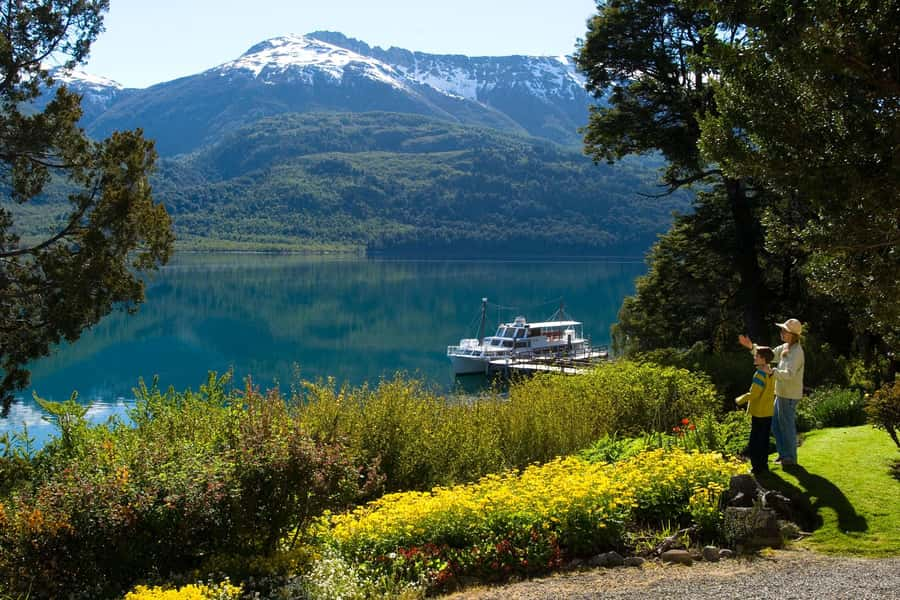
- The tour begins at Puerto Pañuelo: The harbor is about 25 kilometers from Bariloche, on the Llao Llao Peninsula.
- Quetrihue is the first major stop: After about an hour on the lake, you visit the unusual Arrayanes, or myrtle, forest.
- Victoria Island adds a second kind of scenery: Puerto Anchorena leads to walking trails through native vegetation and onward to Playa del Toro.
- The cave paintings are a highlight: The walk combines a volcanic-sand beach with traces of the Indigenous peoples of the area.
- Guides speak three languages: Spanish, English, and Portuguese are offered. Guides Raúl and Natalia have been specifically praised for clear, technically strong explanations.
- Budget for extra charges: Foreign visitors pay AR$7,500 for the national park entrance and AR$1,400 for boarding, according to the supplied rates. Argentine visitors pay AR$2,000 for the park entrance.
Why the Arrayanes Forest is the star of the day
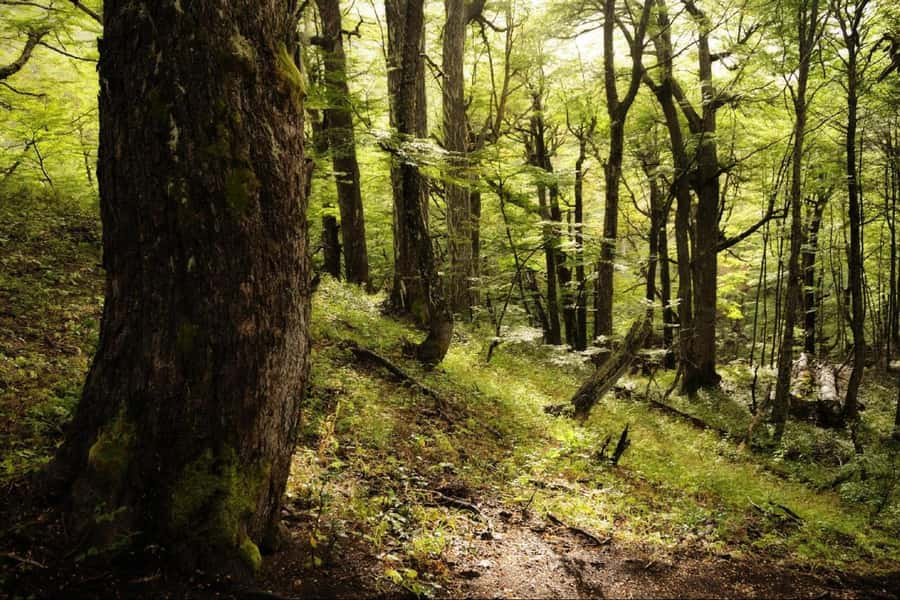
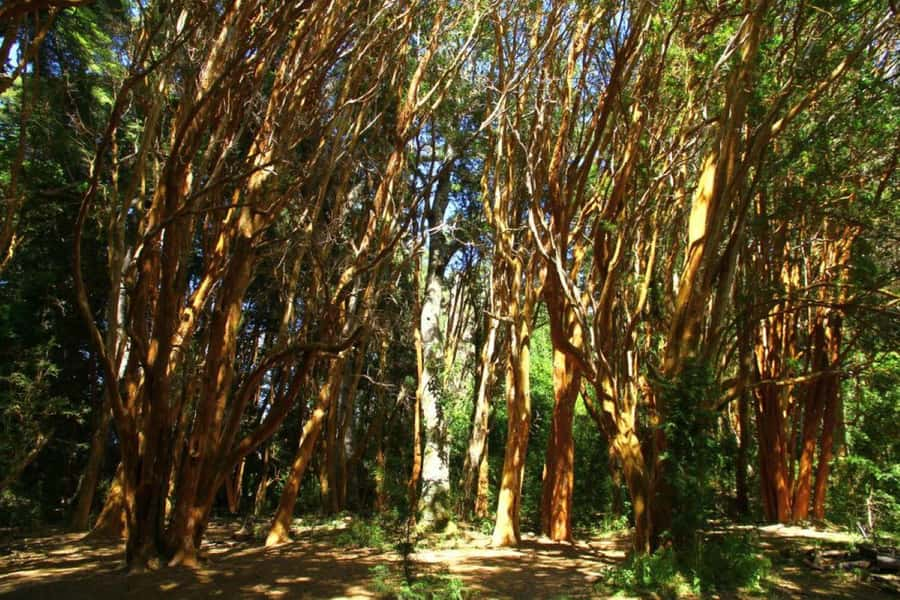
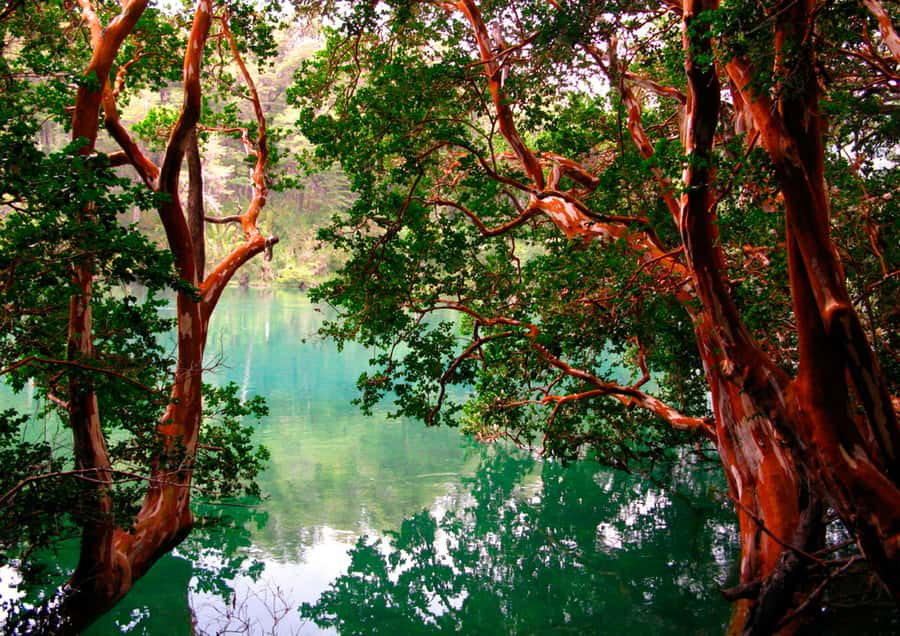
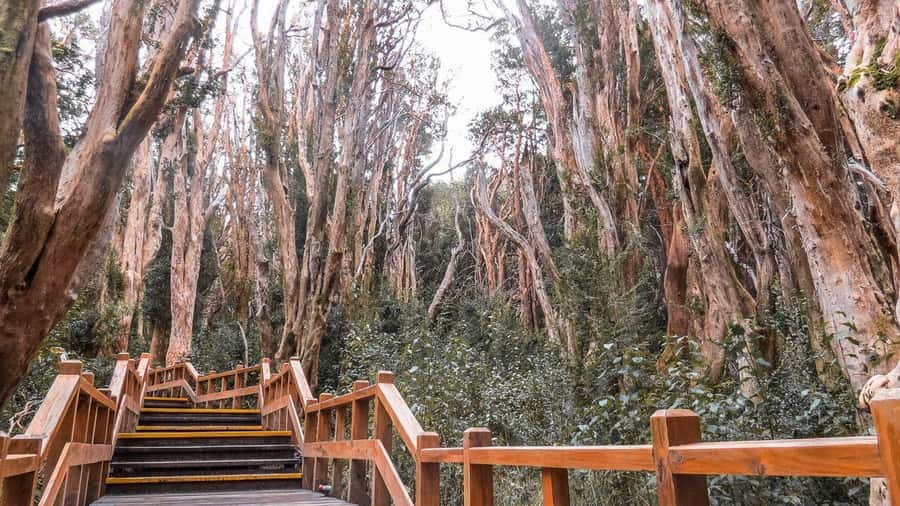
The Arrayanes Forest gives this boat trip its identity. Arrayan is the Spanish name for the plant, while Quetrihue comes from the Mapuche language. In most places, the arrayan is a shrub. On the Quetrihue Peninsula, it grows to tree size and forms a rare forest with smooth bark in an unusual saffron tone and small white flowers.
That color is what makes the walk memorable. You are not entering a standard stand of beech or pine. The trees have a distinctive, almost polished look, and the forest feels carefully arranged even though it is entirely natural. The setting also explains the forest’s reputation as a possible model for the woodland in Bambi. You should treat that detail as a popular connection rather than the main reason to visit, but it makes a pleasant bit of film lore during the outing.
The forest sits at the northeastern end of Lake Nahuel Huapi, on the Peninsula of Quetrihue. This protected area is part of the national park, so the extra entrance fee supports access to a place that is managed as a natural attraction rather than a casual lakeside stop.
The timing matters. The first hour is spent reaching the peninsula by boat, and that cruise is part of the experience, not just transport. You get open-water views of the lake and a gradual change from Bariloche’s built-up center to the wooded shore around Llao Llao. If you dislike boat rides, this may feel like a long lead-in. If you enjoy being on the water, it gives the day a calm rhythm before the walking begins.
A few more Bariloche days worth comparing
- Bariloche: 7 Lakes & San Martin de Los Andes Road Trip
★ 4.5 · 624 reviews - Bariloche: Circuito Chico with optional Cerro Catedral
★ 4.5 · 316 reviews - Bariloche: German Immigration and History Walking Tour
★ 4.8 · 169 reviews
Setting out from Puerto Pañuelo
Puerto Pañuelo is on the impressive Llao Llao Peninsula, about 25 kilometers outside Bariloche. This is the departure point when you arrange your own transport, and you are asked to arrive 15 minutes before the activity begins.
That distance from town is worth planning around. The version without transfers does not include hotel transportation, so you need to reach the harbor yourself. A pickup option is available from hotels in downtown Bariloche and properties along Bustillo Avenue up to kilometer 13. If your hotel is beyond that limit, confirm the arrangement carefully rather than assuming pickup is included.
The harbor is also where the separate boarding fee is paid. The listed price is AR$1,400 per person. This is easy to miss when comparing the tour price with other options, so I would calculate the full day cost before booking.
Once aboard, expect the first hour to be spent navigating toward Quetrihue Peninsula. The tour includes a guide and a cruise, with guiding available in Spanish, English, and Portuguese. The supplied information does not specify the boat type or group size, so I would not book this expecting a small private cruise. Think of it as a scheduled lake excursion with organized stops.
Walking through Quetrihue’s myrtle trees
At Quetrihue, the focus shifts from water to trees. The Arrayanes Forest is the kind of place where a guide adds real value. A walk among unusual trees can be pleasant on its own, but details about the plant’s Mapuche name, growth pattern, bark, and flowers help you understand why this small forest matters.
The route is one of the day’s more distinctive experiences because the trees are visually consistent without feeling ordinary. Their warm bark gives the forest a soft, coppery tone, and the white flowers add a small seasonal detail. The attraction is not size alone. It is the contrast between the plant’s usual shrub form and its much larger shape here.
The tour description calls this forest unique in the world. That is a strong claim, but the supplied details do support the central point: this is a rare place where arrayan plants form a notable forest and grow to tree size. I would focus on that clear fact rather than expect a huge forest or a long wilderness hike.
The guide’s role is especially useful for visitors who want more than photographs. One specific review praised the detailed, professional explanations, while another singled out Raúl and Natalia for their technical command. If either guide leads your departure, you can expect the sort of commentary that gives the walk more context. Guides can vary, so the experience may depend somewhat on who is assigned.
Crossing to Victoria Island and Puerto Anchorena
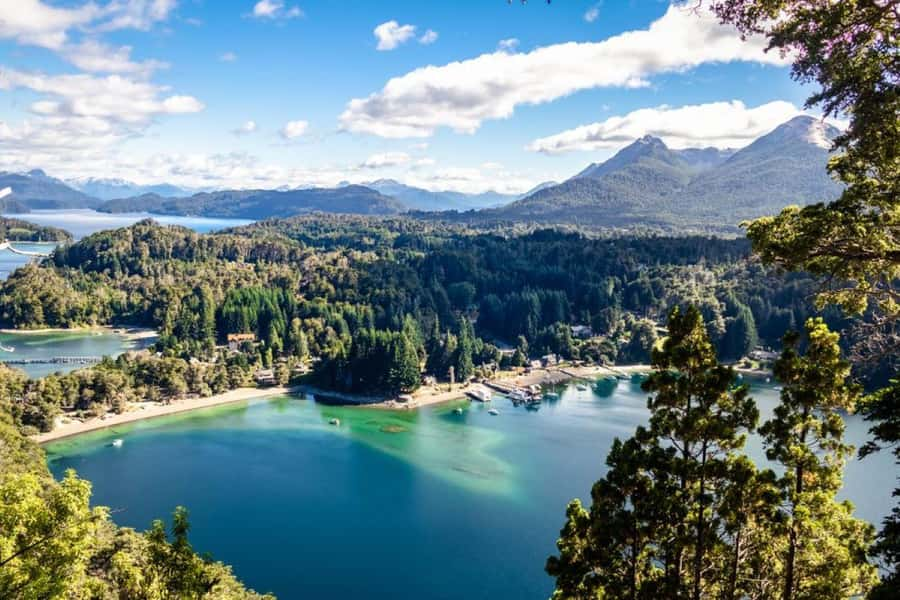
After the Quetrihue visit, the boat continues to Puerto Anchorena on Victoria Island. The island covers 3,710 hectares, giving this part of the excursion a broader sense of space and a different visual character from the compact myrtle forest.
Here the attraction is native flora, including trees and plants described as growing to impressive size. The island is not presented as a town or cultural site. Its value is the chance to walk through protected natural surroundings and notice the scale and variety of the vegetation.
The change of setting keeps the day from becoming repetitive. Quetrihue offers a very specific botanical feature. Victoria Island gives you a larger area to explore, with trails and a more open sense of the park. I like that combination because you get one highly unusual stop and one more general nature walk, rather than spending the full six hours on a single path.
The dock condition deserves attention. A recent Spanish-language assessment praised the places visited and the technical explanations from Raúl and Natalia, but also pointed out loose boards at the docks in both Victoria Island ports and suggested replacing them with screws. That is a practical warning, especially if you have trouble with uneven walking surfaces. Conditions can change, but I would watch your footing while boarding and leaving the boat.
Same trip, a completely different kind of day:
- San Martín de los Andes por 7 Lagos
★ 4.4 · 155 reviews - Circuito Chico
★ 4.5 · 146 reviews - Bariloche Small Circuit: Mt Campanario and Llao Llao Peninsula
★ 4.0 · 142 reviews - Fly Fishing Trips in Bariloche
★ 5.0 · 137 reviews
The walk to Playa del Toro
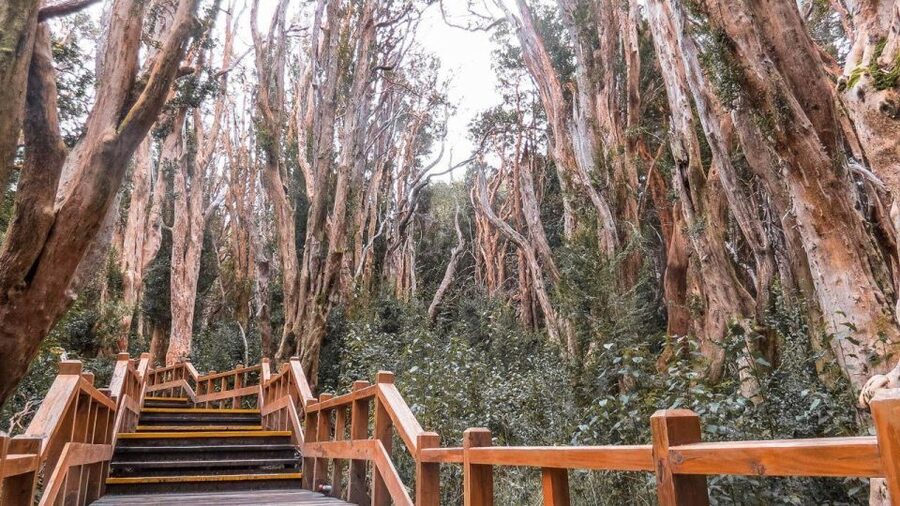
The trail to Playa del Toro is where the outing gains its strongest connection to the people who lived in the area. At the beach, you can see cave paintings made by Indigenous peoples, set against a beach of volcanic sand.
This is a fine pairing. The paintings give the island a human story, while the volcanic sand links the beach to the region’s volcanic geology. You are not simply moving from one scenic stop to another. The walk gives you a chance to connect natural features with earlier human presence.
The exact length and difficulty of the trail are not provided, so I would avoid treating it as a demanding hike or assuming it is effortless. The tour calls it a walk along trails, and the loose dock boards suggest that the footing may not be perfectly smooth at every point. Wear shoes suited to walking, and keep your attention on the path rather than spending the entire time looking at the lake.
A national park guide accompanies the walking portion and provides information along the way. This matters at the cave paintings. Without context, they can be easy to glance at and pass by. With explanation, you can better understand why the site matters and how it fits into the area’s Indigenous past.
What the $150 price really covers
At $150 per person, this is not a cheap half-day outing. The price is easier to justify if you want a coordinated cruise, a guide, and two significant park stops without arranging the route on your own. The boat journey alone takes about an hour in each direction between the main stops, so the package turns a large area into a manageable day.
Still, the advertised price is not the final cost. You must add the national park entrance and boarding charges at the destination. The supplied rates are:
- Foreign visitors: AR$7,500 national park entrance fee
- Argentine visitors: AR$2,000 national park entrance fee
- All visitors: AR$1,400 boarding fee
Food and drinks are also excluded. Since the activity lasts six hours, bring whatever you need to eat and drink, unless you plan to buy something at a stop. No meal is promised as part of the outing.
The value depends on what you want. If you mainly want to see the lake and take a short boat ride, you may find the package expensive, especially after the extra fees. If you want both the Arrayanes Forest and Victoria Island in one organized excursion, the price pays for convenience, guiding, and transport between places that would otherwise require more planning.
One complaint about the experience was that the total cost did not feel proportional because the boarding fee was collected separately. That is a fair concern. I would read the price as a starting point and include all mandatory charges before deciding.
Timing, pickup, and possible mix-ups
The scheduled duration is six hours, although the exact starting time depends on availability. You should confirm the departure time carefully, particularly if you book hotel transportation. One assessment described an excellent guide but a wrong time being sent to the customer, which created an avoidable organizational problem.
That issue does not erase the value of the route, but it does affect peace of mind. Save the confirmed departure details, check them again before the day, and arrive at Puerto Pañuelo at least 15 minutes early if you are meeting there.
Hotel pickup is optional, not automatic. It applies to hotels in downtown Bariloche and along Bustillo Avenue up to kilometer 13. The transfer can make the excursion much easier because Puerto Pañuelo is 25 kilometers from town, but you should select the pickup option when booking and verify that your hotel falls inside the stated area.
The operator is Gray Line Argentina. The tour offers free cancellation up to 24 hours before departure, and you can reserve now and pay later under the stated booking conditions. Those policies help if your schedule is uncertain, but they do not fix a wrong meeting time, so practical confirmation still matters.
Who will enjoy this excursion most
I would recommend this tour to you if you want a full morning or afternoon built around scenery, a boat ride, and light walking. It suits people who like guided context and prefer not to arrange separate tickets, transport, and park visits.
It is particularly good for:
- First-time visitors to Bariloche who want a major lake excursion
- People interested in unusual plants and protected nature
- Anyone who wants to see both Quetrihue and Victoria Island in one outing
- Visitors who value explanation in Spanish, English, or Portuguese
- Families or couples looking for a structured day rather than an independent route
I would think twice if you are watching every peso, dislike extra fees, or prefer to control your own pace. The separate park and boarding charges make the final bill higher, and the boat schedule limits how long you can linger at either stop.
You should also be comfortable with a day that includes boarding, walking trails, and docks that may have uneven boards. The tour information does not provide an accessibility assessment, so anyone with mobility concerns should ask the operator for current details before paying.
Should you book the Victoria Island and Arrayanes Forest Tour?
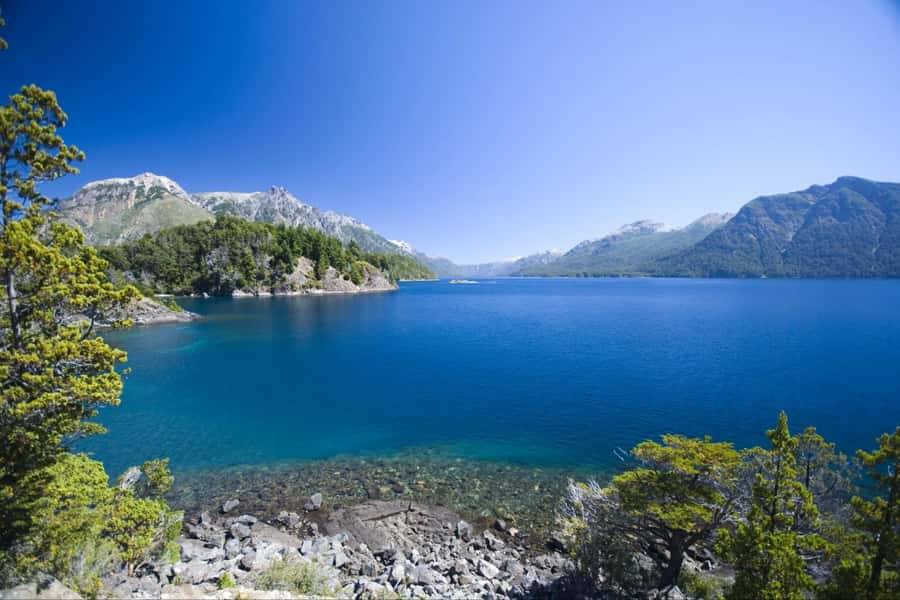
Book it if your priority is seeing two of Lake Nahuel Huapi’s named attractions in a single, guided outing. The Arrayanes Forest is the strongest reason to go, while Victoria Island and Playa del Toro add enough variety to make the six-hour schedule worthwhile. The clear explanations associated with guides such as Raúl and Natalia can turn the stops into more than a string of views.
Skip it, or compare independent boat tickets, if the $150 price plus extra charges feels high for a scheduled excursion. Also confirm the start time and pickup details in writing. I would choose this tour for convenience and context, not for the lowest possible cost.
FAQ
Where does the tour begin?
The tour begins at Puerto Pañuelo on the Llao Llao Peninsula, about 25 kilometers from Bariloche. If you do not select hotel pickup, you must reach the harbor yourself and arrive 15 minutes before the activity starts.
How long does the tour last?
The scheduled duration is six hours. The first navigation to Quetrihue Peninsula takes about one hour, followed by the Arrayanes Forest visit, a cruise to Victoria Island, and walks including the route to Playa del Toro.
Is hotel pickup included?
Hotel pickup and drop-off are optional. The transfer applies to hotels in downtown Bariloche and along Bustillo Avenue up to kilometer 13. The meeting-point option does not include transportation.
Are the park and boarding fees included?
No. The national park entrance fee and boarding fee are paid at the destination. The supplied rates are AR$7,500 for foreign visitors, AR$2,000 for Argentine visitors, and AR$1,400 for boarding.
What languages are available?
The live guide service is available in Spanish, English, and Portuguese. Guides Raúl and Natalia have been associated with detailed explanations on this route, though guide assignments can vary.
Are food and drinks included?
No. Food and drinks are not included in the tour price, so plan for those expenses during the six-hour activity.
Just added around Bariloche
- Private Transfer from the Airport to Bariloche Center★ 4.5 · 73 reviews
- Half a day of kayaking on the Nahuel Huapi lake in private service★ 5.0 · 53 reviews
- 10 Secrets of Bariloche, Nahuel Huapi, and Patagonia★ 5.0 · 46 reviews
- Kayak paddling adventure around Bariloche★ 5.0 · 49 reviews
- Full Day Cerro Tronador: Eternal Snow and Hanging Glaciers★ 4.5 · 43 reviews
- Bariloche Horseback Riding & Traditional Argentine Barbecue Tour★ 4.5 · 73 reviews
- OneWay Journey: from Bariloche, Argentina to Puerto Varas, Chile★ 4.0 · 52 reviews
- Discover Cerro Tronador with Ventisquero Negro Glacier★ 4.5 · 64 reviews
Bariloche Tours, compared.
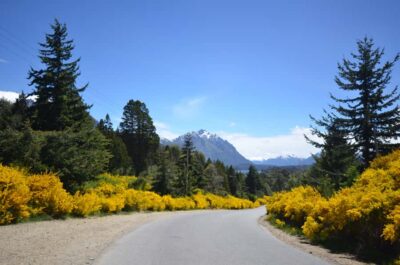
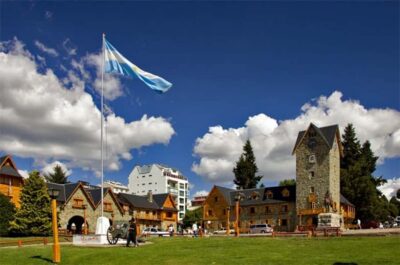
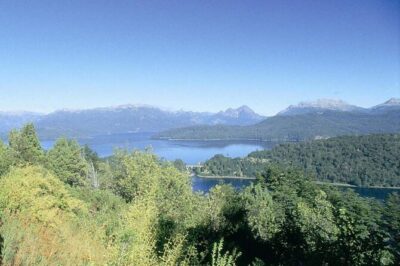
Bariloche Small Circuit: Mt Campanario and Llao Llao Peninsula
Read our review →
Browse the lists this tour appears in