
Reviewed · VOLCANO TOURS
Villarrica Volcano Ascent – Zenit
Villarrica is not a gentle hill with a nice view. It is one of South America’s most active volcanoes, rising to 2,847 meters above Pucón. With Zenit, you climb through changing mountain conditions, trade walking sticks for crampons and an ice axe, and may finish near a smoking crater with a glimpse of glowing magma if conditions allow. The volcano is the main event, and it feels properly wild.
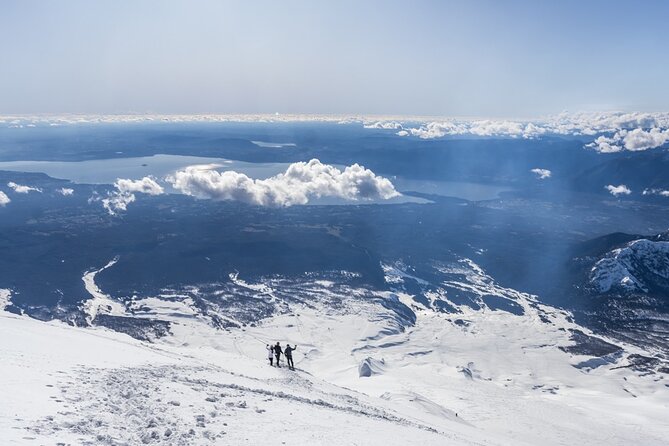
I like two things here. First, the guides make a hard day manageable, with small groups, steady encouragement, and careful support on the more exposed sections. Second, the descent is not simply a tired walk back down: you may slide sections of snow on a board, locally called skibunda, while looking out over the lakes below.
The main catch is the mountain itself. Weather can shift quickly, visibility can collapse, and volcanic activity may limit access to the crater. You need good fitness, flexible plans, and enough time in Pucón to move the climb if conditions are poor.
Key points before you commit
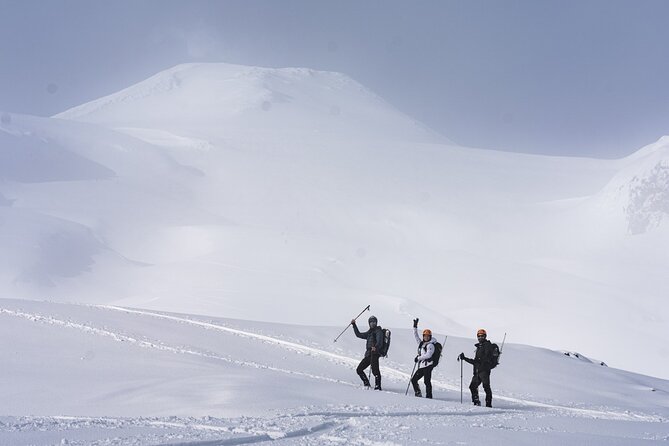
- A serious 1,700-meter ascent: This is a demanding mountain day, not a casual sightseeing outing.
- Equipment is supplied: Zenit provides the gear needed for the climb, including trekking boots, crampons, and an ice axe as conditions require.
- Six-person guide team named by past groups: Luisa, Felipe, Agustin, Leo, Edgar, and Jorge have all been praised for patience, communication, and support.
- Crater access is not guaranteed: Volcanic activity and safety rules can stop the final approach, even on a successful climb.
- The descent includes snow sliding: Sections may be covered on a sliding board, adding fun after the hard work uphill.
- A 6:00 a.m. start and about nine hours: Three hours of that total are transfers, leaving a long but structured day on the mountain.
What the Villarrica ascent is really like
The day starts at 6:00 a.m. at Zenit’s meeting point on Pedro de Valdivia 205 in Pucón. The early hour matters. A summit attempt needs a broad window for the climb, and the mountain may offer its best conditions early in the day.
The full outing lasts about nine hours, including roughly three hours of transfers. That means you should not think of this as nine hours of nonstop uphill walking. It is still a demanding day, but time is divided between transport, preparation, climbing, rest stops, the summit area, and the descent.
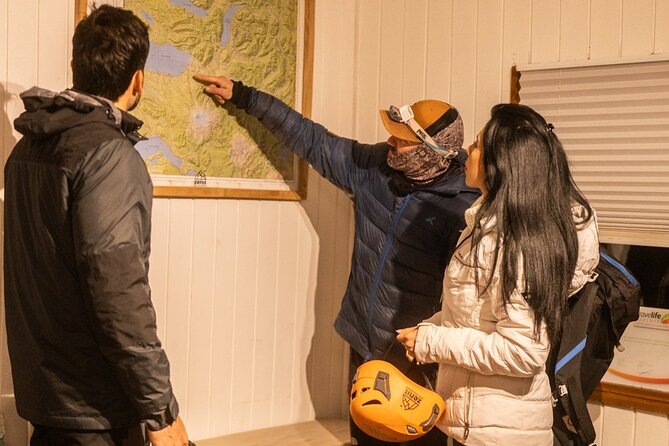
Before the climb, you can expect a gear check and preparation. One group was invited to Zenit’s agency the day before to learn how the day would work and try on trekking boots. That is a useful arrangement, especially if you have never used mountain equipment before. It also gives you a chance to understand the plan before standing outside in the cold at dawn.
The group size is capped at 12 people. That is small enough for guides to keep an eye on the group, though the exact guide-to-climber ratio can vary. One group of four had four guides, while another climbed with one guide. The important point is that Zenit uses experienced mountain staff and may divide a group according to conditions and ability.
More Volcano Tours in Chile
- From Santiago: Cajón del Maipo and Volcán San José Hike 8K
★ 4.9 · 418 reviews - Pucón: Villarrica Volcano Climb
★ 4.8 · 191 reviews - From Puerto Varas: Osorno Volcano & Petrohue Falls Day Tour
★ 4.6 · 121 reviews
The first climb: 1,700 meters of steady work
The route gains about 1,700 meters in elevation. That figure tells you more than the nine-hour duration. You will be working uphill for a substantial part of the day, and the slope becomes more demanding as you approach the upper mountain.
The first section may include a snow lift, which can reduce the amount of lower climbing. It is described as a possibility, not a guarantee, so do not book this expecting a lift to do the hard part. Even with assistance at the start, the climb remains a serious physical effort.
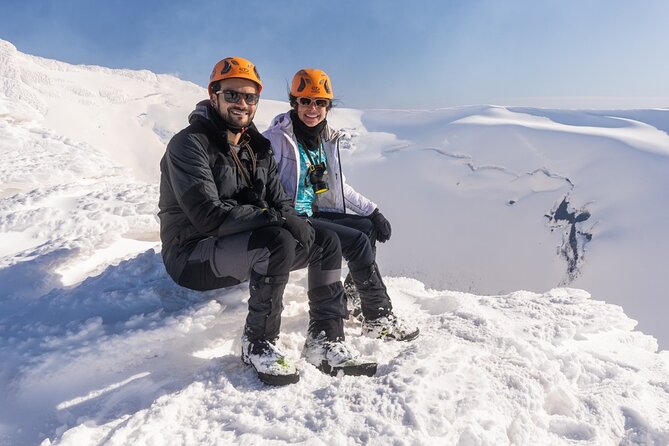
Lower on the route, you may use walking sticks and move over easier ground. As the surface becomes more exposed or icy, the guides can introduce crampons and an ice axe. This change is one of the best parts of the outing for anyone interested in mountaineering. You get a taste of several mountain skills in one day rather than simply walking up a standard trail.
You do not need to arrive as a technical mountaineer. You do need moderate physical fitness, enough stamina for a long uphill effort, and the ability to follow instructions. The guides help with technique and pacing, but they cannot remove the physical cost of climbing 1,700 meters.
Rest stops matter here. A group that reached the upper mountain described the climb as tiring, but credited the regular pauses and the guides’ encouragement with helping them keep going. That is practical advice: use the stops to recover, drink, and settle your breathing instead of trying to prove something by rushing.
Crampons, ice axes, and the upper mountain
The higher sections provide the most mountaineering flavor. Crampons help your boots grip snow and ice, while the ice axe gives you support and helps you move safely across more exposed terrain. Zenit supplies the climbing equipment, and the guides show you how to use it as the route changes.
This is where careful guiding matters most. You may be tired, the air may feel colder, and visibility may change. The company’s guides have been praised for staying communicative and patient during the hardest parts. Luisa and Felipe were specifically named by one group, while Agustin, Leo, Edgar, and Jorge were thanked for their care and attention by another.
You should still understand the limits of a guided climb. A guide can choose a safer pace, explain the equipment, and turn the group around when needed. A guide cannot guarantee a clear view, an open crater route, or a comfortable summit day. Those conditions are controlled by weather and volcanic safety rules.
The volcano remains active, and that is part of the attraction as well as the reason for restrictions. Fumaroles may be visible near the summit, and, if the weather cooperates, you might see incandescent magma inside the crater. Treat that possibility as a bonus, not as the promised centerpiece of the day.
The summit and changing crater rules
The goal is the summit area, but the precise endpoint can change. In one recent account, access to the crater edge was prohibited because of intense volcanic activity. The climbers still completed a memorable ascent, but they did not reach the point they had imagined.
That distinction matters when you compare this trip with a normal summit hike. You are not buying a guaranteed crater look. You are paying for a guided ascent of an active volcano, with the final access point determined by safety conditions.
At the top, views can stretch across the lakes around Pucón and the surrounding geography. On a clear day, the setting explains why Villarrica is such a powerful symbol in the area. On a poor day, you may see almost nothing. One climber reached the crater area in weather with only about 10 meters of visibility, and frost on the glasses made the descent harder.
My advice is to plan for the physical achievement first and the photographs second. If you get a clear view, fumaroles, or a glimpse of magma, you have had an exceptional mountain day. If clouds close in, the climb can still be worthwhile, but the experience will feel more like an endurance challenge than a scenic outing.
Same trip, a completely different kind of day:
- Santiago: Cajon del Maipo/Embalse del Yeso Tour with Picnic
★ 4.3 · 3,789 reviews - Santiago: Vina Del Mar, Valparaiso, Casablanca & Reñaca Tour
★ 4.2 · 2,838 reviews - Small-Group Cajón del Maipo Full-Day Tour and Picnic
★ 4.5 · 2,277 reviews - Santiago: Cajon del Maipo & Embalse El Yeso Trip with Picnic
★ 4.5 · 1,859 reviews
Why weather flexibility is essential
Zenit states that the climb requires good weather. If poor conditions cancel the activity, you can receive a different date or a full refund. That protection is helpful, but it does not solve the main planning problem if you have only one free day in Pucón.
Give yourself at least several days if Villarrica is a top priority. One climber had no room to wait two days for better weather and went ahead in very poor conditions. The result was a successful but unpleasant day, with almost no visibility, a difficult descent, and a severe leg cramp.
You should also avoid placing your most important activity immediately after the climb. The ascent is long, and even a well-managed descent can leave you tired. A flexible schedule lets you postpone the climb if weather is poor and gives your legs time to recover afterward.
The cancellation rule is straightforward for ordinary changes: cancel at least 24 hours before the 6:00 a.m. start for a full refund. Changes or cancellations inside that window are not accepted for a refund. If Zenit cancels because of poor weather, you are offered another date or a full refund.
The descent is part of the reward
The way down changes the character of the day. After the slow effort uphill, you may slide down snow-covered sections on a board. The local term skibunda gives the activity a playful edge, and it can be one of the most enjoyable parts of the outing.
That does not mean the descent is effortless. Snow conditions, visibility, fatigue, and muscle cramps can all make the return difficult. If you wear glasses, frost can affect your view in cold weather, so ask the guides for help if your vision becomes blocked.
The lower sections also provide broad views of the lakes and the area around Pucón. The descent can help you understand the volcano’s setting in a way that the uphill effort does not. You are no longer focused only on foot placement and breathing. You can look outward and see the scale of the terrain.
A snow slide is fun, but it is not the reason to choose this trip. Choose the ascent for the combination of a high volcano, changing mountain skills, and the chance to approach an active crater. Consider the sliding a well-earned extra.
Is $195 good value?
At $195 per person, the price is not cheap, but it covers more than a standard walking excursion. You are paying for a full-day operation, transfers, admission, mountain guides, and climbing equipment. Zenit also provides the chance to use trekking boots, crampons, and an ice axe rather than requiring you to rent each item separately.
The value is strongest if you are new to mountaineering. Buying or transporting the right equipment for one volcano climb would be inconvenient and expensive. Having guides manage the route, equipment changes, and group pace also makes the outing more practical than attempting to organize the mountain independently.
The value is less certain if you mainly want an easy scenic ride or a guaranteed crater view. The climb demands work, and weather can erase the views. You may also finish below the crater edge if volcanic activity leads to tighter access.
A 12-person maximum helps keep the operation personal, though ask how your specific departure will be staffed if group size matters to you. Past groups have included several guides, and the strongest praise has focused on their friendliness, clear communication, patience, and attention during hard sections.
Who should book this climb?
I would choose this outing if you want a real physical challenge and like the idea of learning basic snow-climbing skills under supervision. It suits people with moderate fitness who can handle a long day, changing surfaces, and a demanding elevation gain.
You should also be comfortable with uncertainty. The crater may be restricted. The weather may close in. The snow lift may or may not operate. A flexible attitude will make the day far better.
I would hesitate if you have only one available day in Pucón and need a clear summit view. I would also avoid booking it if you are looking for a relaxed nature tour, since the 1,700-meter climb is the heart of the experience.
Practical details that affect your day
Wear clothing suitable for changing mountain conditions, though the provided information does not specify a required packing list. Confirm equipment arrangements with Zenit before departure, especially if you have concerns about boots or cold-weather gear.
Plan around the early start. You meet at Pedro de Valdivia 205 in Pucón at 6:00 a.m., and the activity returns to that same meeting point. The location is near public transportation, but the day begins early enough that you should sort out your morning arrival in advance.
The booking confirmation is issued at the time of reservation. The activity is limited to a maximum of 12 people, but the actual group and guide setup may vary. The total duration is approximately nine hours, with three hours allocated to transfers.
The strongest safety choice you can make is to protect extra days for weather. If the forecast is poor, use the option to reschedule rather than treating the mountain as a fixed appointment.
Should you book Zenit’s Villarrica ascent?
Book it if you want a demanding, guided climb with genuine mountaineering elements, supplied equipment, and a playful snow descent. Zenit’s clearest strength is the guide team: Luisa, Felipe, Agustin, Leo, Edgar, and Jorge have been singled out for patience, communication, and care when the climb becomes difficult.
Do not book it for a guaranteed lava view or postcard conditions. Villarrica is active, weather-sensitive, and subject to changing crater restrictions. Give yourself several days in Pucón, accept that the final access point may change, and judge success by the climb itself. With that mindset, $195 buys a substantial mountain experience rather than just a viewpoint.
FAQ
Where does the Villarrica Volcano ascent start?
The activity starts at Pedro de Valdivia 205, 4920552 Pucón, in Pucón, Araucanía, Chile.
What time does the climb begin?
The start time is 6:00 a.m.
How long does the experience last?
The full activity lasts approximately nine hours, including travel time. About three hours are used for transfers to and from the volcano.
How much does the ascent cost?
The listed price is $195 per person.
How high is Villarrica Volcano?
Villarrica Volcano reaches 2,847 meters.
How much elevation do you climb?
The ascent gains about 1,700 meters in elevation.
Is equipment included?
Admission and the equipment needed for the climb are included. The preparation may include trekking boots, and the climb uses crampons and an ice axe in more exposed areas.
Is reaching the crater guaranteed?
No. Access can be limited by volcanic activity and safety rules. Fumaroles may be visible, and incandescent magma might be seen if weather and conditions allow.
How many people can join the activity?
The maximum group size is 12 people.
What happens if the weather is poor?
The activity requires good weather. If Zenit cancels because of poor conditions, you can choose another date or receive a full refund. For a customer cancellation, you must cancel at least 24 hours before the start time for a full refund.
More Climbing in Chile
- Climbing Mateo – Your first 5 thousand
★ 5.0 · 52 reviews - Climbing Huayna Potosí
★ 5.0 · 50 reviews - Rock Climbing full day
★ 5.0 · 47 reviews - Tour Climbing Nevado Mateo | Your First 5,150 m Summit | 12 Hours
★ 5.0 · 40 reviews
Just added around Chile
- Ride to the highest point on the island for sunset★ 5.0 · 40 reviews
- Rafting Azul a Macal – Futaleufu River★ 5.0 · 40 reviews
- Rafting Puente a Macal – Futaleufu River★ 5.0 · 35 reviews
- Kayak through the Sunken Forest of the Maullín River★ 5.0 · 41 reviews
- Tour to Huilo Huilo from Pucón, Villarrica★ 5.0 · 51 reviews
- Stargazing Hiking Valle de Elqui★ 5.0 · 46 reviews
- Paragliding Adventure in Maitencillo★ 5.0 · 42 reviews
- Rafting Futaleufu River Bridge to Bridge Section★ 5.0 · 39 reviews
Volcano Tours, compared.
Cotopaxi & Quilotoa With Optional Hotel Pick-Up & Drop-Off
Read our review →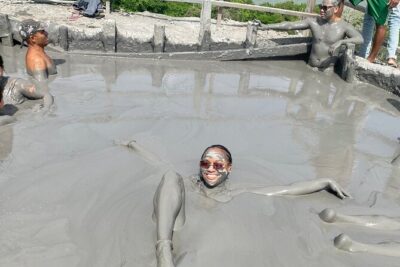
Tour to the Mud Volcano in Cartagena with Lunch
Read our review →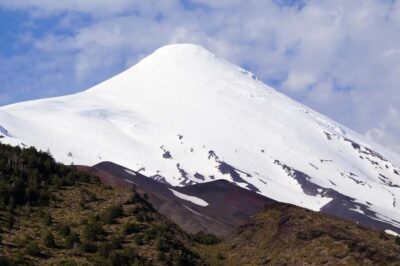
From Puerto Varas: Osorno Volcano & Petrohue Falls Day Tour
Read our review →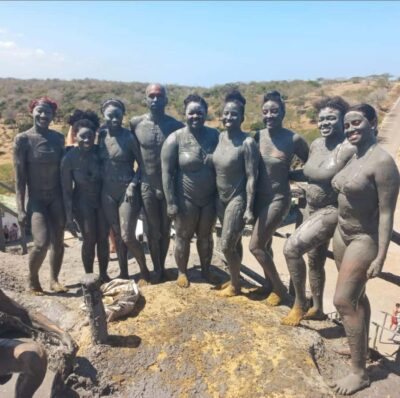
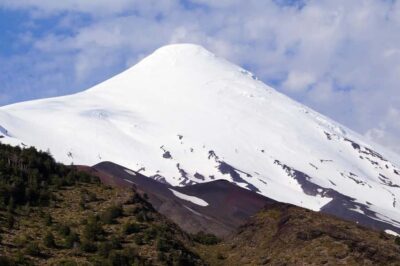
Puerto Montt: Osorno Volcano and Petrohué Falls Guided Tour
Read our review →Browse the lists this tour appears in