
Reviewed · CITY TOURS
Cusco: Half-Day City Tour with Sacsayhuaman and Q’enco
Cusco’s best short introduction is not confined to the old streets. This five-hour tour climbs above town to Sacsayhuamán, then links four major Inca sites with Qoricancha in the center. You get wide views, giant stonework, ceremonial caves, water channels, and a useful first lesson in how Cusco fits together.
I like two things here: the amount you see for $13, and the guides’ strong command of Inca history. Guides including Luis, Wilson, Victor, Jared, and Samuel are praised for answering questions, switching between English and Spanish, and giving slower walkers time at the sites.
The trade-off is simple: this is a lot of Cusco in half a day. Some stops can feel brief, the main-square meeting point may be confusing, and entrance fees are extra. Think of it as a well-priced orientation, not a private archaeological expedition.
Key points to know before booking
- Five major stops in about five hours: Qoricancha, Sacsayhuamán, Q’enqo, Puka Pukara, and Tambomachay.
- Sacsayhuamán is the visual highlight: Huge fitted stones and views over Cusco make this the most memorable stop for many people.
- Qoricancha costs extra: The temple visit is optional, with an entrance fee of S/20.
- The main archaeological ticket is also extra: Budget S/70 for the tourist ticket.
- English and Spanish are available: You get a live guide, plus audio support in both languages.
- Wear proper walking gear: There are uphill paths, stone surfaces, stairs, sun, and altitude to deal with.
A useful first look at Cusco’s Inca world
This tour works because it connects places that are easy to visit separately but hard to understand as one story. You begin in central Cusco, where Qoricancha shows the meeting of Inca and Spanish culture. Then the minivan climbs to the archaeological sites above town, where the scale and setting change dramatically.
The morning schedule runs roughly from 9:00 a.m. to 2:00 p.m. The later departure runs about 1:00 p.m. to 6:30 p.m. The exact timing can shift, but allow the full five hours. You finish near Calle Plateros, which puts you back in the historic center for dinner or an evening walk.
The tour is suitable for many ages, but it is not recommended for pregnant women or people with epilepsy. You should also be comfortable walking on uneven ground. One older couple appreciated that their guide allowed extra time at Tambomachay, but this is still an active outing with several stops.
More City Tours in Cusco
- City Tour Cusco Qoricancha Sacsayhuaman y Tambomachay
★ 4.7 · 617 reviews - Cusco: Sightseeing Tour of the City on an Open-Top Bus
★ 4.0 · 481 reviews - Open Bus Cusco City Tour
★ 4.5 · 219 reviews
Qoricancha: where Inca and Spanish Cusco meet
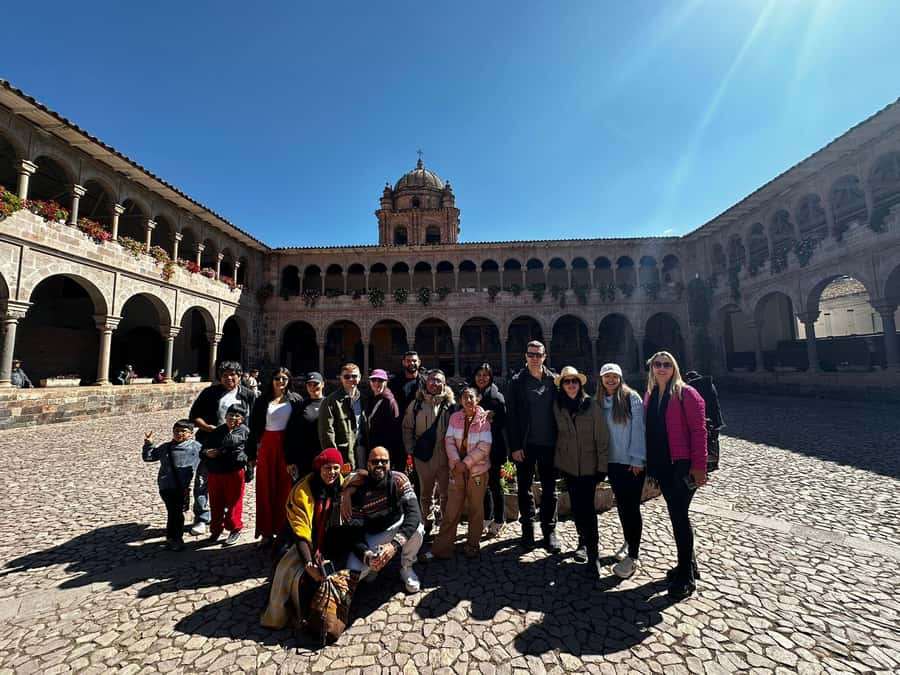
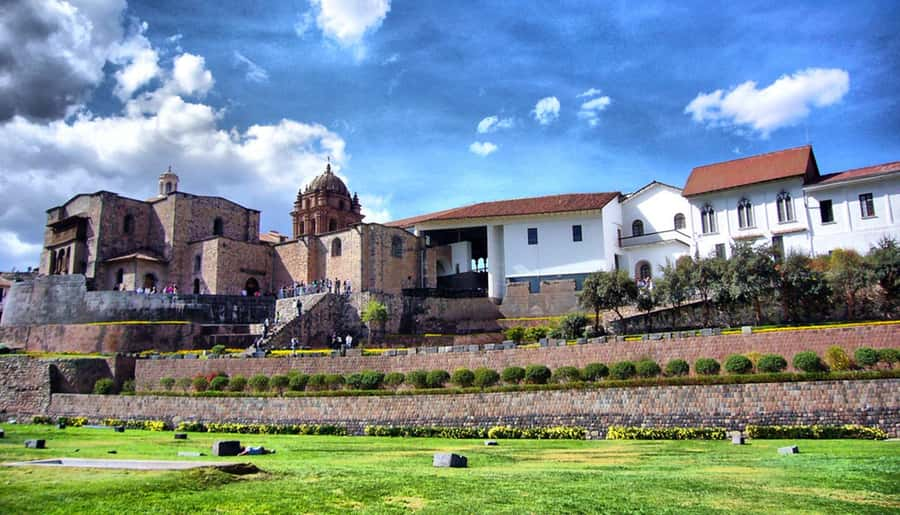
Qoricancha, also written Coricancha or Qorikancha, is the optional first visit. The name is commonly associated with a golden temple, and this site helps explain why Cusco became such an important religious and political center under the Incas.
Inside, your guide can point out the contrast between Inca stone construction and the later colonial church built over the complex. The most useful part is not simply seeing old walls. It is learning how Spanish buildings were placed directly over Inca foundations, creating the layered city you see throughout Cusco.
The visit takes about an hour, including guided sightseeing and walking. The entrance fee is not included and is listed as S/20. If you are watching every sol, you can ask how the optional visit will be handled, but skipping it means missing one of the clearest examples of Cusco’s two major cultural eras occupying the same space.
The central location makes Qoricancha an easy starting point, but it also means the tour can begin in a busy part of town. Have your confirmation details ready and arrive early enough to locate the guide.
Sacsayhuamán: the grand view and the biggest stones
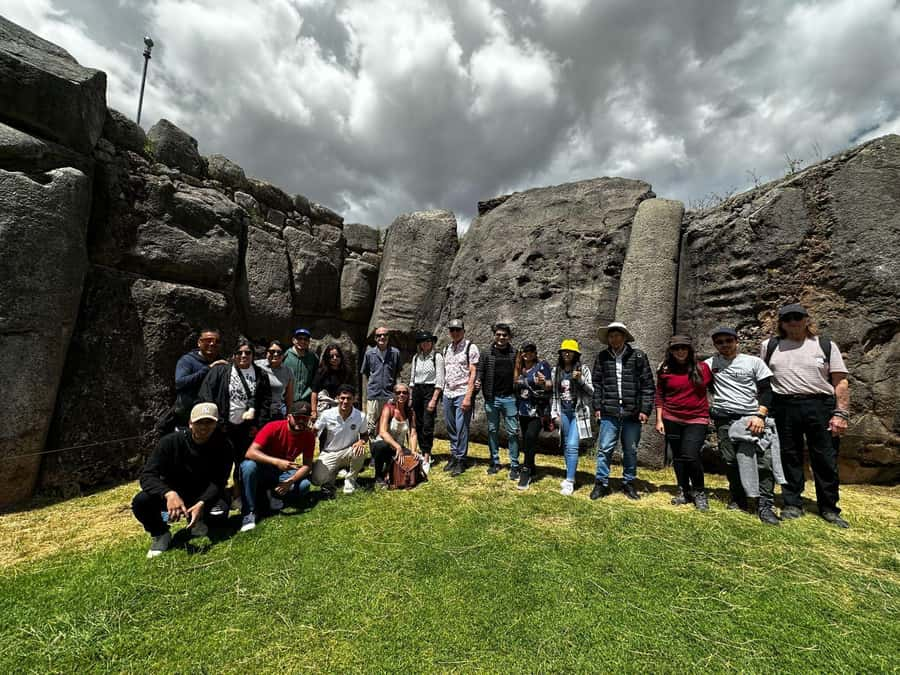
After about 20 minutes by minivan, you reach Sacsayhuamán. This is the tour’s main visual event, and you should expect to spend roughly 40 minutes here.
The fortress is famous for enormous stones fitted together with remarkable precision. The walls give you a sense of the engineering involved, but the view is just as important. From this height, Cusco spreads below you, and the relationship between the city and the surrounding hills becomes much easier to understand.
Your guide adds value here because the stones do not explain themselves. The site has been described as a fortress, ceremonial center, and place connected to important Inca events. A good guide can help you separate confirmed details from popular stories and point out how the terraces, walls, and open spaces were used.
You get time for photos and some free walking, but 40 minutes is not a long visit. If you like archaeology and want to examine every wall closely, you may wish for more time. If your goal is to see the major structure, hear the main explanations, and take in the view, the stop is about right.
The tourist ticket costs S/70 and is separate from the tour price. Confirm exactly which ticket applies before you go, since the tour includes several archaeological sites.
Q’enqo: carved stone, ceremony, and a shorter stop
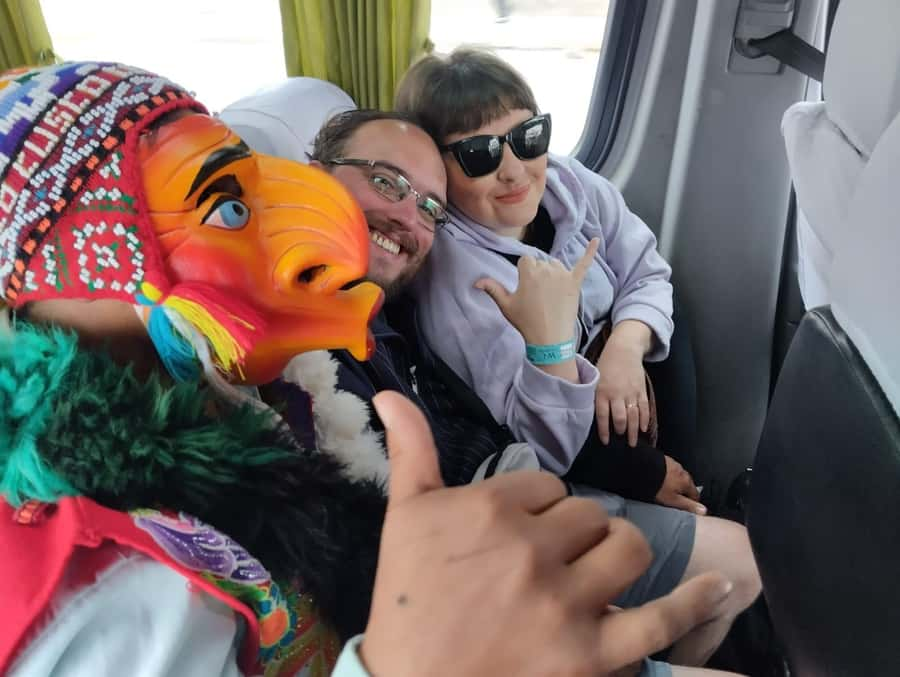
The minivan ride from Sacsayhuamán to Q’enqo takes about six minutes. This is a compact stop, lasting around 30 minutes, but it gives the day a different mood.
Q’enqo was mainly ceremonial and may also have had astronomical uses. Its carved rock, channels, and enclosed spaces invite interpretation, and your guide’s explanation matters more here than at an open site with obvious walls.
You will have time for photos and a guided visit, but not an extended exploration. Wear shoes with a firm sole because the route includes stone surfaces and walking around the archaeological complex.
This stop can feel less immediately impressive than Sacsayhuamán. Still, it is useful because it shows that Inca sacred places were not all giant fortresses. Some depended on carved natural rock, ritual movement, and carefully chosen positions.
More City Tours in Peru
- Cusco: City Tour | Half-Day Tour to 4 Archaeological Sites
★ 4.6 · 206 reviews - City Tour in Cusco & visit Museum South American Camelid Private.
★ 5.0 · 147 reviews - Cusco City Sightseeing, San Pedro Market, Cathedral and Qorikancha Temple
★ 4.5 · 139 reviews - Cusco: Half-Day City Tour
★ 4.2 · 129 reviews
Puka Pukara: a small fortress with a practical purpose
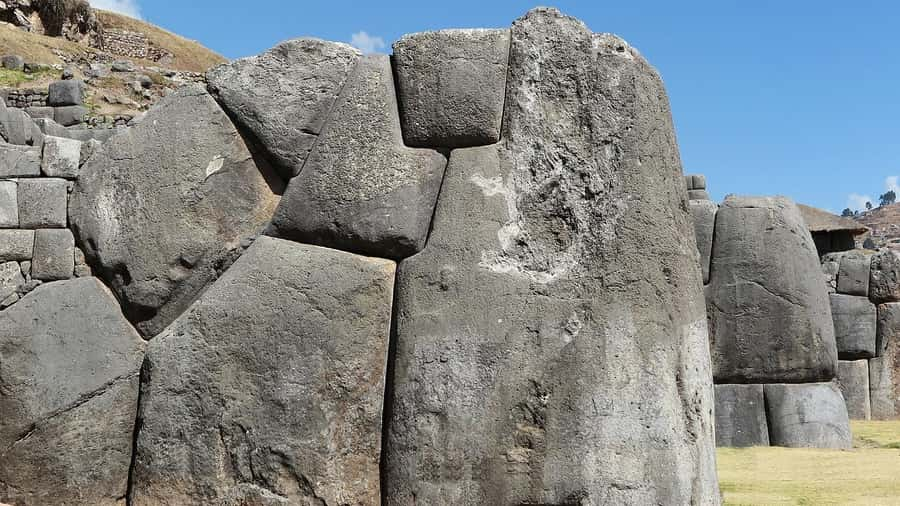
A 15-minute drive brings you to Puka Pukara, the red or reddish fortress. The visit lasts about 25 minutes, with some free time and guided sightseeing.
The site includes walls, towers, courtyards, bathrooms, aqueducts, and several rooms. It is generally linked with military and administrative use. Its position along routes into Cusco suggests that it formed part of the system controlling movement and communication.
This is another place where the guide turns scattered stonework into a readable site. Ask questions if you want to know how Puka Pukara differed from Sacsayhuamán. The answer helps you see that Inca construction was not one-size-fits-all. Different sites served different roles.
The drawback is the short visit. You can walk around, listen, and take photographs, but you will not have time to linger in every corner. That is the pattern of the tour: broad coverage, brief stops, and enough explanation to help you decide where you would like to return.
Tambomachay: water channels and a gentler finish
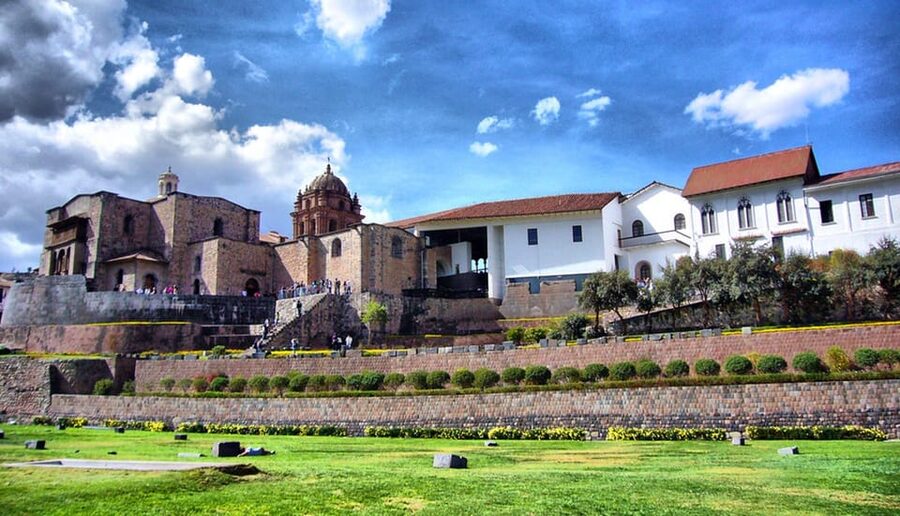
The final archaeological stop is Tambomachay, only about five minutes from Puka Pukara. You spend around 40 minutes here, including a guided visit, photographs, and walking.
Tambomachay is known for its finely carved water channels and flowing stone fountains. The site was possibly connected with the worship of water, and its design gives you a quieter look at Inca stonework. After the large walls of Sacsayhuamán, the precise water features feel almost delicate.
There is some uphill walking, and the stop can be tiring at altitude. One guide made a point of allowing two visitors in their 70s to take the climb slowly. That kind of patience matters, especially when a group includes people with different walking speeds.
Bring water, sun protection, and comfortable clothing. The area can feel exposed, and the combination of sun, altitude, and walking may catch you off guard even on a pleasant day.
After Tambomachay, the drive back toward the historic center takes about 30 minutes. The tour ends around Calle Plateros, close to the central streets.
The guides are the real value
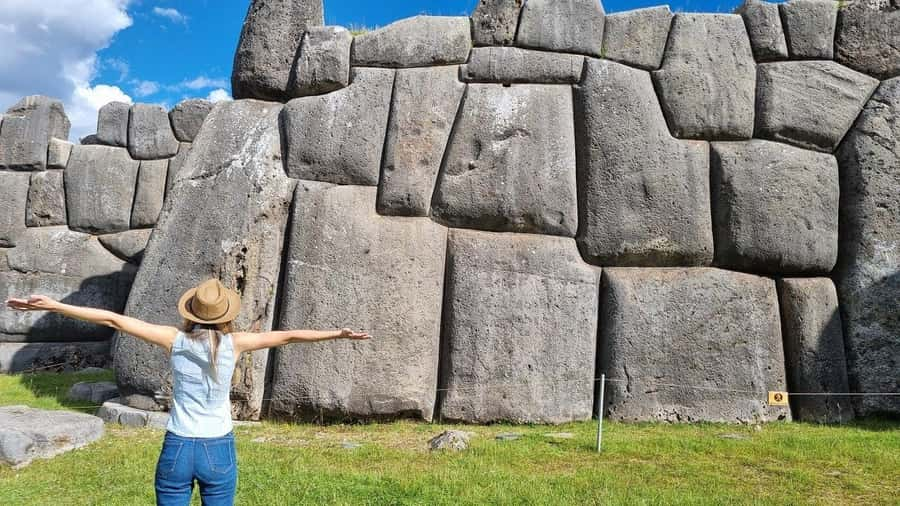
The transport gets you between the sites, but the guide determines how much you take away. The strongest part of this experience is the attention given to explanation.
Luis is repeatedly praised for detailed answers, local knowledge, and a lively interest in Inca culture. Wilson is noted for patience and careful responses to questions. Victor is praised for clear historical explanations, while Jared and Samuel are described as prepared and thorough.
You may be in a bilingual group, so the guide can explain the same subject in English and Spanish. That can make the pace feel slower at times. English is generally clear, but one participant found that a Peruvian accent and mixed-language group made some details harder to follow. Ask the guide to repeat anything important. The guides appear willing to do so.
The tour also includes audio support in English and Spanish. The live guide should remain your main source of information, but audio can help if you miss a sentence or prefer to listen quietly while walking.
A few departures include a stop at an alpaca shop. This is not presented as a compulsory purchase, and the available accounts describe no strong sales pressure. If you want wool clothing, it can be a useful place to learn how to tell natural alpaca from cheaper imitations. If shopping is not your interest, expect this stop to use some of your limited time.
Price, tickets, transport, and meeting details
At $13 per person, the tour is unusually inexpensive for five hours of transport and guiding. The price is especially good if you want to see the four sites outside the center without arranging taxis or separate visits.
Do not mistake the low price for an all-inclusive day. Qoricancha costs S/20, and the tourist ticket is listed at S/70. Meals are not included. Bring cash for entrance fees and personal expenses.
Transport is by tourist minivan. The vehicle has been described as clean and comfortable, and drivers have received praise for safe, steady driving. The vehicle is practical rather than luxurious, which is fine for short transfers between sites.
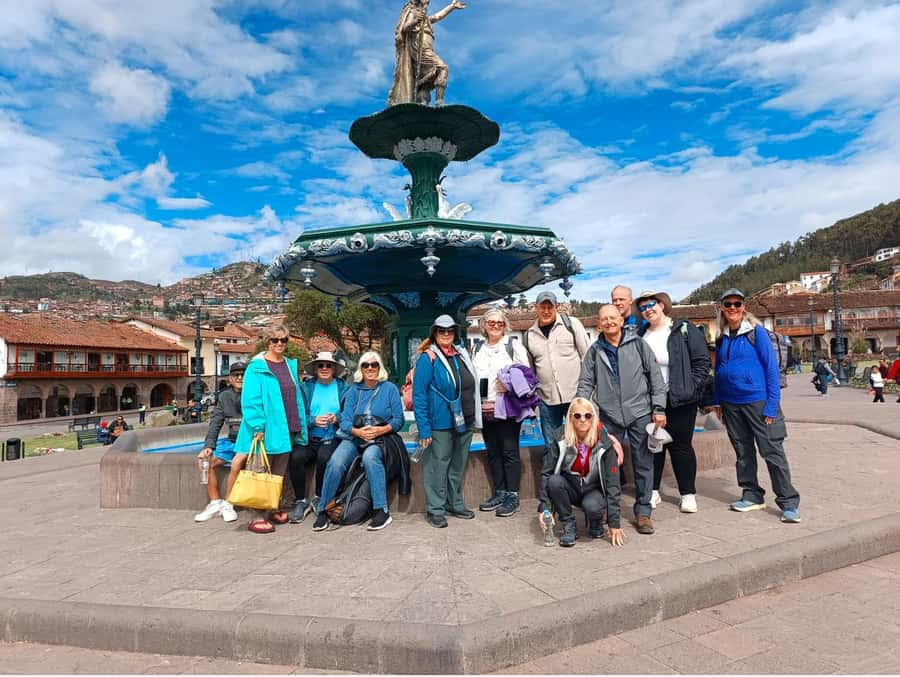
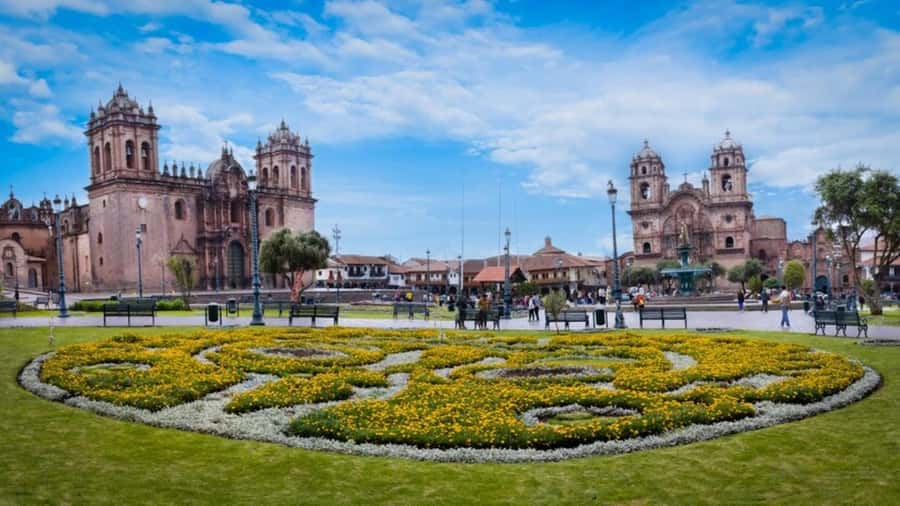
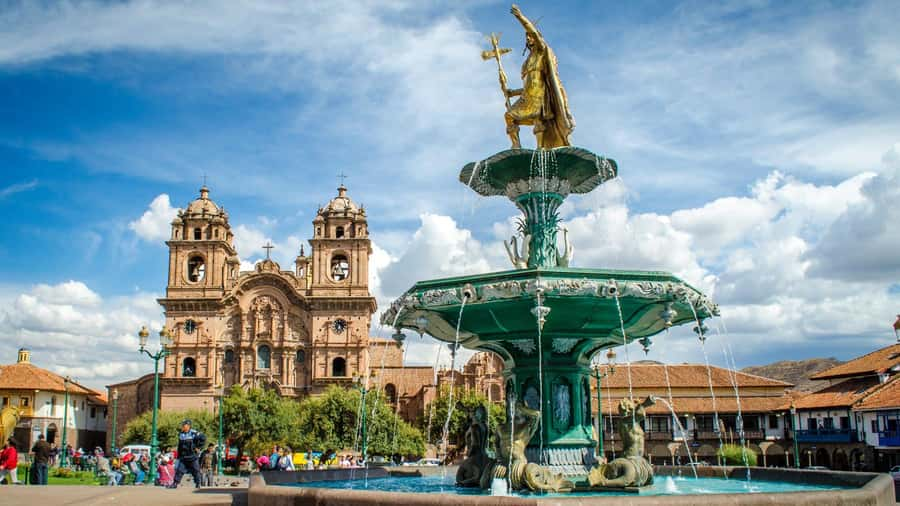
The stated meeting point is by the fountain in Cusco’s Main Square, at approximately -13.516772, -71.9787231. This is the detail I would handle carefully. The square can be crowded with guides and groups, and the meeting instructions have caused confusion for some people.
Look for a guide holding a small flag with the company name and logo. A whiteboard with your name may also be used. If hotel pickup is offered for your urban-area hotel, confirm it in advance, since the central meeting point is also given as the standard arrangement.
How to make the half-day pace work
Start with comfortable shoes, sunglasses, a hat, sunscreen, water, and a small daypack. Bring your passport or identification, since it is specifically requested, and carry cash for the two entrance charges.
Do not plan a large breakfast immediately before the tour if you are sensitive to altitude or motion, especially since food is not included. The key is to arrive ready to walk and to keep water close.
You will get the most from the tour if you treat it as a first look. Listen carefully at each site, take a few photographs, and note which places deserve a longer return visit. Trying to inspect every stone at every stop will make the schedule feel rushed.
The morning and afternoon departures both cover the same general route. The later option can work well if you want a slow morning in central Cusco, while the morning departure leaves your afternoon free. Check the available start time when booking because departure availability can change.
Who should book this Cusco city tour?
I would choose this tour for a first visit to Cusco, a short stay, or a pre-Machu Picchu introduction. It gives you the basic map: colonial and Inca layers in the center, then the major archaeological sites above town.
It is also a good fit if you want a guide rather than a self-guided taxi circuit. The sites are more meaningful when someone explains their likely purpose, points out construction details, and answers questions as you go.
You may prefer a longer or private tour if you want extended time at each complex, photograph without a group schedule, or focus closely on archaeology. The half-day format necessarily favors range over depth.
The tour is less suitable if you need a very gentle walking program, are pregnant, or have epilepsy. It also may not suit you if you dislike organized stops or have no interest in hearing bilingual explanations.
Should you book it?
Book it if you want a low-cost, well-organized introduction to Cusco and its major Inca sites. The combination of Sacsayhuamán’s scale, Q’enqo’s ceremonial spaces, Puka Pukara’s practical design, Tambomachay’s water channels, and Qoricancha’s cultural layers gives you a lot in five hours.
Just budget the entrance fees, arrive early at the fountain, and accept that some stops will be brief. For $13, with transport and a live guide included, this is a strong orientation tour. If you want a slow archaeological study, choose a longer format instead.
FAQ
How long does the Cusco city tour last?
The tour lasts about five hours. The morning schedule is approximately 9:00 a.m. to 2:00 p.m., while the later schedule runs about 1:00 p.m. to 6:30 p.m.
Which sites are included?
The route includes Qoricancha, Sacsayhuamán, Q’enqo, Puka Pukara, and Tambomachay. The tour finishes near Calle Plateros in the historic center.
Is Qoricancha included in the tour price?
The Qoricancha visit is optional and its entrance fee is not included. The listed price is S/20.
Are the archaeological entrance fees included?
No. The tourist ticket is listed separately at S/70. Meals and other services not specifically mentioned are also excluded.
Where do I meet the guide?
The meeting point is by the fountain in Cusco Main Square. The coordinates provided are -13.516772, -71.9787231. Look for a guide with a small company flag and a whiteboard showing names.
Is the tour offered in English?
Yes. Live guiding and audio support are available in English and Spanish.
What should I bring?
Bring your passport or identification, comfortable shoes, sunglasses, a sun hat, sunscreen, water, a camera, comfortable clothes, cash, and a daypack.
Just added around Cusco
- Rainbown mountain cusco 1 Day★ 4.5 · 72 reviews
- rainbow mountain full day★ 5.0 · 44 reviews
- Manu National Park Tour 4days/3night★ 5.0 · 69 reviews
- Tour to the HUMANTAY LAGOON from CUSCO★ 5.0 · 35 reviews
- Vegan Peruvian Cooking Class Cocktails and Local Market in Cusco★ 5.0 · 46 reviews
- Cusco Private Airport Transfer: Fast, Reliable Hotel Drop-Off★ 5.0 · 80 reviews
- 1 Day Tour to Palccoyo (Alternative Rainbow Mtn) from Cusco, Peru★ 5.0 · 53 reviews
- 5-Day: Salkantay Trek to Machupicchu and Humantay Lake★ 5.0 · 42 reviews
City Tours, compared.
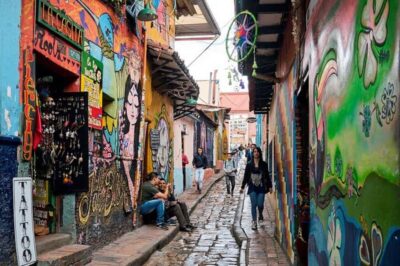
Private City Tour, Monserrate, Emerald and Botero
Read our review →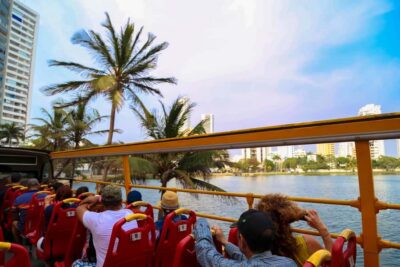
City Sightseeing Hop-On Hop-Off Bus Tour & Extras
Read our review →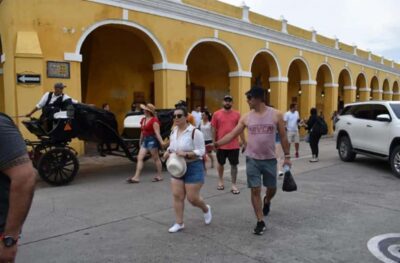
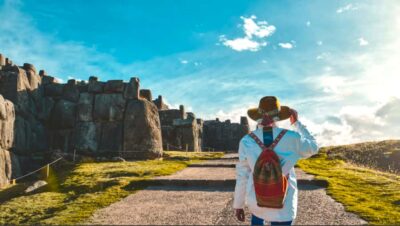
City Tour Cusco Qoricancha Sacsayhuaman y Tambomachay
Read our review →
Main City Sights in 7 Hours – Shared Group Tour
Read our review →
Bogotá City Tour with Monserrate, Gold and Botero Museums
Read our review →Browse the lists this tour appears in