
Reviewed · CITY TOURS
Cusco: Half-Day City Tour
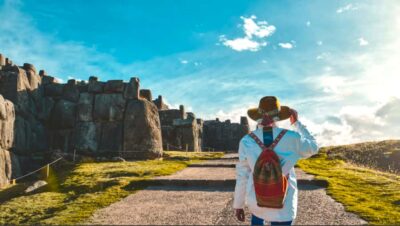
Cusco’s best first look may be a half-day circuit that links Sacsayhuaman’s huge limestone walls with the smaller Inca sites scattered above the city. You also get a useful contrast between Inca stonework, Spanish colonial power, water worship, and military defense without arranging several separate rides.
I like the low $17 price and the chance to ride between sites instead of sorting out transport on your own. I also like the bilingual guiding, especially when you get a guide such as Silvia, Clara, Janet, or José, who can turn piles of stone into a story about Inca life. The main catch is that admission fees are extra, and the morning departure does not include Coricancha or the Cathedral.
Key points at a glance
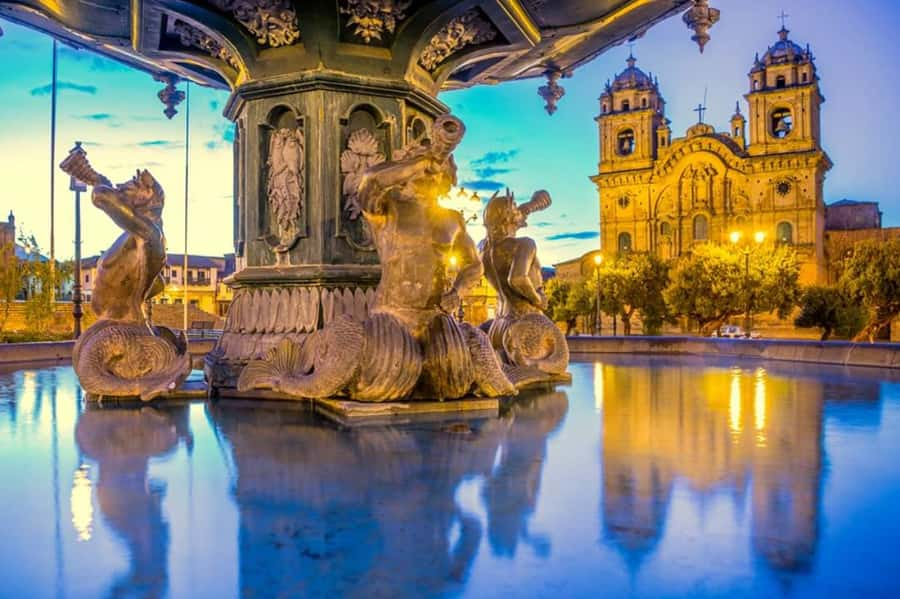
- Sacsayhuaman is the visual centerpiece: Massive limestone blocks show why Inca masonry remains the star of this route.
- The morning and afternoon tours differ: Morning visits cover four archaeological sites, while afternoon departures can add Coricancha and Cusco Cathedral.
- The price is transport and guiding, not a full admission package: Budget for 70 soles for the outer archaeological sites, plus 15 soles for Coricancha and 40 soles for the Cathedral when included.
- Q’enco and Tambomachay add ritual meaning: One centers on a carved natural rock, the other on flowing water and purification.
- Pickup is limited to the historic center: If your vehicle cannot reach your hotel, you receive a nearby meeting point.
- The pace is active: Wear good shoes, carry water and sunscreen, and bring rain protection.
Why this six-hour route works in Cusco
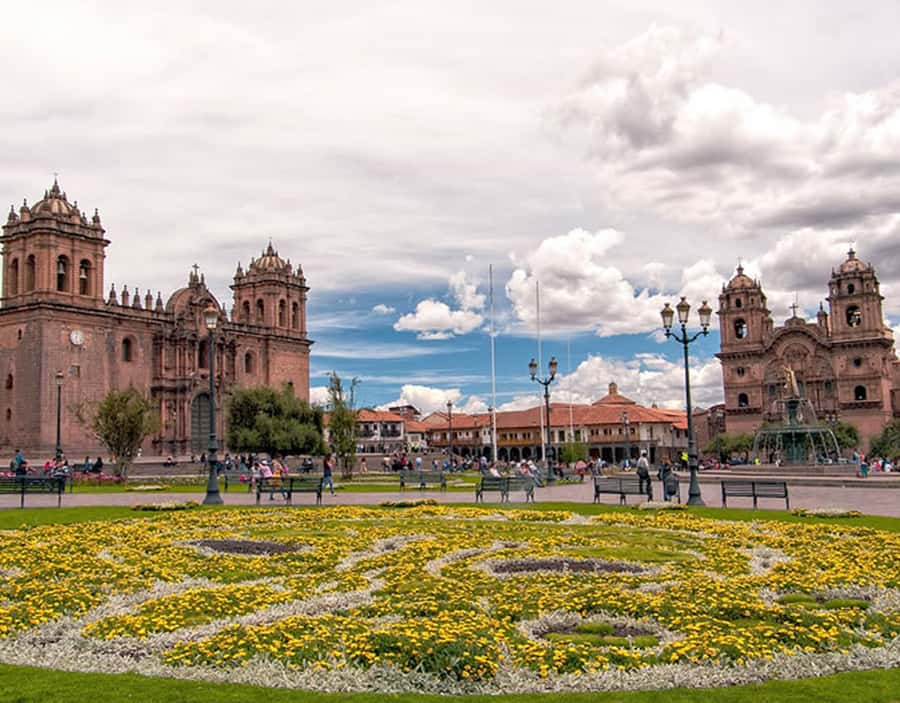
Cusco is not a place where the main sights sit neatly along one easy street. The historic center is dense, but the best-known Inca remains rise outside it, on the hills around the city. This tour solves that problem with a van, a guide, and a fixed route.
You begin with pickup in Centro Histórico. The drive to the first archaeological complex takes about 40 minutes, and the guided visits are planned at roughly 40 minutes each. That gives you enough time to see the main features and hear the story, though not enough time to wander every path at leisure.
I see this as a strong orientation tour, not a slow archaeological study. You get the layout of Cusco and its surrounding ruins in one stretch. If your schedule is tight, it gives you a sensible first look. If you have several days in town, it helps you decide which sites deserve a second visit.
The group may use more than one vehicle, particularly when the English and Spanish arrangements differ. That can sound awkward, but an attentive guide can keep the changeover orderly. One past group found that the transfer caused no trouble because the guide kept everyone together and informed.
More City Tours in Cusco
- Cusco: Half-Day City Tour with Sacsayhuaman and Q’enco
★ 4.6 · 1,129 reviews - City Tour Cusco Qoricancha Sacsayhuaman y Tambomachay
★ 4.7 · 617 reviews - Cusco: Sightseeing Tour of the City on an Open-Top Bus
★ 4.0 · 481 reviews
Q’enco, where a natural rock became a ceremonial place
Q’enco, also written Qenqo, is a good opening stop because it shows how the Incas worked with existing rock rather than building everything from cut blocks. A natural limestone formation became a ceremonial center, with carved surfaces and spaces connected to ritual use.
Your 40-minute visit is enough to understand the site’s shape and purpose. Pay attention to the way the rock itself forms the setting. The interest here is not size. Q’enco is smaller and more intimate than Sacsayhuaman, and its importance comes from the marks, channels, and ceremonial layout.
This is one stop where a guide matters. Without context, you may see a worn rock and a few stone features. With a clear explanation, you can start to picture how sacred places were chosen and adapted. Silvia and Clara have been singled out for patience, energy, and detailed explanations, qualities that help at a site where the evidence is less immediately obvious.
Wear shoes with a firm sole. The tour is not described as a strenuous hike, but archaeological ground can be uneven, and you will be standing outside in strong high-altitude sun.
Puka Pukara and the practical side of Inca power
Puka Pukara, or Puca Pucara, is associated with military ruins and guard posts. The remains include staircases, streets, houses, and courtyards, giving you a chance to see the everyday structure behind the empire’s larger ceremonial monuments.
The site helps correct a common mistake. The Incas did not build only temples and royal compounds. They also needed routes, lookout points, housing, and places to control movement. Puka Pukara makes that practical side easier to grasp.
You will spend about 40 minutes here with the guide. That is enough for an overview, but you should not expect a long independent exploration. The schedule moves on, and the main purpose is to understand how this high ground fitted into the wider network around Cusco.
If shopping stops are added, keep your expectations clear. One person felt that a textile shop was unnecessary on a history-focused tour. You may be given the chance to look at alpaca clothing or other goods, but this is not presented as a shopping experience, and the stop can feel like lost time if you are focused on ruins.
Tambomachay and the Inca attention to water
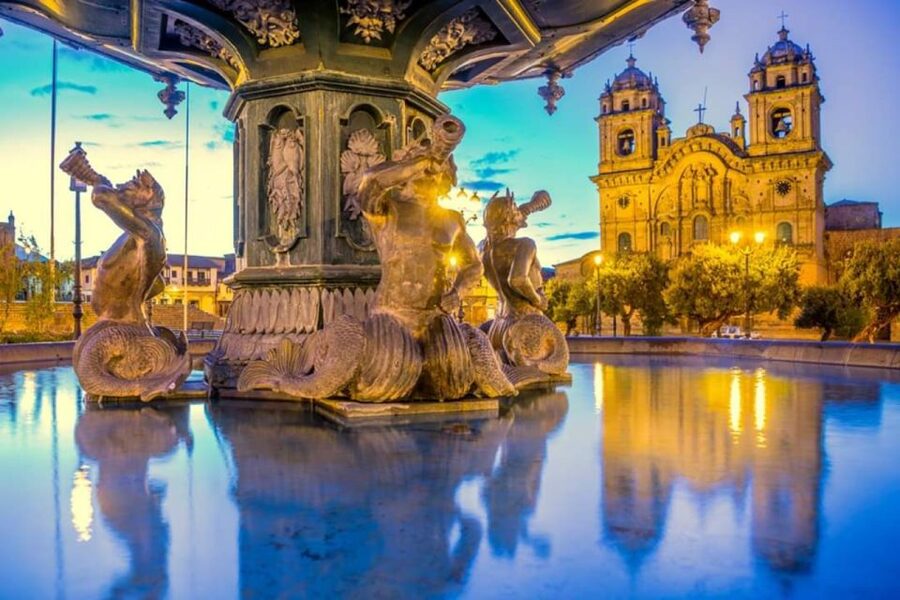
Tambomachay sits about 9 kilometers outside Cusco and is known as the Baths of the Incas. Its name comes from the water source and the carefully shaped channels and fountains that remain at the site.
The exact role is not fully settled in the description of the tour. It may have been linked to a water cult and purification, rather than serving simply as a bathing place. That uncertainty is worth keeping in mind. The site still shows how important controlled water was in Inca ritual and engineering.
Tambomachay is a quieter stop than Sacsayhuaman. The water features are the focus, so listen closely when the guide explains how the channels were formed and why the site may have carried religious meaning. A good guide can connect the flowing water here with the broader Inca respect for springs, mountains, and sacred places.
The visit lasts around 40 minutes. Bring water for yourself, too. Cusco’s sun can be intense, and the advice to wear a hat, use sunscreen with at least SPF 30, and carry a rain jacket is practical rather than fussy. Weather can change quickly, so a waterproof jacket is more useful than relying on a thin sweater.
More City Tours in Peru
- Open Bus Cusco City Tour
★ 4.5 · 219 reviews - Cusco: City Tour | Half-Day Tour to 4 Archaeological Sites
★ 4.6 · 206 reviews - City Tour in Cusco & visit Museum South American Camelid Private.
★ 5.0 · 147 reviews - Cusco City Sightseeing, San Pedro Market, Cathedral and Qorikancha Temple
★ 4.5 · 139 reviews
Sacsayhuaman, the site that earns the extra time
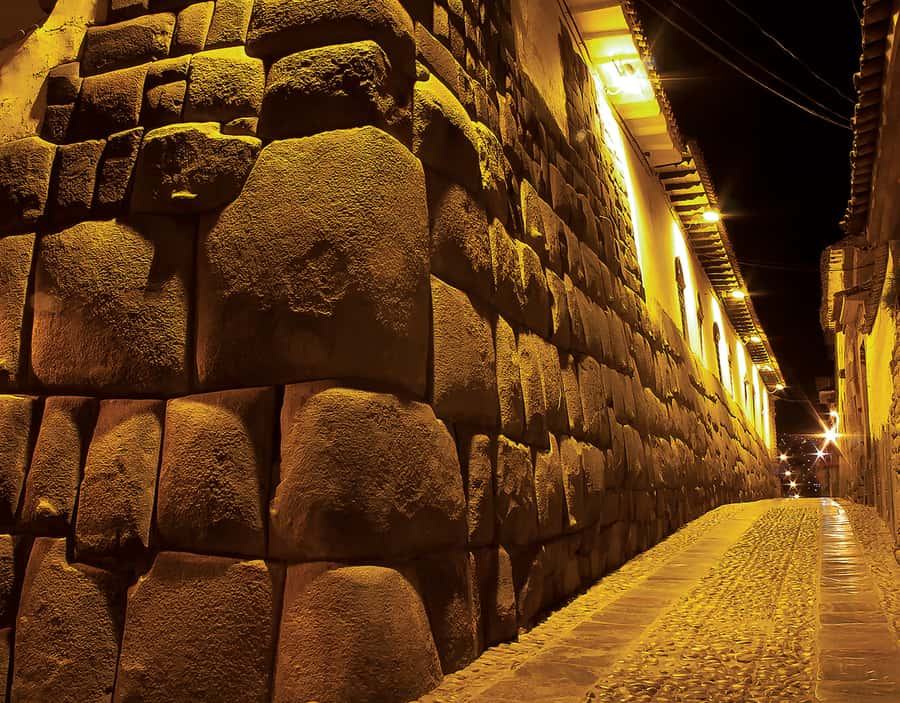
Sacsayhuaman is the major stop on the outer-city circuit. Its massive limestone blocks were fitted together with remarkable precision, and the walls were built to protect Cusco from attacks from the east, or Antis, according to the historical account presented on the tour.
Chroniclers also described the site as a solar shrine built by the last Inca dynasties. That combination of sacred and defensive purpose makes Sacsayhuaman especially interesting. It was not simply a fortress in the modern sense, and it was not merely a temple. Its scale and position suggest that power, ceremony, and defense were closely linked.
This is where I would pay closest attention to the guide’s explanation of the stonework. The blocks are the obvious attraction, but the real value is understanding how they fit into the design of Cusco. Look for the layered walls, the stairways, and the way the site opens toward the city.
The 40-minute stop may feel short here. One person wanted more help exploring the complex and felt the arrangement was to meet at the exit after a single main stop. You should expect a guided introduction, not a full independent walk through every corner.
If Sacsayhuaman is your main reason for booking, consider the tour’s fixed pace carefully. It is efficient and inexpensive, but the schedule favors coverage over lingering. Still, for a first visit, it gives you the essential view and the engineering story without requiring a separate taxi or guide.
Coricancha, where Inca precision meets Spanish conquest
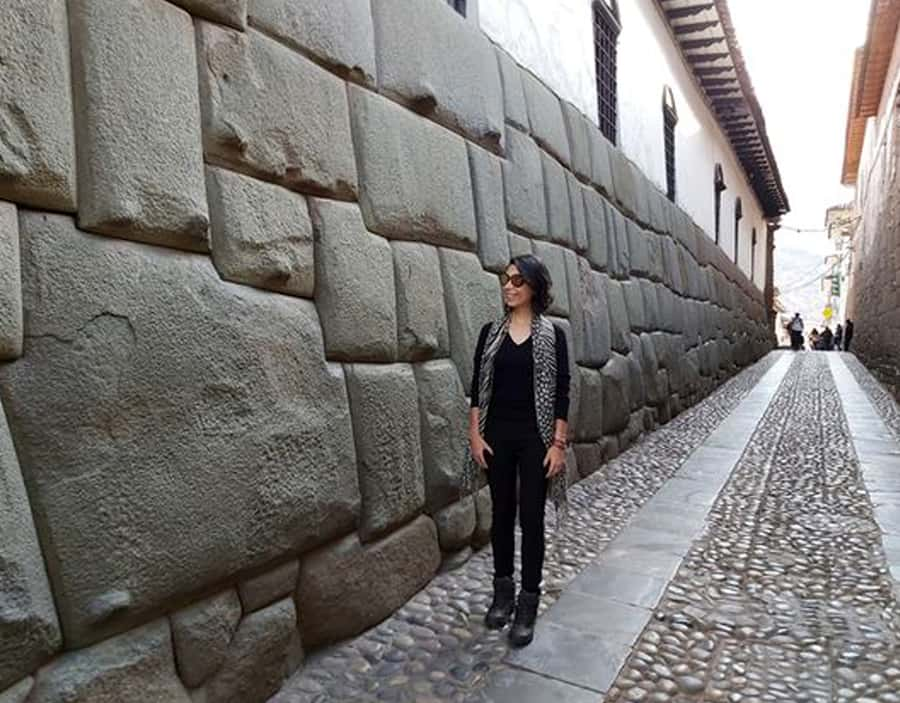
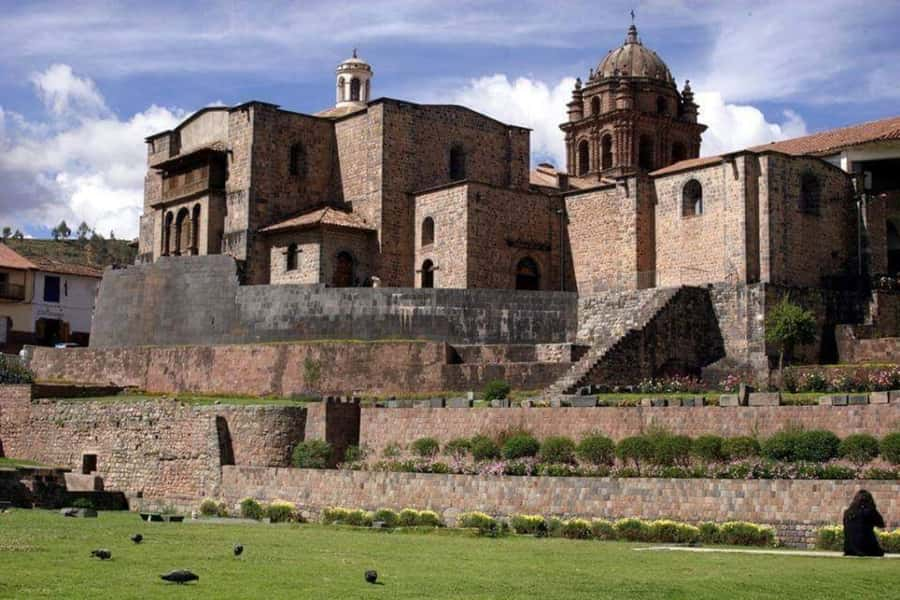
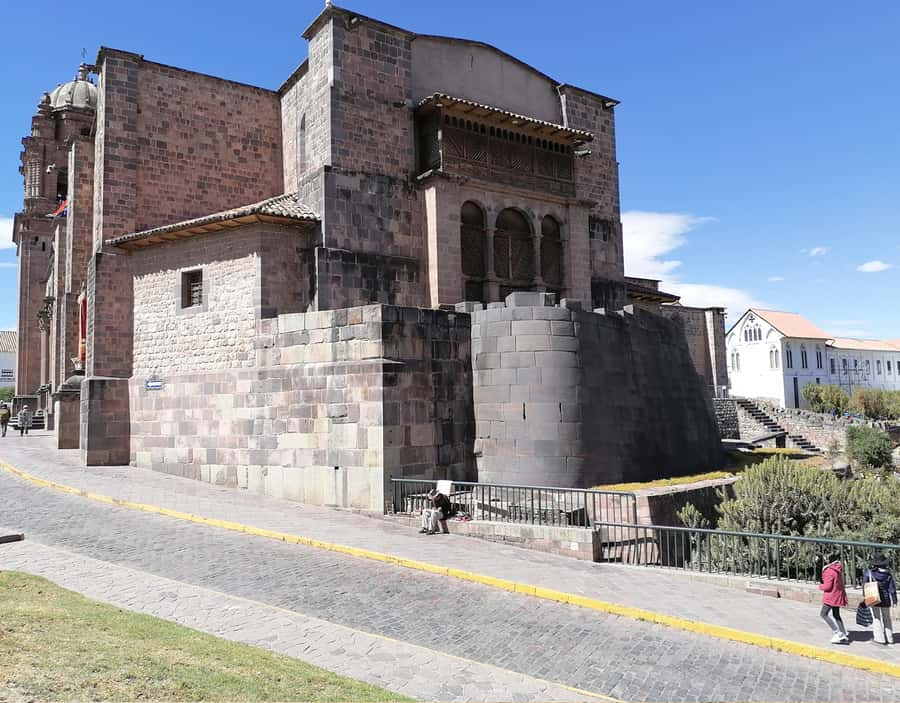
Afternoon departures can continue into central Cusco for Coricancha, the most important temple of the Inca empire. The temple is known for its exact stone construction and perfect architecture, and it offers a sharp contrast with the open archaeological sites outside the city.
Coricancha is especially useful because it shows what happened when Spanish colonial buildings were placed over Inca foundations and sacred spaces. The tour description emphasizes the original Inca workmanship, so look closely at the stone joints and the clean geometry.
You get about an hour here, making it the longest guided stop. That extra time suits the site. There is more to examine, and the transition from open ruins to a central temple complex gives the day a stronger historical shape.
Admission is not included. The stated entry fee is 15 soles. If you choose an afternoon departure, confirm that Coricancha is included in your selected schedule rather than assuming every departure follows the same route. The morning version visits only Sacsayhuaman, Q’enco, Puka Pukara, and Tambomachay.
Cusco Cathedral and the colonial layer of the city
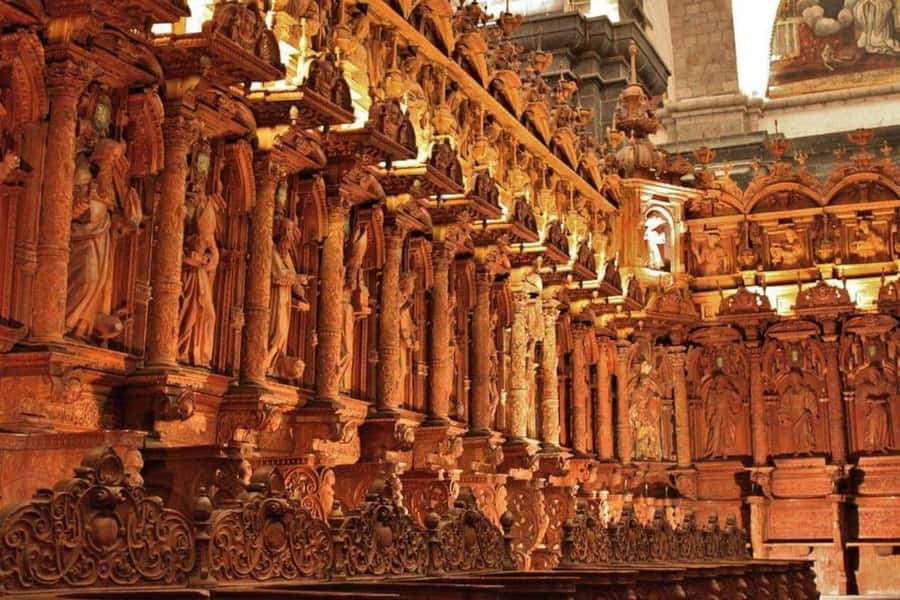
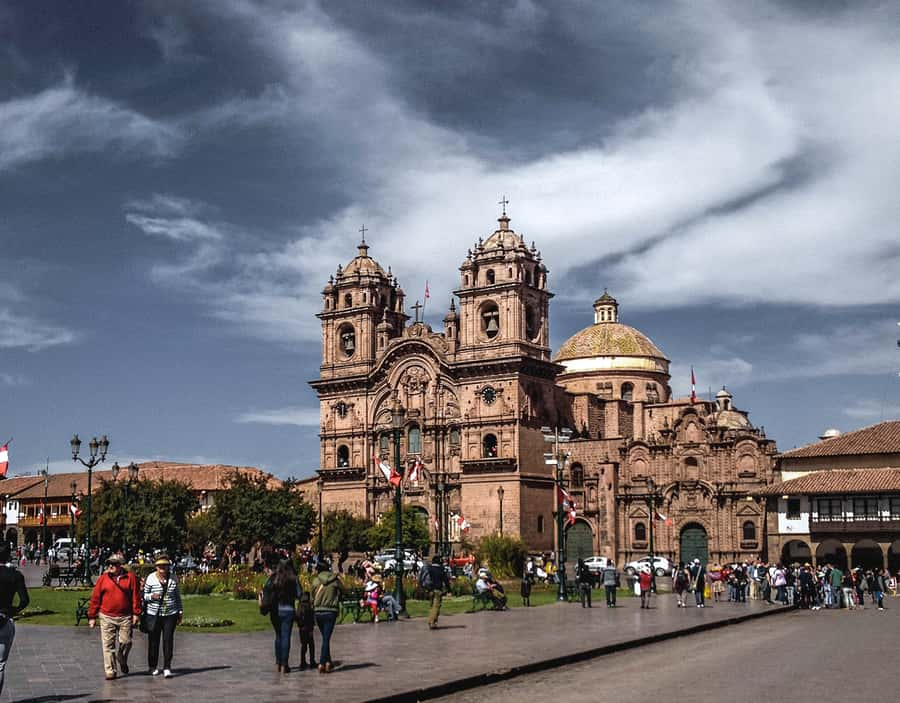
The Basilica Cathedral, begun in 1560, is another afternoon stop. It sits in the city’s main square and represents the Spanish colonial layer that followed the Inca period.
The Cathedral helps you read Cusco as a city built in stages. The outer ruins show the reach of Inca engineering and ritual life. Coricancha shows the central importance of the Inca capital. The Cathedral shows how Spanish power reshaped the same urban center.
The guided visit lasts about 40 minutes. The entrance fee is 40 soles and is not included, so carry cash. This is also where the route finishes, at Plaza Mayor del Cusco, which is convenient if you want to continue walking through the historic center afterward.
The Cathedral is not part of the morning tour. That difference matters if you want both colonial and Inca highlights in one booking. An afternoon departure is the better choice for a broad introduction, while the morning version is more focused on the four outer archaeological sites.
What the $17 price really covers
At $17 per person, this is one of the cheaper ways to see the four major archaeological stops around Cusco. The price includes tourist transportation and a professional bilingual guide in English and Spanish. It does not include the entry tickets.
For the four archaeological sites outside the city, budget 70 soles for the tourist ticket. If you take an afternoon route that includes the additional central sites, add 15 soles for Coricancha and 40 soles for the Cathedral. That means your real cost can be much higher than the advertised tour price, especially if you visit every included stop.
Even with those fees, the transport and guiding make the package useful. A private vehicle and private guide would cost more, and arranging separate taxis for Q’enco, Puka Pukara, Tambomachay, and Sacsayhuaman would take time. The tradeoff is that you accept a shared schedule and limited time at each place.
One practical point: entry tickets may be available at the sites, but buying the archaeological ticket in advance can save time. Carry cash, as the tour specifically advises. Also bring your passport, comfortable shoes, water, a hat, sunscreen, and a waterproof jacket. Large bags and luggage are not allowed, and pets are not allowed.
Video recording is also listed as not allowed. Follow the site rules and ask the guide if you are unsure about photography.
Guides, language, and the pace of the day
The tour is offered in English and Spanish. Guide quality matters here because the ruins need explanation, and several guides have earned particularly strong praise for their approach.
Silvia was noted for patience with children. Clara was described as energetic, attentive, and especially good at explaining Cusco and Inca life. Janet was praised as an excellent guide, while José was considered a strong choice for English speakers. These names do not guarantee who will lead your departure, but they show the kind of guiding style the operator can provide.
You should also understand that bilingual tours can vary by group. If one language has only a single participant, the guide may have to divide attention between languages. One English-speaking participant felt they received less English explanation than expected. That is a fair concern to raise when booking or at pickup.
The overall rating is 4.2 from 129 reviews, which points to a generally positive but not flawless experience. Praise centers on organization, passionate guides, safe driving, and value. The main complaints concern time at Sacsayhuaman, an unwanted textile stop, and uneven attention when language groups are mixed.
Who should book this Cusco tour?
I would choose this tour if you have only one free half-day, want a guided introduction, or prefer not to arrange transport to the hilltop sites. Families may appreciate the straightforward pickup and the patient style some guides bring to the day. It also suits first-time visitors who want historical context before exploring more independently.
The afternoon departure is best if you want the widest picture, since it can include the outer ruins, Coricancha, and the Cathedral. The morning departure is better if you want a simpler archaeological route and do not need the colonial sites.
I would not choose it if you want long, unhurried visits or detailed photography time. Sacsayhuaman in particular deserves more than a quick overview, and a shopping stop may frustrate you if your priority is history. You should also be ready for extra entrance costs rather than treating $17 as the final price.
Should you book it?
Book this tour if you want efficient coverage and strong value more than a slow, private experience. The route brings together the most useful first sights around Cusco, and the best guides add the stories that make the stones meaningful.
Choose the afternoon option for the fullest introduction, and confirm the exact sites before paying. If your budget is tight, account for the 70 soles archaeological ticket and any central-site fees. With good shoes, sun protection, water, rain gear, and realistic expectations about the pace, this is a sensible way to get your bearings fast in Cusco.
FAQ
How long does the Cusco City Tour last?
The tour lasts six hours, including pickup, transportation, and guided visits.
What sites are included on the morning tour?
Morning departures visit Sacsayhuaman, Q’enco, Puka Pukara, and Tambomachay. They do not include Cusco Cathedral or Coricancha.
Does the afternoon tour include Coricancha and the Cathedral?
Afternoon departures include the chance to visit Coricancha and the Basilica Cathedral. Check the available starting time and exact route when booking.
Are entrance tickets included in the $17 price?
No. The archaeological sites outside Cusco require a 70 soles tourist ticket. Coricancha costs 15 soles, and the Cathedral costs 40 soles.
Where does hotel pickup take place?
Pickup is available from hotels in Cusco’s historic center. If your hotel cannot be reached by vehicle or you stay in private accommodation, you receive the nearest meeting point.
What should I bring?
Bring comfortable shoes, water, your passport, and cash. A sun hat, sunscreen with SPF 30 or higher, and a waterproof jacket or raincoat are also recommended. Large bags, luggage, and pets are not allowed.
Just added around Cusco
- rainbow mountain full day★ 5.0 · 44 reviews
- Rainbown mountain cusco 1 Day★ 4.5 · 72 reviews
- Manu National Park Tour 4days/3night★ 5.0 · 69 reviews
- Tour to the HUMANTAY LAGOON from CUSCO★ 5.0 · 35 reviews
- Vegan Peruvian Cooking Class Cocktails and Local Market in Cusco★ 5.0 · 46 reviews
- Cusco Private Airport Transfer: Fast, Reliable Hotel Drop-Off★ 5.0 · 80 reviews
- 1 Day Tour to Palccoyo (Alternative Rainbow Mtn) from Cusco, Peru★ 5.0 · 53 reviews
- 5-Day: Salkantay Trek to Machupicchu and Humantay Lake★ 5.0 · 42 reviews
City Tours, compared.
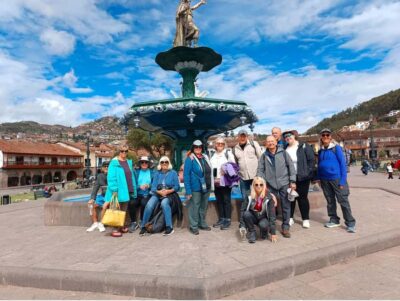
Cusco: Half-Day City Tour with Sacsayhuaman and Q’enco
Read our review →
Private City Tour, Monserrate, Emerald and Botero
Read our review →
City Sightseeing Hop-On Hop-Off Bus Tour & Extras
Read our review →
City Tour Cusco Qoricancha Sacsayhuaman y Tambomachay
Read our review →
Main City Sights in 7 Hours – Shared Group Tour
Read our review →Browse the lists this tour appears in