
Reviewed · BUENOS AIRES TOURS
From Buenos Aires: Magical and Mysterious Campanopolis Tour
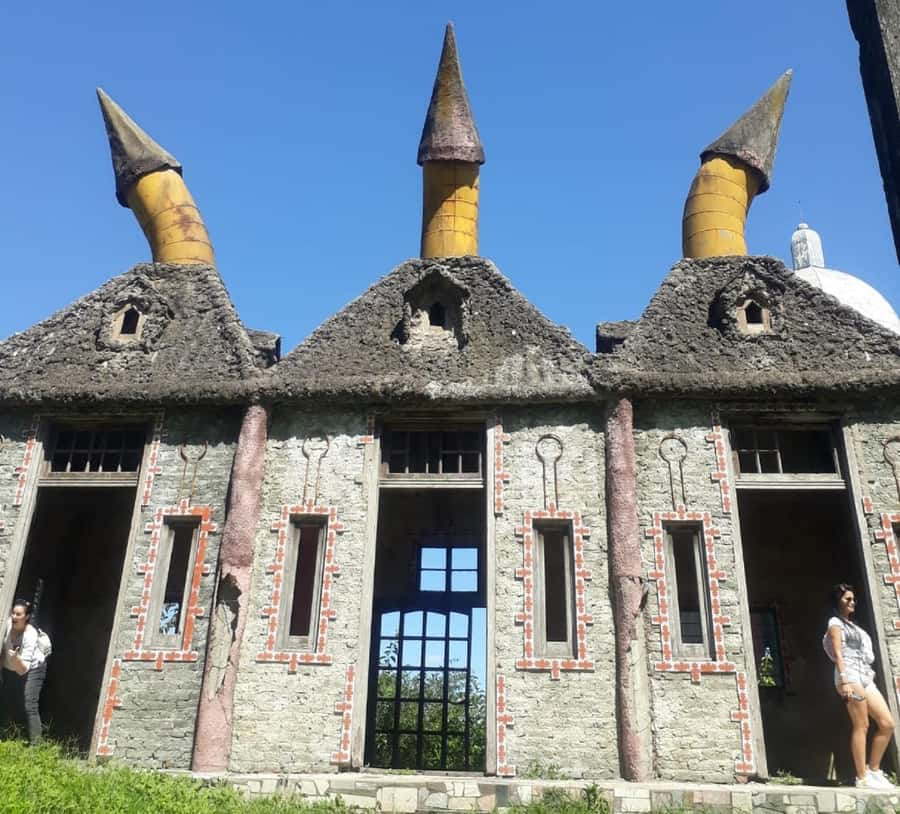
Campanópolis is a medieval fantasy village built from old and recycled materials, about an hour and a quarter from central Buenos Aires. Its 40 buildings form a curious maze of towers, alleys, passages, museums, and secret-looking corners, all set near the Ezeiza forests. I like the oddness of it: this is not a restored European town, but one man’s handmade dream.
I also like the story behind Don Antonio Campana, whose ingenuity turned auction and demolition finds into something theatrical and unexpected. The tour includes park admission, transport from the Colón Theater, and about three hours on site. The main drawback is the language: the local guided walk is offered in Spanish and Portuguese, while English-speaking visitors receive only a general overview and key points.
Key things to know before you go
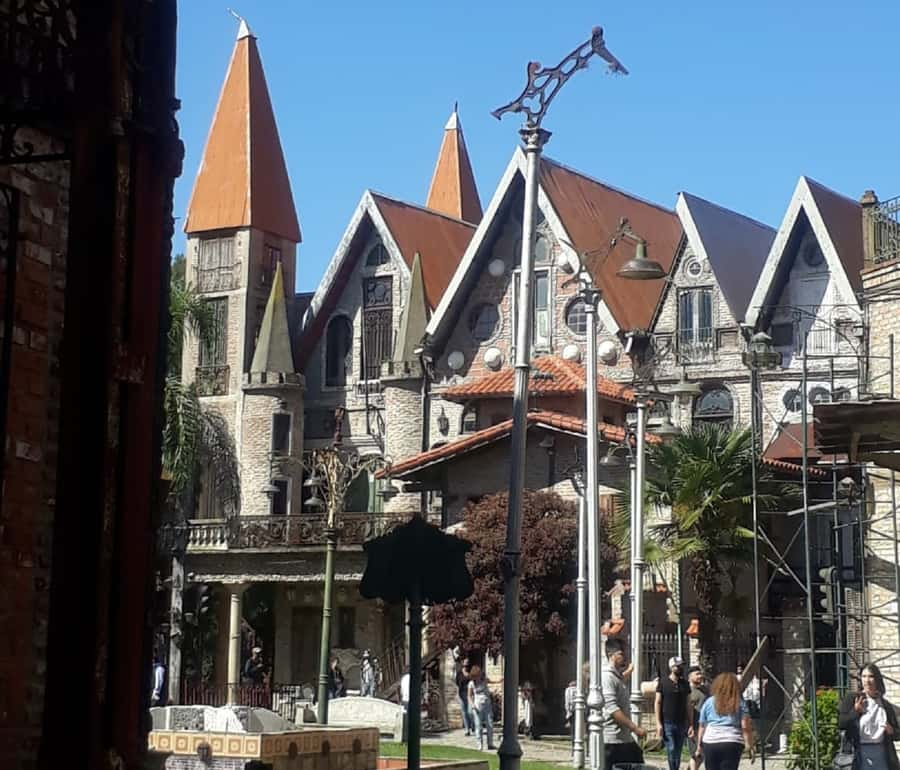
- Forty buildings form one eccentric citadel: Expect connected alleys, passages, stone houses, towers, and unusual architectural details rather than a conventional museum.
- Recycled treasures are part of the attraction: Look for former iron columns from Galerías Pacífico, gates from the Palermo Hippodrome, and lights and clocks associated with Plaza de Mayo.
- Three hours at Campanópolis gives you time to explore: The visit includes guided sightseeing, photographs, and free time inside the park.
- The journey takes 150 minutes round trip: You leave from Cerrito 628 beside the Teatro Colón and return there after the visit.
- Spanish or Portuguese works best: English-speaking visitors receive a general explanation, but not the same full guided commentary available in the other two languages.
- Bring your own snacks and water: Food choices at the park are limited, according to recent practical experience from the tour.
Why Campanópolis feels unlike a normal day trip
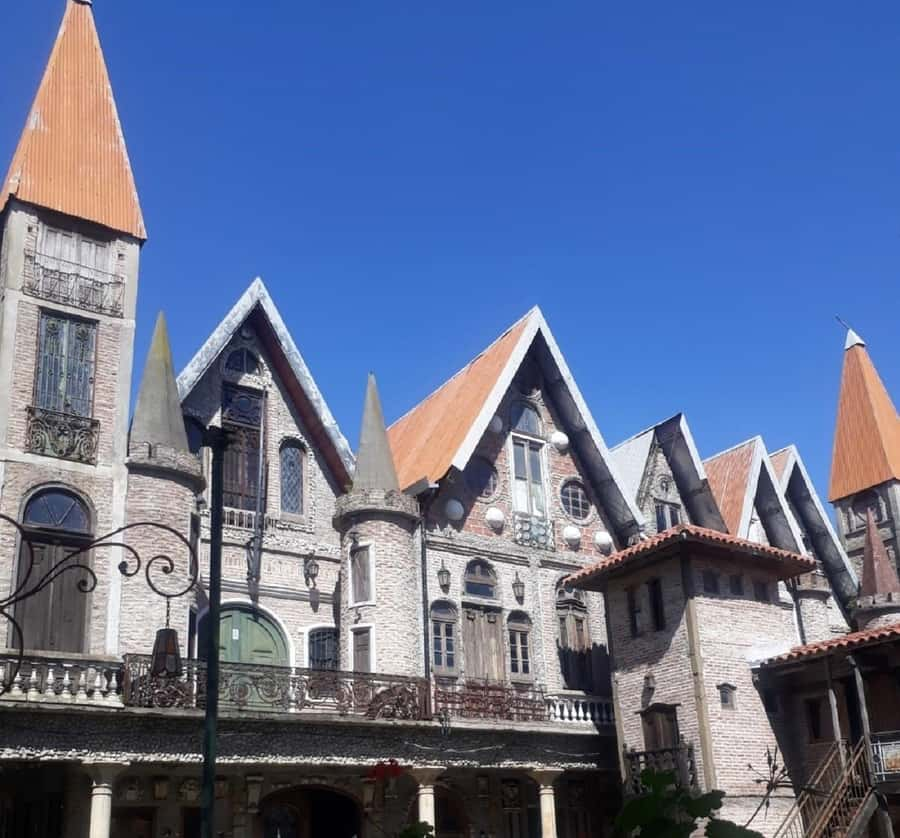
You are not going to Campanópolis for a famous colonial square or a polished historic monument. You are going to see a personal fantasy made real. Don Antonio Campana assembled pieces from demolitions and auctions, then used them to create a village that feels part medieval castle, part fairy tale, and part eccentric salvage yard.
That mix is the point. One doorway may lead into a narrow passage, while a familiar urban object appears in a completely new setting. Old iron columns from Galerías Pacífico, gates from the Palermo Hippodrome, and lights and clocks from Plaza de Mayo are among the objects connected with the site.
I find this kind of place most rewarding when you stop trying to classify it. It is not a genuine medieval settlement, and it does not pretend to be one. It is a creative work made from collected objects, with the founder’s persistence and imagination providing the main historical thread.
The setting also changes the mood. Campanópolis sits in a nature reserve near the Ezeiza forests, away from central Buenos Aires. After the city’s traffic, avenues, and grand public buildings, the rough stone walls and winding paths feel like a sudden change of scene.
A few more Buenos Aires days worth comparing
- Buenos Aires Hop-On Hop-Off Bus, Free Walking Tours & Discounts
★ 4.5 · 2,218 reviews - Buenos Aires: City Highlights Guided Tour with Transfer
★ 4.7 · 1,946 reviews - Buenos Aires: Hop-On Hop-Off City Bus Tour
★ 4.2 · 1,855 reviews
The 75-minute ride from Teatro Colón
The tour begins on the sidewalk at Cerrito 628, beside the Teatro Colón. This is a central meeting point, but you need to be there at the correct time because departure schedules change by day.
On Wednesdays, Thursdays, and Fridays, the meeting time is 11:30 AM. On Saturdays and Argentine public holidays, the meeting time is 8:00 AM. On March 24 and April 7, the park opens only in the morning, with an 8:00 AM departure.
The drive takes about 75 minutes each way. That makes the transport a major part of the experience, not a minor transfer between attractions. The coach or van gives you a chance to rest, but you should plan for a long half-day away from central Buenos Aires.
The ride can be quiet. The accompanying guide may explain some of Campanópolis’s story on the way, but the amount of commentary can vary. I would not book this mainly for a nonstop narrated journey. Think of the transport as practical and comfortable, with the main event waiting at the other end.
Bring water and a few light snacks, such as fruit, biscuits, or protein bars. Food at Campanópolis is limited, and the tour does not include drinks or meals. A small supply makes the long ride and walking time easier.
First look at the strange medieval village
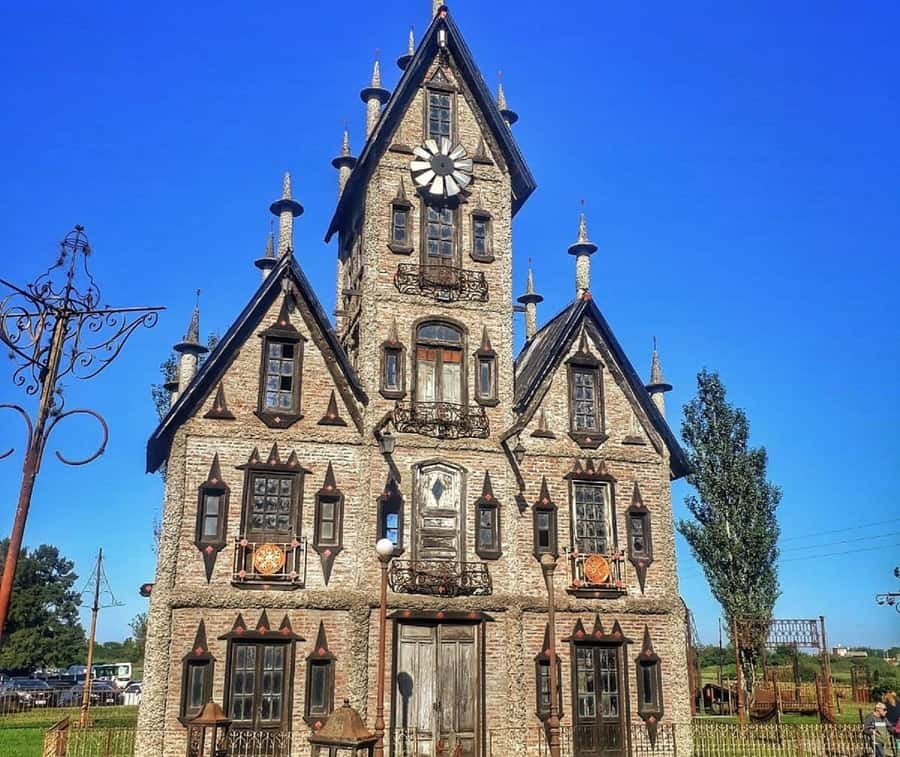
After arriving, you get time to see the place and take photographs before or around the guided portion of the visit. This first look matters because Campanópolis rewards slow observation. The buildings are close together, and the details are easy to miss if you hurry from one formal stop to the next.
The village contains about 40 buildings linked by alleys, passages, and concealed-looking corners. The design encourages you to keep turning. A narrow route may reveal a tower, a courtyard, a weathered wall, or an object that looks as if it came from a much older structure.
The 12 stone houses are among the most storybook-like parts of the site. They are made with stone, slag, and brick, and their rough surfaces help create the Snow White feeling described in the tour material. The charm comes from the handmade quality. You can see that these structures were assembled as a creative project, not produced from one clean architectural plan.
That makes the place visually strong for photography. You will find plenty of textured walls, unusual entrances, irregular shapes, and small details that work well in pictures. I would allow time to look beyond the grandest buildings, since the recycled objects are often the most interesting part.
The museums and the objects inside them
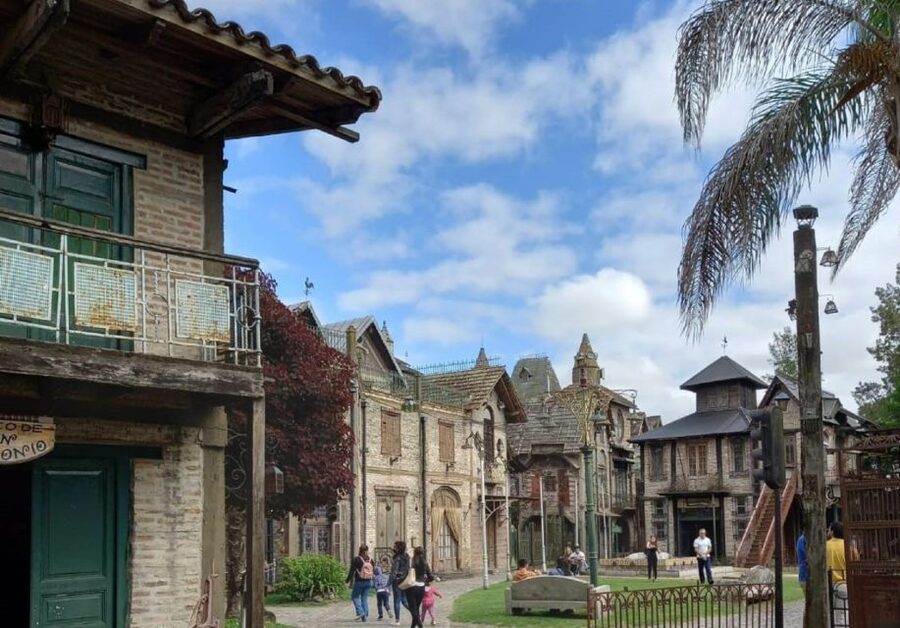
The visit includes the Museum of Wood, the Iron Museum, and the Caireles Museum. These collections help explain how Campanópolis was built and why the site feels so different from a standard theme park.
The Museum of Wood connects with the handmade character of the village. The Iron Museum points to the structural and decorative metal pieces used throughout the citadel. The Caireles Museum focuses on chandeliers and related decorative elements, adding another layer of visual detail.
The museums are not separate from the larger idea of Campanópolis. They show how old materials can be reused, rearranged, and given a new setting. An object that once served a practical purpose in Buenos Aires may now appear as part of a castle-like interior or village façade.
The famous recycled pieces give the story a strong local connection. Galerías Pacífico, the Palermo Hippodrome, and Plaza de Mayo are recognizable Buenos Aires references. Their presence links Campanópolis to the city, even though the village feels far removed from the central streets.
If you enjoy antiques, architecture, unusual collections, or photography, these stops should hold your attention. If you prefer conventional historical sites with a clear timeline and original buildings, you may find the interpretation less satisfying.
Same trip, a completely different kind of day:
- Buenos Aires Hop-On Hop-Off Bus and Exclusive Benefits
★ 4.4 · 1,714 reviews - Buenos Aires: La Boca Guided Walking Tour in English
★ 4.8 · 1,587 reviews - Buenos Aires: La Recoleta Cemetery Guided Tour in English
★ 4.8 · 1,359 reviews - Buenos Aires: Tango Show at Tango Porteño & Optional Dinner
★ 4.6 · 981 reviews
Understanding Don Antonio Campana’s vision
The founder is central to the visit. Campanópolis exists because Don Antonio Campana kept developing a private vision without plans or architects. The tour presents his ability to turn salvaged materials into a complete fantasy village as one of the site’s main wonders.
That story adds emotional weight without requiring Campanópolis to be an official historic monument. You are seeing the result of one person’s determination, taste, and willingness to preserve objects that might otherwise have been discarded.
I would pay attention to how the buildings combine pieces from different periods and places. The value is not simply in identifying every gate or column. It is in seeing how Campana rearranged them into a new setting. The village asks a simple question: what can old materials become when someone has enough imagination and patience?
The guide helps provide this context, but language affects how much of the story reaches you. The park’s own guided tour is conducted in Spanish or Portuguese. English-speaking visitors receive a broad explanation of the site’s history and its key points, but not a full English version of the detailed walk.
Three hours on site: enough time, but expect walking
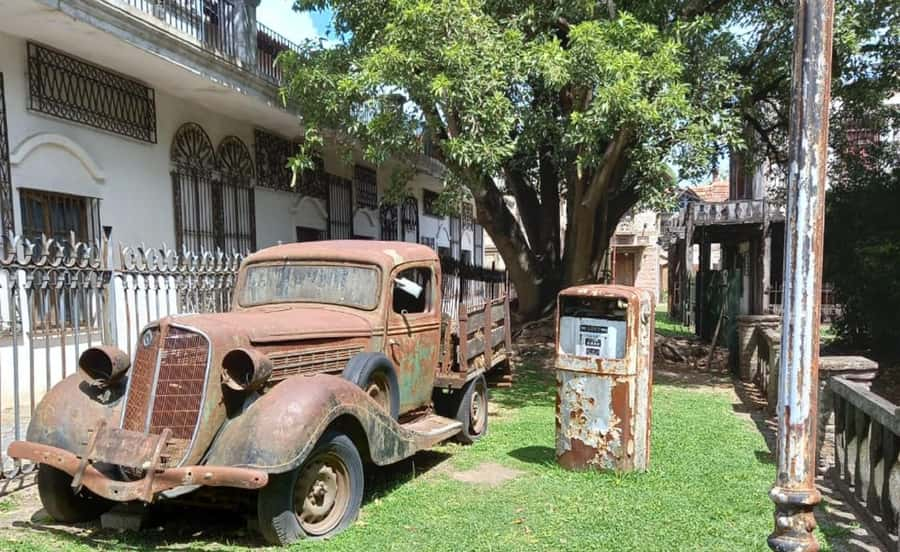
The schedule allows about three hours at Campanópolis. That is a sensible amount of time for the guided tour, museum visits, photography, and free exploration.
You will walk through alleys and around the buildings, so comfortable shoes matter. The site is not simply a viewpoint where you step off the bus, take one photograph, and leave. The tour involves moving through the citadel and seeing several collections.
Recent practical feedback also points to the experience being tiring for young children. There is walking, and children who are restless or noisy may make it difficult to hear the guide. There is no stated age restriction, but I would think carefully before bringing very young children, especially if they are unlikely to manage a three-hour visit with a lot of explanation.
For adults and older children who like strange places, the walking is part of the appeal. You get a better sense of the site by moving through its passages rather than viewing it all from one central point.
The three-hour stop also gives you some freedom. You are not confined to a constant lecture from start to finish. Use the guided portion to understand the story, then use free time to photograph the details that catch your eye.
The language question deserves close attention
The language information needs careful reading. The experience is advertised with Spanish, Portuguese, and English language support, but the guided tour inside the park is specifically offered in Spanish and Portuguese.
If you speak Spanish or Portuguese, you should be able to follow the full local tour. Portuguese-speaking visitors can also expect a dedicated guided experience, which is useful because much of Campanópolis’s appeal comes from the story behind the buildings and objects.
If you speak only English, you will receive a general overview and the main points from the guide. That may be enough if your main goal is to see the unusual architecture and take photographs. It is less ideal if you want detailed explanations of every museum and recycled object.
I would contact the operator before booking if English commentary is essential to you. The transport guide may provide some information on the way, but you should not assume that every part of the park tour will be translated.
Is the $52 price good value?
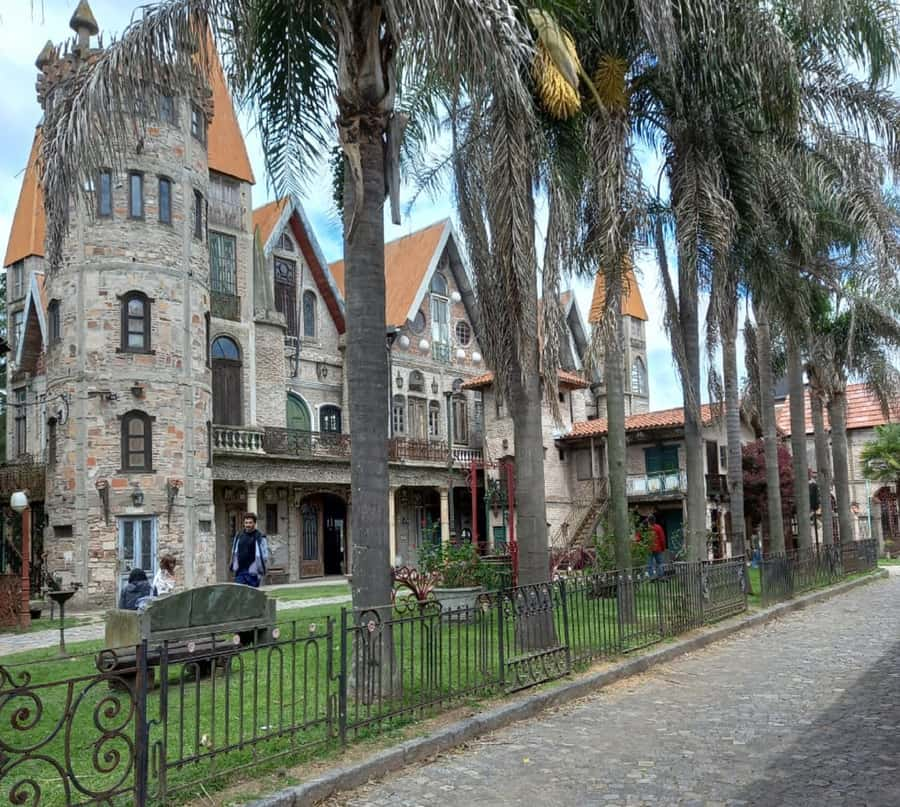
At $52 per person, the tour includes round-trip transport from central Buenos Aires, admission to Campanópolis, and a guide. That is useful value if you want an organized visit and do not want to arrange transport to a site outside the city on your own.
The journey takes about two and a half hours in total, so the price also covers the convenience of getting there and back. You return to Cerrito 628, which makes it easy to continue with plans in central Buenos Aires.
The value depends heavily on your interests. For someone who enjoys unusual architecture, found objects, local stories, and photography, the combination of transport and three hours inside the village makes sense. For someone looking for a major traditional monument, a detailed English tour, or a food-centered day out, the same price may feel less compelling.
Food and drinks are not included. Since options at the park are limited, add a small snack and water to your planning. You also need to account for the half-day schedule, especially on the early Saturday and public holiday departures.
Who should book Campanópolis?
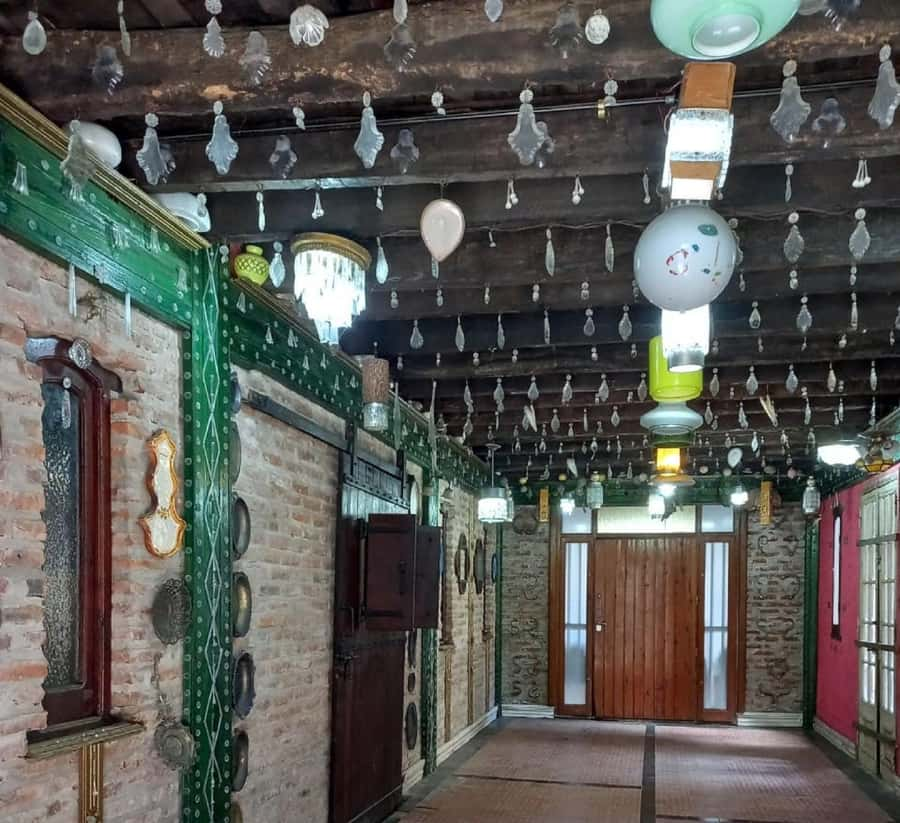
I would recommend this experience to you if you like:
- Unusual architecture and handmade places
- Recycled materials and antique objects
- Photography with a theatrical or fairy-tale feel
- Stories about determined individual creators
- Quirky attractions outside central Buenos Aires
- Guided day trips with transport already arranged
I would be more cautious if you want a full English-language tour. I would also think twice if you dislike walking, have only a short time in Buenos Aires, or expect a conventional historic site with a clear academic presentation.
The tour suits adults and older children best. The strange buildings and secret-looking passages can be exciting for families, but the walking and commentary may be difficult for young children. Since the experience lasts six hours, it is not a quick add-on between major city sights.
Practical timing and booking advice
The activity offers free cancellation up to 24 hours before departure, and you can reserve now and pay later. Those terms help if your Buenos Aires schedule is still shifting.
Check the departure day carefully. The later 11:30 AM start applies on Wednesdays, Thursdays, and Fridays. Saturdays and Argentine public holidays begin at 8:00 AM, and the special morning-only dates listed are March 24 and April 7.
Meet on the sidewalk at Cerrito 628 beside the Teatro Colón. Hotel pickup and drop-off are not included, so you need to reach the meeting point yourself.
Wear shoes suitable for walking and bring water. Add light food for the ride or the visit, since the tour does not include meals and there may not be much to buy at the park.
Should you book this Campanópolis tour?
Book it if you want something genuinely odd and visually memorable, and if you are happy to spend much of the day outside Buenos Aires. The recycled gates, columns, lights, clocks, museums, and stone houses give the place a personality you will not find in a standard city excursion.
I would choose it especially for an organized day trip with Portuguese or Spanish guiding. English-only visitors can still enjoy the buildings and collections, but should book with modest expectations about interpretation. If you bring water, snacks, sensible shoes, and enough patience for the long transfer, the $52 price offers a practical way to see one of the area’s most unusual attractions.
FAQ
Where does the Campanópolis tour meet?
The meeting point is on the sidewalk at Cerrito 628, beside the Teatro Colón in Buenos Aires.
How long does the complete experience last?
The experience lasts about six hours, including transport from Buenos Aires, time inside Campanópolis, and the return journey.
How long is the drive to Campanópolis?
The bus or coach journey takes about 75 minutes each way.
How much time do I get inside Campanópolis?
The visit inside the park lasts about three hours and includes sightseeing, a guided tour, photographs, and free time.
What languages are available?
The activity lists Spanish, Portuguese, and English support. The guided tour inside the park is offered in Spanish and Portuguese. English-speaking visitors receive a general overview and the main points of the site.
What is included in the price?
Admission to Campanópolis, transport from the meeting point and back, and a guide are included.
Are food and drinks included?
No. Food and drinks are not included, so bringing water and light snacks is a practical choice.
Can I cancel the booking?
You can cancel up to 24 hours in advance for a full refund.
What are the departure times?
On Wednesdays, Thursdays, and Fridays, the meeting time is 11:30 AM. On Saturdays and Argentine public holidays, it is 8:00 AM. On March 24 and April 7, the park opens only in the morning, with an 8:00 AM departure.
Just added around Buenos Aires
- Private Airport Transfer In or Out: Aeroparque (AEP)–Buenos Aires★ 5.0 · 73 reviews
- Sailing with Wine Tasting in Buenos Aires★ 5.0 · 50 reviews
- Traditional Argentine FoodTour with optional Michelin Experience★ 4.5 · 56 reviews
- Unique Tailored Tours – The Hummingbird Trip★ 5.0 · 69 reviews
- Experience The Essence of Buenos Aires in San Telmo★ 5.0 · 51 reviews
- Tigre Speedboat – The Delta s Captain – CITYSAILING TIGRE★ 5.0 · 75 reviews
- Private Airport Transfer in or out with english speaking driver.★ 4.5 · 69 reviews
- Tango Porteño Show with Optional Dinner in Buenos Aires★ 4.5 · 58 reviews
Buenos Aires Tours, compared.
Buenos Aires Hop-On Hop-Off Bus and Exclusive Benefits
Read our review →

Browse the lists this tour appears in