
Reviewed · CITY TOURS
Open Bus Cusco City Tour
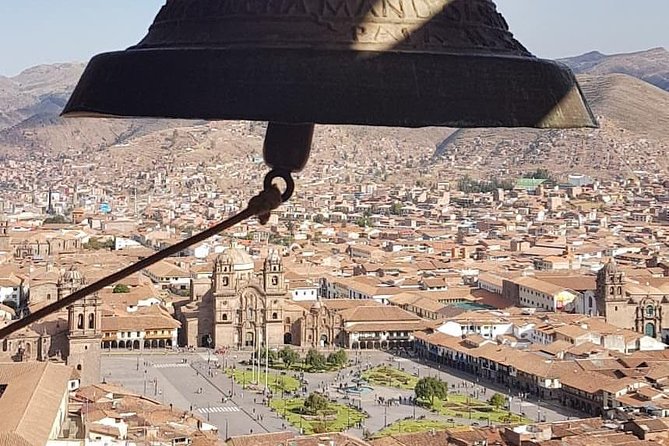
Cusco is easiest to grasp from above, and this open bus tour gives you that quick orientation. You roll from the Plaza de Armas through steep streets and hillside neighborhoods, then reach the Christ statue viewpoint, where the city spreads below you in a bowl of brown hills and red tile roofs. Along the way, the guide points out Inca walls, colonial buildings, and places you could easily miss on foot.
I like the tour for two clear reasons: it covers more ground than a walking tour, and it asks little of your legs while you adjust to Cusco’s altitude. I also like the mix of landmark views and living Andean traditions, including a traditional ceremony and, on some departures, time around alpacas and llamas.
The weak spot is organization. Some departures have started 40 minutes to an hour late, and several stops can feel more like shopping opportunities than sightseeing. English service has also varied, so this is best for you if you can accept a flexible pace and confirm that a bilingual guide is available.
Key points to know before booking
- A three-hour overview: You see central Cusco, hillside viewpoints, Inca remains, and several landmarks without a long day of walking.
- The best view comes at Christ the Redeemer: You get about 10 minutes to walk around, take pictures, and look across the city.
- Most archaeological sites are viewed from the bus: This is sightseeing from the road, not a site-by-site archaeological visit.
- The open upper deck is weather-sensitive: Rain gear is available, but cold wind, rain, and falling temperatures can send you downstairs.
- The cultural ceremony is optional in spirit: You may be invited to join a traditional Andean ritual, but you are free not to participate.
- Timing needs patience: The tour can be good value at $14.09, but I would not schedule another fixed activity immediately afterward.
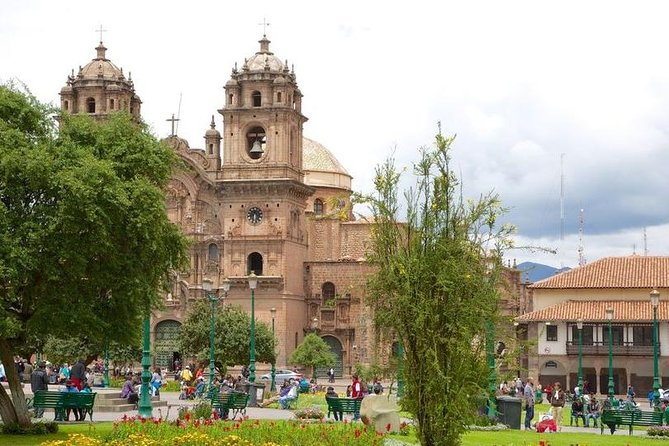
A fast first look at Cusco from the Plaza de Armas
The tour begins at Sta. Catalina Angosta 120, a short walk from the Plaza de Armas. The guide gives you a brief introduction to Cusco’s culture and past before you board the bus.
This opening matters because the main square is more than a pretty place for photographs. It is the city’s central meeting point, framed by arcades, churches, and colonial buildings built over the foundations of the Inca capital. The tour does not linger here, so I would arrive early enough to look around before departure.
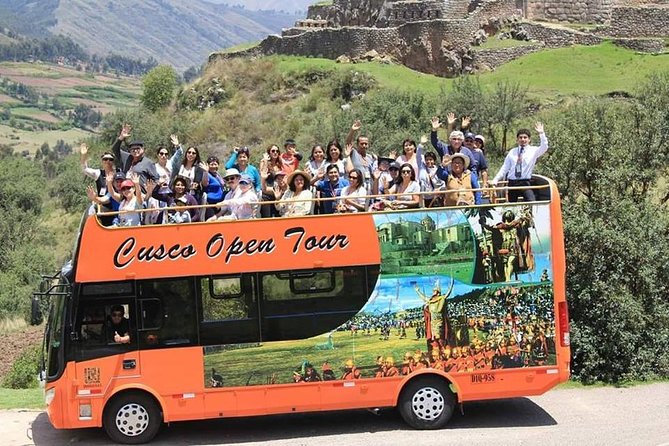
The bus itself is the main attraction. From the upper deck, you get a broad view of rooftops and hills that is hard to find at street level. Cusco’s streets can be narrow, steep, and crowded, so sitting above the traffic gives you a useful sense of how the city fits together.
The lower deck is more practical when the weather turns. Cusco can shift from sun to rain quickly, and the upper level gets cold as the bus climbs. Rain gear is available, but warm layers are still essential, especially for afternoon departures. One afternoon tour became cold enough that everyone moved inside.
More City Tours in Cusco
- Cusco: Half-Day City Tour with Sacsayhuaman and Q’enco
★ 4.6 · 1,129 reviews - City Tour Cusco Qoricancha Sacsayhuaman y Tambomachay
★ 4.7 · 617 reviews - Cusco: Sightseeing Tour of the City on an Open-Top Bus
★ 4.0 · 481 reviews
Sacsayhuamán and the Inca walls from the road
The route heads beyond the historic center toward the hills above Cusco. You pass through local areas where daily life continues away from the postcard center, and the guide explains how local customs have survived through the Inca, colonial, and modern periods.
A major highlight is the view toward Sacsayhuamán, the great Inca fortress above the city. The bus makes a brief stop or viewing pause, but you stay onboard. That distinction is important. You are not walking among the enormous stone walls or studying the site at close range. You are seeing the fortress from the road while the guide explains its place in Cusco’s past.
I find this useful as an introduction, especially if you are still tiring easily at high altitude. You can see the scale and position of Sacsayhuamán without a steep archaeological-site walk. If your main goal is detailed study of the fortress, though, book a separate visit and allow much more time.
The bus continues through other points of interest outside the center. The route offers an overview rather than a careful stop at every monument. Traffic can affect what you hear and when you reach each place, so the commentary may not always line up perfectly with the view outside.
Christ the Redeemer delivers the tour’s best panorama
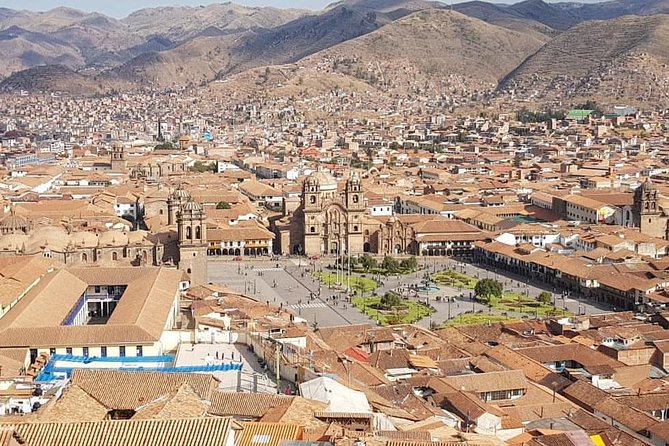
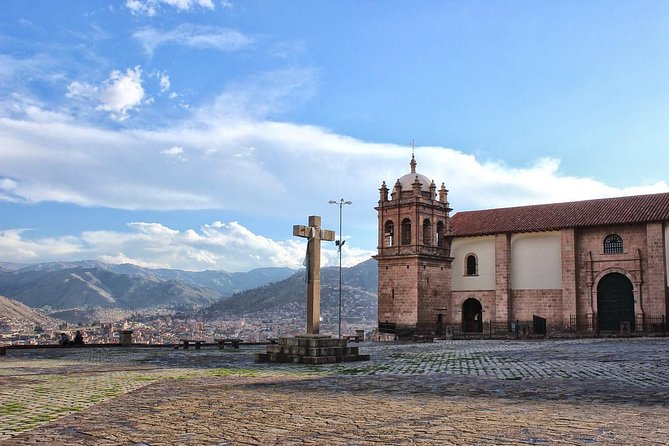
The main sightseeing stop is the Christ statue, often called Cristo Blanco or Christ the Redeemer. You get about 10 minutes to leave the bus, walk around, take photographs, and look down over Cusco.
This is the moment I would value most on the tour. From here, the city’s layout makes sense. The Plaza de Armas sits below, the tiled roofs spread outward, and the surrounding hills show how enclosed Cusco is. After walking narrow streets in the center, the open view gives you a welcome change of scale.
Ten minutes is enough for photographs and a quick look, but not enough for a long visit. Keep your belongings together and listen for the boarding time. The stop is designed as a viewpoint, not a full excursion.
The elevation also makes the stop colder than you might expect. Even if the square was warm when you left, take a fleece or jacket. Wind on the upper deck and at the viewpoint can make the return ride uncomfortable.
Paccha, the Great Mural, and Qorikancha
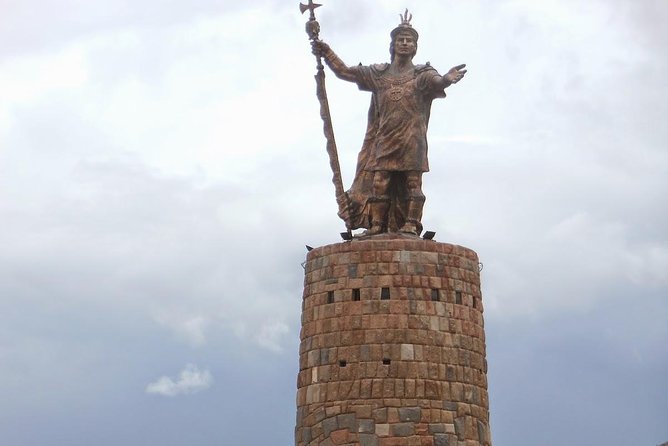
After the viewpoint, the bus drives through Paccha, an important area of Cusco. The tour then passes the Great Mural of Cusco, a large painted work showing parts of Inca history and the Spanish conquest.
This section is best seen as a moving introduction to the city’s story. You will not have a long stop to study the mural, but the guide helps connect what you see with the larger conflict between Inca society and Spanish rule. That context can make later visits to museums, churches, and archaeological sites more meaningful.
The route also passes Qorikancha, the Inca temple that was among the most sacred places in the empire. The Spanish built a church over it while retaining parts of the original foundation. From the bus, the guide explains how the colonial structure sits on that Inca base.
Again, you should set expectations correctly. The tour passes the temple rather than giving you an interior visit. If you want to inspect the stonework, the temple walls, and the church in detail, save time for a separate visit in central Cusco.
More City Tours in Peru
- Cusco: City Tour | Half-Day Tour to 4 Archaeological Sites
★ 4.6 · 206 reviews - City Tour in Cusco & visit Museum South American Camelid Private.
★ 5.0 · 147 reviews - Cusco City Sightseeing, San Pedro Market, Cathedral and Qorikancha Temple
★ 4.5 · 139 reviews - Cusco: Half-Day City Tour
★ 4.2 · 129 reviews
The ceremony adds culture, but the setting may surprise you
One of the more unusual parts of the trip is a traditional Andean ceremony. A local practitioner may offer a blessing or ritual connected with Pachamama, or Mother Earth. Coca leaves and other symbolic elements may be part of the presentation, and some departures include alpacas or llamas nearby.
I see value in this because it presents Andean culture as something still practiced, not only as a museum subject. The experience can feel moving and personal. One guide, Paulo, was praised for explaining the ceremony and switching among several languages quickly. Victor has also been singled out for providing clear English interpretation during a Spanish-speaking departure.
But you should know what kind of stop this is. It may take place in a simple workshop or covered area, and there can be an attached shop selling alpaca textiles and other goods. Some people enjoy the chance to support local makers and buy a scarf. Others feel pressured by donation requests or sales pitches.
You are free not to participate in the ritual. If you do join, treat it respectfully and ask what is happening before stepping forward. I would also carry small bills only if you want to make a voluntary donation, and remember that a donation is not the same as a required fee.
Shopping stops can affect the tone of the outing
The ceremony and craft stop are not always separate from commerce. The tour can include a gift shop, textile displays, photographs, or attempts to sell small items on the bus. This is the part most likely to frustrate you if you want a pure sightseeing ride.
The sales activity does not erase the useful parts of the trip, but it changes the balance. At $14.09, the low price makes more sense if you see the outing as a shared orientation ride with cultural extras, not as a private historical tour. You are paying for transport, a guide, and access to viewpoints, while the business also uses some stops to support sales.
I would set aside the afternoon for the tour rather than trying to rush through it. One departure returned more than an hour late, and another began roughly an hour behind schedule. Maintenance and waiting for late arrivals have both caused delays.
What the bilingual guiding is really like
The tour is advertised with a bilingual guide, and several departures have had strong English service. Guides such as Paulo and Victor have been praised for explaining Cusco’s history clearly in English and Spanish. A good guide can make the passing views worthwhile, especially when the bus cannot stop.
Still, language quality has not been consistent. Some people have received little English, while others have found the commentary hard to hear over traffic, music, or diesel noise. One departure was described as almost entirely in Spanish, with confusion about instructions and boarding.
I would confirm the language at the start and sit close enough to the guide or speaker to hear clearly. If English explanation is essential to your enjoyment, this inconsistency is the biggest risk. The experience provider has said it is working to improve language training, but you should still keep expectations practical.
The group limit is 24 people, which is fairly small for a bus outing, though a full vehicle can feel crowded. The upper deck gives the best view, but seats there are exposed to wind, sun, rain, and cold. The lower level is warmer and more stable, but you lose much of the panoramic effect.
Why the $14.09 price can be good value
The price is the strongest argument for booking. For $14.09, you get about three hours of transport, a bilingual guide, a city overview, a high viewpoint, and a look at several sites outside the center. A taxi-based private outing covering the same general area would cost more, while a walking tour would not cover as much ground with so little physical effort.
The value drops if you expect entry to archaeological sites. Admission is not the issue here because you generally do not go inside those sites. You see them from the bus, hear an explanation, and continue along the route.
Food and drinks are not included, and personal purchases are your responsibility. Gratuities are optional. I would eat before boarding or carry water, especially if altitude affects your appetite or energy.
This is also a sensible low-energy activity after a demanding visit to Machu Picchu. You can remain seated for much of the trip and still see parts of Cusco that would take effort to reach on foot. It can also help you get oriented on your first day in the city.
Timing, meeting point, and the final stop
The tour ends at Calle Saphy 661, about two blocks from the main square. That is a handy location for returning to central Cusco, finding a restaurant, or continuing your own walk.
The meeting point is near the Plaza de Armas, but the bus may not be parked directly beside the stated address. Some departures have involved a walk to the actual boarding point, and the pace has felt fast for people carrying bags or adjusting to altitude. I would arrive early, remain near the meeting point, and ask staff where the orange bus will board.
The provider identifies its vehicles as the orange Cusco Open Tour buses. Looking for that color can help when the street is busy. Service animals are allowed, the tour is near public transportation, and most people can participate, but the route includes a walk to the bus and short uphill sections.
Free cancellation is available if you cancel at least 24 hours before the scheduled start. Changes or cancellations inside that window are not refunded.
Who should book this Cusco bus tour?
I would recommend it to you if you want a quick city orientation, prefer sitting to walking, or are still getting used to Cusco’s altitude. It works particularly well after Machu Picchu, when you want to see more of the city but do not have much energy left.
It is also a good fit if you enjoy broad views, passing commentary, and a taste of living Andean culture. The Christ statue viewpoint and upper-deck ride can make the $14.09 fare worthwhile by themselves.
I would skip it if you need a tightly timed schedule, a fully English-led experience, or detailed visits inside archaeological sites. I would also avoid booking it immediately before a flight, train, dinner reservation, or paid activity. The itinerary can run late, and the shopping or ceremony stops may take longer than you expect.
My practical advice is simple: bring a warm layer, water, and patience. Sit upstairs when the weather is good, move downstairs when it turns cold, and treat the ceremony as optional. Book it for your first or second day in Cusco if you want to see the city quickly, but choose a dedicated walking or archaeological tour later for deeper study.
FAQ
How long does the Open Bus Cusco City Tour last?
The tour lasts approximately three hours, though past departures have sometimes started late or returned behind schedule.
Where does the tour begin?
It begins at Sta. Catalina Angosta 120 in Cusco, near the Plaza de Armas. You may walk from the meeting point to the actual bus boarding location.
Where does the tour end?
The tour ends at C. Saphy 661, about two blocks from Cusco’s main square.
Does the tour enter the archaeological sites?
No. You pass sites such as Sacsayhuamán and Qorikancha, with explanations from the guide, but the itinerary mainly views them from the bus.
Is the guide bilingual?
The tour includes a bilingual guide, but the amount and clarity of English can vary by departure. Guides including Paulo and Victor have provided English interpretation on some tours.
What happens if the weather changes?
The bus has rain gear, and you can move to the enclosed lower section if the upper deck becomes wet or cold. Warm clothing is strongly recommended, especially for later departures and higher viewpoints.
Just added around Cusco
- rainbow mountain full day★ 5.0 · 44 reviews
- Rainbown mountain cusco 1 Day★ 4.5 · 72 reviews
- Manu National Park Tour 4days/3night★ 5.0 · 69 reviews
- Tour to the HUMANTAY LAGOON from CUSCO★ 5.0 · 35 reviews
- Vegan Peruvian Cooking Class Cocktails and Local Market in Cusco★ 5.0 · 46 reviews
- Cusco Private Airport Transfer: Fast, Reliable Hotel Drop-Off★ 5.0 · 80 reviews
- 1 Day Tour to Palccoyo (Alternative Rainbow Mtn) from Cusco, Peru★ 5.0 · 53 reviews
- 5-Day: Salkantay Trek to Machupicchu and Humantay Lake★ 5.0 · 42 reviews
City Tours, compared.
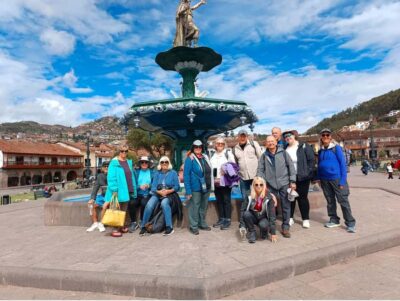
Cusco: Half-Day City Tour with Sacsayhuaman and Q’enco
Read our review →
Private City Tour, Monserrate, Emerald and Botero
Read our review →
City Sightseeing Hop-On Hop-Off Bus Tour & Extras
Read our review →
City Tour Cusco Qoricancha Sacsayhuaman y Tambomachay
Read our review →
Main City Sights in 7 Hours – Shared Group Tour
Read our review →Browse the lists this tour appears in