
Reviewed · AMAZON RAINFOREST TOURS
4-Day Inca Jungle Adventure, Mountain Biking, Rafting and Zipline
The best thing about this four-day trip is the way it reaches Machu Picchu by a string of active adventures instead of one long trail. You’ll leave the cold heights near Abra Málaga, coast downhill by bicycle, pass coffee and fruit farms, cross warm river valleys, and arrive at the Inca citadel after hiking through tropical forest.
I like the variety of transport, especially the 4,316-meter bike descent and the long walk beside the railway to Aguas Calientes. I also like the small-group limit of 15, since it gives the guide room to manage breaks and help with gear. The tradeoff is simple: this is a physically demanding trip with basic shared hostels, early starts, and several important costs outside the listed price.
Key points to know before booking
- Abra Málaga to Huamanmarca: A mostly downhill bike ride with mountain views, changing weather, and equipment provided.
- Five-hour jungle hike: You’ll pass coca, coffee, cassava, banana, papaya, citrus, pineapple, and mango farms.
- Rafting and zipline: Both add action to the route, with rafting on the first day and a roughly two-hour zipline on the second.
- Machu Picchu timing matters: The listed package does not include the main entrance, and your circuit and entry time depend on availability.
- Three nights of simple lodging: Expect hostal-style rooms rather than comfortable hotels, with the first night described as especially basic.
- Pack light: You carry your own things through several long walks, so a compact backpack matters more than a large suitcase.
From 4,316 meters to the tropical valley
Pickup from your Cusco hotel comes between 6:00 and 7:00 a.m. The first leg heads toward the Sacred Valley, with a stop in Ollantaytambo after about an hour. This is your chance to buy breakfast and make final purchases before the road climbs toward Abra Málaga.
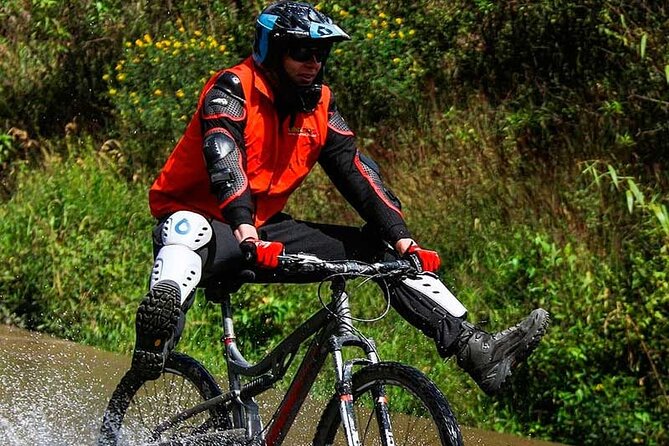
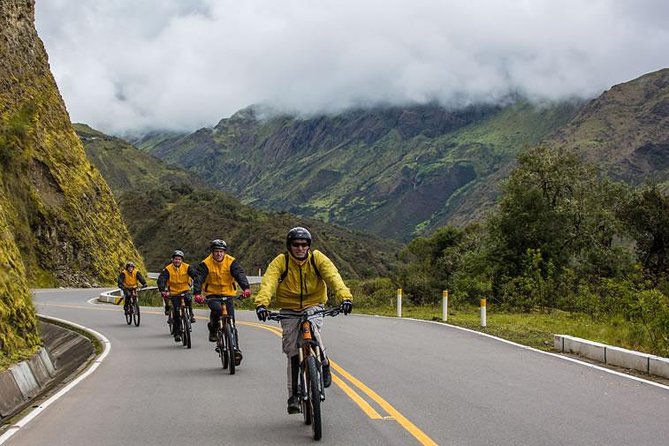
At 4,316 meters, you begin the bike ride. The route takes about two and a half hours and is mostly downhill, making it friendly to riders with basic cycling experience. You still need control and stamina, though. Cold mountain air, changing road conditions, and the length of the descent can wear you down before lunch.
The guide provides the biking equipment. At Huamanmarca, you stop at an archaeological site, leave the bicycles, and hear about the remains before continuing by vehicle toward the warmer Amazonian foothills. The change in climate is one of the pleasures of the day. You move from high-altitude cold to fruit fields and river country within hours.
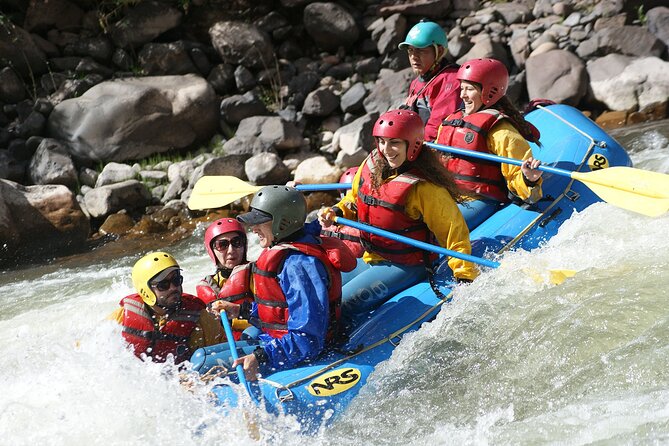
Rafting is also included in the package. The schedule describes the first day as a bike and rafting day, with lunch and the overnight stay in Santa María. The rafting adds a few rapids and a welcome splash after the long descent. Ask at the pre-departure briefing exactly when the rafting portion runs, since the written day-by-day description gives more detail about the cycling than the river section.
Your first night is in Santa María. This is the weakest accommodation point in the trip. Expect a very basic shared hostel, and cold water may be an issue. After biking and rafting, that matters. Bring a small towel, soap, and a change of dry clothes so the evening feels easier.
More Amazon Tours in Peru
- 07 Day: Inca Jungle Adventure with Mountain Bike, Rafting, Zipline & Trek
★ 5.0 · 36 reviews - Tambopata Peruvian Amazon Jungle for Three Days/Two Nights
★ 4.5 · 329 reviews - Puerto Maldonado: 4-Day Tambopata Rainforest Tour
★ 4.6 · 213 reviews
Coffee farms and the Wankar Q’asa canyon
Day two begins after breakfast with a walk toward Waka Yupana. The total hike takes about five hours. The opening two hours are described as fairly easy, followed by about two hours of uphill walking and a final hour descending to the point where transport meets you.
This is a good day for seeing how people live and work in the valley. You pass fields of coca, coffee, cassava, annatto, and tropical fruit. The route also includes banana, papaya, citrus, pineapple, and mango plantations. I like this part more than a trail that simply leads from one viewpoint to another, because the farms give the walk a human scale.
The most striking view comes near the Wankar Q’asa canyon. Your guide explains the crops and local setting, though you should expect practical commentary rather than a long academic lecture. The group size helps here. With no more than 15 people, the guide can set a reasonable pace and stop when the group needs water or rest.
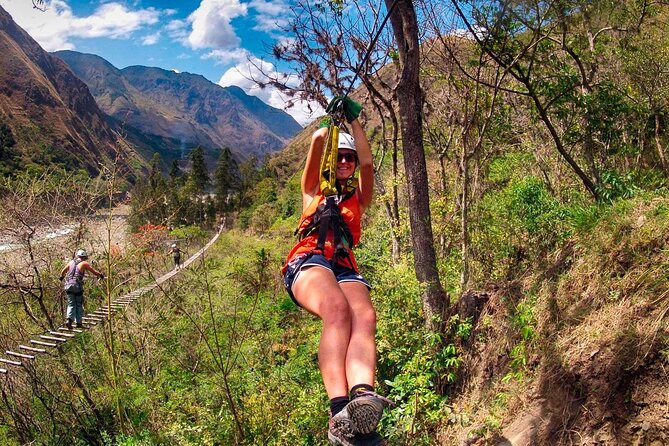
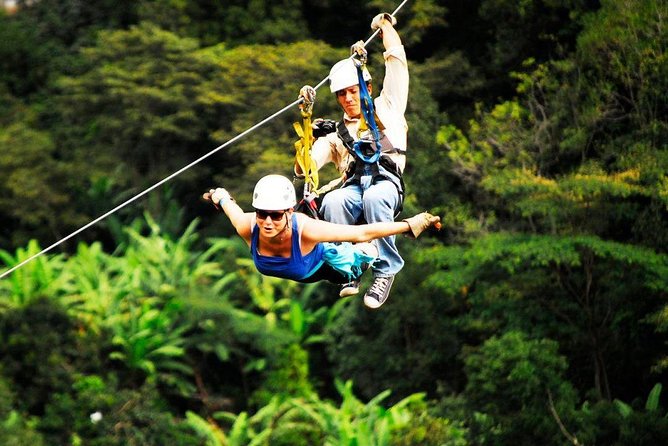
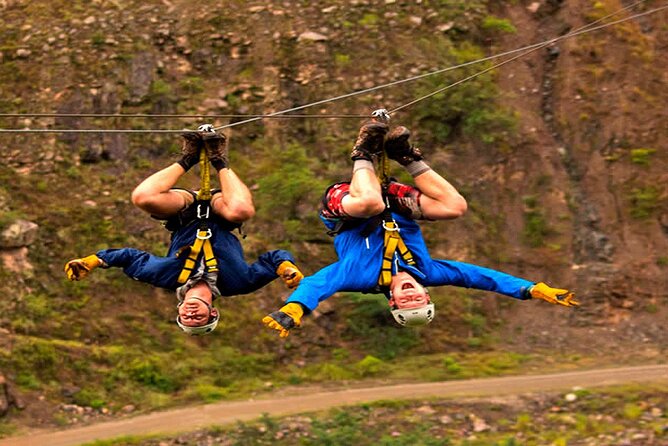
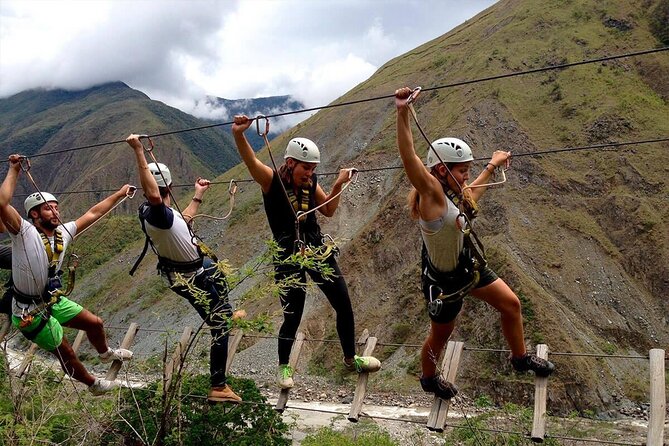
Lunch comes in Santa Teresa. In the afternoon, you take on the zipline, which lasts about two hours. You wear a waist harness and travel on a pulley high above the river. It is a clear change of pace from the morning hike, with less effort in your legs but a stronger need to follow safety instructions and stay calm at height.
The day ends at Cocal Mayo Thermal Baths, an optional stop that costs about 30 Peruvian soles according to the supplied account. The clear pools and different water temperatures make this a smart extra after the hike and zipline. It is not included in the tour price, so keep some cash handy.
Santa Teresa has the best of the three hostels according to the available trip details, though it remains simple. Food is included, with breakfast, lunch, and dinner covered on this day. Portions and quality can vary, so carry snacks purchased in Ollantaytambo or along the route.
Llactapata and the railway walk to Aguas Calientes
Day three starts early, with breakfast at 5:30 a.m. Local transport takes you about 45 minutes to Lucmabamba. From there, you explore tropical forest and an organic coffee farm before setting out toward Llactapata.
The coffee stop is a small but useful touch. You can try fresh coffee and see agriculture up close before the trail turns more demanding. The climb to Llactapata takes about two hours and 50 minutes, followed by roughly two hours downhill. This is a proper hiking day, not a gentle transfer with a short walk attached.
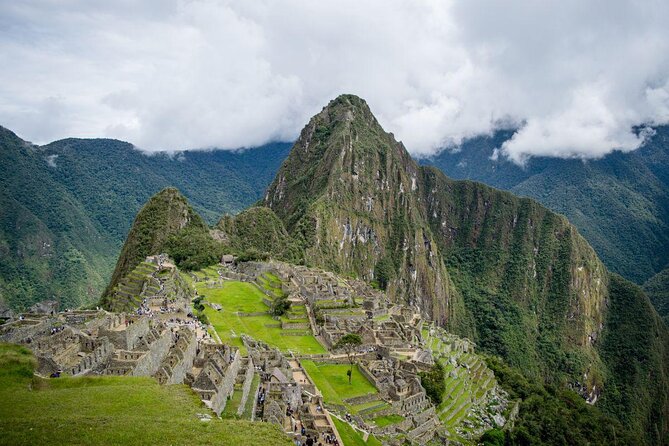
Llactapata gives you an important visual connection to Machu Picchu. As you descend, you can see the citadel area from across the valley. The view helps you understand the setting before you arrive, and it makes the final approach feel earned rather than mechanical.
Lunch is at the Hidroeléctrica train station. Afterward, you pass Intiwatana, an ancient rock associated with Inca timekeeping. The route then follows the railway toward Aguas Calientes. This walk takes about two hours and is mostly a long approach rather than a mountain trail.
If your legs are finished, you can take the train to Aguas Calientes, but that ticket is not included. If you still have energy, you can walk beside the railway. The choice gives you some control over the day, although the extra train cost is worth considering before you start.
You spend the night in Aguas Calientes, the base town for Machu Picchu. The third accommodation is again described as basic, and food portions may feel lighter than on the earlier days. Keep your passport accessible, since you need it to enter Machu Picchu.
The final climb to Machu Picchu
The last day starts around 4:00 a.m. You receive a packed breakfast and walk about 30 minutes to the Puente Ruinas checkpoint. From there, a steep stair climb takes about an hour to the main entrance. Depending on your fitness, the full approach can take closer to one and a half or two hours.
You can pay separately for the bus from Aguas Calientes to Machu Picchu. The round-trip bus costs about $24 per person according to the supplied details. The bus saves energy and time, but the stairs are a fitting final push if you want to arrive under your own power.
Inside the citadel, the guide leads a roughly two-and-a-half-hour visit through the main sectors. The exact route depends on the circuit assigned to you and on availability. Circuit 2 is particularly important because it provides access to the main classic viewing areas described in the supplied trip account. Circuit 1 can offer a more limited experience, so ask your agent about your circuit and entry time before you leave Cusco.
An early entry is also worth requesting. A 7:00 a.m. Circuit 2 slot was described as an excellent arrangement, while later times can be busier. You cannot assume you will receive that time, so confirm the booking details rather than treating them as automatic.
Huayna Picchu is another optional add-on. The supplied price is $79 per person when arranged through the company, or about 200 soles in the practical trip advice. This ticket provides access to the mountain and a steep climb with broad views. It is not part of the standard package, and you should only add it if you are comfortable with another demanding ascent after the main visit.
After Machu Picchu, lunch is on your own in Aguas Calientes. The train to Ollantaytambo is included, followed by the company bus to Cusco. The train ride takes about two hours, and the complete return can make this a late night. Check the departure time before finalizing your plans. A 3:00 p.m. train leaves more room for lunch and time in town, while a 7:00 p.m. departure may not get you back to Cusco until around 10:00 p.m.
More Bike Tours in Peru
- Lima Bike Tour Miraflores – Barranco + Huaca Pucllana!
★ 4.5 · 137 reviews - Lima Bike Tour in Miraflores & Barranco – Shared small group
★ 5.0 · 129 reviews - Lima Bike Tour: La Costa Verde & Jesus Statue in Chorrillos
★ 4.9 · 117 reviews - Bike Tour Lima | Ride along Miraflores & Barranco
★ 5.0 · 74 reviews
What the $378 price really covers
At $378 per person, the tour is priced as an activity-heavy route rather than a comfort-focused holiday. The package includes hotel pickup, transport from Cusco to Abra Málaga, bikes and biking support, rafting, zipline, an experienced Inca Jungle guide, three hostel nights, meals, the Machu Picchu cultural guide, the train from Aguas Calientes to Ollantaytambo, and the bus onward to Cusco.
That is a fair amount of transport and activity for four days. You avoid arranging several separate transfers, and the group limit keeps the operation from feeling like a large convoy. Meals and lodging also simplify the planning.
The headline price does not cover the main Machu Picchu admission. The exact entrance cost is not stated in the supplied information, and the package notes that the circuit depends on availability. The bus from Aguas Calientes to Machu Picchu is extra, as are the Cocal Mayo hot springs and Huayna Picchu. Lunch in Aguas Calientes is also on your own.
The value improves if you plan to bike, raft, zipline, and hike anyway. It is less attractive if you mainly want a comfortable route to Machu Picchu. You are paying for action and organization, not polished rooms or relaxed mornings.
Packing for four active days
You will carry your own belongings through the route, so use a decent daypack with a two-liter water bladder. Keep clothing light and quick-drying. The valley is warmer and more humid than Cusco, even though the places are relatively close on a map.
Useful items include:
- Hiking boots and two pairs of good hiking socks
- One pair of long hiking pants and swim shorts
- Three or four sweat-wicking shirts
- Sun hat, sunglasses, sunscreen, and mosquito repellent
- Toothbrush, toothpaste, soap, and a small towel
- Phone or camera, charger, passport, and cash
- A waterproof jacket and light base layer, even if you may not use them
The supplied advice favors two high-quality pairs of socks over a large wardrobe. That is sensible. Your pack should contain enough for the four days without becoming a burden on the steep sections and railway walk.
Who will enjoy this route most
I would choose this trip if you want Machu Picchu to be part of a larger physical adventure. It suits people who can manage five to eight hours of activity on several days, handle early mornings, and accept simple lodging.
It is also a good fit if the Inca Trail is unavailable or if you want more variety than a single trekking route. The cycling, river rafting, zipline, coffee farms, hot springs, and railway approach each give the trip a different character.
I would think twice if you need private rooms, reliable hot showers, generous meals, or a slow schedule. The tour asks you to accept basic hostels and long transfers in return for a packed four days. Strong physical fitness is required, and the steep Machu Picchu stairs come after three active days.
The listed cancellation terms allow a full refund if you cancel at least 24 hours before the start time. Changes or cancellations inside that window are not accepted for a refund.
Should you book this Inca Jungle Adventure?
Book it if you want a busy, active route with a strong mix of cycling, rafting, hiking, ziplining, and Machu Picchu. The small group, included meals, included train, and organized transfers make the $378 starting price reasonable once you understand the extra fees.
Before paying, confirm three things: your Machu Picchu entrance and circuit, your entry time, and your train departure from Aguas Calientes. I would request an early Circuit 2 slot, budget for the Machu Picchu bus or prepare for the steep walk, and decide in advance if Huayna Picchu is worth the added climb.
Skip it if comfort matters more than adventure. Choose it if you want your approach to Machu Picchu to include river valleys, farm paths, mountain biking, and a little mud and sweat along the way.
FAQ
Is the Machu Picchu entrance included?
No. The main Machu Picchu admission is not included in the stated price. The available circuit depends on availability, so confirm the entrance arrangement with the tour agent.
Is the bus from Aguas Calientes to Machu Picchu included?
No. The round-trip bus costs about $24 per person. You can instead walk from Aguas Calientes to the entrance, including a steep stair section.
Is Huayna Picchu included?
No. Huayna Picchu requires a separate ticket. The supplied information gives a price of $79 per person through the company, or about 200 soles in the trip advice.
How large is the group?
The maximum group size is 15 people.
What meals are included?
The package includes three breakfasts, three lunches, and three dinners. Lunch in Aguas Calientes on the final day is not included.
Is the train to Aguas Calientes included?
The listed package includes the train from Aguas Calientes to Ollantaytambo. On day three, the optional train from Hidroeléctrica to Aguas Calientes is not included.
How fit do I need to be?
You should have a strong level of physical fitness. The route includes a bike descent, rafting, a five-hour hike, a two-hour zipline activity, a forest hike to Llactapata, a railway walk, and steep stairs to Machu Picchu.
More Rafting Trips in Cusco
- Cusco Rafting and Zipline Adventure
★ 4.5 · 47 reviews - Arequipa: Chili River White Water Rafting with Hotel Pickup
★ 4.8 · 329 reviews - Mendoza: 12-KM River Rafting Tour in the Andes
★ 3.9 · 94 reviews - Rio de las Vueltas Rafting Experience – El Chalten
★ 5.0 · 92 reviews
More Amazon Tours in Cusco
- Rio de Janeiro: Guided Jeep Tour through Tijuca Rainforest
★ 4.3 · 740 reviews - Paraty: Jungle Waterfalls and Cachaça Distillery Jeep Tour
★ 4.7 · 491 reviews - From Manaus: One-Day Amazon Jungle Experience
★ 4.8 · 408 reviews - Manaus: Full-Day Tour on the Amazon River
★ 4.2 · 362 reviews
Just added around Cusco
- rainbow mountain full day★ 5.0 · 44 reviews
- Rainbown mountain cusco 1 Day★ 4.5 · 72 reviews
- Manu National Park Tour 4days/3night★ 5.0 · 69 reviews
- Tour to the HUMANTAY LAGOON from CUSCO★ 5.0 · 35 reviews
- Vegan Peruvian Cooking Class Cocktails and Local Market in Cusco★ 5.0 · 46 reviews
- Cusco Private Airport Transfer: Fast, Reliable Hotel Drop-Off★ 5.0 · 80 reviews
- 1 Day Tour to Palccoyo (Alternative Rainbow Mtn) from Cusco, Peru★ 5.0 · 53 reviews
- 5-Day: Salkantay Trek to Machupicchu and Humantay Lake★ 5.0 · 42 reviews
Amazon Rainforest Tours, compared.
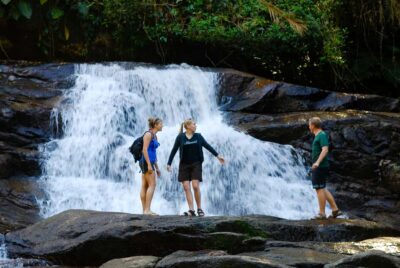
Jungle Waterfalls and Cachaça Distillery Jeep Tour
Read our review →
Tambopata Peruvian Amazon Jungle for Three Days/Two Nights
Read our review →
Puerto Maldonado: 4-Day Tambopata Rainforest Tour
Read our review →
Iguazu Falls: Argentinian Side with Boat Ride, Jungle-truck and Train
Read our review →Browse the lists this tour appears in