
Reviewed · TICKETS
Cochahuasi Animal Sanctuary® Admission Ticket
Cochahuasi is not a polished zoo. It is a working refuge for animals rescued from abuse, illegal trafficking, abandonment, and human captivity. The stories can be hard to hear, especially the pumas once kept in a Lima disco whose teeth and claws were removed. The sanctuary even made dentures so they could eat meat again.
I love the personal guiding and the chance to see Andean animals at close range. I also like that the visit explains which animals may return to the wild and which need permanent care. The main drawback is that some enclosures look small or poorly maintained, so this may not suit you if you expect a modern wildlife park.
Key points to know before you go
- Pumas with a painful past: Some rescued pumas suffered severe abuse, including the removal of their teeth and claws.
- A short, focused visit: Plan on about 45 minutes to 1 hour 30 minutes, depending on your pace and the guide.
- A local guide is included: The guide walks you through the sanctuary and explains each animal’s history and current condition.
- A useful Cusco side trip: The sanctuary is about 30 minutes from Cusco by car, making it an easy half-day outing if you arrange a return ride.
- More than a photo stop: You may see condors, bears, monkeys, llamas, alpacas, and pumas while learning about rescue and rehabilitation.
- Expect basic facilities: The center is a refuge first, not a slick attraction, and enclosure quality may vary.
Why Cochahuasi is more than an animal stop
The most meaningful part of Cochahuasi is the reason the animals are there. These are not simply creatures collected for display. They were rescued from mistreatment, illegal trafficking, abandonment, or lives that made survival in the wild impossible.
That distinction matters. A sanctuary can look less attractive than a zoo because its purpose is different. The goal is to provide safety and care for animals that have already suffered, while giving some a chance to recover enough for release.
You will learn that not every rescue can go back to nature. Injuries, missing survival skills, and strong human imprinting can make release unsafe. Animals that cannot cope in the wild need a permanent home, and places such as Cochahuasi fill that difficult role.
The experience is best approached with realistic expectations. You are coming to understand the animals’ stories and conservation work, not to see a perfectly landscaped park with large, hotel-like habitats.
A few more Cusco days worth comparing
- Cusco: Humantay Lake Tour with Breakfast and Buffet Lunch
★ 4.9 · 2,976 reviews - Cusco: Half-Day City Tour with Sacsayhuaman and Q’enco
★ 4.6 · 1,129 reviews - From Cusco: Vinicunca Rainbow Mountain ATV Tour with Meals
★ 4.6 · 1,060 reviews
The guided walk through rescued Andean wildlife
Your visit begins at Cochahuasi Animal Sanctuary, where a local guide takes you around the grounds. The guide explains the history of the animals, what happened to them, and whether rehabilitation or release is possible.
The walk usually takes about 45 minutes, though you can spend closer to 90 minutes if you move slowly, ask questions, or take time at the enclosures. The group limit is 15 people, which keeps the visit fairly manageable and gives you a better chance to hear the guide.
One especially helpful part of the visit is the context. Without a guide, you might see a puma, bear, or condor and simply move on. With the explanations, you understand why the animal is there and what care it requires.
English-language guiding is available in at least some visits, and one guide was described as speaking excellent English. Since a particular guide is not guaranteed, it is sensible to confirm language needs when booking.
The owner may also lead the walk. When that happens, you get a direct explanation of the sanctuary’s work and can ask detailed questions about the animals. Again, this depends on the day, but the small scale of the place gives the visit a personal feel.
The animals you are likely to see
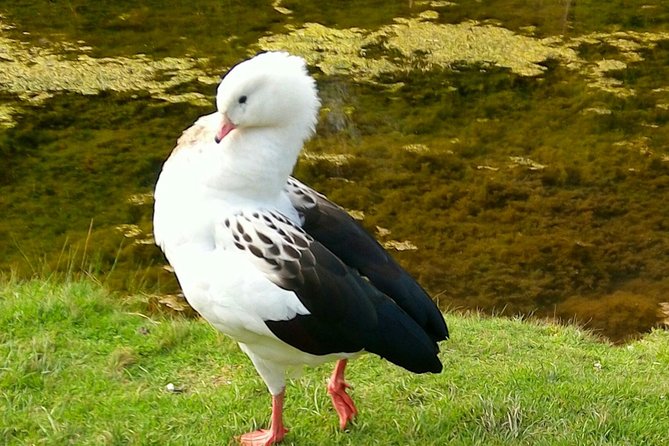
Cochahuasi cares for a range of animals associated with Peru and the Andes. The larger residents include pumas, bears, and condors, while monkeys, llamas, and alpacas add variety.
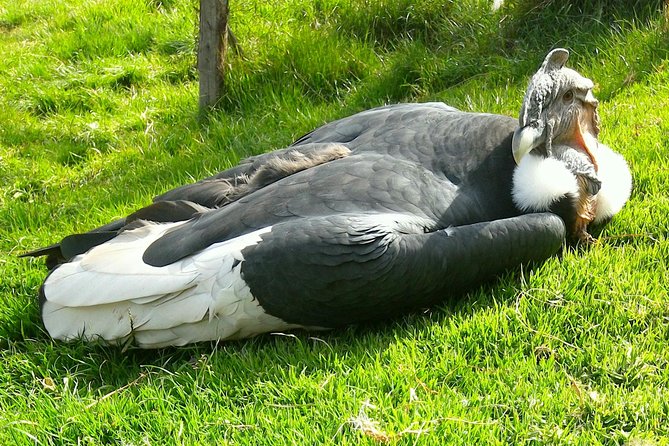
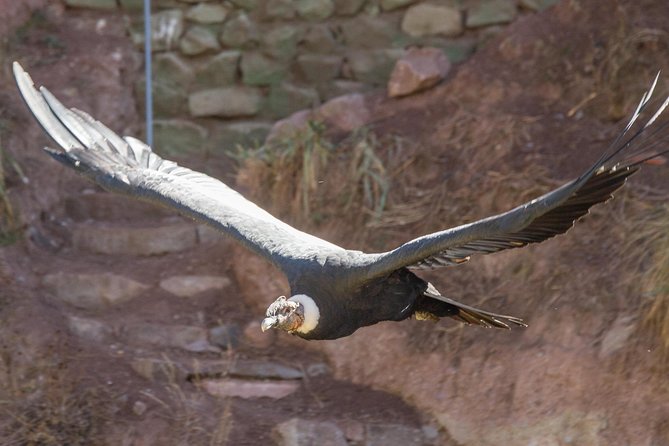
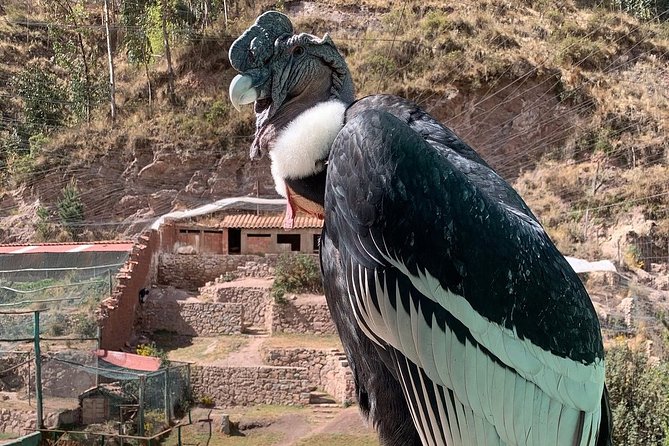
The condors are a major highlight. Seeing these large birds at close range gives you a much better sense of their size than a distant sighting in the mountains. You can also learn about their condition and why a rescued bird may or may not be able to return to the wild.
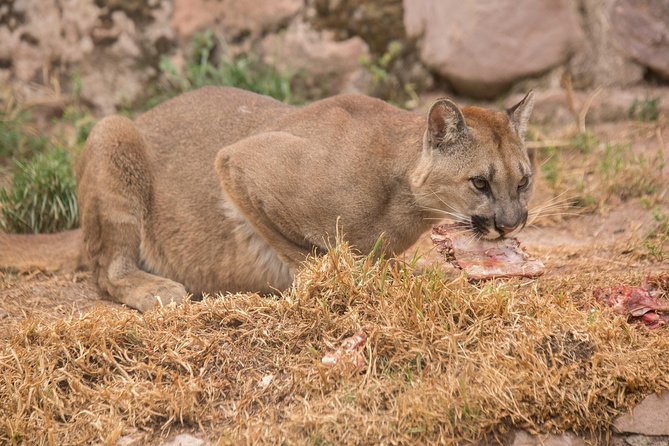
The pumas carry some of the most difficult stories. Two were reportedly kept in a Lima disco and had their teeth and claws removed. The sanctuary arranged dentures so they could eat meat, a striking example of the long-term care that rescued animals may need.
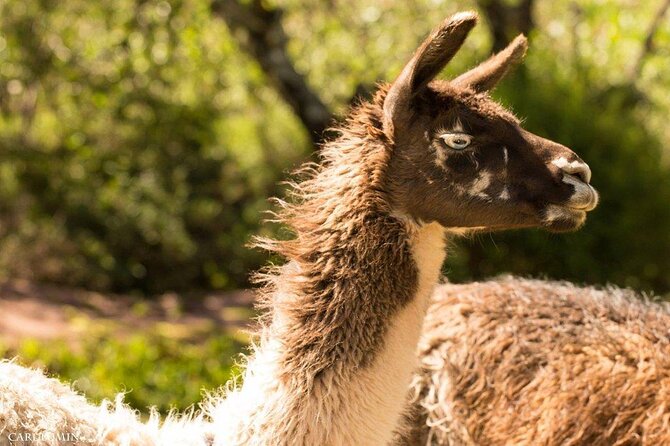
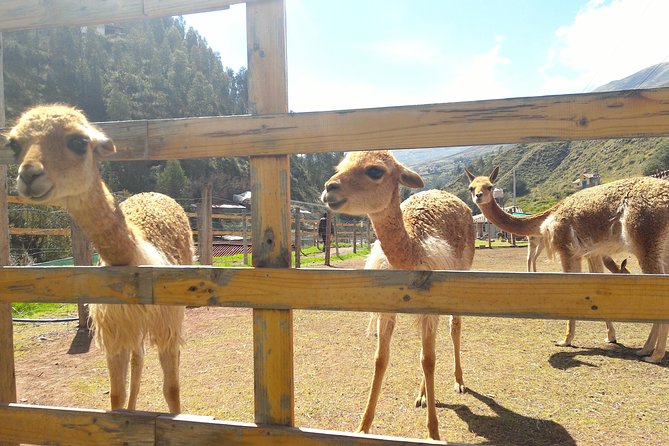
Llamas and alpacas offer a gentler part of the visit. Depending on current arrangements, you may be able to feed or pet the alpacas. For families, this can be the most hands-on and memorable moment, though you should follow the keeper’s instructions rather than reaching into an enclosure on your own.
You may also see bears and monkeys. The mix of animals makes the visit varied, but the condition and behavior of each resident will differ. Some may be active and visible. Others may be quiet or less easy to spot.
What the 45 to 90 minutes feels like
This is a compact experience. You are not committing an entire day, and that makes Cochahuasi easy to add to a Cusco schedule.
A quick visit can take about 45 minutes with the guide. If you ask questions, pause at each enclosure, or take photographs, plan for up to 90 minutes. That range is useful if you are fitting the sanctuary around lunch, a city visit, or another activity.
The pace is not a forced march. You explore with the guide, hear the animals’ stories, and have time to look around. The small group limit also helps prevent the walk from feeling crowded.
The physical demand is moderate. You should be comfortable walking around the sanctuary and standing for part of the visit. Children must stay with an adult, and the activity is not presented as suitable for someone seeking a fully accessible, low-effort attraction.
Do not expect food or drinks to be included. Bring what you need for the short visit, but remember that the entry covers admission and the local guide, not refreshments.
Same trip, a completely different kind of day:
- City Tour Cusco Qoricancha Sacsayhuaman y Tambomachay
★ 4.7 · 617 reviews - From Cusco: Excursion to Humantay lake from Cusco
★ 4.7 · 514 reviews - Cusco: Peruvian Cooking Class, Cocktails & Local Market Tour
★ 4.9 · 512 reviews - Cusco: Sightseeing Tour of the City on an Open-Top Bus
★ 4.0 · 481 reviews
The honest concern about enclosures
The sanctuary’s mission is worthy, but the setting may raise questions. Some enclosures have been described as small, and parts of the grounds may look basic or poorly maintained.
You should take that concern seriously. Seeing an animal behind fencing can feel uncomfortable, especially when the word sanctuary suggests spacious, natural surroundings. The experience may not satisfy you if your main priority is large habitats and polished presentation.
At the same time, the animals were rescued because they had already experienced severe harm or could no longer survive independently. A permanent enclosure is not automatically a sign that the center is failing, especially for an animal with serious injuries or a history of human dependence.
The right question is not simply whether the place looks attractive. It is whether the animals appear safe, cared for, and given conditions suited to their needs. During your visit, listen to the guide’s explanation of each animal’s status and rehabilitation plan.
Cochahuasi itself acknowledges the need to keep improving its facilities and care. That makes the experience a little more complicated than a simple feel-good outing. You can support the rescue work while still noticing where the site falls short.
Why the $10 price can make sense
Admission is listed at $10 per person, including a local guide. The guide is important to the value because you are paying for interpretation, not just access to animal enclosures.
At the sanctuary, the direct admission price has been noted as 20 soles per person. Depending on the exchange rate and booking conditions, the $10 advance option may be competitive. Check the current price before you go, since local and online prices can change.
The entry fee is modest compared with a full-day tour, but transportation can become the larger cost. Cochahuasi is about 30 minutes from Cusco, so a taxi or ride-hailing car is needed. One practical arrangement involved a taxi waiting during the visit and returning to Cusco for about 100 soles total.
Do not assume an Uber or taxi will be waiting when you finish. The sanctuary is remote enough that arranging both directions is the safer plan. If your driver waits, agree on the return price and waiting time before leaving Cusco.
You can also consider an extra donation if you feel comfortable doing so. The admission fee helps, but animal rescue brings ongoing costs for food, veterinary care, enclosure upkeep, and rehabilitation.
Getting there without creating a problem
The trip from Cusco takes roughly 30 minutes by car, making it an easy outing but not a place to visit casually without a return plan.
A ride-hailing car may take you there, but finding a driver for the trip back could be difficult. The most practical choice is to arrange a taxi for both directions or ask your accommodation to help organize a driver who will wait.
That extra transport planning matters more than the booking itself. The sanctuary visit is short, and being stranded afterward would quickly erase the pleasure of a simple afternoon trip.
If you are traveling with children, keep them close and explain that the animals are rescued and may have frightening histories. The alpacas can provide a friendly point of contact, but the larger predators and birds should be treated as wild animals, even inside a sanctuary.
Who will appreciate Cochahuasi most
I would recommend Cochahuasi to you if you care about wildlife rescue, want to support a local conservation effort, or have a free half-day near Cusco.
It is especially suitable for:
- Wildlife lovers who want to see Andean animals up close.
- Families looking for a shorter outing with llamas and alpacas as well as larger animals.
- Photographers interested in condors, pumas, bears, and other rescued species.
- Visitors with limited time who cannot fit a full-day nature excursion into their plans.
- People who value animal stories and want to understand what rescue involves after abuse or trafficking.
I would hesitate to recommend it to you if you want a highly polished attraction, large natural habitats, or spotless facilities. The emotional content can also be heavy. Hearing how animals were mistreated is part of understanding the sanctuary, but it is not easy entertainment.
Booking and cancellation details
Your confirmation is received at booking, and the activity is typically reserved several days ahead. The group maximum is 15 people, so advance booking can help if you want a particular day.
Free cancellation is available up to 24 hours before the start time for a full refund. Cancellations or changes made within 24 hours are not refunded or accepted, and the cut-off follows local time in Peru.
Should you book Cochahuasi Animal Sanctuary?
Book it if you want a short, personal encounter with rescued Andean wildlife and you are prepared for a basic setting. The guide adds real value, the animal stories are memorable, and the visit supports creatures that may have nowhere else to go.
Arrange your return transportation before leaving Cusco, allow up to 90 minutes on site, and bring an open but critical mind. Cochahuasi is not a perfect facility, and the small enclosures may trouble you. Still, if you care more about rescue work and direct local guidance than polished presentation, this is a worthwhile addition to a Cusco stay.
FAQ
How long does the Cochahuasi Animal Sanctuary visit last?
The visit lasts approximately 45 minutes to 1 hour 30 minutes. The exact length depends on the pace of the guided walk and how much time you spend asking questions or looking at the animals.
How much does admission cost?
The listed price is $10 per person. Admission at the sanctuary has also been noted as 20 soles per person, so check the current price when making your plans.
Is a guide included?
Yes. A local guide is included with admission and explains the animals’ histories, rescue situations, and current rehabilitation or care status.
What animals can I see?
The sanctuary may have pumas, bears, condors, monkeys, llamas, and alpacas. The animals present and their visibility can vary.
Can children visit?
Yes, but children must be accompanied by an adult.
Is food included?
No. Food and drinks are not included in the admission.
How many people can join the activity?
The maximum group size is 15 people.
Can I cancel for a refund?
You can cancel at least 24 hours before the experience start time for a full refund. Cancellations or changes made less than 24 hours before the start time are not refunded.
Just added around Cusco
- Rainbown mountain cusco 1 Day★ 4.5 · 72 reviews
- rainbow mountain full day★ 5.0 · 44 reviews
- Manu National Park Tour 4days/3night★ 5.0 · 69 reviews
- Tour to the HUMANTAY LAGOON from CUSCO★ 5.0 · 35 reviews
- Vegan Peruvian Cooking Class Cocktails and Local Market in Cusco★ 5.0 · 46 reviews
- Cusco Private Airport Transfer: Fast, Reliable Hotel Drop-Off★ 5.0 · 80 reviews
- 1 Day Tour to Palccoyo (Alternative Rainbow Mtn) from Cusco, Peru★ 5.0 · 53 reviews
- 5-Day: Salkantay Trek to Machupicchu and Humantay Lake★ 5.0 · 42 reviews
Tickets, compared.
Christ the Redeemer Entry Ticket by Corcovado Train
Read our review →


Skip the Line Christ the Redeemer Admission Ticket
Read our review →


Browse the lists this tour appears in