
Reviewed · RAINBOW MOUNTAIN TOURS
Ausangate and Rainbow Mountain Trek – 3 Days / 2 Nights
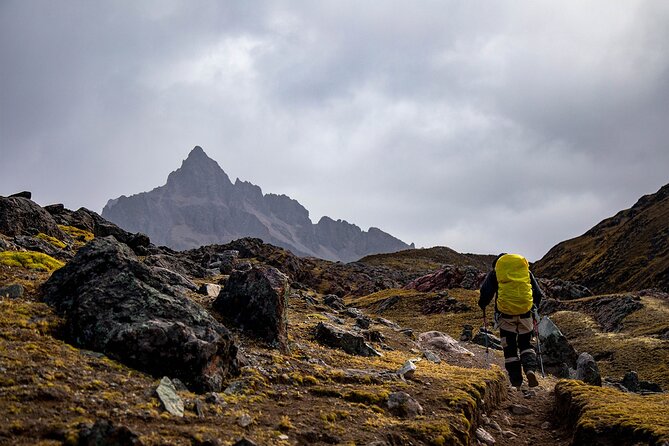
Ausangate is the real prize here, not just a warm-up for Rainbow Mountain. You spend two nights among high Andean lakes and snowy peaks, then reach Vinicunca early enough for a quieter first look. I especially like the small maximum group of 12 and the fact that meals, camping gear, transfers, and a 7 kg luggage allowance are already covered.
I also like the practical care built into the trip: oxygen, a first aid kit, poles, and a rain poncho come along. The catch is serious altitude and long uphill days. This is not a casual sightseeing outing, and you should arrive in Cusco at least two days early to let your body adjust.
Key points at a glance
- Three high passes in three days: Cross Arapa on day one, Puca on day two, and Warmisaya before the final approach to Rainbow Mountain.
- A quieter side of Rainbow Mountain: You reach Vinicunca early, before the main wave of day visitors.
- Remote camping with real support: A mountain chef, horseman, guide, tents, sleeping bags, dining shelter, and luggage transport make the rough setting more manageable.
- Meals are a major strength: Breakfast, lunch, and dinner are included, with vegetarian and vegan food available if requested in advance.
- Strong safety planning: The team carries oxygen and a first aid kit, while guides keep an eye on people coping with the altitude.
- A demanding physical test: Good health and fitness are required, and optional horse support is not included in the price.
Why Ausangate deserves more than a quick photo stop
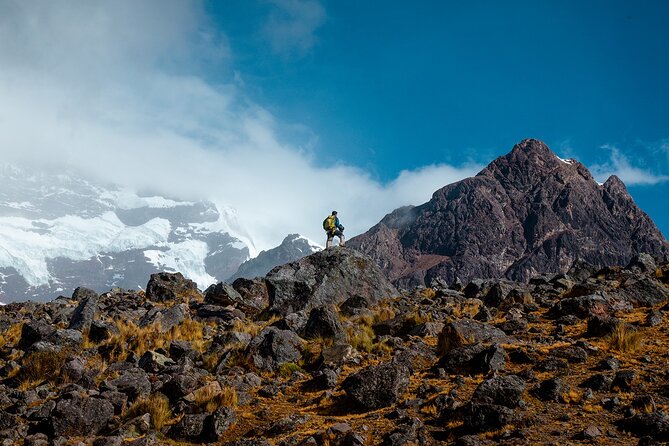
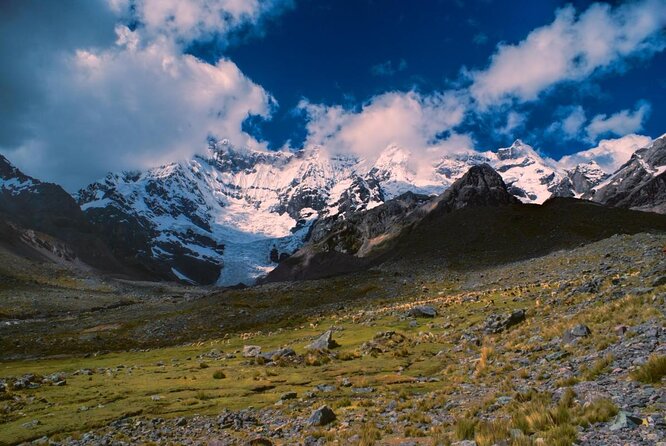
Many people know Rainbow Mountain as a short, crowded excursion from Cusco. This trip approaches it through the Ausangate region, where the main attraction is the steady change in scenery: broad high-altitude valleys, ice-fed lakes, snow-covered Ausangate, and passes above 4,800 meters.
That extra time matters. You are not simply driven to a viewpoint, given a few minutes for pictures, and returned to town. You spend two nights outdoors and walk through a place that feels far removed from Cusco.
The tradeoff is comfort. Facilities are basic, nights are cold, weather can change quickly, and the altitude affects even fit people. I would choose this trek for the setting and the sense of distance, not for a relaxed holiday.
The $535 price makes more sense once you look at what is bundled. You receive private transport and transfers, hotel pickup and drop-off, park entry fees, an experienced mountain guide, three lunches, three breakfasts, two dinners, camping equipment, snacks, water, poles, a poncho, and transport for up to 7 kg of luggage.
It also pays for a support crew working in difficult conditions. Guides, cooks, and horsemen set up and break down camp while also walking the route. Past guide teams have included Nestor, Marco, Fredy Apaza, Pabel, Darwin, Elisban, and Franklin, though your assigned staff may be different.
More Hiking Tours in Cusco
- From Cusco: 7 Lakes Ausangate Trek with Breakfast and Lunch
★ 4.8 · 360 reviews - Cusco: Rainbow Mountain Tour and Red Valley Hike (Optional)
★ 4.7 · 149 reviews - Cusco: Full-Day Rainbow Mountain & Red Valley Trekking Tour
★ 4.5 · 121 reviews
Day one: Upis, Ausangate, and Arapa Pass
Your morning begins at about 5:00 a.m. with pickup in Cusco. The drive takes you to Upis, a small town and the trailhead for the trek. The early start is useful because it gives you a full day on the trail, but it also means you should be ready for a very early morning after adjusting to Cusco.
The first walking section takes around three hours to the lunch stop. This is your first sustained introduction to the scale of Ausangate. The mountain remains the visual anchor, with wide views opening around you as you leave the road and built-up areas behind.
After lunch, you rest briefly before climbing toward Arapa Pass. This is where the day begins to feel properly demanding. You will already have spent hours walking, and the uphill section comes at altitude, so a steady pace is more useful than trying to stay with the fastest person in the group.
The descent leads to Hatun Pucacocha, your camp for the night. Hot drinks and dinner are served there, and you sleep at the foot of Ausangate. That setting is the reward for the long first day, but do not expect a hotel-style night. You are camping in a cold, exposed mountain environment.
The trip supplies a tent, air mattress, sleeping bag, dining room, tables, and chairs. Extra blankets, fleece liners, and hot water bags have also been used by support teams on similar departures, helping people stay warm after sunset. Still, pack warm layers and dry clothing rather than relying only on the supplied sleeping bag.
Day one is listed at about nine hours, including rest and meal stops. It is the longest day by the stated schedule, so I would treat it as a serious test of your legs and your response to altitude.
Day two: Glacial lakes and two major passes
The second morning begins with hot coca tea and breakfast. Coca tea is a familiar high-altitude drink in Peru, and having something warm before the first climb is welcome. You then head toward Puca Pass, with striking views of the surrounding peaks and glacial lagoons.
The route may offer a chance to see a condor, though wildlife sightings are never guaranteed. The lakes are the reliable attraction. Their color and position below the high ridges give the day its strongest visual moments, and this is also a good stretch for photographs.
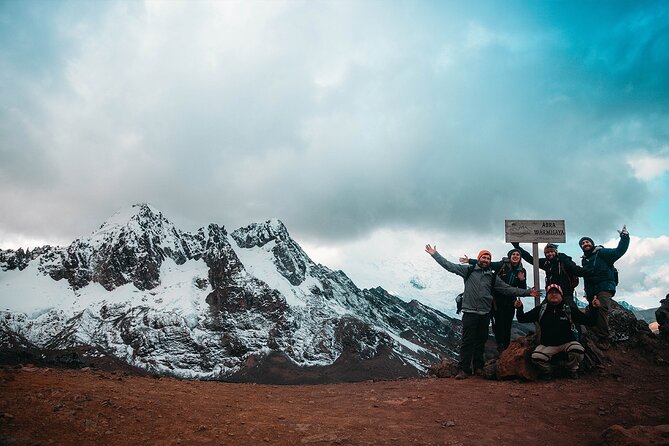
You continue to Anantapata for lunch. After eating, the trail rises again toward Warmisaya Pass. This is a key point in the trip because the pass provides a 360-degree view and the first sight of Rainbow Mountain, along with the surrounding peaks.
That first view changes the shape of the journey. Until then, Ausangate and the lakes have been the main focus. From Warmisaya, you can see where Vinicunca fits into the larger setting, which makes the following morning feel like part of a longer route rather than an isolated attraction.
The descent takes you to Surinecocha camp for dinner and rest. The day is listed at about seven hours, but distance alone does not tell the full story. Two significant uphill sections, thin air, cold, wind, and changing weather can make the day feel longer.
This is where the guide matters most. A good guide sets a pace the group can sustain, watches for signs of altitude trouble, and explains the area instead of simply leading from the front. Several guide teams associated with this route have been praised for patience, safety checks, cultural knowledge, and flexibility in adding a viewpoint when the group had the energy.
Do not count on flexibility as a promise. The guide may adjust the pace or route when conditions allow, but weather and group fitness come first.
Day three: Reaching Vinicunca before the crowds
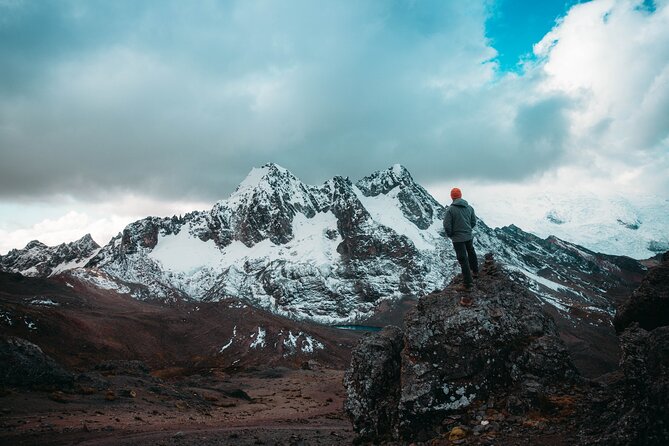
Day three begins early again. You walk the first section toward Rainbow Mountain and stop for initial views of Vinicunca before continuing to the mountain itself.
The early timing is one of the smartest features of this itinerary. Rainbow Mountain is famous and can become crowded, so arriving before the main flow of day visitors gives you a better chance to take in the colored ridges without immediately feeling packed in among other people.
The name Vinicunca refers to the mountain commonly called Rainbow Mountain. The unusual colors come from mineral bands in the ground, though the strength of the colors depends on light, weather, and what you see in person. The area also has cultural importance, and your guide explains why the site matters rather than treating it as a simple photo backdrop.
You have time at the mountain to take photographs and look across the high Andes. The views can be startling, but this is still a high and exposed place. Snow, rain, sun, and fog can all appear during the same trek, so a clear view is never guaranteed.
After visiting Vinicunca, you walk down to private transport and stop for lunch. The vehicle then takes you back to Cusco, with drop-off at your accommodation. The walking portion is listed at about three hours, making day three shorter than the previous two, though you will be carrying the fatigue of the entire trek.
More Hiking Tours in Peru
- From Cusco: Rainbow Mountain Trek
★ 4.5 · 98 reviews - Private Palccoyo Rainbow Hike Without the Crowds
★ 5.0 · 86 reviews - Humantay Lake Full Day Hike
★ 5.0 · 75 reviews - Ausangate Trek 5 Days
★ 5.0 · 74 reviews
Food, camping, and the people who make it work
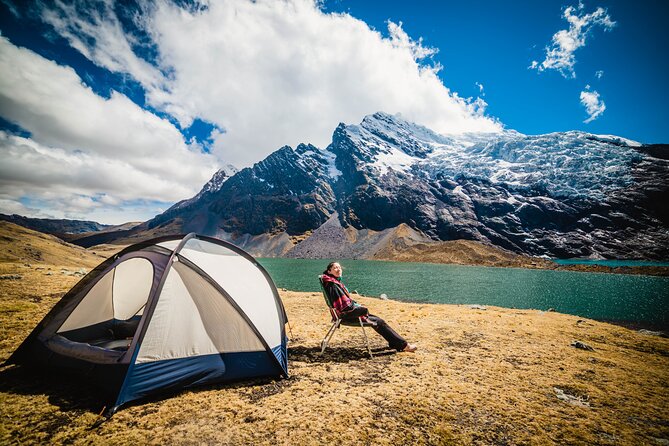
Food is one of the strongest practical reasons to choose an organized trek instead of trying to arrange the route yourself. Three breakfasts, three lunches, and two dinners are included, along with water and snacks.
Mountain cooks have prepared surprisingly varied and filling meals on this route, even while working from remote camps. Past teams have included cooks such as Heber and Juan Carlos, with horsemen such as Avelino and Jesús helping move supplies and camp equipment. Names vary by departure, but the structure of the support team is important.
You are not expected to carry a full camping load. The trip includes transport for 7 kg of luggage, leaving you to carry a daypack with the things you need while walking. Confirm how your personal bag should be prepared during the pre-departure briefing.
Vegetarian and vegan meals are available, but you need to request them at booking. Do not wait until the first meal to mention dietary needs.
The sleeping arrangement is still camping at high altitude, not glamping. You get the basic equipment needed for two nights, but you should bring thermal layers, spare socks, gloves, a hat, and rain protection. Temperatures fall sharply after dark, and damp clothing is especially unpleasant in a tent.
How hard is this trek?
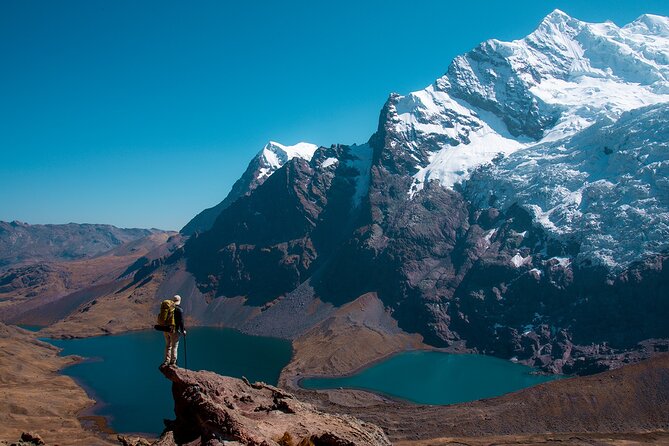
The operator requires a strong physical fitness level, and that wording should be taken seriously. You walk for roughly nine hours on day one, seven hours on day two, and three hours on day three, with steep climbs and passes above 4,800 meters.
The biggest issue may not be your leg strength. Altitude can affect people who are very fit, and it can do so without warning. Arrive in Cusco at least two days before the trek, keep your first days gentle, and tell your guide promptly if you feel unwell.
Oxygen is carried as a safety measure, and one guide has provided it to a participant who struggled on the first night. That is reassuring, but oxygen is not a substitute for acclimatization or medical judgment.
Horse assistance is available as an optional extra, but it is not included in the $535 cost. Ask about arrangements before departure if you think you may need help on the trail. Children must be at least 12 and accompanied by a responsible adult.
What to pack for the high Andes
Your daypack should hold the items you might need between camps. Keep your rain layer, warm layer, water, snacks, sun protection, phone or camera, and personal medication close at hand.
I would also bring:
- Thermal base layers and a fleece
- A warm hat and gloves
- Extra socks
- Sturdy hiking shoes
- Sunscreen and sunglasses
- A headlamp
- Toiletries and hand sanitizer
- A small personal first aid supply
- Cash for optional services and tips
The company supplies hiking poles and a rain poncho, but personal rain gear is still sensible. Mountain weather can shift quickly, and a poncho is useful protection rather than a guarantee of complete dryness.
Travel insurance is not included and is recommended. Since the booking is normally non-refundable and cannot be changed for personal reasons, insurance is worth considering before you pay.
Who will enjoy this, and who should skip it?
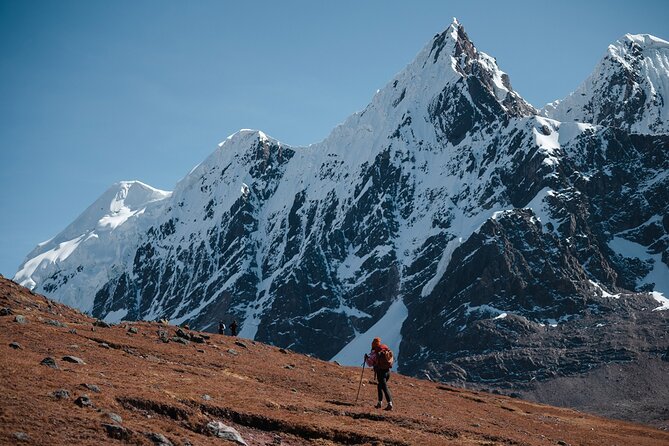
I would recommend this trek to you if you want a demanding mountain route with a small group, strong scenery, and more time in the Ausangate region than a standard Rainbow Mountain day trip allows.
It suits hikers who are comfortable walking for several hours, sleeping in tents, and accepting uncertain weather. It is also a good fit if you value logistics. Cusco pickup, private transport, food, luggage support, camping equipment, and a guide remove much of the planning burden.
I would not choose it if you want a gentle introduction to the Andes, dislike cold nights, or have not allowed time to adjust to altitude. A three-day schedule leaves little spare time if you need a slow start.
The maximum group size is 12, though some departures may be smaller. Small groups can make it easier for the guide to adjust the pace, answer questions, or add a viewpoint when conditions and energy permit.
Should you book the Ausangate and Rainbow Mountain trek?
Book it if your priority is the journey through the high Andes, not just a quick photograph at Rainbow Mountain. The combination of Ausangate, glacial lakes, three high passes, remote camps, and an early visit to Vinicunca gives you a fuller experience than a standard day outing.
The value is strong for an organized high-altitude trek because so much is included. Just be honest about your fitness, arrive in Cusco early, and prepare for cold and changing weather. If you do that, this is a demanding but well-supported way to see one of Peru’s most dramatic mountain regions.
FAQ
How long is the Ausangate and Rainbow Mountain trek?
The trip lasts three days and two nights. The walking schedule is about nine hours on day one, seven hours on day two, and three hours on day three.
What time does the tour start?
Pickup begins at about 5:00 a.m. on the first day.
Is transportation from Cusco included?
Yes. Hotel pickup and drop-off, private transport, and round-trip transfers between Cusco and the trekking route are included.
Which mountain passes do you cross?
The route includes Arapa Pass on day one, Puca Pass on day two, and Warmisaya Pass later on day two.
Is Rainbow Mountain included in the entry fee?
Yes. Entry fees for both the Ausangate area and Rainbow Mountain are included.
How much luggage can be transported during the trek?
The tour includes luggage transport for up to 7 kg.
Are meals and camping equipment included?
Yes. The package includes three breakfasts, three lunches, two dinners, a tent, air mattress, sleeping bag, dining shelter, tables, and chairs.
Should I acclimatize in Cusco before starting?
Yes. You are advised to arrive in Cusco at least two days before the trek to adjust to the altitude. Good physical fitness is also required.
More 3-Day Trips in Cusco
- 3-Day Eco-Sustainable Private Tour Manu National Park
★ 4.5 · 41 reviews - Tambopata Peruvian Amazon Jungle for Three Days/Two Nights
★ 4.5 · 329 reviews - San Pedro de Atacama: 3-Day Activity Combo with 4 Tours
★ 4.6 · 247 reviews - 3-Day Tour to Salt Flats and Lagoons
★ 4.5 · 168 reviews
More Rainbow Mountain Tours
- From Cusco: Vinicunca Rainbow Mountain ATV Tour with Meals
★ 4.6 · 1,060 reviews - Private Rainbow Mountain Full Day Tour from Cusco
★ 5.0 · 129 reviews - From cusco: Rainbow Mountain ATV Tour with meals
★ 4.5 · 121 reviews - Rainbow Mountain & Red Valley Premium Tour with picnic
★ 5.0 · 102 reviews
Just added around Cusco
- rainbow mountain full day★ 5.0 · 44 reviews
- Rainbown mountain cusco 1 Day★ 4.5 · 72 reviews
- Manu National Park Tour 4days/3night★ 5.0 · 69 reviews
- Tour to the HUMANTAY LAGOON from CUSCO★ 5.0 · 35 reviews
- Vegan Peruvian Cooking Class Cocktails and Local Market in Cusco★ 5.0 · 46 reviews
- Cusco Private Airport Transfer: Fast, Reliable Hotel Drop-Off★ 5.0 · 80 reviews
- 1 Day Tour to Palccoyo (Alternative Rainbow Mtn) from Cusco, Peru★ 5.0 · 53 reviews
- 5-Day: Salkantay Trek to Machupicchu and Humantay Lake★ 5.0 · 42 reviews
Rainbow Mountain Tours, compared.
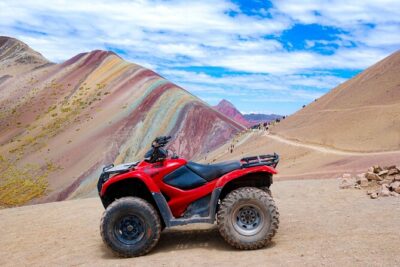
From Cusco: Vinicunca Rainbow Mountain ATV Tour with Meals
Read our review →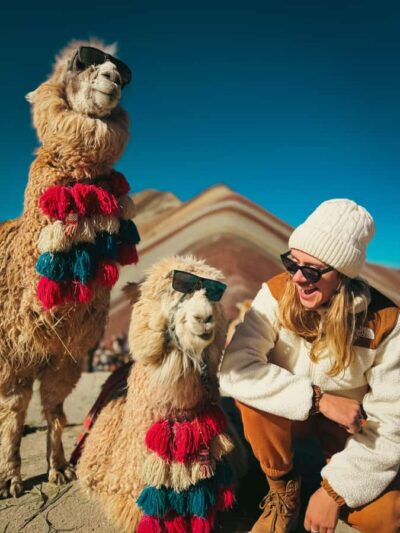
Cusco: Rainbow Mountain Tour and Red Valley Hike (Optional)
Read our review →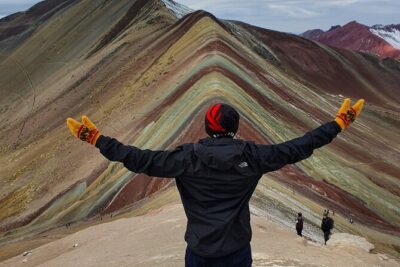
Private Rainbow Mountain Full Day Tour from Cusco
Read our review →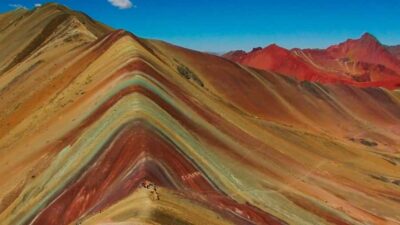
Cusco: Full-Day Rainbow Mountain & Red Valley Trekking Tour
Read our review →
From cusco: Rainbow Mountain ATV Tour with meals
Read our review →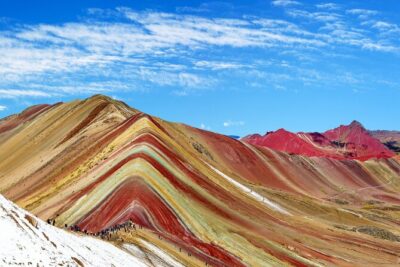
Rainbow Mountain & Red Valley Premium Tour with picnic
Read our review →
Private Palccoyo Rainbow Hike Without the Crowds
Read our review →Browse the lists this tour appears in