
Reviewed · MACHU PICCHU TOURS
4 Day Inca Trail To Machu Picchu – Private Service
The best part of this four-day Inca Trail trek is the way Machu Picchu arrives at the end of a real journey, not as a quick bus stop. You walk from kilometer 82 through cloud forest, stone stairways, mountain passes, and Inca sites before reaching the citadel through the Sun Gate. I especially like the private format, which lets your guide adjust the pace and answer questions without a crowd pulling the group along.
I also like that the price covers the hard-to-arrange pieces: camping gear, porters, cooks, meals, transport, and the train back toward Ollantaytambo. Guides such as Victor, Guido, Guillermo, Rene, and Hugo have been singled out for their patience, humor, and strong command of Inca history. The main drawback is the trek itself: Dead Woman’s Pass reaches 4,200 meters, and the many stone steps make this a serious hike, not a soft adventure.
Key points to know before booking
- The private format gives you a flexible pace: Your group hikes with its own guide rather than joining a large shared party.
- Day two is the physical test: You climb to Dead Woman’s Pass, descend to Pacaymayu, then climb again toward Runkurakay.
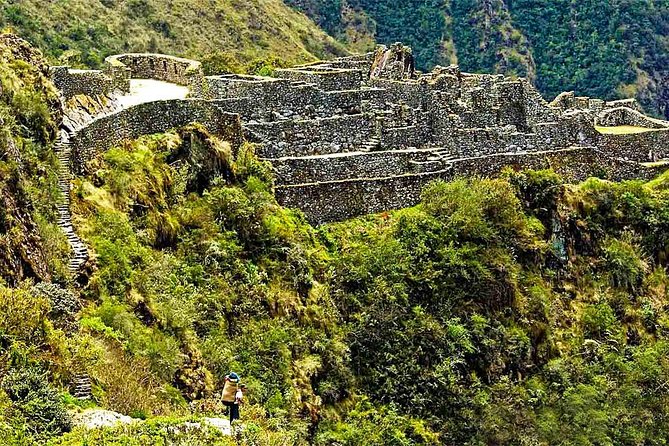
- Wiñay Wayna is a major reward: This beautifully placed Inca site comes late on day three, just before Machu Picchu.
- The camping setup is practical: Two people share a four-person tent, with foam mattresses, a dining tent, chairs, and cooking support.
- Porters carry the camp: A personal porter allowance of 7 kilograms is listed, but the details of that service should be confirmed before departure.
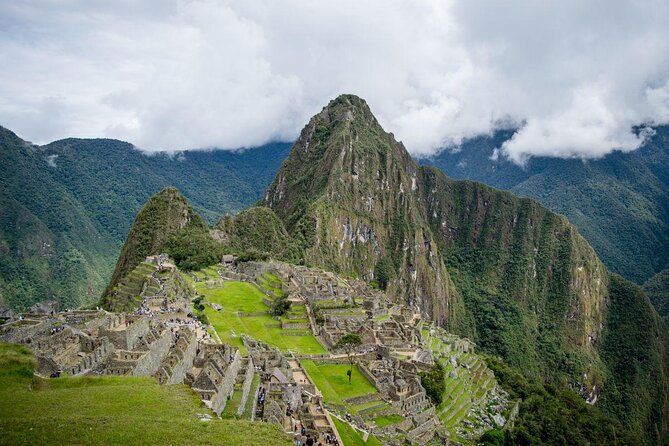
- The final approach is special: You reach Machu Picchu from the Sun Gate rather than arriving only by train and bus.
From Cusco to kilometer 82 before sunrise
The day begins early, with pickup listed around 4:00 or 4:30 a.m. in Cusco. You ride toward kilometer 82, known as Piscacucho, where the group checks in at the trail control point. Have your passport, permits, sunscreen, and insect repellent ready before you leave Cusco. This is also the sensible place to use the restroom and fill any bottle you need for the first morning.
The early departure is not glamorous, but it matters. The Inca Trail has limited access, and the first day includes a long walk before camp. You start beside the Vilcanota River at about 2,720 meters, then follow the trail into changing mountain scenery.
The route soon enters cloud forest. You pass views of Huillca Raccay, an Inca fortress, and Patallacta, a large archaeological site spread across the valley. The sight of Patallacta helps explain why this trail feels different from a normal mountain hike. You are not simply walking through nature. The route connects old settlements, ceremonial places, farming terraces, and passes used during a sacred journey.
You may also see the snow-covered peak of Veronica, called W’akay Willca, rising to 5,860 meters. Its presence gives the first day a grand scale, even though the walking itself is not yet the hardest part.
After roughly seven hours, you reach Wayllabamba Camp at about 3,000 meters. Night temperatures can fall to around 5 degrees Celsius, depending on the month. Your camping team sets up the sleeping arrangements, and the cook prepares dinner. That support makes a real difference after a full day on your feet.
More ways to reach Machu Picchu:
- From Cusco: Full-Day Group Tour of Machu Picchu
★ 4.7 · 1,767 reviews - Machu Picchu Day Trip from Cusco
★ 4.5 · 1,644 reviews - Machu Picchu: Full-Day Tour from Cusco with Optional Lunch
★ 4.6 · 927 reviews
Day two and the climb to Dead Woman’s Pass
Day two starts around 5:30 a.m. after breakfast. This is the day to respect, even if you are fit. The trail climbs steeply for several hours toward Abra de Warrmihuañusca, better known as Dead Woman’s Pass, at 4,200 meters.
The difficulty comes from both the grade and the altitude. You may find the air thin and the stone steps slow going. The private setup helps here because your guide can keep an eye on your pace and allow useful pauses. Several guides associated with this company, including Rene and Felipe, are praised for encouraging slower hikers without making them feel rushed.
At the pass, take time to recover before beginning the descent. The route drops toward Pacaymayu at about 3,550 meters, where lunch is served. Along the way, you might spot hummingbirds and other bird species. The high cloud forest also supports polylepis trees, a distinctive native tree found at these elevations.
The day is not finished after lunch. A second climb takes about two hours toward Runkurakay Pass, near 4,000 meters. Camp is set up by around 5:00 p.m., with night temperatures near 4 degrees Celsius.
This is the most demanding day, and you should prepare for it honestly. The trek requires a moderate level of physical fitness, but that phrase can sound gentler than the route feels. Long climbs, high altitude, and repeated stone steps ask more of you than a standard day hike.
Day three, cloud forest and Wiñay Wayna
Day three covers about 10 kilometers and takes roughly five hours, though your pace and the trail conditions will affect the timing. Compared with the previous day, the route feels more rewarding than punishing, though it still includes steps and uneven ground.
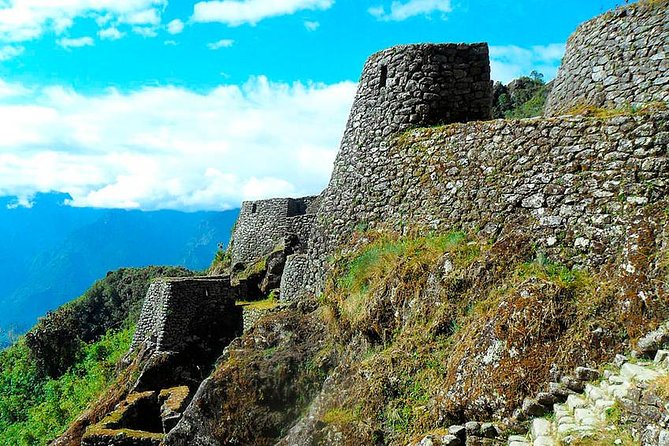
A gentle climb leads to Phuyupatamarca, the Town in the Clouds, at about 3,680 meters. The site sits above canyons and mountain slopes, with broad views over the surrounding country. Your guide can give the ruins more meaning by explaining how the terraces, stonework, and route fit into the wider Inca network.
The trail then continues through cloud forest and down approximately 3,000 stone steps toward Intipata, an impressive agricultural site. This section is scenic but hard on knees and ankles. If you prefer uphill walking to downhill walking, as some people do, this may be the part that tests your patience.
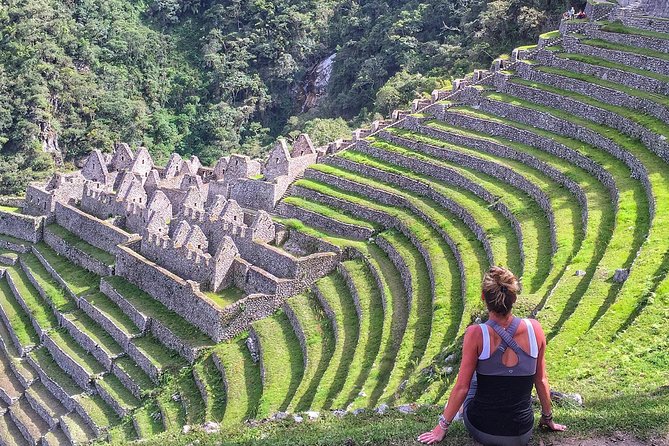
You arrive at Wiñay Wayna Camp around lunchtime, at about 2,680 meters. The nearby ruins of Wiñay Wayna, or Forever Young, are one of the great rewards of the trek. Terraces and stone buildings cling to the mountainside, and the setting makes it easy to understand why this site is treated as a highlight rather than a quick stop.
The early arrival also gives you time to rest before the final morning. Camp life is basic, but the setup is more organized than carrying your own tent and cooking gear. Two people share a four-person tent, foam sleeping mattresses are supplied, and the dining tent has tables and chairs. Porters carry the cooking and camping equipment, while a cook prepares breakfast, lunch, and dinner on the first three days.
Food is one of the stronger parts of this arrangement. Several guides and cooks are praised for producing generous meals in camp, with one cook even preparing a birthday cake. Do not expect restaurant service, but you can expect the cooking team to play a central role in keeping the trek comfortable.
Reaching Machu Picchu through the Sun Gate
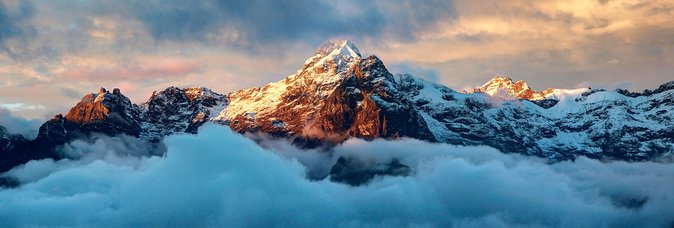
The last morning starts early. The plan is to walk about 5 kilometers in roughly two hours and reach Intipunku, the Sun Gate, before sunrise. From here, you get your first major view of Machu Picchu at about 2,400 meters.
This approach is a major reason to choose the classic Inca Trail over a simpler train-and-bus visit. The citadel appears after days of walking, and the first view comes from above rather than from the standard entrance area. Weather can affect the exact quality of the sunrise view, so keep your expectations flexible, but the arrival itself is an important part of the experience.
The supplied schedule gives around three hours for the Machu Picchu portion, with admission included. The precise order of the guided visit and any later transport should be confirmed with the operator, since the published day four description is brief.
After visiting the citadel, you take the bus down to Aguas Calientes. The return train is listed as running to Ollantaytambo, where collection is provided. The train is a useful comfort after four days on foot, though the onward connection to your final destination should be checked carefully before you travel.
The first breakfast, final-day lunch, and final-day dinner are not included. That is easy to overlook, so budget for those meals. Drinking water is provided after the first morning, using previously boiled water. Bring enough water for the opening section from kilometer 82.
More Inca Trail Treks in Machu Picchu:
- Cusco: 4-Day Inca Trail to Machu Picchu with Accommodation
★ 4.8 · 432 reviews - Cusco: Machu Picchu 2-Day Inca Trail with Panoramic Train
★ 4.9 · 260 reviews - From Cusco: 2-Day Inca Trail to Machu Picchu
★ 4.2 · 244 reviews - Machu Picchu: Inca Trail 2-Day Overnight Guided Tour
★ 4.9 · 203 reviews
What the private service changes
A private trip does not remove the steep climbs, cold nights, or altitude. What it changes is the way you handle them.
Your guide is responsible for more than pointing out ruins. The best guides on this route explain the cultural meaning of the mountains, the role of the Inca road, the plants and birds, and the story behind each archaeological site. Names connected with this service include Victor, Guido, Guillermo, Rene, Nico, Hugo, Felipe, Aldo, and Genrri. Guide assignments can vary, so do not assume you will receive a particular person unless the company confirms it.
The private format is especially useful for mixed-ability groups. You can stop for photos, ask questions, or settle into a slower rhythm without worrying about holding up a large party. It also works well for a family group, a couple, or friends who want the trail to feel like their own shared undertaking.
The tradeoff is price. At $1,395 per person, this is not a budget trek. You are paying for permits, transport, staff, porters, cooks, meals, camping equipment, a guide, and the added attention of a private departure. Those costs add up quickly on a regulated route.
The price also includes a train back to Ollantaytambo, bus transport from Machu Picchu to Aguas Calientes, and collection from the Ollantaytambo station. That makes the package more practical than a trek that leaves you to arrange every connection yourself.
One point needs clarification before you pay: the inclusions list describes a personal porter for 7 kilograms, while the exclusions list also mentions the personal porter fee. Ask exactly what is included, what the weight limit covers, and what extra charge applies if any. A single supplement of $60 is also listed.
Equipment, food, and the role of the porters
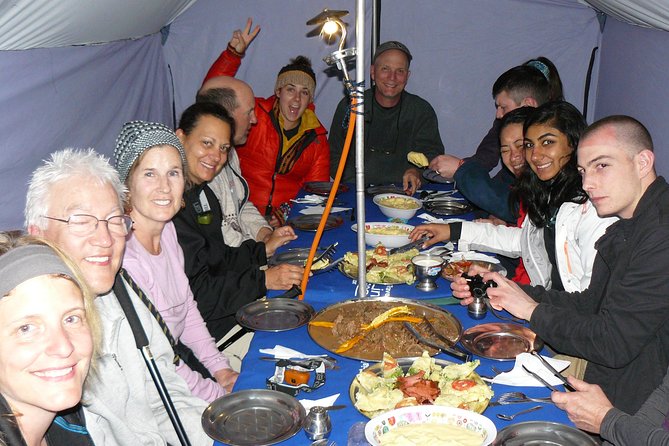
The supplied camping package includes a four-person tent shared by two people, a foam sleeping mattress, a dining tent, tables, chairs, cooking support, and porters for the camp equipment. An oxygen bottle and first-aid kit are also carried by the team.
You still need to pack for cold nights, rain, sun, and changing temperatures. Walking sticks are not included. They are optional, but many people find them useful on the long descents and stone stairways.
The porters do a great deal of the practical work. They carry cooking and camping equipment, allowing you to focus on your own daypack and personal needs. The 7-kilogram personal porter allowance can make the trek much easier, but confirm the arrangement because the supplied details are not fully consistent.
Gratuities are not included. The listing does not set an amount, so plan to ask the guide for local guidance before the final day. Travel insurance is strongly recommended, especially because the booking is non-refundable and cannot be changed after purchase.
Who should choose this Inca Trail trek
This trip suits you if you want the classic four-day route and prefer a private guide to a large group. It is a good fit for people who care about archaeological sites, local history, mountain scenery, and the sense of reaching Machu Picchu under their own power.
It also suits groups with a clear shared goal. A private service can be valuable for a family with older children, a group of friends, or a couple who want to set the rhythm themselves. The minimum age is 10, but age alone does not determine readiness. The child must be comfortable with long walking days, cold camps, altitude, and steep steps.
You should think twice if you dislike camping, struggle with high-altitude walking, or want a relaxed Machu Picchu visit. The route is not a gentle introduction to Peru. Even with porters and a supportive guide, the second day can be exhausting.
The tour is rated five out of five from 68 published ratings, with a 100 percent recommendation figure. The strongest praise centers on the guides, cooks, and porters. People especially value guides who combine historical detail with patience, and cooks who produce satisfying meals in difficult conditions. That is useful information because the service team can shape your experience as much as the ruins do.
Should you book it?
I would choose this trek if you want Machu Picchu to be the final chapter of a demanding mountain journey rather than a stand-alone sightseeing stop. The private setup, strong support team, included transport, and camp catering give the route good practical value despite the high price.
Before booking, confirm the guide assignment, the personal porter fee, the exact train schedule, and what happens after collection at Ollantaytambo. If you are physically ready for Dead Woman’s Pass and comfortable with three nights of camping, this is a well-supported way to walk the classic Inca Trail.
FAQ
How long is the Inca Trail tour?
The tour lasts four days, with approximately seven hours of walking on day one, a demanding high-pass day two, about five hours and 10 kilometers on day three, and roughly two hours plus the Machu Picchu visit on day four.
What time does the tour start?
Pickup is listed at about 4:00 or 4:30 a.m. in Cusco. The exact meeting time should be confirmed after booking.
Is this a private tour?
Yes. Only your group participates, and you have a professional bilingual guide. An assistant guide is included for groups of nine or more people.
What is the highest point on the trek?
The trail reaches Dead Woman’s Pass at 4,200 meters, or 13,779 feet, on day two.
Are meals included?
Breakfast, lunch, and dinner are included for the first three days. The first breakfast, final-day lunch, and final-day dinner are not included. Other meals not specifically stated are also excluded.
What camping equipment is provided?
The tour provides a four-person tent shared by two people, a foam sleeping mattress, a dining tent, tables, chairs, and cooking support. Walking sticks are not included.
Is transport included?
Yes. Transport to kilometer 82, a train toward Ollantaytambo, collection from Ollantaytambo train station, and the bus from Machu Picchu to Aguas Calientes are included.
Can I climb Huayna Picchu?
Huayna Picchu is not included. Separate tickets must be booked well in advance, with entry sessions listed at 7:00 to 8:00 a.m. or 10:00 to 11:00 a.m. A 7:00 a.m. permit may conflict with the guided Machu Picchu visit.
More 4-Day Trips in Machu Picchu
- Choquequirao Trek 4 days and 3 nights
★ 5.0 · 81 reviews - Cusco Sacred Valley and Machupicchu 4 Days
★ 5.0 · 80 reviews - Ancascocha Trek To Machu Picchu 4 Days And 3 Nights
★ 5.0 · 77 reviews - 4 Day Inca Trail Trek to Machu Picchu Multi day tour
★ 5.0 · 70 reviews
Just added around Machu Picchu
- 10-Day Taste Peru Experience: Lima, Nasca, Cusco & Machu Picchu★ 5.0 · 63 reviews
- Wonderful Cusco 5-Day Tour with Entrance to Machupicchu★ 5.0 · 46 reviews
- Machu picchu one day by train all included★ 4.5 · 53 reviews
- A Day at Machu Picchu, Journey to the Heart of the Andes★ 5.0 · 55 reviews
- Tour to Machupicchu By Train Full-Day★ 4.5 · 56 reviews
- Tour To Machupicchu 2 Days by Train★ 5.0 · 64 reviews
- Machu Picchu 1 Day Tour from Cusco by Train★ 5.0 · 44 reviews
- 2-Day Tour: Sacred Valley & Machu Picchu – All Tickets Included★ 5.0 · 42 reviews
Machu Picchu Tours, compared.
From Cusco: Full-Day Group Tour of Machu Picchu
Read our review →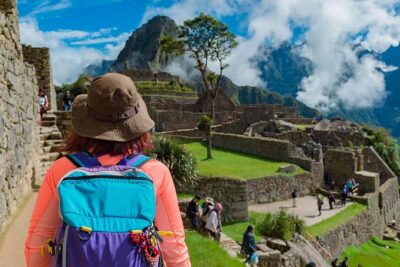
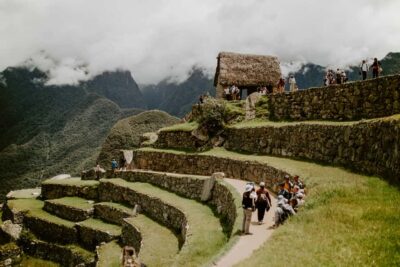
Machu Picchu: Full-Day Tour from Cusco with Optional Lunch
Read our review →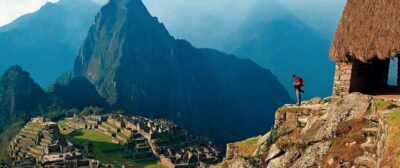
Cusco: 4-Day Inca Trail to Machu Picchu with Accommodation
Read our review →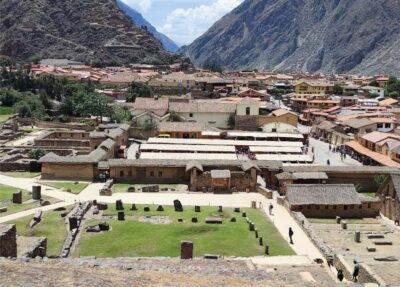
From Cusco: 2-Day Trip to the Sacred Valley and Machu Picchu
Read our review →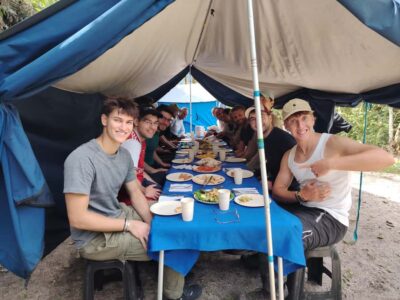
Cusco: Machu Picchu 2-Day Inca Trail with Panoramic Train
Read our review →
Machu Picchu: Inca Trail 2-Day Overnight Guided Tour
Read our review →Browse the lists this tour appears in