
Reviewed · ANDES MOUNTAIN TOURS
07 Day Andean Experience Through the Living Culture of the Incas
Machu Picchu is the headline, but the best part of this seven-day Andean route is the way it builds toward the famous citadel through Cusco, the Sacred Valley, local markets, salt terraces, and living weaving traditions. You get the major Inca sites without having to arrange every train, bus, hotel, and admission ticket yourself.
I especially like two things here: the first day is set aside for altitude adjustment, and the price includes the costly pieces that can complicate Peru planning, including the train to Machu Picchu, entrance fees, buses, transfers, and six breakfasts. The main drawback is the pace. You cover a lot in seven days, and a full day at Machu Picchu can be tiring before you return to Cusco for more sightseeing.
Key points to know before booking
- Cusco begins at 3,400 meters: Your first day is mainly for rest, light walking, and acclimatization before the longer outings.
- Machu Picchu comes early: You visit the citadel on Day 3, with an in-depth guided tour and the option to add Huayna Picchu or Machu Picchu Mountain separately.
- The train and bus connections are handled: Voyager or Expedition train service and round-trip buses to Machu Picchu are included.
- The Sacred Valley gets proper attention: Ollantaytambo, Moray, Maras, Pisac, and the Pisac Market all appear in the program.
- You have a free Cusco day: Day 5 allows time for your own plans or optional activities such as Rainbow Mountain, horseback riding, or an ATV outing.
- Guides are a major part of the experience: Past guests singled out guides including Yeny, Jonathan, Percy, Herlin, Saul, Ronald, Julio, and Grigio for clear explanations, care, and help with logistics.
What this seven-day Andean experience actually gives you
At $1,299 per person, this is not a bare-bones Machu Picchu transfer. The package includes six nights in three-star hotels based on double occupancy, all listed entrance fees, transportation, the train and buses for Machu Picchu, six breakfasts, and an English-speaking guide throughout the trip.
That matters in Peru. A Machu Picchu visit is not one ticket and one bus. You need to coordinate the train, the bus up to the citadel, the return journey, and the timing of the guided visit. Add Cusco transfers, Sacred Valley transport, and several archaeological admissions, and the package price becomes easier to judge.
You still pay for international and local flights, travel insurance, meals other than the included breakfasts, and any Huayna Picchu or Machu Picchu Mountain ticket. Lunch in Aguas Calientes on Machu Picchu day is specifically not included, so keep money ready for that.
The activity is private, meaning only your own group participates. That is useful if you are traveling with family or friends and want a guide focused on your party. The itinerary also refers to an expedition group briefing, so ask how your particular departure handles shared transport and group coordination.
More days in the Andes around Cusco:
- Cusco: Folkloric Andean Show & 3-Course Dinner at Tunupa
★ 4.2 · 205 reviews - 06 Day Andean Jewels of Cusco – Private Service
★ 5.0 · 75 reviews - Private Andean Cooking Class, Pachamanca
★ 5.0 · 54 reviews
Day 1: Arriving in Cusco at 3,400 meters
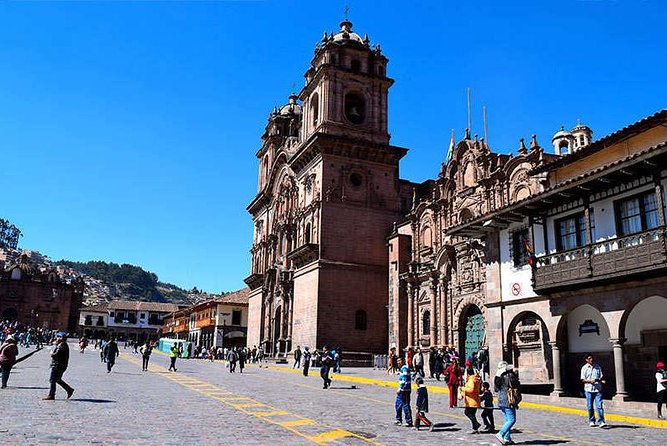
Your arrival transfer begins at Alejandro Velasco Astete Airport. A member of Inkayni Peru Tours meets you and escorts you to your accommodation in Cusco, which sits at roughly 3,400 meters, or about 11,000 feet.
The smart move is to treat this as a rest day, not a bonus sightseeing day. Cusco can feel demanding at this height even when the walking looks easy on a map. Take the afternoon slowly, drink water, and keep your first meal modest if you are feeling unsettled.
At about 5:00 PM, you meet the group and receive a briefing about the days ahead. This is the right time to confirm your hotel arrangements, departure times, train details, and the exact plan for your Machu Picchu visit.
The day is short by design. That is a strength, not wasted time. A rushed first afternoon can make the next few days much harder.
Day 2: Sacsayhuaman, four highland sites, and Ollantaytambo
Day 2 brings you to Sacsayhuaman, above Cusco at about 3,700 meters. Its enormous fitted stones are the visual star. Some weigh more than 100 tons, and the close joins show the precision of Inca stonework better than any museum display.
The Spanish reused much of the original structure, so you do not see the whole Inca complex. Still, the remaining walls are impressive, and the view back toward Cusco helps you understand the site’s commanding position.
You then visit Qenko, Tambomachay, and Puca Pucara. Qenko is linked with sacred ceremonies and carved stone features. Tambomachay is associated with water and ritual baths, while Puca Pucara served as a guard post or stopping point near the old road system.
These sites are close enough to combine in one outing, but the altitude remains a factor. You may be walking over uneven ground, climbing stone steps, and moving between exposed areas. Good shoes, sun protection, and a slow pace help.
Later, you travel to Ollantaytambo at about 2,792 meters, noticeably lower than Cusco. The town is one of the most appealing stops on the route because its old Inca street plan remains part of daily life. You can walk cobbled lanes where ancient walls still support later buildings, then explore the large archaeological site above town.
Ollantaytambo is more than a photo stop. Its terraces and steep stone construction show how the Incas shaped both agriculture and defense. The lower altitude also gives you a welcome breathing break after the morning above Cusco.
Day 3: Machu Picchu and the long day to Aguas Calientes
You start early with breakfast, then take one of the morning buses toward Machu Picchu. The exact transport sequence is handled as part of the tour, with the train and round-trip buses included.
Inside the citadel, your guide leads a detailed visit through temples, ceremonial areas, terraces, and storage buildings. This is where a guide adds real value. Without context, Machu Picchu can become a beautiful collection of stone walls. With an explanation of how the spaces worked together, the site becomes easier to read.
Expect a full day of movement. The itinerary allows about 12 hours, and that includes transport, the guided visit, and time in Aguas Calientes. Lunch is not included, so plan for that separately.
You can also add a ticket for Huayna Picchu or Machu Picchu Mountain if you arrange it in advance. Those are separate experiences and separate costs. Do not assume the standard Machu Picchu admission includes either climb.
After the citadel, you return to Aguas Calientes for rest and lunch. The town is the practical base for the visit, but it can feel busy and expensive compared with Cusco or the Sacred Valley. Your guide and tour staff handle the main connections, which is especially helpful after a long morning on foot.
This is the emotional high point of the trip, but it is not a relaxed spa day. Wear shoes with a solid grip, bring a waterproof jacket or poncho, and keep your camera protected. Weather can change quickly in the mountains.
A few more Cusco days worth comparing
- Cusco: Humantay Lake Tour with Breakfast and Buffet Lunch
★ 4.9 · 2,976 reviews - Cusco: Half-Day City Tour with Sacsayhuaman and Q’enco
★ 4.6 · 1,129 reviews - From Cusco: Vinicunca Rainbow Mountain ATV Tour with Meals
★ 4.6 · 1,060 reviews - City Tour Cusco Qoricancha Sacsayhuaman y Tambomachay
★ 4.7 · 617 reviews
Day 4: Moray, Maras, and the working salt terraces
After returning from Aguas Calientes to Ollantaytambo, you head into the highlands toward Moray. At about 11,482 feet, the site is high and exposed, so allow yourself time to walk slowly.
Moray is made of large circular terraces cut into the earth. The different levels created varying temperatures and growing conditions, giving the Incas a way to test crops at different elevations. The site is especially useful for showing that Inca achievement was not limited to temples and military walls. Agriculture was central to the entire system.
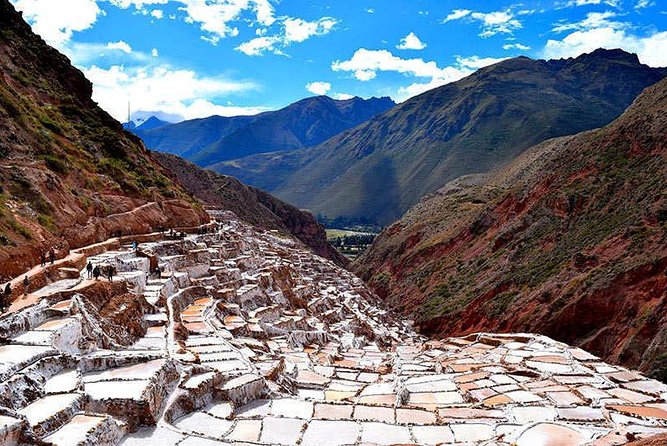
Next comes the Maras Salt Mines at approximately 11,090 feet. More than 3,000 small salt pools spread across the mountainside, fed by a mineral-rich spring. Local families continue to harvest salt from the terraces, connecting the ancient setting with present-day work.
The Maras visit is visually striking, but it is also a place to behave thoughtfully. These pools are part of a working local economy, not just a scenic backdrop. Follow your guide’s instructions and respect restricted areas.
Day 4 gives the trip a useful change of rhythm. Machu Picchu is a single monumental site with a global reputation. Moray and Maras show agricultural skill, local labor, and the continuing use of traditional systems.
Day 5: Your free Cusco day, with several ways to use it
Day 5 is open for your own plans. After several early starts, that flexibility is welcome. You can walk around Cusco’s historic center, study the blend of Inca foundations and colonial buildings, or sit in one of the city plazas and let your legs recover.
If you want more activity, the operator offers several optional choices. Rainbow Mountain takes you toward Vinicunca and its multicolored slopes. The Cusco City Tour focuses on the city’s past. A horseback outing explores the hills around Sacsayhuaman, while an ATV trip visits the large stone carvings at Apukunaq Tianan.
These options are not equal in effort, and the itinerary does not give full operating details for each one. Ask about start times, extra costs, transport, and altitude before adding an activity. A free day can quickly become another demanding excursion.
I would use this day according to your energy. If you feel good, choose one additional outing. If you are tired, Cusco itself is enough. The city offers a better chance to browse, eat, and enjoy unplanned moments than a tightly scheduled side trip.
Day 6: Cochawasi, Pisac Ruins, and the market
The day begins at the Cochawasi Animal Sanctuary, where you can see Andean animals such as pumas, Andean condors, alpacas, and llamas. This adds a wildlife element to a trip otherwise centered on archaeology and mountain scenery.
Then you continue to Pisac, located at about 2,972 meters. The ruins spread across the slopes above the town, with terraces, temples, and stone structures arranged in a form associated with a condor.
The terraces are not just decorative. They show how the Incas used steep ground for farming and managed crops across different elevations. The scale of Pisac also helps you understand that the Sacred Valley was a productive center, not simply a route between Cusco and Machu Picchu.
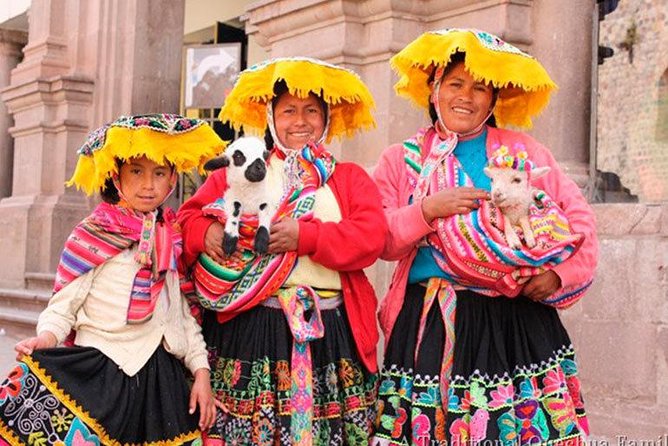
After the ruins, you descend to the Pisac Market. This is a practical place to look for textiles, jewelry, ceramics, and other handmade goods. Take your time and compare items before buying. If you want to support small local businesses, tell your guide directly. One useful detail from past trips is that guides such as Jonathan have helped visitors find local restaurants and small shops that fit their interests.
The market can feel busy and commercial, so keep your expectations realistic. It is a shopping stop as well as a cultural one. You will find attractive work, but not every item is necessarily made in the immediate area. Ask questions about materials and production if authenticity matters to you.
Day 7: A short farewell in Cusco
The last morning includes a quick tour of Cusco’s historic center. An optional free walking tour may also be available, giving you one final look at the streets and plazas before departure.
Your airport transfer is scheduled around your flight time. Since flights are not included, you will need to provide the operator with accurate departure information and allow enough time for the transfer.
The ending is simple, which is appropriate after a busy week. You have covered Cusco, the major Sacred Valley sites, Machu Picchu, highland agriculture, local salt production, wildlife, and artisan markets without having to rebuild the plan every morning.
The guides can make or break the week
The strongest praise connected to this experience centers on the guides. Yeny was singled out for her explanations of local culture and history, her warmth, and her willingness to take visitors to an authentic local restaurant. Jonathan was repeatedly appreciated for his patience, photographs, practical help, and ability to arrange restaurant reservations.
Other named guides include Percy, Herlin, Saul, Ronald Ccana Soralero, Julio, and Grigio. The recurring pattern is clear: a good guide adds more than facts. The guide keeps the schedule moving, helps with train and bus connections, adjusts to the group, and explains what you are seeing without turning every stop into a lecture.
There is one important caution. One past account described a guide behaving inappropriately, leaving solo women uneasy. That is a serious concern, even alongside the many positive accounts. If you are traveling alone or in a women-only group, ask in advance who will guide your departure and how to contact the company during the trip. You can also state your expectations about professional conduct clearly.
What to pack for Cusco and the highlands
Bring layers. Cusco, the Sacred Valley, Machu Picchu, and the higher sites can feel very different during the same week.
The supplied packing advice is practical:
- Waterproof jacket or rain poncho
- Sun cream rated SPF 35 or higher
- Personal medication
- Camera and film
- Original passport
- Current university card if you want to qualify for a student discount
Your passport is especially important for the train, site admissions, and identity checks. Keep it secure but accessible. The high-altitude sun can be strong even when the air feels cool, and rain can arrive quickly.
Comfortable walking shoes matter more than fashionable footwear. You will deal with uneven paths, stone steps, terraces, and long sightseeing days.
Who should book this trip?
I would recommend it to someone visiting Peru for the first time who wants the major Inca sites with the logistics organized. It suits couples, families, and private groups that value a dedicated guide and do not want to arrange separate hotels, trains, buses, and admissions.
It is also a good fit if you want more than Machu Picchu. The route includes working salt terraces, an Andean animal sanctuary, Pisac Market, a free Cusco day, and several archaeological sites that receive less attention than the famous citadel.
I would hesitate if you want a slow holiday. The seven days are full, Day 3 lasts about 12 hours, and altitude affects nearly every outing. I would also compare the included hotel locations and room arrangements carefully, since the price is based on double occupancy and the accommodation is three-star.
The $1,299 cost offers solid value if you use most of the included services. The train, buses, entrance fees, six nights, transfers, and guide would be difficult to coordinate separately without spending time and possibly paying more. The value is weaker if you plan to skip several included outings or prefer independent hotels and meals.
Should you book the seven-day Andean experience?
Book it if you want a well-organized first visit that combines Machu Picchu with Cusco and the Sacred Valley rather than treating the citadel as a stand-alone day trip. You will see major Inca engineering, meet the modern Andes through markets and salt production, and have a guide to handle the practical details.
Before paying, confirm the guide assignment, hotel arrangements, exact free-day options, and any additional Machu Picchu mountain ticket you want. Remember that the booking is non-refundable and cannot be changed after purchase. If the pace sounds manageable and you value convenience, this is a strong seven-day introduction to the Andes. If you prefer long mornings, flexible meals, and unscheduled wandering, plan your own trip instead.
FAQ
Is the tour seven days long?
Yes. The program lasts approximately seven days and includes six nights of accommodation.
What accommodation is included?
Six nights in three-star hotels are included, based on double occupancy.
Are Machu Picchu entrance fees included?
The listed entrance fees are included, along with round-trip buses to Machu Picchu and Voyager or Expedition train service.
Is a guide included?
Yes. An English-speaking professional guide is included throughout the trip. Guide names associated with this experience include Jonathan, Yeny, Percy, Herlin, Saul, Ronald, Julio, and Grigio, but a specific guide is not guaranteed in the supplied details.
Are meals included?
Six breakfasts are included. Other meals are not included, including lunch in Aguas Calientes on the Machu Picchu day.
Is Huayna Picchu included?
No. Huayna Picchu requires an additional entrance fee. Machu Picchu Mountain is also described as an additional ticket option that must be secured in advance.
Do I need my passport?
Yes. You should bring your original passport. A current university card is also recommended if you want to qualify for a student discount.
Are flights and travel insurance included?
No. International and local flights, as well as travel insurance, are not included.
Is this a private tour?
Yes. The activity is described as private, with only your own group participating.
Can I cancel for a refund?
No. The experience is non-refundable and cannot be changed for any reason.
Just added around Cusco
- rainbow mountain full day★ 5.0 · 44 reviews
- Rainbown mountain cusco 1 Day★ 4.5 · 72 reviews
- Manu National Park Tour 4days/3night★ 5.0 · 69 reviews
- Tour to the HUMANTAY LAGOON from CUSCO★ 5.0 · 35 reviews
- Vegan Peruvian Cooking Class Cocktails and Local Market in Cusco★ 5.0 · 46 reviews
- Cusco Private Airport Transfer: Fast, Reliable Hotel Drop-Off★ 5.0 · 80 reviews
- 1 Day Tour to Palccoyo (Alternative Rainbow Mtn) from Cusco, Peru★ 5.0 · 53 reviews
- 5-Day: Salkantay Trek to Machupicchu and Humantay Lake★ 5.0 · 42 reviews
Andes Mountain Tours, compared.
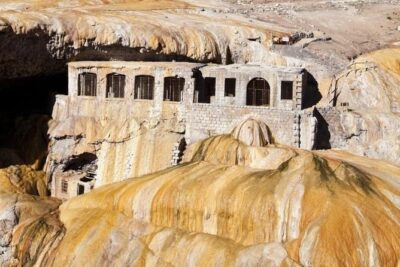
Andes Day Trip from Mendoza Including Aconcagua, Uspallata and Puente del Inca
Read our review →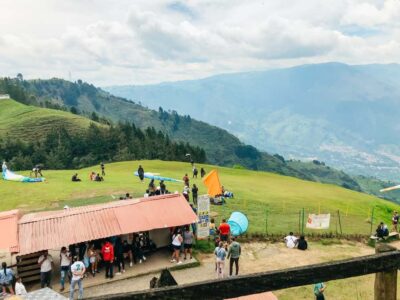
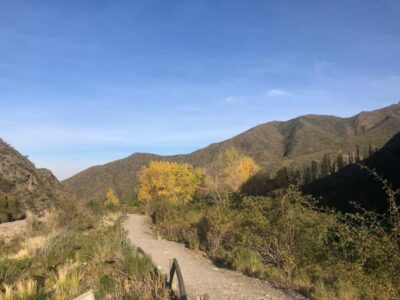
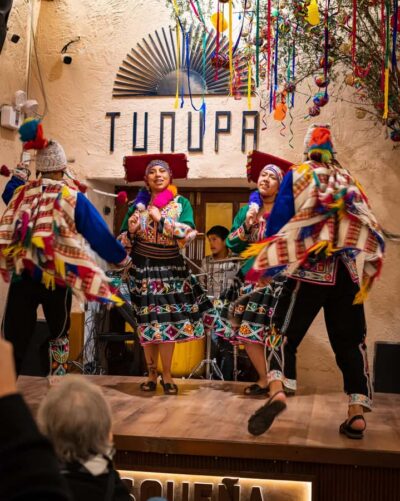
Cusco: Folkloric Andean Show & 3-Course Dinner at Tunupa
Read our review →
Andes Mountains Sunset and Valle Nevado & Picnic
Read our review →
Browse the lists this tour appears in