Reviewed · TOURS
Birding and Nature Chaco Tour
The best reason to book this tour is simple: within a few hours of Asunción, you reach the humid Chaco, a completely different side of Paraguay. The country roads, marshes, palm savannah, and estancia lands offer a real chance at more than 40 bird species, including toucans, ibises, parakeets, woodpeckers, and the rare Strange-tailed Tyrant.
I like the early start because birds are most active at daybreak, and I like the private format because guides such as Alberto, Esteban, and Isaak can focus on your interests. The chance to see rural Paraguay, rather than only the capital, adds real value. The catch is weather and road conditions: rain can limit access, and one poor-weather outing became mostly a drive along a dusty road.
Key points to know
- Leave before sunrise for the best bird activity: A 5:30 a.m. start is common, but it helps you reach the countryside as birds begin calling and feeding.
- Look beyond ordinary garden birds: Target species include the Strange-tailed Tyrant, Sharp-tailed Tyrant, Red-billed Scythebill, Blue-crowned Trogon, and Toco Toucan.
- Private guiding makes a difference: Only your group takes part, with transport by private vehicle and a guide who can explain birds, plants, local culture, and Chaco life.
- Expect a country outing, not a polished park visit: La Rafaela farm and Estancia La Playada are working rural settings, reached by roads that may be rough or muddy.
- Breakfast is included, lunch is not: Coffee, tea, bottled water, and breakfast are provided, but bring money or food plans for anything beyond that.
- Weather can change the day: If conditions make the tour impossible, you can accept another date or receive a full refund.
Why the Humid Chaco Is Worth Leaving Asunción For
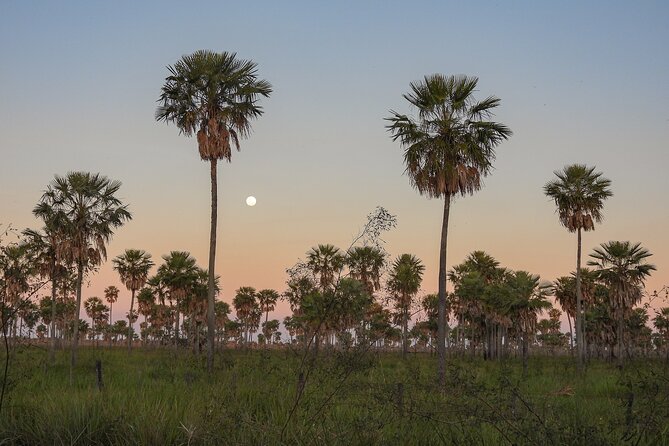
Asunción gives you city life, colonial buildings, river views, and restaurants. Chacoí and Presidente Hayes Department offer something else: open country, marshy ground, palms, dirt roads, and bird calls carrying across wide rural spaces.
This area is recognized as an Important Bird Area, which tells you why the trip is worthwhile. It is not simply a pleasant drive with a few roadside sightings. The region supports a striking mix of wetland, woodland, savannah, and estancia habitat.
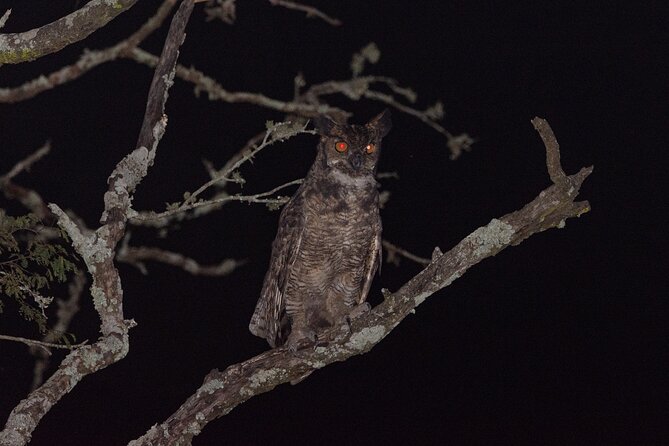
You may see Greater Rhea moving through open ground, Chaco Chachalaca calling from cover, or Plumbeous and Buff-necked Ibis feeding near wet areas. Great Horned Owls, Blue-crowned Trogons, and Toco Toucans add the colorful moments that make birding here so rewarding.
The setting also helps you understand Paraguay. You are seeing a working part of the country, not a display built for sightseeing. That means less comfort and less predictability, but more contact with ordinary rural life.
More Bird Watching Tours in South America:
- Full-Day Mindo Cloud Forest Tour Birdwatching Waterfalls and Hike
★ 5.0 · 84 reviews - Birdwatching Tour in Cajas National Park from Cuenca
★ 5.0 · 52 reviews
The 5:30 a.m. Start Is Part of the Experience
The half-day outing often begins around 5:30 a.m. That is early, but it is not a meaningless inconvenience. Morning light brings bird activity, and the cooler hours are more pleasant than the heat later in the day.
Your hotel pickup is included at selected hotels. From there, the private vehicle carries you away from Asunción toward the Presidente Hayes Department. Transfer times vary with traffic and time of day, so the advertised four to five hours should be treated as an approximate field schedule rather than a stopwatch promise.
The early start also gives the day a slightly adventurous feel. You leave the city while it is still quiet, then watch the built-up area give way to open roads and rural properties. If you want a gentle late-morning activity, this is not the right fit. If you want the best odds of finding birds, get up early.
Bring practical clothing, shoes that can handle dirt, and protection from sun and insects. These are sensible suggestions for a country outing, especially when the route includes farms, trails, and roadside walks.
La Rafaela Farm and Estancia La Playada
The main birding areas are La Rafaela farm and Estancia La Playada. These rural properties are important because they provide access to several types of habitat in one outing. You may spend time watching from the vehicle, stopping beside a dirt road, or walking short sections to get a better view.
The exact route depends on conditions. Heavy rain can make farm roads difficult, and maintenance work once forced a change of plan. That matters because the quality of the outing depends heavily on access to the best sites. On a normal day, the farms are a major part of the appeal. On a wet day, you may spend more time on the road and see fewer birds at close range.
That uncertainty is normal in field birding, but you should know about it before paying $140. You are not buying guaranteed sightings or a fixed indoor attraction. You are paying for access, transport, local skill, and a serious effort to find birds in their natural setting.
One useful feature of the private format is flexibility. If your group is focused on woodpeckers, tyrants, or raptors, your guide can spend more time looking and listening for those birds. Guides have also helped first-time birders identify species by sound, which is important in thick vegetation where a bird may be heard before it is seen.
The Birds You Have a Real Chance to See
The species list is unusually strong for a short outing from a capital city. Some birds are common enough to provide a steady rhythm of sightings, while others are special targets that require patience and luck.
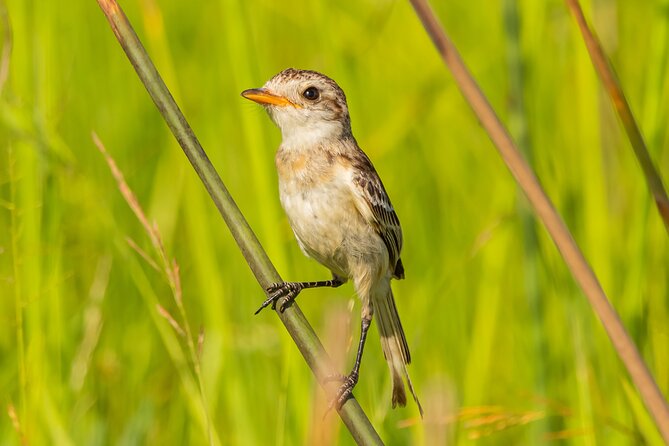
The most exciting targets include the Strange-tailed Tyrant and Sharp-tailed Tyrant, both endangered species named as goals for the tour. You should treat them as possibilities, not promises. Bird populations move, weather affects activity, and even an expert guide cannot make a wild bird appear on schedule.
Several larger birds are easier to appreciate without advanced equipment. Greater Rhea can be impressive simply because of its size. Red-legged Seriema is often heard, and the Laughing Falcon may also announce itself before you see it.
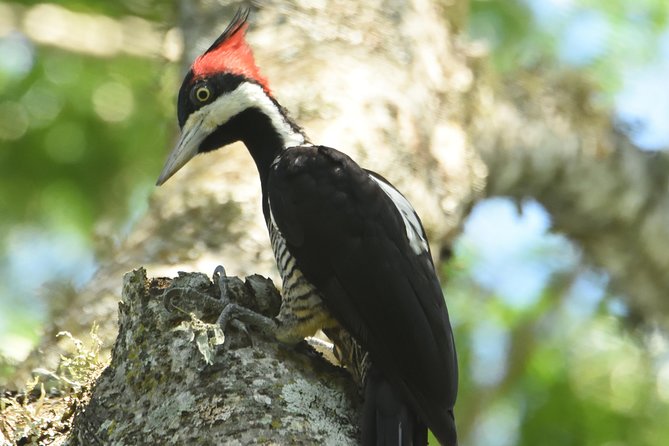
The woodpecker selection is a major reason for birders to choose this outing. Up to ten species may be present, including:
- Golden-green Woodpecker
- Crimson-crested Woodpecker
- Cream-backed Woodpecker
Woodcreepers add another layer of interest. Great-Rufous and Planalto Woodcreepers are possible, along with the striking Red-billed Scythebill. These birds reward close attention to trunks and branches, and a guide’s trained eye can save you from staring at the wrong tree.
Colorful birds are part of the fun, too. Toco Toucans, Blue-crowned Trogons, Nanday Parakeets, Maroon-bellied Parakeets, and Blue-crowned Parakeets may appear. Parakeets often move in flocks, giving you a lively burst of sound and motion rather than a single quiet sighting.
The total can be high. One outing produced more than 40 species, and another afternoon recorded more than 50. Those numbers depend on season, weather, route, and how much time you spend in the field. Still, they show why the Chaco is a serious birding destination rather than a token excursion from the city.
Same trip, a completely different kind of day:
- Medellin: Comuna 13 Graffiti Tour, Cable Car & Street Food
★ 4.8 · 9,046 reviews - Rio de Janeiro: 6-Stop Highlights of Rio with Lunch
★ 4.4 · 5,157 reviews - Christ the Redeemer Entry Ticket by Corcovado Train
★ 4.4 · 4,476 reviews - Santiago: Cajon del Maipo/Embalse del Yeso Tour with Picnic
★ 4.3 · 3,789 reviews
Guides Who Add More Than Bird Names
The strongest part of this experience is the guiding. Alberto, Esteban, and Isaak are named as guides on different outings, and their role goes well beyond pointing at birds.
A good guide helps you understand behavior, habitat, calls, and local context. That is especially useful if you are new to birding. You may not know where to look when someone says a woodcreeper is nearby, but a skilled guide can direct your attention to the right trunk or branch.
The guides also explain plants, Paraguayan wildlife, Chaco culture, and regional history. That broad knowledge gives the outing more shape. You are not just collecting names in a notebook. You are learning why these birds live here and what the countryside means to the people who use it.
Binoculars have been available to borrow, which helps if you are arriving without specialist equipment. Guides have also taken bird photographs to share with participants. Still, bring your own binoculars and camera if you have them. Phone photography may work for nearby birds, but distant species will remain small on the screen.
Solo visitors should find the private format reassuring. The group is limited to your party, and hotel pickup and drop-off simplify the day. A solo female participant specifically found the guides professional and comfortable to be around, a useful point when choosing a private rural excursion.
Breakfast, Coffee, and What You Should Bring
Breakfast, coffee or tea, and bottled water are included. A simple morning meal matters here because of the early start. You do not want to begin a long country outing without food.
The exact breakfast can vary. One outing included a stop for coffee, juice, and a sandwich, along with chipitas and fruit. Another participant received mostly store-bought chipitas after a route change. The practical lesson is to ask what breakfast will include when you confirm the trip, especially if you have dietary needs.
The provider asks you to report special dietary requirements at booking. Do that early. Lunch is not included, despite the general promise of food during the outing, so do not assume a full midday meal comes with the $140 price.
Some outings have included a roadside picnic, empanadas, or food at dusk. Those moments sound appealing, but they should not be treated as guaranteed parts of the standard half-day plan. Bring extra cash and ask about food if the outing may stretch beyond the stated four to five hours.
Weather and Road Conditions Can Change the Day
Weather is the main factor to weigh before booking. The tour requires good weather, and the operator may cancel for poor conditions, offering another date or a full refund.
Rain does not always ruin the day. One wet outing remained enjoyable because the guide adapted and continued sharing information. But heavy rain can close farm roads, reduce bird activity, and force a less interesting route.
The most important caution is the difference between the planned sites and a fallback route. If La Rafaela or another farm is inaccessible, you may spend more time driving along a rough rural road. That can still provide birds and a glimpse of the Chaco, but it may not feel worth the full price if you expected a carefully paced farm visit.
I would check the forecast shortly before departure and ask whether the planned farm access is open. If the weather is poor, rescheduling may be wiser than forcing the outing. The cancellation terms allow a full refund if you cancel at least 24 hours ahead. Changes or cancellations inside that window are not refunded, unless the operator cancels because of weather.
Is $140 Good Value?
At $140 per person, this is not a cheap sightseeing add-on. It becomes better value when you use the private transport, hotel pickup, specialist guiding, breakfast, and access to rural sites.
A shared bus trip might cost less, but it would not offer the same personal attention. Here, your guide can answer questions, lend binoculars, identify calls, and adjust the pace for your interests. For a serious birder, that can justify the price quickly.
For a first-time birdwatcher, the value depends on your expectations. You do not need to know bird names to enjoy the outing. The open country, unusual birds, and change of scenery can make it one of the most memorable things you do in Asunción. But you should be comfortable with early rising, dirt roads, uncertain sightings, and a basic breakfast.
I would not book this only because the tour description lists an impressive number of species. Book it because you want a knowledgeable local guide, private transport, and a chance to see Paraguay beyond the capital. The bird list is the bonus, not a guarantee.
Who Should Book This Chaco Outing?
I would recommend it to birders of all levels, including beginners who want patient explanations rather than a group lecture. The guides have worked well with solo visitors, couples, families, and small groups.
It also suits anyone with limited time in Paraguay. A half-day trip can show you rural scenery and wildlife without requiring a separate multi-day expedition. If you only have a few days in Asunción, this is a practical way to add nature to your itinerary.
Photographers should like the range of subjects, but they need realistic expectations. Some birds will be close enough for good images, while others require binoculars or a long lens. Changing light, moving flocks, and roadside viewing are part of the challenge.
You may want to skip it if you dislike very early starts, rough roads, uncertain meal arrangements, or weather-dependent plans. It is also not the best choice if your main goal is a relaxed breakfast outing. The birding comes first.
Should You Book the Birding and Nature Chaco Tour?
Yes, if you want a private, well-guided look at Paraguay’s countryside and understand that wild birding is unpredictable. The chance to see toucans, ibises, raptors, parakeets, woodpeckers, and rare tyrants so close to Asunción is compelling.
Before booking, confirm the pickup point, breakfast details, planned farm access, and whether the outing will stay within the advertised four to five hours. Then set your alarm, bring practical clothes, and keep your expectations flexible.
I would choose the early morning departure for the best bird activity. If you prefer softer light and a slower pace, an afternoon option may work, though it can run late. Either way, this is a strong choice for seeing a less familiar side of Paraguay, provided you accept that the Chaco, like all good wild places, does not work from a script.
FAQ
How long does the Birding and Nature Chaco Tour last?
The stated duration is approximately four to five hours. Transfer time depends on traffic and time of day, and some outings may run longer because of road conditions, bird sightings, or changes to the route.
What birds might I see?
Possible sightings include Greater Rhea, Chaco Chachalaca, Plumbeous and Buff-necked Ibis, Great Horned Owl, Blue-crowned Trogon, Toco Toucan, Red-legged Seriema, Laughing Falcon, several parakeet species, woodpeckers, woodcreepers, and the Red-billed Scythebill. The Strange-tailed Tyrant and Sharp-tailed Tyrant are important target species.
Is breakfast included?
Yes. Breakfast, coffee and/or tea, and bottled water are included. The exact breakfast can vary, so advise the provider of dietary requirements when booking.
Is lunch included?
No. Lunch and beverages beyond those listed as included are not part of the price.
Is this a private tour?
Yes. Only your group participates, and transport is provided by private vehicle. Hotel pickup and drop-off are available from selected hotels.
What happens if the weather is poor?
The tour requires good weather. If the operator cancels because of poor conditions, you can choose another date or receive a full refund. If you cancel yourself, full reimbursement requires cancellation at least 24 hours before the start time.
Just added around South America
- Surf lessons in Lima, Peru surf lessons best experience★ 5.0 · 40 reviews
- Lima City Tour Plus + Video by Drone – Group★ 5.0 · 59 reviews
- 10-Day Taste Peru Experience: Lima, Nasca, Cusco & Machu Picchu★ 5.0 · 63 reviews
- 7 Day Peru Private Journey★ 5.0 · 71 reviews
- Visit to Uyuni Salt Flats from La Paz Bolivia by Bus★ 5.0 · 55 reviews
- 3 DAYS OF CHARM! Booking from 2 people – Chapada Diamantina by Zentur★ 5.0 · 59 reviews
- 2 AMAZING DAYS! Booking from 2 people – Chapada Diamantina by Zentur★ 5.0 · 63 reviews
- La Paz Uyuni Premium Bus★ 4.5 · 78 reviews
Tours, compared.

Comuna 13 Graffiti Tour, Cable Car & Street Food
Read our review →
Historic Center and Getsemaní Shared Walking Tour
Read our review →