
Reviewed · VOLCANO TOURS
Pucón: Villarrica Volcano Climb
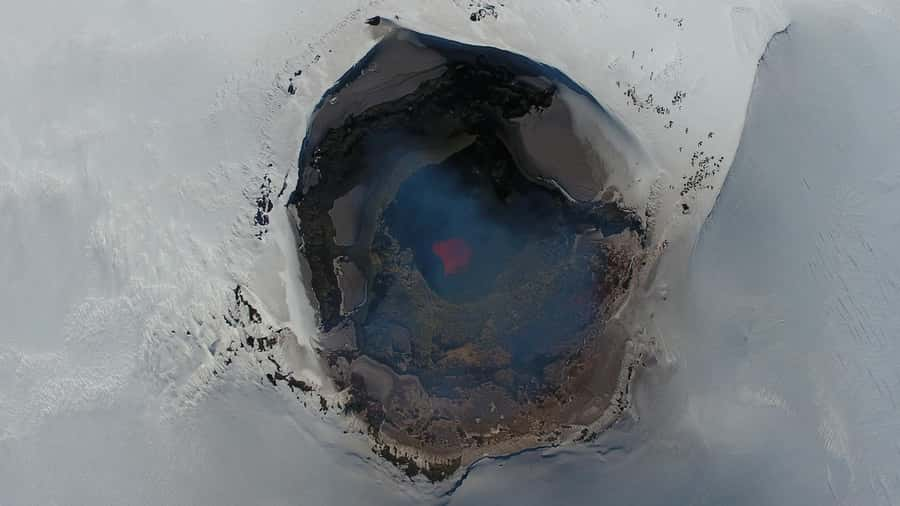
Villarrica is not a gentle hill with a nice viewpoint. It is an active volcano, rising above Pucón with a smoking crater, steep snow slopes, and a route that demands steady effort from the first hour. On a clear day, the reward is a 360-degree sweep of forests, lagoons, and other volcanoes, followed by a wonderfully silly slide back down the mountain.
I like the small guide ratio, with one certified guide for every three people, and I like that Zenit Travel handles the serious mountain gear. Guides such as Nacho, Osiel, Chacha, Raul, Luisa, and Sebastian have earned strong praise for pacing, safety, and calm support. The catch is simple: this is a hard, weather-dependent day, and the summit or snow slide may be cut short.
Key points to know before you book
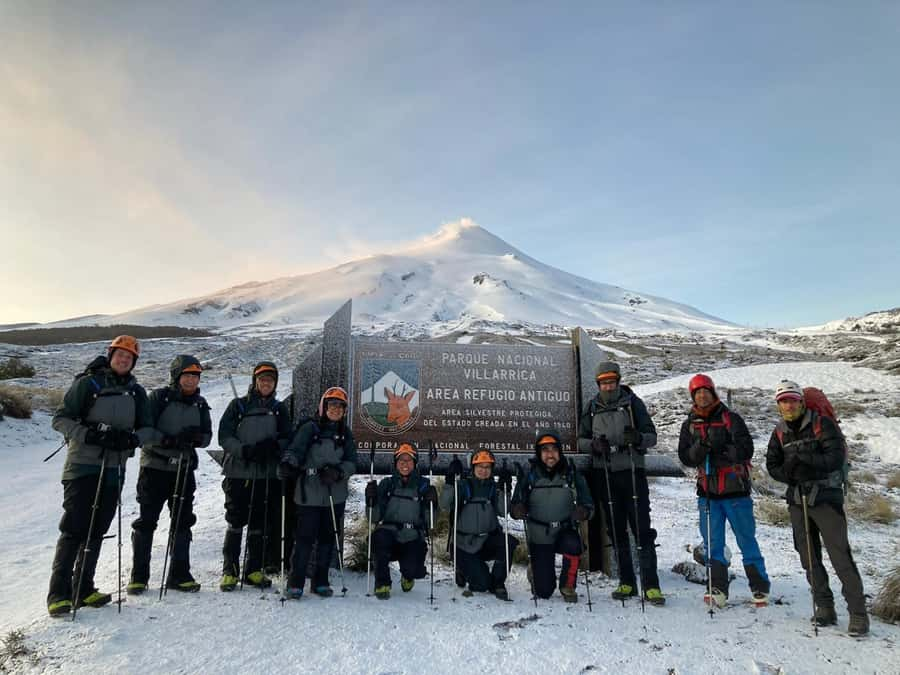
- The summit reaches 2,847 meters, after roughly five to six hours of continuous uphill travel.
- The descent is part of the fun, with controlled snow sliding replacing much of the ordinary walk down.
- Full technical equipment is supplied, including boots, crampons, ice axe, helmet, clothing layers, gaiters, poles, and a backpack.
- Weather and volcanic activity control the day, so reaching the crater is never guaranteed.
- The lift is not included, and you need to ask about it during the equipment fitting if you want to save energy on the lower approach.
- You need reasonable fitness, but no previous mountaineering experience is required.
Why Villarrica is such a serious day out
Villarrica is one of Chile’s most recognizable volcanoes and part of the Pacific Ring of Fire. The mountain is not just a scenic backdrop for Pucón. It is an active geological system, monitored daily for seismic activity and changing conditions.
That matters on this trip. Your guide is not simply leading a fixed walking route. The team checks the volcano and the weather before departure, then decides how high and how far the group can safely go. A yellow warning or strong wind can close the upper section, and poor visibility can remove much of the reward.
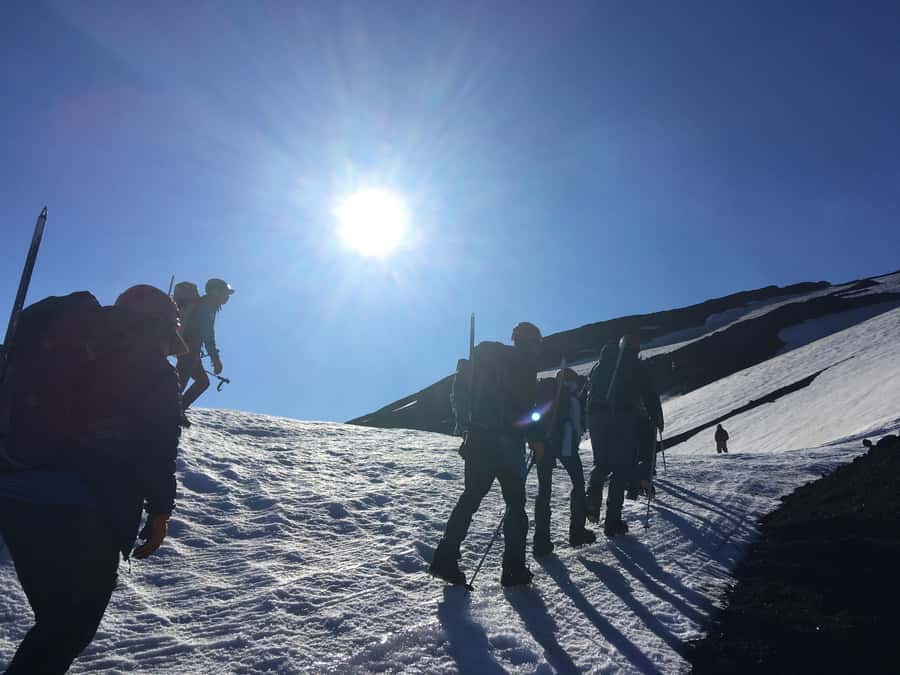
The route begins at about 1,200 meters and climbs to 2,847 meters. There are no long flat stretches to break up the effort, so the physical challenge can surprise you even if you exercise regularly. One participant described the day as harder than expected despite being athletic, while another found it manageable with a suitable level of fitness.
I would treat this as an entry-level alpine ascent, not as a casual hike. You do not need prior crampon experience, but you do need patience, balance, and enough stamina to keep moving uphill for several hours.
More Volcano Tours in Chile
- From Santiago: Cajón del Maipo and Volcán San José Hike 8K
★ 4.9 · 418 reviews - From Puerto Varas: Osorno Volcano & Petrohue Falls Day Tour
★ 4.6 · 121 reviews - Villarrica Volcano Ascent – Zenit
★ 5.0 · 111 reviews
The day begins before sunrise in Pucón
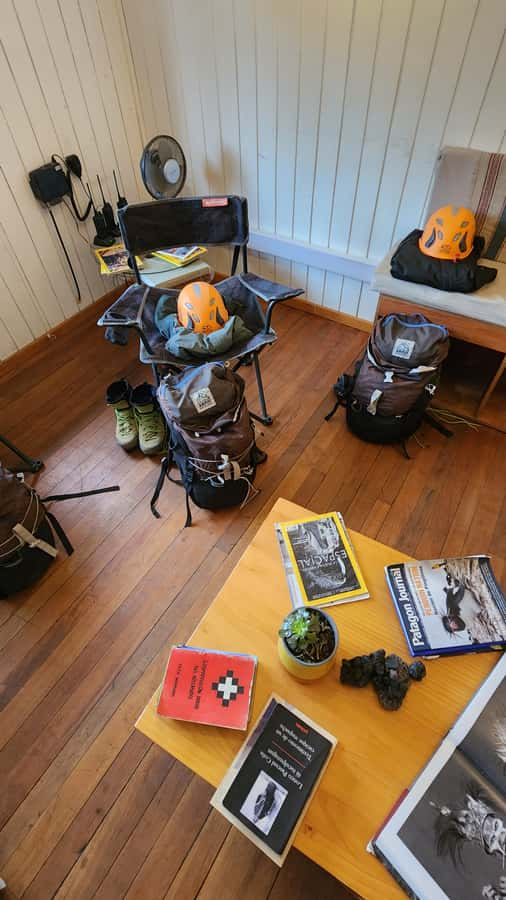
You meet at the Zenit Travel office at Pedro de Valdivia 205. The stated arrival time is 6:15 am, with the activity beginning around 6:00 am, so confirm the exact meeting instruction with the operator. Look for the Zenit Travel office under the arch.
The company asks you to visit the office the day before the climb for a boot fitting, equipment check, and briefing. This is an important part of the experience, not a minor administrative chore. Properly fitted boots can make the difference between a long, tiring day and a painful one. One person developed blisters, so take time to check the fit and tell the staff about pressure points.
Use the previous evening well. Eat a carb-heavy meal such as pasta, drink plenty of water, and skip alcohol. Bring food and drinks for the mountain, since neither is included. You should also pack sunscreen, sunglasses, trekking clothing, and extra layers.
A buff is a particularly useful suggestion from one climber. It can help with sun, wind, cold air, and volcanic gases near the crater. You should not assume the supplied clothing replaces every personal item. The operator provides major mountain gear, but you still need suitable base layers, eye protection, sun cream, and food.
A short ride to Villarrica National Park
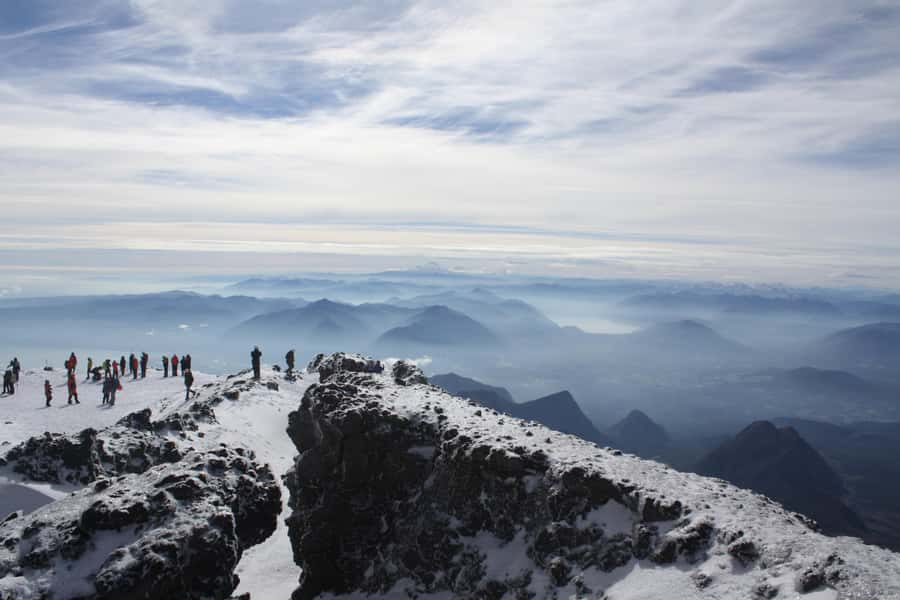
The van ride from central Pucón to the volcano takes about 30 minutes. This keeps the morning simple: meet at the office, load the equipment, and reach the park without arranging a separate taxi or transfer.
Transportation from the office and the national park entrance fee are included in the $190 price. Hotel pickup and drop-off are not included, so you need to reach the central office on your own. That is easy enough if you stay in Pucón, but allow time to arrive early with all your personal gear.
The approach can include an optional ski lift for the lower part of the route. The lift ticket is not included, and you may need cash to pay for it. The most useful advice is to ask about this clearly during the equipment fitting, since it can save energy before the steep snow section begins.
The lift is not essential, but it may be worth considering if your legs are not used to long uphill climbs. One person specifically recommended it for conserving energy. Ask about the current operation and price, since those details are not provided here.
The lower trail: a steady start at 1,200 meters
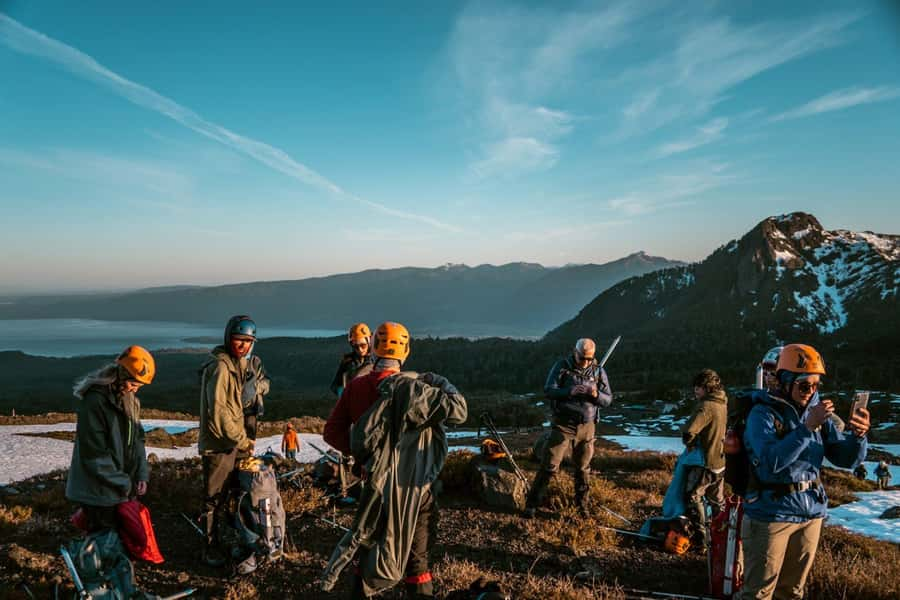
The first part is a traditional mountain hike. You walk uphill from about 1,200 meters, gradually getting used to the height and the rhythm of the climb.
The guides aim to start at an easy pace. That is sensible. A fast opening hour can leave you drained well before the glacier, while a measured pace gives your body time to settle into the long ascent. The group may split into smaller pace groups, especially when several guides are working together.
The guide team stays in contact by radio, which helps them keep track of people at different speeds. This is one of the practical benefits of the one-guide-for-three ratio. Stronger climbers can move ahead without abandoning slower members, while people who need more breaks can receive closer attention.
Do not mistake the easy pace for an easy hike. The route keeps climbing, and several people found the unbroken uphill sections difficult. You will want to look after your feet from the start, drink before you feel thirsty, and eat small amounts rather than waiting until you are exhausted.
Same trip, a completely different kind of day:
- Santiago: Cajon del Maipo/Embalse del Yeso Tour with Picnic
★ 4.3 · 3,789 reviews - Santiago: Vina Del Mar, Valparaiso, Casablanca & Reñaca Tour
★ 4.2 · 2,838 reviews - Small-Group Cajón del Maipo Full-Day Tour and Picnic
★ 4.5 · 2,277 reviews - Santiago: Cajon del Maipo & Embalse El Yeso Trip with Picnic
★ 4.5 · 1,859 reviews
Crampons, ice axes, and the upper snow route
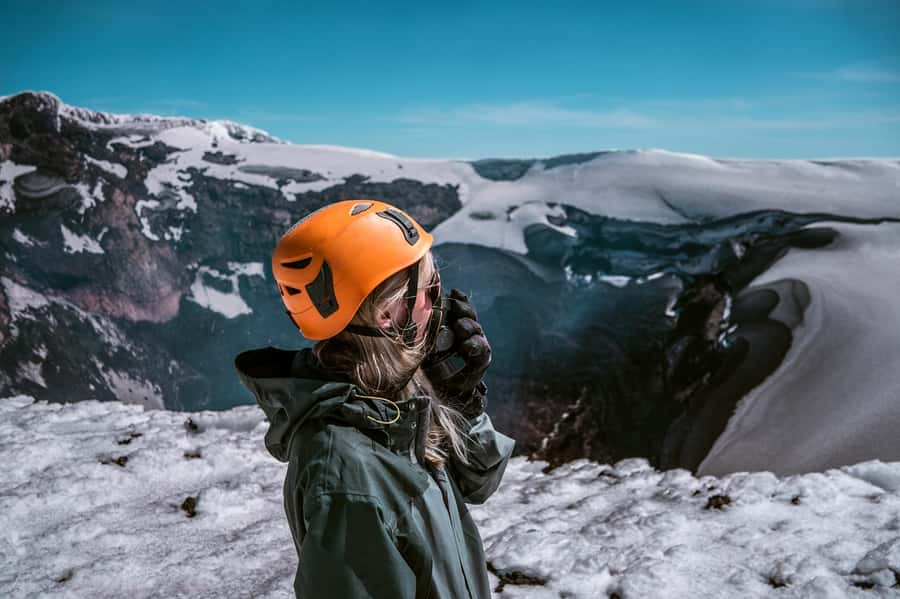
As you approach the glacier, the trip changes from a standard hike into a basic mountaineering experience. The guides fit your crampons, explain how to use the ice axe, and show you how to move safely on snow and ice.
The supplied equipment includes mountain boots, poles, crampons, an ice axe, helmet, backpack, trousers, jacket, gloves, and gaiters. That is a strong value at $190, especially if you are visiting Pucón without your own alpine kit. You still need your personal trekking clothes and sun protection.
The guides focus on technique and safety. Keep your feet positioned as instructed, use the ice axe properly, and stay aware of the person ahead of you. The upper route can feel slow, but this is where careful movement matters more than speed.
Some groups move faster than others. Strong climbers may pass several parties, while larger groups can create bottlenecks on the route. One person found a group of 12 slow and crowded, with people waiting at several points. The early start can help reduce this problem, so ask if an earlier departure is possible.
The exact equipment routine can vary with conditions. Follow the instructions from your own guide rather than copying another group. Mountain clothing also becomes a balancing act: you may need several layers in the wind, then want to remove one while climbing hard.
The final push to 2,847 meters
The full climb takes about five to six hours. There is no short walk from the park entrance to a summit platform. You work for the crater, step by step, with the slope growing more demanding as you gain height.
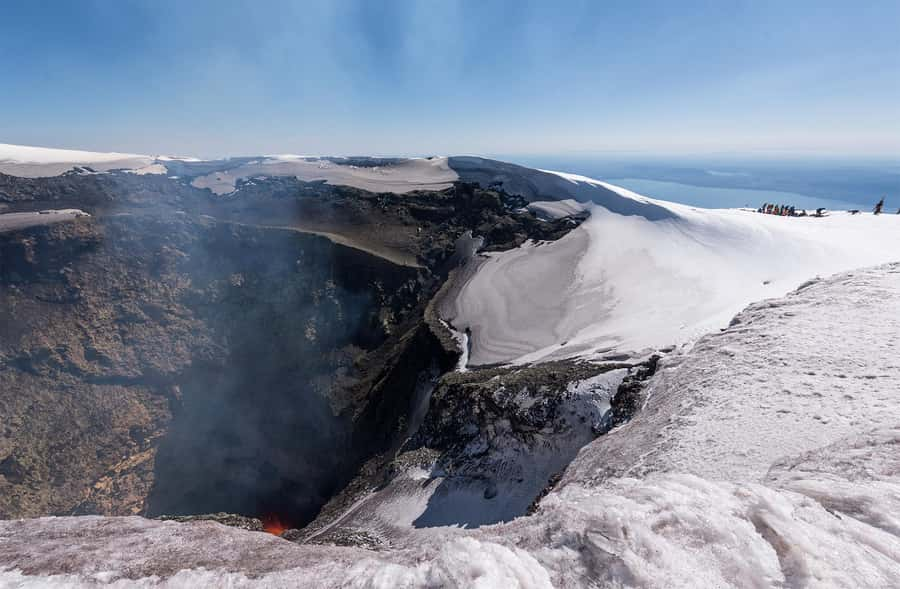
At 2,847 meters, the summit offers the main prize: a view into the crater and its dramatic geological formation. Depending on current conditions, you may see fumaroles and possibly lava. That is an extraordinary thing to witness, but it also explains why the volcano is monitored and why the upper route can close.
The summit stop lasts about 30 minutes. Use it to look into the crater, take photographs, eat, drink, and enjoy the views. On clear days, you can see surrounding volcanoes, lagoons, and forests in every direction. Early departures may also bring sunrise light along the way, which adds a fine bonus without changing the basic route.
The summit is not guaranteed. Strong wind, poor visibility, volcanic activity, or an official restriction can shorten the climb. This happened to some groups, including people who reached a high point but could not continue to the crater. In those cases, the guides’ safety decision matters more than a promised summit.
Ask about current summit access during the briefing. One person felt the closure status should have been clearer before booking, so do not rely only on the standard route description.
The descent: snow sliding instead of a dull walk down
The return takes about half the time of the ascent. Much of the descent combines walking with controlled sliding on the snow, using the technique explained by your guides.
This is the part many people remember most. You sit or slide down prepared snowy sections, controlling your speed and direction. It is playful, fast, and a welcome change after hours of climbing. You may get wet and cold, so pack layers and protect anything in your backpack that should not be exposed to snow.
The sliding is not automatic. You need to follow instructions, leave enough room between people, and stop when told. It is a guided mountain technique, not an unsupervised toboggan run. Conditions can also remove this part of the day. Poor weather or insufficient snow may mean walking down instead.
For anyone worried about knees, the sliding can reduce the amount of ordinary downhill walking. It still requires control and effort, though, and it will not turn the day into an easy outing.
At the base, the van takes you back to the Zenit Travel office in Pucón. The total day is about nine hours, including the two short vehicle rides and the long mountain section.
The guides are the strongest part of the package
The guide team receives the most consistent praise, and the reasons are clear. The group includes certified guides, with one assigned for every three participants. That allows the team to adjust the pace, split people by ability, and keep communication open.
Names that have received especially warm mention include Nacho, Osiel, Chacha, Raul, Felipe, Sebastian, and Luisa. Osiel was also praised for taking photographs and creating memorable images during the climb. You should not assume a photographer is guaranteed, but the team may capture photographs along the way.
English is available, and the guides explain the equipment and procedures clearly. They also talk about Andean Indigenous peoples, the relationship between mountain communities and the peaks, and basic volcanology.
The educational side could be stronger at times. One person wanted more geology explained during the ascent, rather than receiving most information in general conversation. If you are curious, ask questions as you climb. The setting gives you a natural chance to learn about fumaroles, snow, volcanic activity, and the mountain’s place in local culture.
What the $190 price really buys you
At $190 per person, this is not cheap by ordinary day-hike standards. It is a fair price for a guided technical ascent when you consider what is included: transportation from the central office, national park admission, major mountain equipment, and a guide ratio of one to three.
The gear is the biggest value for most visitors. Buying or renting boots, crampons, an ice axe, helmet, gaiters, trousers, jacket, gloves, poles, and a backpack separately could be costly and inconvenient. You also receive instruction in how to use the equipment rather than simply collecting it.
The price does not cover food, drinks, hotel transfers, personal trekking clothes, sunscreen, sunglasses, or the optional ski lift. Budget for those separately. The lift may be a useful extra, especially if you want to preserve energy for the glacier, but make sure you understand its cost before the morning of the climb.
Free cancellation up to 24 hours before departure and the option to reserve without immediate payment make the booking less rigid. Still, the real financial risk is time. Keep a spare day in Pucón if reaching the crater is important, since weather and volcanic conditions can change.
Who should book this climb?
You should consider it if you want a demanding outdoor day and the idea of standing beside an active crater excites you. It suits adults with reasonable physical condition who can handle five to six hours of uphill movement, cold, changing weather, and a long day in mountain gear.
You do not need previous climbing experience. You do need to listen well, accept a slow pace, and be ready for the possibility that the summit will close.
This is not suitable for children under 18. It is also a poor choice if you want a relaxed sightseeing trip, dislike snow, or are hoping for a guaranteed crater visit. Foot, ankle, or back problems deserve serious thought, since the climb keeps your body working for hours and the boots may feel unfamiliar.
FAQ
How long does the Villarrica Volcano climb take?
The complete experience lasts about nine hours, including the 30-minute van ride each way. The uphill climb takes roughly five to six hours, and the descent takes about half as long.
How high do you climb?
The route begins at about 1,200 meters above sea level and reaches approximately 2,847 meters at the summit.
Is previous climbing experience required?
No. The activity states that previous experience is not required, but you need a minimum level of physical condition and must be able to manage a long, demanding ascent.
What equipment is included?
The activity includes mountain boots, poles, crampons, an ice axe, helmet, backpack, trousers, jacket, gloves, and gaiters. Transportation from the central office and the Villarrica National Park entrance fee are also included.
What do I need to bring?
Bring food and drinks, sunscreen, sunglasses, and your own trekking clothes or base layers. A buff and extra layers are useful for changing wind and temperature, based on the conditions described by participants.
Is the ski lift included?
No. The ski resort towing ticket for the lower approach is not included. Ask about the lift during the equipment fitting and confirm whether you need cash.
Can weather prevent the summit?
Yes. The program depends on weather conditions, volcanic seismic activity, wind, and visibility. The guides may shorten the route or stop before the crater when conditions are unsafe.
Where do I meet the group?
Meet at the Zenit Travel office at Pedro de Valdivia 205 in central Pucón. Look for Zenit Travel under the arch and arrive around 6:15 am on the activity day. The equipment check and briefing take place at the office the day before.
Should you book it?
Book this climb if you want one of Pucón’s major mountain challenges and you value professional equipment, close guide support, and a lively descent. The crater, fumaroles, wide views, and snow slides give the day more variety than a standard summit walk.
Go in with the right expectations. The slope is steep, the weather can cancel the best parts, and the climb may be harder than the words minimum physical condition suggest. Ask about current summit access, the ski lift, group size, and the weather forecast during your equipment fitting.
For a fit adult who accepts those conditions, this is a strong use of a day in Pucón. It gives you a real introduction to snow travel and volcano climbing without requiring you to own a full set of mountain gear.
Just added around Chile
- Ride to the highest point on the island for sunset★ 5.0 · 40 reviews
- Rafting Azul a Macal – Futaleufu River★ 5.0 · 40 reviews
- Rafting Puente a Macal – Futaleufu River★ 5.0 · 35 reviews
- Kayak through the Sunken Forest of the Maullín River★ 5.0 · 41 reviews
- Tour to Huilo Huilo from Pucón, Villarrica★ 5.0 · 51 reviews
- Stargazing Hiking Valle de Elqui★ 5.0 · 46 reviews
- Paragliding Adventure in Maitencillo★ 5.0 · 42 reviews
- Rafting Futaleufu River Bridge to Bridge Section★ 5.0 · 39 reviews
Volcano Tours, compared.
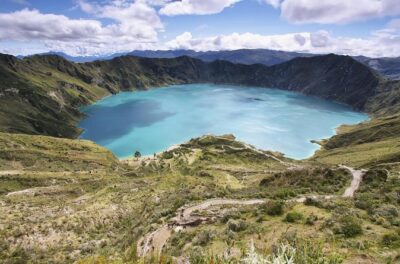
Cotopaxi & Quilotoa With Optional Hotel Pick-Up & Drop-Off
Read our review →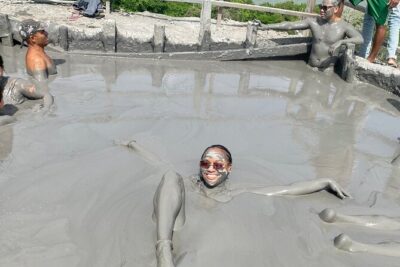
Tour to the Mud Volcano in Cartagena with Lunch
Read our review →
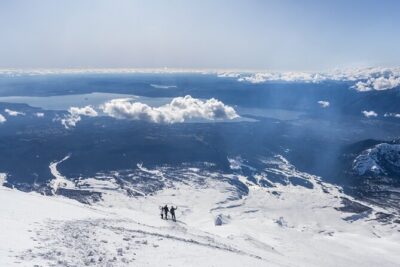
From Puerto Varas: Osorno Volcano & Petrohue Falls Day Tour
Read our review →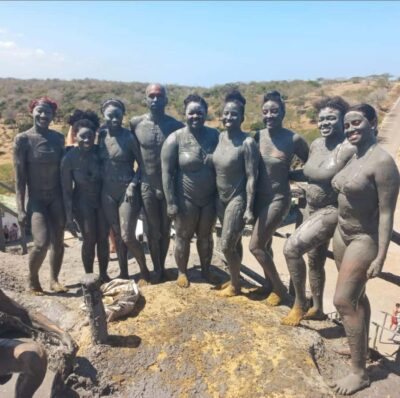
Puerto Montt: Osorno Volcano and Petrohué Falls Guided Tour
Read our review →Browse the lists this tour appears in