
Reviewed · TICKETS
Monserrate Tour in Bogotá Including Tickets
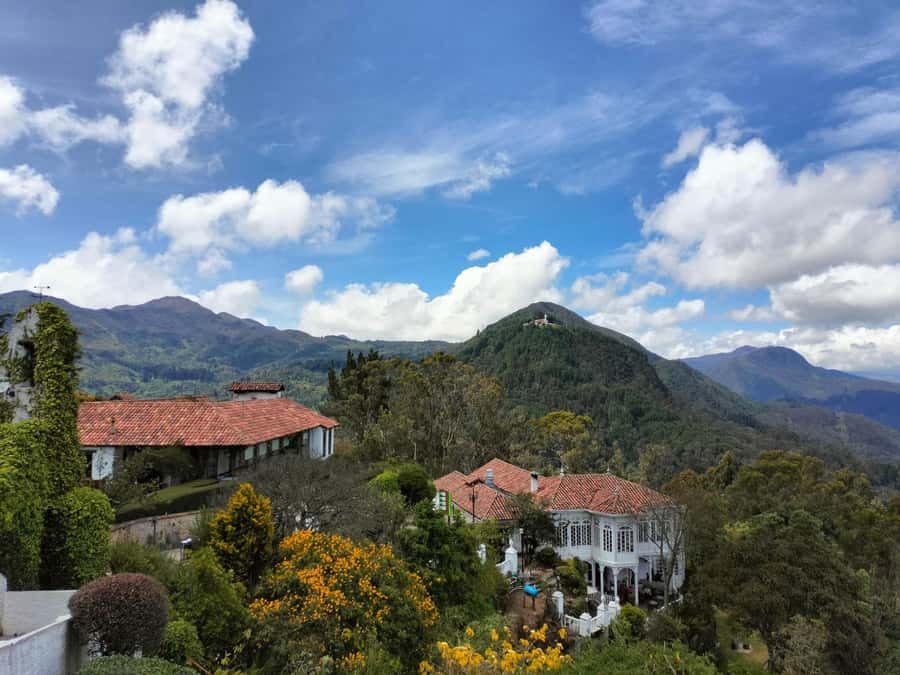
Bogotá’s Monserrate hill gives you the city from above, but the best part is the walk to the top. You follow the Stations of the Cross Path, hear how this mountain became a pilgrimage site, and learn why it later became one of Bogotá’s main viewpoints. The 17th-century basilica gives the outing a real sense of place.
I like two things in particular: the small group of no more than 10 people, which makes it easier to ask questions, and the round-trip ticket included in the $28 price. Guide Lorena has been praised for explaining Bogotá’s customs, food, and culture, not just reciting facts about the hill.
The main thing to consider is timing. Two hours goes quickly, and this is a mountain visit with walking, stairs, changing weather, and time needed for photographs. If you want a slow church visit or a long meal at the top, you will need extra time beyond the tour.
Key points before you book
- Follow the Via Crucis path: Learn about Catholic traditions alongside local flora, fauna, and religious artwork.
- Visit the basilica at the summit: See the Basilica of the Fallen Lord of Monserrate, a 17th-century neocolonial church.
- Use the included round-trip ticket: Your mountain transport is covered, and the tour lets you skip the ticket line.
- Hear Bogotá from a local guide: English and Spanish tours cover customs, sayings, superstitions, food, and city culture.
- Keep the group personal: The tour is limited to 10 participants and includes insurance.
- Pack for the mountain: Comfortable shoes, water, sunscreen, sun protection, and weather-appropriate clothing matter here.
Meeting at the Monserrate cable-car ticket office
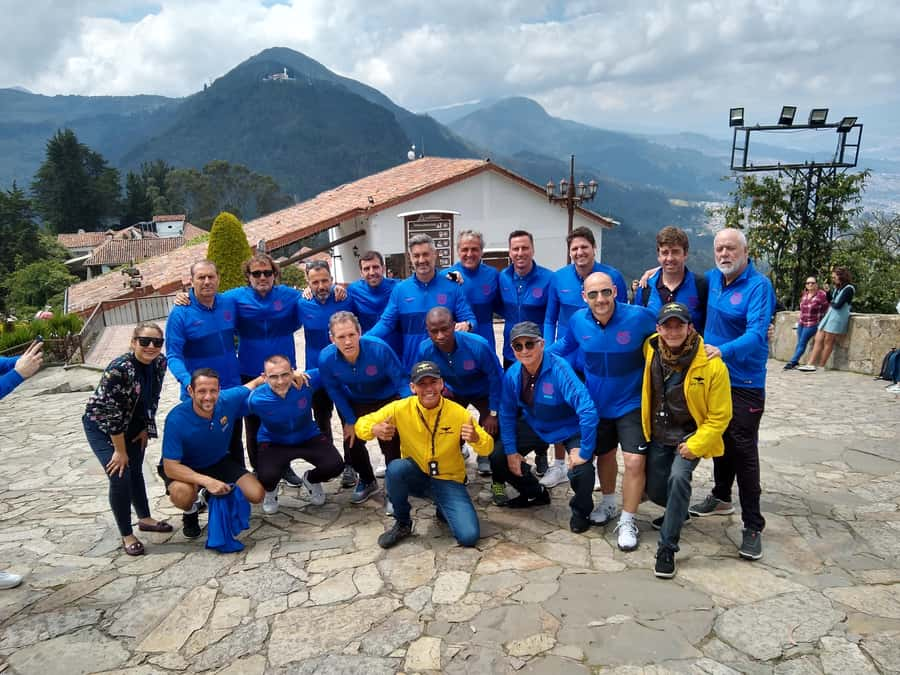
Your tour begins at Taquilla Monserrate Teleférico, at the base of the mountain beside the ticket office. Look for the yellow umbrella. This detail matters because the base can feel confusing when people are arriving for the cable car, funicular, or their own visit. Give yourself enough time to find the meeting point without rushing.
The tour does not include hotel pickup or drop-off, so you need to make your own way to the mountain base. Once you meet your guide, the group begins the ascent and the guide explains how Monserrate changed from a religious destination into a major sightseeing stop.
The included round-trip Monserrate ticket adds real value. You are not paying separately for the mountain transport, and the skip-the-line feature can save useful time at a busy attraction. The exact transport method and operating details are not specified here, so check the current starting time and local conditions when you book.
A few more Bogota days worth comparing
- Bogota: Bicycle City Tour
★ 4.9 · 2,156 reviews - Zipaquirá: Salt Cathedral Group Tour with Pickup
★ 4.8 · 1,606 reviews - Bogotá: Guided La Candelaria Walking Tour
★ 4.8 · 1,229 reviews
Why Monserrate matters to Bogotá
Monserrate is more than a lookout with a church on top. The hill is tied to pilgrimage, Catholic faith, local customs, and Bogotá’s identity. Your guide puts those pieces together while you make your way upward, giving the visit a human story rather than treating it as a quick photo stop.
That cultural context is one reason I would choose a guided visit over going alone. You can see the basilica and city views without a guide, but you may miss the sayings, superstitions, and small traditions that give the mountain meaning for local people.
The guide also explains how Monserrate became a tourist destination because of its exceptional views. That is a useful connection. The city panorama brought more sightseers, but the religious purpose remains central to the hill.
Guide Lorena has received particular praise for explaining Bogotá’s customs, cuisine, and culture in a wider way. That is the kind of guide you want here: someone who can connect a church on a mountaintop with the city below.
Walking the Stations of the Cross Path
The Via Crucis, or Stations of the Cross Path, is the main walking section of the experience. Along the route, you see religious artwork and hear about the Stations of the Cross, while the guide also points out local plants and animals.
This combination makes the path more interesting than a simple uphill route. You are not only counting steps. You are seeing how religious art and the natural setting share the same space, with the guide explaining both.
The walk does require sensible preparation. Comfortable shoes are listed as essential, and water is worth carrying. You should also bring sunscreen, sunglasses, and a sun hat, since the weather and sun exposure can change as you gain height.
The tour operates in all weather conditions. That is helpful if your schedule is tight, but it also means you should not assume the walk will be dry or cool. Pack a light layer and weather-appropriate clothing. A camera is useful, though you will want to protect it if the weather turns wet.
The itinerary does not state the exact distance or steepness of the path. If you have mobility concerns, check the current arrangements before booking. The activity is listed as wheelchair accessible, but an uphill religious path can still involve conditions worth confirming directly for your needs.
The wishing well and local traditions
One of the simplest stops is also one of the most memorable. You can flip a coin into a wishing well, taking part in a local tradition that has continued for decades.
This is a small moment, but it gives the tour a participatory feel. You are not just listening to information or taking photographs. You get to join a custom connected with the place.
The guide also shares local superstitions, sayings, and interesting facts about Monserrate. These details help keep the tour from feeling like a standard church visit. They give you conversation starters for the rest of your time in Bogotá, too.
Do not expect the wishing well to be a major attraction by itself. Its value comes from the story around it and from the chance to take part. If you prefer a strictly historical tour, this may feel light. If you like local habits and small rituals, it adds charm.
Same trip, a completely different kind of day:
- Bogotá: Private City Tour, Monserrate, Emerald and Botero
★ 4.9 · 798 reviews - Bogotá´s Barrios: El Paraíso Favela Tour with Cable Car
★ 4.8 · 731 reviews - Bogota: Guatavita and Salt Cathedral Daily Group Tour
★ 4.7 · 615 reviews - Bogotá City Tour with Monserrate, Gold and Botero Museums
★ 4.9 · 584 reviews
Taking in Bogotá from the viewpoint
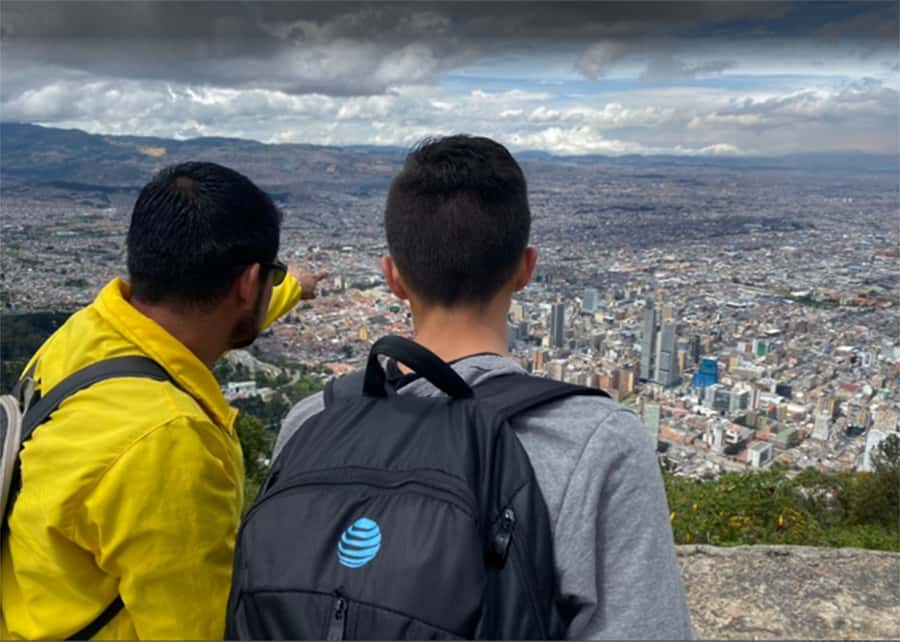
The hill’s viewpoint is the visual reward. From here, you can take photographs of sweeping views across Bogotá and see why Monserrate became such a popular stop.
I would plan to pause here rather than rushing through. Two hours is a compact schedule, so the guide needs to balance explanations, walking, the viewpoint, and the basilica. If photography is important to you, let your guide know early so you can make the most of the stop.
The city view is also a useful orientation point. After seeing Bogotá from above, streets and districts can make more sense when you explore at ground level. Your guide can add context about the city, though the supplied details do not promise a full neighborhood-by-neighborhood explanation.
Bring sunglasses and sunscreen even if the day begins cloudy. The tour specifically recommends both, along with a camera and water. Weather can affect visibility, so do not judge the experience only by the forecast at street level.
Entering the Basilica of the Fallen Lord of Monserrate
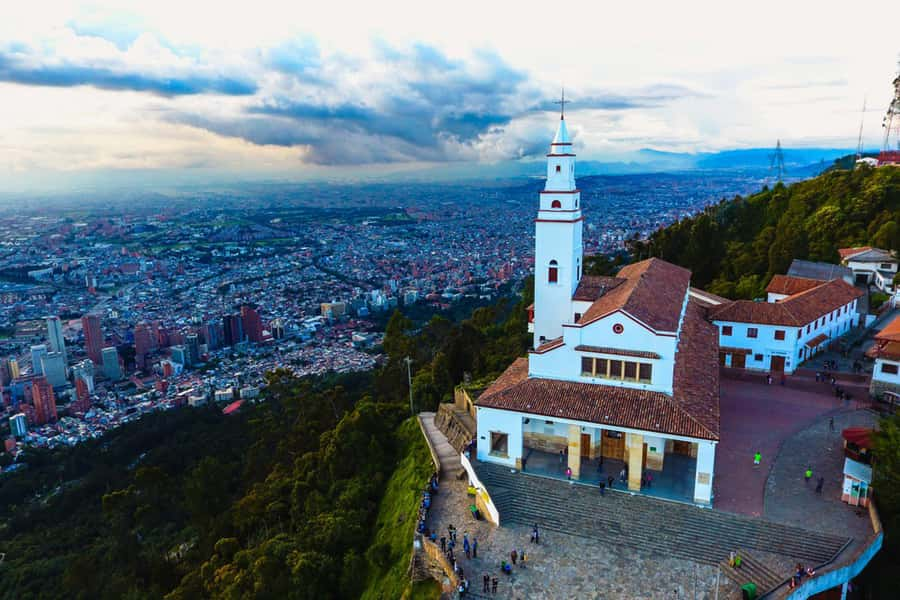
At the top, you visit the Basilica of the Fallen Lord of Monserrate. The church is described as a 17th-century neocolonial building, and its importance is both architectural and religious.
The guide explains why Catholicism matters to Colombian identity and how the basilica fits into Monserrate’s role as a place of pilgrimage. That context makes the church more than a pretty building at the end of a mountain ride.
You will have the chance to admire the architecture and learn about the religious meaning of the site. Keep in mind that this is a working place of worship, not simply a monument. Follow your guide’s instructions and be respectful if religious activity is taking place.
The basilica stop is especially useful for anyone interested in Colombian culture, Catholic traditions, or historic architecture. If your priority is only the viewpoint, you may find the church portion longer than necessary. The tour is designed to treat both as important.
What the $28 price includes
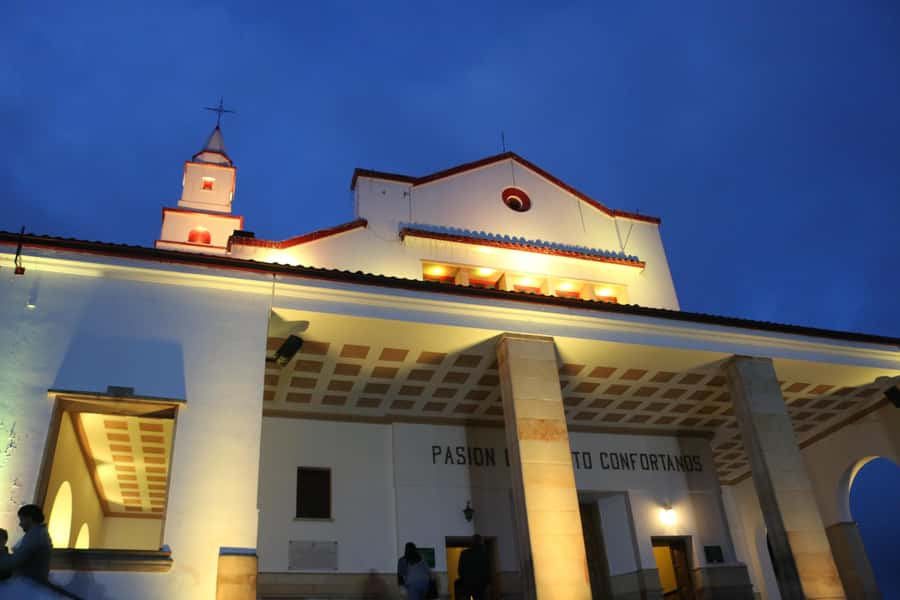
At $28 per person, the tour covers a guide, round-trip Monserrate transport, and insurance. That makes the price easier to assess than a ticket-only visit because the core transportation cost is already included.
The guided explanation is the main extra value. You are paying for help understanding the pilgrimage tradition, the Via Crucis artwork, local nature, the wishing well, Bogotá’s customs, and the basilica. A self-guided visit may cost less in some circumstances, but it will not provide the same organized cultural explanation.
The small group also matters. With a maximum of 10 participants, the guide can speak to the group without the feel of a large coach tour. You should have a better chance to ask about Bogotá, the hill, or local customs.
Food and drinks are not included. Plan to bring water, and remember that hotel transfers are also outside the price. The tour lasts two hours, so most people can treat it as a focused morning or afternoon activity rather than a full-day outing.
The free cancellation policy allows you to cancel up to 24 hours ahead for a full refund. You can also reserve now and pay later, which is useful if your Bogotá schedule may change. Starting times depend on availability.
Who will enjoy this Monserrate visit
I would recommend this tour to first-time visitors who want a clear introduction to one of Bogotá’s best-known sights. The guide gives you cultural context, while the included ticket removes one practical task from your day.
It also suits people who like a blend of scenery, religion, and local customs. You get city views, a mountain walk, religious art, a historic church, and a small tradition involving the wishing well.
The English and Spanish language options make it accessible to a broad range of visitors. The small group is a good fit if you want to ask questions or prefer not to follow a large crowd.
Families may appreciate the short duration, but keep the uphill walking and weather in mind. People with limited mobility should confirm how the accessible arrangements apply to the route and transport before booking.
I would be less likely to choose it if I wanted a quiet, independent visit with lots of time for photography. The guide keeps the experience moving, and the two-hour schedule leaves limited room for lingering.
Practical tips for a smoother visit
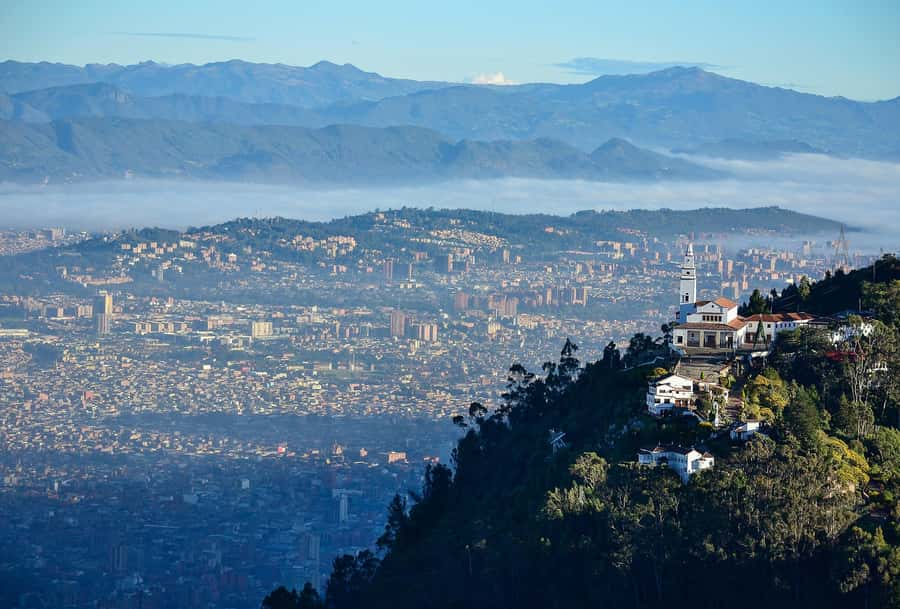
Arrive at the yellow umbrella beside the Monserrate cable-car ticket office with enough time to identify your guide. The meeting point is specific, but the mountain base has several nearby activities and ticket areas.
Wear shoes that you can walk in comfortably. This is not a sit-down city tour. You follow a mountain path, stop at viewpoints, and move between the religious artwork and summit attractions.
Bring water, sunscreen, sunglasses, a hat, and a camera. Dress for the weather rather than relying on the conditions you see when leaving your hotel. Since the tour runs in all weather, a flexible approach is best.
Keep your expectations realistic about the schedule. You will cover the mountain’s pilgrimage story, the Via Crucis, local flora and fauna, the wishing well, a viewpoint, and the basilica in about two hours. That is a good introduction, not an unhurried full-day exploration.
Should you book the Monserrate Tour?
Book it if you want the practical ease of an included round-trip ticket paired with a short, culture-focused introduction to Monserrate. The $28 price is fair for a small group, live guide, insurance, and a structured visit to the basilica and viewpoint.
Skip it if you prefer to set your own pace, spend a long time taking photographs, or avoid guided religious sites. For most first visits, though, the combination of city views, local traditions, Catholic history, and Lorena-style cultural explanation makes this a useful way to meet Bogotá from above.
FAQ
Where does the Monserrate tour meet?
Meet at Taquilla Monserrate Teleférico at the base of the mountain, next to the ticket office. Look for the yellow umbrella.
How long does the tour last?
The tour lasts two hours. Starting times depend on availability.
What is included in the price?
The price includes a guide, a round-trip Monserrate ticket, and insurance.
Does the tour include hotel pickup and drop-off?
No. Hotel pickup and drop-off are not included.
What languages are available?
The live tour guide is available in English and Spanish.
How large is the group?
The tour is limited to 10 participants.
Is the tour wheelchair accessible?
The activity is listed as wheelchair accessible. If you need specific route or transport details, confirm them before booking.
What should I bring?
Bring comfortable shoes, sunglasses, a sun hat, a camera, sunscreen, water, and clothing suited to the weather.
Does the tour operate in bad weather?
Yes. The tour operates in all weather conditions, so dress accordingly.
Just added around Bogota
- Tour of Zipaquirá: Visit the Salt Cathedral and the main squares★ 4.5 · 55 reviews
- Bogota Walking Tour Teusaquillo, a different part of the city★ 5.0 · 41 reviews
- La Candelaria Walking Private Tour (3 Hrs.)★ 5.0 · 51 reviews
- Private Zipaquira Salt Cathedral and Guatavita Lagoon Tour from Bogota★ 4.5 · 44 reviews
- Tejo and Beer Tour in Bogotá★ 5.0 · 35 reviews
- Hiking to the largest paramo on earth : Sumapaz★ 5.0 · 49 reviews
- MINA CATEDRAL DE SAL ZIPAQUIRA Tour Privado★ 4.5 · 38 reviews
- Descubre la Magia: Catedral de Sal & Bogotá en 1 Día★ 4.5 · 39 reviews
Tickets, compared.
Christ the Redeemer Entry Ticket by Corcovado Train
Read our review →

Skip the Line Christ the Redeemer Admission Ticket
Read our review →
Browse the lists this tour appears in