
Reviewed · SALT CATHEDRAL TOURS
Zipaquirá: Salt Cathedral Group Tour with Pickup
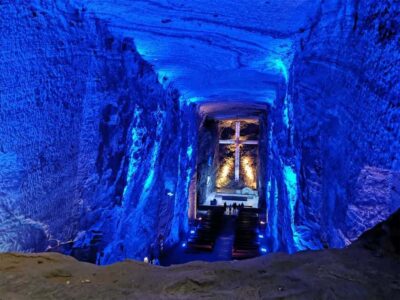
The most remarkable part of this day is 180 meters underground, where miners carved chapels, crosses, and long passageways into a working salt mine. The Salt Cathedral is not a church in the usual sense. It is a dramatic underground complex of salt, light, sculpture, and engineering, with the world’s largest underground salt cross at its Great Center Dome.
I like two things here. First, hotel pickup removes the hassle of arranging transport through Bogotá traffic. Second, you get more than the cathedral: the route through the Bogotá Savanna and the walk through Zipaquirá give you a better feel for northern Colombia.
The main drawback is the length of the day. The advertised duration is nine hours, but traffic, several hotel pickups, and the return drive can stretch the day considerably. If the roads are jammed, the journey may take much longer than expected.
Key points to know before booking
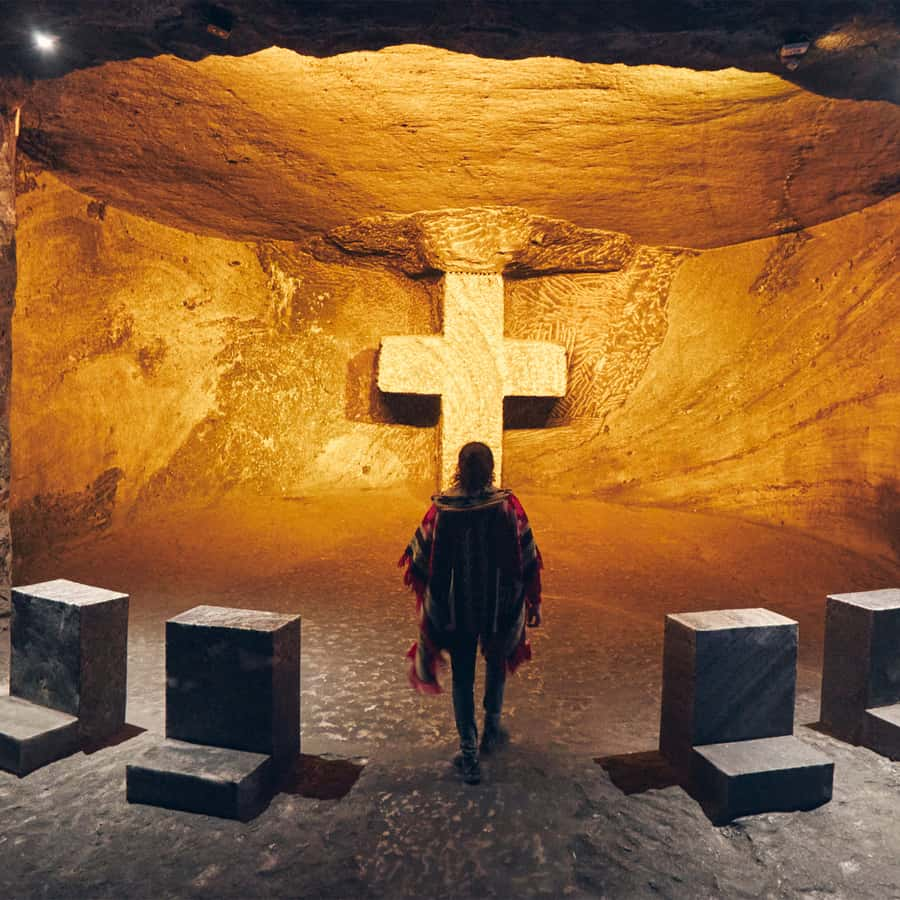
- The cathedral sits 180 meters underground: Expect tunnels, salt carvings, chapels, colored lighting, and a huge central cross rather than a conventional religious building.
- The cathedral visit is largely self-guided: Your audio guide explains the Stations of the Cross, mining, symbolism, and architecture at your own pace.
- Pickup and drop-off are included: This is useful in Bogotá, where traffic and unfamiliar neighborhoods can make independent planning tiring.
- Zipaquirá adds real value: You visit the main squares and historic center instead of seeing only the salt mine.
- Guides make the road time count: Guides such as Sergio, Sebastian, Camilo, and Milena have led bilingual groups and shared information about Bogotá and Colombia along the way.
- Lunch is extra: You receive free time for a meal, but food and drinks are not included in the $46 tour price.
Why the Salt Cathedral is worth the trip from Bogotá
Zipaquirá is north of Bogotá, and getting there takes time. That can make the excursion feel like a large commitment for a single attraction. The Salt Cathedral earns that commitment because it is genuinely unusual and difficult to compare with any other major sight in Colombia.
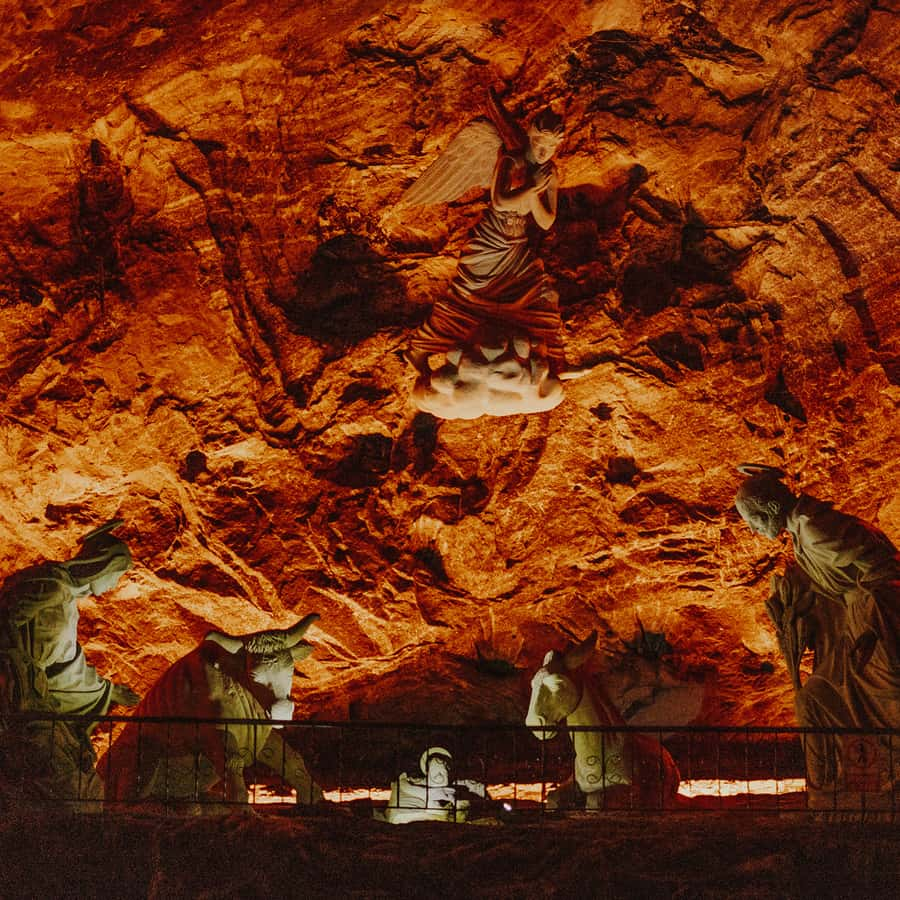
The complex was carved inside an active salt mine. As you descend, the setting shifts from ordinary mine tunnels to a sequence of religious and artistic spaces. The First Station introduces the Stations of the Cross, with salt carvings and low, atmospheric lighting setting a serious tone.
The cathedral combines Catholic symbolism with the physical character of the mine. Salt walls, dark passageways, carved figures, and carefully placed illumination create an experience that feels part museum, part place of worship, and part feat of construction. Even if you are not religious, the scale and setting make the visit worthwhile.
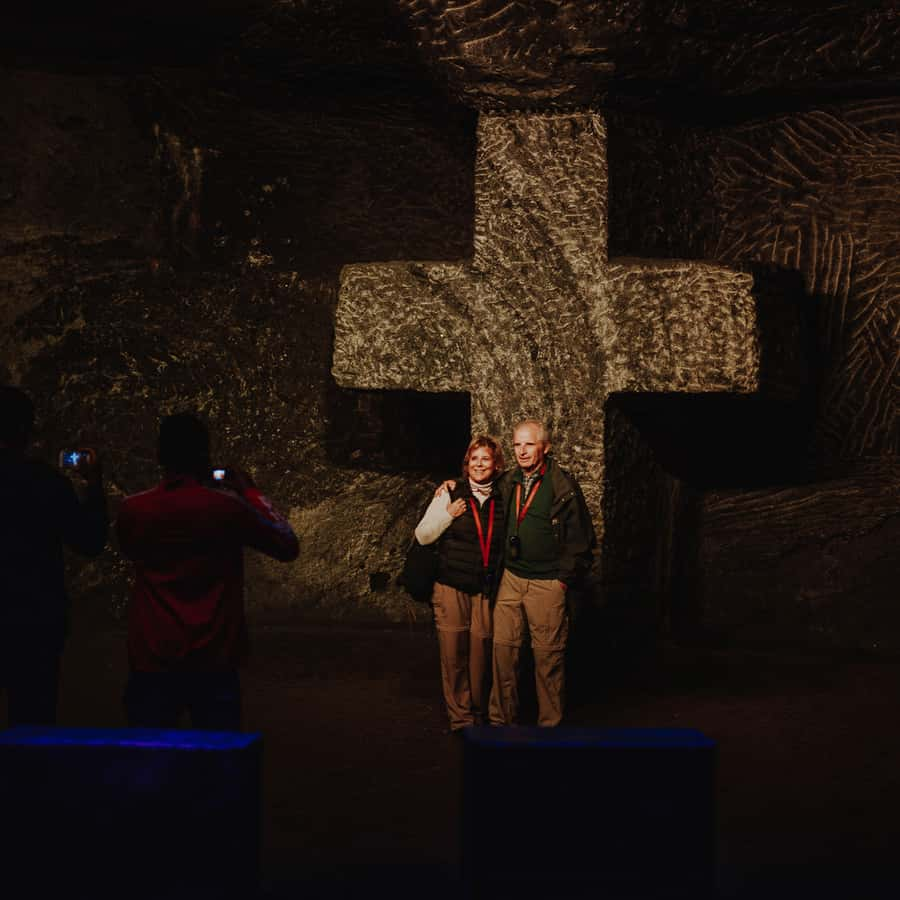
The Great Center Dome is the high point. Here you see the largest underground salt cross in the world, cut into the rock and framed by the vast chamber. Give yourself time to look up, step back, and take in the full shape. The room is built for a dramatic first impression, but the smaller carvings and side chapels reward slower attention.
The site is sometimes described as the second-largest salt cathedral in the world. The name can suggest a conventional cathedral with pews, services, and a central nave. Instead, think of it as an underground salt complex shaped around religious themes. That distinction helps set the right expectation.
More Salt Cathedral trips from Bogota:
- Bogota: Guatavita and Salt Cathedral Daily Group Tour
★ 4.7 · 615 reviews - Bogota: Zipaquirá Salt Cathedral and Lake Guatavita Day Tour
★ 4.8 · 551 reviews - Bogota: Salt Cathedral of Zipaquira Private daily Trip
★ 4.8 · 262 reviews
The ride through the Bogotá Savanna
The drive north gives you views of the Bogotá Savanna, with open fields, small towns, and Andean horizons beyond the city. The scenery offers a useful change of pace after time in central Bogotá, where dense streets and traffic dominate the view.
The van ride is one of the tour’s practical strengths. Drivers such as Andrés, Camilo, Carlos, Ramón, Fabian, and Jesús have been praised for careful driving, clean vehicles, and calm handling of city traffic. Vehicles vary, but the experience described for this tour includes newer, comfortable vans and appropriately sized groups.
Your guide usually fills the drive with background on Bogotá, the surrounding area, Colombian coffee, and places you may visit later in the country. Sergio and Sebastian have been especially well received for clear English and Spanish, friendly energy, and useful answers. A bilingual guide matters because the group may include Spanish speakers and English speakers, and good translation keeps the ride from becoming a series of disconnected explanations.
Pickup is convenient, but it has a cost. The van collects people from different hotels and accommodations around Bogotá. If you are picked up early in the route, you may spend several hours on the road by the time everyone is collected and returned. One sensible improvement would be a central departure point, but that would remove much of the ease that makes hotel pickup attractive.
Exploring Zipaquirá’s historic center
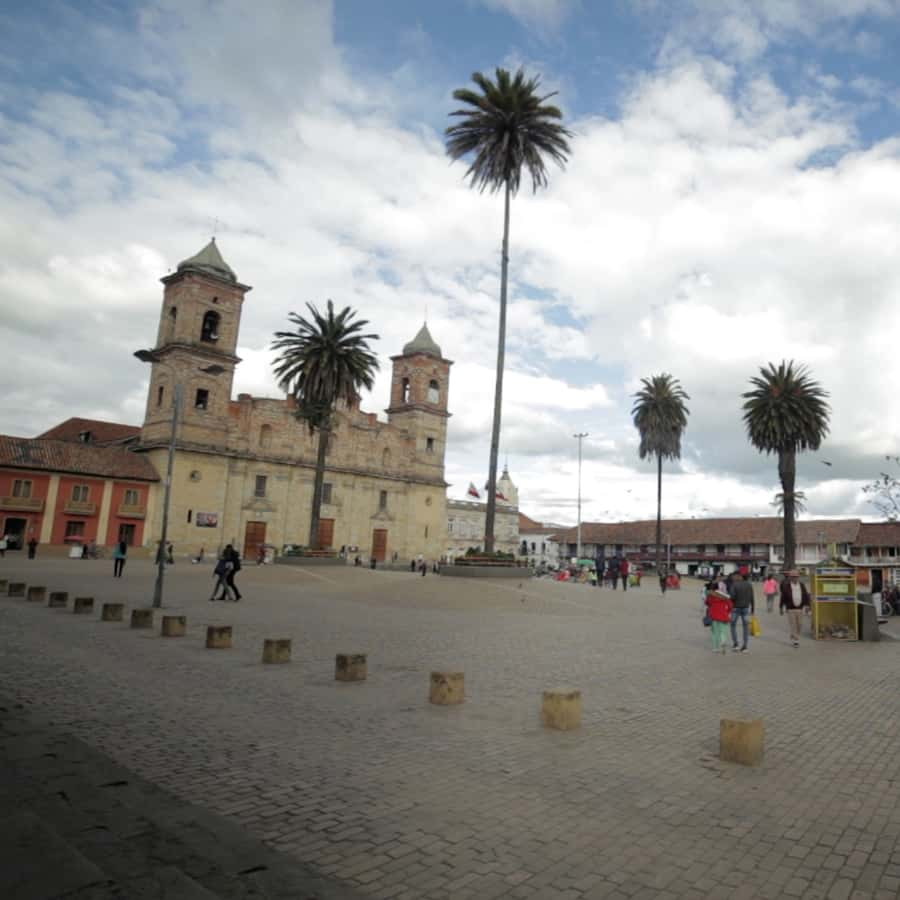
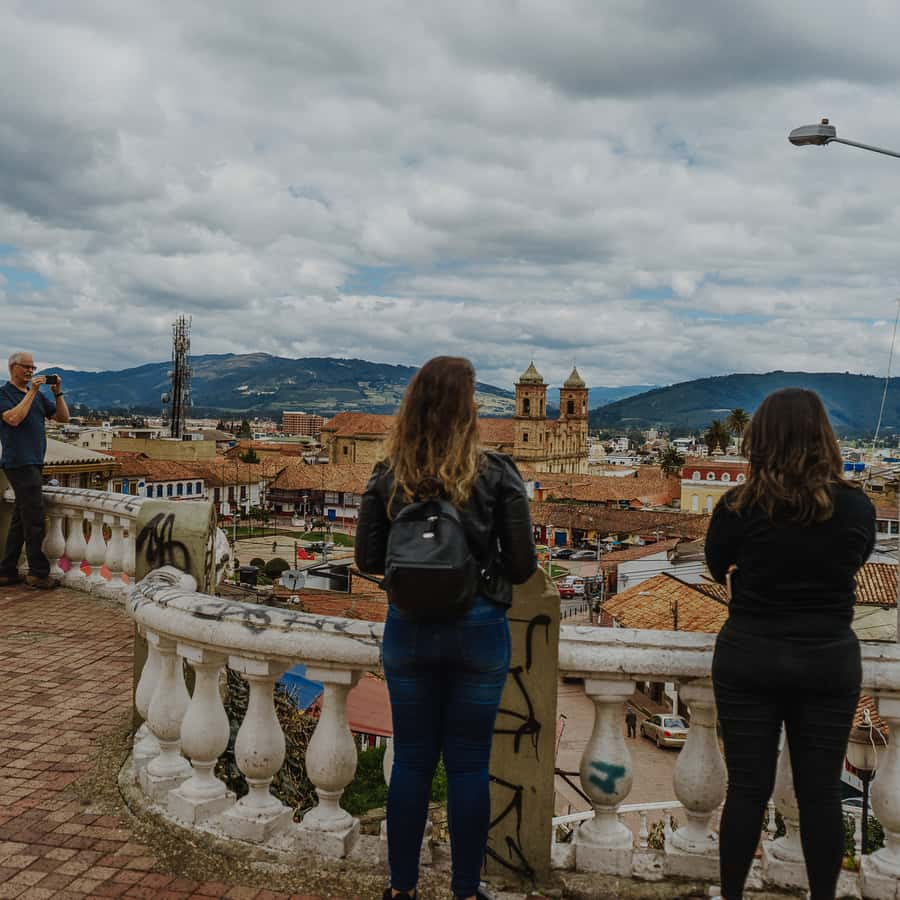
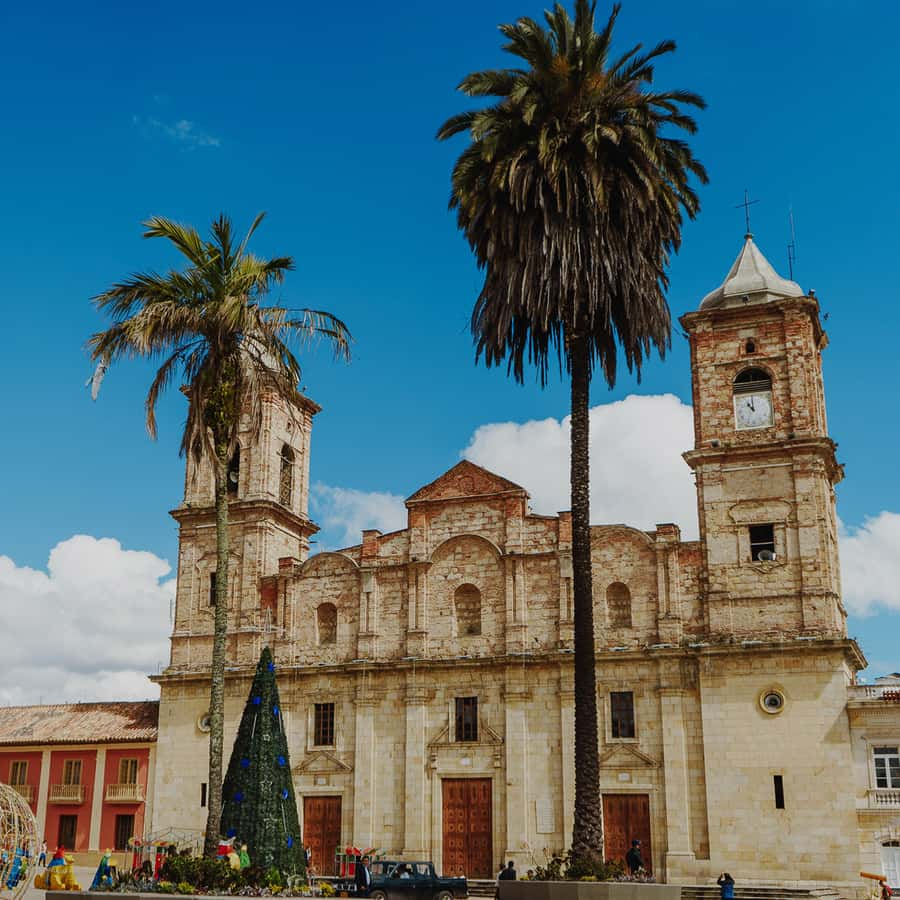
The tour does not treat Zipaquirá as a simple parking stop. You receive a panoramic visit to the town center, with time around the main square, historic streets, and local shops. This part of the day helps place the cathedral in its setting.
Zipaquirá is one of the important heritage towns near Bogotá, and its colonial core has a different feel from the capital. The stop is not a long independent walking tour, so keep your expectations modest. You get an introduction, photo opportunities, and some free time rather than hours to examine every street.
The central squares and streets are useful before or after the cathedral because they make the day feel less like a single-purpose mine excursion. You can browse small shops, look for local crafts, and pause for a drink or coffee. Some departures include a brief welcome with Colombian coffee or tea, but I would not count on this as a formal part of every itinerary.
The timing can vary. Road conditions, group size, and the amount of time spent at the cathedral all affect how much freedom you have in town. If shopping is important to you, ask your guide how much free time remains rather than assuming the panoramic stop will become a long visit.
Inside the mine: what your two hours are like
The Salt Cathedral portion is scheduled for about two hours. You begin with a guided introduction, then continue through the underground spaces with an audio guide. The audio commentary is available in your selected language, while the live tour operates in English and Spanish.
The First Station and Stations of the Cross provide the first major sequence. The carvings are not all equally large or obvious, so listen for the explanation and look carefully at the walls. The meaning comes from the combination of shape, shadow, and the original mining spaces.
As you continue, the mine opens into larger chambers. The lighting gives the salt a cool, sculptural appearance and helps point out crosses, statues, and architectural details. Some areas feel solemn. Others are more grand and theatrical. The attraction is strongest when you stop trying to rush from one numbered point to the next.
The Great Center Dome deserves extra time. The underground cross is the image most associated with the cathedral, but the full visit also includes side chapels, carved stations, salt sculptures, and details tied to the miners who shaped the site. The audio guide fills in the background on salt extraction, the development of the cathedral, and the symbolism used throughout.
There are souvenir shops underground. Prices have been described as fair, but shopping is optional and should not replace time with the main installations. Two hours is enough for a proper visit if you keep moving at a steady pace. It can feel short if you want to read every explanation, take many photographs, browse the shops, and pause in each chamber.
Wear comfortable shoes. You are walking through tunnels and an underground complex, not simply stepping into a single room. Comfortable clothing, water, and sunscreen for the outdoor portions are sensible. The site is listed as wheelchair accessible, though the exact ease of every section may depend on the route and current conditions.
A few more Bogota days worth comparing
- Bogota: Bicycle City Tour
★ 4.9 · 2,156 reviews - Bogotá: Guided La Candelaria Walking Tour
★ 4.8 · 1,229 reviews - Bogotá: Private City Tour, Monserrate, Emerald and Botero
★ 4.9 · 798 reviews - Bogotá´s Barrios: El Paraíso Favela Tour with Cable Car
★ 4.8 · 731 reviews
The Salt Museum and the story behind the mine
The Salt Museum adds useful context after the cathedral. Underground architecture can seem like a series of impressive rooms without a clear beginning. The museum helps explain how the mine formed, how salt was extracted, and how the region’s salt traditions developed.
You also learn about the Muisca, the Indigenous people who used and traded salt in the area long before the modern attraction took shape. This connection matters because the mine is not just a clever tourist site. Salt has shaped local work, trade, settlement, and culture for centuries.
The museum portion is best for visitors who want to understand the site rather than simply photograph it. If your main goal is the cathedral’s visual drama, you may find the museum quieter and less exciting. I still consider it worthwhile because it gives the underground rooms a stronger sense of place.
Lunch, free time, and the return to Bogotá
Lunch is not included, but the tour sets aside about an hour for a restaurant stop. You pay for your own food and drinks, so carry Colombian pesos or confirm what payment methods are accepted before ordering.
The meal can be a pleasant part of the day. Several menus and dishes are available in the town, and group meals have included affordable local food such as mixed beef and pork plates. The quality may depend on the restaurant selected, so do not book this tour expecting a carefully chosen culinary experience. The stop is mainly a convenient chance to eat and rest.
I like having lunch built into the schedule because a nine-hour outing needs a proper break. You are not forced to eat inside the cathedral complex or find your own restaurant while keeping track of the group. On the other hand, a fixed group stop gives you less freedom than choosing from Zipaquirá’s full range of restaurants.
The drive back to Bogotá is scheduled for about two hours, but traffic can change that quickly. Afternoon congestion, multiple hotel drop-offs, road events, and weather can extend the return. Keep your evening plans flexible. I would not book a nonrefundable dinner, airport transfer, or evening show immediately after the tour.
Price, tickets, and what the $46 covers
At $46 per person, this is a fair value if you want door-to-door transport and a guided day rather than arranging the pieces yourself. The price covers hotel pickup and drop-off, transport, the driver and guide, the audio guide, the Bogotá Savanna route, the Zipaquirá town visit, travel insurance, and free time for lunch.
Check the ticket option carefully when booking. One option says the Salt Cathedral entrance ticket is included, while another notes that entrance is purchased separately at the cathedral for COP 118,000 per person. The information also says tickets can be obtained through the operator at a cheaper price and with line-skipping. Since this affects the real cost, confirm exactly which option you are selecting before payment.
Food and drinks are not included. The tour offers reserve now and pay later, plus free cancellation up to 24 hours before departure for a full refund. These terms help if your Bogotá plans are still shifting, but they do not solve the traffic issue. Flexibility in the booking is useful; flexibility on the return time is still essential.
Compared with organizing a private vehicle, entrance, guide, and town visit yourself, the group format is likely the better bargain for solo visitors and couples. A private trip may suit families or small groups that value control over timing, but the group tour spreads transport and guide costs across several people.
Who will enjoy this tour most
I would choose this outing if you have at least one full day in Bogotá and want to see something outside the capital. It works especially well for first-time visitors who prefer a planned route, bilingual explanations, and pickup from their accommodation.
It also suits people interested in unusual architecture, religious art, mining, Colombian history, and small-town visits. The cathedral is visually striking, but the experience is not just a photo stop. You spend time listening, walking, and thinking about how the rooms were cut from salt.
The tour is less suitable if you dislike long vehicle rides, need a precise return time, or want a completely independent day. The group schedule controls the broad rhythm, and the journey can become very long during heavy traffic.
Families can benefit from the variety, since the day includes scenery, a town, an underground attraction, and lunch rather than one extended museum visit. Still, children need to manage a full day, walking, and a two-hour cathedral visit.
Practical advice for a smoother day
Wear shoes you can walk in comfortably and bring water. Sunscreen still matters because you spend time outdoors in Bogotá and Zipaquirá, even though the main attraction is underground.
Keep your phone charged for pickup messages and photographs. The company has been praised for prompt communication about pickup details, but Bogotá hotel collection can take time, so be ready at the confirmed meeting point.
Ask your guide at the start how the bilingual explanations will work and when to meet after the audio-guided section. Guides such as Sergio, Sebastian, Camilo, and Milena have been praised for making groups feel included, but a clear meeting plan helps prevent confusion in a large attraction.
Do not plan the cathedral visit as a quick in-and-out stop. Look closely at the Stations of the Cross, save time for the Great Center Dome, and listen to the explanation of the mine. If you want long photo stops and extensive shopping, two hours may feel tight.
Finally, leave your evening open. On a clear day with light traffic, the schedule may run smoothly. On a bad traffic day, the return can take much longer, especially with several drop-offs.
Should you book the Zipaquirá Salt Cathedral tour?
I would book this tour if you want the simplest way to reach the cathedral from Bogotá and you value a guide who can explain both the mine and the country around it. The combination of transport, Zipaquirá, the Savanna, audio commentary, and lunch time gives you more than an entrance ticket.
Choose it with realistic expectations. This is a long group day, not a quick half-day outing. Confirm whether your ticket is included, allow extra time for traffic, and accept that your restaurant and town time may follow the group schedule.
If those limits suit you, the tour offers strong value. The underground cross, salt carvings, Muisca connections, and colonial town make this one of the most distinctive day trips from Bogotá. A lively bilingual guide such as Sergio or Sebastian can also turn the long drive into part of the experience rather than dead time.
FAQ
How long is the Zipaquirá Salt Cathedral tour?
The advertised duration is nine hours, including transportation from Bogotá, the visit to Zipaquirá, the cathedral, lunch time, and the return journey.
Does the tour include hotel pickup and drop-off?
Yes. Pickup and drop-off from your accommodation in Bogotá are included.
Is the Salt Cathedral entrance ticket included?
That depends on the option selected. One option includes the Salt Cathedral ticket, while another states that the entrance fee of COP 118,000 per person is purchased separately. Check the selected option carefully.
What languages are available?
The live tour guide operates in English and Spanish. An audio guide is also provided in your language.
How much time do you spend inside the Salt Cathedral?
The scheduled visit is about two hours. It includes a guided introduction, audio commentary, walking, and free time to view the underground spaces and shops.
Is lunch included?
No. The tour provides free time for lunch, but food and drinks are paid for separately.
What should I bring?
Bring comfortable shoes, sunscreen, water, and comfortable clothing.
Is the tour wheelchair accessible?
Yes, the activity is listed as wheelchair accessible.
Just added around Bogota
- Tour of Zipaquirá: Visit the Salt Cathedral and the main squares★ 4.5 · 55 reviews
- Bogota Walking Tour Teusaquillo, a different part of the city★ 5.0 · 41 reviews
- La Candelaria Walking Private Tour (3 Hrs.)★ 5.0 · 51 reviews
- Private Zipaquira Salt Cathedral and Guatavita Lagoon Tour from Bogota★ 4.5 · 44 reviews
- Tejo and Beer Tour in Bogotá★ 5.0 · 35 reviews
- Hiking to the largest paramo on earth : Sumapaz★ 5.0 · 49 reviews
- MINA CATEDRAL DE SAL ZIPAQUIRA Tour Privado★ 4.5 · 38 reviews
- Descubre la Magia: Catedral de Sal & Bogotá en 1 Día★ 4.5 · 39 reviews
Salt Cathedral Tours, compared.
Zipaquirá Salt Cathedral and Lake Guatavita Day Tour
Read our review →
Zipaquirá Salt Cathedral & Guatavita Trip with Pickup
Read our review →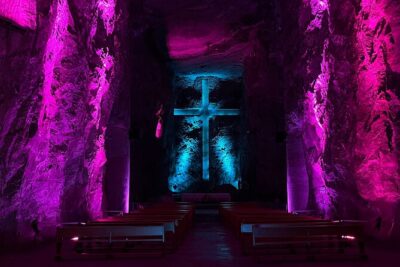
New & Cheapest ZIPAQUIRA & GUATAVITA LAKE Visit 5 Sites/PICKUP
Read our review →
Shared Tour Zipaquirá Salt Cathedral and Guatavita Lagoon
Read our review →
Salt Cathedral of Zipaquirá & Lake Guatavita: Private or Shared
Read our review →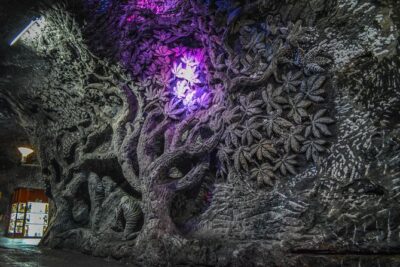
Private Salt Cathedral of Zipaquira Tour from Bogota with Lunch
Read our review →Browse the lists this tour appears in