
Reviewed · SACRED VALLEY TOURS
Sacred Valley Textile Workshop – Dyeing & Weaving in Cusco
The best part of this Cusco textile workshop is that you do not simply watch an artisan work. You collect plants, prepare natural dyes, handle alpaca wool, and try a backstrap loom under the patient guidance of Andean weavers. I love the hands-on work and the chance to spend real time with the women who keep these techniques alive.
I also like the warm, family-style setting. Ruth Pimentel, Nayda, Delia, and other weavers explain the craft through stories, food, Quechua words, music, and a bit of dancing. The one drawback is the drive: reaching the workshop can take roughly an hour to an hour and a half from Cusco, so this is a full-day outing, not a quick class.
Key points to know before booking
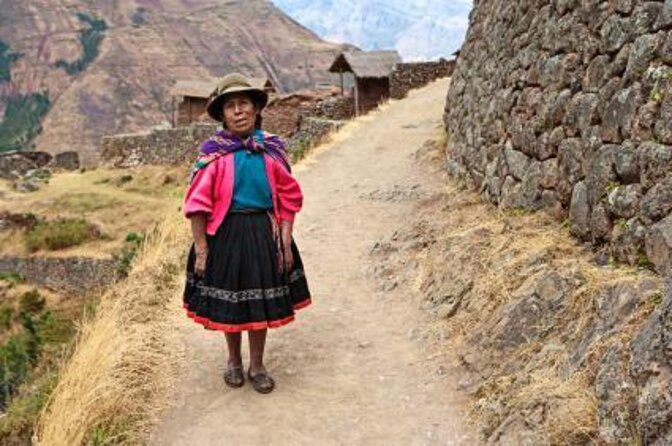
- You make your own textile piece: Depending on the day and your group, you may create a bracelet, bookmark, or woven headband.
- Natural dyeing is part of the work: You gather leaves and other plant materials, prepare the dye bath, and color alpaca yarn.
- Ruth Pimentel leads the tradition: The workshop is connected with Peru’s only UNESCO-awarded Indigenous master weaver.
- The trip takes you into the countryside: The road to Calca and nearby Sacred Valley communities is part of the day, with scenic stops possible.
- Lunch is shared with the weaving team: Food, coffee or tea, and a snack are included.
- This is a private activity: Only your group participates, though the exact staff members may vary by date.
Why this is more than a textile demonstration
Cusco has no shortage of craft shops where you can admire colorful Andean cloth. Those shops have their place, but they do not show you the slow work behind each piece. This workshop does.
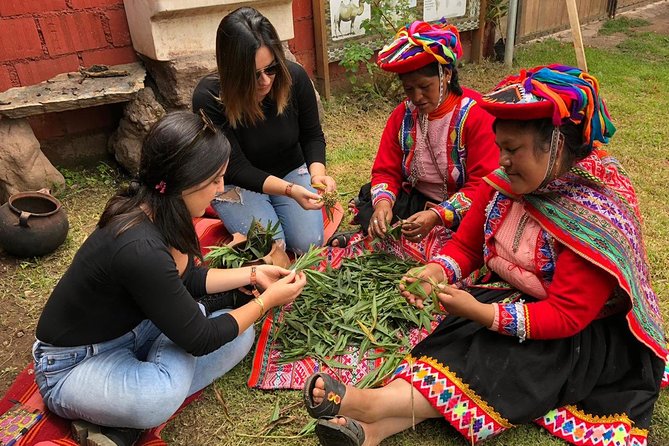
You begin with the raw materials and follow the process step by step. You may handle alpaca wool, learn how yarn is made, gather leaves for dyeing, prepare the color bath, and see how fibers are wound and arranged. Then you sit at a backstrap loom and attempt the weaving yourself.
That final part matters. The small item you take home may look simple, but making it gives you a new respect for the precision involved. The weavers work quickly and cleanly. Your own piece will likely take more time, and you will probably need help. That is not a flaw in the experience. It is the lesson.
The workshop also puts the craft in a living setting. You eat together, talk with the women, learn a few Quechua words, and see traditional clothing used in a social setting. Some visits finish with music, dress-up, and a shared dance. It feels less like a staged museum stop and more like being welcomed into a working family tradition.
More Workshops in Sacred Valley:
- Rio de Janeiro: Beginner Samba Lesson in Ipanema
★ 4.9 · 1,071 reviews - Rio de Janeiro: Samba Class in Copacabana
★ 4.6 · 262 reviews - Buenos Aires: Private Tango Lesson
★ 4.9 · 244 reviews
The morning drive from Cusco to the Sacred Valley
Pickup is scheduled for 8:30 a.m., with private transport from your Cusco hotel. The road out of the city is part of the experience. The ride takes you through the countryside toward the Sacred Valley, with the workshop associated with communities around Calca and Patabamba.
Plan on at least an hour in the vehicle, and sometimes closer to an hour and a half. Several people have found the scenery worthwhile, especially when the driver stops for photographs. Still, you should allow the entire day, including transport. Do not schedule a tight afternoon appointment or an evening flight.
The drive can also help you adjust to the altitude at a gentler pace than a morning of strenuous sightseeing. One visitor found the outing a good way to spend an acclimatization day. You will still be at altitude, but most of the day is spent sitting, walking short distances, eating, and working with your hands.
Ask about the exact pickup time and route when you book. The workshop location and staff can vary, and the drive is long enough that clear planning makes the morning easier.
Meeting Ruth Pimentel and the weaving family
The workshop centers on Ruth Pimentel, presented as Peru’s only UNESCO-awarded Indigenous master weaver. She welcomes you at the family atelier and explains her lineage, her connection to Andean textile traditions, and the work being done to keep those traditions active.
Ruth may not personally guide every single step of every visit. You may also work with master weavers from Parobamba or with women such as Delia, Nayda, Julia, Maria, Martina, Dalia, Marilus, Selena, Natividad, and Lucia, depending on the day. Nayda is often the translator and facilitator, helping with the Spanish and English exchange while explaining the process.
That translation role is important. The workshop is not just about technical instruction. It is also about sharing local plant knowledge, clothing customs, family stories, and daily life. Several guides are described as warm, patient, and willing to answer many questions. If you have a serious interest in textiles, tell the operator in advance. A specialist may get more from the day by asking about loom structure, fiber preparation, pattern planning, and dye sources.
Solo visitors are welcome. The private format can make the day feel personal, and the staff works to include people who arrive alone. Families can also take part, but remember that weaving happens close to the floor and requires sitting for a long stretch.
Gathering plants for natural dyes
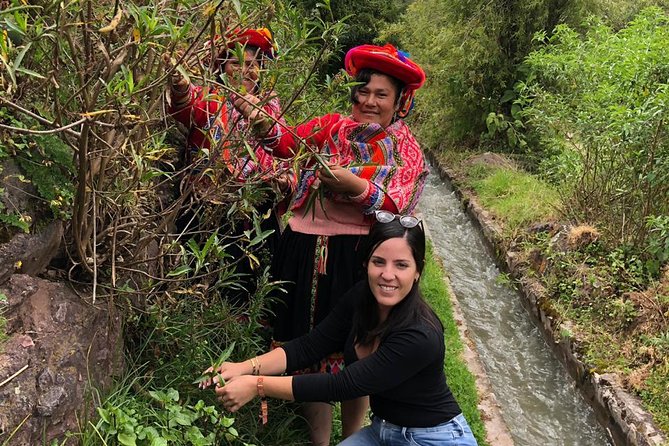
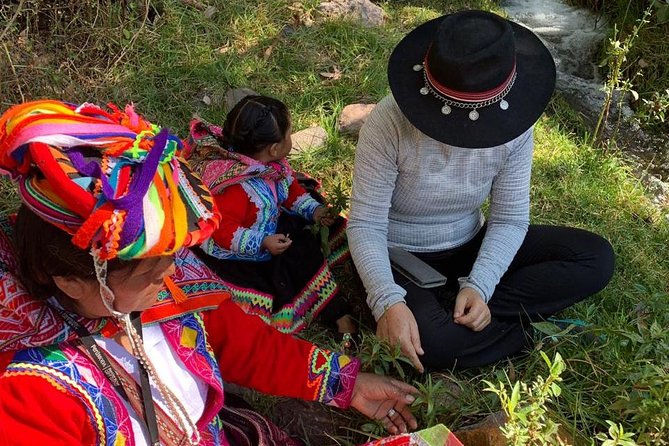
One of the most memorable parts of the day happens before the loom appears. You walk with the weaving team to gather leaves and other plant materials for the dye bath. The same plants may also be discussed for their use in teas or traditional medicine.
This short walk gives the colors a context. Instead of seeing a finished red, yellow, green, or brown yarn as a decorative choice, you begin to understand that color comes from a specific plant, preparation method, and piece of local knowledge. The staff may explain which materials are seasonal and how they are handled.
The walk also breaks up the sitting time. You are not locked into a classroom for eight hours. You move outdoors, see the countryside, and return with materials you helped collect.
Conditions can affect this portion. The activity requires good weather, and poor weather may lead to a new date or a full refund. Wear shoes suitable for a short walk and clothing you can comfortably wear around natural dyes. The provided information does not promise that every plant will be available on every date, so think of the gathering as a working part of the day rather than a fixed botanical tour.
A few more Sacred Valley days worth comparing
- From Cusco: Sacred Valley & Maras Salt Mines Tour with Lunch
★ 4.8 · 2,227 reviews - From Cusco: Moray, Maras Salt Mines & Chinchero Weavers Tour
★ 4.8 · 1,925 reviews - Cusco: Sacred Valley, Pisac, Ollantaytambo, Salt Mines Moray
★ 4.6 · 1,058 reviews - Cusco:Chinchero,Moray & Salt Mines drop-off in Ollantaytambo
★ 4.8 · 793 reviews
Turning alpaca fiber into workable yarn
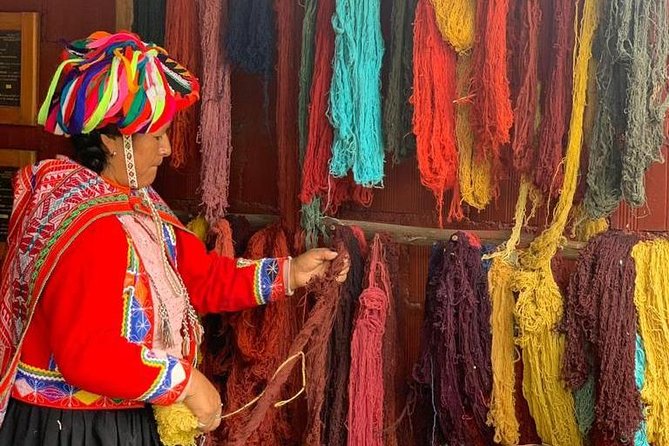
The workshop may include several stages before dyeing. You can learn how alpaca wool is prepared, spun, and made into yarn. The material used is described as premium baby-alpaca yarn, and some visitors have taken home balls of the yarn they colored themselves.
This is where the price begins to make more sense for people who care about craft. You are not paying only for a short demonstration and a souvenir. You are paying for access to a chain of skills that normally takes years to learn, along with instruction, translation, transport, food, and time with working artisans.
The process can be surprisingly physical and exact. Spinning requires control. Dyeing requires attention to the material and the bath. Winding yarn neatly may seem easy until you try to keep the fibers organized. Each small step shows why traditional cloth takes so long to produce.
You may also see the master weavers work at full speed. Their hands can move much faster than yours. That contrast is useful. The point is not to match them in one day. The point is to understand the patience and training behind the finished textiles sold in the workshop shop.
Dyeing your own yarn
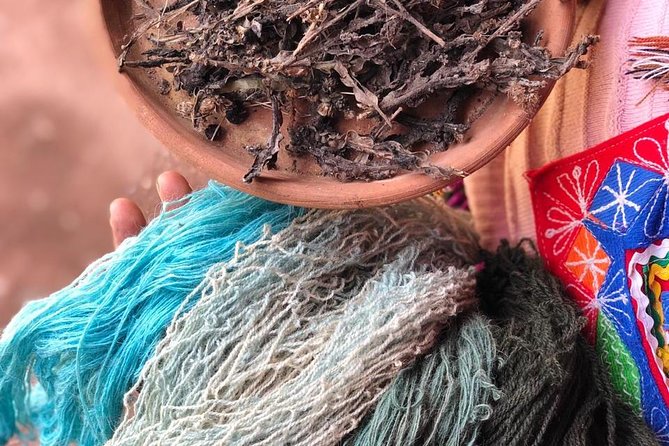
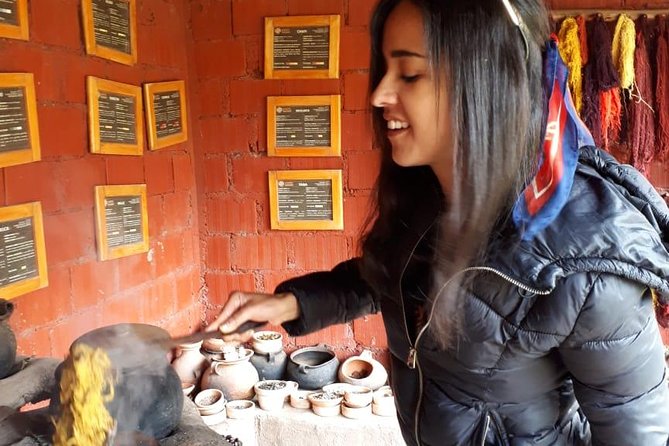
After collecting plant material, you help prepare the dye and color the wool. The staff explains how the materials are used, then guides you through the practical work.
Your final colors may not look exactly like a factory-made skein. Natural dyeing can produce subtle variation, which is part of its appeal. The yarn you take home carries a direct link to the place, the plants, and the hands that helped prepare it.
The experience is especially good for anyone who works with fiber, embroidery, macramé, or textile design. You will see the process from a maker’s point of view rather than a shopper’s point of view. Even if you have never touched a loom, the staff provides help at each stage.
A small snack is served during the day, and coffee or tea is included. The exact food may vary, but the meal is repeatedly described as generous, fresh, and home-cooked. Some food has come from the family garden, including fruit, avocado, and yucca. Guinea pig has also been offered on at least one visit, but it should not be assumed as part of every menu.
Lunch with the weavers
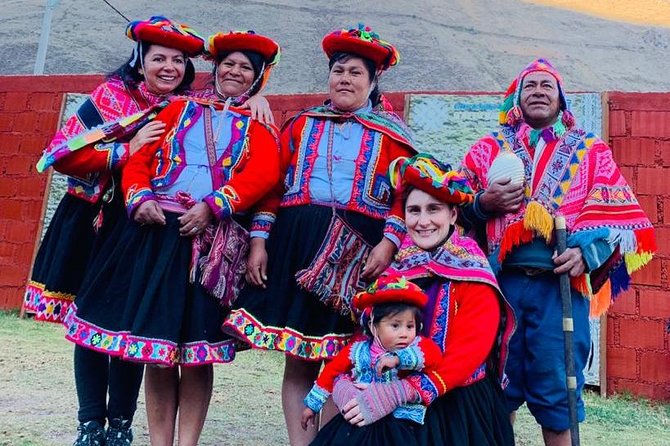
Lunch is more than a break between activities. It gives you time to talk with the weavers and your translator without your hands being busy.
The meal is shared, and the atmosphere is informal. You may learn about the people at the table, where they are from, and what brought you to Peru. That exchange is one of the strongest parts of the experience because it keeps the day from becoming a one-way lesson.
Food is included in the $420 price, along with coffee or tea. If you are comparing this with a cheaper craft class in Cusco, remember that the price also covers private transportation, a full day, several instructors, translation, materials, lunch, and a finished piece. It is expensive for a workshop, but it is not priced like a basic two-hour souvenir class.
The value depends on what you want. If you only want a colorful bracelet, buying one from an artisan is cheaper and takes minutes. If you want the story and effort behind the object, the workshop offers far more.
Sitting at the backstrap loom
After lunch, you learn to use a backstrap loom. This is a traditional method passed through generations of Andean women. The loom is compact, but the technique is not simple.
You may weave a bracelet, bookmark, or headband. The exact project depends on the day and the group. One person may leave with a bookmark, another with a bracelet, and another with a bincha, or headband. Some people complete most of the work themselves, while others receive steady help from the weavers.
Expect this section to be challenging. You need to keep the threads in order, maintain tension, and repeat a pattern with care. The weavers make it look effortless because they have practiced for years. Your own piece may have irregularities, which makes it personal rather than factory-perfect.
The loom work takes place close to the floor, so this is worth considering if you have trouble sitting for a few hours. The activity is open to most people, and service animals are allowed, but the floor-based setup may not suit every visitor.
Traditional clothing, dancing, and the workshop shop
Near the end of the day, the guides may show you traditional clothing and help you try some of it on. A shared dance can follow. It is a light, social finish after several hours of careful work.
The dance is not the central reason to book the workshop, but it adds a sense of community. You are not leaving immediately after producing your bracelet. You have time to celebrate the day with the people who taught you.
There is also an opportunity to look through the shop. Prices have been described as more reasonable than expected, and buying directly from the women who made the items gives you a clear connection to the work. You do not need to buy anything, but the selection can help you see the difference between a small handmade item and a large, complex textile.
Your own dyed yarn is included to take home, along with the textile piece you worked on. Packaging and a signed provenance card are described as part of the more formal version of the experience. Confirm what your specific booking includes, especially if the final item matters to you.
Is $420 a fair price?
At $420 per person, this is a premium day trip. You should not book it simply because you want a cheap craft souvenir.
I think the price can be fair if you value private transport, personal instruction, cultural exchange, and direct support for a family and artisan community. The day includes roughly eight hours, pickup, the countryside drive, translation, materials, hands-on instruction, lunch, drinks, and a finished item. That is a substantial package.
The strongest value comes from the access. You are working beside master weavers rather than watching through a barrier. You can ask questions, try the process, make mistakes, and understand the effort behind Andean textiles.
If your budget is tight, compare the price with a regular Sacred Valley day tour. You may see more sites on a standard route, but you will spend less time with any one community. This workshop is a poor fit for someone who wants ruins, markets, and several stops. It is a strong fit for someone who wants one focused cultural day.
Who should book this textile workshop?
I would recommend it to:
- People who enjoy fiber arts, weaving, spinning, dyeing, or handmade design
- Families looking for a calm, creative activity away from crowded ruins
- Solo visitors who want a welcoming private experience
- Anyone curious about Quechua customs and daily craft traditions
- Visitors who prefer buying directly from makers
- People with enough time in Cusco for a full-day outing
You should think twice if you dislike long drives, floor-based work, or slow practical activities. The workshop is not a polished stage show. It asks you to pay attention, use your hands, and accept that the craft is harder than it looks.
Book at least a few weeks ahead if possible. The experience is often reserved about 30 days in advance, and the private format limits the number of people who can take part.
Practical details before you go
The start time is 8:30 a.m., and the experience lasts about eight hours. With the drive, allow the entire day.
Private transport and hotel pickup are offered. Confirm your address and pickup details before the morning of the tour. The workshop is near public transportation, but the private vehicle is the easier option, especially after a long day.
Most people can participate, and service animals are allowed. Since the weaving takes place on or near the floor, wear comfortable clothing and plan for several hours of seated work.
Free cancellation is available up to 24 hours before the start time for a full refund. Changes or cancellations inside that window are not accepted for a refund. If bad weather forces cancellation, you can choose another date or receive a full refund.
Should you book it?
Book this if you want to understand Andean textiles from the inside out. The strongest parts are the plant gathering, natural dyeing, patient loom instruction, shared meal, and time with Ruth Pimentel’s weaving community.
Skip it if you want a short activity or a packed sightseeing schedule. The long drive and slow pace are real commitments. For the right person, though, this is one of the more personal ways to spend a day near Cusco, and the small textile you bring home will carry a story you did not get from a shop shelf.
FAQ
How long does the Sacred Valley textile workshop last?
The workshop lasts approximately eight hours. Pickup is scheduled for 8:30 a.m., and the drive from Cusco means you should plan for a full day.
How much does the workshop cost?
The listed price is $420 per person.
Is hotel pickup included?
Hotel pickup by private transport is offered. Confirm the pickup details for your accommodation when booking.
Is lunch included?
Yes. Lunch, along with coffee or tea, is included. A snack may also be provided during the day.
What will I make during the workshop?
You may make a bracelet, bookmark, or woven headband. The exact project can vary. You can also take home yarn that you dyed during the workshop.
Who leads the workshop?
Ruth Pimentel is the featured host and is described as Peru’s only UNESCO-awarded Indigenous master weaver. Other master weavers and facilitators, including Nayda and Delia, may also guide the activities.
Is this a private tour?
Yes. The activity is private, and only your group participates.
What is the cancellation policy?
You can cancel up to 24 hours before the start time for a full refund. Cancellations or changes made less than 24 hours before the experience are not refunded. If poor weather causes the operator to cancel, you can choose another date or receive a full refund.
Just added around Sacred Valley
- Rafting & Zip line Urubamba River 1 Day★ 5.0 · 75 reviews
- Moray and Maras Salt Mines Full Day Tour – Small Groups★ 5.0 · 79 reviews
- Sacred Valley VIP Tour with Maras and Moray from Cusco★ 4.5 · 35 reviews
- Sacred Valley Private Tour, Moray & Salt Mines Incluided★ 5.0 · 41 reviews
- 2-Day Tour: Sacred Valley & Machu Picchu – All Tickets Included★ 5.0 · 42 reviews
- Sacred Valley Full-Day Private Tour from Urubamba & Ollantaytambo★ 5.0 · 112 reviews
- Sam’s Zip Line in Sacred Valley★ 5.0 · 75 reviews
- Salt Mines(Maras),Moray and Chincheros★ 5.0 · 41 reviews
Sacred Valley Tours, compared.
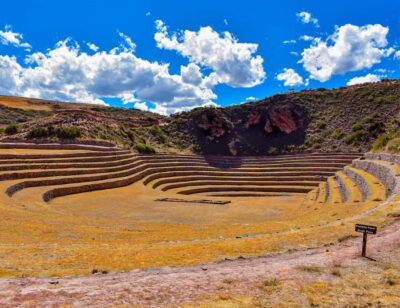
From Cusco: Moray, Maras Salt Mines & Chinchero Weavers Tour
Read our review →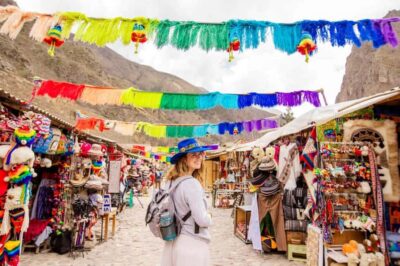
Cusco: Sacred Valley, Pisac, Ollantaytambo, Salt Mines Moray
Read our review →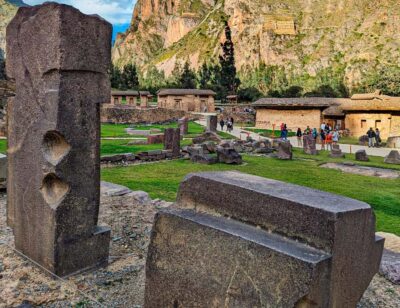
Cusco:Chinchero,Moray & Salt Mines drop-off in Ollantaytambo
Read our review →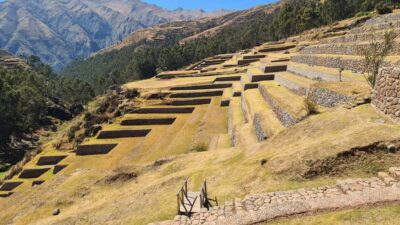
Sacred Valley: Chinchero, Moray, Ollantaytambo & Pisac+Lunch
Read our review →
Sacred Valley: Maras & Moray by Quad Bike from Cusco
Read our review →
Pisac Indian Market and Ollantaytambo Fortress with Lunch
Read our review →
From Cusco: Quad bike tour Moray and Salt Mines
Read our review →
From Cusco: 2-Day Trip to the Sacred Valley and Machu Picchu
Read our review →Browse the lists this tour appears in