
Reviewed · SACRED VALLEY TOURS
Sacred Valley Pisac Ollantaytambo and Chinchero Full-Day Tour
Ollantaytambo is the star of this full-day trip, with steep Inca terraces, old stone streets, and a fortress-like setting that makes the Sacred Valley feel real rather than abstract. You also get a useful look at village life in Pisac and Chinchero.
I like the low $28 price, especially since transport, a guide, and buffet lunch are included. I also like the range of stops: you see major Inca sites, a colonial church, local crafts, and farmland in one long day. Guides such as Jonathan and Luigi have earned praise for clear, warm service.
The tradeoff is time. Ten and a half hours is a lot of road and site visits, and some departures have felt rushed or poorly coordinated. The 70 PEN entry fee is also extra, and Pisac Market may not always be included in practice.
Key points to know before booking
- Ollantaytambo is the strongest stop: Expect Inca terraces, defensive walls, old streets, and a former religious and cultural center.
- Pisac gives you two different sights: The archaeological park offers terraces and royal buildings, while the town offers a traditional market when operating as planned.
- Chinchero combines Inca and Spanish history: You’ll see an Inca royal estate, a colonial church built above it, and alpaca wool dyed with local plants.
- Lunch is included: A buffet meal near the Urubamba River is part of the day, but drinks are extra.
- The price is attractive but not all-inclusive: Pay 70 PEN in cash for the partial Sacred Valley entrance ticket.
- Expect a long shared outing: Transportation is included, the group can reach 19 people, and drop-off is in central Cusco rather than at your hotel.
Why this Sacred Valley route works
The Sacred Valley is not one single attraction. It is a chain of settlements, fields, ruins, and mountain roads stretching between Cusco and Machu Picchu. This tour gives you a broad first look without asking you to plan several separate day trips.
For $28 per person, the value is strong on paper. Your hotel pickup in Cusco’s historic center, tourist transportation, professional guide, and buffet lunch are covered. You still need cash for the 70 PEN partial entrance fee, drinks, and a tip if you feel the guide earned one.
I would think of this as a survey of the valley rather than a slow, deeply focused visit. You move from one site to the next, with roughly an hour at the largest stops and shorter visits in Chinchero. That is useful if you have limited time, but less appealing if you prefer to linger, take long photo breaks, or explore a village at your own pace.
The group size can reach 19 people. That is not a private tour, and the pace depends on the guide, the road, and the number of people getting on and off. Past departures have included strong guides such as Jonathan and Luigi, both praised for being attentive and energetic. Guide quality matters here because a good explanation helps connect scattered ruins into a clear story.
A few more Sacred Valley days worth comparing
- From Cusco: Sacred Valley & Maras Salt Mines Tour with Lunch
★ 4.8 · 2,227 reviews - From Cusco: Moray, Maras Salt Mines & Chinchero Weavers Tour
★ 4.8 · 1,925 reviews - Cusco: Sacred Valley, Pisac, Ollantaytambo, Salt Mines Moray
★ 4.6 · 1,058 reviews
Starting in Cusco: pickup and the first practical detail
Pickup is offered from hotels in Cusco’s historic center. The tour begins with a short transfer listed at about 15 minutes, though the full day can stretch close to 11 hours. The return is to central Cusco, not necessarily back to your hotel.
If you are staying in a private apartment, hotel pickup is not available. You meet at Calle Garcilaso 265, Office 3. This is worth sorting out before the morning of the tour.
Communication at pickup has not always been smooth. One past departure involved a random taxi call and confusion about a 10-sol charge, followed by a cramped vehicle arrangement. That appears to be a coordination problem rather than the intended format, but it is a good reason to confirm the meeting details and keep your phone available.
The planned transport is shared tourist transportation. Ask before departure if you need to reach the train for Machu Picchu afterward. One passenger found the tour useful because it offered a drop-off option for that connection, but you should confirm this directly rather than rely on it as a guaranteed feature.
Pisac ruins: terraces, cemeteries, and royal stonework
The first major stop is the Parque Arqueológico Pisac, where you have about an hour. The site includes agricultural terraces, Inca cemeteries, and royal buildings spread across the mountainside.
The terraces are the visual hook. They show how the Inca shaped steep ground for farming, using stone walls to create level strips. From the viewing area, you get a sense of how the settlement controlled the slopes above the valley.
The cemetery area adds another layer. It is not just a place for quick photographs, since it helps explain how the Inca used the mountain setting for both daily life and burial. Your guide should give the site structure and point out the main features, though the exact amount of free time depends on the group.
One hour is enough for a guided overview, not a full exploration. Wear shoes you can walk in, and do not expect to inspect every corner. The tour is designed to cover several major places in one day, so Pisac is an introduction rather than a stand-alone archaeological visit.
Pisac town and the market question
After the ruins, the group heads to the traditional town of Pisac for about an hour. The planned visit includes an Indian market and a look at local life. This is where the tour shifts from monumental ruins to present-day commerce.
You may find textiles, souvenirs, and handmade goods, but the value of the stop is not only shopping. It gives you a glimpse of how the town presents Andean craft traditions to visitors. If you buy something, compare prices and remember that the market portion can change.
The market is the biggest uncertainty in the itinerary. Some departures have skipped it because it had not reopened after Covid, while other descriptions still present it as a regular stop. If the market matters to you, ask the operator before booking whether it is running on your date.
This is also the point where the tour can feel commercial. Later stops may include alpaca clothing or jewelry sales, and some people feel those visits take time away from the ruins. I would book this trip expecting a mix of archaeology, shopping, and demonstrations, not a pure history tour.
Same trip, a completely different kind of day:
- Cusco:Chinchero,Moray & Salt Mines drop-off in Ollantaytambo
★ 4.8 · 793 reviews - Sacred Valley: Chinchero, Moray, Ollantaytambo & Pisac+Lunch
★ 4.8 · 501 reviews - Sacred Valley: Maras & Moray by Quad Bike from Cusco
★ 4.6 · 418 reviews - Pisac Indian Market and Ollantaytambo Fortress with Lunch
★ 4.5 · 395 reviews
Urubamba lunch: a welcome break in the middle
The route continues toward the Urubamba River, with buffet lunch planned for about one hour. The meal is included, which helps the tour’s value and removes the need to find a restaurant during a tight schedule.
Past departures have received strong praise for the buffet, with a range of choices and a good fit for different appetites. A vegetarian option is available, but you must request it when booking. Drinks are not included, so bring cash for beverages.
Lunch also breaks up what would otherwise be a long sequence of bus rides and ruins. Still, restaurant arrangements can vary. One problematic departure separated two passengers from the main group and sent them by taxi to another restaurant. That is not the advertised plan, but it shows why you should confirm where the group will eat if coordination becomes unclear.
Ollantaytambo: the day’s main event
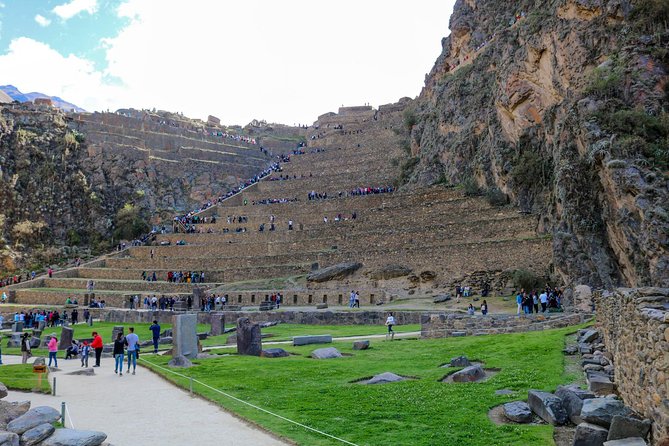
Ollantaytambo is the strongest reason to choose this route. The site protected the entrance toward Machu Picchu and served as a military, religious, and cultural center during the Inca period.
The stonework is imposing, especially when you look up at the terraces rising above the town. The climb can be demanding, and the hour allocated here may pass quickly. Take the guide’s explanation first, then use any free time for your own photographs and a look at the old streets.
The town itself is part of the appeal. Its grid of stone lanes and surviving Inca foundations make it easier to picture how the settlement worked. You are not only looking at isolated walls behind a fence. The ancient town and the modern town occupy the same setting.
If you have to choose one stop to remember, choose Ollantaytambo. One past departure found it the highlight, while another visitor wished for more time in the village instead of at the Pisac market. That is a fair criticism of a packed schedule. If your main goal is Ollantaytambo, consider using this tour as an overview and returning independently if your itinerary allows.
Chinchero: Inca foundations under a colonial church
Chinchero comes later, after Ollantaytambo, with about 40 minutes at the archaeological complex. The site includes the remains of the royal estate of Tupac Inca Yupanqui, an important detail for understanding why this highland village mattered.
The colonial church is visited for about 10 minutes. It was built on top of the Inca estate, a common pattern in Peru that makes the site especially interesting. You can see two layers of history in one short stop: the Inca royal setting below and the later Spanish religious structure above it.
Ten minutes is enough to look inside or around the church if access is available, but it is not enough for a relaxed visit. The archaeological complex gets more attention, yet the quick church stop helps explain how Chinchero changed after the Spanish conquest.
The final craft stop lasts about 25 minutes. You will see how local people dye alpaca wool using natural plants from the region. This demonstration adds a practical, living element to a day otherwise focused on stonework and monuments.
Expect a sales opportunity alongside the demonstration. That does not make it worthless, but you should know what kind of stop it is. If you want to buy alpaca goods, check the fiber and ask questions about the production process. If shopping is not your priority, keep the stop short and save your energy for the ride back.
The long return to Cusco
The advertised duration is about 10 hours and 30 minutes. In practice, some departures have returned close to 8 p.m., so do not schedule an important evening activity too tightly afterward.
The road time is part of the day. You see changing views along the valley, but the bus can feel tiring after several stops, especially at altitude. A light jacket, water, sun protection, and a small snack are sensible additions even though lunch is included.
The tour is suitable for most people, but you should be comfortable walking around archaeological sites and handling a full day away from Cusco. The itinerary includes terraces, stone steps, uneven ground, and frequent boarding and unloading. A group of up to 19 also means you need to stay aware of meeting times.
The bilingual quality can vary by guide. One departure had a guide who explained everything in Spanish and English clearly, while another found the English difficult to follow and felt that long explanations reduced time for photos. The strongest guides associated with this tour, including Jonathan and Luigi, have been praised for being supportive and well organized, but no specific guide is guaranteed.
What the $28 price really buys you
At $28, this is an inexpensive way to cover a large section of the Sacred Valley. Transportation alone, combined with lunch and guiding, makes the basic price attractive. You also avoid arranging several separate transfers between Cusco, Pisac, Urubamba, Ollantaytambo, and Chinchero.
The extra 70 PEN entrance fee changes the calculation. It is payable in cash and is not part of the advertised price. Add drinks and a possible tip, and your real outlay is higher than $28.
You are paying for coverage and convenience, not maximum time at every site. A private tour would give you more control, but this shared option makes sense if your budget is limited and you want the main sights in one day.
The tour is a good fit for first-time visitors who want orientation, major ruins, a meal, and local craft stops. It is less suitable for you if you dislike group schedules, shopping visits, uncertain market access, or long days on the road.
Who should book this tour?
Book it if you want a broad Sacred Valley introduction from Cusco and value the combination of transport, lunch, and a professional guide. The route includes three important cultural areas, and Ollantaytambo alone can justify the day for many people.
Think twice if Pisac Market is your main reason for booking. Its inclusion is not fully dependable, so confirm before paying. You should also look elsewhere if you need a private vehicle, guaranteed hotel drop-off, or enough time for slow photography at each ruin.
I would also avoid booking it immediately before a fixed evening commitment. The day can run long, and the return to central Cusco may be close to 8 p.m.
For most budget-conscious visitors, this is a worthwhile overview with a few logistical risks. Confirm the pickup, ask about the market, carry 70 PEN in cash, request vegetarian lunch in advance if needed, and treat Ollantaytambo as the highlight rather than expecting every stop to receive equal time.
FAQ
How long does the Sacred Valley tour last?
The tour lasts approximately 10 hours and 30 minutes. Some departures have returned to Cusco close to 8 p.m., so allow extra time at the end of the day.
What places does the tour visit?
The route includes the Pisac archaeological park, Pisac Market, the Urubamba River area for lunch, Ollantaytambo, the Chinchero archaeological complex, the colonial church in Chinchero, and a local handicraft market.
Is hotel pickup included?
Hotel pickup is included for hotels in Cusco’s historic center. If you are staying in a private apartment, pickup is not available and the meeting point is Calle Garcilaso 265, Office 3.
Is hotel drop-off included?
No. The tour ends in the city center of Cusco rather than providing hotel drop-off.
Is lunch included?
Yes. A buffet lunch is included. Drinks are extra, and you should request a vegetarian option when booking if required.
Do I need to pay an entrance fee?
Yes. The partial Sacred Valley entrance fee is not included and costs 70 PEN per person. It must be paid in cash.
How many people can join the tour?
The maximum group size is 19 people.
Can I cancel for a full refund?
You can cancel for a full refund if you do so at least 24 hours before the experience begins. Cancellations or changes made less than 24 hours in advance are not accepted for a refund.
Just added around Sacred Valley
- Rafting & Zip line Urubamba River 1 Day★ 5.0 · 75 reviews
- Moray and Maras Salt Mines Full Day Tour – Small Groups★ 5.0 · 79 reviews
- Sacred Valley VIP Tour with Maras and Moray from Cusco★ 4.5 · 35 reviews
- Sacred Valley Private Tour, Moray & Salt Mines Incluided★ 5.0 · 41 reviews
- 2-Day Tour: Sacred Valley & Machu Picchu – All Tickets Included★ 5.0 · 42 reviews
- Sacred Valley Full-Day Private Tour from Urubamba & Ollantaytambo★ 5.0 · 112 reviews
- Sam’s Zip Line in Sacred Valley★ 5.0 · 75 reviews
- Salt Mines(Maras),Moray and Chincheros★ 5.0 · 41 reviews
Sacred Valley Tours, compared.
From Cusco: Moray, Maras Salt Mines & Chinchero Weavers Tour
Read our review →
Cusco: Sacred Valley, Pisac, Ollantaytambo, Salt Mines Moray
Read our review →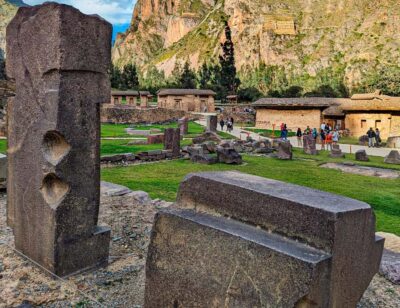
Cusco:Chinchero,Moray & Salt Mines drop-off in Ollantaytambo
Read our review →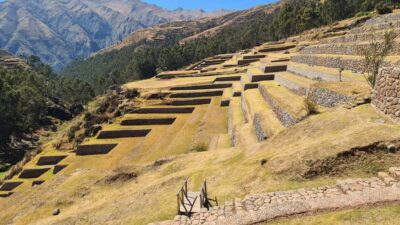
Sacred Valley: Chinchero, Moray, Ollantaytambo & Pisac+Lunch
Read our review →
Sacred Valley: Maras & Moray by Quad Bike from Cusco
Read our review →
Pisac Indian Market and Ollantaytambo Fortress with Lunch
Read our review →
From Cusco: Quad bike tour Moray and Salt Mines
Read our review →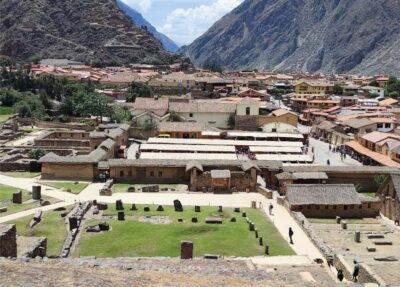
From Cusco: 2-Day Trip to the Sacred Valley and Machu Picchu
Read our review →Browse the lists this tour appears in