

Reviewed · FOOTBALL STADIUM TOURS
Rio: Maracanã Stadium Official Entrance Ticket
Maracanã is more than a football ground. It is where two World Cup finals, the 2016 Olympic Games, major concerts, and some of Brazil’s most emotional football memories played out. This $24 stadium visit lets you walk through the players’ tunnel, sit in the dugout, look across the pitch, and see the rooms normally hidden from the public.
I like two things especially: the freedom to set your own pace and the chance to see real working spaces rather than only a museum display. The changing rooms, press conference room, warm-up area, and pitch-side route make the visit feel physical and immediate. The main thing to understand is that this is not usually a fully guided tour. You get an introduction and staff assistance, but most of the 40-minute visit is self-guided.
Key points to know before you go
- Walk the players’ tunnel: Follow the route toward the pitch and imagine the noise of nearly 80,000 fans.
- See the stadium’s football museum: Historic jerseys, trophies, photographs, and memorabilia give context to the building.
- Expect a self-guided visit: Signs are available in Portuguese and English, with staff nearby to help.
- Enter at Gate A: Go to the pedestrian entrance at Av. Rei Pelé, 2, near the UERJ ramp.
- Plan carefully around matches: The final visit on match days should finish three hours before the gates open.
- Allow extra money for add-ons: Professional photos and a goal-kicking simulator may cost more than admission.
Why Maracanã matters beyond the football
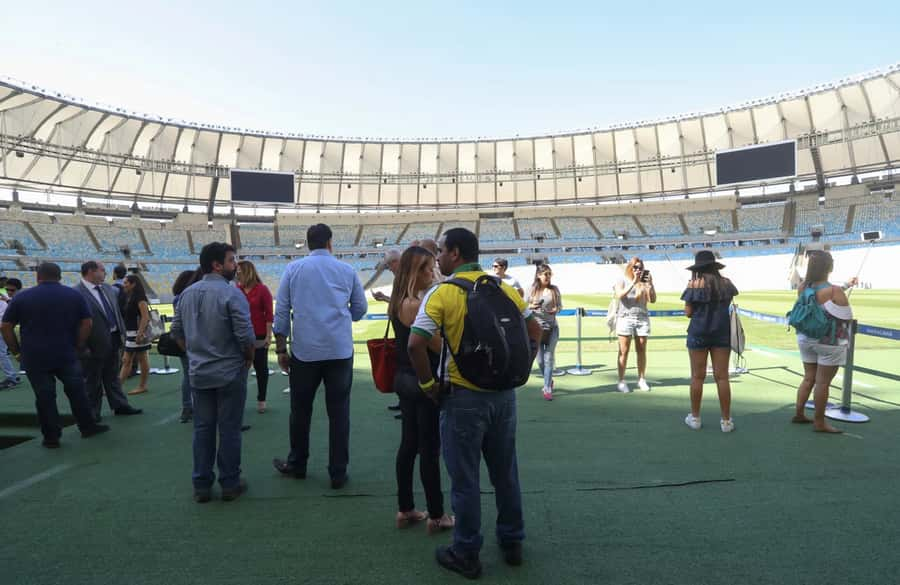
Built for the 1950 World Cup, Maracanã quickly became one of the best-known stadiums in the world. Its story includes triumph, heartbreak, music, religion, and Olympic spectacle. You are visiting a place used for the 1950 World Cup, the 2014 World Cup, the 2013 Confederations Cup, the 2007 Pan American Games, and the 2016 Olympic and Paralympic Games.
The building has also hosted Madonna, the Rolling Stones, Paul McCartney, and Tina Turner. Pope John Paul II held mass here in 1980 and 1997. That broader story matters because the stadium is not only about club football or national teams. Maracanã has been one of Rio’s great public stages.
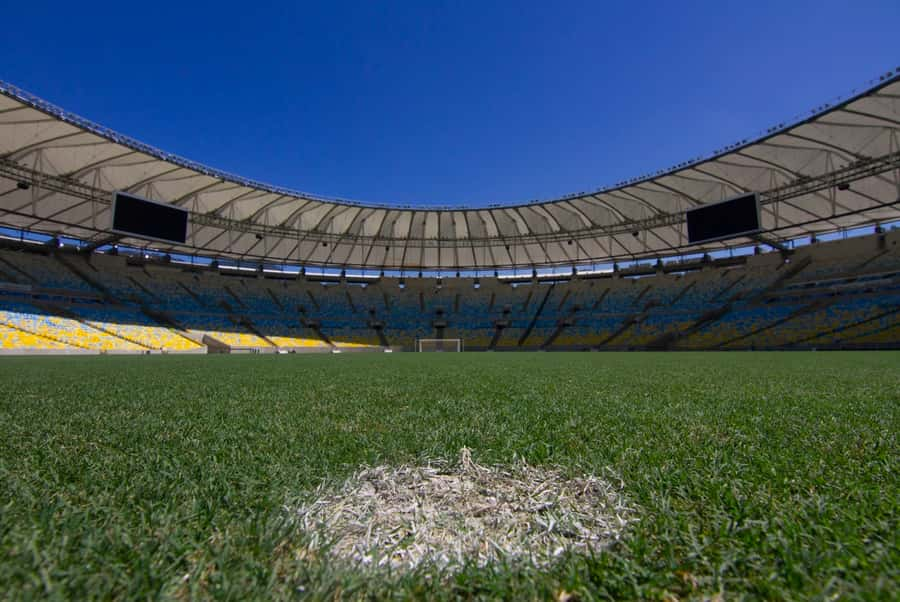
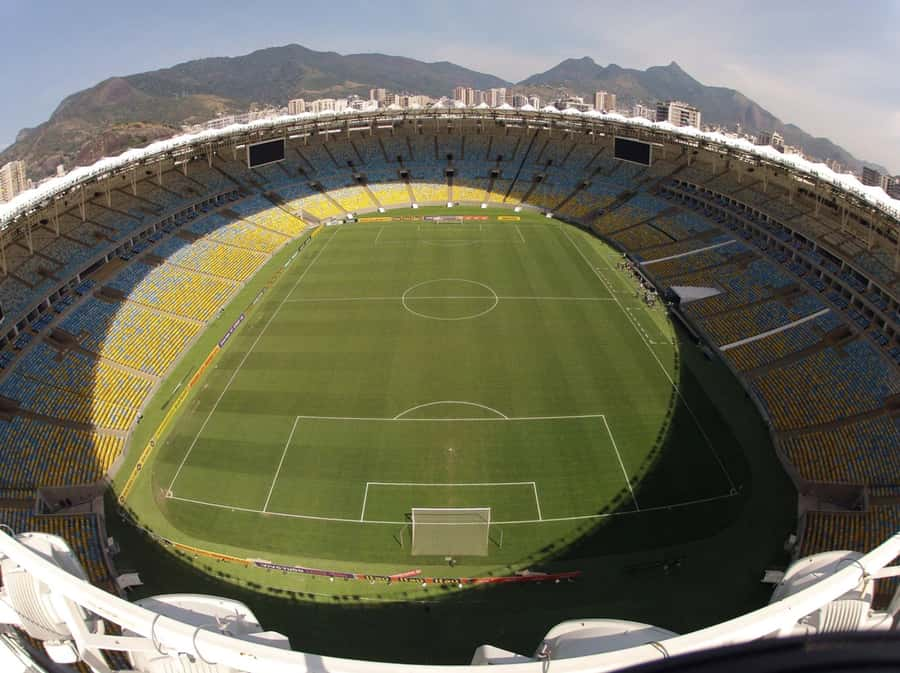
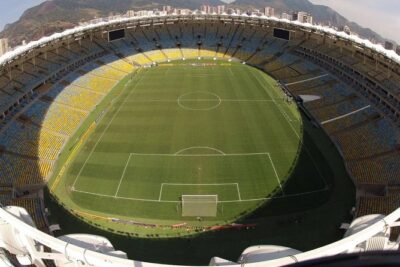
The pitch is the emotional center of the visit. It hosted the opening and closing ceremonies of the 2016 Olympic Games and the 2014 World Cup final. You may not be able to walk freely across the entire field, but the route brings you close enough to understand the scale of the bowl and the steep sweep of the seating.
For football fans, the setting is the point. You are not looking at a replica or a display behind glass. You are seeing the actual tunnel, benches, press area, and stadium interior where major events took place.
More Stadium Tours in Rio de Janeiro:
- Skip the Line Maracana Stadium Entrance Ticket
★ 4.0 · 203 reviews - Football Match in Rio de Janeiro – Guided with Transportation
★ 4.5 · 150 reviews - Maracana Stadium – Behind the Scenes Tour
★ 3.7 · 123 reviews
Entering at Gate A without losing time
The meeting information can cause confusion, so keep it simple: go directly to Gate A for pedestrians, at Av. Rei Pelé, 2, Maracanã, near the Rampa da UERJ. The activity uses the stadium address in Rio de Janeiro, postal code 20271-130.
Show your mobile or printed voucher at the tour box office inside Gate A. The booking provider sends the voucher in a separate email after purchase, so check your inbox before leaving for the stadium.
Several people have lost time by looking for a traditional meeting point or waiting for a guide outside. That is not how this visit works. Go to Gate A, follow the signs, and ask staff inside if you need help finding the entrance route.
The stadium is accessible to wheelchair users. The visit is also easy to manage if you want to move slowly, stop for photographs, or spend more time with the museum displays. The short advertised route takes about 40 minutes, but the exact pace depends on how closely you study the exhibits and how busy the stadium is.
The museum sets the scene
The museum is the best place to begin because it gives the stadium a human face. You will find football memorabilia, historic shirts, trophies, photographs, and objects connected with important Brazilian players and teams.
The displays help explain why Maracanã has such a powerful place in Brazilian football. Without this context, the changing rooms and pitch can feel like a quick photo stop. With it, the stadium becomes a place tied to generations of supporters and famous matches.
One nice detail is the use of player footprints around parts of the museum. It adds a personal touch to a collection that could otherwise feel like a standard sports display.
The museum is not enormous, and that is important when judging the price. If you expect a large national football museum with hours of exhibits, you may find the content limited. If you see it as one part of a short stadium-access experience, it does its job well.
Read the signs as you go. They are available in Portuguese and English, which makes the route workable without a private guide. You can also ask the staff questions, though the usual format is not a continuous explanation from one guide.
The changing rooms and warm-up spaces
The changing rooms provide one of the clearest behind-the-scenes moments. These are the practical areas where players prepare before taking the field, and they make the stadium feel less like a monument and more like a workplace.
You can also see the warm-up room. It is a small detail, but it helps you picture the minutes before a match, when players are focused, coaches are giving final instructions, and the crowd is already making noise outside.
This part of the route suits families and casual football fans because it needs no specialist knowledge. You can simply look at the spaces and imagine the preparation that happens before a major game.
The limitation is that access is controlled. This is a guided route through selected areas, not permission to wander into every corridor or room in the stadium. The barriers direct you from one stop to the next, which keeps the route orderly but leaves less room for discovery.
A few more Rio de Janeiro days worth comparing
- Rio de Janeiro: 6-Stop Highlights of Rio with Lunch
★ 4.4 · 5,157 reviews - Christ the Redeemer Entry Ticket by Corcovado Train
★ 4.4 · 4,476 reviews - Rio de Janeiro: Rocinha Favela Walking Tour with Local Guide
★ 4.8 · 3,052 reviews - Rio de Janeiro: Sugarloaf Cable Car Official Ticket
★ 4.6 · 2,873 reviews
Walking through the players’ tunnel
The players’ tunnel is the most memorable physical section for many people. You walk toward the pitch along the same kind of passage used by teams before a match, then emerge near the playing area.
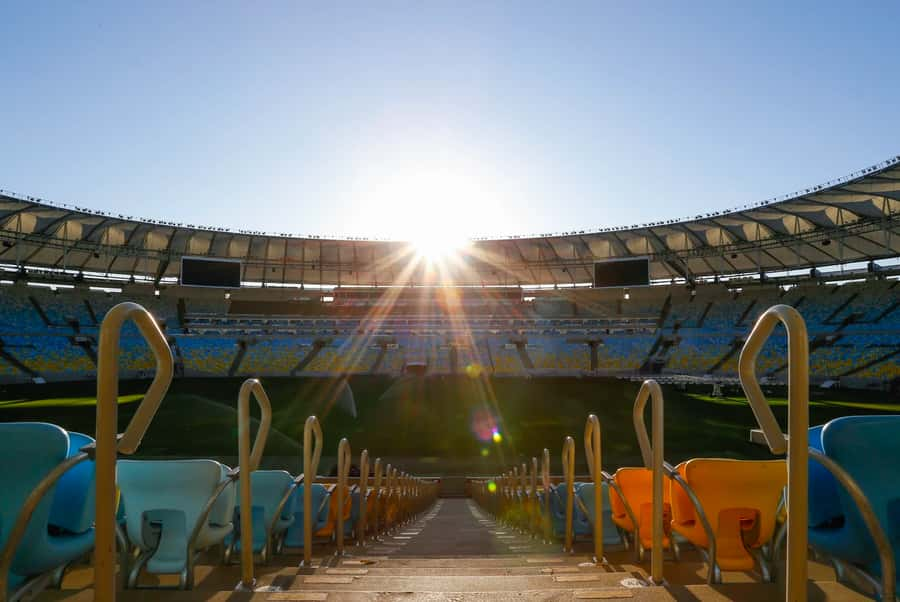
This is where the stadium’s size begins to register. From the tunnel, the open bowl and seating rise around you. Try to pause for a moment before rushing into photographs. The experience works best when you take in the change from enclosed corridor to huge arena.
The description of nearly 80,000 fans gives you an idea of the noise the tunnel once carried. The exact capacity and layout have changed over the stadium’s long life, but the sense of scale remains.
You are allowed to take photographs, and this section is likely to produce the strongest pictures of the visit. The pitch-side viewpoint also gives you a chance to compare the stadium with modern European grounds. Some visitors find Maracanã older-looking than stadiums in the United Kingdom. That is fair. Its appeal comes from age, memory, and atmosphere more than from polished new construction.
The dugout, press room, and pitch-side views
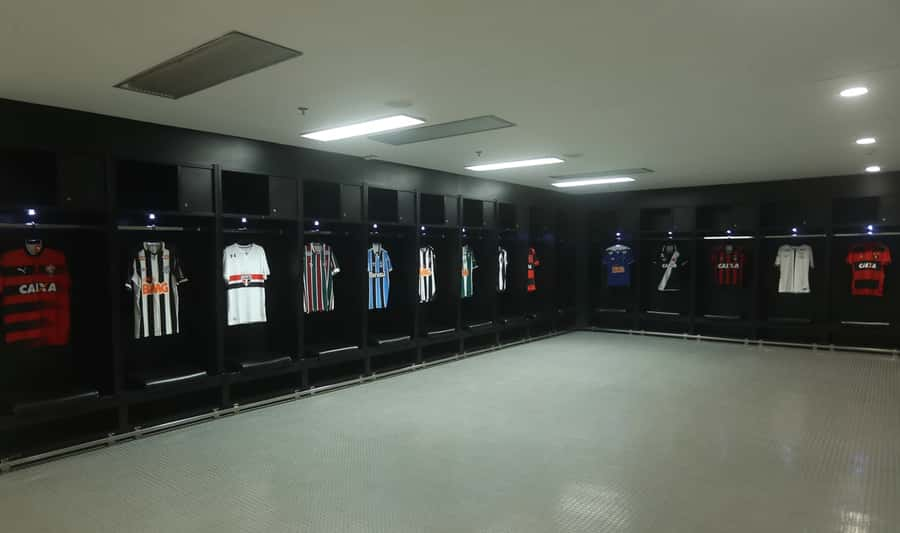
Sitting in the dugout turns the visit into a small piece of theatre. You can picture coaches watching a final, players waiting for their chance, and staff reacting to the match from only a few metres away.
The press conference room offers a different angle. After a major game, this is where players and coaches face questions, explain decisions, and try to describe what just happened. For a football fan, sitting in this room connects the match itself with the public stories built around it.
The route also brings you close to the pitch and seating areas. You get a sense of the view available to players and staff, compared with what supporters see from the stands.
Some visits include a chance to take a kick at a goal from the side of the pitch. There may also be a goal-kicking simulator or a football video option connected with Copacabana for an additional charge. These extras are not part of the $24 admission, so ask about the price before agreeing to them.
Professional photographs may also be offered along the route. One visitor paid an additional $21 for photos, with prices listed in Singapore dollars at the time. The cost varies, but the lesson is simple: treat photography as an optional purchase, not part of the entry ticket.
A self-guided route, not a traditional tour

This distinction matters. The experience may be described as a stadium tour, but the usual format is an initial introduction followed by a self-guided route through the museum and stadium spaces.
Staff point out what you can see and do, then you move through the marked areas at your own pace. You are not normally walking beside one guide who explains every room, match, and player.
That setup is a plus if you dislike being hurried. You can stop for pictures, read the English signs, and spend more time in the museum. It also works well for mixed groups, where one person wants football details and another is mainly interested in the architecture and events.
The trade-off is the lack of storytelling. A guide could explain the 1950 World Cup, the 2014 final, or the stadium’s concerts in a more connected way. If you want detailed commentary, you may need to prepare a little before arrival or ask staff questions as you go.
The route is easy to follow, and staff assistance is available. Some visits have included staff members who were helpful with questions, but the experience should be booked with the expectation of independent exploration.
How much time you need and when to go
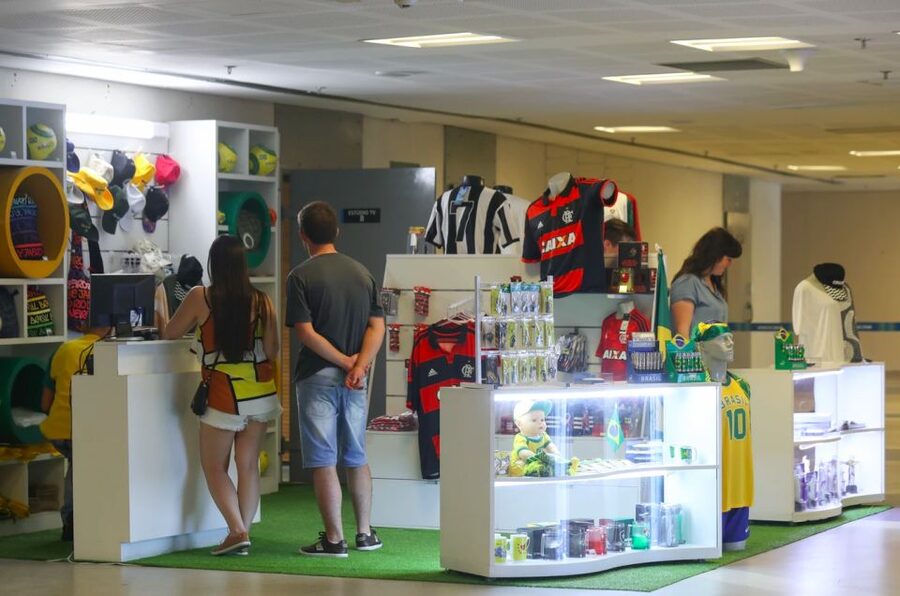
The visit is advertised as a 40-minute experience, which is enough to see the main areas without rushing too badly. If you read every display, take many photographs, or stop for optional activities, you may need more time.
The booking is described as lasting one day because you select an available starting time rather than joining a fixed multi-day activity. Check the calendar for current times before booking.
Match days need special care. The final stadium visit is supposed to end three hours before the gates open. In practice, operating hours can change, and the tour may close earlier than the general wording suggests. If you are visiting on a match day, contact the provider and confirm the exact final entry time.
A match can be a better experience than the tour if you have the choice. Nothing replaces hearing Maracanã during a real game. But tickets may not be available, or a match date may change. The stadium tour is a useful alternative and can also pair well with a game if you plan the timing carefully.
One smart plan is to visit early, then return for a match later if you have tickets. Do not assume the tour will stay open until kickoff.
Is $24 good value?
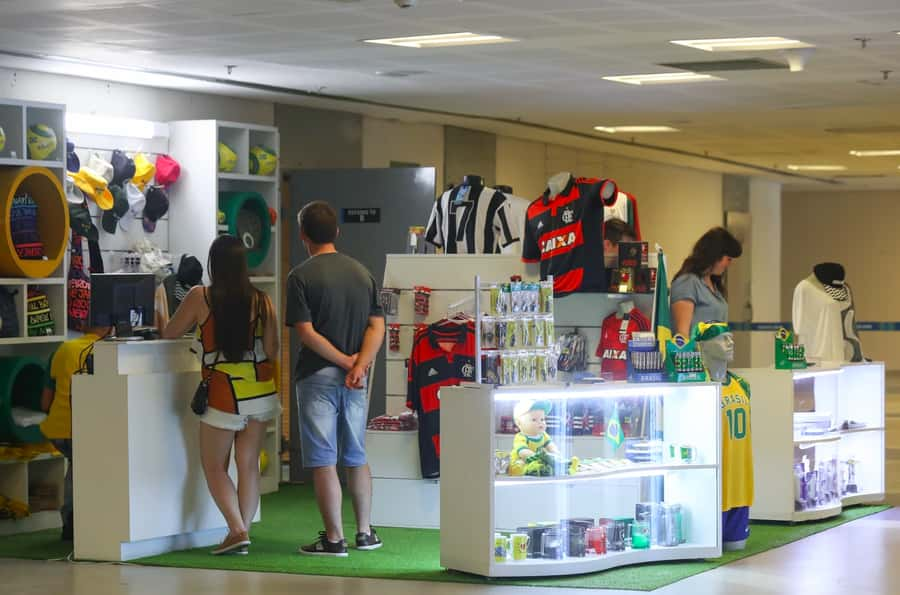
At $24 per person, the ticket is reasonably priced for access to a famous stadium and its museum. The value comes from the combination of places: changing rooms, tunnel, dugout, press room, pitch-side area, seating, and memorabilia.
You are paying for access and atmosphere rather than a long guided lecture. That is good value for a football fan who wants to sit in the dugout and walk toward the field. It is less compelling if you expect a large museum, a full behind-the-scenes production, or an hour-long guided explanation.
The short duration helps keep the cost sensible. You can fit the visit into a day of sightseeing without giving up half your schedule. The route also works as a backup when a scheduled match is moved or unavailable.
Add-on photos and simulator activities can raise the total. You do not need them to enjoy the stadium, so decide in advance how much you want to spend.
Free cancellation is available up to 24 hours before the scheduled visit for a full refund. That is useful when your Rio plans may shift, though match-day changes should still be checked directly with the provider.
Who will enjoy Maracanã most?

You should book this if you care about football, famous sporting places, or the history of Rio’s major public events. The chance to see the tunnel, changing rooms, dugout, press room, and pitch in one short visit gives you a good feel for the stadium.
It also suits families because the route is straightforward and does not require a long attention span. A non-football fan can still appreciate the size of the stadium and its concert and Olympic connections, though the museum naturally focuses on the sport.
You may want to skip it if your schedule is tight and you can attend a real match instead. A live game offers the noise and emotion the tour can only suggest. You may also be disappointed if you expect a fully guided experience in English.
Should you book this stadium visit?
Book it if Maracanã itself is on your Rio wish list and you want more than a photograph from outside. The strongest parts are the players’ tunnel, pitch-side view, dugout, changing rooms, and compact museum.
Go in knowing that it is mostly self-guided, the museum is modest, and match-day hours can change. Enter through Gate A, keep your voucher ready, check the final entry time, and treat the professional photos and simulator as optional extras.
For $24, this is a practical way to experience one of football’s most famous stadiums. For the best possible version of the Maracanã experience, see a match too, but the stadium visit remains a worthwhile substitute when the fixture calendar does not cooperate.
FAQ
How long does the Maracanã Stadium visit take?
The visit is described as a 40-minute experience. You can move at your own pace through the museum and stadium areas, so time may vary if you stop for photographs or optional activities.
Is the visit guided?
It is mainly self-guided. You receive an introduction, then follow the marked route through the museum, changing rooms, tunnel, pitch-side area, dugout, and press conference room. Staff are available to help with questions.
Where do I enter the stadium?
Go to Gate A for pedestrians at Av. Rei Pelé, 2, Maracanã, Rio de Janeiro. The entrance is near the Rampa da UERJ. Show your mobile or printed voucher at the box office inside Gate A.
What is included in the ticket?
The ticket includes stadium admission, museum admission, and access behind the scenes. It does not include hotel transfers, food, drinks, or optional photography and simulator activities.
Can I visit on a match day?
Yes, but the final visit on a match day should finish three hours before the stadium gates open. Operating times can change, so contact the activity provider to confirm the available time before you go.
Is Maracanã accessible to wheelchair users?
Yes. The activity is listed as wheelchair accessible.
Can I cancel for a refund?
You can cancel up to 24 hours in advance for a full refund. Check the booking conditions for your selected date and confirm any match-day schedule change with the provider.
Just added around Rio de Janeiro
- Skip the Line: Lagoa Misteriosa Admission Ticket with Scuba Diving Experience★ 5.0 · 81 reviews
- Rio de Janeiro: Tijuca Peak Guided Hike★ 4.7 · 56 reviews
- Sugarloaf Mountain Fast-Pass Ticket and Guided Tour★ 4.4 · 62 reviews
- Rio de Janeiro: Sugarloaf Mountain Hike and Climb★ 5.0 · 45 reviews
- Rio de Janeiro: Sunrise Lookout and Christ the Redeemer Tour★ 5.0 · 121 reviews
- Rio de Janeiro: Samba Class and Samba Night Tour★ 4.6 · 115 reviews
- Rio Surf Experience★ 4.9 · 37 reviews
- Rio Samba Bus: hop-on hop-off city tour in Rio de Janeiro★ 3.8 · 94 reviews
Football Stadium Tours, compared.

Football Match in Rio de Janeiro – Guided with Transportation
Read our review →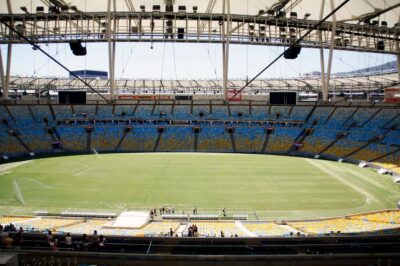


Soccer Match in Buenos Aires with Transfers and Local Guide
Read our review →
Fluminense Football Match at Maracanã with Local Hosts
Read our review →
Maracanã Stadium & Christ the Redeemer by Rack Railway
Read our review →
Flamengo Game Experience at the Maracanã Stadium
Read our review →Browse the lists this tour appears in