
Reviewed · SACRED VALLEY TOURS
Cusco: Tandem Paragliding in The Sacred Valley of The Incas
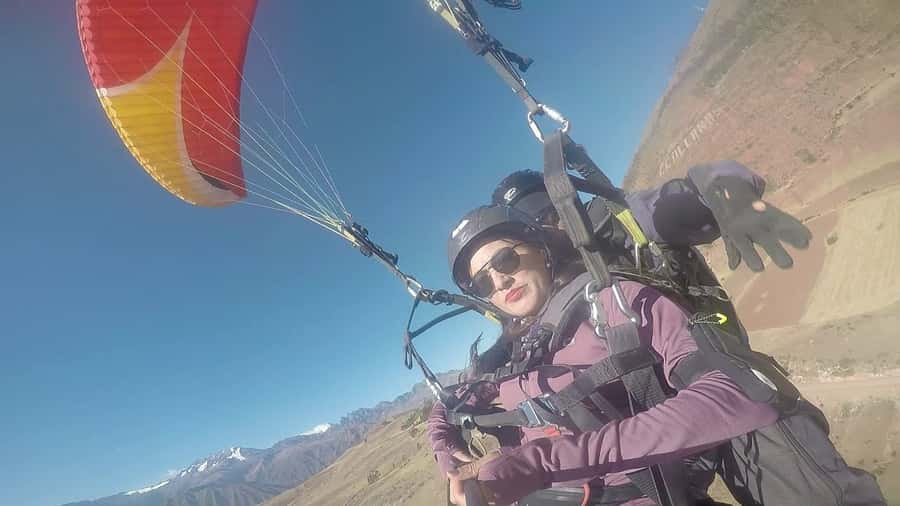
The best part of this Cusco paragliding trip is the setting: you launch from Cerro Sacro, high above the Sacred Valley, then glide past steep mountain slopes, Inca ruins, small settlements, and distant glacial peaks. This is not a quick amusement-park ride. It is a quiet, open-air view of one of Peru’s great mountain regions.
I like two things here. First, the flight is tandem, so you do not need previous experience. Second, the team takes weather seriously. Pilots such as Leo, Simon, Carlos, and Andy wait for useful winds rather than rushing you into the air. The main drawback is that wind and rain control the schedule, and waiting on a cold mountainside can test your patience.
Key points to know before you book
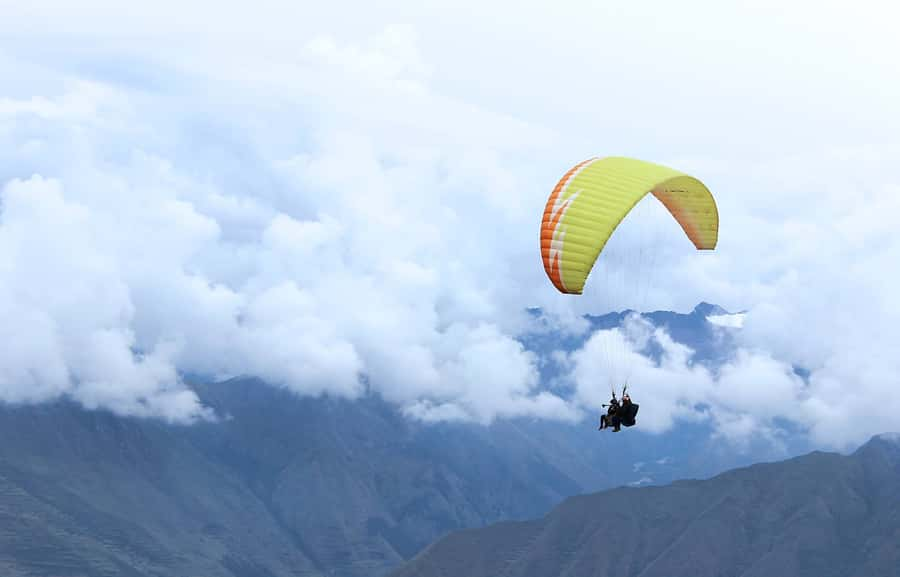
- Cerro Sacro launch point: Fly from a mountain at about 3,880 meters, with a steep slope and a vertical drop of roughly 600 meters.
- A true small-group outing: The group is limited to six people, though each person flies tandem with a professional pilot.
- Weather sets the timetable: Your flight may be delayed, shortened, extended, or moved to another mountain if conditions change.
- Several well-regarded pilots: Leo, Simon, Carlos, Andy, and others may lead the flight, depending on the day and schedule.
- Video is included: You receive a recording of your flight, useful since your hands and attention will be busy in the air.
- Allow most of a day: Hotel pickup, the mountain drive, preparation, possible waiting, and return together take about 6 to 7 hours.
Flying above the Sacred Valley from Cerro Sacro
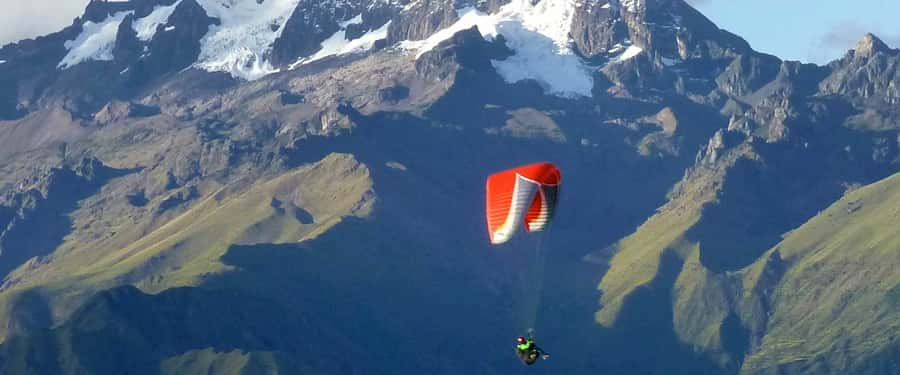
The flight begins well above the valley floor. Cerro Sacro rises to about 3,880 meters, or 12,730 feet, and has a very steep slope with a vertical drop of around 600 meters. From this height, the Sacred Valley opens in layers: wooded hillsides, cultivated land, scattered homes, Inca remains, and high peaks on the horizon.
The exact view depends on the day and the air. Clear conditions may reveal distant snow and glaciers. On some flights, birds of prey have been seen circling near the paragliders. You may also gain enough height from warm rising air, called thermals, to fly above the original launch point.
That last detail matters. The advertised flight is usually 10 to 15 minutes, while the broader description allows 15 to 20 minutes or longer when the wind cooperates. Do not treat the flight time as a guarantee. Air sports depend on conditions, and a shorter flight is preferable to an unsafe one.
The setting feels more like mountain travel than a standard ride. You are not simply looking down at a city. You are watching the Sacred Valley shift below you as the pilot steers the canopy and searches for smooth, useful air.
More Paragliding Flights in Sacred Valley:
- From Medellín: Paragliding Tour with GoPro Photos & Videos
★ 4.9 · 1,210 reviews - Rio de Janeiro: Hang Gliding Adventure
★ 4.6 · 760 reviews - Rio de Janeiro: Hang Gliding Tandem Flight
★ 4.8 · 426 reviews
What the 6 to 7-hour day looks like
Your day starts with hotel pickup in Cusco’s Historic Center or from a hotel in the Sacred Valley, depending on the option you choose. In the valley, pickup is available in Ollantaytambo, Yucay, and Urubamba.
Narrow streets can make direct hotel access difficult. If the vehicle cannot reach your door, the local partner gives you a nearby meeting point. The same applies if you are staying in a private apartment or outside the normal pickup area. Confirming the meeting spot in advance is wise, especially if you are leaving early.
The drive to the flight area is part of the outing. One detailed account describes a transfer to the landing zone, followed by a four-wheel-drive climb of about 1,000 meters to the launch area. That sounds like a small logistical detail, but it helps explain the long duration. The flight itself is short. The mountain approach, preparation, weather checks, and return ride make this a half-day or longer activity.
At the launch site, the team explains the takeoff procedure and basic safety rules. You receive a helmet and harness, then connect to the pilot. The key instruction is usually simple: follow the pilot’s running or movement cues during takeoff. The pilot handles the canopy and flight decisions.
The launch can involve waiting. Strong wind, rain, turbulence, or weak air may delay the start. You might spend time standing in a cold, exposed area while the pilot watches the conditions. That is normal here, not poor planning. Bring the jacket and gloves listed for the activity, and consider dressing warmer than you think you need. One person described the mountain as very cold, even when the day elsewhere in the valley felt pleasant.
The takeoff and first moments in the air
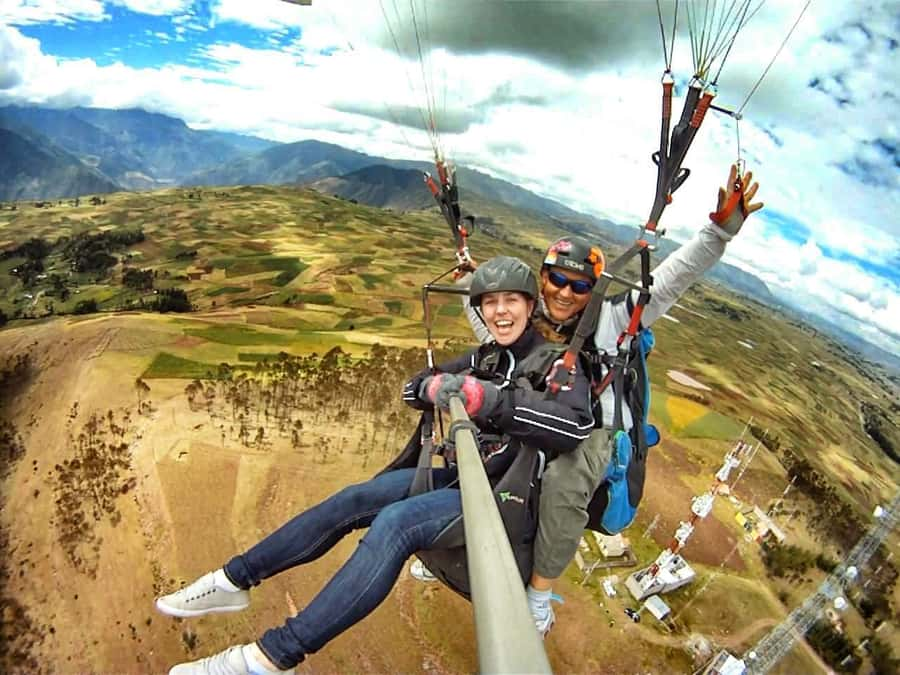
Tandem paragliding is accessible to a first-timer because your instructor manages the canopy. You do not need to steer the wing or understand the technical side of the sport before arriving.
Takeoff can feel more dramatic than the flight itself. The slope is steep, and the pilot needs a clear window of wind. Once the canopy is ready, you follow the instructions, move as directed, and leave the ground together.
After that, the sensation is less like falling and more like hanging beneath a large fabric wing. Still, it is not perfectly still. One first-time flyer compared the turns and air movement to a roller coaster, with noticeable forces during maneuvers. If you are nervous, tell your pilot before takeoff. Leo has been particularly praised for calming anxious passengers, including using breathing exercises with one nervous participant.
The pilot may circle to gain height in a thermal. This can create a longer flight and a wider view, but it may also bring more movement. If you prefer a gentle ride, say so. Clear communication gives the pilot a better sense of how to shape the flight.
The pilots and the human side of the outing
The strongest part of this activity is the pilot interaction. Leo Infantas is repeatedly singled out for his long experience and passion for the sport. He is described as one of the people who introduced paragliding in Peru decades ago. That background can add real interest when he explains the mountain, the wind, or the valley below.
Simon is another named pilot associated with the experience. He has been praised for clear explanations, good energy, and patience while waiting for a suitable launch window. Carlos has also guided flights and added comments about nature and Peruvian culture.
Other bookings may place you with Andy or another member of the team. The specific pilot is not something you should assume in advance. What you can reasonably expect is an English- or Spanish-speaking instructor, licensed safety equipment, and a pilot who makes the final call on the flight.
The experience can include more than the flight, but extras are not fixed parts of the program. Some outings have included a stop at a local home, a chicha tasting, a traditional weaving demonstration, or a brief visit with llamas, alpacas, and guinea pigs. Treat these as possible personal touches, not guaranteed stops. The core product is transportation, instruction, equipment, tandem flight, and video.
A few more Sacred Valley days worth comparing
- From Cusco: Sacred Valley & Maras Salt Mines Tour with Lunch
★ 4.8 · 2,227 reviews - From Cusco: Moray, Maras Salt Mines & Chinchero Weavers Tour
★ 4.8 · 1,925 reviews - Cusco: Sacred Valley, Pisac, Ollantaytambo, Salt Mines Moray
★ 4.6 · 1,058 reviews - Cusco:Chinchero,Moray & Salt Mines drop-off in Ollantaytambo
★ 4.8 · 793 reviews
Why the flight video matters
A video is included, which is useful for a simple reason: you will not be free to take pictures during most of the flight. Your hands are connected to the harness or busy following instructions, and the best views pass quickly.
The recording also captures the scale of the setting better than a hurried phone photo from the ground. You can share the view of the valley, the mountain curves, and the canopy above you. Ask how and when the video will be delivered if that matters to you, since the supplied information confirms that it is included but does not specify the exact transfer method.
You should still bring a phone for before and after the flight, particularly at the launch or landing area. Keep it secure and follow the pilot’s instructions about personal items.
Safety, weather, and the tradeoff of mountain flying
The operator describes Cerro Sacro as a safe mountain because of its topography, but no air sport is risk-free. Your pilot checks the wind, rain, and turbulence before takeoff and during the flight. If the conditions become unstable, the pilot may wait or cancel to protect passengers.
That decision can be frustrating. If a cancellation happens because of unstable weather, the passenger is responsible for transport costs. This is an important condition to understand before booking. Ask about the plan for your day if the flight cannot proceed, especially if you have a tight connection or another tour later.
A different mountain may be used if Cerro Sacro is unsuitable. That gives the team some flexibility, but it also means the exact view and launch point can change.
The best attitude is to treat the flight as weather-dependent. Leave room in your itinerary, avoid booking it immediately before a must-do activity, and accept that a safe wait or cancellation is better than forcing a launch. The team’s willingness to wait for thermals has helped produce longer and smoother flights, but it can also make the morning run late.
Price and what you receive for $120
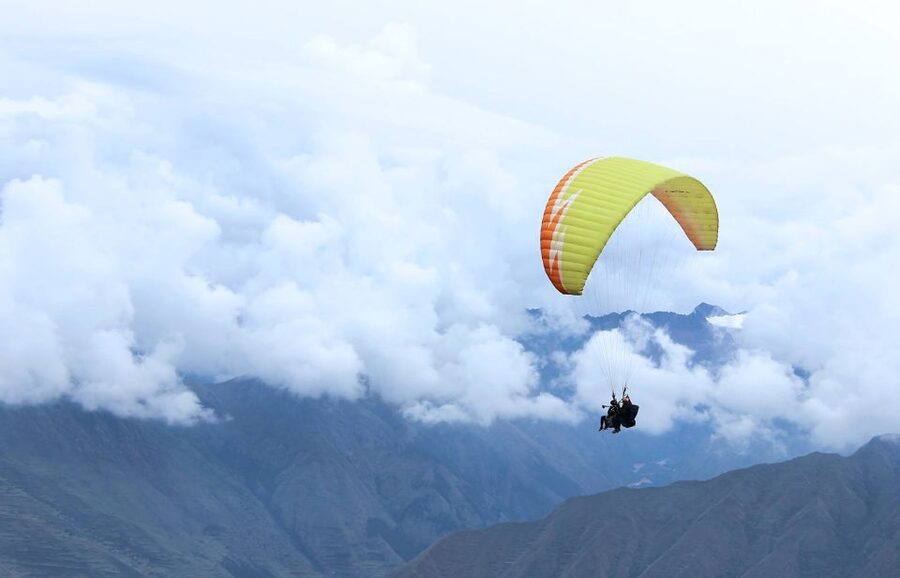
At $120 per person, this is not a cheap short attraction. It is also more than a flight fee. The price includes pickup, return transportation, safety instruction, a professional pilot, harness, helmet, licensed equipment, and a flight video.
The value depends on your plans. If you already have a full Sacred Valley tour and only want a quick ride, the 6 to 7-hour commitment may feel costly. If you want a special view of the valley and would otherwise arrange separate transport to a mountain site, the package is easier to justify.
The small group limit of six helps. You are not being moved through a large queue at a commercial attraction. You still need to wait for the right conditions, but the group size keeps the day more personal.
Food and drinks are not included. Bring water and something to eat, particularly if you are prone to feeling lightheaded at high altitude. The activity information does not promise a restaurant stop, so do not count on buying lunch during the outing.
Who should book, and who should skip it
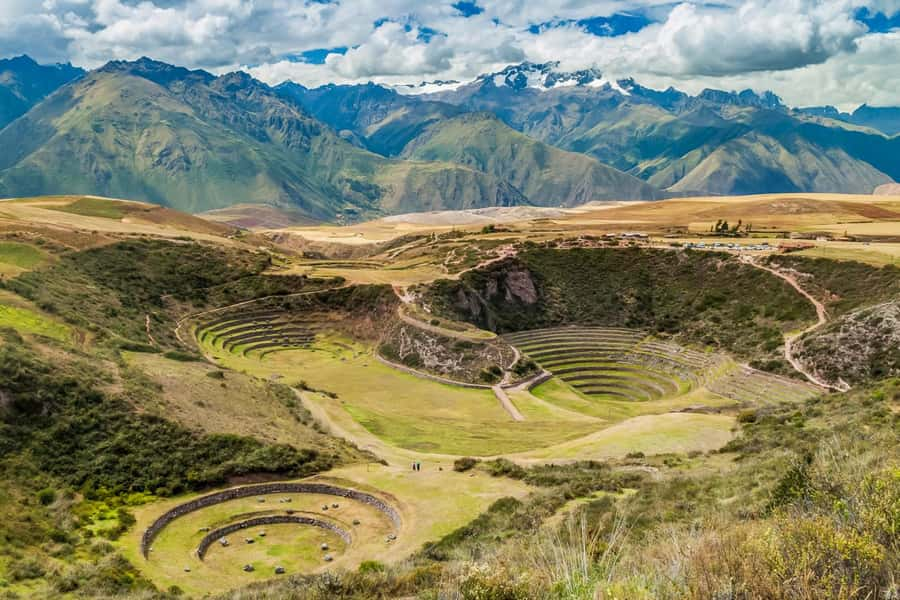
I would recommend this to an adventurous first-time flyer who wants a major view rather than a technical lesson. You should be comfortable with heights, mountain roads, waiting outdoors, and a flight that may include turns and changing air.
It suits couples, families with eligible older children, and small groups of friends. Children must weigh more than 40 kilograms, or 88 pounds, and need permission from a parent or guardian. People over 200 pounds, or 91 kilograms, are not accepted, and the activity is not suitable for people with mobility impairments.
You should skip it if you need a fixed timetable or cannot tolerate a weather-related change. It is also a poor fit if you are looking for a quiet sightseeing bus ride. The launch and landing require physical participation, and the air can bring a roller-coaster feeling during turns.
For altitude-sensitive visitors, the launch point is much higher than Cusco. The provided information does not give medical guidance, so speak with your doctor if altitude or strenuous movement is a concern.
Booking details that can save you trouble
The experience offers free cancellation up to 24 hours before departure and a reserve-now, pay-later option. Those policies help when you are still watching the weather or arranging a Cusco itinerary.
Pickup and drop-off vary by selection. In central Cusco, return may be to Plaza de Armas or Plaza del Recorrido. In the Sacred Valley, the return is to your hotel when access allows.
Confirm three things before the day begins: your pickup location, the expected meeting time, and the contact method for weather updates. Communication has generally been handled through messages such as WhatsApp, but one person found app communication less clear than expected. A quick confirmation can prevent a long wait on the wrong street.
Wear warm layers, sunscreen, and a hat. Gloves are specifically recommended. The sun can be strong at altitude, while the launch site can feel sharply cold.
Should you book this Sacred Valley paragliding trip?
Book it if you want a memorable mountain view, are happy to give up most of a day, and can accept weather uncertainty. The flight is short, but the setting, pilot attention, video, and valley transport make the whole outing more substantial than the minutes in the air suggest.
I would choose this for the chance to fly from Cerro Sacro with an experienced pilot such as Leo or Simon, while keeping expectations practical. You may wait. You may fly for 10 minutes rather than 20. You may even face a cancellation. But if the wind behaves, you get a rare view of the Sacred Valley from above and a story far more distinctive than another lookout stop.
FAQ
How long is the paragliding flight?
The included flight is listed as 10 to 15 minutes, while the broader description allows about 15 to 20 minutes or longer depending on wind conditions. Flight duration is not fixed.
How long does the full activity take?
Allow 6 to 7 hours for pickup, transportation, safety preparation, possible weather delays, the flight, and drop-off.
Where does the flight take place?
The main flight point is Cerro Sacro in the Sacred Valley of the Incas. It is about 3,880 meters high and has a vertical drop of approximately 600 meters. Another mountain may be used if weather conditions are unsuitable.
Is hotel pickup included?
Yes. Pickup is available from hotels in Cusco’s Historic Center and from selected Sacred Valley locations, including Ollantaytambo, Yucay, and Urubamba. If a vehicle cannot reach your street, you receive a nearby meeting point.
What happens if the weather is bad?
The pilot may wait, move the flight to another mountain, or cancel if there are high winds, turbulence, rain, or other unstable conditions. If the flight is canceled for weather, passengers are responsible for transport costs.
What should I bring?
Bring a hat, sunscreen, jacket, and gloves. Food and drinks are not included, so you should plan for your own refreshments.
Just added around Sacred Valley
- Rafting & Zip line Urubamba River 1 Day★ 5.0 · 75 reviews
- Moray and Maras Salt Mines Full Day Tour – Small Groups★ 5.0 · 79 reviews
- Sacred Valley VIP Tour with Maras and Moray from Cusco★ 4.5 · 35 reviews
- Sacred Valley Private Tour, Moray & Salt Mines Incluided★ 5.0 · 41 reviews
- 2-Day Tour: Sacred Valley & Machu Picchu – All Tickets Included★ 5.0 · 42 reviews
- Sacred Valley Full-Day Private Tour from Urubamba & Ollantaytambo★ 5.0 · 112 reviews
- Sam’s Zip Line in Sacred Valley★ 5.0 · 75 reviews
- Salt Mines(Maras),Moray and Chincheros★ 5.0 · 41 reviews
Sacred Valley Tours, compared.
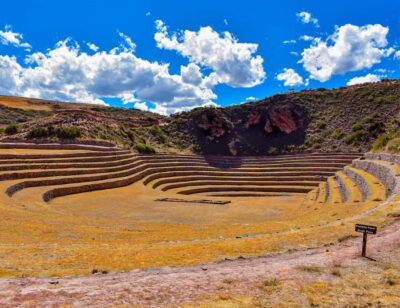
From Cusco: Moray, Maras Salt Mines & Chinchero Weavers Tour
Read our review →
Cusco: Sacred Valley, Pisac, Ollantaytambo, Salt Mines Moray
Read our review →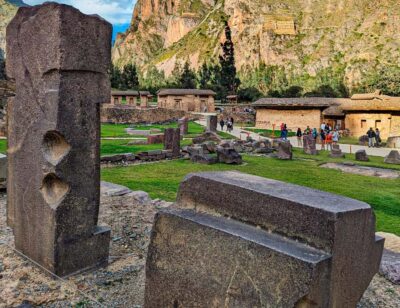
Cusco:Chinchero,Moray & Salt Mines drop-off in Ollantaytambo
Read our review →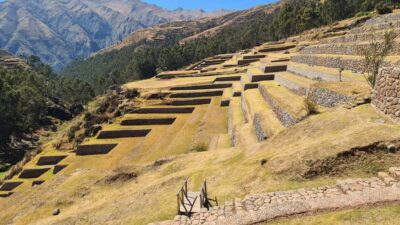
Sacred Valley: Chinchero, Moray, Ollantaytambo & Pisac+Lunch
Read our review →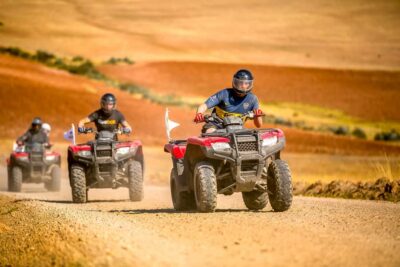
Sacred Valley: Maras & Moray by Quad Bike from Cusco
Read our review →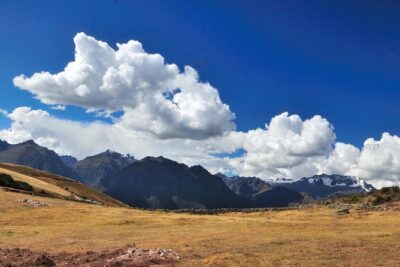
Pisac Indian Market and Ollantaytambo Fortress with Lunch
Read our review →
From Cusco: Quad bike tour Moray and Salt Mines
Read our review →
From Cusco: 2-Day Trip to the Sacred Valley and Machu Picchu
Read our review →Browse the lists this tour appears in