
Reviewed · SACRED VALLEY TOURS
Complete Sacred Valley Tour (Full Day)
The best thing about this Sacred Valley tour is how much ground you cover in one long day. From Chinchero’s crafts and colonial church to Moray’s unusual terraces, Ollantaytambo’s stone streets, and Pisac’s market and ruins, you get a broad look at the valley without arranging several separate trips.
I like the small-group format, advertised at up to 12 people, with a maximum of 15 listed elsewhere. I also like that transport, an English and Spanish guide, and a buffet lunch in Urubamba are included. The drawback is the pace: 13 hours is a full day, and each major stop gets limited time.
Key points to know before booking
- Chinchero begins the day with Inca craft traditions, an archaeological site, and a colonial temple.
- Moray offers a quick but memorable look at Inca agricultural engineering.
- Ollantaytambo gives you the strongest sense of a living Inca town.
- Pisac combines an artisan market with hillside ruins, but one hour goes quickly.
- Lunch in Urubamba and shared transport make the $38 price attractive, though admission fees are extra.
- Guide Willy is specifically praised for connecting Inca spirituality, science, history, and modern life.
What this $38 Sacred Valley tour really covers
At $38 per person, this is a value-minded way to see several of the Sacred Valley’s best-known places from Cusco. You get transport, a bilingual guide, and a buffet lunch in Urubamba. That matters because the valley is spread out, and arranging transport between four stops can cost more than the tour itself.
The price does not include the partial Tourist Ticket. That costs 70 soles per person, while the full ticket costs 130 soles and is valid for 10 days. The supplied details also list a 10-sol entrance fee for the salt mines of Maras, although Maras is not one of the four scheduled stops described here. Check exactly which ticket you need before paying, especially if your plans include other archaeological sites.
There is one small point to clear up before booking. The highlights describe a maximum group of 12, while the additional information says up to 15. Either way, this is smaller than a large coach tour, but ask the provider to confirm the expected group size if that detail matters to you.
The day starts early. The pickup description says 6:00 a.m. from your Cusco hotel, while the meeting information gives a 7:00 a.m. start. Confirm your exact pickup time and place after booking. You return to Cusco around 6:30 to 7:00 p.m., making this a serious full-day outing rather than a relaxed half-day visit.
A few more Sacred Valley days worth comparing
- From Cusco: Sacred Valley & Maras Salt Mines Tour with Lunch
★ 4.8 · 2,227 reviews - From Cusco: Moray, Maras Salt Mines & Chinchero Weavers Tour
★ 4.8 · 1,925 reviews - Cusco: Sacred Valley, Pisac, Ollantaytambo, Salt Mines Moray
★ 4.6 · 1,058 reviews
Chinchero starts with craft, stone, and colonial layers
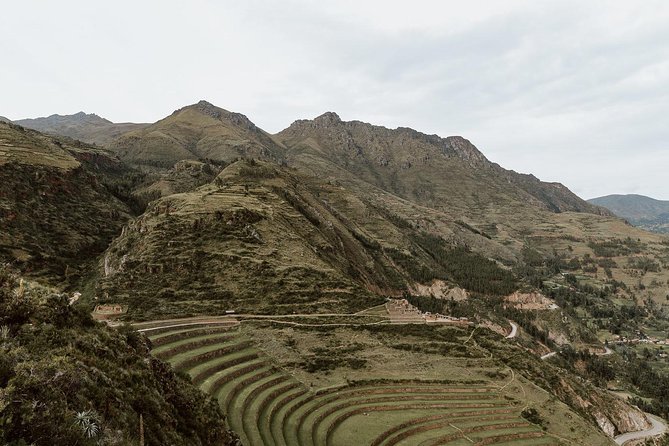
After about an hour in the tourist van, you reach Chinchero. The village is described through adobe homes, narrow cobbled streets, traditional dress, and old Inca customs. It is a useful first stop because it introduces both daily culture and major historical layers before the day moves on to larger archaeological sites.
If you choose to watch the craft demonstration, you can see how wool is washed and dyed with native plants and minerals. This gives the stop a practical side. Instead of looking only at finished textiles, you get a glimpse of the work and materials behind them.
Chinchero also includes an Inca archaeological site and a colonial temple. The combination helps you see how different periods share the same place. You are not looking at one isolated ruin. You are seeing a village where older foundations, later religious buildings, local homes, and living traditions sit close together.
The visit lasts about one hour, and admission is not included. That short time means you should keep your priorities clear. If crafts matter most, allow time for the demonstration. If you want the archaeological site and temple, do not let shopping use the whole stop.
Moray shows the Incas thinking like engineers
The next stop is Moray, reached after the group leaves Chinchero. You get about 45 minutes here, enough for an introduction to the famous circular terraces and their unusual design.
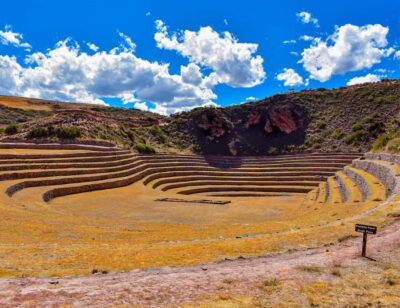
Moray is presented as a site used for agricultural experiments and seed cultivation. The terraces descend in broad rings, and the tour explains the drainage system at the bottom, which helped prevent flooding during the rainy season. This is the kind of place where the engineering matters as much as the view.
I like Moray because it changes the usual picture of Inca achievement. You are not seeing only temples, walls, or military structures. You are seeing a planned agricultural setting and a system built around water, soil, and crops.
The stop is brief, and admission is extra. You will want to listen closely to the explanation because 45 minutes can pass quickly. This is not a long wandering visit. It is a focused stop with a clear subject, and it works best when you pay attention to how the terraces were made and used.
Ollantaytambo gives you a living Inca town
Ollantaytambo is the strongest stop for understanding how an Inca settlement worked as a town, not just as an archaeological site. The traditional layout includes narrow stone streets beside flowing streams. That running water is part of the character of the place, and it helps you picture the town as an organized community.
The upper part includes a ceremonial center connected with water worship, along with a large fortress that protected access to the lower valley. The mix of sacred purpose and defense gives the stop real range. You see how one location could serve religious, civic, and military needs.
The schedule allows about one hour. That is enough to walk through the town and get an introduction to the upper complex, but it is not enough for a slow, detailed exploration of every stone terrace and viewpoint. The walk involves old streets and archaeological ground, so comfortable shoes are sensible, though the supplied information does not give specific accessibility details.
Unlike Chinchero and Moray, the stated admission for Ollantaytambo is free within this tour information. Still, the broader Tourist Ticket costs extra, so check how the entrance system applies on your date. The ticket details are one of the few parts of the booking that need clarification.
Same trip, a completely different kind of day:
- Cusco:Chinchero,Moray & Salt Mines drop-off in Ollantaytambo
★ 4.8 · 793 reviews - Sacred Valley: Chinchero, Moray, Ollantaytambo & Pisac+Lunch
★ 4.8 · 501 reviews - Sacred Valley: Maras & Moray by Quad Bike from Cusco
★ 4.6 · 418 reviews - Pisac Indian Market and Ollantaytambo Fortress with Lunch
★ 4.5 · 395 reviews
Urubamba breaks up the long touring day
Lunch is served in Urubamba, with a buffet and a vegan option included. This is a useful part of the plan because the day begins early and continues through several sites. You do not need to arrange lunch on your own or search for a restaurant between stops.
A buffet also suits a group tour. You can choose what works for you and get back on schedule without ordering a meal dish by dish. The vegan option is specifically available, though the supplied information does not describe the full menu.
Do not treat lunch as a long leisurely pause. With four major stops and a return to Cusco by early evening, the schedule has to keep moving. The meal is practical fuel in the middle of a demanding day, and that is exactly what you need here.
Pisac combines shopping with a major archaeological stop
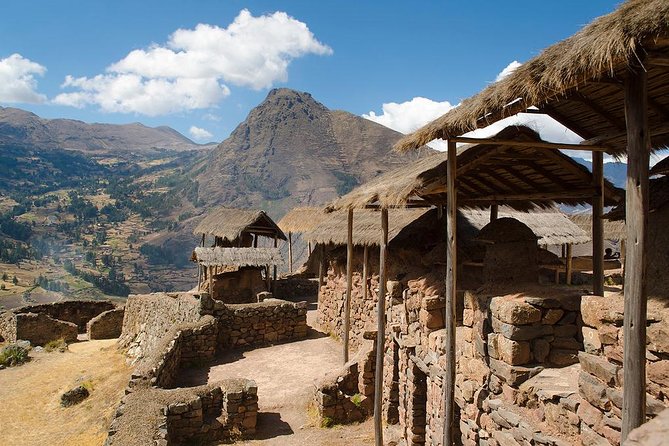
Pisac is the final main stop before the return to Cusco. The village has an artisan market where you get free time to shop for handicrafts and interact with local people. This gives the day a more commercial and social finish after the earlier focus on archaeology and engineering.
The same stop also includes the Pisac ruins. That pairing is convenient, but it creates a time decision. If you spend your full hour at the market, you will have little time for the ruins. If the archaeological site matters more, keep your shopping focused.
The description says you will explore the ruins before returning to Cusco. It does not give a separate time allocation for the market and the site, so ask your guide how the hour is divided. Pisac works well for someone who wants both souvenirs and ancient stonework, but it is less suitable for anyone hoping to study the ruins at an unhurried pace.
The return to Cusco is expected around 6:30 to 7:00 p.m. Traffic and the day’s timing can affect the exact arrival, so avoid scheduling a tight evening connection.
A good guide can change the whole day
The guide named in the strongest praise is Willy. His particular strength is not simply pointing out buildings. He connects the Incas with spirituality, science, traditional stories, and modern life.
That kind of guiding matters on a fast tour. Without context, Moray can look like a set of unusual circles, and Ollantaytambo can become a collection of impressive stones. With a clear explanation, you can understand why drainage, water worship, agriculture, settlement design, and defense all matter.
Willy is also specifically praised for humor, patience, and the way he explains Inca tales and spiritual ideas without leaving modern science out of the conversation. He may not be the guide on every departure, so treat his name as a useful detail to ask about rather than a guarantee.
A guide who can connect the sites gives this packed schedule more meaning. You are still moving quickly, but you are less likely to see the valley as a string of photo stops.
Transport and timing require realistic expectations
The tour uses included tourist-van transport. That is a practical advantage because the route covers several towns and archaeological areas in one day. You can look out at the valley between stops instead of handling directions, vehicle changes, or separate fares.
The day is long, though. Pickup is listed as early as 6:00 a.m., the formal start is also listed as 7:00 a.m., and the return comes around 6:30 to 7:00 p.m. Confirm the exact schedule. A 13-hour day leaves limited room for delays or extended stops.
The small group should make boarding and listening easier than on a big bus. Yet the group-size information differs slightly, with one section saying 12 and another saying 15. That is not a major issue for most people, but it is worth asking if you prefer a very small group.
This tour is best for you if you want a broad first look at the Sacred Valley and accept that each site receives a short visit. It is less suited to you if you prefer long walks, detailed photography, or a quiet morning at one ruin.
What the extra costs mean for the total value
The headline price is $38, but your real cost includes required entrance fees. The partial Tourist Ticket is listed at 70 soles per person. A full ticket costs 130 soles and lasts 10 days, which may be better value if you plan to visit other included sites during your stay.
There is also a 10-sol fee listed for the salt mines of Maras. Since Maras does not appear among the four stops described here, ask the provider whether that fee applies to your departure or belongs to a different route.
Even after adding the correct admission cost, the tour can offer good value because transport, guiding, and lunch are included. You are paying for convenience and coverage rather than a slow, private visit. That trade-off is fair if your time in Cusco is limited.
The free cancellation policy allows a full refund when you cancel at least 24 hours before the start time. Cancellations or changes made less than 24 hours before departure are not accepted for a refund.
Who should book this Sacred Valley day trip
I would choose this tour if you want to see the main Sacred Valley highlights in one day, especially on a first visit to Cusco. The route covers village life, textile traditions, agricultural design, Inca town planning, military architecture, a market, and major ruins.
It also suits you if you appreciate explanation rather than just transport. A guide such as Willy can help connect the sites to Inca spirituality, science, and present-day life. The bilingual format works for English- and Spanish-speaking participants.
Families and most able-bodied visitors can likely participate, since the information says most people can take part. Still, you should expect a long day, repeated boarding and walking, and limited time at each location. Specific accessibility details are not provided, so ask before booking if you need them.
I would not pick it for a slow, specialized archaeological visit. You will have to accept the early start, shared transport, extra ticket fees, and the possibility that market time competes with ruins time at Pisac.
Should you book it?
Book this Sacred Valley tour if your priority is maximum coverage for a modest price. The route is well chosen: Chinchero adds living craft traditions, Moray explains Inca farming, Ollantaytambo shows an old town in use, and Pisac brings in shopping and another major ruin.
Before paying, confirm the pickup time, expected group size, entrance-ticket requirements, and whether Willy is guiding your departure. If those details suit you, the included lunch and transport make this a practical one-day introduction to the valley. If you want depth at each site, choose a slower tour instead.
FAQ
How long does the Sacred Valley tour last?
The experience lasts approximately 13 hours. Pickup is described as beginning at 6:00 a.m., and the return to Cusco is expected around 6:30 to 7:00 p.m.
What places does the tour visit?
The route includes Chinchero, Moray, Ollantaytambo, and Pisac. Pisac includes both the artisan market and the ruins.
Is transportation included?
Yes. Tourist-van transportation is included in the tour price.
Is lunch included?
Yes. A buffet lunch in Urubamba is included, and a vegan option is available.
Is the tour offered in English?
Yes. A bilingual guide speaking English and Spanish is included.
Are entrance tickets included?
No. The partial Tourist Ticket is listed at 70 soles per person, and the full ticket is listed at 130 soles for 10 days. A 10-sol entrance fee for the salt mines of Maras is also listed, although Maras is not included among the scheduled stops described here.
How large is the group?
The tour highlights a maximum of 12 people, while the additional information gives a maximum of 15 travelers. Confirm the expected group size when booking.
Can I cancel for a full refund?
Yes, if you cancel at least 24 hours before the experience start time. Cancellations or changes made less than 24 hours before the start time are not accepted for a refund.
Just added around Sacred Valley
- Rafting & Zip line Urubamba River 1 Day★ 5.0 · 75 reviews
- Moray and Maras Salt Mines Full Day Tour – Small Groups★ 5.0 · 79 reviews
- Sacred Valley VIP Tour with Maras and Moray from Cusco★ 4.5 · 35 reviews
- Sacred Valley Private Tour, Moray & Salt Mines Incluided★ 5.0 · 41 reviews
- 2-Day Tour: Sacred Valley & Machu Picchu – All Tickets Included★ 5.0 · 42 reviews
- Sacred Valley Full-Day Private Tour from Urubamba & Ollantaytambo★ 5.0 · 112 reviews
- Sam’s Zip Line in Sacred Valley★ 5.0 · 75 reviews
- Salt Mines(Maras),Moray and Chincheros★ 5.0 · 41 reviews
Sacred Valley Tours, compared.
From Cusco: Moray, Maras Salt Mines & Chinchero Weavers Tour
Read our review →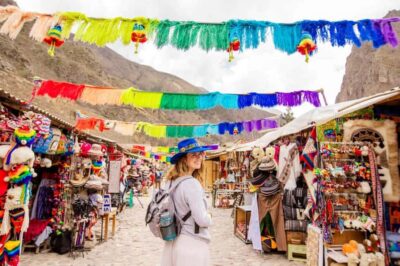
Cusco: Sacred Valley, Pisac, Ollantaytambo, Salt Mines Moray
Read our review →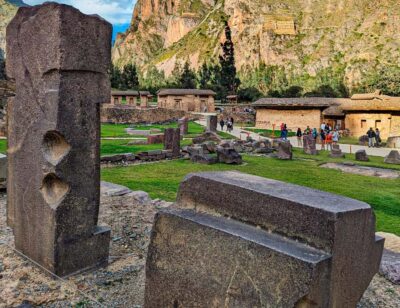
Cusco:Chinchero,Moray & Salt Mines drop-off in Ollantaytambo
Read our review →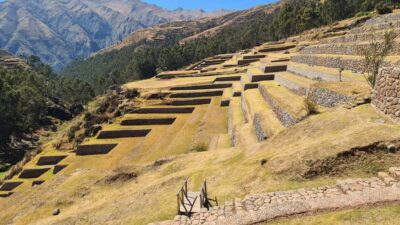
Sacred Valley: Chinchero, Moray, Ollantaytambo & Pisac+Lunch
Read our review →
Sacred Valley: Maras & Moray by Quad Bike from Cusco
Read our review →
Pisac Indian Market and Ollantaytambo Fortress with Lunch
Read our review →
From Cusco: Quad bike tour Moray and Salt Mines
Read our review →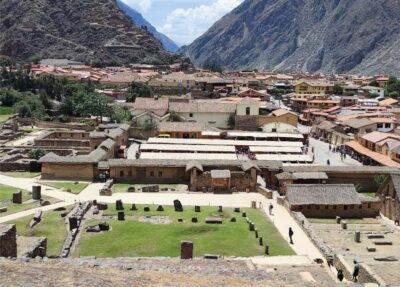
From Cusco: 2-Day Trip to the Sacred Valley and Machu Picchu
Read our review →Browse the lists this tour appears in