
Reviewed · GALáPAGOS ISLANDS TOURS
BiciTour Giant Turtles and Lava Tunnel in Galapagos
The best part of this Santa Cruz outing is the pairing of giant tortoises in a natural forest setting with a walk through lava tunnels formed by old volcanic flows. You are not simply driven to a viewing pen, then sent back to town. The morning links wildlife, geology, and a downhill bike ride.
I especially like the close contact with the tortoises and the chance to learn from César, the reserve owner, whose experience with the local plants and animals runs more than 30 years. I also like the finish at Laguna las Ninfas, where a short wooden walkway winds among red and white mangroves. The main caution is that the ride and walk are more active than the brief tour label might suggest, and English ability can vary by guide.
Key points to know
- Wild tortoises in the Santa Cruz highlands: See giant tortoises moving through forest, ponds, and muddy ground rather than only at a breeding center.
- Two lava tunnels: Walk underground with flashlights and hear how volcanic rock shaped the Galapagos Islands.
- About 16 kilometers by bicycle: The route includes a downhill stretch into the reserve area and a longer ride back toward Puerto Ayora.
- Rubber boots are useful: Mud, rocks, and uneven ground make proper footwear important during the reserve walk.
- Small-group format: The maximum is 16 people, though the group may be smaller.
- $90 for about 4.5 hours: The price covers a full half-day with transport, bikes, guiding, reserve access, and several different activities.
Why the tortoise and lava tunnel combination works
Santa Cruz offers plenty of ways to see giant tortoises, but this outing gives you more than a single wildlife stop. You first ride or transfer into the highlands, then walk through forest where the tortoises move freely around the reserve. After that, you go underground into lava tubes before returning by bicycle.
That sequence gives the morning a useful rhythm. The tortoises show you the living side of the island, while the tunnels explain the volcanic forces that made the island possible in the first place. The experience is educational without being confined to a museum or a short roadside photo stop.
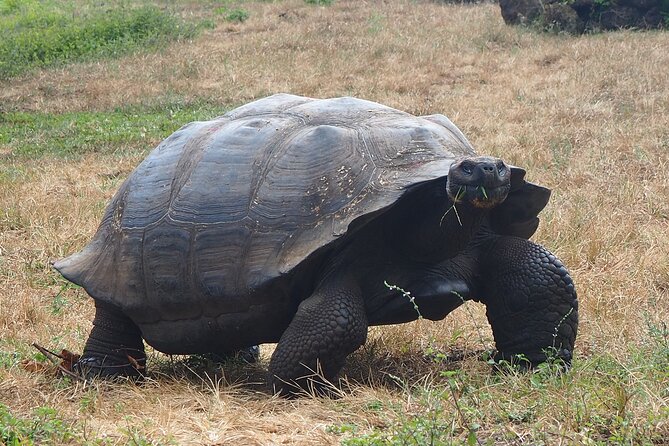
You may see tortoises resting in shade, feeding, or cooling off in shallow ponds. Some are very old, with one account noting tortoises as old as 170 years. The reserve also provides chances to spot endemic birds such as Darwin’s finches and the Galapagos mockingbird, locally called the cucuve.
The setting is not a zoo display. You walk through forest and reserve land, watching your footing while looking for animals along the trail. That makes the sightings feel less staged, but it also means the ground can be muddy and uneven.
A few more Galápagos Islands days worth comparing
- Day Tour to Santa Fe Island and Hidden Beach with snorkeling and fishing
★ 5.0 · 78 reviews - Giant Turtle Watching and Lava Tunnels Tour
★ 5.0 · 60 reviews - Galapagos Intensive 5 days, land base (3Islands) Excludes galapagos flight
★ 4.5 · 55 reviews
Starting in Puerto Ayora and choosing a bicycle
The meeting point is in Puerto Ayora, near San Francisco Park and the municipal market area. Julio is one of the guides associated with the experience, and he has been praised for being friendly and attentive. The group selects and tests different bicycles before setting off, an important step because the route is long enough for a poor fit to become uncomfortable.
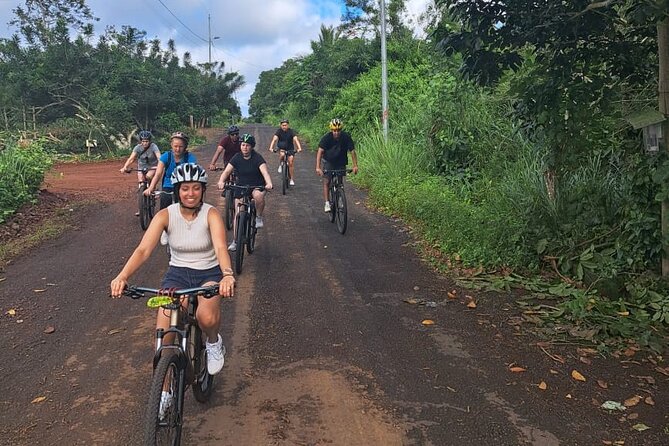
The bikes are transported inland by bus or taxi, depending on the day’s arrangements. The ride into the highlands saves you from cycling the initial uphill section from town. Once you begin riding, the route is described as mostly downhill at first, often along quiet paved roads and through the transition zone between town and forest.
The cycling distance deserves careful attention. The operator describes about 4 kilometers downhill and 12 kilometers back by bike, for roughly 16 kilometers in total. Other route descriptions give shorter individual sections, so the exact distance may vary, but you should be comfortable riding for several hours with a long return leg.
This is not presented as a hard mountain-bike trip. One older rider with arthritic knees managed the walking and cycling, and several accounts describe the bike ride as manageable. Still, you should be confident on a bicycle and ready for the possibility of riding farther than the basic 2-kilometer description suggests.
Families can make it work. A child as young as nine was fitted with a suitable bike, and the operator adjusted the outing when the family wanted more cycling. Ask about bike size at the start, and do not quietly accept a bicycle that feels wrong.
Walking through Galapagos Frontier Reserve
At Galapagos Frontier, you pause for coffee and juice before the nature walk. The reserve’s owner, César, is central to this part of the outing. His work focuses on the tortoises, plants, and forest, and he explains the animals in the context of their surroundings rather than treating them as isolated curiosities.
The tortoise sightings can be excellent. You might see several sizes and ages in one walk, from younger animals to huge adults. Some rest beneath trees, some feed, and others gather near shallow water. Because they are encountered along the trail, you should keep your attention on the path and give them room.
César also explains the endemic vegetation and how the transition zone supports wildlife. The island’s dry coastal areas and wetter highlands are not separate worlds, and this reserve gives you a glimpse of that change. Keep an eye out for finches and mockingbirds in the trees, although bird sightings are never guaranteed.
Rubber boots are provided for the walk, and you may be glad to have them. The trail can include mud, small rocks, and wet ground near ponds. Comfortable walking shoes alone might be fine on a dry day, but the boots make sense for a reserve where you are walking off smooth pavement.
The walk is around two hours when combined with the reserve and tunnel sections. You should expect a moderate physical effort, not a casual stroll. One especially low section in a lava tube requires crouching for about 25 feet, so anyone with knee trouble or limited mobility should think carefully before booking.
Going underground into two lava tunnels
The lava tunnels are among the most unusual parts of the morning. These passages formed when the outside of a lava flow cooled while hotter material continued moving beneath it. When the inner lava drained away, it left a hollow tube.
Inside, flashlights reveal stalactites, stalagmites, and newer formations. The tunnels are dark, uneven, and sometimes low. You may use a supplied flashlight or the light on your phone, but the ground requires steady attention. Avoid touching the formations, both to protect them and to keep your balance.
The tunnel walk adds real geological context. Instead of simply hearing that volcanic activity created the Galapagos, you see the evidence around you in the rock. The guide explains how the islands formed while you move through the passage.
This portion will not suit everyone. If you dislike confined spaces, darkness, or crouching, the tunnel can feel like a chore rather than an adventure. The two tunnels also share similar volcanic features, so the appeal comes from the setting and explanation as much as from visual variety.
A barn owl might be seen inside, though that is a matter of luck. It is best to treat wildlife sightings as a bonus and not a promise.
Same trip, a completely different kind of day:
- Full Day Tour Gualaceo, Chordeleg, and San Bartolomé from Cuenca
★ 5.0 · 55 reviews - Snorkeling in Cabo Rosa Tunnels Isabela Island
★ 4.5 · 54 reviews - 12-Day The Best Of Ecuador & Galapagos
★ 5.0 · 48 reviews - Full Day Tour Pinzon Island + La Fe/Las Palmas – Snorkeling & Fishing
★ 4.5 · 47 reviews
The ride back to Puerto Ayora
After the reserve and tunnels, you change back from the rubber boots and begin the bicycle ride toward town. This is one of the most pleasant parts of the route because much of the return is downhill or gently graded, according to the descriptions provided.
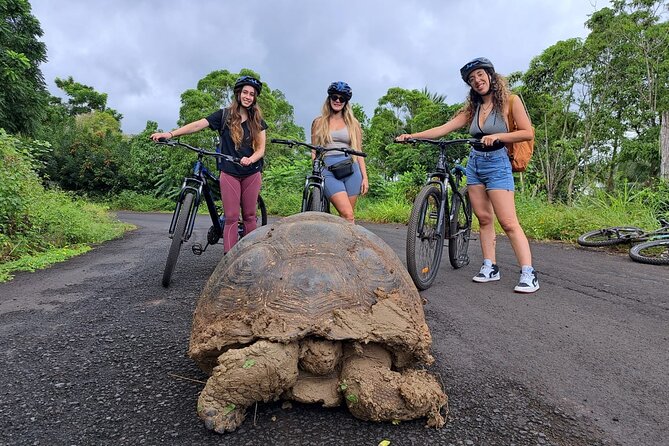
The route may pass farms and forest where tortoises can sometimes be seen near the roadside. It is a different kind of wildlife viewing from the reserve. You are moving through the island rather than stopping at a single attraction, so keep your eyes open without losing focus on the road.
The guide may take photographs along the way. Julio is described as riding with the group and keeping the mood light, though the pace may not suit everyone. One account found the guide too far ahead and disliked the handling of traffic lights, while the operator explained that local cyclists are accustomed to the route. The practical lesson is simple: tell the guide if you need a slower pace or a regrouping stop.
English ability can also vary. Julio and some other guides are praised for clear, friendly service, but a substitute guide on one departure spoke only limited English. Information may sometimes be translated through another guide or group member. If detailed English explanations are essential to you, confirm the language arrangement before paying.
Ending at Laguna las Ninfas
The official end point is Laguna las Ninfas, a seawater lagoon in Puerto Ayora. Here the pace changes from cycling and walking to a short wooden-boardwalk visit.
The lagoon is surrounded by red and white mangroves, two of the four mangrove species found in the Galapagos. You may see floating red mangrove propagules, the seed-like structures that drift in the water before taking root elsewhere along the coast.
This stop is quiet and compact. It does not require a long hike, and it gives you time to notice the link between marine water, mangrove roots, and young coastal habitat. The lagoon is a fitting end because the tour has moved from highland forest to volcanic rock and finally back to a coastal ecosystem.
Do not expect a large attraction with many facilities. Laguna las Ninfas is valued for its calm setting and natural detail. If you have spent the morning concentrating on tortoises and tunnels, the boardwalk offers an easy final pause.
What the $90 price includes in practical terms
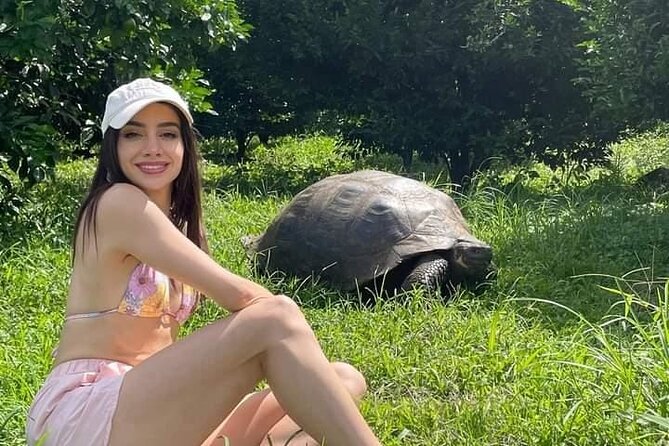
At $90 per person, this is not the cheapest way to see tortoises on Santa Cruz. The value comes from the number of elements packed into roughly 4.5 hours: a vehicle transfer to the highlands, bicycle use, reserve entry, guiding, a forest walk, two lava tunnels, and the lagoon visit.
You also receive a naturalist-led explanation rather than only transportation and a viewpoint. César’s long experience adds value if you enjoy learning about animal behavior, native plants, and volcanic formation.
Food arrangements need a little care. Coffee, juice, water, or a small snack are described during the outing, and one experience included fresh tangerine juice. Encebollado soup and lunch at the reserve have also been mentioned, but you should not assume a full meal is included in the $90 price unless the operator confirms it.
The tour is often booked well ahead, with an average booking time of about 51 days. That suggests you should not leave it until the last moment if the date matters, especially since the group cap is 16 people.
Free cancellation is available if you cancel at least 24 hours before the start time. Cancellations inside that window are not refunded, and poor weather may lead to a new date or a full refund.
Who should book this Santa Cruz outing
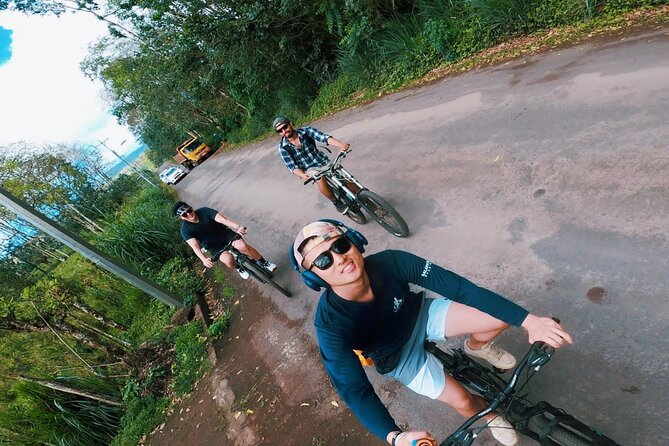
I would choose this tour if you want a half-day activity that mixes wildlife, geology, and light exercise. It suits people who enjoy being outside and do not need every part of a tour to feel polished or perfectly timed.
It is also a good choice for families with older children who can ride a bicycle and manage a moderate walk. The reserve gives children a strong visual connection to the tortoises, while the tunnels add the kind of hands-on setting that is hard to reproduce in a classroom.
You should think twice if you want a short, effortless excursion. The ride may reach about 16 kilometers, the reserve walk can last around two hours, and the tunnel includes low sections and uneven ground. You also need to be comfortable with variable English support and the possibility of a substitute guide.
The experience works best when you allow for a flexible pace. One group rode much farther than the basic plan after requesting it, while another found the timing and guide pace frustrating. Tell the operator what you want, test the bike, and speak up early if you need a slower ride or clearer instructions.
Should you book it?
Book this tour if your ideal Santa Cruz morning includes wild giant tortoises, a passionate local guide, volcanic tunnels, and a bike ride through the highlands. The combination is the real value, and the strongest part is the chance to see the animals in a forest setting while learning how the island’s rock and wildlife fit together.
Skip it if you dislike enclosed spaces, cannot comfortably ride a bicycle for a long return stretch, or need guaranteed fluent English throughout. For most active visitors who want more than a quick tortoise photo, the $90 price buys a varied and memorable half-day.
FAQ
How long does the BiciTour Giant Turtles and Lava Tunnel experience last?
The tour lasts approximately 4 hours and 30 minutes. The reserve and tunnel portion takes about three hours, the Laguna las Ninfas visit about 30 minutes, and the remaining time covers the Puerto Ayora meeting, transfers, and cycling.
How much does the tour cost?
The listed price is $90 per person.
Where does the tour start and finish?
The meeting point is in Puerto Ayora at 7M2P+VF6, near the San Francisco Park and municipal market area. The tour ends at Laguna las Ninfas in Puerto Ayora.
How far do you bicycle?
The operator describes about 4 kilometers downhill and 12 kilometers back toward Puerto Ayora, for roughly 16 kilometers total. The exact route may vary.
What animals might I see?
You may see giant Galapagos tortoises, Darwin’s finches, Galapagos mockingbirds, and possibly a barn owl in the lava tunnels. Wildlife sightings are not guaranteed.
Is the tour physically difficult?
You need a moderate level of fitness. The outing includes bicycle riding, a walk of about two hours, uneven ground, mud, and a low section in a lava tunnel that requires crouching.
How many people can join the tour?
The maximum group size is 16 people.
What is the cancellation policy?
You can cancel at least 24 hours before the start time for a full refund. Cancellations or changes made less than 24 hours before the tour are not accepted for a refund. If poor weather causes the operator to cancel, you will be offered another date or a full refund.
Just added around Galápagos Islands
- Transfer Airport-hotel in Galapagos Santa Cruz with visit to Giant Tortoises★ 5.0 · 36 reviews
- Day Tour to Floreana Island with Snorkeling and Fishing★ 5.0 · 40 reviews
- LA PINTA DARWIN’S LEGACY (Fri-Thurs)★ 5.0 · 44 reviews
- The Galapagos Giant Tortoise Experience + Los Gemelos | Shared★ 5.0 · 42 reviews
- Full Day Tour Pinzon Island + La Fe/Las Palmas – Snorkeling & Fishing★ 4.5 · 47 reviews
- Galapagos Intensive 5 days, land base (3Islands) Excludes galapagos flight★ 4.5 · 55 reviews
- Adventure with Giant Turtles, Lava Tunnels and Craters★ 4.5 · 47 reviews
- Snorkeling in Cabo Rosa Tunnels Isabela Island★ 4.5 · 54 reviews
Galápagos Islands Tours, compared.
Day Tour to Santa Fe Island and Hidden Beach with snorkeling and fishing
Read our review →
Full Day Tour Gualaceo, Chordeleg, and San Bartolomé from Cuenca
Read our review →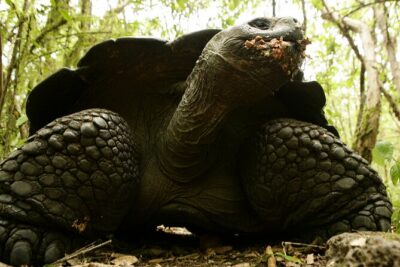
Galapagos Intensive 5 days, land base (3Islands) Excludes galapagos flight
Read our review →
Adventure with Giant Turtles, Lava Tunnels and Craters
Read our review →
Full Day Tour Pinzon Island + La Fe/Las Palmas – Snorkeling & Fishing
Read our review →Browse the lists this tour appears in