
Reviewed · SACRED VALLEY TOURS
Cusco:Chinchero,Moray & Salt Mines drop-off in Ollantaytambo
The clever part of this $27 Sacred Valley tour is its route. You visit Chinchero, Moray, the Maras Salt Mines, Urubamba, and Ollantaytambo in one day, then finish where many Machu Picchu trips begin. It is sightseeing and useful transport rolled into one.
I like the textile demonstration in Chinchero, which gives the day a human side, and the included buffet lunch, which saves you from hunting for food between stops. The drawback is a busy schedule: each major site gets roughly 30 to 35 minutes, and the 200-plus steps at Ollantaytambo require steady legs.
- Chinchero textiles: See traditional Andean weaving techniques and browse alpaca goods.
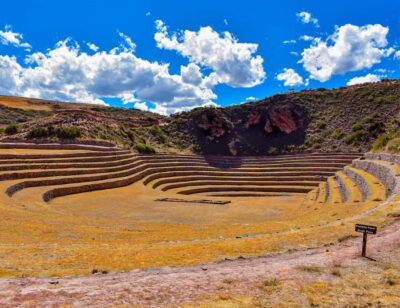
- Moray terraces: Look into the Incas’ striking circular farming terraces.
- Maras Salt Mines: Visit more than 5,000 salt ponds, with a separate 20 PEN entry fee.
- Urubamba lunch: Refuel at an included buffet with vegetarian choices available.
- Ollantaytambo finish: Explore an important Inca settlement before a train-station or town-square drop-off.
- Smart Machu Picchu connection: Book a train after 4 p.m. for the group service.
Why this Cusco to Ollantaytambo route works so well
Many Sacred Valley excursions begin and end in Cusco. This one uses the day more efficiently by finishing in Ollantaytambo, the main rail gateway for trains to Machu Picchu.
You leave Cusco in the morning, ride through the highlands, visit several major sites, eat lunch in Urubamba, and reach Ollantaytambo around 3:30 p.m. The group service can leave you at the train station or the main square. That makes it especially useful if you plan to continue to Aguas Calientes that afternoon.
I would not call this a slow, reflective day. It is a well-packed introduction to the Sacred Valley. You spend a fair amount of time in the van, but the longest listed drives are about an hour, followed by shorter rides of 20 to 40 minutes. The route keeps changing, so the day rarely feels like one long transfer.
The tour is operated by Apu Ausangate Trek EIRL and runs in English and Spanish. Private and small-group options are available. In a small group, your guide can usually answer more questions and adjust the pace a little, although the shared schedule still matters if you have a train to catch.
Chinchero turns textiles into a cultural lesson
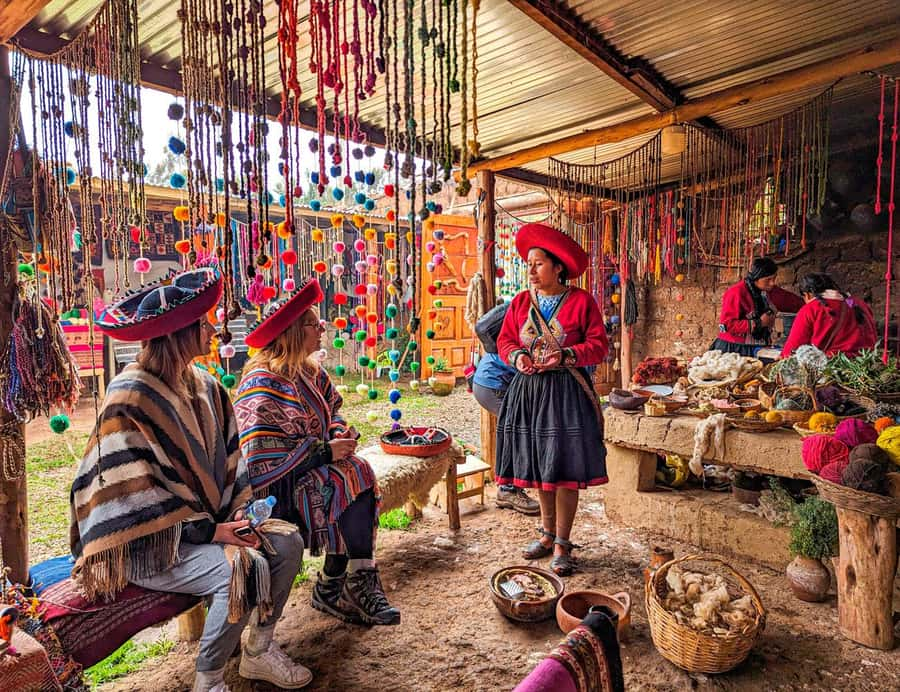
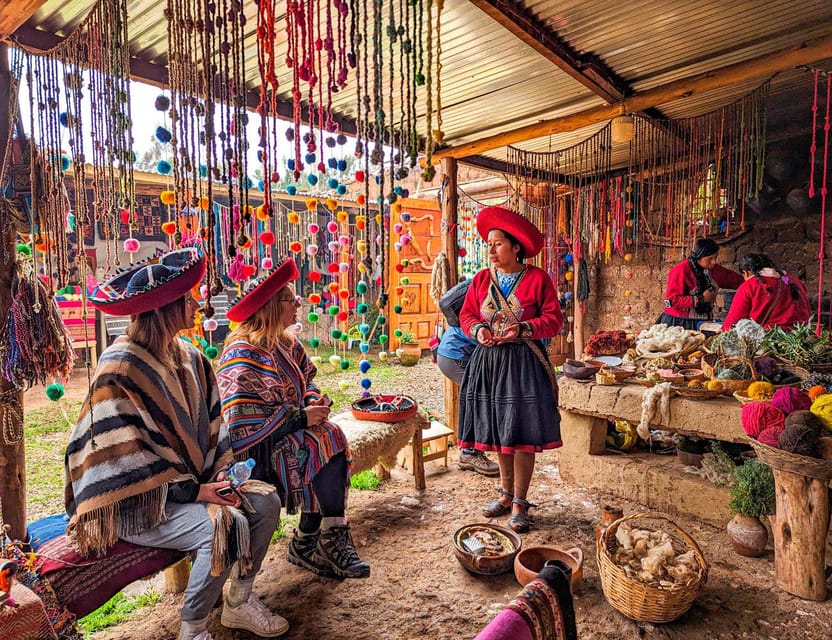
The first main stop is Chinchero, a rustic town known for its long weaving tradition. The visit includes a demonstration of textiles made with traditional Inca techniques, followed by time to browse and shop.
This is more than a quick souvenir stop if the presentation is done well. You can see how local makers work with Andean textile methods and learn how clothing and woven goods connect to local culture. The guides have also pointed out coca leaves and explained their place in Peruvian life, adding a useful bit of context beyond the usual ruins-and-dates talk.
You may see alpacas during the stop, and feeding them has been a favorite moment for some families. The shop is also a practical place to look for alpaca scarves and other woven items. Take a moment to compare labels and materials before buying. The demonstration gives you a better basis for judging what you are seeing than a roadside sales stop would.
The stop lasts about 35 minutes, so do not expect a long wander through Chinchero. You get a cultural introduction, a demonstration, and shopping time rather than a full town visit. I like that balance, but serious textile shoppers may want a separate visit with more time.
A few more Sacred Valley days worth comparing
- From Cusco: Sacred Valley & Maras Salt Mines Tour with Lunch
★ 4.8 · 2,227 reviews - From Cusco: Moray, Maras Salt Mines & Chinchero Weavers Tour
★ 4.8 · 1,925 reviews - Cusco: Sacred Valley, Pisac, Ollantaytambo, Salt Mines Moray
★ 4.6 · 1,058 reviews
Moray shows the Incas working with difficult terrain
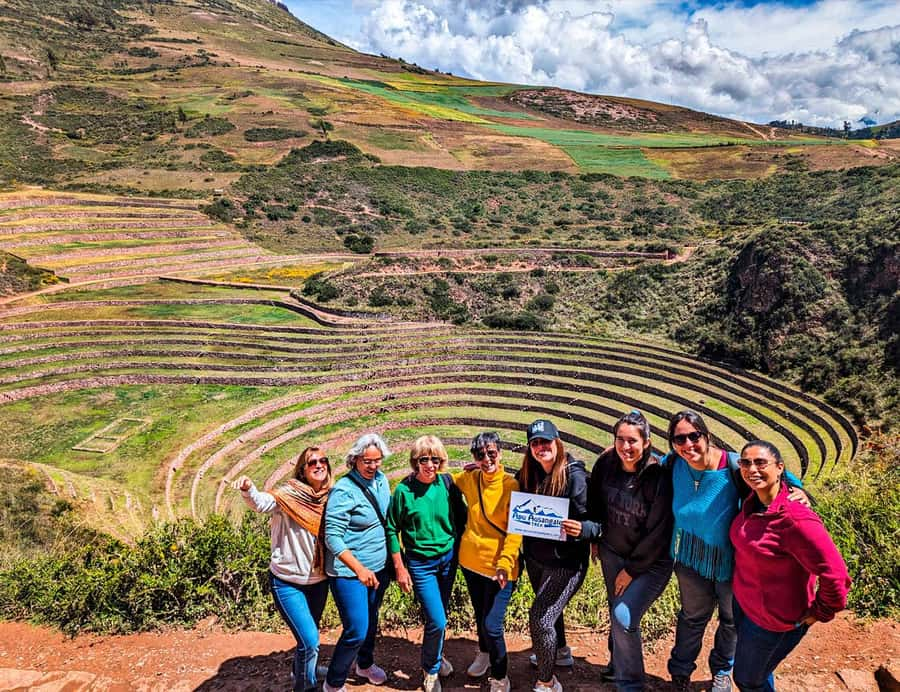
From Chinchero, the van continues for about 40 minutes to Moray. Here, broad circular terraces sink into the earth in a series of concentric rings.
The site is memorable because it looks so different from a standard Inca fortress. Instead of massive walls or high mountain stairs, you see a carefully shaped agricultural space built into the hillsides. The terraces allowed crops to be grown in mountain terrain that was not naturally easy to farm.
Guides explain the agricultural purpose and the way Andean societies adapted to altitude and limited ground. The exact function of every feature at Inca sites can invite debate, but the practical point is clear: Moray shows planning, labor, and close attention to growing conditions.
You have about 30 minutes here for a guided visit, walking, and photographs. The circular layout is easy to appreciate from the viewing area, and the site makes a strong visual break after Chinchero’s human-scale craft demonstration.
Wear shoes with a good grip and bring water. Even when the walking distance is modest, the altitude and strong sun can make a short visit feel more demanding than expected. Sunglasses, sunscreen, and a hat belong in your day bag.
Maras Salt Mines bring working Andean history into view
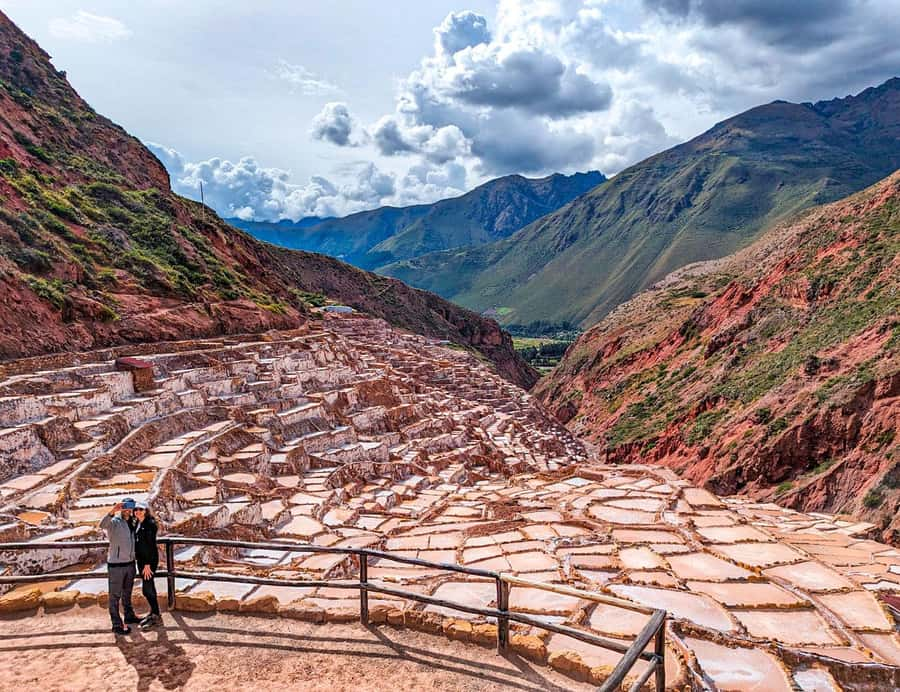
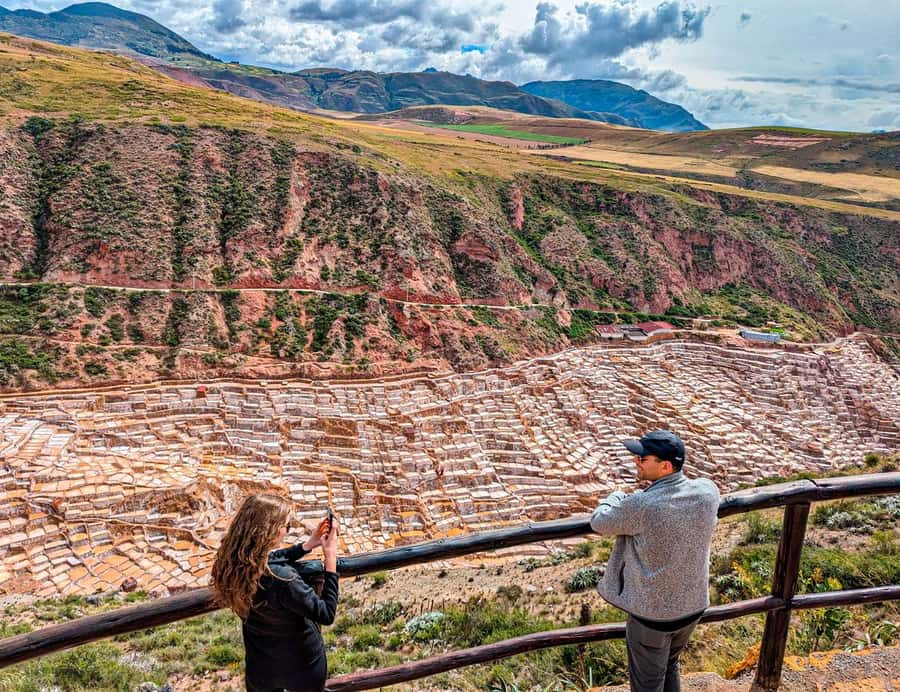
The Maras Salt Mines are a short drive from Moray and are one of the most distinctive stops on the route. More than 5,000 small salt ponds spread along the mountainside, fed by salty water that has been collected and evaporated for generations.
The sight is both natural and carefully managed. Each pond catches water, and the sun leaves salt behind. The result is a patchwork of pale pools cut into the slope. Your guide explains how salt helped local communities preserve food for long periods, connecting the site to daily life rather than treating it as only a pretty photograph.
The visit takes about 30 minutes, followed by another 30 minutes in Maras for shopping. You will need to pay a separate 20 PEN entrance fee on site. Keep cash ready, since the tour price does not cover this charge.
This is one of the day’s most visually unusual stops, but it has a practical limitation. You are viewing an active salt-producing area, not walking through a large archaeological complex. The experience is brief, and the best views depend on access and conditions at the time of your visit.
The stop also raises a useful point about responsible sightseeing. Salt production is part of the local economy, so follow your guide’s instructions and stay in permitted areas. The ponds are not simply decorative pools.
Urubamba provides a needed lunch break
After the salt mines, you ride for about 20 minutes to Maras and then continue roughly 20 minutes to Urubamba. Lunch is served there as an included buffet and lasts about 45 minutes.
This is a practical strength of the tour. You do not have to arrange a restaurant during a tight sightseeing day, and the buffet gives you a chance to choose your own portion. Vegetarian choices are available, which helps if your group has different eating habits.
The meal has received strong praise for its range and quality, and the setting has been described as pleasant, with views toward the Sacred Valley. Still, a buffet lunch is not the same as choosing a small local restaurant from a menu. If you want a very specific regional dish or have strict dietary needs, confirm what is available when you book.
The break also matters physically. By this point, you have already visited two sites and spent time in the highlands. A proper meal and a chance to sit down make the final ruins easier to enjoy.
Drinks are not included, so bring water or budget for beverages. Do not rely on buying everything at the last minute. Cash is listed among the recommended items to bring.
Same trip, a completely different kind of day:
- Sacred Valley: Chinchero, Moray, Ollantaytambo & Pisac+Lunch
★ 4.8 · 501 reviews - Sacred Valley: Maras & Moray by Quad Bike from Cusco
★ 4.6 · 418 reviews - Pisac Indian Market and Ollantaytambo Fortress with Lunch
★ 4.5 · 395 reviews - From Cusco: Quad bike tour Moray and Salt Mines
★ 4.7 · 314 reviews
Ollantaytambo is the day’s grand finish
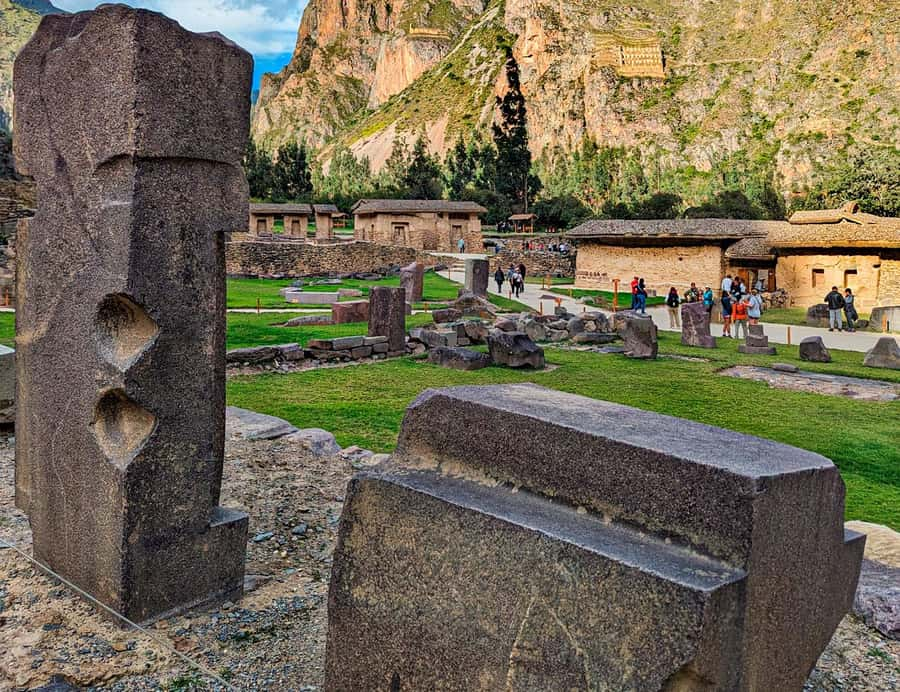
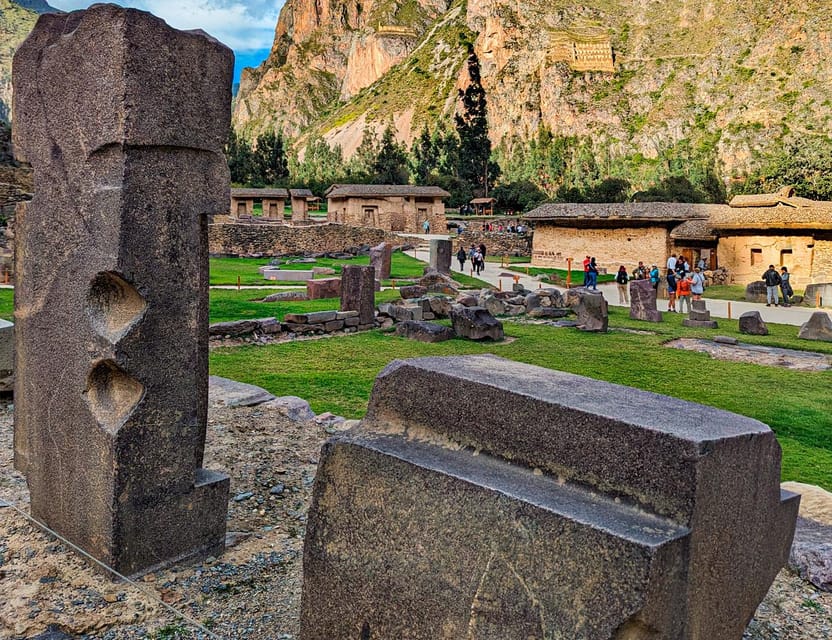
After lunch, the van takes about 25 minutes to Ollantaytambo. This is the stop with the strongest sense of scale and, for many people, the highlight of the day.
Ollantaytambo was an important Inca settlement and defensive position. Its huge stonework and terraced fortress rise above the town, showing how the Incas built with both military control and practical town planning in mind.
The route includes climbing more than 200 steps to reach the upper part of the ancient terraces. The climb is manageable for many people, but it is not a flat sightseeing stop. Go slowly, use the pauses to look back at the town, and keep water close. If you have knee problems or find stairs difficult, ask your guide about the pace and available options.
You get about 30 minutes for the guided visit according to the shared schedule. That is enough for an introduction and the principal views, but not enough for every corner of the complex. A private tour gives you more time at each place and can be arranged around your train or hotel plans.
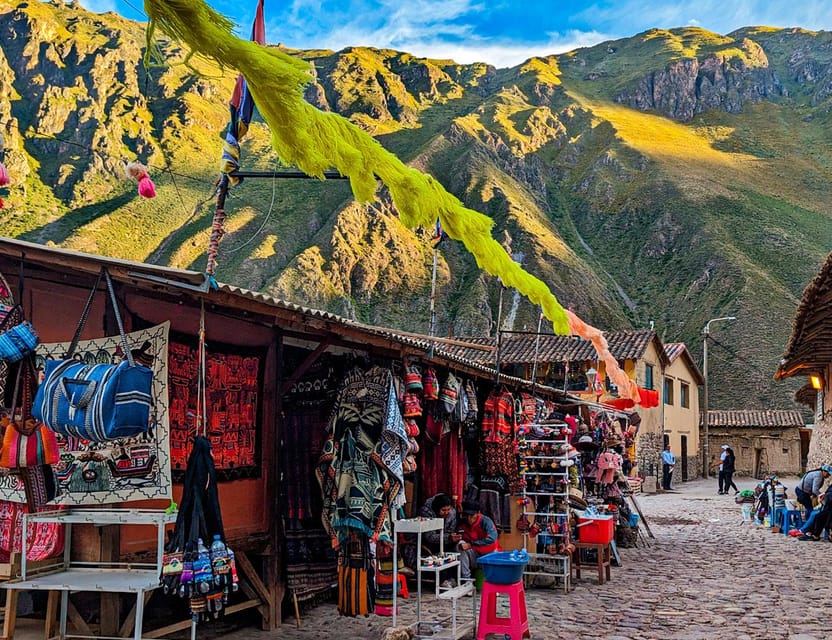
The town itself is worth noticing, not just the fortress. Ollantaytambo remains a living settlement, and the stone streets help connect the archaeological site to the present-day town. The final drop-off is either at the main square or train station, depending on your plans.
Timing matters if you are catching a train
The group tour generally reaches Ollantaytambo around 3:30 p.m. If you are taking a train to Machu Picchu, book a departure after 4 p.m. The extra margin is important because road delays, loading luggage, and finding the correct platform can all take time.
Some departures have reached the station in time for a 3:30 p.m. train, but I would not build an important connection around such a narrow gap. A later train gives you room to breathe and keeps the day enjoyable.
Tell the operator your train time in advance. Guides and drivers can help keep the schedule on track, and the private option may finish according to your train or hotel plans. The group service, however, follows a shared timetable and ends in Ollantaytambo rather than returning to Cusco.
There is no return transportation to Cusco included. If you need to go back to Cusco, you must arrange and pay for that separately. This is not a flaw in the route, but it is an important planning point. The tour is designed as a one-way journey for people heading deeper into the Sacred Valley or toward Machu Picchu.
The guide and vehicle shape the day
The tour includes hotel pickup in Cusco, transportation, and a bilingual English and Spanish guide. You should wait at your hotel reception for pickup.
Guide quality matters on a route with several short visits. Recent named guides include Julio, Felipe, Nora, John, Manuel, Ricardo, and Rehider. The strongest guides have been described as clear in both languages, good at explaining timing, and able to make Inca history easy to follow without talking every second of the drive.
The driver matters, too. Drivers named on recent departures include Fernando, Victor, Walter, Juan Carlos, Miguel, Americo, and Jose Luis. The driving involves mountain roads and a full day of transfers, so a careful, punctual driver makes a real difference.
The van has been described as comfortable but cozy. The longest ride is about an hour, and most other drives are shorter. If you dislike sitting close to other people, private service is worth considering. For most visitors focused on value, the shared vehicle is a reasonable trade-off.
Pickup can involve some waiting, especially if several hotels are involved. Bring patience for the first part of the morning. Once underway, the day is generally tightly coordinated.
What the $27 price really covers
At $27 per person, this is an unusually inexpensive way to combine transport, guiding, lunch, and several major sights. The price includes Cusco hotel pickup, the bilingual guide, the vehicle, buffet lunch, and drop-off at the Ollantaytambo train station.
You must add the partial tourist ticket for Chinchero, Moray, and Ollantaytambo, priced at 70 PEN and available at the first site. The Maras Salt Mines charge another 20 PEN. Drinks and any purchases are extra.
That means the advertised price is not your final cost, but the required additions are clear and relatively easy to plan for. Carry cash in Peruvian soles, especially for entrance fees and small purchases.
The value is strongest if you already need one-way transport to Ollantaytambo. You are paying for a full sightseeing day instead of buying a separate transfer and separate excursions. If you plan to return to Cusco, the calculation changes because you will need to arrange that ride yourself.
Who should book this Sacred Valley day?
I would choose this tour if you want to see several headline sites quickly, prefer having transport and lunch organized, and plan to catch a train from Ollantaytambo later in the day.
It is also a good first look at the Sacred Valley before Machu Picchu. Chinchero introduces living craft traditions, Moray explains agricultural planning, Maras shows an ongoing local industry, and Ollantaytambo brings the Inca stonework into focus.
Families and first-time visitors should find the variety helpful. Teenagers may appreciate the alpacas, salt ponds, and dramatic ruins more than a day spent at one long museum-style site. The guide can also help keep a mixed-age group moving.
I would choose private service if you want long photo stops, more time at Ollantaytambo, or a schedule built around a specific train. I would skip this option if you want a quiet day with extended time at each location, dislike group pacing, or need a guaranteed return to Cusco.
Bring sunglasses, a sun hat, sunscreen, water, a camera, and cash. Drones, alcohol, and drugs are not allowed.
Should you book it?
Book this tour if you want the best practical combination of Sacred Valley sightseeing and one-way transport to Ollantaytambo. The route covers a lot without making lunch or transfers your problem, and the guides have often added real value through clear explanations of textiles, farming, salt production, and Inca construction.
Just plan honestly for the pace. The stops are short, the final fortress includes more than 200 steps, and the group service ends around 3:30 p.m. With a train after 4 p.m., sensible footwear, and enough cash for the 90 PEN in entry fees, this is one of the strongest low-cost ways to spend a day between Cusco and Machu Picchu.
FAQ
What is included in the $27 tour price?
The price includes hotel pickup in Cusco, transportation, a bilingual English and Spanish guide, buffet lunch in Urubamba, and drop-off at the Ollantaytambo train station or main square.
Are entrance fees included?
No. The partial tourist ticket for Chinchero, Moray, and Ollantaytambo costs 70 PEN. The Maras Salt Mines charge a separate 20 PEN entry fee.
Where does the tour finish?
The group service finishes in Ollantaytambo, either at the main square or the train station. It does not include return transportation to Cusco.
What time should I book my train to Machu Picchu?
For the group service, book a train after 4 p.m. The tour generally reaches Ollantaytambo around 3:30 p.m., and a later departure gives you more time for the station.
Is lunch included?
Yes. A buffet lunch in Urubamba is included. Vegetarian choices are available, but drinks are not included.
Is the tour available as a private experience?
Yes. Private and small-group services are available. Private service provides more time at each place and can finish according to your train time or hotel plans.
Just added around Sacred Valley
- Rafting & Zip line Urubamba River 1 Day★ 5.0 · 75 reviews
- Moray and Maras Salt Mines Full Day Tour – Small Groups★ 5.0 · 79 reviews
- Sacred Valley VIP Tour with Maras and Moray from Cusco★ 4.5 · 35 reviews
- Sacred Valley Private Tour, Moray & Salt Mines Incluided★ 5.0 · 41 reviews
- 2-Day Tour: Sacred Valley & Machu Picchu – All Tickets Included★ 5.0 · 42 reviews
- Sacred Valley Full-Day Private Tour from Urubamba & Ollantaytambo★ 5.0 · 112 reviews
- Sam’s Zip Line in Sacred Valley★ 5.0 · 75 reviews
- Salt Mines(Maras),Moray and Chincheros★ 5.0 · 41 reviews
Sacred Valley Tours, compared.
From Cusco: Moray, Maras Salt Mines & Chinchero Weavers Tour
Read our review →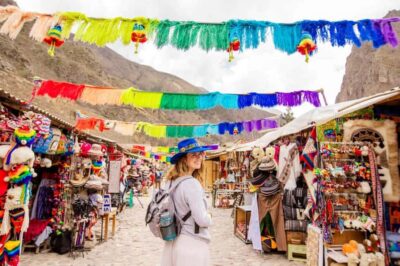
Cusco: Sacred Valley, Pisac, Ollantaytambo, Salt Mines Moray
Read our review →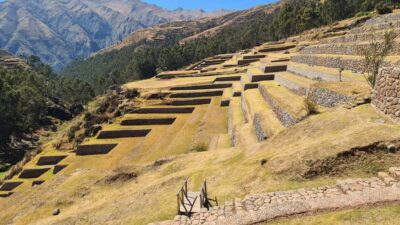
Sacred Valley: Chinchero, Moray, Ollantaytambo & Pisac+Lunch
Read our review →
Sacred Valley: Maras & Moray by Quad Bike from Cusco
Read our review →
Pisac Indian Market and Ollantaytambo Fortress with Lunch
Read our review →
From Cusco: Quad bike tour Moray and Salt Mines
Read our review →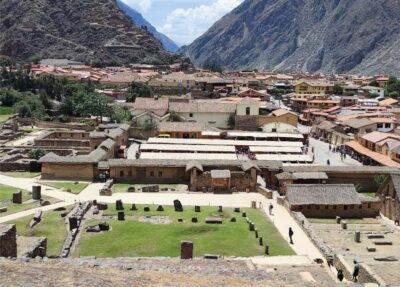
From Cusco: 2-Day Trip to the Sacred Valley and Machu Picchu
Read our review →
Cusco:Sacred Valley Pisaq,Ollantaytambo,Chinchero with Lunch
Read our review →Browse the lists this tour appears in